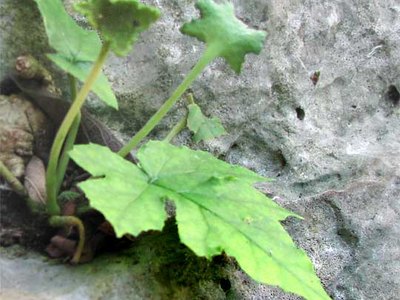
Western Herbalism
Contrayerva
Dorstemia contrayerva
Also known as Contrayerva root, Counter-poison root.
Dorstenia contrayerva is a low-growing perennial of the fig family, native to Mexico, the West Indies, Brazil, and neighboring parts of tropical America, where it grows in shaded, humid ground. The thick, aromatic rhizome, with its attached fibrous roots, is the part used medicinally. It held a place in older Western herbal practice, including the physiomedicalist tradition, as a warming stimulant tonic for depressed vitality and low fevers, and its name reflects a long folk reputation as a counter-poison for venomous bites.

Ask Herbert about Contrayerva. Herbert is the master herbalist inside Bountiful Herbs: he answers from this plate and eleven hundred others, with dosing, pairing and cautions. Your first ten questions are free.
Ask HerbertActions
Indications what the tradition reached for it in
- Low, debilitated fevers
- Convalescence after acute febrile illness
- Atonic dyspepsia
- Flatulent colic
- Sluggish digestion with cold, relaxed tissue tone
- Night sweats of exhaustion
- Intermittent (periodic) fevers, historically
- General debility with a cold, weak pulse
- Snakebite and venomous stings, historic folk use
Specific indications
Low, sinking fever with a weak, slow pulse and cold extremities, calling for a warming stimulant tonic rather than a cooling relaxant
Atonic dyspepsia with flatulence and sluggish appetite in a person of relaxed, cold constitution
Safety
Pregnancy: Avoid in pregnancy: no modern safety data exist, and traditional stimulant herbs of this kind are best set aside until reproductive safety is established.
Breastfeeding: Avoid in lactation for the same reason: no safety data are available to support use while breastfeeding.
The record lists 3 contraindications; open the plate in the library to read them in full.
In practice
In the physiomedicalist framework, contrayerva was reached for when tissue tone was relaxed and cold, and the pulse weak and sinking rather than full and bounding, particularly in the later, debilitated stages of a fever where a purely cooling relaxant would be the wrong tool.
Dosing as the sources wrote it
| Preparation | As written | Metric |
|---|---|---|
| Decoction of dried rhizome | 2-4 g dried rhizome daily in decoction | 2000-4000 mg |
| Tincture (1:5, 45%) | 1-3 mL three times daily | 1-3 mL |
| Its dose, in powder, is 30 grains; the best form of administration is the infusion. | 1944-1944 mg |
Doses are reproduced from the sources for practitioners and are not a recommendation for any person.
From the sources
Overview. Dorstenia contrayerva is a low-growing perennial of the fig family, native to Mexico, the West Indies, Brazil, and neighboring parts of tropical America, where it grows in shaded, humid ground. The thick, aromatic rhizome, with its attached fibrous roots, is the part used medicinally. It held a place in older Western herbal practice, including the physiomedicalist tradition, as a warming stimulant tonic for depressed vitality and low fevers, and its name reflects a long folk reputation as a counter-poison for venomous bites.
Clinical Notes. In the physiomedicalist framework, contrayerva was reached for when tissue tone was relaxed and cold, and the pulse weak and sinking rather than full and bounding, particularly in the later, debilitated stages of a fever where a purely cooling relaxant would be the wrong tool.
Properties and Uses. This root is diffusibly stimulating, with mild tonic properties; and yields a considerable quantity of mucilage when treated with hot water. It sustains the outward capillary circulation, warms the surface, and gently promotes diaphoresis.
Description. Natural Order, Urticaceae. One of the nettle family, found in Mexico, West Indies, Brazil, and contiguous countries. “This plant has a perennial, fusiform, branching, rough, compact root or rhizoma, which sends up several leaves of an irregular shape, about four inches in length, lobed and pointed, and placed upon long radical foot-stalks, which are winged toward the leaves.
Drawn from Cook's Physio-Medical Dispensatory; King's American Dispensatory, 18th edition (Felter and Lloyd), and the Bountiful Herbs editorial.
Nearby on the shelf
 Common MallowMalva sylvestris
 Common wireweedSida acuta
 CondurangoMarsdenia cundurango
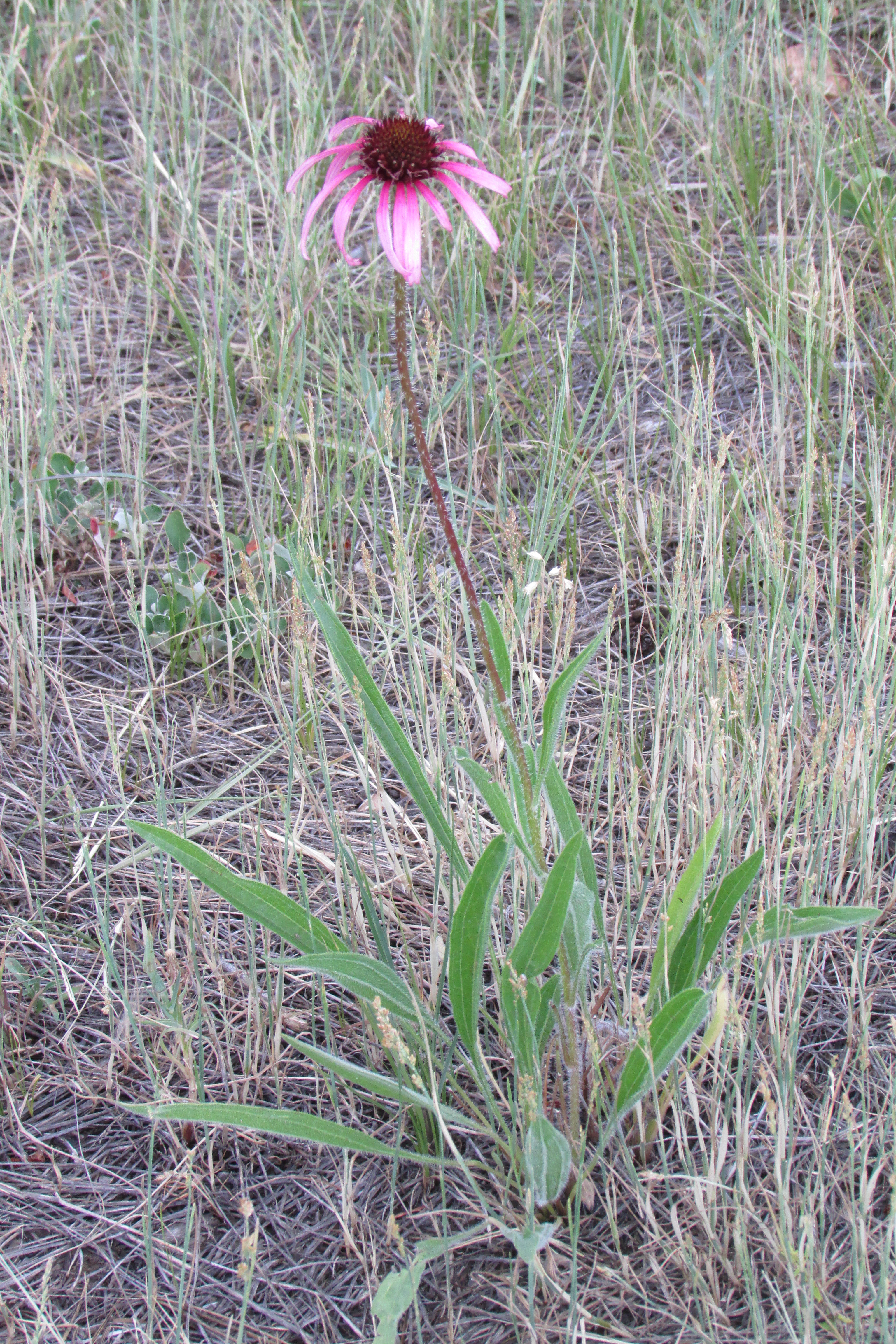 ConeflowerEchinacea angustifolia
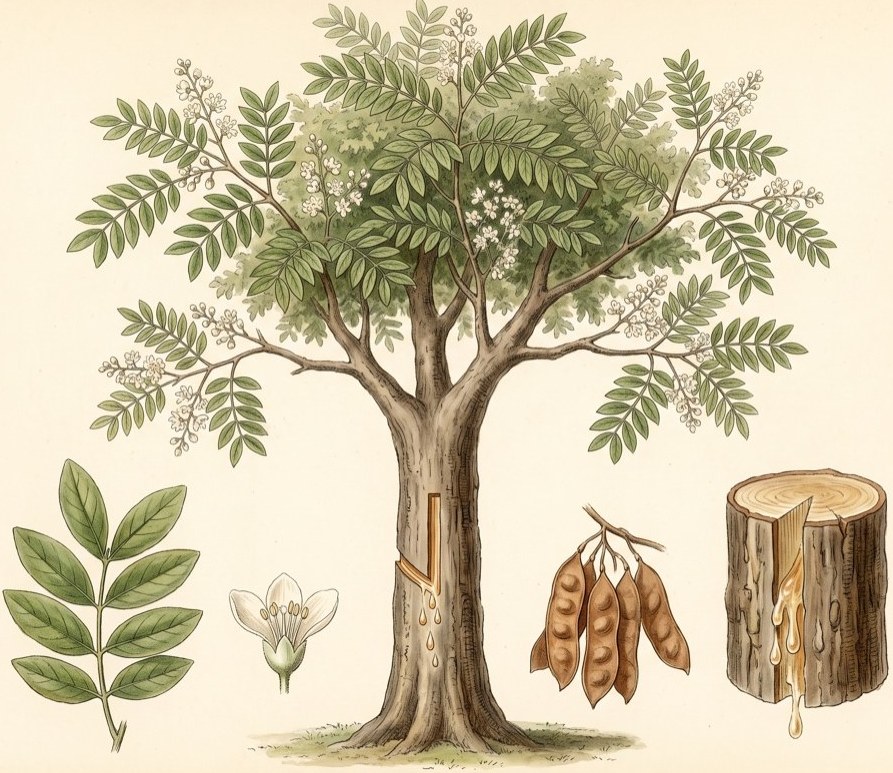 CopaibaCopaifera officinalis
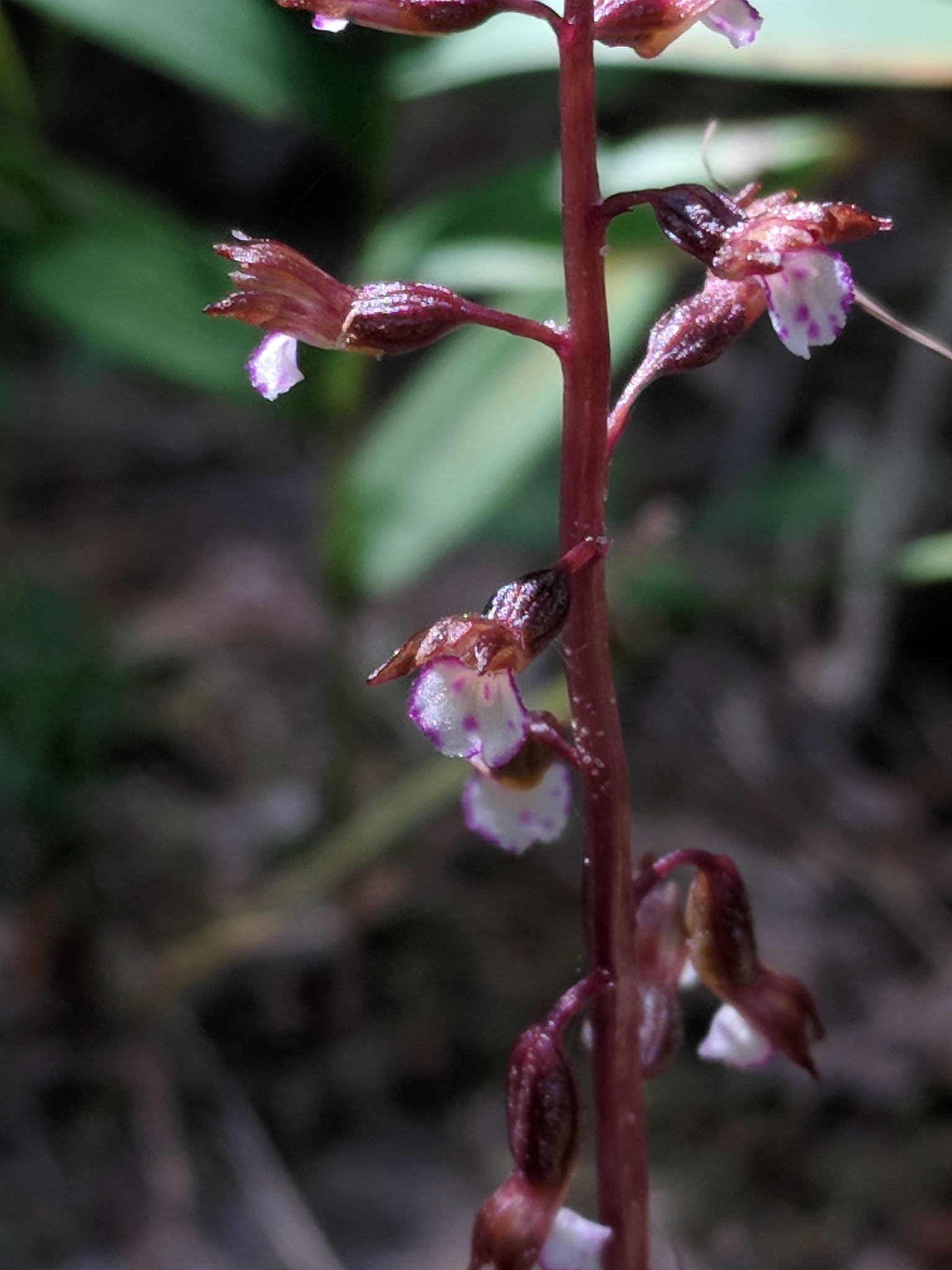 Coral rootCorallorhiza odontorhiza
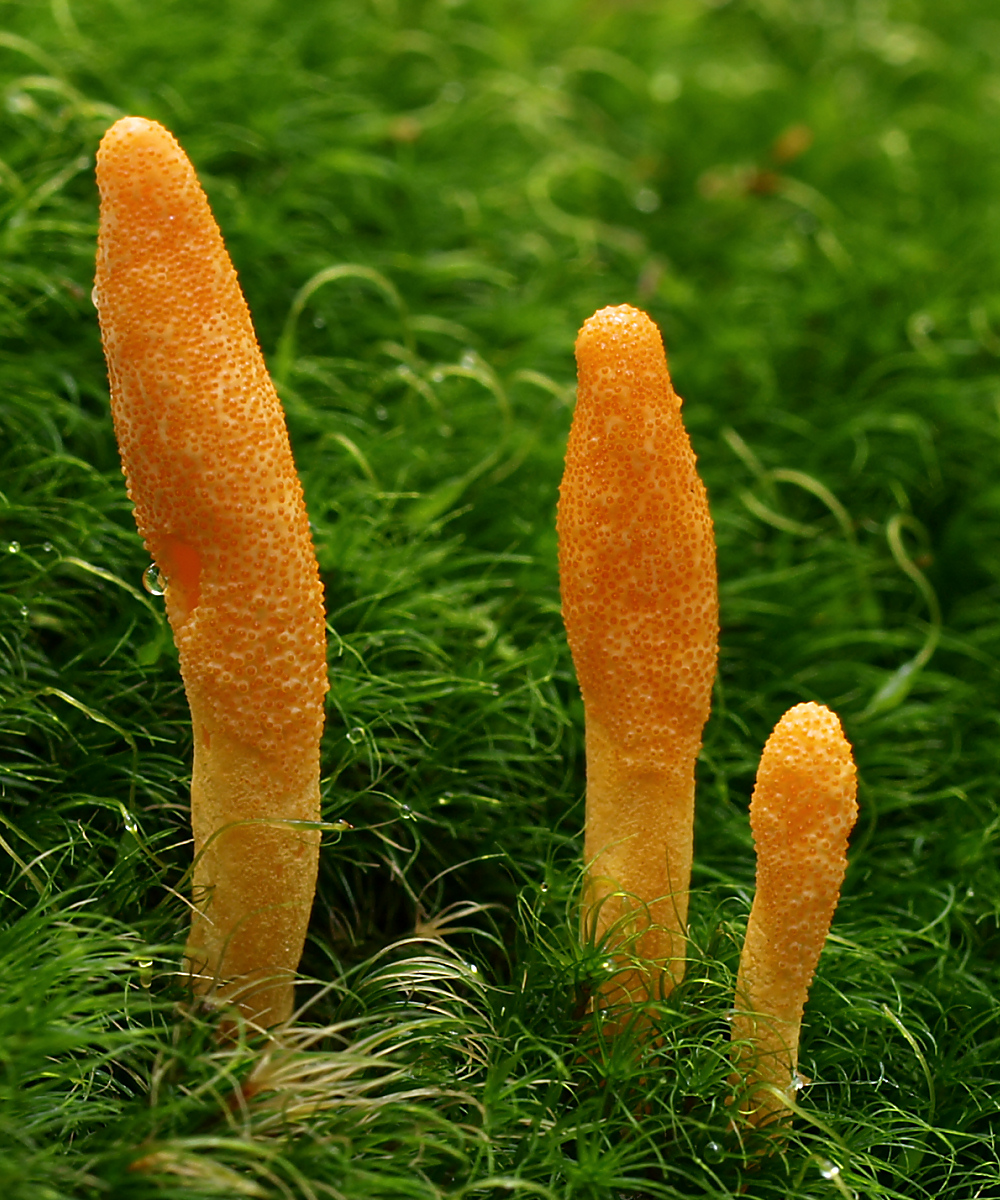 CordycepsCordyceps militaris
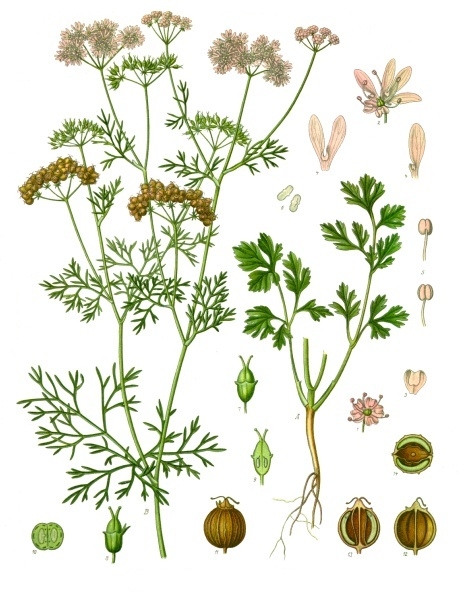 CorianderCoriandrum sativum
The whole plate is in the library. The compass, Compare, the Sky of eleven hundred plants and the formulary open with an email address and a password, free, with the formula builder and its safety engine. Herbert without limit, his formulating, clients, the handouts and the labels are the paid room.
Open the library, free