Western and Chinese herbalism
Corn
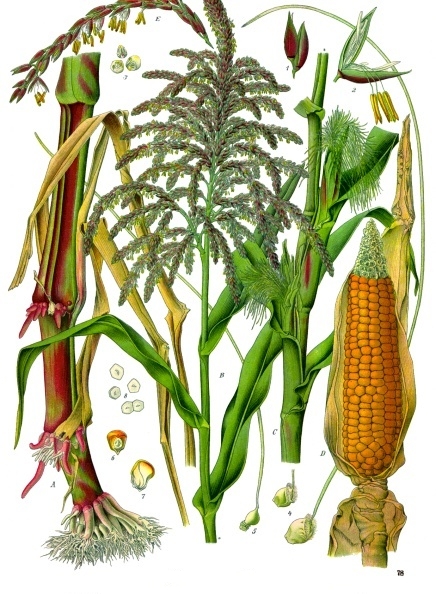
Zea mays
Also known as Corn Silk, Stigma Maydis, Maize, Corn silk, Corn Silk (Stigmata Maydis), Zea, Maize silk, Stigmata maidis, yù mǐ xū.
Corn silk is the soft, thread-like stigmas collected from the female flowers of maize, Zea mays, a grass cultivated worldwide as a staple food crop. The fresh or dried silk, gathered while still green, has long been used in eclectic and folk medicine as a gentle urinary remedy. It found a settled place in nineteenth and early twentieth century American eclectic practice as a soothing diuretic for irritable bladder conditions.

Ask Herbert about Corn. Herbert is the master herbalist inside Bountiful Herbs: he answers from this plate and eleven hundred others, with dosing, pairing and cautions. Your first ten questions are free.
Ask HerbertActions
Indications what the tradition reached for it in
- Nephritis
- Kidney stone
- Dysuria
- Cystitis
- Interstitial cystitis
- Urinary tract inflammation
- Prostatitis
- Urethritis
- Dry cough
- Edema
- Fluid retention
- Mucosal irritation
- Sore throat
- Urinary disorders
- Cough
- Urinary complaints
- Nocturnal enuresis
- Specifically for acute
- Chronic inflammation of the urinary system
- Painful or burning urination
- Urinary gravel and stones (adjunct)
- Prostatic irritation with urinary frequency
- Nocturnal enuresis in children (mild cases)
- Edema of mild cardiac or renal origin (adjunct)
- Overactive bladder symptoms
- Chronic urinary tract irritation with excess mucus
Safety
Pregnancy: Limited data. No increase in harm from limited human use; animal studies lacking (Mills & Bone B2)
Pregnancy, our record's flag: Limited data. Limited safety data in pregnancy (our record's flag)
Pregnancy, our record: No concern. Considered safe for use in pregnancy at customary doses given its long history of food-adjacent use and mild demulcent action, but formal safety studies are lacking so use should be guided by clinical judgement.
Pregnancy, a modern clinical reference: Corn silk has been documented to stimulate uterine contractions in rabbits; In view of this, doses of corn silk greatly exceeding amounts used in foods should not be taken during pregnancy or lactation
Breastfeeding: No concern. Compatible with breastfeeding (Mills & Bone C)
Breastfeeding, our record's flag: No concern while breastfeeding (our record's flag)
Breastfeeding, our record: No specific concerns are documented; may be used cautiously at customary doses during lactation.
Breastfeeding, a modern clinical reference: In view of this, doses of corn silk greatly exceeding amounts used in foods should not be taken during pregnancy or lactation
The record lists 3 contraindications; open the plate in the library to read them in full.
Dosing as the sources wrote it
| Preparation | As written | Metric |
|---|---|---|
| Tincture (1:1) | 1-3 ml TID, OR (1:5)=5-10 ml TID | |
| Cold infusion | 1 Tbs/c, 3-6 c/day | |
| Dried style/stigma 4-8 g as an infusion three times daily | ||
| Liquid Extract of Maize Stigmas (BPC 1923) 4 -8 mL | ||
| Tincture 5-15 mL (1 : 5 in 25% alcohol) three times daily | 5-15 mL | |
| A fluid extract from the ear terminals of the common field corn prepared when yet green | Dose, from one to two drams. |
Doses are reproduced from the sources for practitioners and are not a recommendation for any person.
From the sources
Overview. Corn silk is the soft, thread-like stigmas collected from the female flowers of maize, Zea mays, a grass cultivated worldwide as a staple food crop. The fresh or dried silk, gathered while still green, has long been used in eclectic and folk medicine as a gentle urinary remedy. It found a settled place in nineteenth and early twentieth century American eclectic practice as a soothing diuretic for irritable bladder conditions.
Clinical Notes. Corn silk is one of the mildest and safest diuretics available, making it a useful base for urinary formulas in children, the elderly, or anyone with a sensitive bladder. It is reached for when there is burning or scalding on urination together with a feeling of irritation or fullness in the bladder, particularly where mucus is present in the urine.
Action and Therapy. Zea (Stigmata Maydis) is diuretic, slightly anodyne, and is said to exert a stimulant effect upon the heart and blood vessels. The infusion, the best preparation, is an efficient stimulating diuretic in urinary irritation and inflammation, pyelitis, and catarrh of the bladder.
Action, Medical Uses, and Dosage. Corn-silk is diuretic and slightly anodyne, and, for the former purpose, has been found useful in many urinary troubles, associated with renal and cardiac disorders. In southern France, the inhabitants use it as a domestic remedy for calculi, gravel, and strangury.
Drawn from King's American Dispensatory, 18th edition (Felter and Lloyd); Ellingwood's American Materia Medica, Therapeutics and Pharmacognosy; Felter's Eclectic Materia Medica, Pharmacology and Therapeutics, and the Bountiful Herbs editorial.
Also mentioned under
Also mentioned under Rice
Also mentioned under Ustilago
Also mentioned under Wheaten Flour
In formulas
Corn stands in 2 documented formulas in the library, among them Urinary Tract Infection Formula.
Often paired with
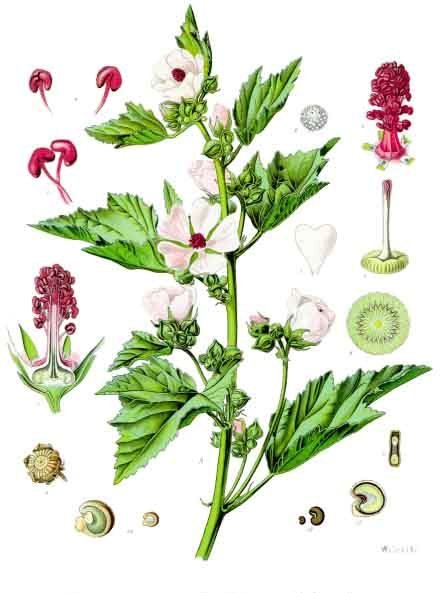 MarshmallowAlthaea officinalis
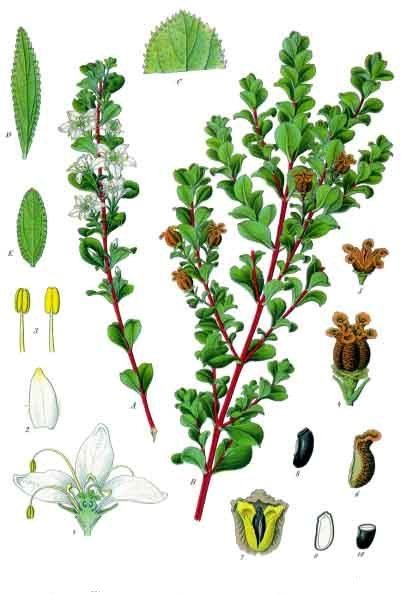 BuchuAgathosma betulina
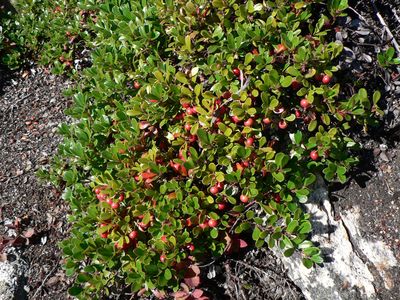 BearberryArctostaphylos uva-ursi
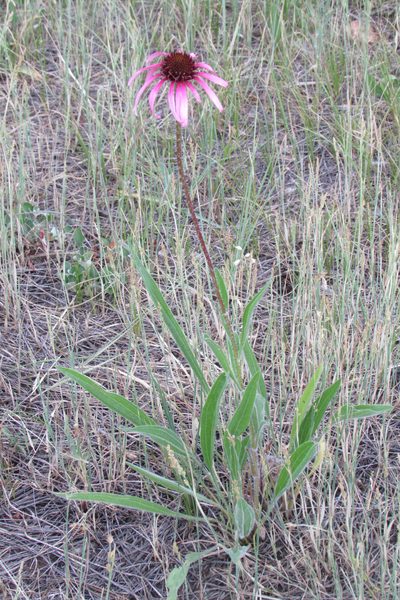 ConeflowerEchinacea angustifolia
Nearby on the shelf
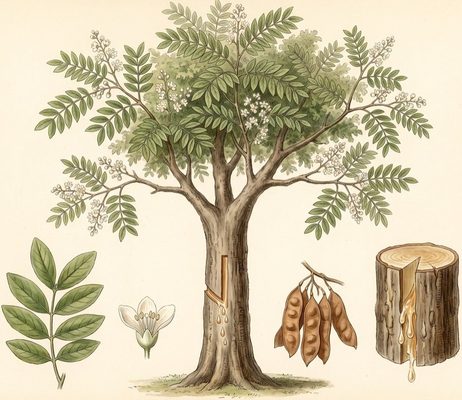 CopaibaCopaifera officinalis
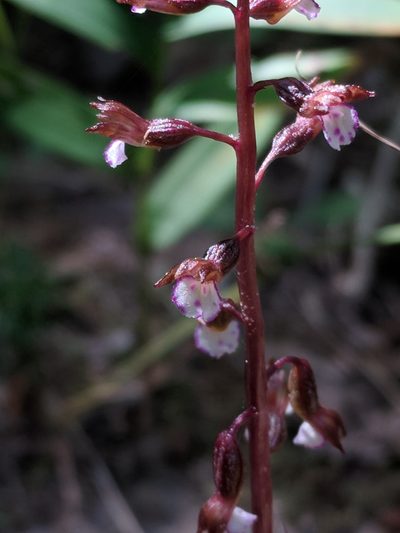 Coral rootCorallorhiza odontorhiza
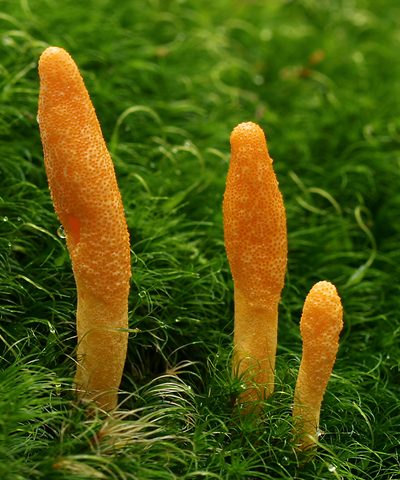 CordycepsCordyceps militaris
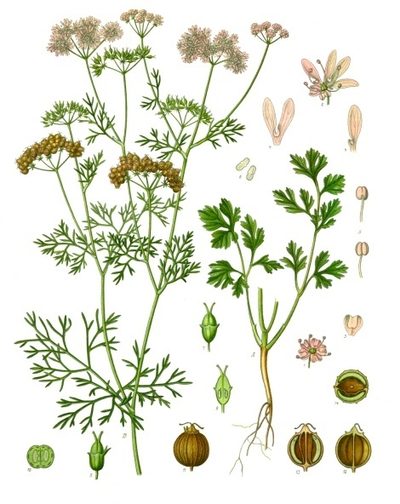 CorianderCoriandrum sativum
 Corn PoppyPapaver rhoeas
 CornflowerCentaurea cyanus
 Corsican mossFucus Helminthocorton
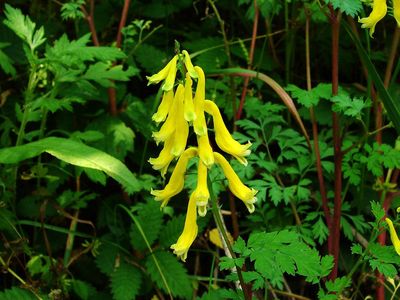 CorydalisCorydalis spp.
The whole plate is in the library. The compass, Compare, the Sky of eleven hundred plants and the formulary open with an email address and a password, free, with the formula builder and its safety engine. Herbert in full, his formulating, clients, the handouts and the labels are the paid room.
Open the library, free