Western Herbalism
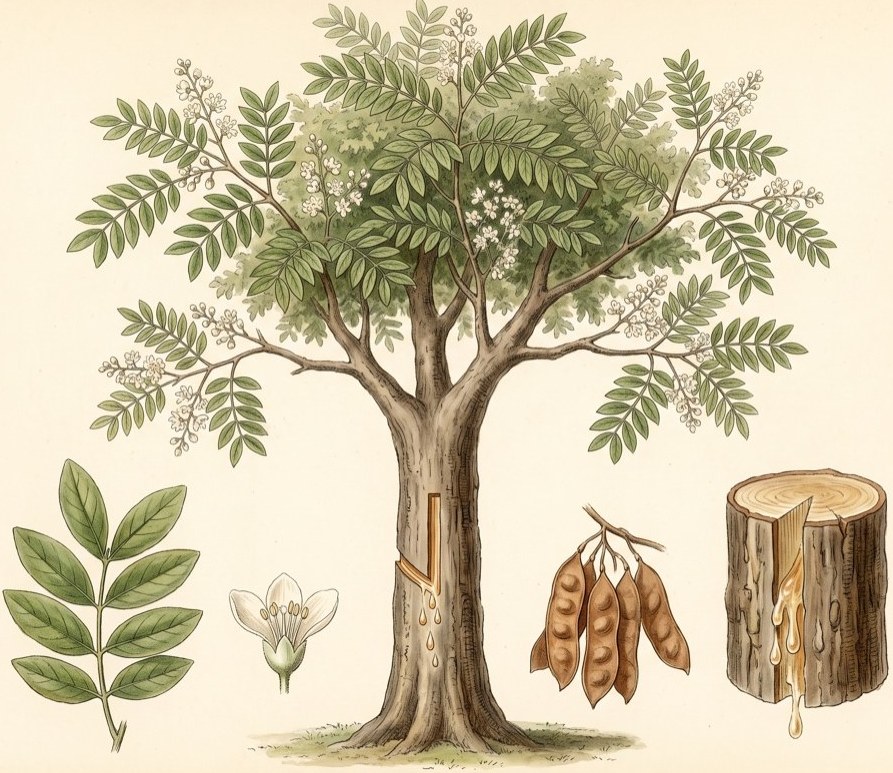
Copaiba
Copaifera officinalis
Also known as Copaiba Balsam, Copaiva, Balsam copaiva, Capivi, Balsam of copaiva, Balsam of copaiba, Balsam capivi.
Oleoresin tapped from trunk traditional Amazonian use for wounds, infections, inflammation imparts persistent odor to urine and breath may cause measles-like skin eruption in overdose resin preferred over oleoresin for diuretic effect

Ask Herbert about Copaiba. Herbert is the master herbalist inside Bountiful Herbs: he answers from this plate and eleven hundred others, with dosing, pairing and cautions. Your first ten questions are free.
Ask HerbertActions
Indications what the tradition reached for it in
- Chronic catarrh
- Expectoration difficulties
- Sinusitis
- Inflammation
- Bronchitis
- Chronic cystitis
- Gonorrhea
- Bacterial infections
- Leukorrhea
- Fungal infections
- Headache
- Dropsy
- Ulcers
- Psoriasis
- Cough
- Eczema
- Wounds
- Diarrhea
- Urinary incontinence
- Hemorrhoids
- Sore throat
- Abdominal distension
- Bleeding
- Bloating
- Colic
- Constipation
- Digestive discomfort
- Edema
- Flatulence
- Fluid retention
Safety
Pregnancy: Pregnancy Caution
Breastfeeding: Lactation (source flag notSafeInLactation)
The record lists 2 contraindications; open the plate in the library to read them in full.
Dosing as the sources wrote it
| Preparation | As written | Metric |
|---|---|---|
| Oil: 5-20 drops (B.P.) | 0.15-0.6 mL | |
| 10-15 minims in capsules or emulsion | 0.62-0.92 mL | |
| for dropsy | for dropsy 15-20 grains 3x daily | 972-1296 mg |
| 2 drops oil + 1 tbsp honey daily (traditional oral) | 0.06-0.06 mL | |
| Dose, ten to thirty drops, three times a day | 0.2-0.6 mL | |
| Dose, from five to sixty grains. | 324-3888 mg |
Doses are reproduced from the sources for practitioners and are not a recommendation for any person.
From the sources
Clinical Notes. Oleoresin tapped from trunk traditional Amazonian use for wounds, infections, inflammation imparts persistent odor to urine and breath may cause measles-like skin eruption in overdose resin preferred over oleoresin for diuretic effect
Therapy. External. Copaiba is sometimes applied to frost-bites and chilblains, sore nipples, old ulcers, and anal fissures, and to fistulous tracts to soften hardened edges and surfaces; also in sluggish chronic skin affections when a stimulating antiseptic action is desired.
Therapy. This agent is used in the treatment of gonorrhea. It is best used after active inflammation has subsided where the mucous structures of the urinary tract are debilitated. It is useful in gleet or chronic urethritis with much relaxation and debility, and if anemia be present, it should be given in conjunction with iron.
Properties and Uses. This balsam is a peculiar stimulant, with a portion of relaxing properties, acting gently but rather persistently. Its principal action is upon the mucous membranes and the kidneys. It slowly excites all the mucous passages, from the stomach through the entire bowels, and in the bladder, vagina, uterus, and lungs.
Drawn from Cook's Physio-Medical Dispensatory; King's American Dispensatory, 18th edition (Felter and Lloyd); Ellingwood's American Materia Medica, Therapeutics and Pharmacognosy; Felter's Eclectic Materia Medica, Pharmacology and Therapeutics, and the Bountiful Herbs editorial.
In formulas
Copaiba stands in 9 documented formulas in the library, among them Mistura Copaibae Composita.
Often paired with
 CubebPiper cubeba
 Ceylon cinnamonCinnamomum zeylanicum
 AcaciaAcacia
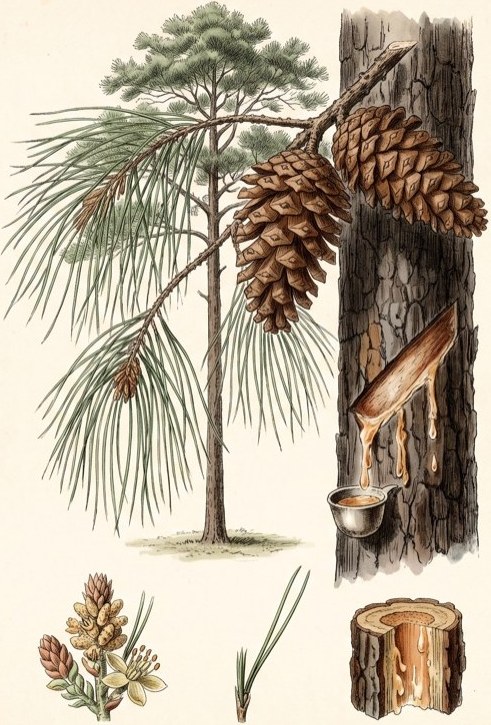 TurpentineOleum Terebinthinae
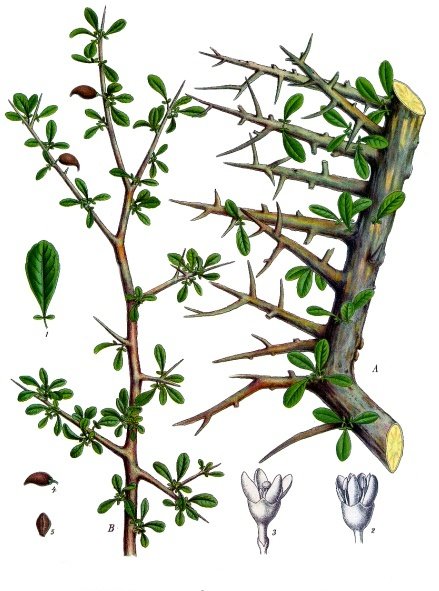 MyrrhCommiphora molmol
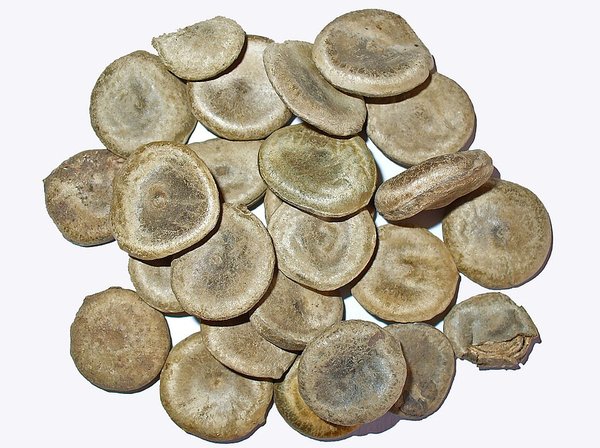 Nux VomicaStrychnos nux-vomica
Nearby on the shelf
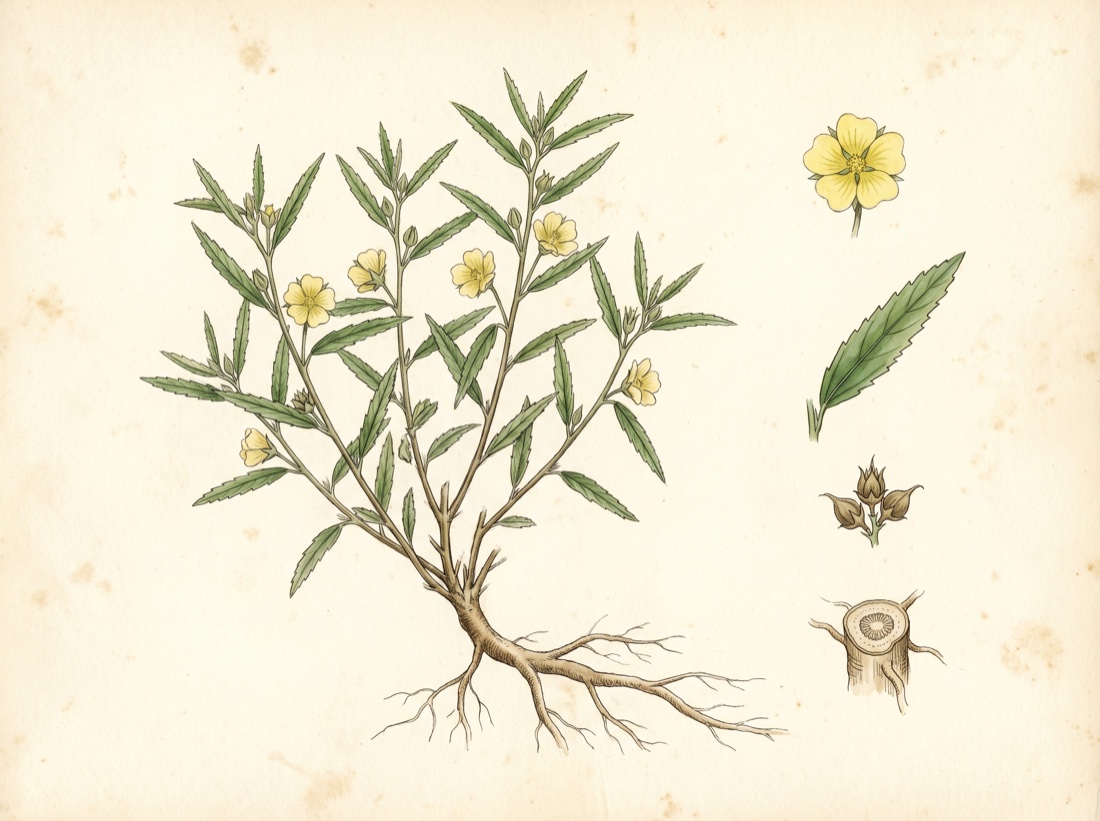 Common wireweedSida acuta
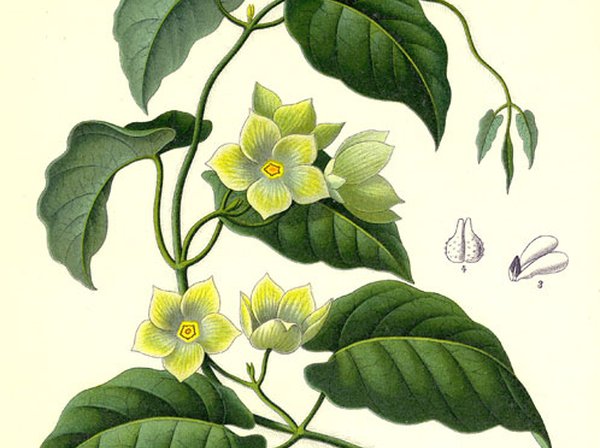 CondurangoMarsdenia cundurango
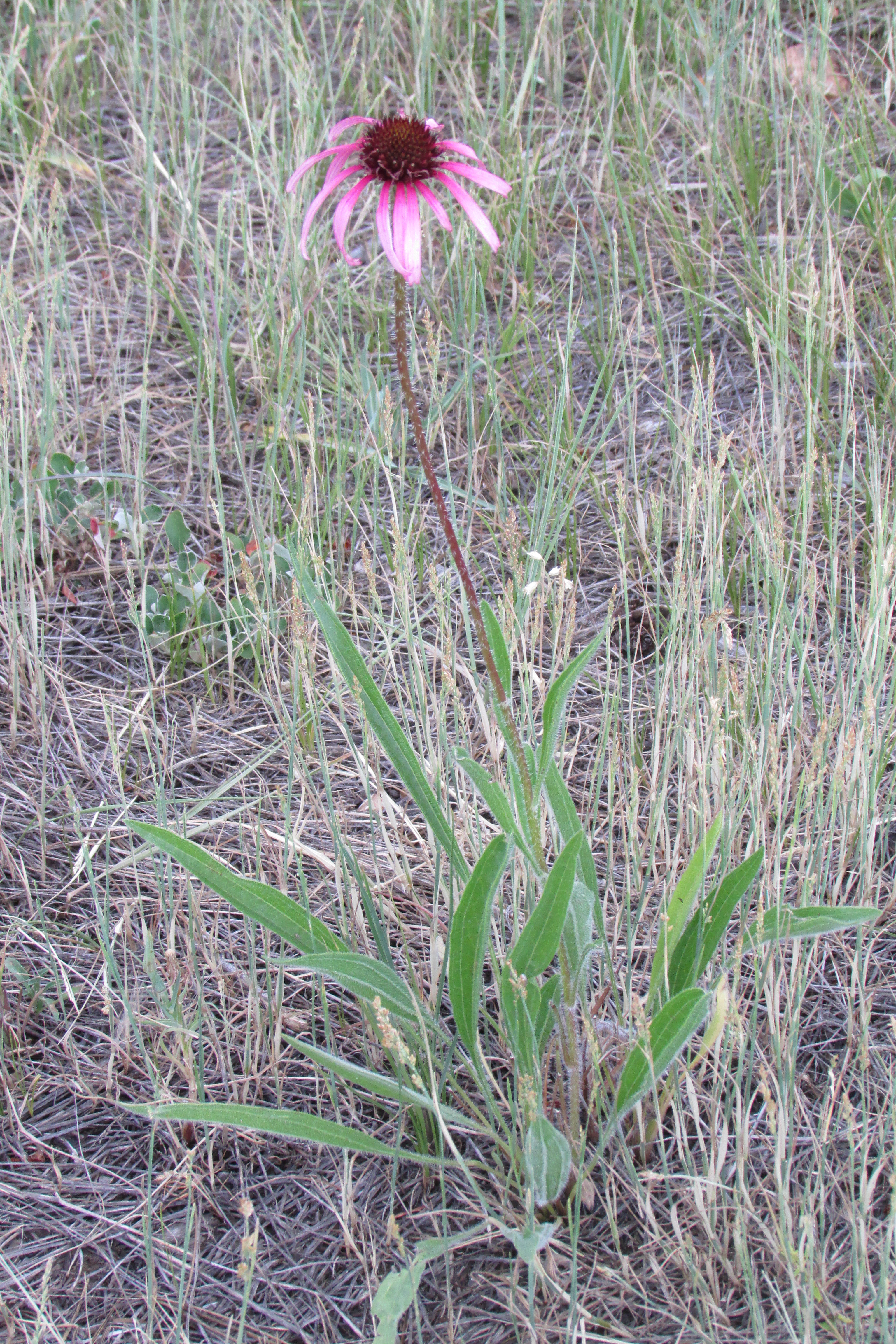 ConeflowerEchinacea angustifolia
 ContrayervaDorstemia contrayerva
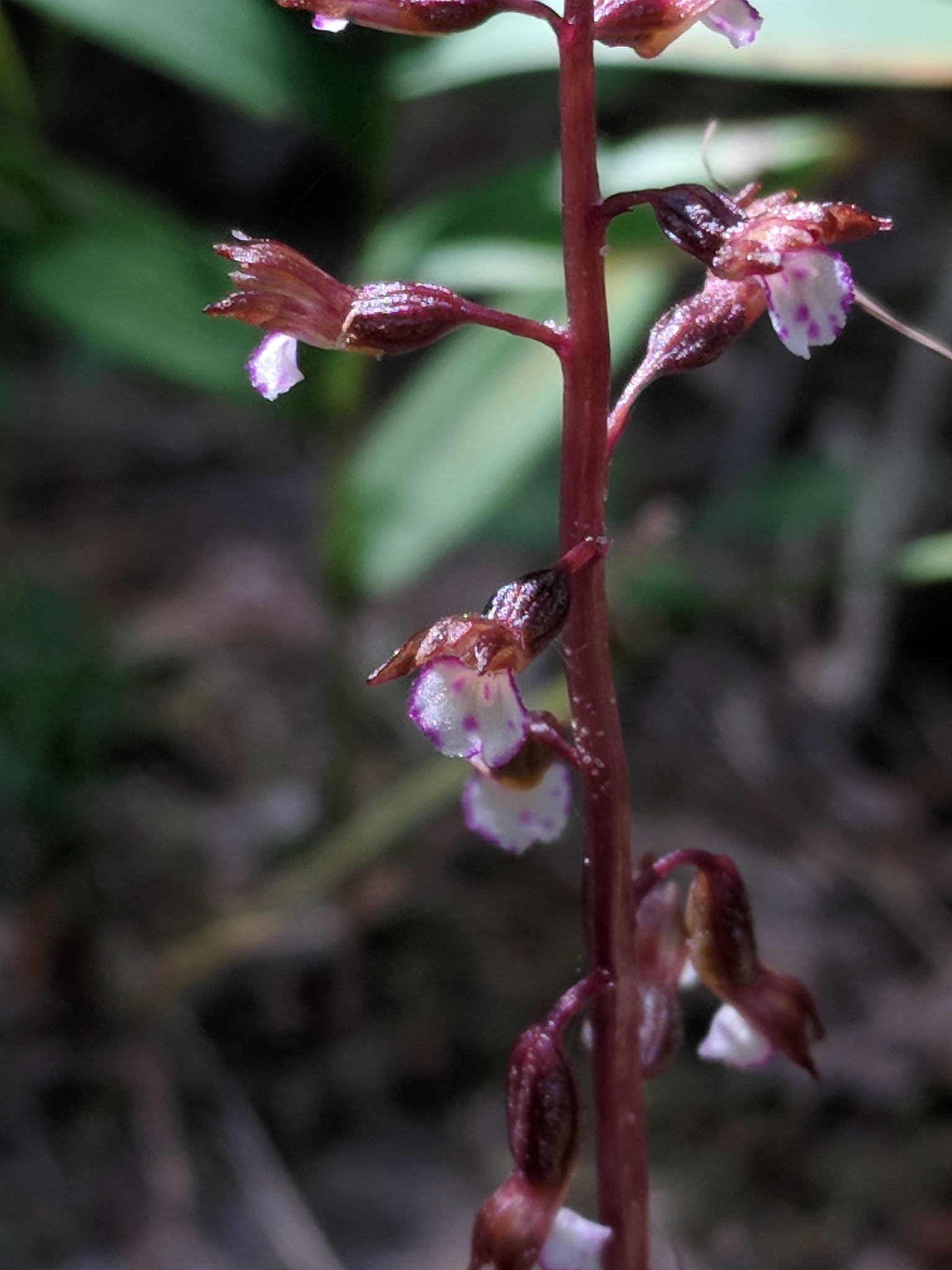 Coral rootCorallorhiza odontorhiza
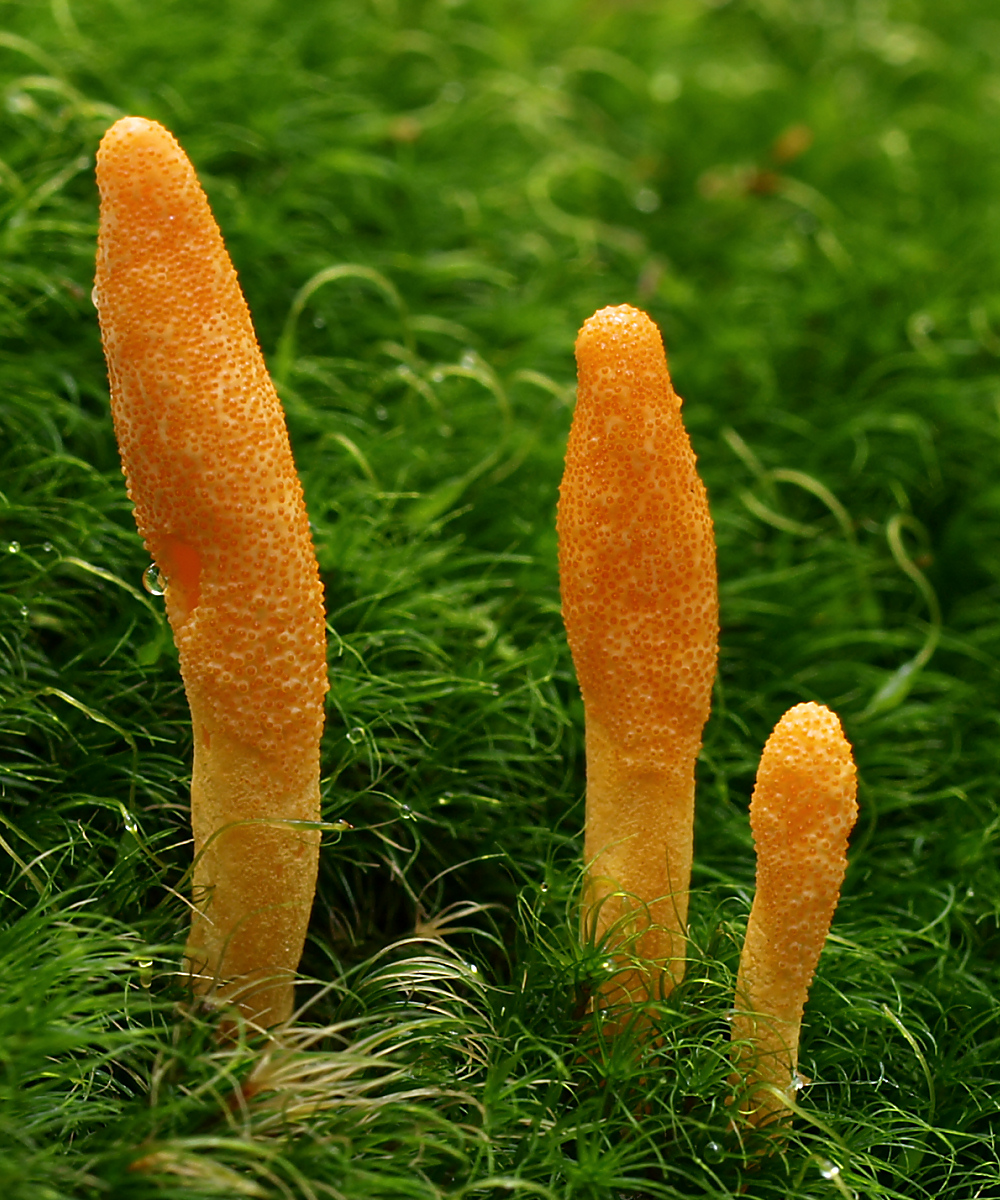 CordycepsCordyceps militaris
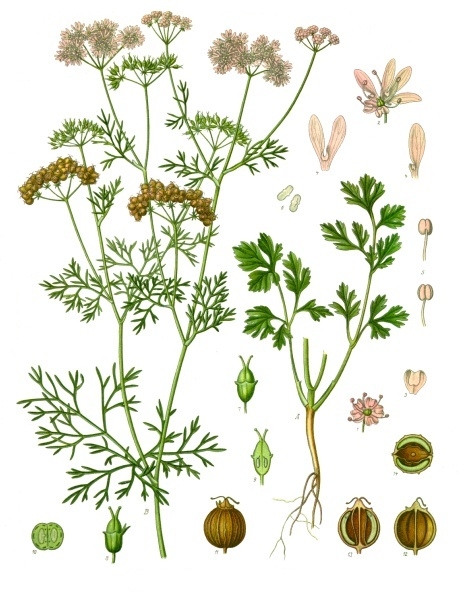 CorianderCoriandrum sativum
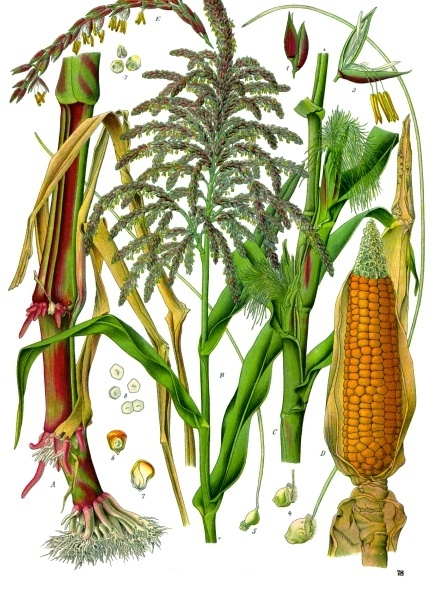 CornZea mays
The whole plate is in the library. The compass, Compare, the Sky of eleven hundred plants and the formulary open with an email address and a password, free, with the formula builder and its safety engine. Herbert without limit, his formulating, clients, the handouts and the labels are the paid room.
Open the library, free