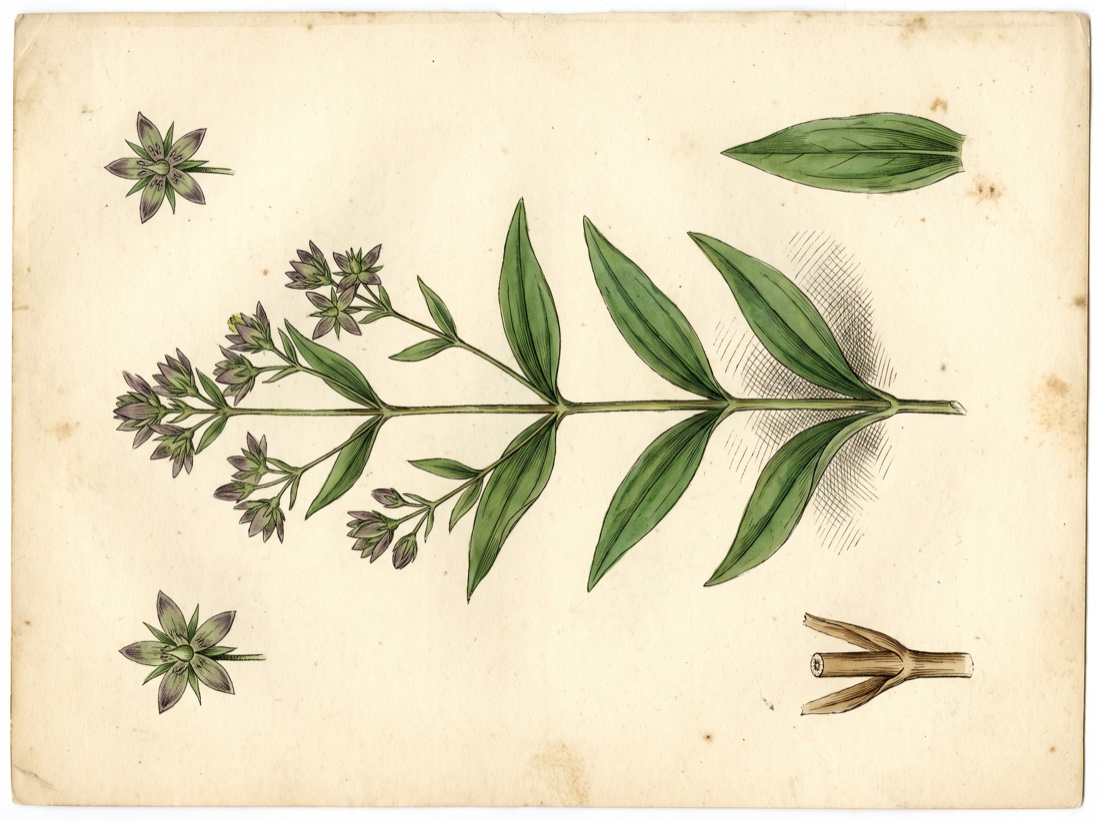
Western and Ayurvedic herbalism
Chiretta
Ophelia chirata
Also known as Chirata, Indian gentian, Bitter stick, Chiretta (U. S. P, 1870), Chirayta, Indian balmony, Kiratatikta, Chirayata, Bhunimba.
Chiretta is an erect annual herb of the gentian family, native to the temperate Himalayan foothills of northern India and Nepal, where the whole flowering plant, roots included, is harvested and dried for use. It was adopted into Western physiomedical and eclectic practice in the nineteenth century as an import valued for its intense, pure bitterness, and it remains a staple bitter tonic in Ayurvedic medicine under the name kirātatiktā. Physiomedicalists placed it alongside the native gentians as a relaxing bitter that restores tone to an atonic stomach.

Ask Herbert about Chiretta. Herbert is the master herbalist inside Bountiful Herbs: he answers from this plate and eleven hundred others, with dosing, pairing and cautions. Your first ten questions are free.
Ask HerbertActions
Indications what the tradition reached for it in
- Poor appetite
- Dyspepsia with sluggish digestion
- Convalescence after fever
- Intermittent fevers
- Sluggish liver with poor bile flow
- Constipation from atonic bowel
- General debility
- Worms in children (adjunct)
- Anorexia
- Atonic dyspepsia
- Convalescent debility
- Intermittent fever
- Malarial fever (historical use)
- Jaundice and sluggish liver function
- Worm infestation
- Poor appetite with slow digestion
- Adjunct support in mild hyperglycemia
- General tonic in low-grade chronic fevers
- Fever of unclear origin and lingering low-grade fever
- Intermittent fever and malaria convalescence
- Poor appetite and sluggish digestion with a coated tongue
- Hepatitis and jaundice (adjunct)
- Fatty liver and alcohol-related liver strain
- Type 2 diabetes and prediabetes (adjunct)
- Chronic skin disease with heat: eczema, acne, boils
- Intestinal worms
- Biliary sluggishness with nausea and bloating
- Constipation of pitta type with hot, dry stool
- Anemia secondary to poor digestion
Specific indications
Loss of appetite with a coated tongue and slow, weak digestion, calling for a simple bitter to restore stomach tone
Recurring low-grade fevers with a sluggish liver and sallow complexion
Safety
Pregnancy: Traditional sources give no clear warning, but as a strong bitter with reputed emmenagogue and hepatic-stimulant effects and little modern safety data, it is prudent to avoid routine use in pregnancy.
Breastfeeding: Insufficient data to confirm safety in lactation; avoid regular use given the lack of modern evidence.
The record lists 4 contraindications; open the plate in the library to read them in full.
In practice
Chiretta is reached for when appetite has failed and digestion has become sluggish, particularly in convalescence from a febrile illness or in a person whose tongue is coated and whose stomach seems to have simply stopped doing its work.
In Ayurveda
Rasa: Tikta (bitter). Virya: Sheeta (cooling). Vipaka: Katu (pungent). Dosha: Reduces Pitta and Kapha, may aggravate Vata in excess.
Dosing as the sources wrote it
| Preparation | As written | Metric |
|---|---|---|
| Cold infusion | steep 2-4 g dried herb in cold water for several hours, take 30-60 mL before meals | 2000-4000 mg |
| Tincture (1:5, 40%) | 1-3 mL three times daily before meals | 1-3 mL |
| Powder | 0.3-1 g dried herb up to three times daily | 300-1000 mg |
| Dose, in powder, from ten to fifteen grains | 648-972 mg | |
| of warm (not boiling) water for half an hour, and using from one to two fluid ounces as a dose | 29.57-59.15 mL | |
| chirata | Dose of chirata, 10 to 20 grains; fluid extract, 10 to 20 minims; infusion (℥ss to boiling water Oj), fl℥i to fl℥ii, 3 times a day. | 648-1296 mg |
Doses are reproduced from the sources for practitioners and are not a recommendation for any person.
From the sources
Overview. Chiretta is an erect annual herb of the gentian family, native to the temperate Himalayan foothills of northern India and Nepal, where the whole flowering plant, roots included, is harvested and dried for use. It was adopted into Western physiomedical and eclectic practice in the nineteenth century as an import valued for its intense, pure bitterness, and it remains a staple bitter tonic in Ayurvedic medicine under the name kirātatiktā. Physiomedicalists placed it alongside the native gentians as a relaxing bitter that restores tone to an atonic stomach.
Overview. Chirata is the dried whole flowering plant of Swertia chirayita, a small annual gentian native to the temperate Himalayan region from Kashmir to Bhutan. It has long been prized in both Ayurvedic medicine, where it is known as kirata-tikta, and in nineteenth century Eclectic and official Western pharmacy, where it was formally recognized in early editions of the United States Pharmacopoeia as an intensely bitter tonic and febrifuge. The whole herb, harvested and dried at flowering, is the part used, most often as a cold infusion, fluid extract, or tincture.
Overview. Ophelia chirata, better known today as Swertia chirayita, is an erect annual or biennial herb of the gentian family, about a meter tall, with purple-tinged four-lobed flowers, native to the temperate Himalaya from Kashmir through Nepal to Bhutan and Meghalaya at 1200 to 3000 meters. The whole plant, harvested in flower, is Kiratatikta, one of the great bitters of Ayurveda and its foremost fever herb after Guduchi. Its intense bitterness comes from amarogentin, one of the most bitter natural compounds known, and the plant has long been traded down to the plains and exported as chiretta.
Clinical Notes. Chiretta is reached for when appetite has failed and digestion has become sluggish, particularly in convalescence from a febrile illness or in a person whose tongue is coated and whose stomach seems to have simply stopped doing its work.
Drawn from Cook's Physio-Medical Dispensatory; King's American Dispensatory, 18th edition (Felter and Lloyd), and the Bountiful Herbs editorial.
In formulas
Chiretta stands in 5 documented formulas in the library, among them Uśīrāsava, Candanāsava, Mahātiktaka Ghṛta, Śrī Jayamaṅgala Rasa.
Often paired with
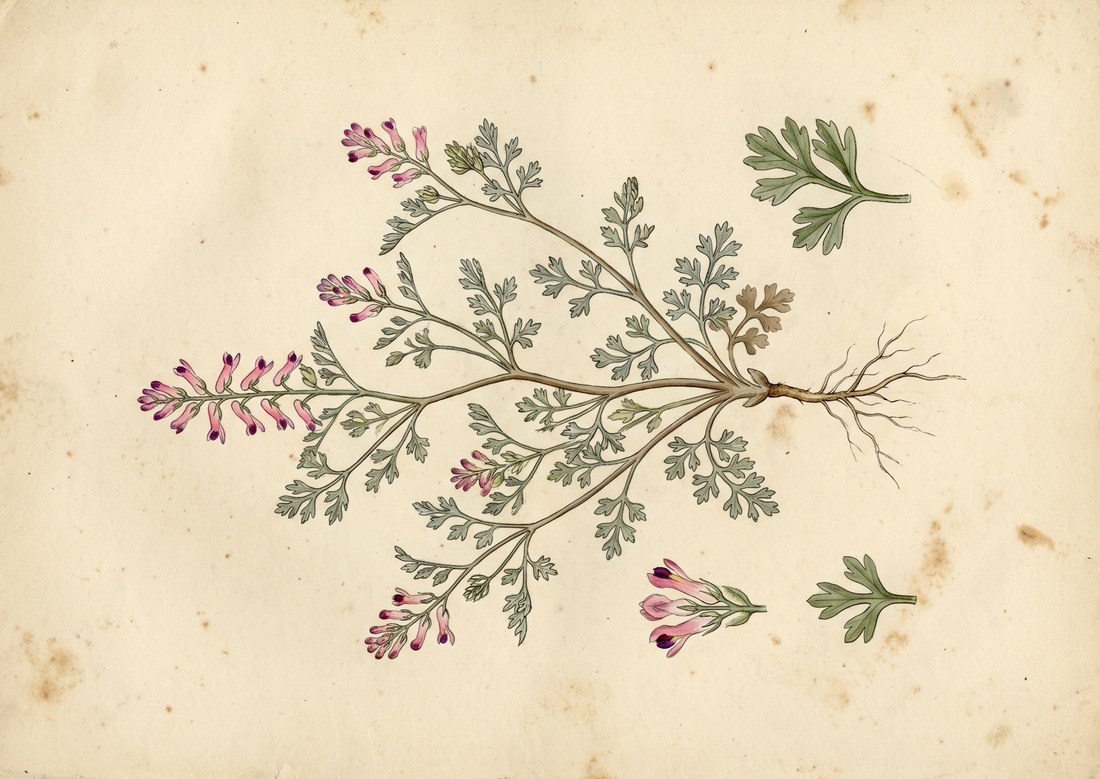 Indian fumitoryFumaria indica
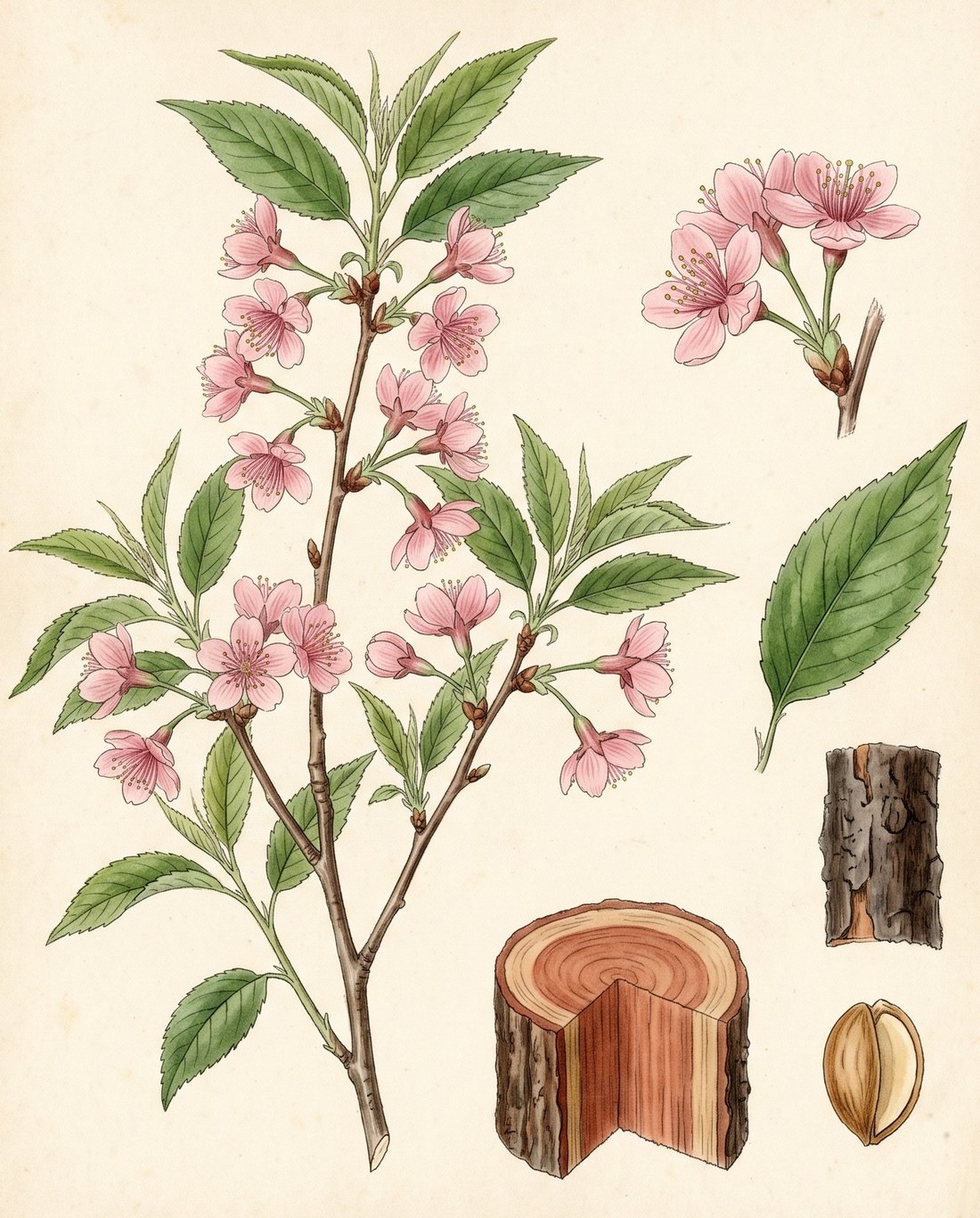 Himalayan wild cherryPrunus cerasoides
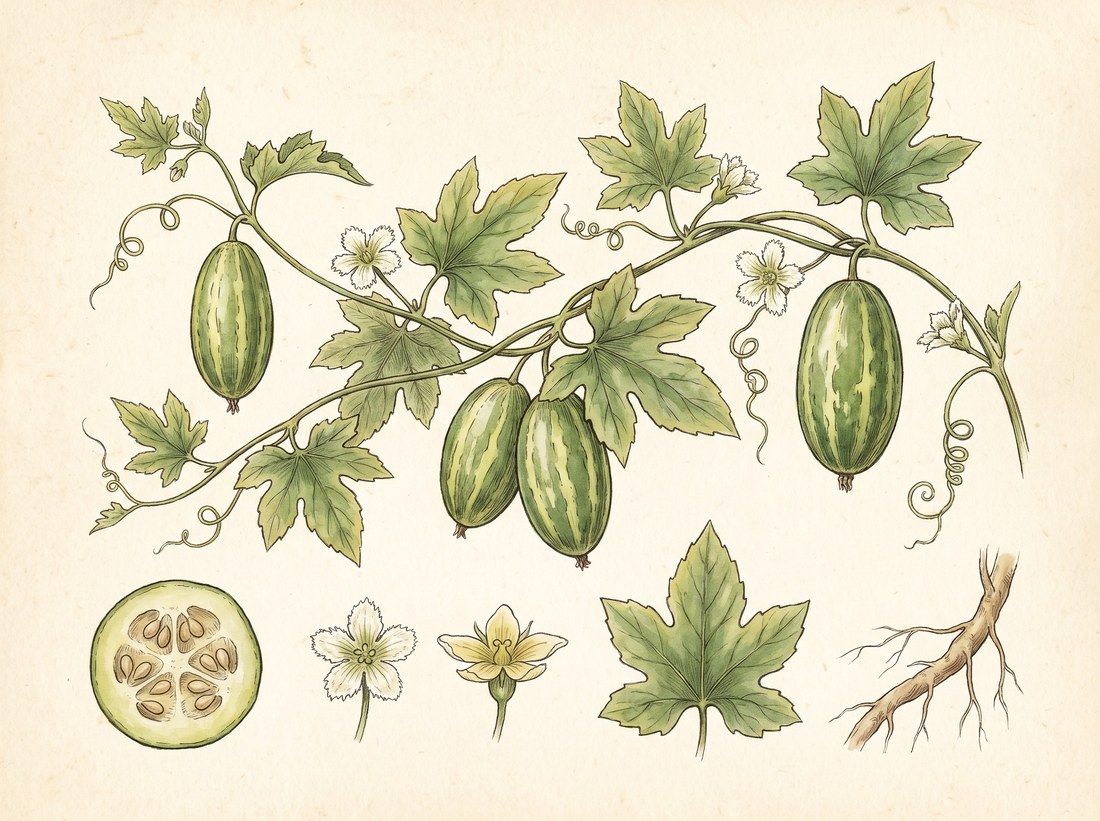 pointed gourdTrichosanthes dioica
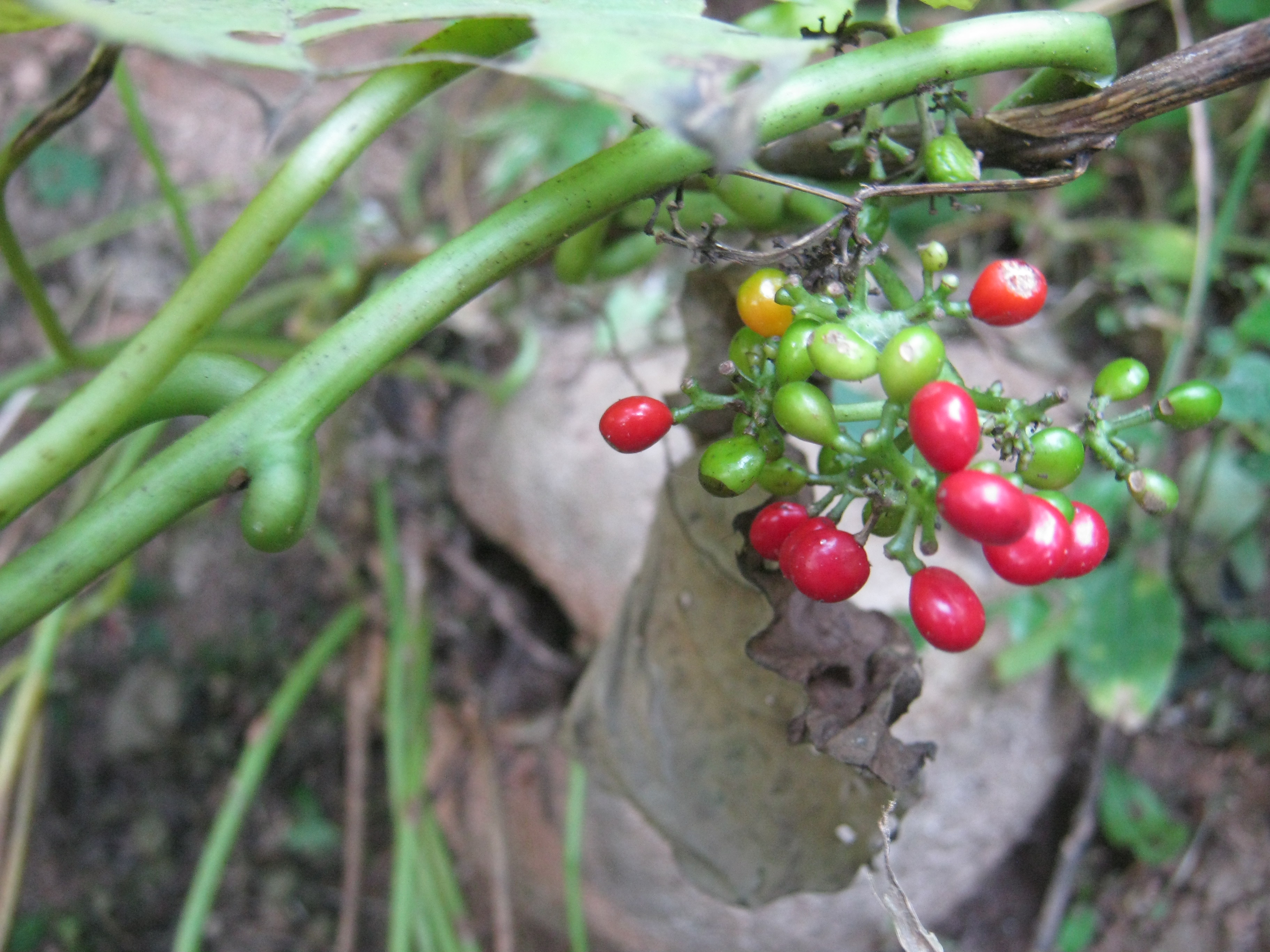 Pareira bravaCissampelos pareira
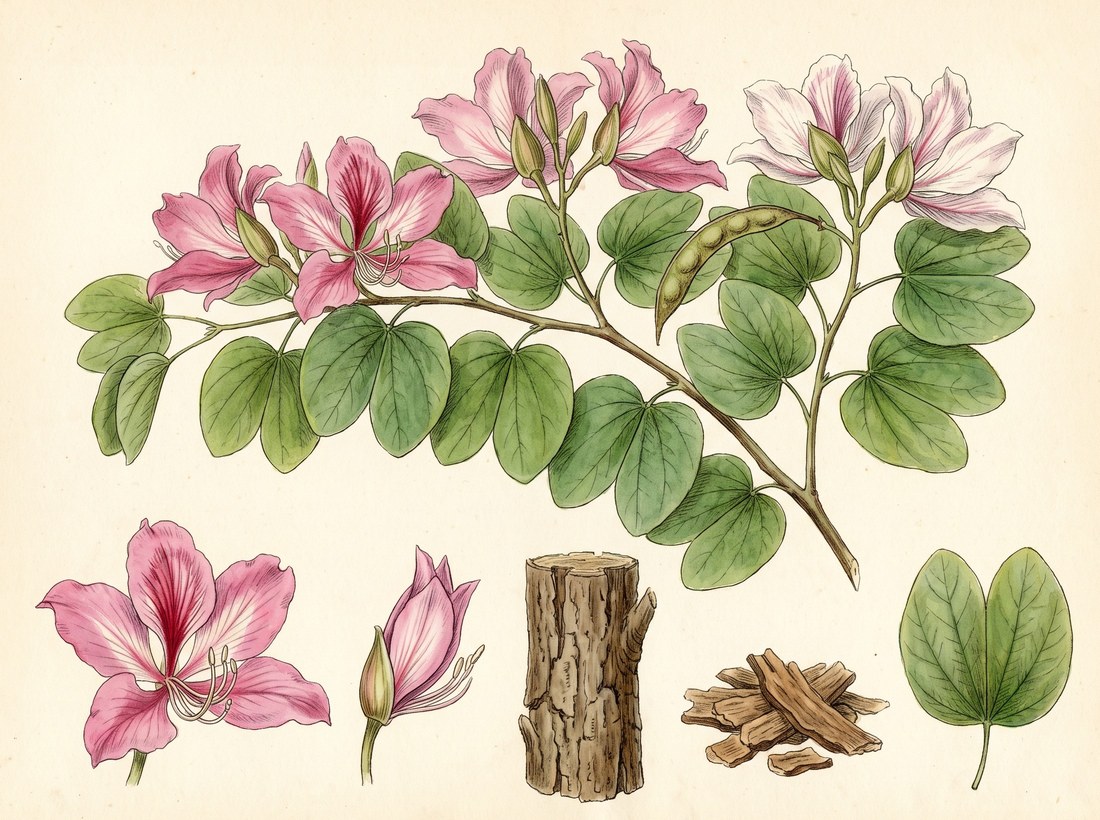 mountain ebonyBauhinia variegata
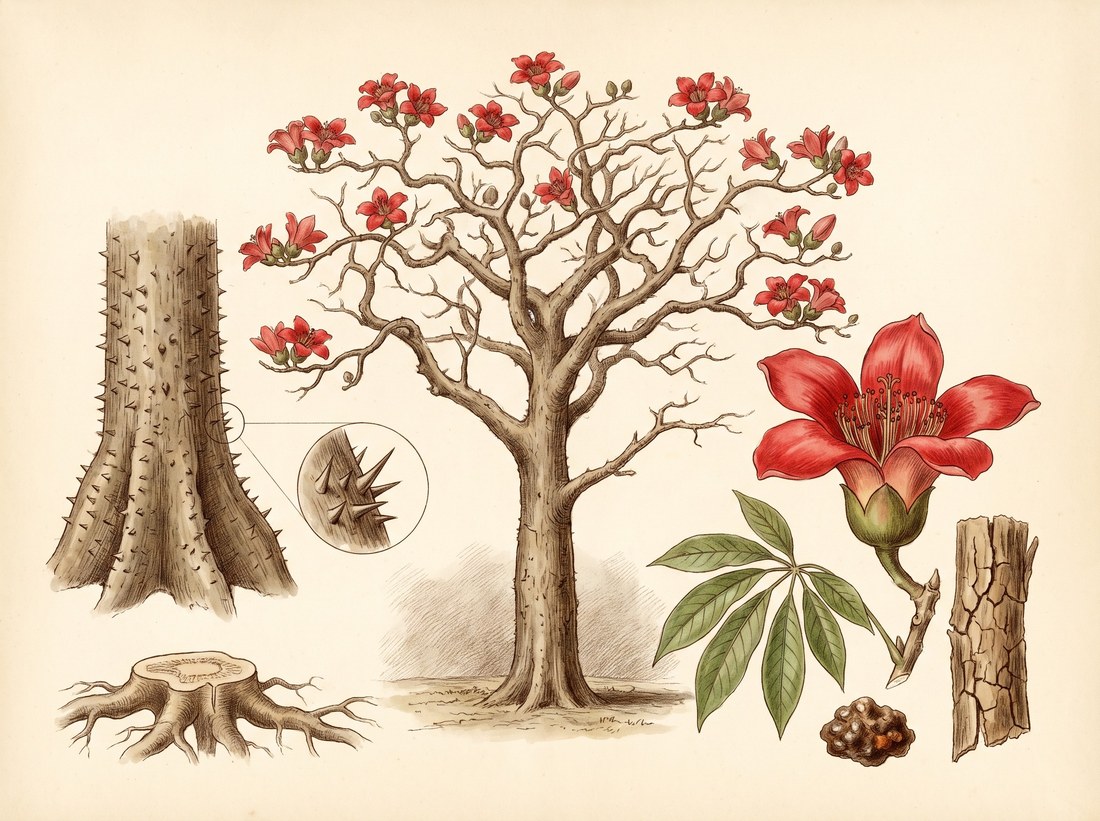 red silk cotton treeBombax ceiba
Nearby on the shelf
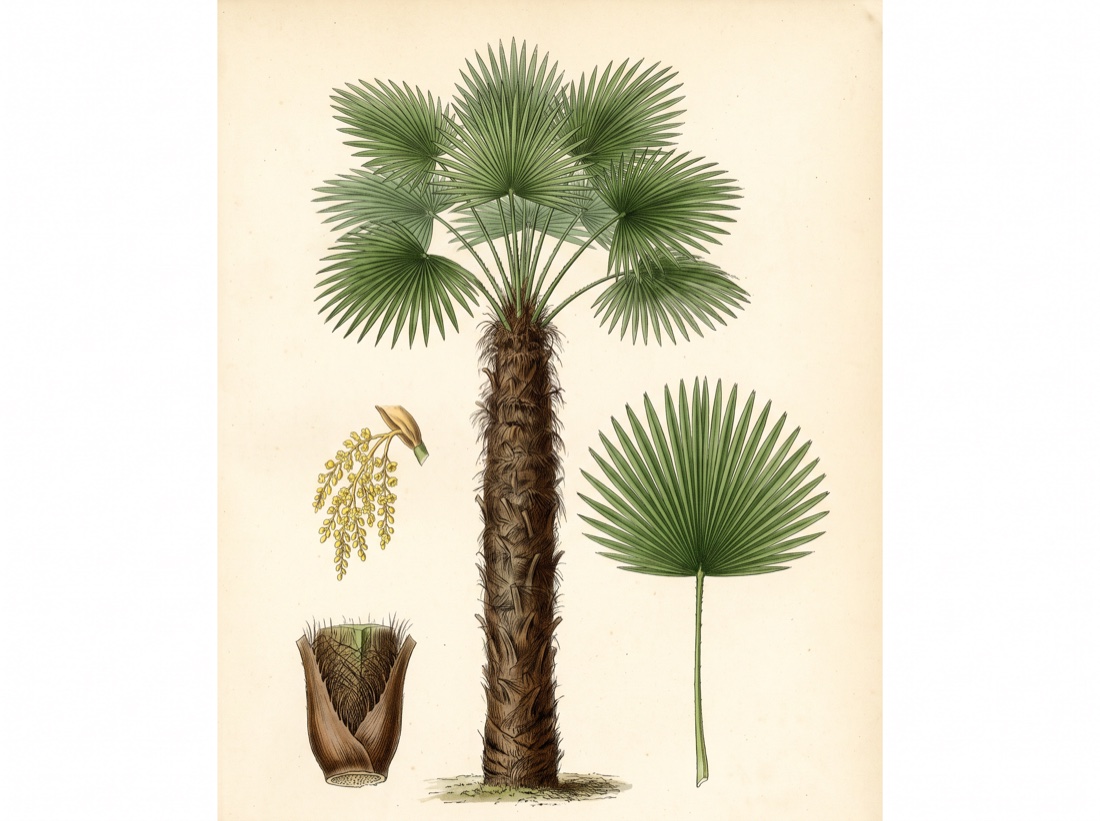 Chinese windmill palmTrachycarpus fortunei
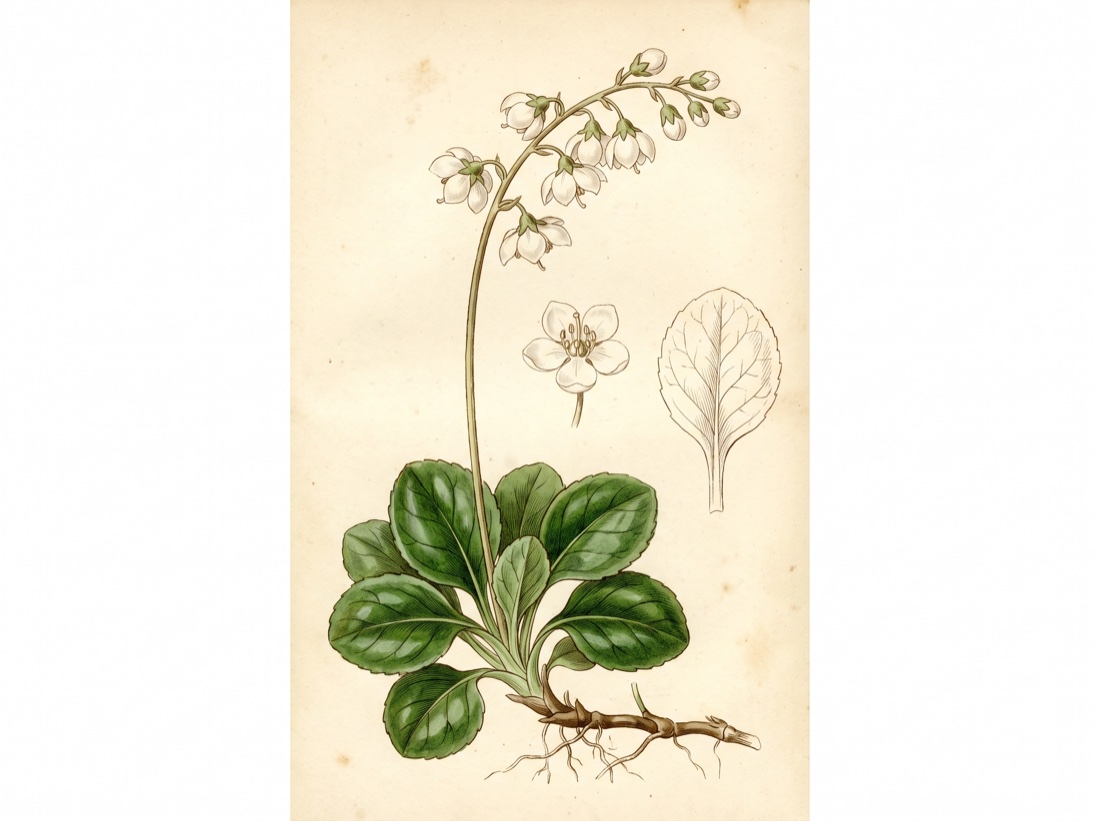 Chinese wintergreenPyrola calliantha
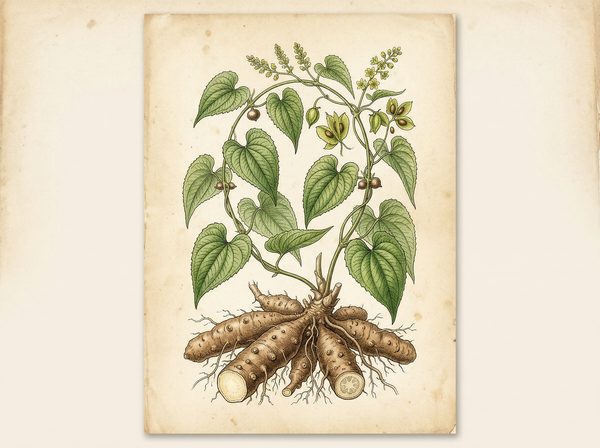 Chinese YamDioscorea opposita
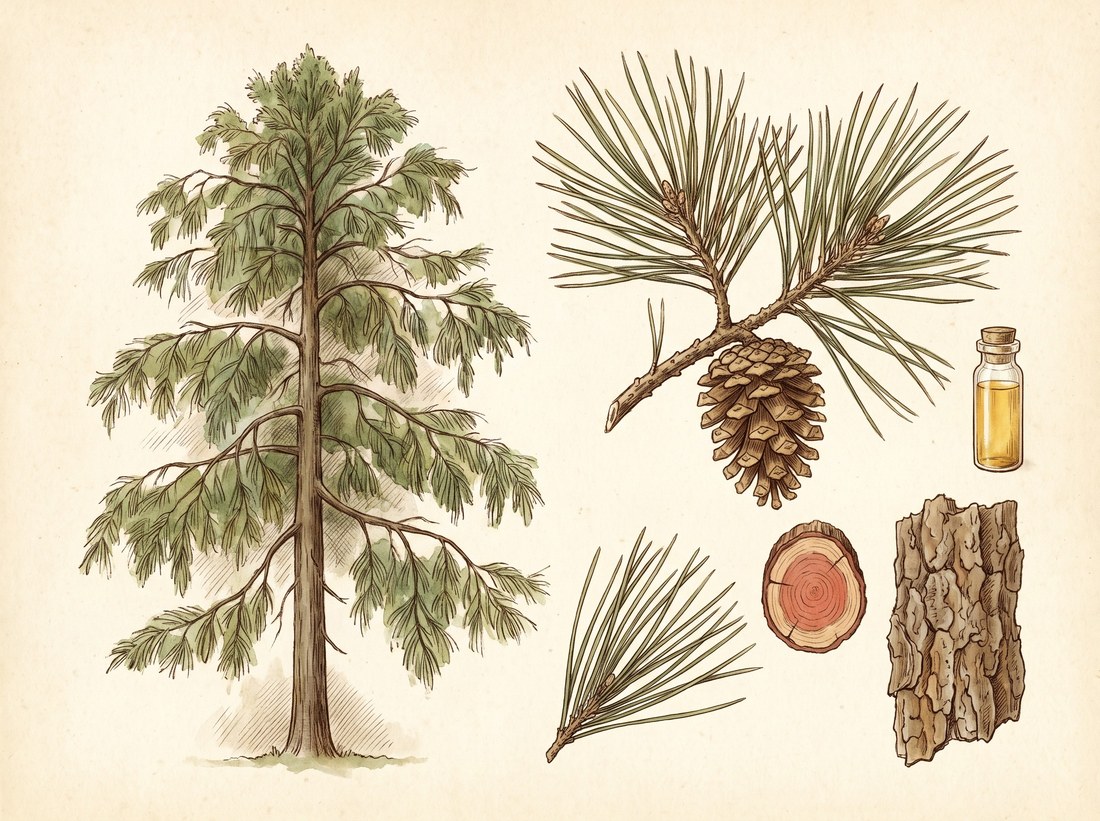 Chir pinePinus roxburghii
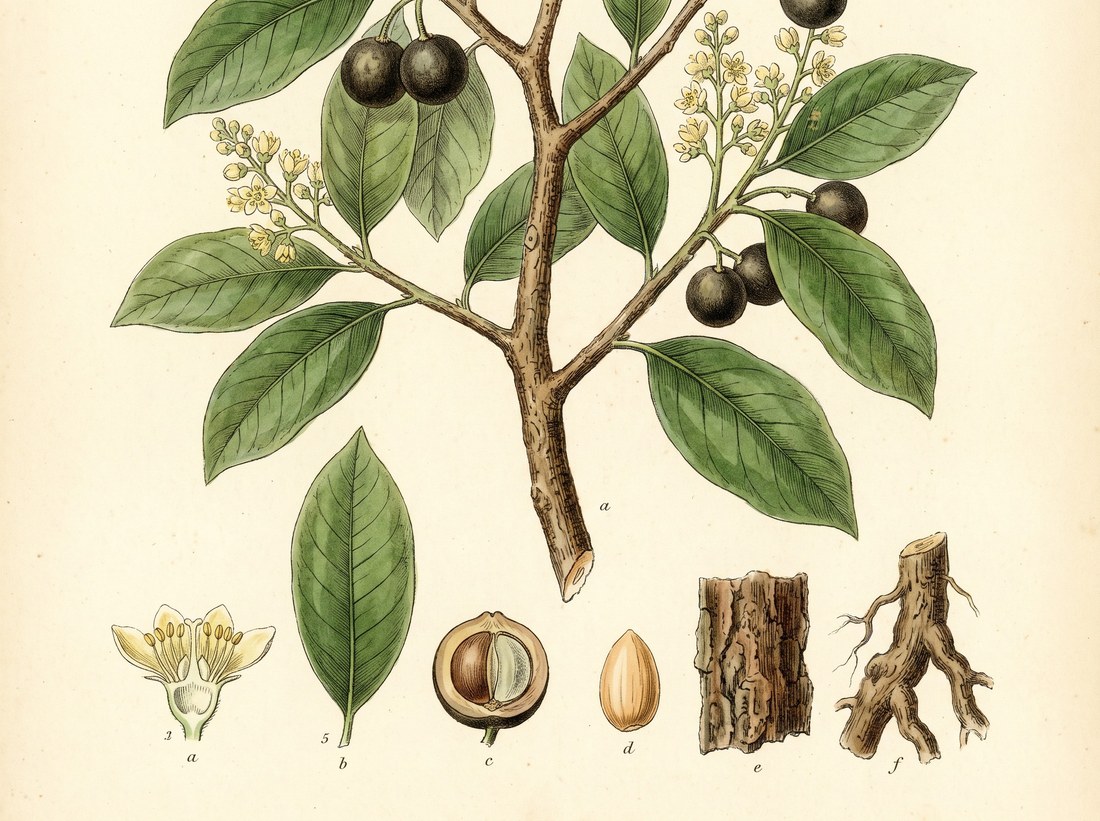 ChironjiBuchanania lanzan
 ChlorellaChlorella vulgaris
 ChrysanthemumChrysanthemum × morifolium
 CitronCitrus medica
The whole plate is in the library. The compass, Compare, the Sky of eleven hundred plants and the formulary open with an email address and a password, free, with the formula builder and its safety engine. Herbert without limit, his formulating, clients, the handouts and the labels are the paid room.
Open the library, free