Western and Chinese herbalism
Chinese wintergreen
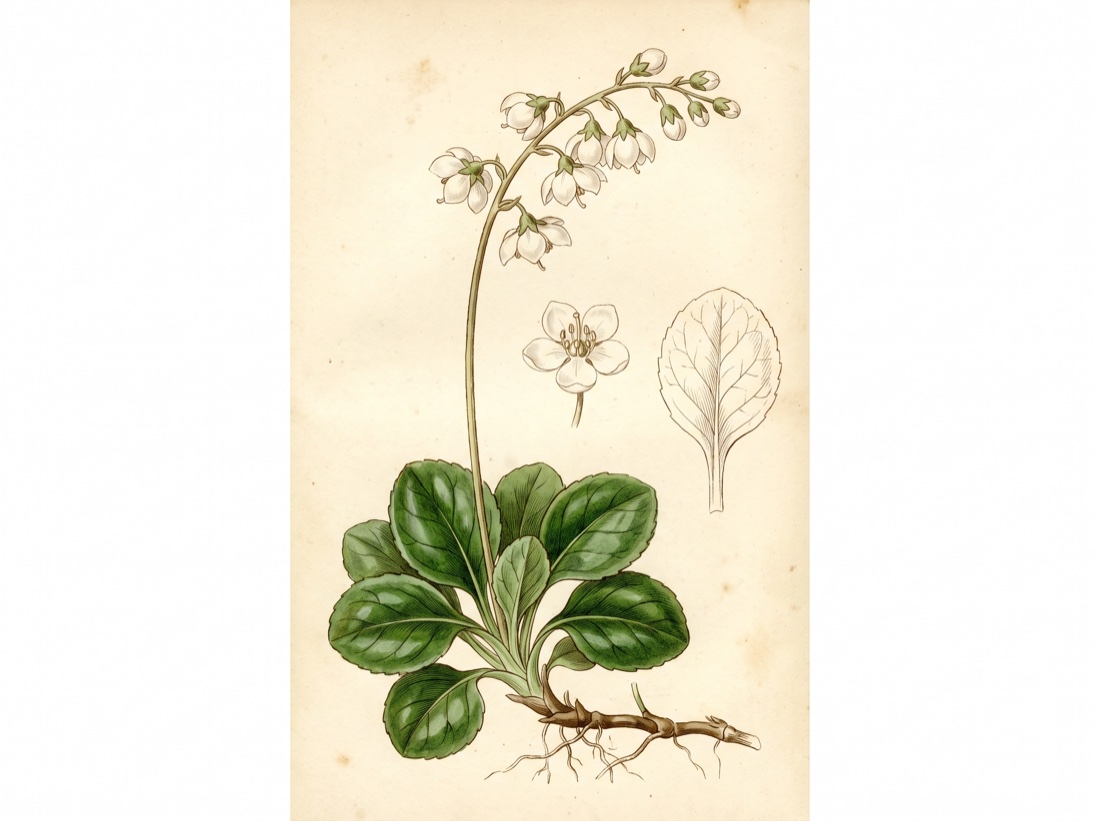
Pyrola calliantha
Also known as pyrola, deer's tooth herb, lu xian cao, Chinese pyrola, Roundleaf, False wintergreen, Consumption weed, Canker, lù xián cǎo.
Lu xian cao is the whole dried plant of Pyrola calliantha, a small evergreen perennial of the heath family that forms low rosettes of leathery rounded leaves and sends up a short spike of nodding white flowers in shaded mountain forest from the eastern Himalaya across central and southwestern China. The Chinese pharmacopoeia accepts both this species and Pyrola decorata under the same drug name, and the plant is gathered in summer and dried until the leaves turn purplish brown. Its name, deer's tooth herb, comes from a tale of injured deer seeking it out, and it has been used since the Song period as a warming remedy for aching joints and a weak back, with secondary uses for bleeding and chronic cough.

Ask Herbert about Chinese wintergreen. Herbert is the master herbalist inside Bountiful Herbs: he answers from this plate and eleven hundred others, with dosing, pairing and cautions. Your first ten questions are free.
Ask HerbertActions
Indications what the tradition reached for it in
- Chronic rheumatic joint pain worse in cold damp weather
- Lumbar pain and weak knees of kidney deficiency
- Osteoarthritis of the knee and lumbar spine (adjunct)
- Rheumatoid arthritis (adjunct)
- Numbness and weakness of the lower limbs
- Menorrhagia and prolonged menstrual bleeding
- Chronic cough with scanty blood-streaked sputum
- Chronic bronchitis with cough in a weak patient
- Bleeding from wounds (topical, fresh herb)
- Chronic cystitis and urinary irritation (adjunct)
- Fatigue and lowered resistance in convalescence (traditional)
Specific indications
Middle-aged patient with a cold, aching lower back and knees that give way on stairs, worse in winter, with a soft deep pulse showing kidney deficiency behind the damp
Heavy prolonged periods in a woman who is also tired, cold and sore in the low back, so that bleeding and deficiency need treating together
Irritation of urinary tract.
Safety
The record lists 5 contraindications; open the plate in the library to read them in full.
In practice
This is a gentle wind-damp herb with a tonic edge, which is what sets it apart from the more dispersing bi-pain herbs such as clematis root or gentiana macrophylla. Choose it when joint pain sits on a background of kidney deficiency: chronic aching low back and knees, weak legs, cold intolerance, a soft or deep pulse.
In Chinese medicine
Temperature: warm. Taste: sweet, bitter. Channels: Liver, Kidney. Actions: Dispels wind-damp and relieves painful obstruction; Strengthens the sinews and bones through the liver and kidney; Stops bleeding; Stops cough and settles wheezing.
Dosing as the sources wrote it
| Preparation | As written | Metric |
|---|---|---|
| Decoction | 9-15 g dried whole herb daily | 9000-15000 mg |
| Wine steep (medicinal wine, 1:10 in rice wine) | 15-30 mL twice daily | 15-30 mL |
| Tincture (1:5, 30%) | 2-4 mL three times daily | 2-4 mL |
| Fresh leaf poultice | crushed fresh leaves applied to bleeding wounds as needed | |
| Dose of the powder, twenty grains every six or four hours | 1296-1296 mg | |
| Uses: Resin is not employed internally, though some physicians commend doses of five to ten grains as a stimulating diuretic | 324-648 mg |
Doses are reproduced from the sources for practitioners and are not a recommendation for any person.
From the sources
Overview. Lu xian cao is the whole dried plant of Pyrola calliantha, a small evergreen perennial of the heath family that forms low rosettes of leathery rounded leaves and sends up a short spike of nodding white flowers in shaded mountain forest from the eastern Himalaya across central and southwestern China. The Chinese pharmacopoeia accepts both this species and Pyrola decorata under the same drug name, and the plant is gathered in summer and dried until the leaves turn purplish brown. Its name, deer's tooth herb, comes from a tale of injured deer seeking it out, and it has been used since the Song period as a warming remedy for aching joints and a weak back, with secondary uses for bleeding and chronic cough.
Clinical Notes. This is a gentle wind-damp herb with a tonic edge, which is what sets it apart from the more dispersing bi-pain herbs such as clematis root or gentiana macrophylla. Choose it when joint pain sits on a background of kidney deficiency: chronic aching low back and knees, weak legs, cold intolerance, a soft or deep pulse.
Action and Therapy. External. A splendid but much neglected agent in infusion, as a wash for sore throat and aphthous ulcerations of the mouth. Internal. As it has similar properties to uva ursi and chimaphila and exerts a similar antiseptic action, it is of much value in urinary disorders with irritation and tendency to ulcerations and sepsis. The urine contains much mucus and sometimes blood.
Properties and Uses. The leaves are astringent and stimulant, diffusive in warm preparations, but rather tonic in cold preparations. They act largely on mucous structures, especially of the lungs and generative organs; promote the discharge of tenacious mucus, and leave a tonic but not particularly drying impression; and are used in debilitated coughs with viscid expectoration, leucorrhea, catarrh of the bladder, and sub-acute gonorrhea.
Drawn from Cook's Physio-Medical Dispensatory; Scudder's Specific Medication and Specific Medicines; King's American Dispensatory, 18th edition (Felter and Lloyd); Felter's Eclectic Materia Medica, Pharmacology and Therapeutics, and the Bountiful Herbs editorial.
Nearby on the shelf
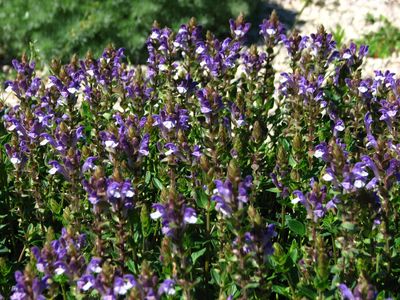 Chinese skullcapScutellaria baicalensis
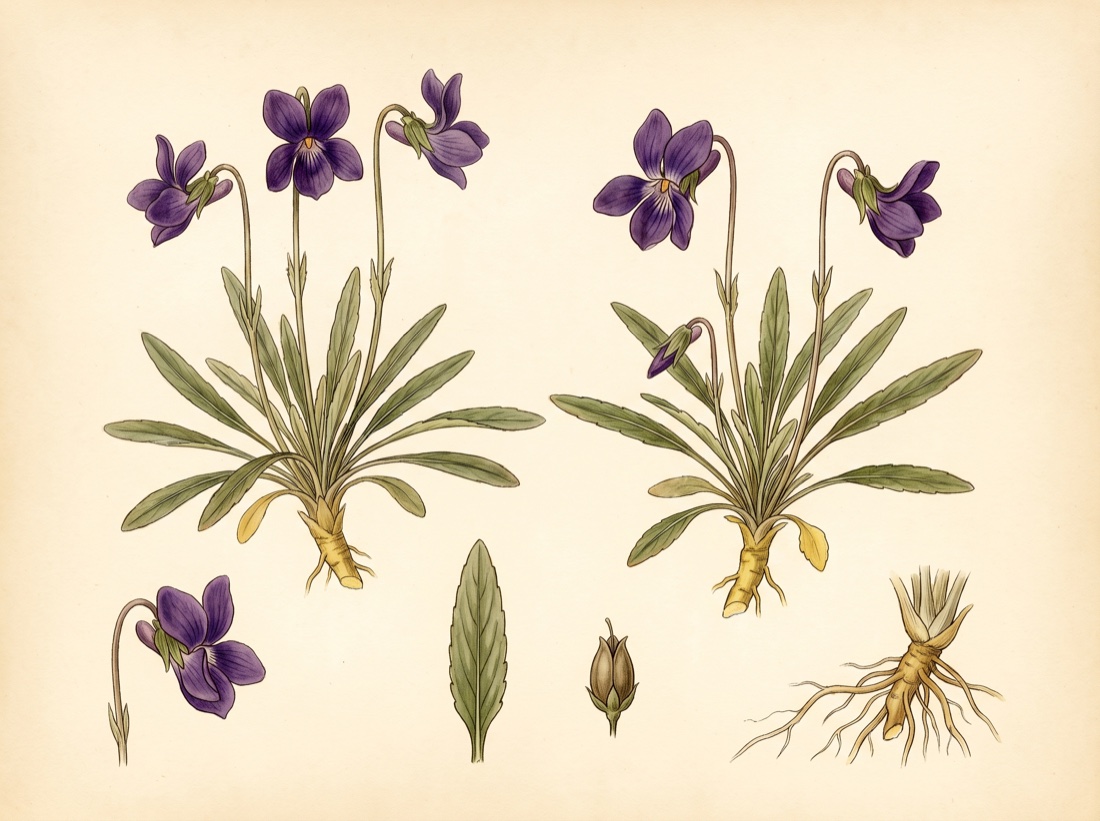 Chinese violetViola philippica
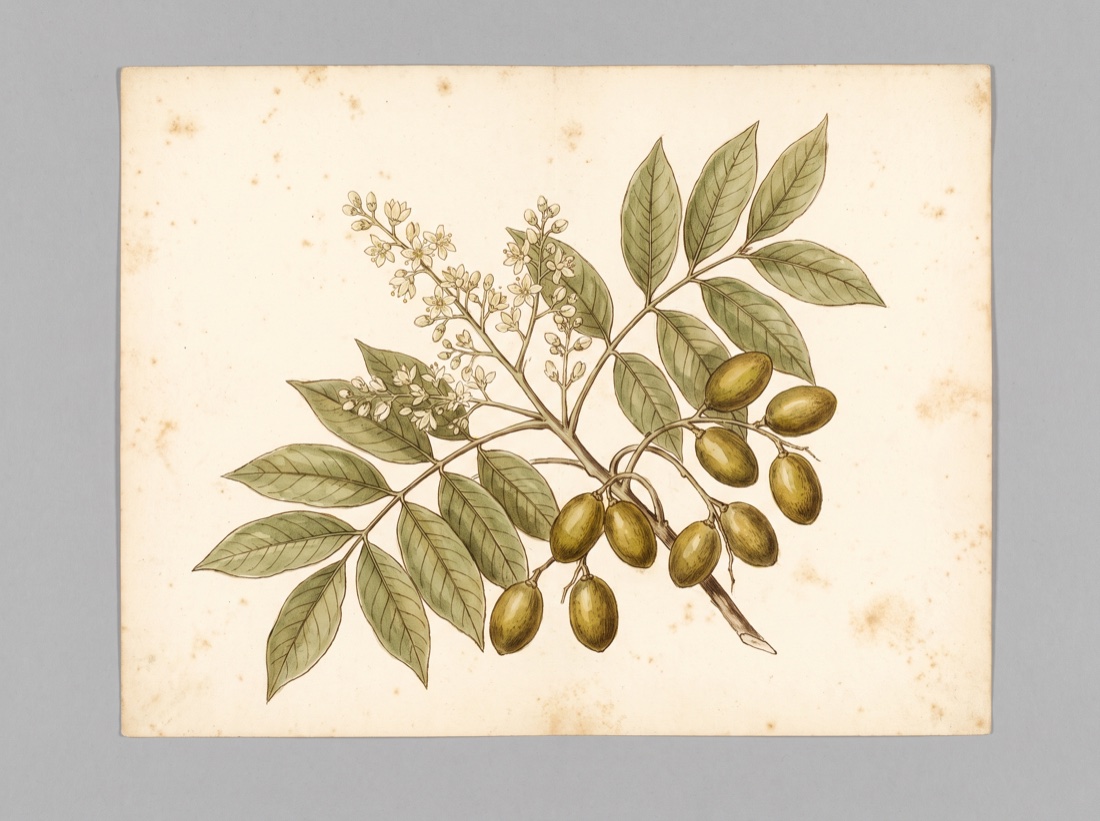 Chinese white oliveCanarium album
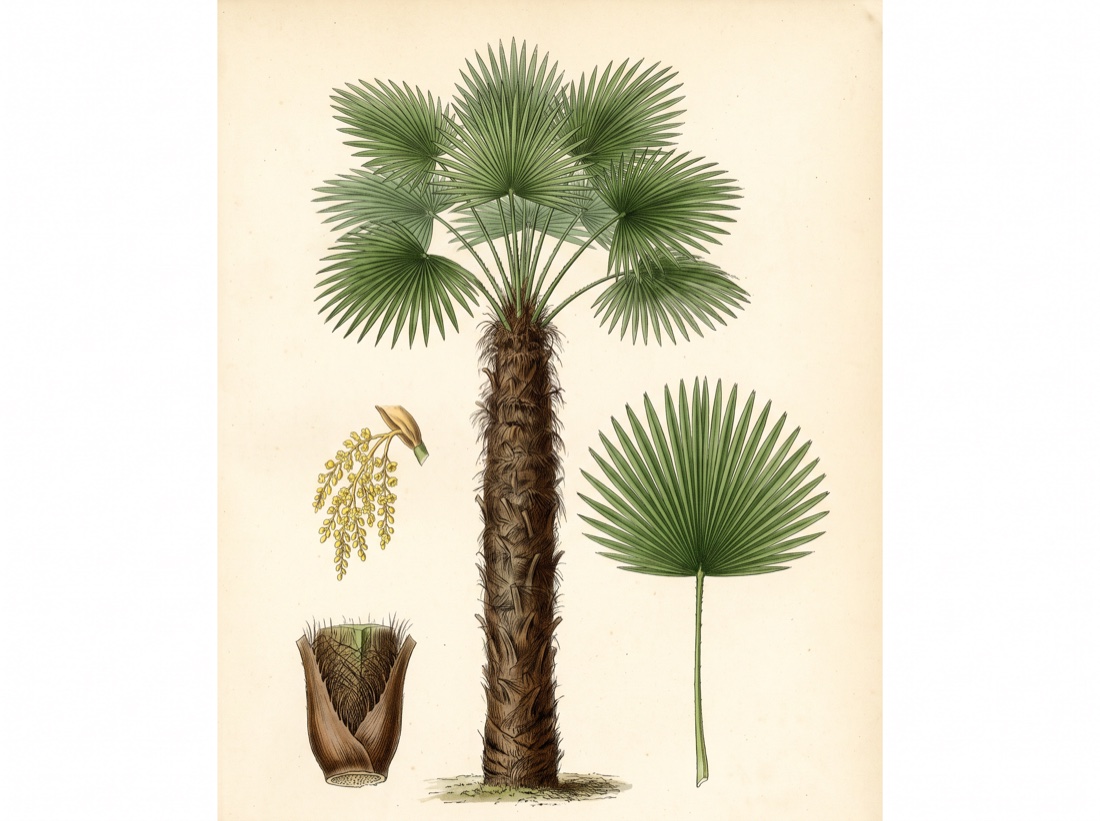 Chinese windmill palmTrachycarpus fortunei
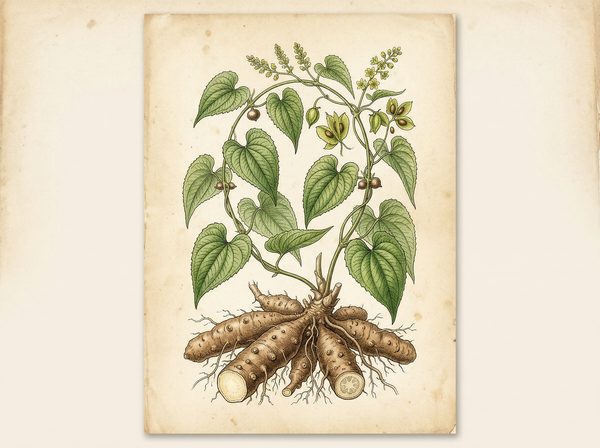 Chinese YamDioscorea opposita
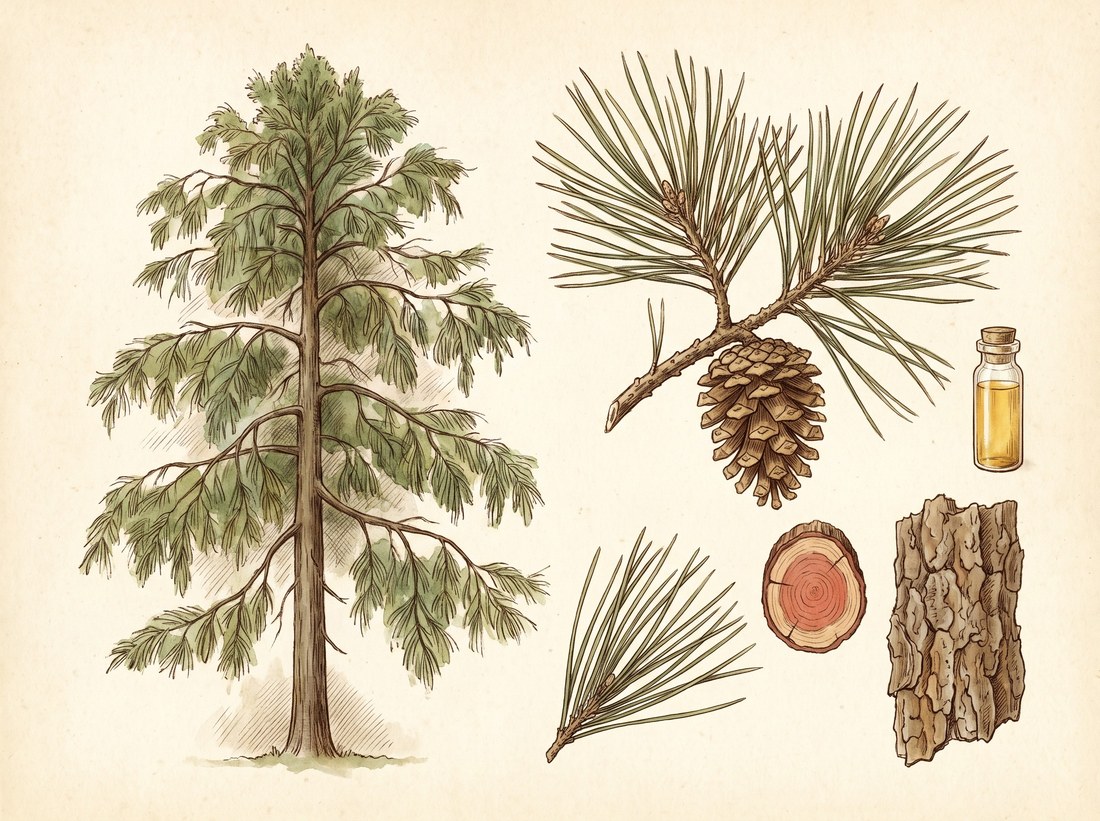 Chir pinePinus roxburghii
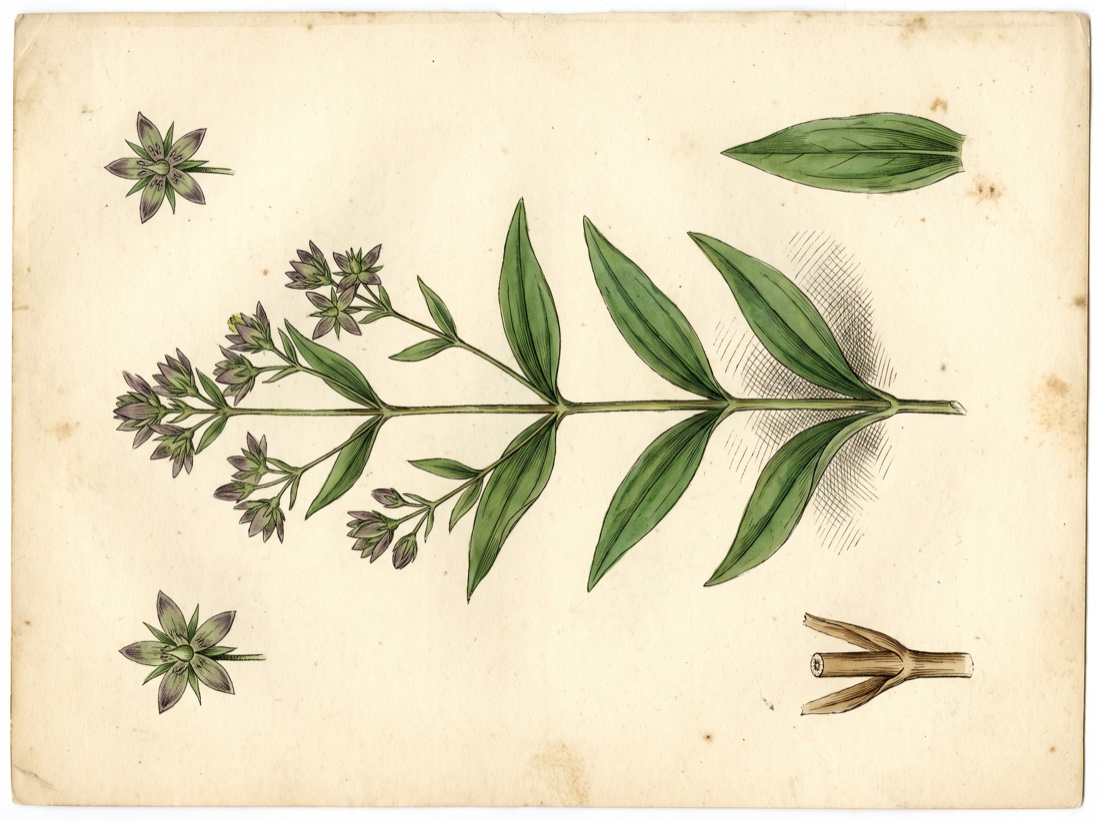 ChirettaOphelia chirata
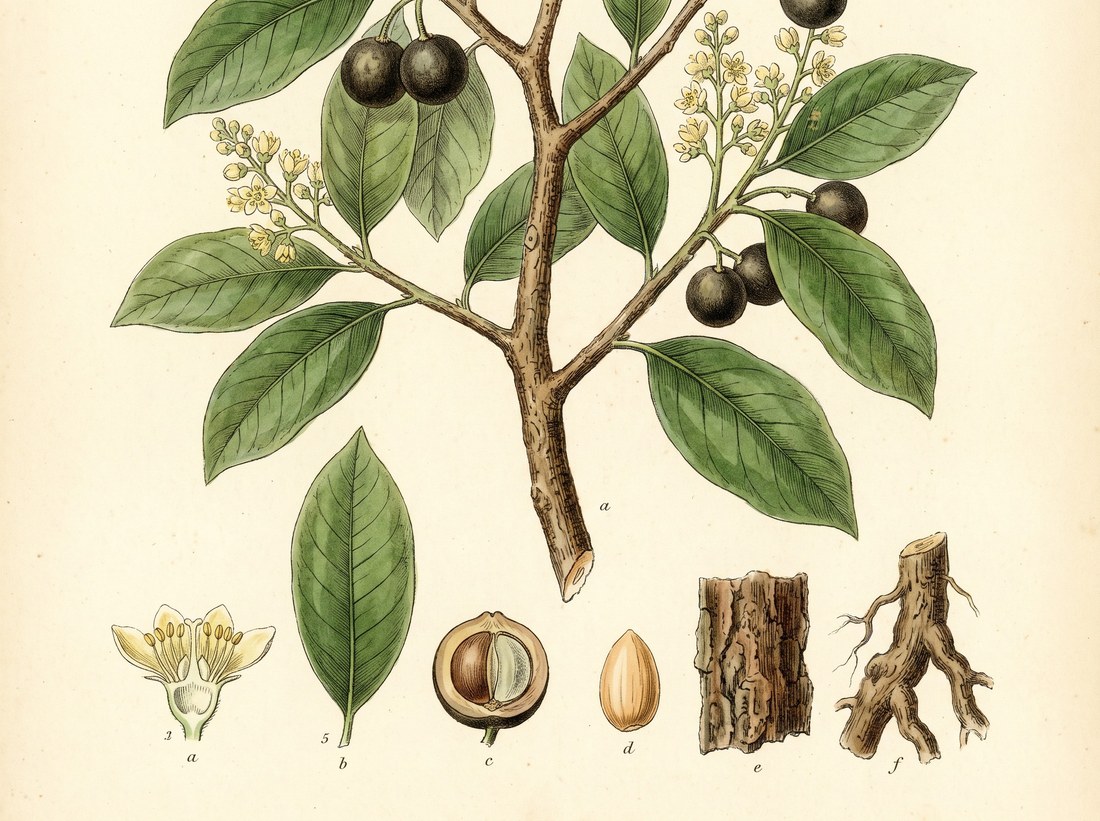 ChironjiBuchanania lanzan
The whole plate is in the library. The compass, Compare, the Sky of eleven hundred plants and the formulary open with an email address and a password, free, with the formula builder and its safety engine. Herbert without limit, his formulating, clients, the handouts and the labels are the paid room.
Open the library, free