Chinese Herbalism
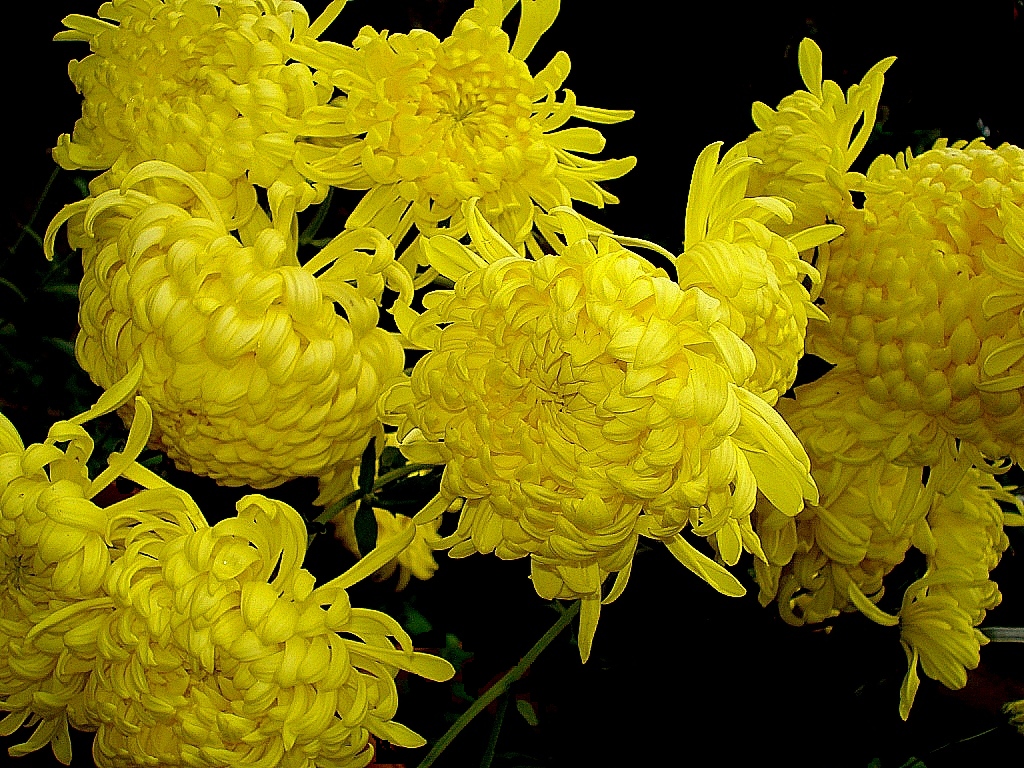
Chrysanthemum
Chrysanthemum × morifolium
Also known as Ju Hua, bái jú huā, huáng jú huā.
Chrysanthemum acts primarily as: Diaphoretic, Alterative, Refrigerant, Anti-inflammatory, Antioxidant. Secondary actions include Hypotensive, Antiseptic, Nervine.

Ask Herbert about Chrysanthemum. Herbert is the master herbalist inside Bountiful Herbs: he answers from this plate and eleven hundred others, with dosing, pairing and cautions. Your first ten questions are free.
Ask HerbertActions
Indications what the tradition reached for it in
- Sore eyes
- Abscess
- Floaters
- Vertigo
- Boils
- Respiratory infection
- Eye redness
- Eczema around eyes
- Tinnitus
- Dizziness
- Chills
- Blurry vision
- Headache
- Hypertension
- Insomnia
- Acne
- Skin sores
- Fever
- Common cold
- Stress with hypertension
- Sore throat
- Conjunctivitis
- Painful eyes
- Inflammation
- Nervous tension
- Stress
- Infection
- Skin conditions
- Flu
- Metabolic waste accumulation
Safety
Pregnancy: Not safe. Not for use in pregnancy (our record's flag)
Pregnancy, our record's flag: Caution. Use with care in pregnancy (our record's flag)
Pregnancy, published rating: No concern. AHPA Botanical Safety Handbook class 1 (no information suggesting a problem)
Breastfeeding: Not safe. Not for use while breastfeeding (our record's flag)
Breastfeeding, published rating: No concern. No breastfeeding concern in the published ratings (published rating)
The record lists 4 contraindications; open the plate in the library to read them in full.
Dosing as the sources wrote it
| Preparation | As written |
|---|---|
| Dried flower decoction or tea | Dried flower decoction or tea 3-15g/day |
| Tincture | Tincture (1:5 25% or 1:3 45%) 5-15mL/day |
Doses are reproduced from the sources for practitioners and are not a recommendation for any person.
From the sources
primary-actions. Chrysanthemum acts primarily as: Diaphoretic, Alterative, Refrigerant, Anti-inflammatory, Antioxidant. Secondary actions include Hypotensive, Antiseptic, Nervine.
indications. Chrysanthemum is traditionally indicated for: Sore eyes, Abscess, Floaters, Vertigo, Boils, Respiratory infection, Eye redness, Eczema around eyes, Tinnitus, Dizziness, Chills, Blurry vision, Headache, Hypertension, Insomnia, and 16 further conditions.
constituents. Notable constituents of Chrysanthemum include: Flavonoids (apigenin, luteolin), Volatile oils (camphor, borneol, chrysanthenone), Sesquiterpene lactones, Phenolic acids (chlorogenic acid), Polysaccharides.
safety-cautions. Chrysanthemum - Contraindications: Qi Deficiency with poor appetite or loose stools, Allergy to Asteraceae family, Caution with immunosuppressants, CYP3A4 substrates | Side effects: Skin irritation or allergic contact dermatitis (Asteraceae allergy | Safety flags: not considered safe in pregnancy; not considered safe during lactation.
In formulas
Chrysanthemum stands in 57 documented formulas in the library, among them sāng jú yin, qing gan da yu tang, xiè gân tāng, xi gǎn ming mù sǎn, zĩ shèn ming mù tàng, yuè hua wán.
Often paired with
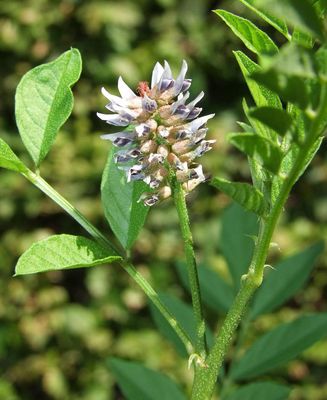 Licorice rootGlycyrrhiza glabra
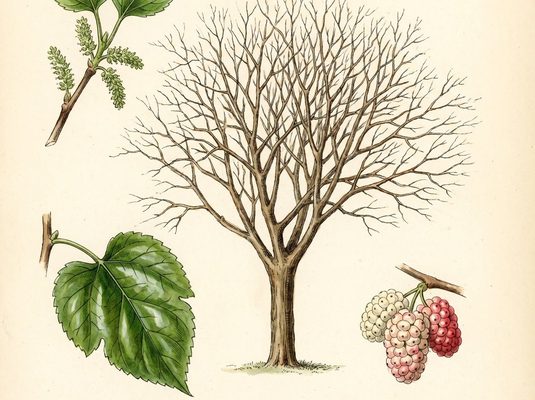 Mulberry LeafMorus alba
 White PeonyPaeonia lactiflora
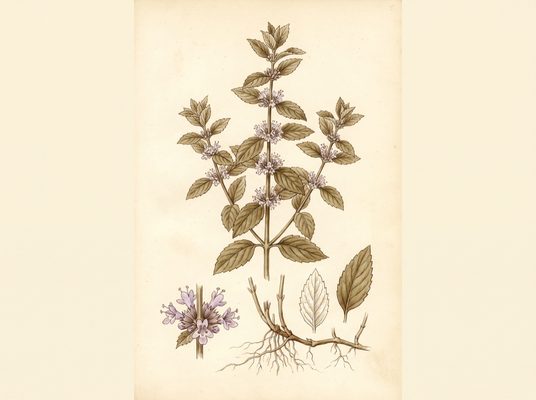 Chinese mintMentha canadensis
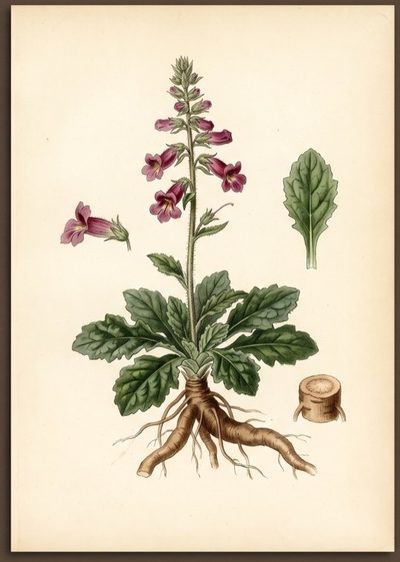 RehmanniaRehmannia glutinosa
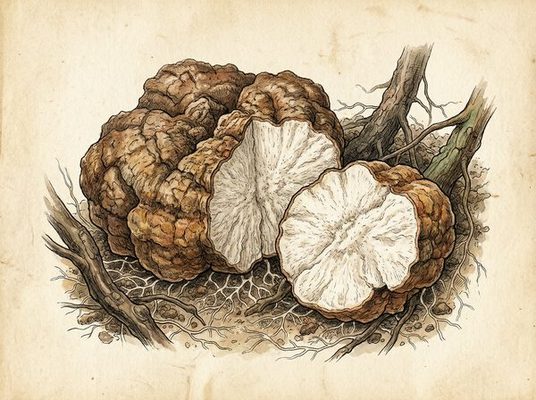 PoriaWolfiporia extensa
Nearby on the shelf
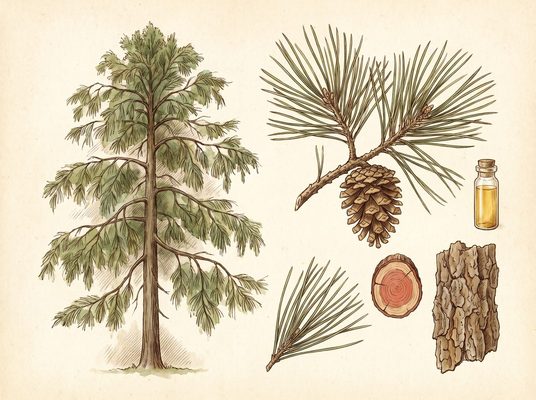 Chir pinePinus roxburghii
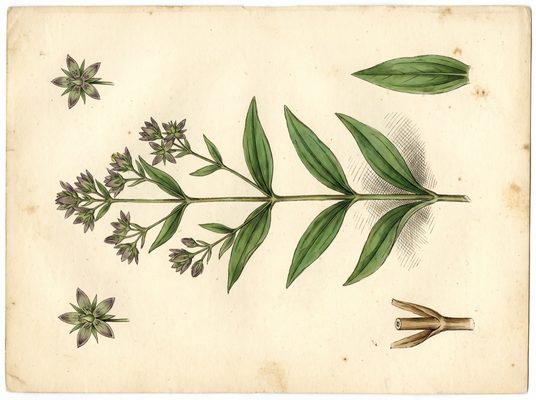 ChirettaOphelia chirata
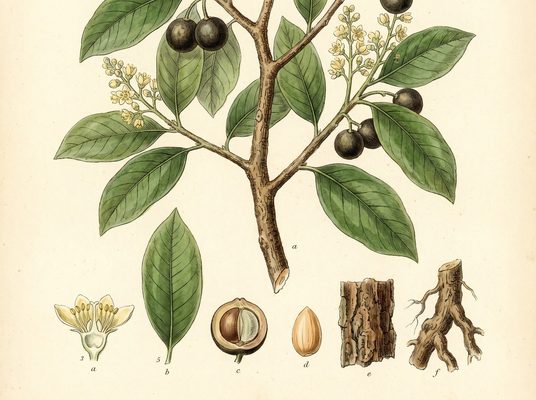 ChironjiBuchanania lanzan
 ChlorellaChlorella vulgaris
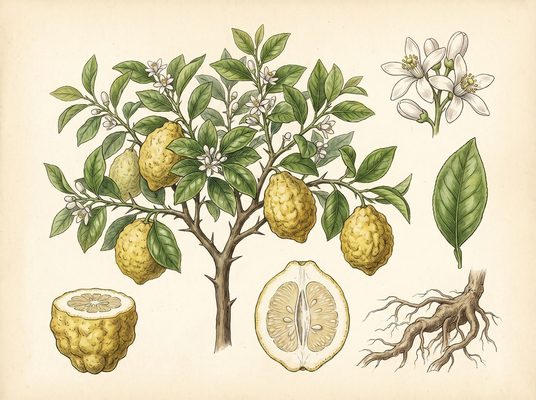 CitronCitrus medica
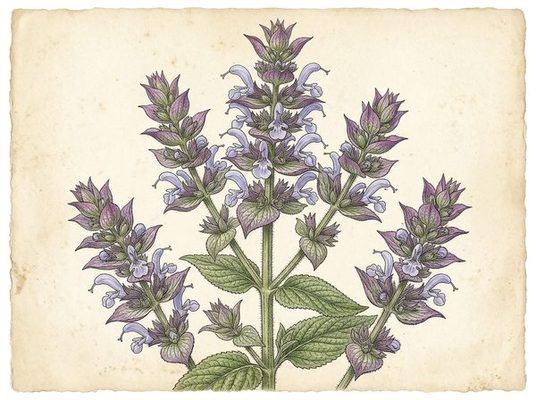 Clary SageSalvia sclarea
 CleaversGalium aparine
 CloveSyzygium aromaticum
The whole plate is in the library. The compass, Compare, the Sky of eleven hundred plants and the formulary open with an email address and a password, free, with the formula builder and its safety engine. Herbert in full, his formulating, clients, the handouts and the labels are the paid room.
Open the library, free