Chinese Herbalism
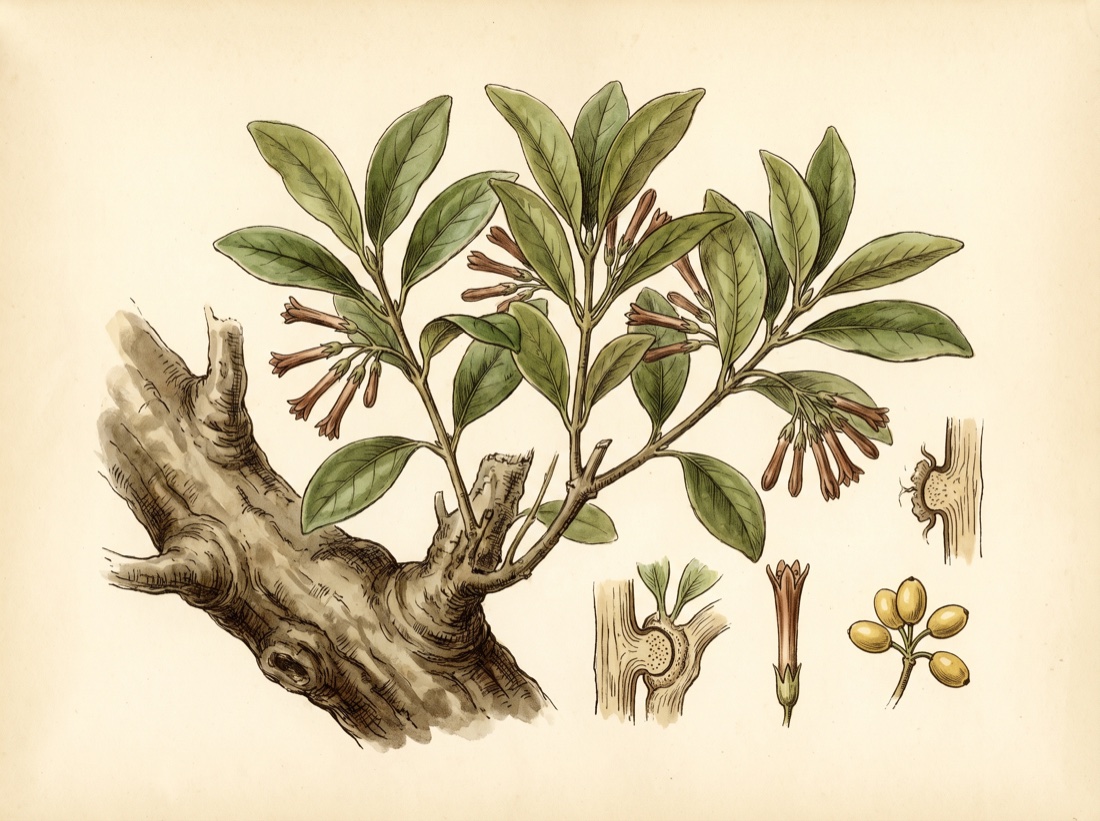
Chinese mistletoe
Taxillus chinensis
Also known as mulberry mistletoe, Chinese taxillus, loranthus, sang ji sheng, sāng jì shēng, guǎng jì shēng, jì shēng.
Sang ji sheng is a hemiparasitic shrub of the showy mistletoe family that grows on the branches of mulberry and many other broadleaf trees in southern and central China. The leafy stems are cut in winter and spring and sliced. It is the mildest of the wind-damp herbs, valued because it tonifies the liver and kidney and nourishes the blood while relieving pain, a natural choice for the elderly, the deficient and the pregnant. European mistletoe (Viscum album) is a different plant with different uses; China lists Viscum coloratum separately as hu ji sheng.

Ask Herbert about Chinese mistletoe. Herbert is the master herbalist inside Bountiful Herbs: he answers from this plate and eleven hundred others, with dosing, pairing and cautions. Your first ten questions are free.
Ask HerbertActions
Indications what the tradition reached for it in
- Chronic joint pain with underlying liver and kidney deficiency
- Rheumatoid and osteoarthritis in older or weakened patients
- Chronic low back and knee weakness and aching
- Threatened miscarriage with kidney deficiency and low back ache
- Restless fetus and bleeding in pregnancy from deficiency (supervised TCM care)
- Habitual miscarriage (in formula)
- Essential hypertension with dizziness and headache (adjunct)
- Dizziness and blurred vision from liver-kidney deficiency
- Insufficient lactation from blood deficiency (traditional)
- Dry skin and itching with blood deficiency in the elderly
Specific indications
An older patient with aching, weak knees and low back that are worse in cold damp weather, tired legs and a thin pulse, who cannot tolerate strongly drying wind-damp herbs
A pregnant woman with a dull, heavy low back ache, fatigue and a history of miscarriage, where a gentle tonifying and fetus-calming herb is wanted
Safety
The record lists 5 contraindications; open the plate in the library to read them in full.
In practice
Sang ji sheng is the wind-damp herb to use when the patient is too deficient for the drying, dispersing herbs. The classic template is Du Huo Ji Sheng Tang, where it sits with du huo, du zhong, niu xi, sheng di and dang gui for chronic low back and knee pain in the weak and elderly; in Western practice it pairs with nettle, devil's claw or willow for osteoarthritis in a tired, cold patient.
In Chinese medicine
Temperature: neutral. Taste: bitter, sweet. Channels: Liver, Kidney. Actions: Dispels wind-dampness while tonifying, so it relieves painful obstruction without further depleting a weak patient; Tonifies the liver and kidney and strengthens the sinews and bones in weakness of the lower back and knees; Nourishes the blood and calms the fetus in threatened miscarriage with a deficient picture; Settles ascendant liver yang, the traditional basis for its modern use in hypertension.
Dosing as the sources wrote it
| Preparation | As written | Metric |
|---|---|---|
| Decoction | 9-15 g dried stems daily | 9000-15000 mg |
| Powder or granules | 2-4 g daily in divided doses | 2000-4000 mg |
| Tincture (1:5, 40%) | 2-5 mL three times daily | 2-5 mL |
Doses are reproduced from the sources for practitioners and are not a recommendation for any person.
From the sources
Overview. Sang ji sheng is a hemiparasitic shrub of the showy mistletoe family that grows on the branches of mulberry and many other broadleaf trees in southern and central China. The leafy stems are cut in winter and spring and sliced. It is the mildest of the wind-damp herbs, valued because it tonifies the liver and kidney and nourishes the blood while relieving pain, a natural choice for the elderly, the deficient and the pregnant. European mistletoe (Viscum album) is a different plant with different uses; China lists Viscum coloratum separately as hu ji sheng.
Clinical Notes. Sang ji sheng is the wind-damp herb to use when the patient is too deficient for the drying, dispersing herbs. The classic template is Du Huo Ji Sheng Tang, where it sits with du huo, du zhong, niu xi, sheng di and dang gui for chronic low back and knee pain in the weak and elderly; in Western practice it pairs with nettle, devil's claw or willow for osteoarthritis in a tired, cold patient.
Chinese Medicine Profile. Temperature: neutral. Taste: bitter, sweet. Channels: Liver, Kidney. Actions: Dispels wind-dampness while tonifying, so it relieves painful obstruction without further depleting a weak patient; Tonifies the liver and kidney and strengthens the sinews and bones in weakness of the lower back and knees; Nourishes the blood and calms the fetus in threatened miscarriage with a deficient picture; Settles ascendant liver yang, the traditional basis for its modern use in hypertension.
In formulas
Chinese mistletoe stands in 21 documented formulas in the library, among them shòu tài wán, tiàn má gòu tếng yìn, du huo jì shẽng tàng.
Often paired with
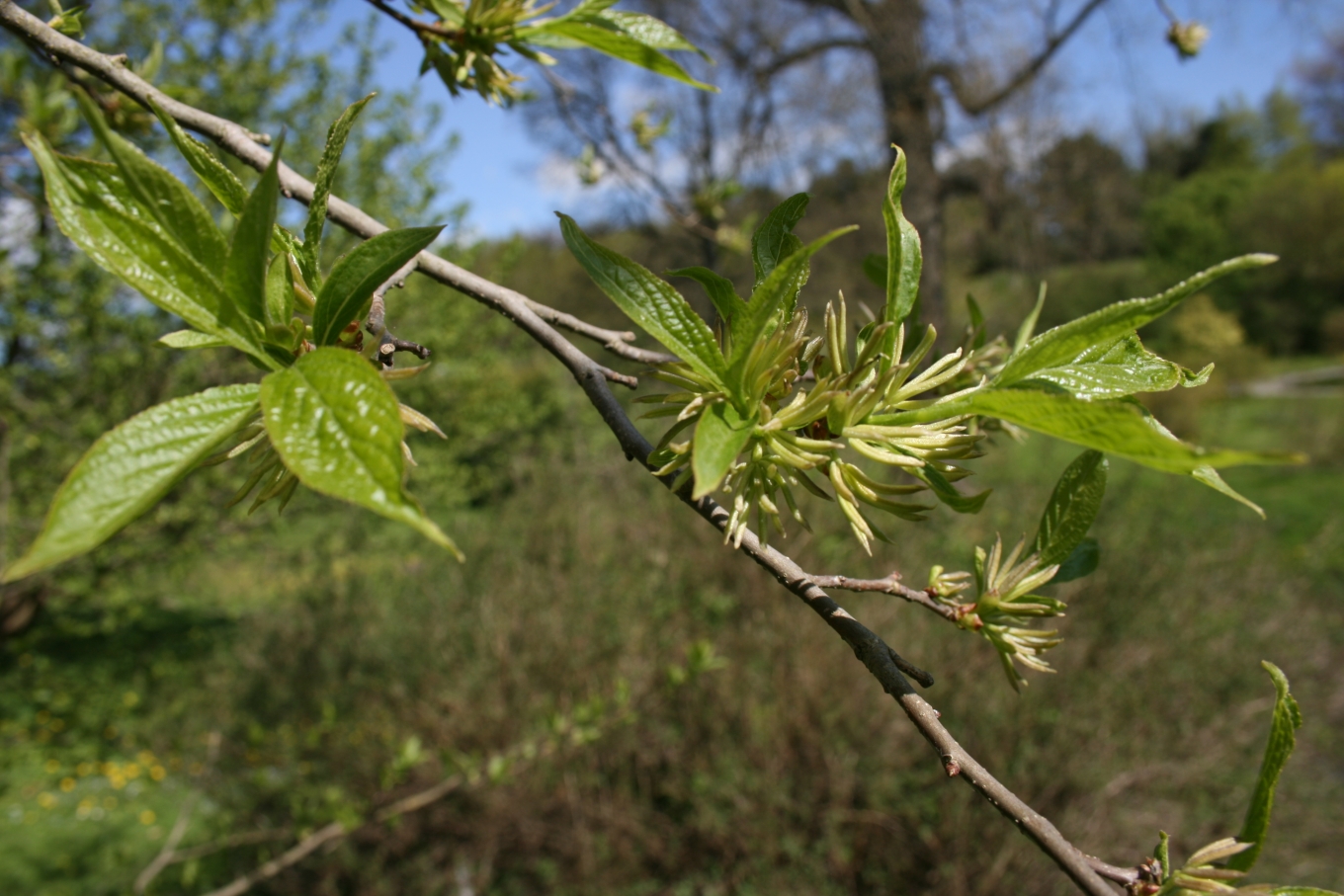 Du ZhongEucommia ulmoides
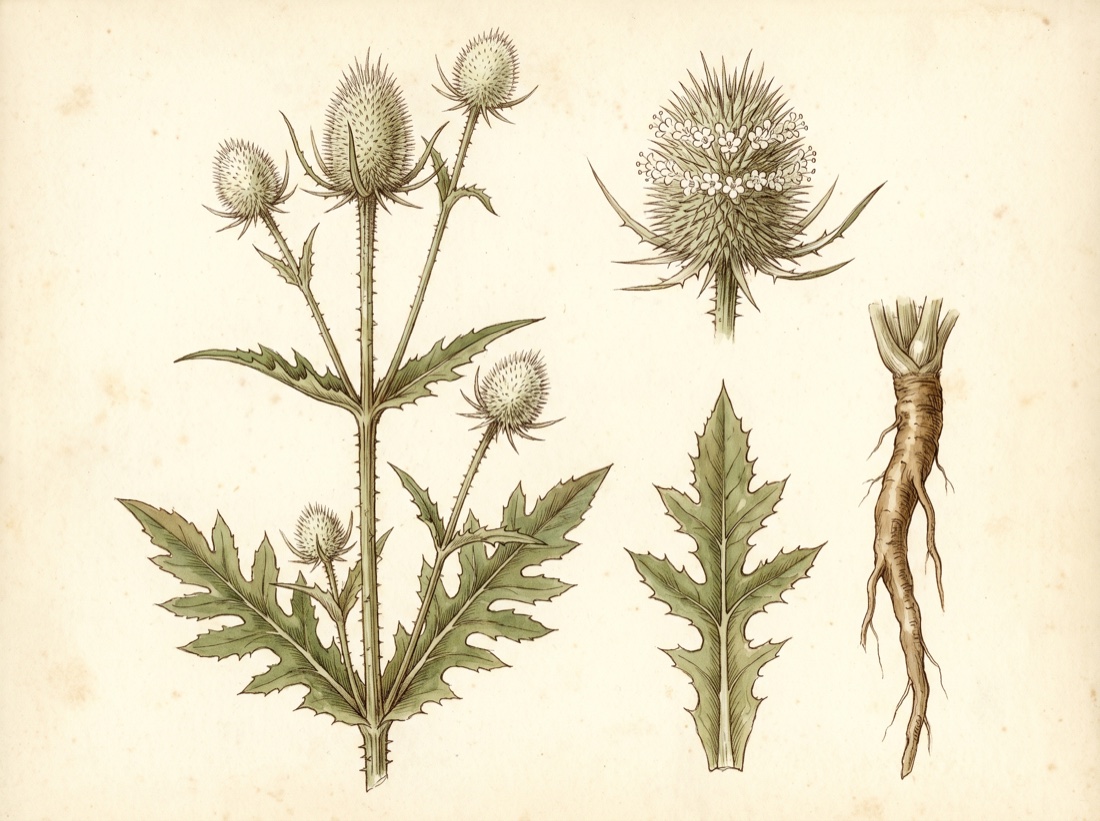 Sichuan teaselDipsacus asper
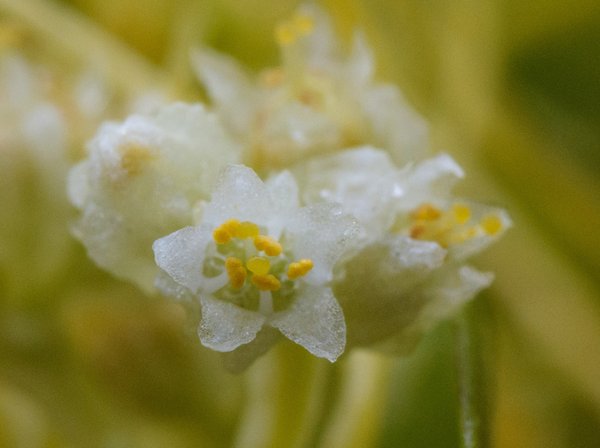 Tu Si ZiCuscuta chinensis
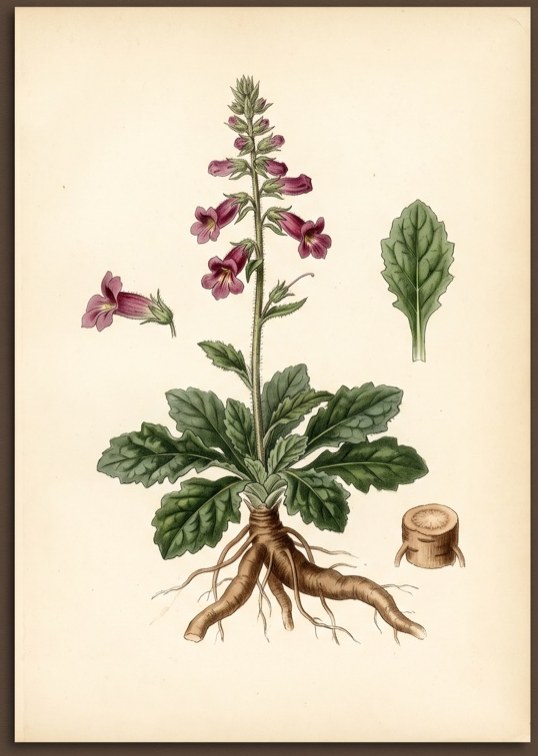 RehmanniaRehmannia glutinosa
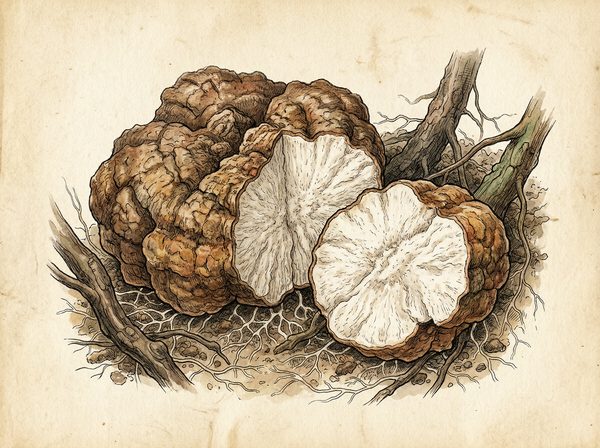 PoriaWolfiporia extensa
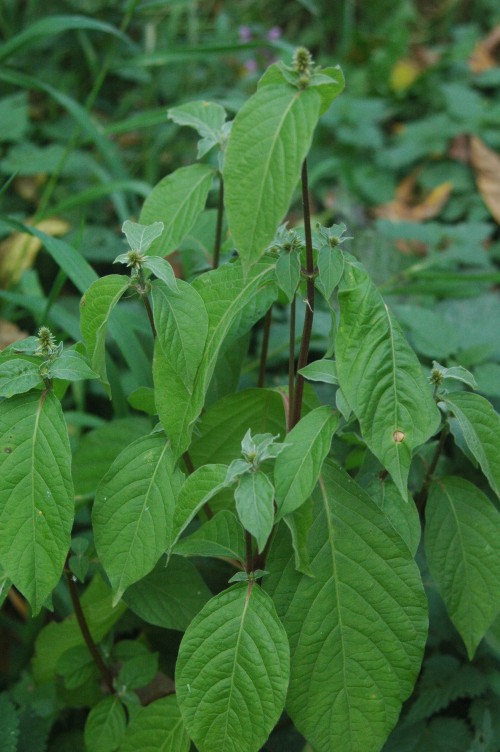 Niu XiAchyranthes bidentata
Nearby on the shelf
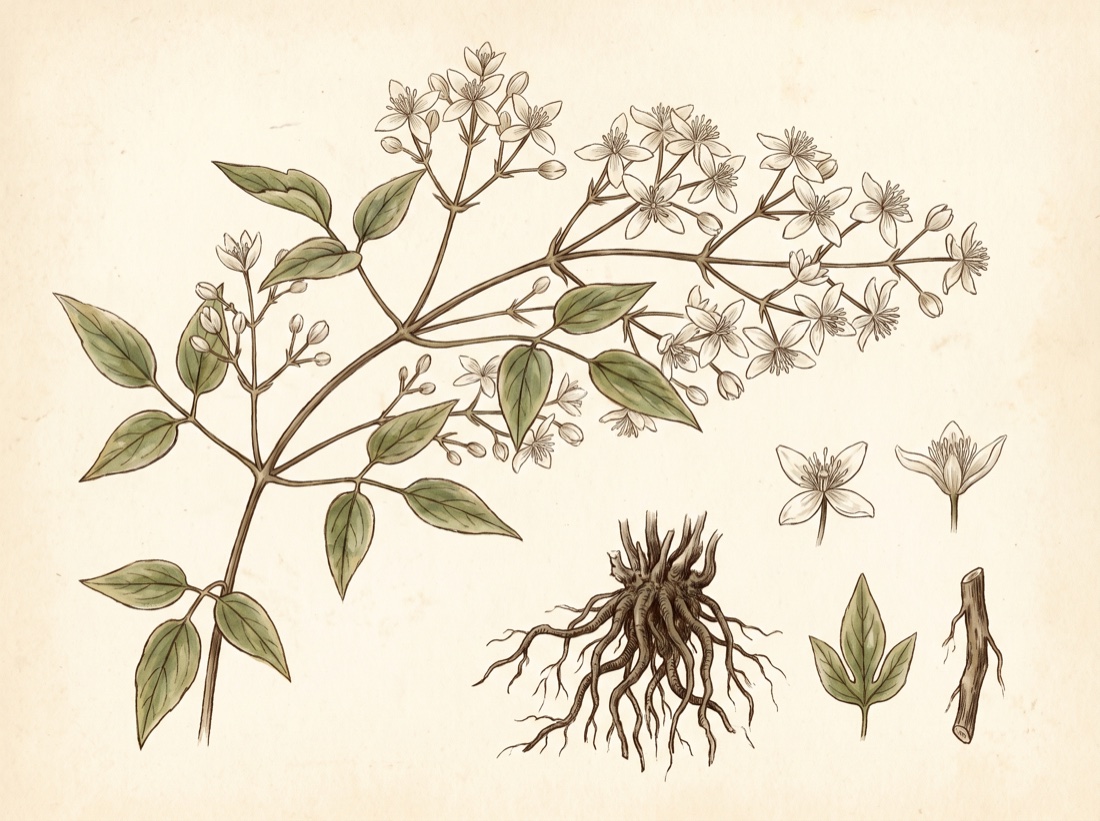 Chinese clematisClematis chinensis
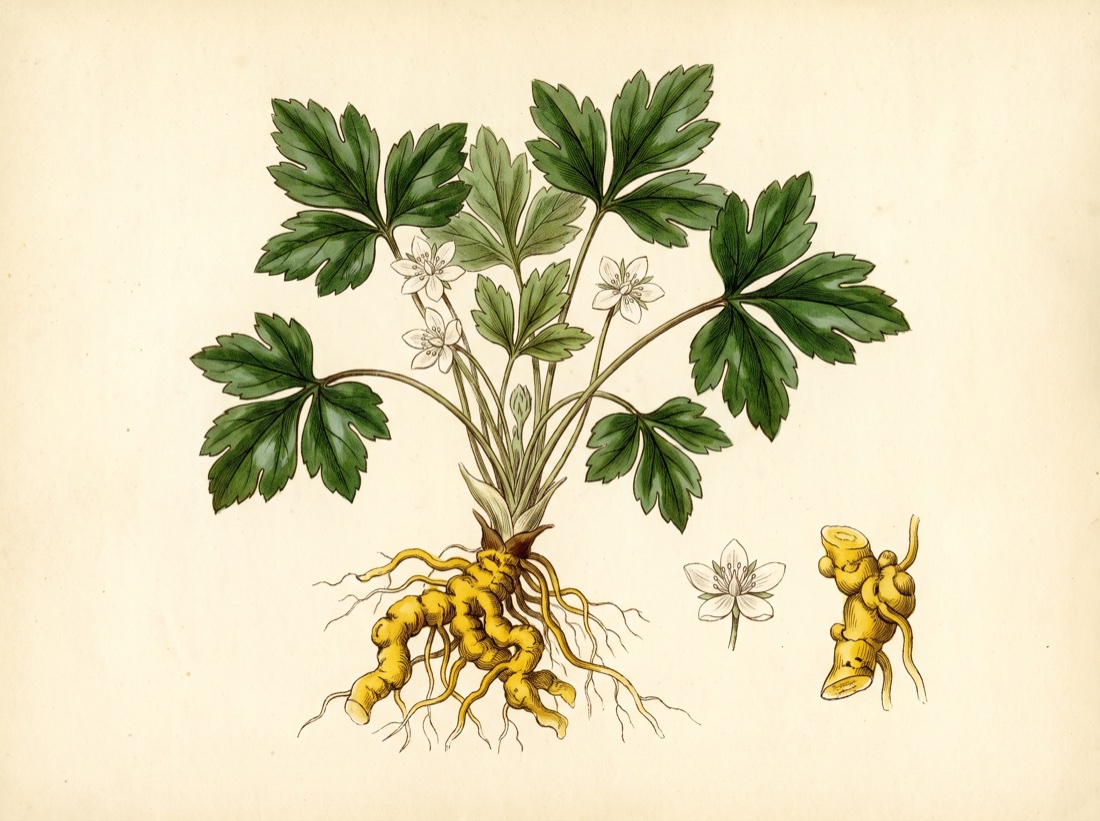 Chinese goldthreadCoptis chinensis
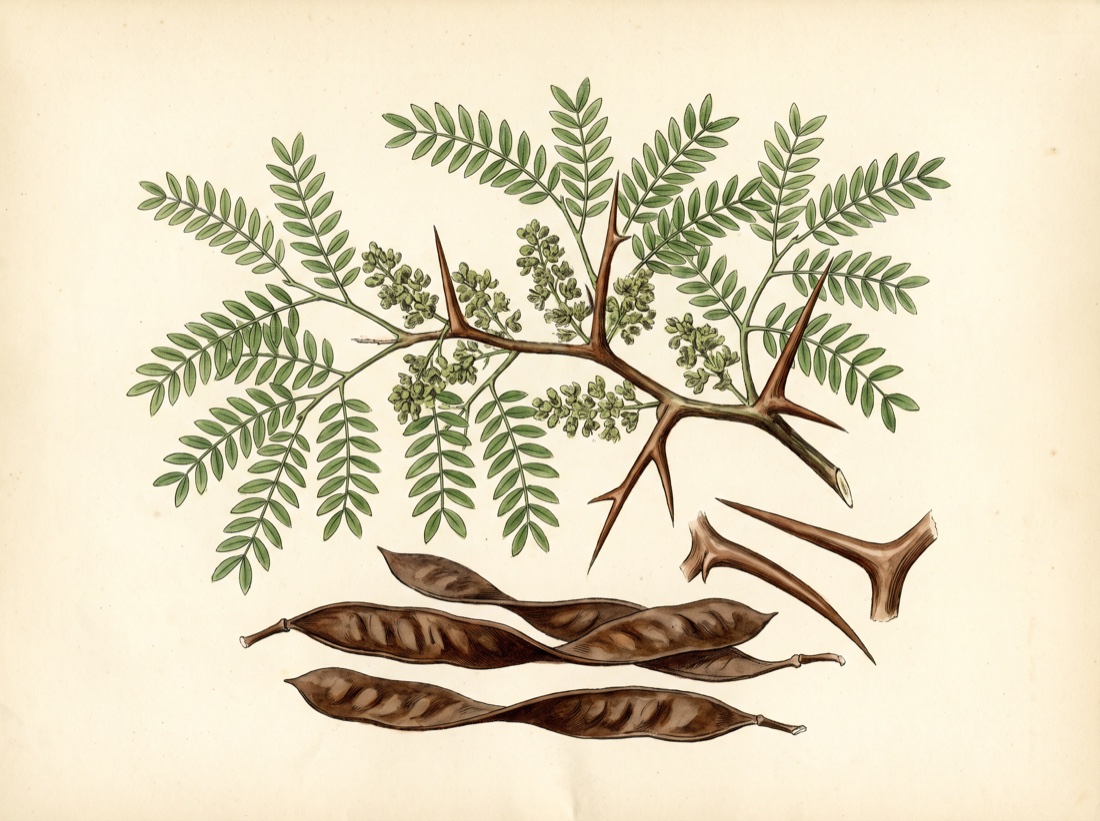 Chinese honey locustGleditsia sinensis
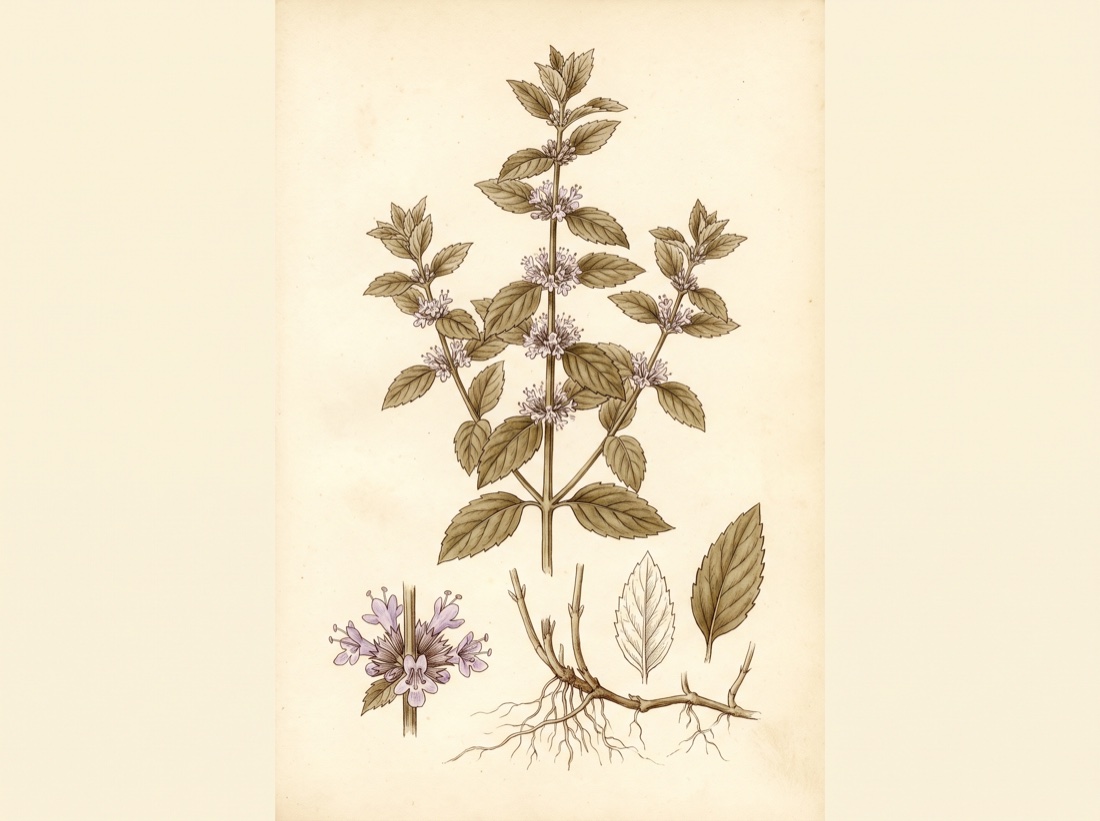 Chinese mintMentha canadensis
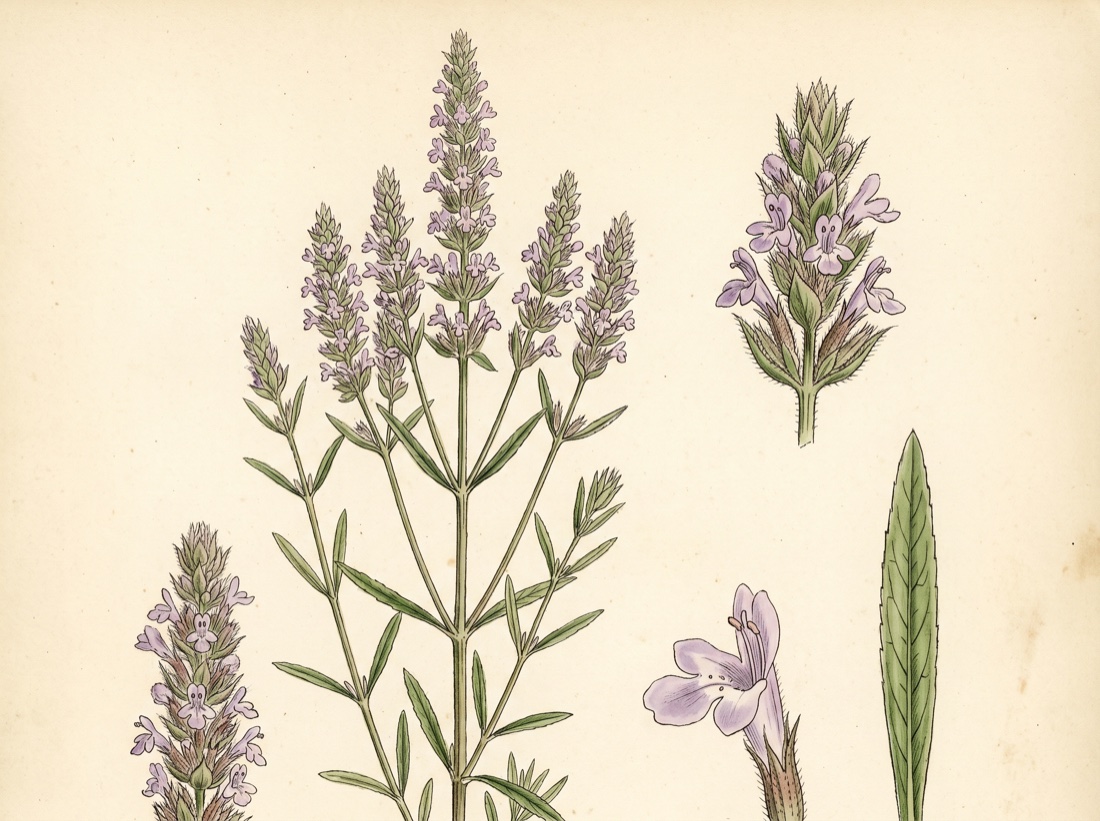 Chinese moslaMosla chinensis
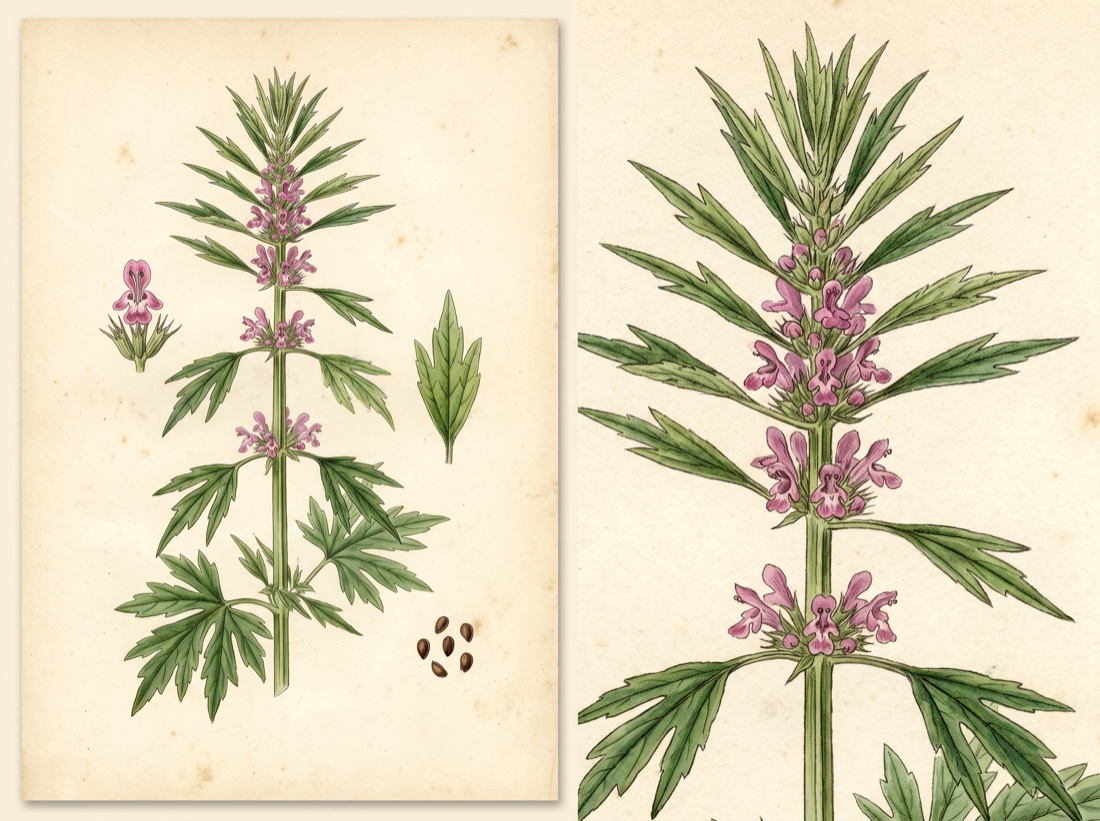 Chinese motherwortLeonurus japonicus
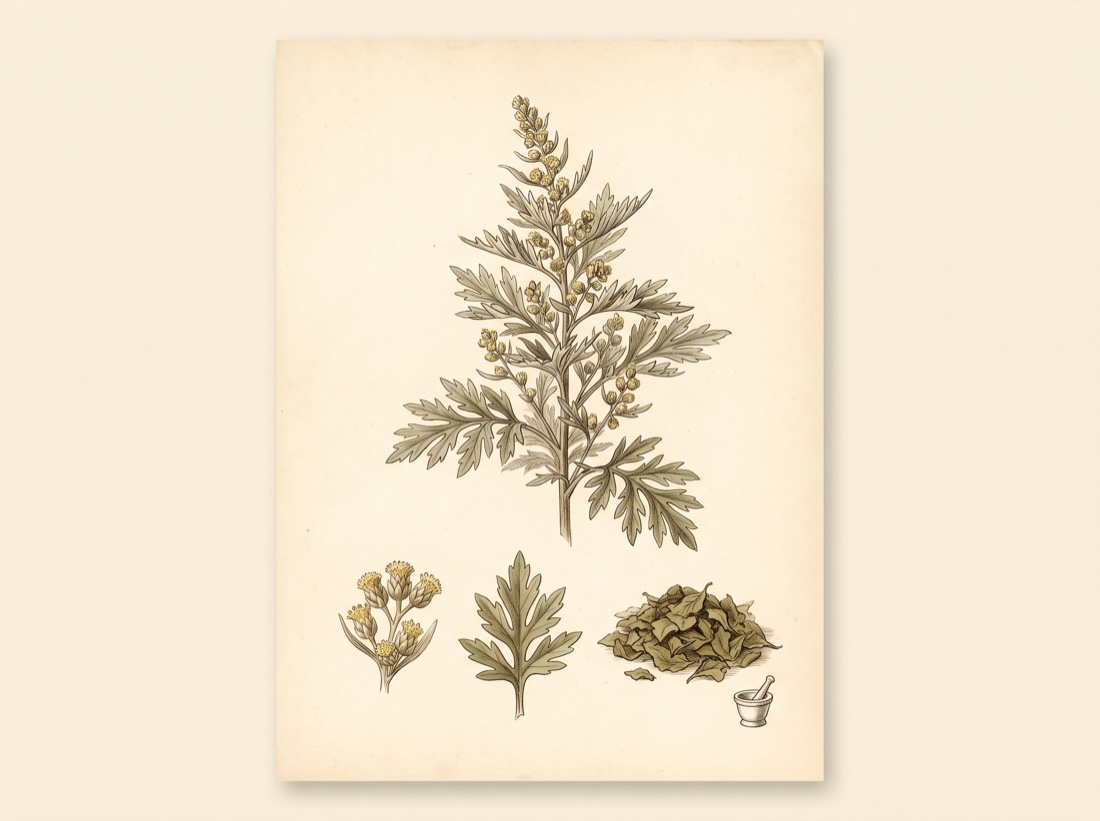 Chinese mugwortArtemisia argyi
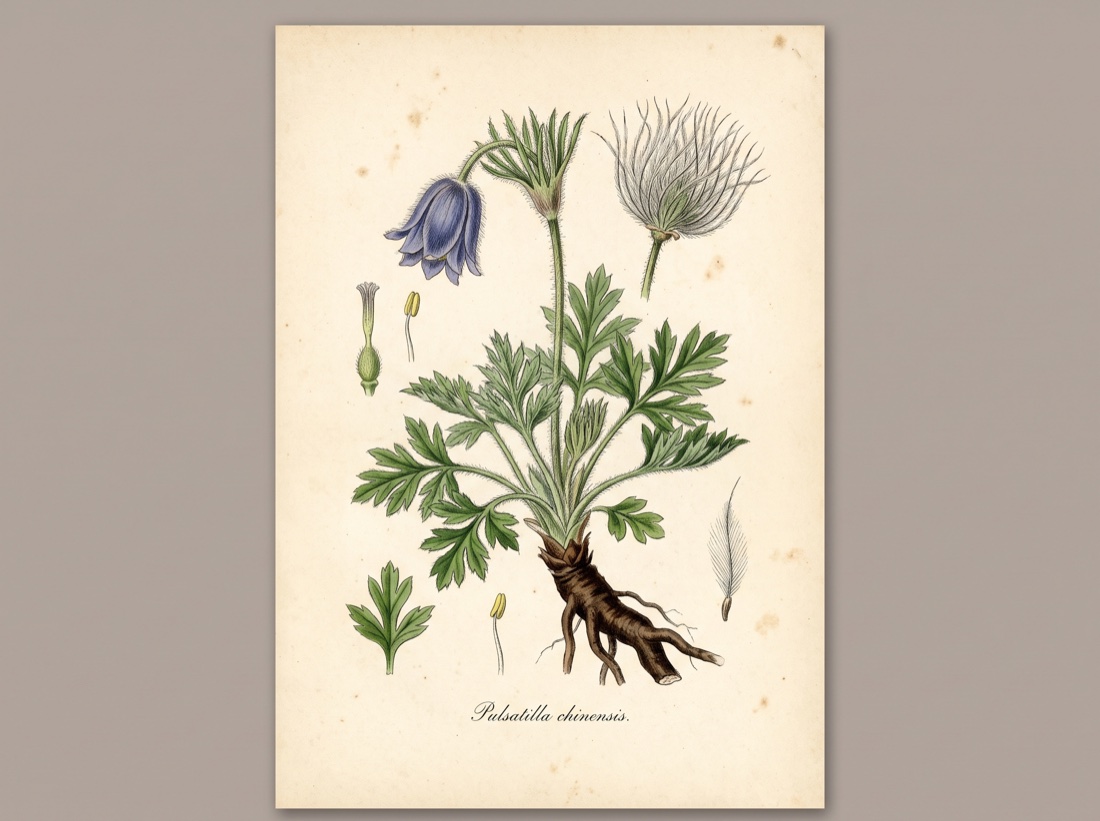 Chinese pulsatillaPulsatilla chinensis
The whole plate is in the library. The compass, Compare, the Sky of eleven hundred plants and the formulary open with an email address and a password, free, with the formula builder and its safety engine. Herbert without limit, his formulating, clients, the handouts and the labels are the paid room.
Open the library, free