Chinese Herbalism
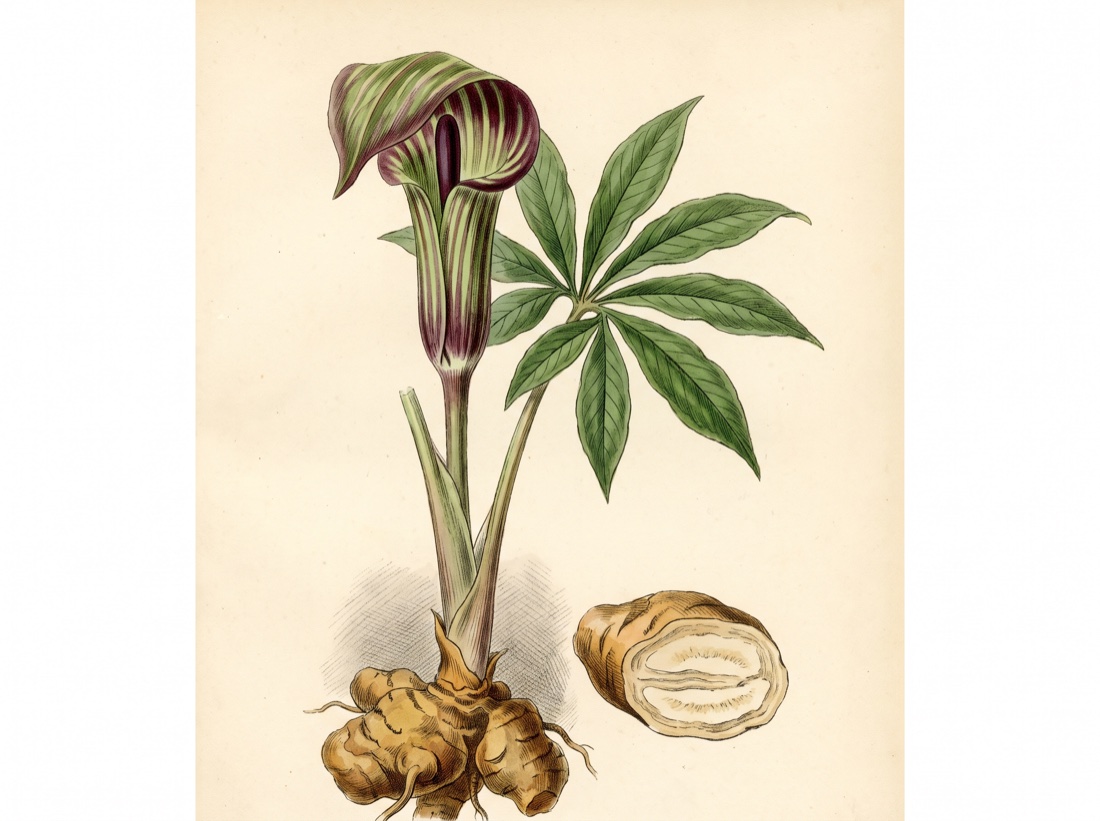
Chinese arisaema
Arisaema erubescens
Also known as jack-in-the-pulpit (Asian), dragon arum, tian nan xing, bile-processed arisaema (dan nan xing), tiān nán xīng, zhì tiān nán xīng, dǎn nán xīng.
Tian nan xing is the dried tuber of Arisaema erubescens, Arisaema heterophyllum or Arisaema amurense, woodland aroids of China, Korea and the Russian Far East that are harvested in autumn and traded together under one name. The raw tuber is acrid and irritant and is never given by mouth; the drug is used only after processing, either with ginger juice and alum (zhi tian nan xing, warm) or by fermenting the powdered tuber with ox or pig bile (dan nan xing, cool). It is a principal phlegm-transforming and wind-extinguishing herb, reserved for stubborn damp-phlegm and for wind-phlegm neurological presentations.

Ask Herbert about Chinese arisaema. Herbert is the master herbalist inside Bountiful Herbs: he answers from this plate and eleven hundred others, with dosing, pairing and cautions. Your first ten questions are free.
Ask HerbertActions
Indications what the tradition reached for it in
- Cough with copious, thick, hard to expectorate phlegm
- Chest oppression from damp-phlegm
- Wind-phlegm dizziness and vertigo
- Wind-stroke sequelae with hemiplegia and facial paralysis
- Epilepsy and seizures with phlegm
- Tetany, opisthotonos and lockjaw (in formula)
- Childhood convulsions with fever and phlegm (dan nan xing)
- Carbuncles, abscesses and swollen painful joints (external)
- Snakebite and insect bite swelling (external, traditional)
Specific indications
Stubborn, glue-like phlegm that ban xia alone cannot shift, with a thick greasy tongue coat.
Wind-phlegm obstructing the channels: numbness, tremor, deviated mouth and eye, or seizures with rattling phlegm.
Hot, swollen, painful joint or unopened abscess where a cold paste of the raw tuber is applied externally.
Safety
Recognised toxicity. This plant carries a toxicity flag in the record; it is for trained practitioners only.
Low dose botanical. Used in drop doses in the classical practice; not a plant to dose freely.
Pregnancy: Not for use in pregnancy
Breastfeeding: Not for use while breastfeeding
The record lists 8 contraindications; open the plate in the library to read them in full.
In practice
Reach for zhi tian nan xing when phlegm is thick, tenacious and cold-damp in nature, especially when it is paired with wind signs: dizziness, numbness, tremor, facial paralysis or seizures. It is stronger and more drying than ban xia and the two are commonly combined, as in Dao Tan Tang, where they are supported by zhi shi and chen pi to move qi and break up phlegm.
In Chinese medicine
Temperature: warm (zhi tian nan xing); cool (dan nan xing). Taste: bitter, acrid; toxic. Channels: Lung, Liver, Spleen. Actions: Dries dampness and transforms stubborn phlegm; Dispels wind-phlegm from the channels and stops spasms and tremor; Reduces swelling and relieves pain when applied externally; Dan nan xing: clears heat, transforms phlegm-heat, extinguishes wind and stops convulsions.
Dosing as the sources wrote it
| Preparation | As written | Metric |
|---|---|---|
| Decoction (zhi tian nan xing) | 3-9 g processed tuber daily | 3000-9000 mg |
| Decoction (dan nan xing) | 3-6 g bile-processed tuber daily | 3000-6000 mg |
| External (raw tuber) | powdered raw tuber as paste applied to the lesion as needed |
Doses are reproduced from the sources for practitioners and are not a recommendation for any person.
From the sources
Overview. Tian nan xing is the dried tuber of Arisaema erubescens, Arisaema heterophyllum or Arisaema amurense, woodland aroids of China, Korea and the Russian Far East that are harvested in autumn and traded together under one name. The raw tuber is acrid and irritant and is never given by mouth; the drug is used only after processing, either with ginger juice and alum (zhi tian nan xing, warm) or by fermenting the powdered tuber with ox or pig bile (dan nan xing, cool). It is a principal phlegm-transforming and wind-extinguishing herb, reserved for stubborn damp-phlegm and for wind-phlegm neurological presentations.
Clinical Notes. Reach for zhi tian nan xing when phlegm is thick, tenacious and cold-damp in nature, especially when it is paired with wind signs: dizziness, numbness, tremor, facial paralysis or seizures. It is stronger and more drying than ban xia and the two are commonly combined, as in Dao Tan Tang, where they are supported by zhi shi and chen pi to move qi and break up phlegm.
Chinese Medicine Profile. Temperature: warm (zhi tian nan xing); cool (dan nan xing). Taste: bitter, acrid; toxic. Channels: Lung, Liver, Spleen. Actions: Dries dampness and transforms stubborn phlegm; Dispels wind-phlegm from the channels and stops spasms and tremor; Reduces swelling and relieves pain when applied externally; Dan nan xing: clears heat, transforms phlegm-heat, extinguishes wind and stops convulsions.
In formulas
Chinese arisaema stands in 65 documented formulas in the library, among them hui chùn dàn, sān shêng yin, xiao huo luò dàn, wũ hũ zhui fêng sắn, dão tán tāng, ging qì hua tán wán.
Often paired with
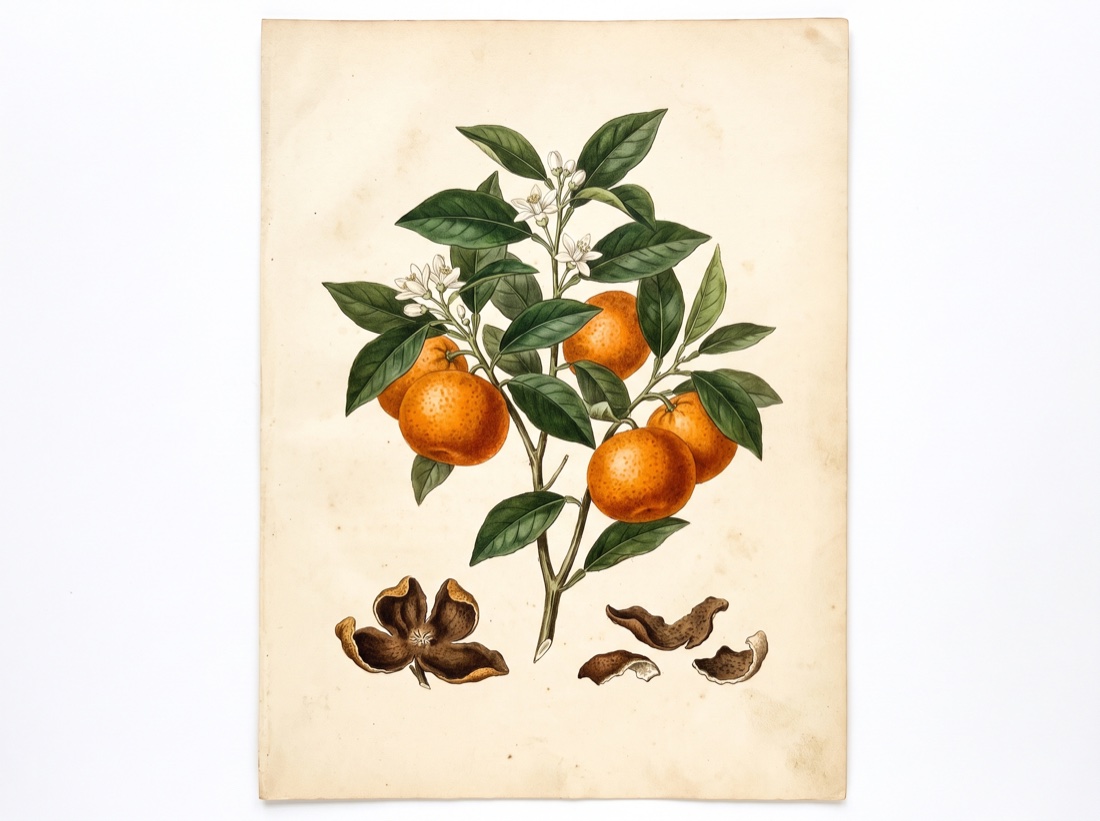 tangerineCitrus reticulata
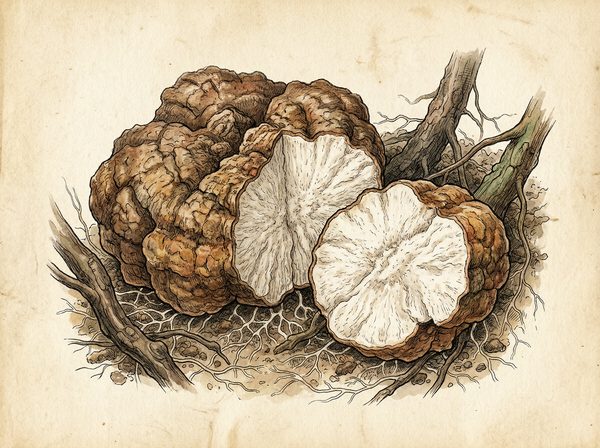 PoriaWolfiporia extensa
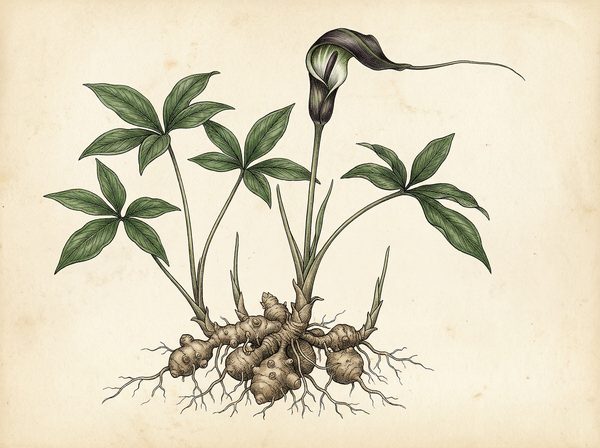 PinelliaPinellia ternata
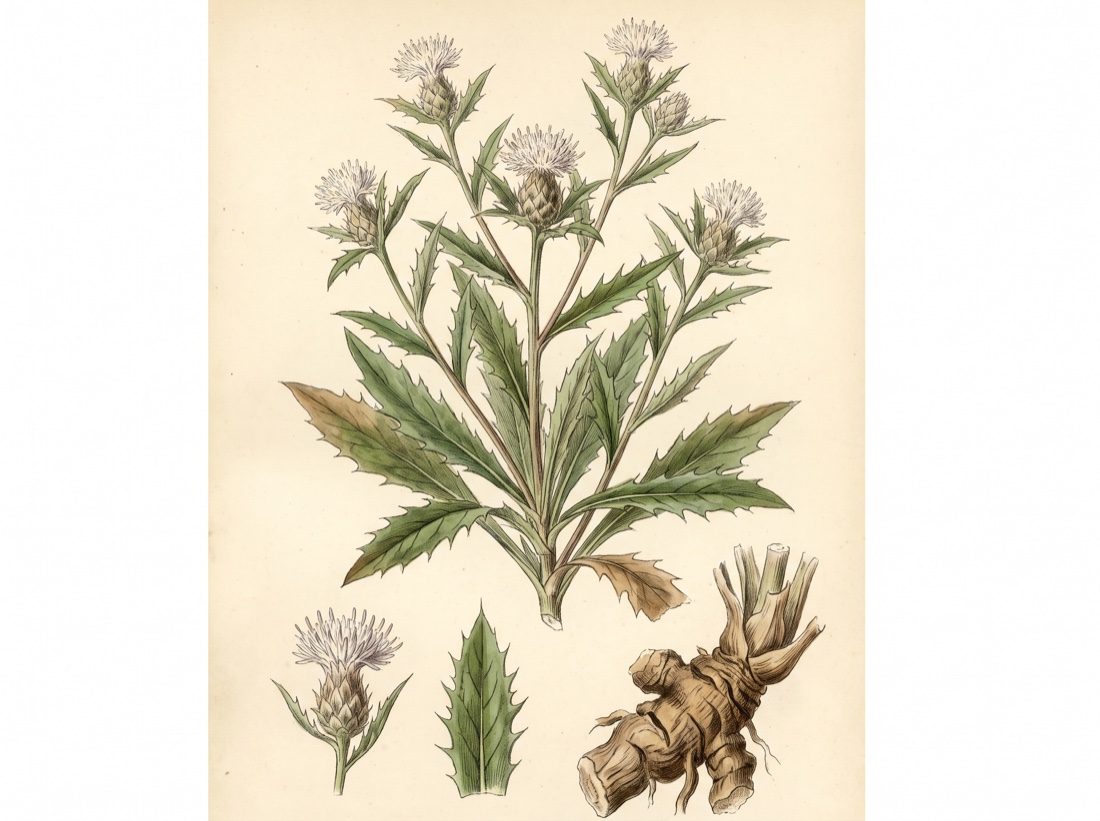 cang zhuAtractylodes lancea
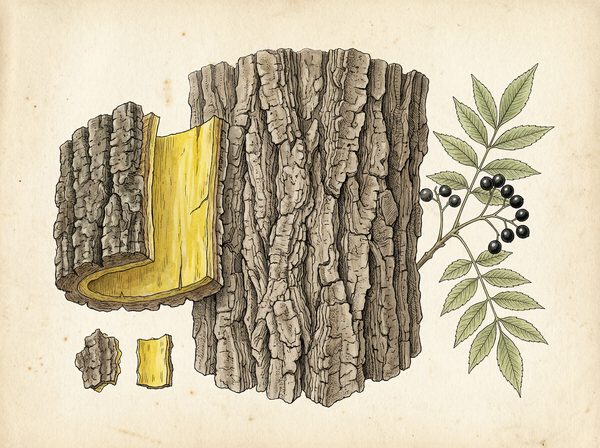 Huang BaiPhellodendron amurense
 Licorice rootGlycyrrhiza glabra
Nearby on the shelf
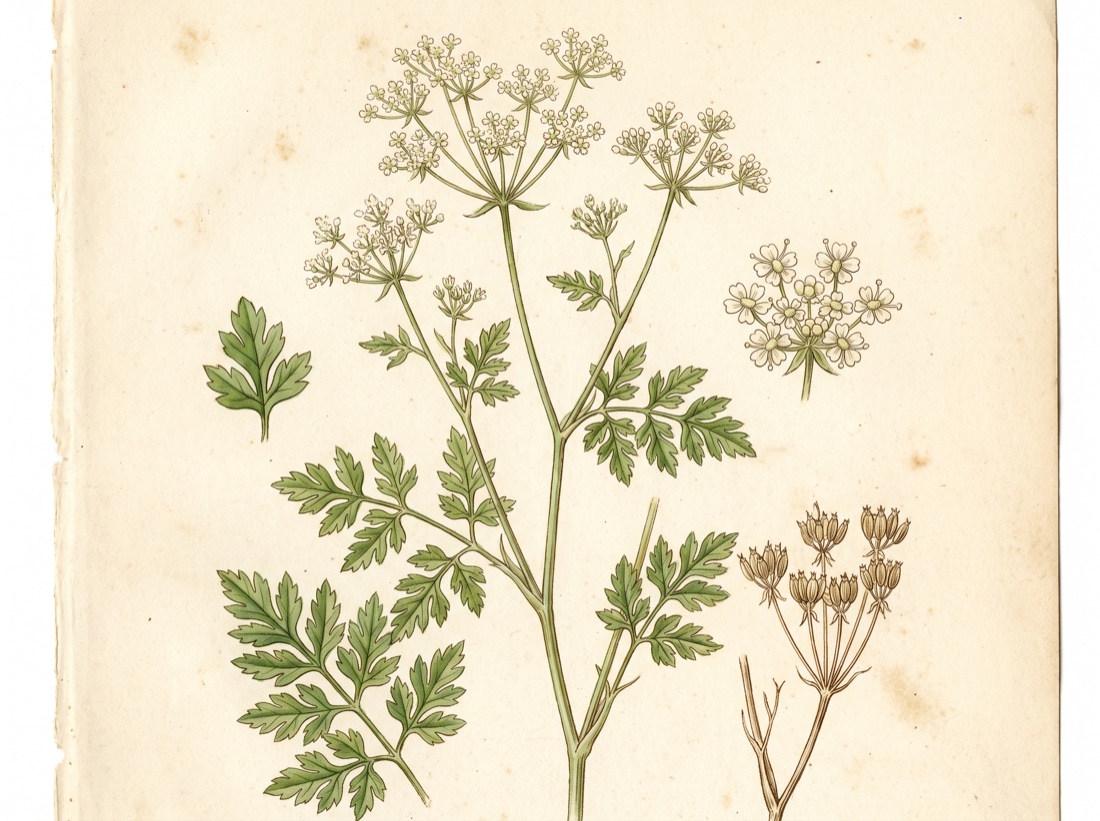 ChervilAnthriscus cerefolium
 ChiaSalvia hispanica
 ChickweedStellaria media
 ChicoryCichorium intybus
 Chinese asparagusAsparagus cochinchinensis
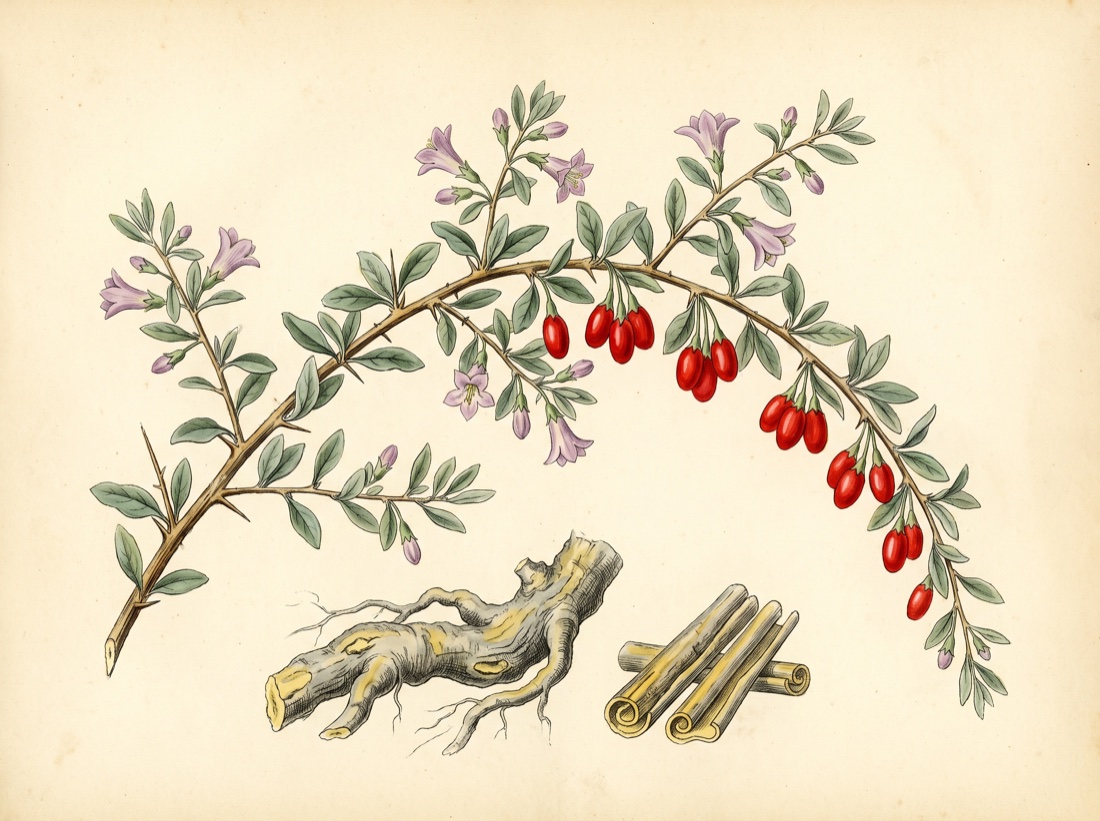 Chinese boxthornLycium chinense
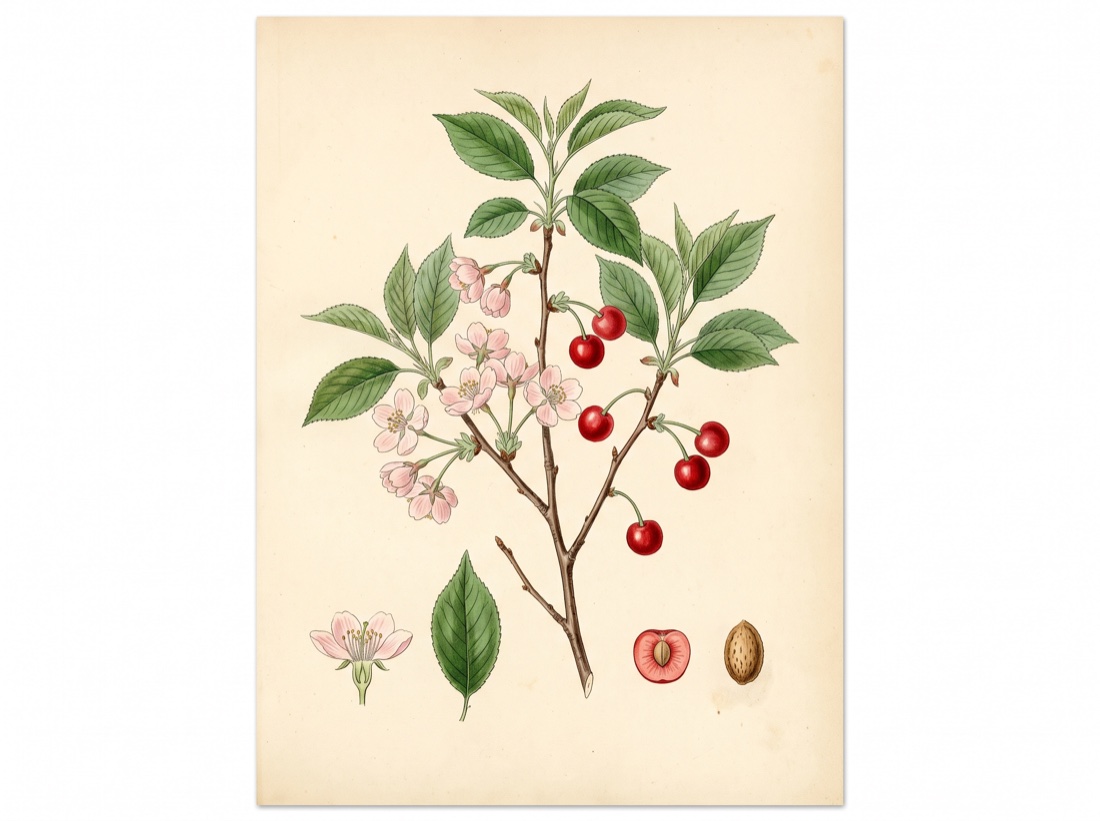 Chinese bush cherryPrunus japonica
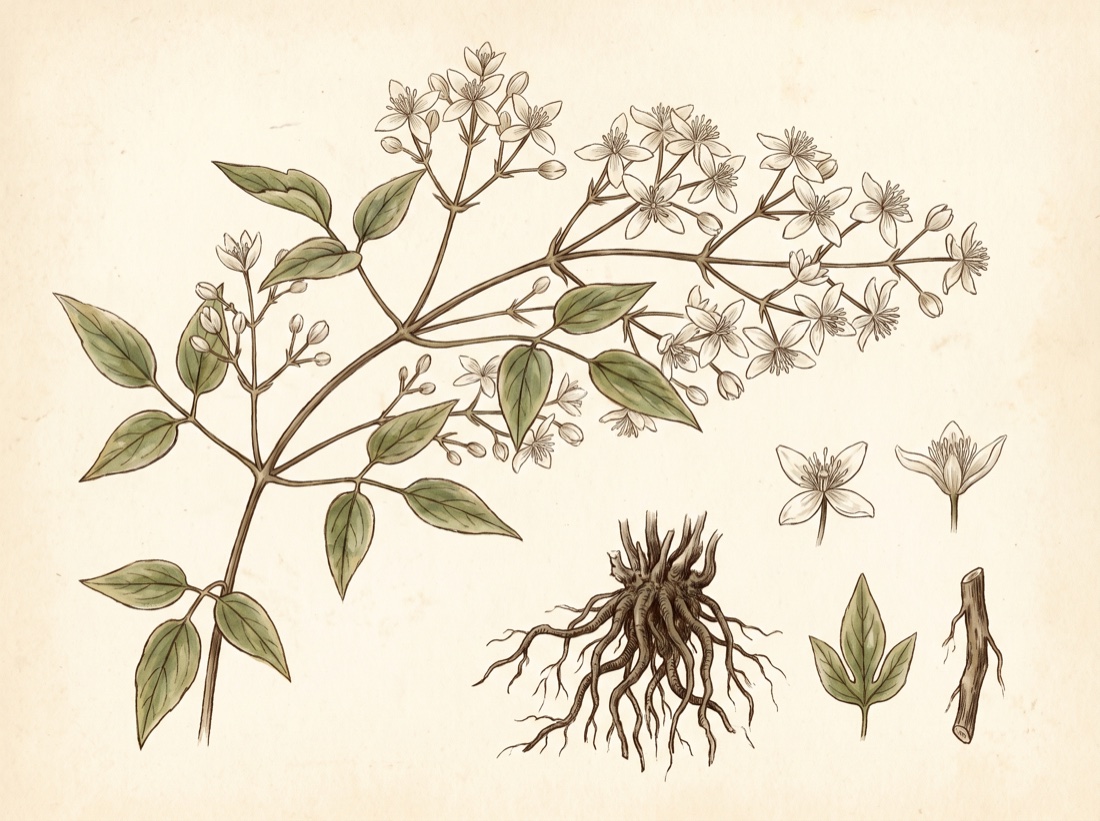 Chinese clematisClematis chinensis
The whole plate is in the library. The compass, Compare, the Sky of eleven hundred plants and the formulary open with an email address and a password, free, with the formula builder and its safety engine. Herbert without limit, his formulating, clients, the handouts and the labels are the paid room.
Open the library, free