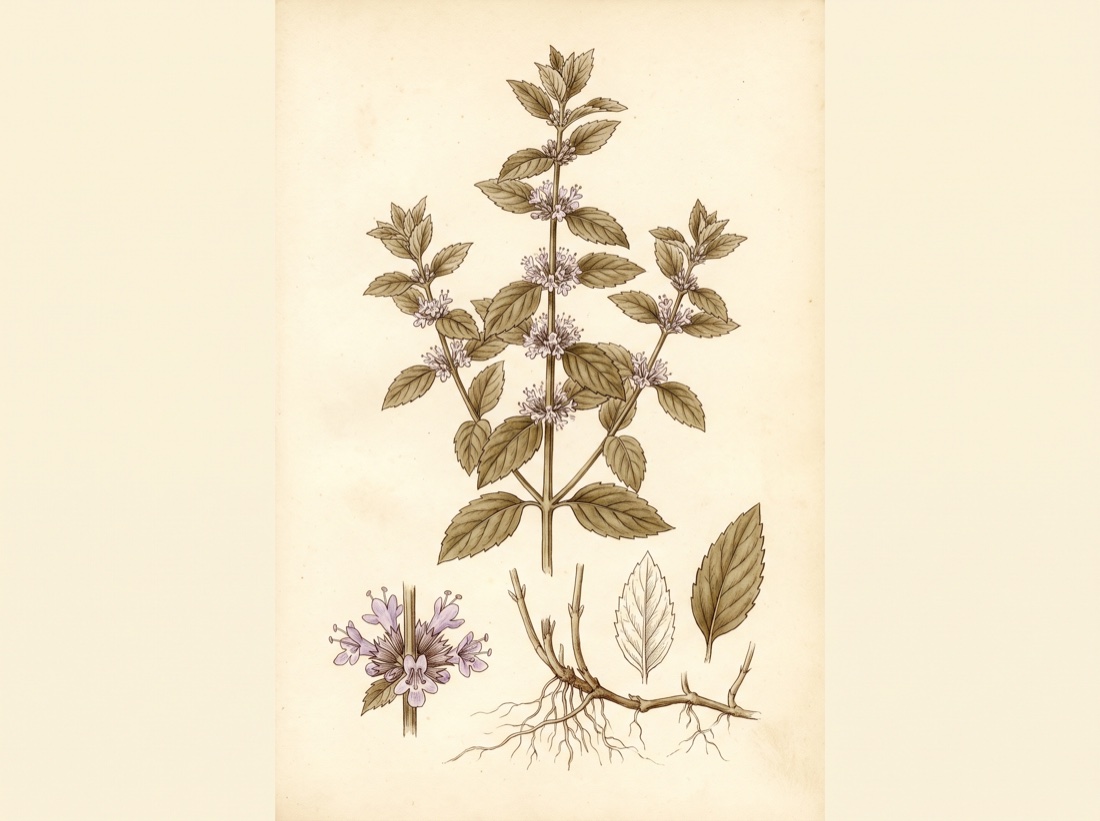
Chinese Herbalism
Chinese mint
Mentha canadensis
Also known as field mint, corn mint, Japanese mint, American wild mint, Asian mint, bo he, bò he.
Chinese mint is the mint species of the Chinese materia medica, a perennial of moist ground across East Asia and North America, harvested in summer and early autumn once the plant is in leaf and beginning to flower. The dried aerial parts are the drug, prized for a high menthol content and a sharp, cooling aroma. In Chinese medicine it is the lightest of the cool, acrid herbs that release the exterior, and it doubles as a gentle mover of constrained Liver qi.

Ask Herbert about Chinese mint. Herbert is the master herbalist inside Bountiful Herbs: he answers from this plate and eleven hundred others, with dosing, pairing and cautions. Your first ten questions are free.
Ask HerbertActions
Indications what the tradition reached for it in
- Wind-heat common cold with fever, headache and sore throat
- Early-stage febrile illness with slight sweating and thirst
- Sore throat and hoarseness
- Red, sore or itchy eyes from wind-heat
- Headache and dizziness with a sense of heat in the head
- Measles and skin rashes that are slow to surface
- Urticaria and itchy skin from wind
- Liver qi constraint with chest and flank distension and irritability
- Tension headache and premenstrual irritability alongside Liver-soothing herbs
- Nasal congestion and sinus pressure
- Dyspepsia with bloating and nausea
- Summer heat with a heavy head and poor appetite
Specific indications
Sudden sore throat, mild fever and a hot, tight headache at the very start of a cold, the tongue tip red and the pulse floating and quick
Irritable, tense person with flank distension, sighing and a headache that sits behind the eyes, where a small dose loosens what the Liver-soothing herbs are working on
Itchy rash or early measles that is not surfacing well in a child who feels warm and restless
Safety
The record lists 7 contraindications; open the plate in the library to read them in full.
In practice
Reach for it in the first hours of a wind-heat cold: sore throat, mild fever, headache and a floating pulse. Paired with honeysuckle flower and forsythia it releases the exterior while they clear heat and toxin; with mulberry leaf and chrysanthemum it treats cough, red eyes and headache of a milder wind-heat pattern; with burdock seed and platycodon it opens a hot, swollen throat.
In Chinese medicine
Temperature: cool. Taste: acrid. Channels: Lung, Liver. Actions: Disperses wind-heat from the exterior; Clears the head and brightens the eyes; Benefits the throat; Vents rashes and encourages the expression of measles and other eruptions; Soothes constrained Liver qi and relieves chest and flank tightness; Lightly dispels summer dampness and turbidity (used with aromatic herbs).
Dosing as the sources wrote it
| Preparation | As written | Metric |
|---|---|---|
| Decoction (pharmacopoeial range) | 3-6 g dried aerial parts daily, added in the last few minutes | 3000-6000 mg |
| Infusion | 2-4 g dried leaf per cup steeped covered, two to three times daily | 2000-4000 mg |
| Tincture (1:5, 45%) | 1-3 mL three times daily | 1-3 mL |
| Granules (5:1 concentrate) | 0.5-1.5 g two to three times daily | 500-1500 mg |
Doses are reproduced from the sources for practitioners and are not a recommendation for any person.
From the sources
Overview. Chinese mint is the mint species of the Chinese materia medica, a perennial of moist ground across East Asia and North America, harvested in summer and early autumn once the plant is in leaf and beginning to flower. The dried aerial parts are the drug, prized for a high menthol content and a sharp, cooling aroma. In Chinese medicine it is the lightest of the cool, acrid herbs that release the exterior, and it doubles as a gentle mover of constrained Liver qi.
Clinical Notes. Reach for it in the first hours of a wind-heat cold: sore throat, mild fever, headache and a floating pulse. Paired with honeysuckle flower and forsythia it releases the exterior while they clear heat and toxin; with mulberry leaf and chrysanthemum it treats cough, red eyes and headache of a milder wind-heat pattern; with burdock seed and platycodon it opens a hot, swollen throat.
Chinese Medicine Profile. Temperature: cool. Taste: acrid. Channels: Lung, Liver. Actions: Disperses wind-heat from the exterior; Clears the head and brightens the eyes; Benefits the throat; Vents rashes and encourages the expression of measles and other eruptions; Soothes constrained Liver qi and relieves chest and flank tightness; Lightly dispels summer dampness and turbidity (used with aromatic herbs).
In formulas
Chinese mint stands in 91 documented formulas in the library, among them công chỉ jié gěng tǎng, xuǎn dú fà bião tāng, qing liáng yin zi, nèi shù huáng lián tāng, qing xin láng gé sǎn, fáng fêng tòng shèng sắn.
Often paired with
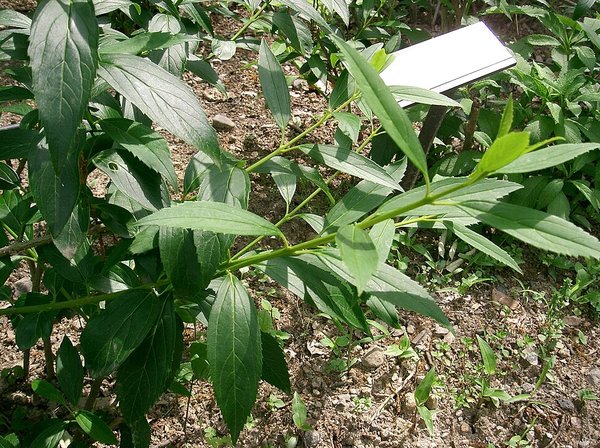 Lian QiaoForsythia suspensa
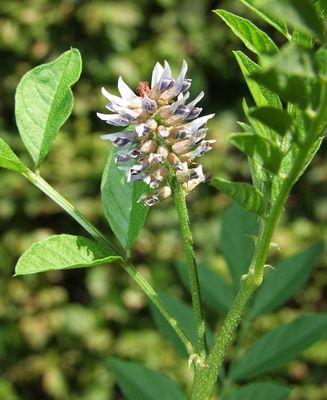 Licorice rootGlycyrrhiza glabra
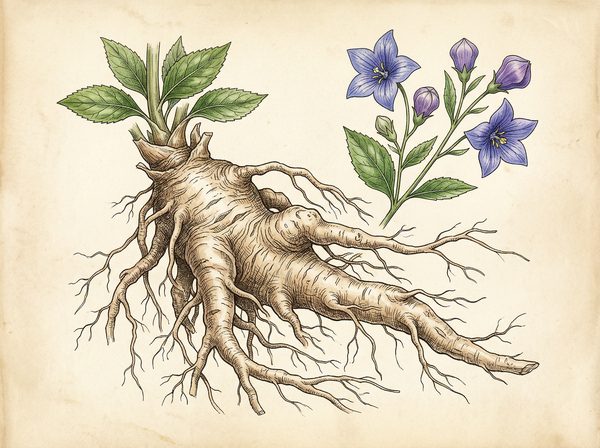 Balloon Flower RootPlatycodon grandiflorus
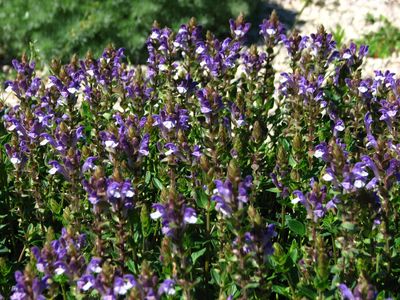 Chinese skullcapScutellaria baicalensis
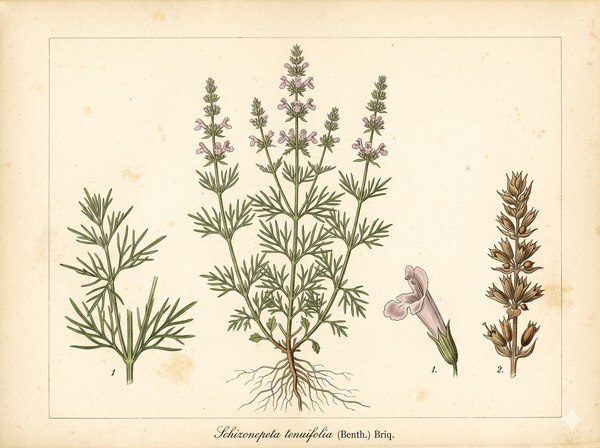 Jing JieSchizonepeta tenuifolia
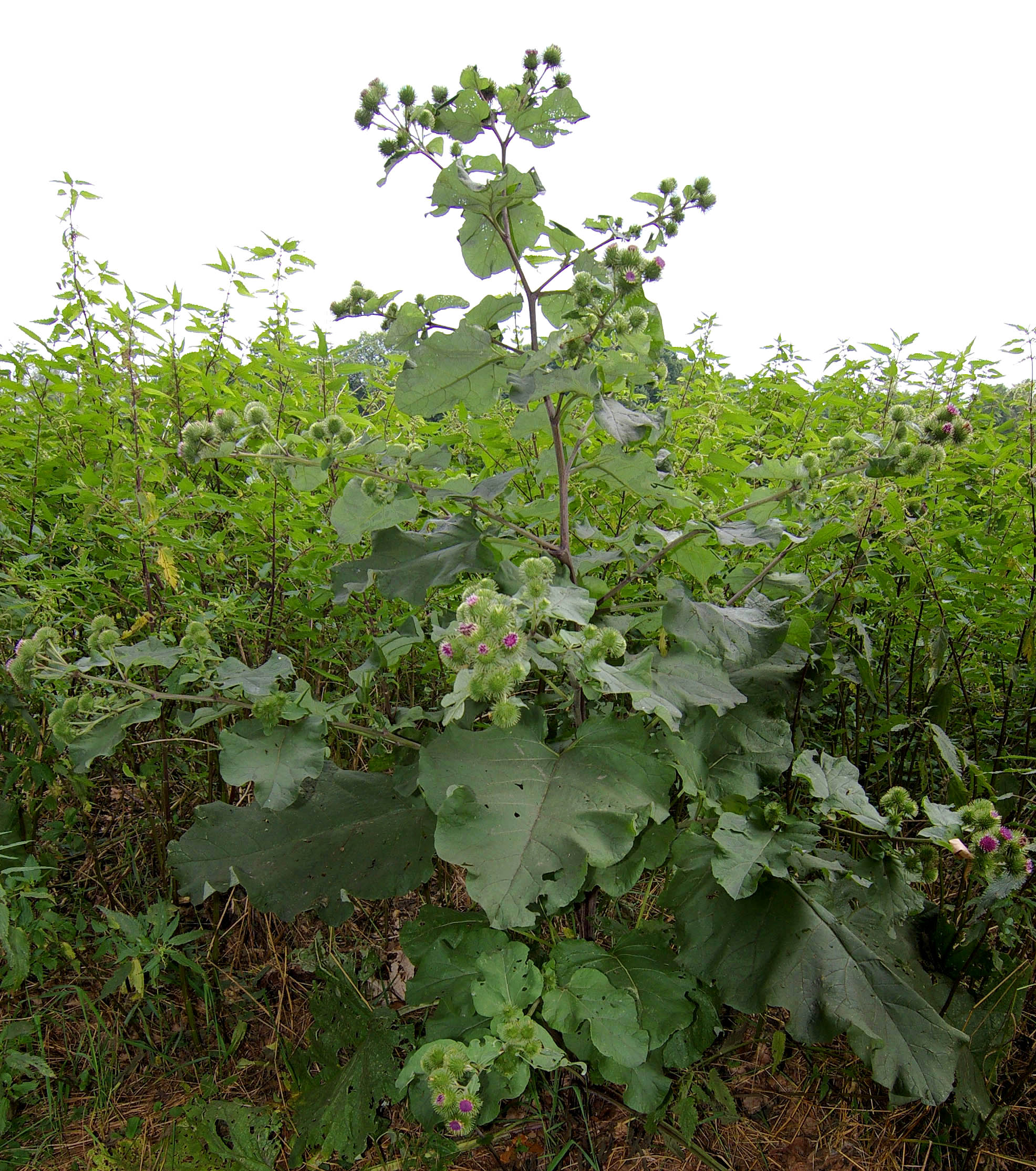 BurdockArctium lappa
Nearby on the shelf
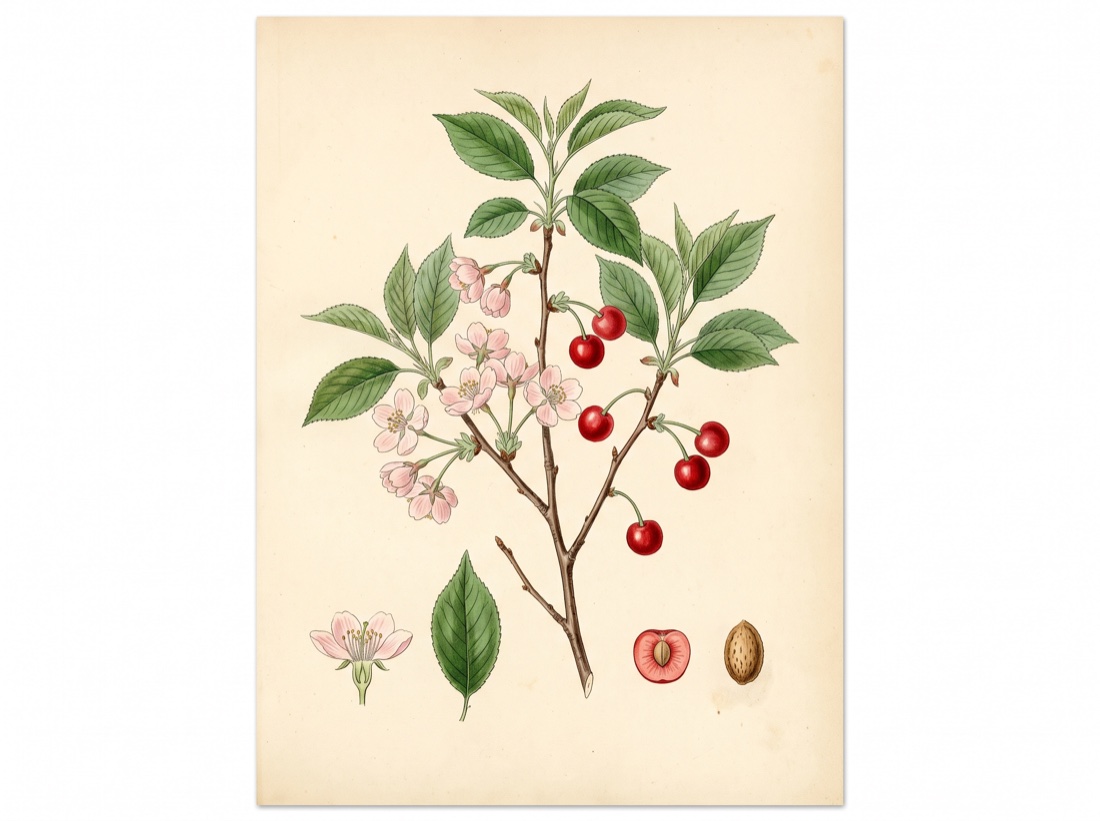 Chinese bush cherryPrunus japonica
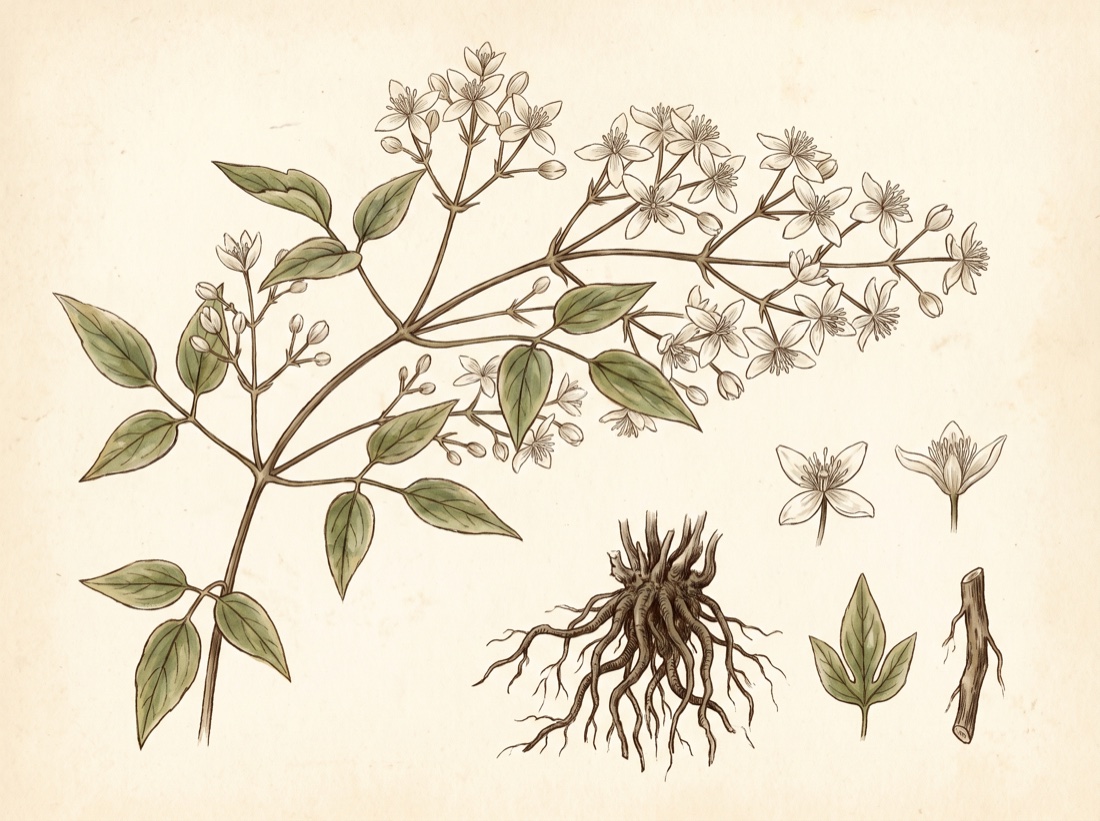 Chinese clematisClematis chinensis
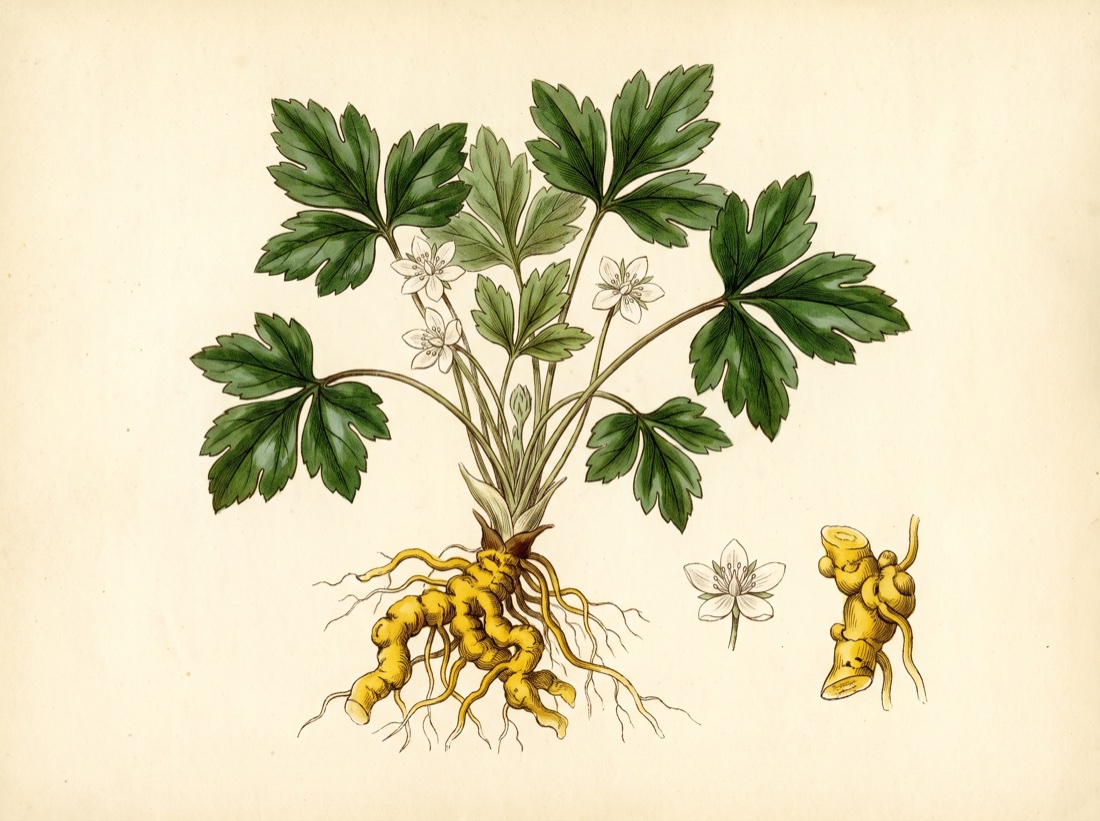 Chinese goldthreadCoptis chinensis
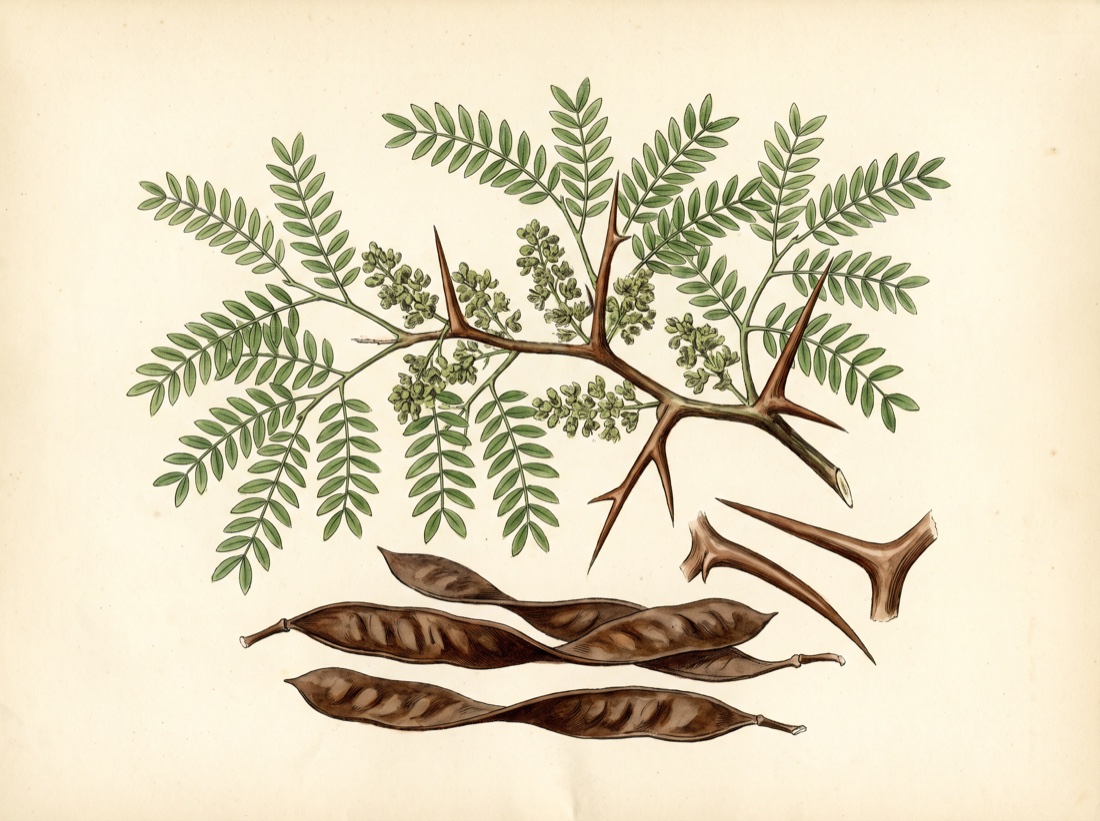 Chinese honey locustGleditsia sinensis
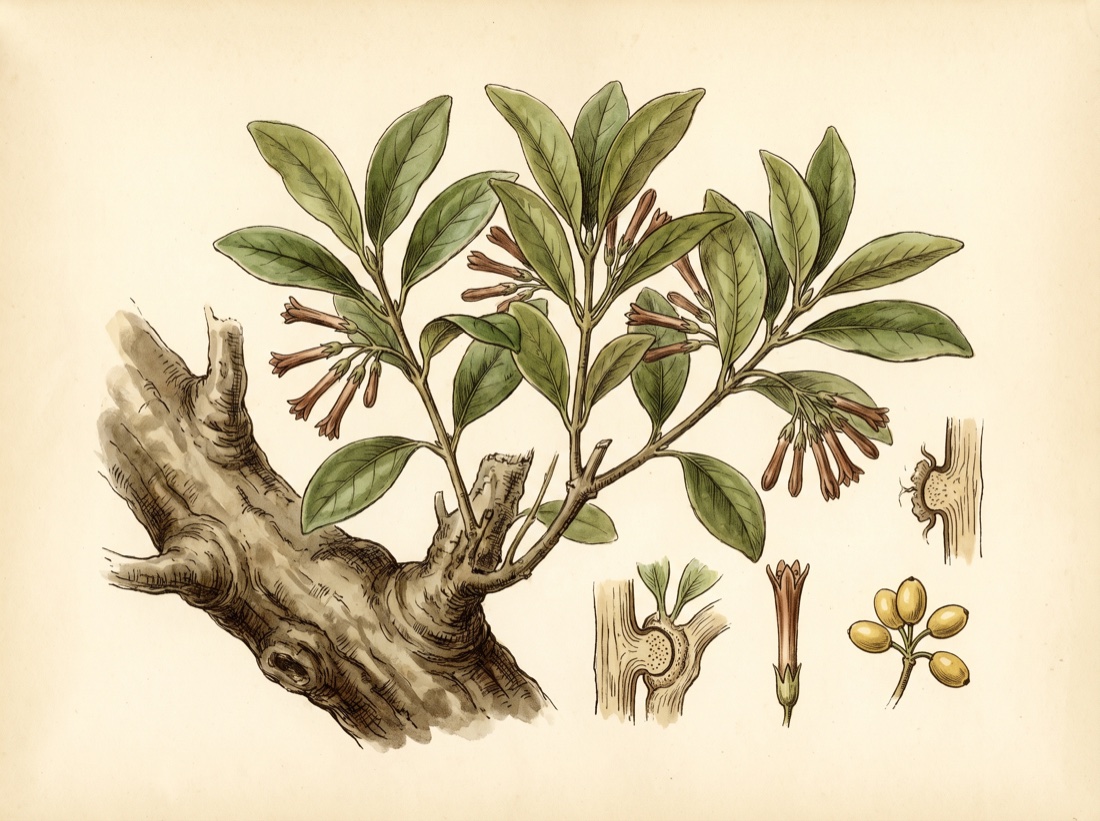 Chinese mistletoeTaxillus chinensis
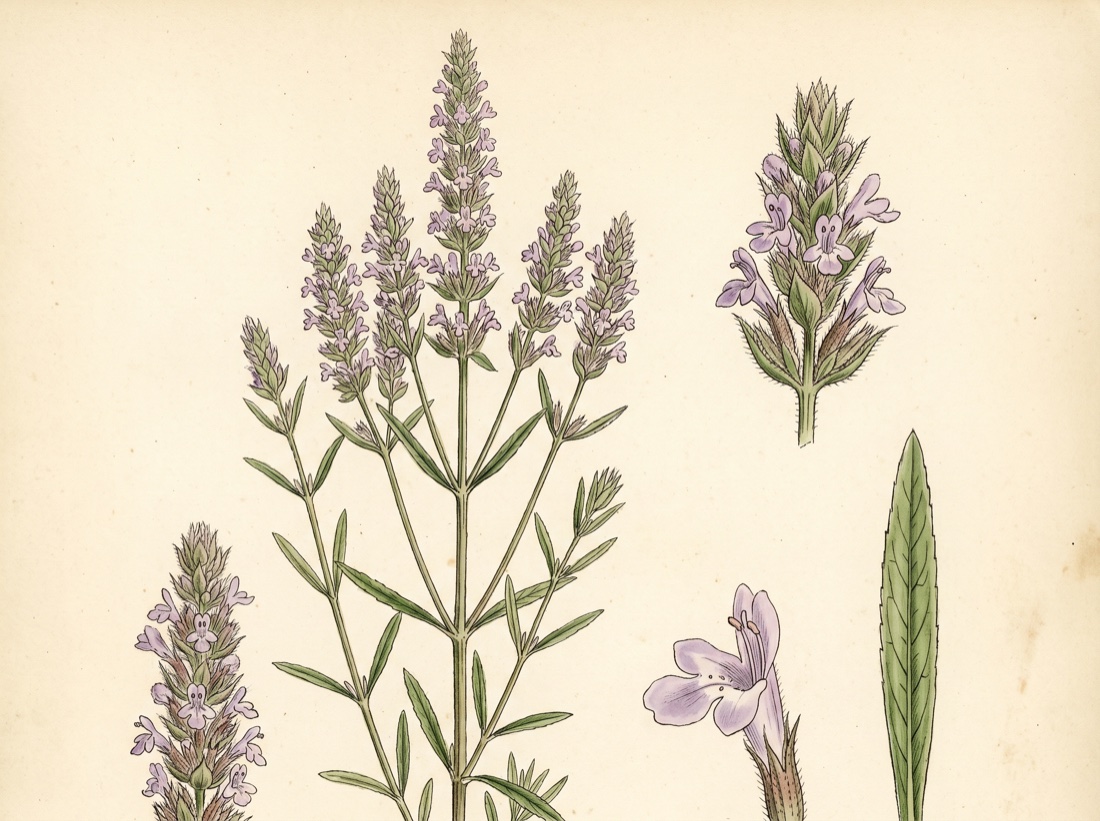 Chinese moslaMosla chinensis
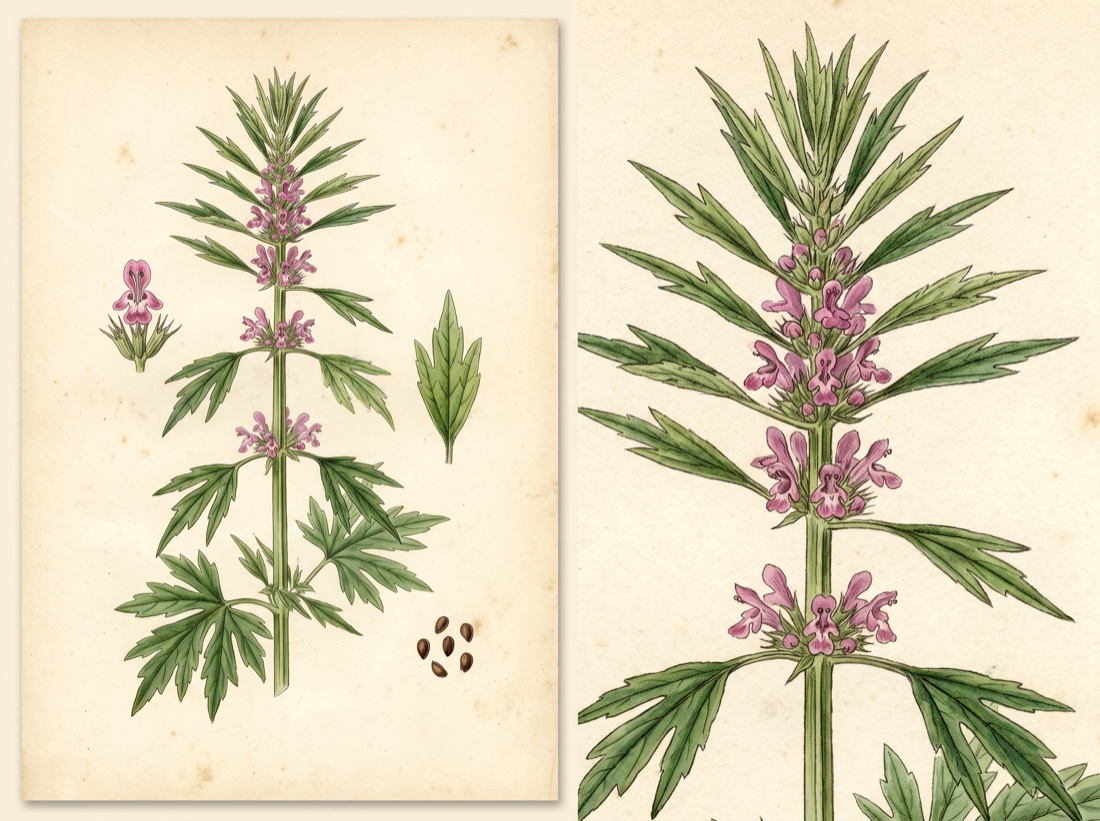 Chinese motherwortLeonurus japonicus
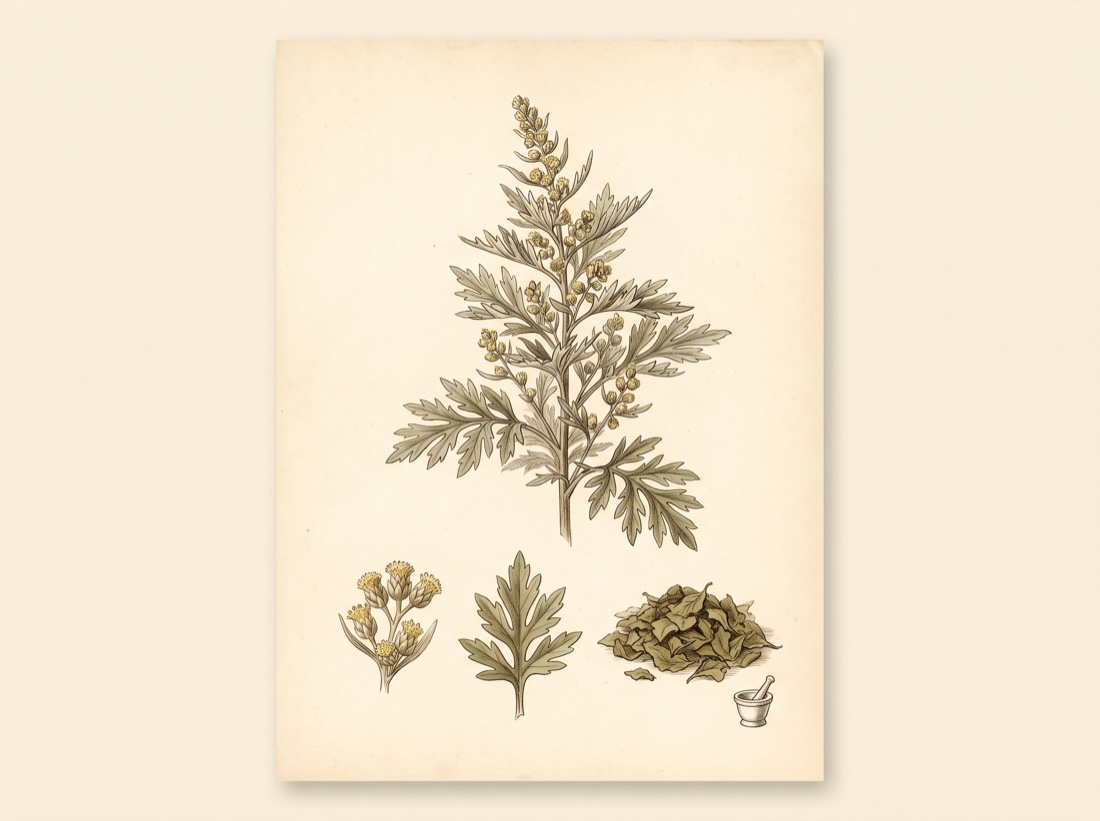 Chinese mugwortArtemisia argyi
The whole plate is in the library. The compass, Compare, the Sky of eleven hundred plants and the formulary open with an email address and a password, free, with the formula builder and its safety engine. Herbert without limit, his formulating, clients, the handouts and the labels are the paid room.
Open the library, free