Chinese Herbalism
Chinese boxthorn
Lycium chinense
Also known as Chinese matrimony vine, Chinese wolfberry, goji (fruit), lycium root bark, di gu pi (root bark), gou qi zi (fruit), dì gǔ pí, gǒu qǐ zǐ.
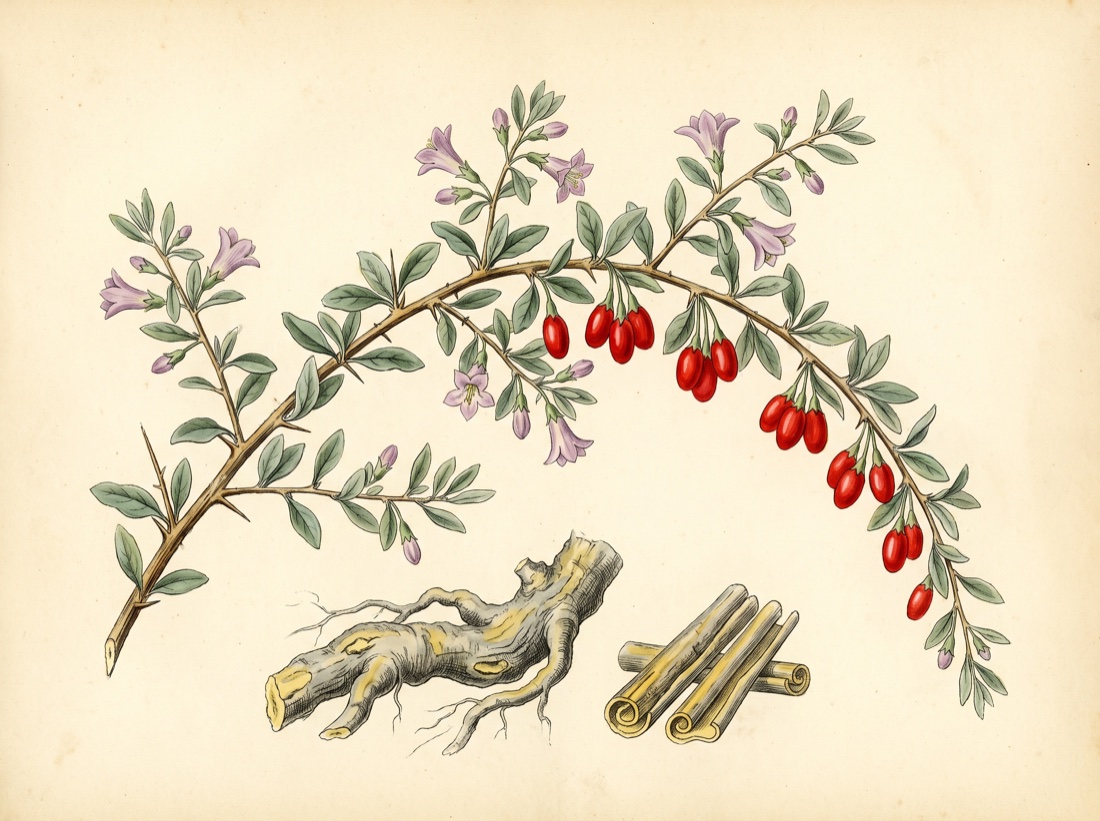
Chinese boxthorn is a sprawling, thorny shrub of the nightshade family, native to East Asia and naturalised widely. Two drugs come from the genus: the famous fruit, gou qi zi, taken chiefly from Lycium barbarum and used as a Liver and Kidney tonic, and the root bark, di gu pi, from both species, which is the subject here. The bark is stripped in spring or autumn and dried into loose, pale, quill-like pieces. It belongs with the herbs that clear deficiency heat and cool the blood, one of the few in that group that is sweet rather than bitter.

Ask Herbert about Chinese boxthorn. Herbert is the master herbalist inside Bountiful Herbs: he answers from this plate and eleven hundred others, with dosing, pairing and cautions. Your first ten questions are free.
Ask HerbertActions
Indications what the tradition reached for it in
- Afternoon fever, night sweats and heat in the palms and soles from yin deficiency
- Steaming bone fever in chronic and consumptive illness
- Low-grade fever lingering after infection
- Chronic cough with wheezing and thick yellow sputum from heat in the Lung
- Cough with blood-streaked sputum from Lung heat
- Nosebleed and blood in the urine from heat in the blood
- Wasting and thirst (diabetes-like pattern) with heat
- Hyperhidrosis and night sweating in children with fever
- Toothache from Kidney deficiency fire (traditional, also as a mouth rinse)
- Menopausal hot flushes with night sweats and a thin, rapid pulse
- Hypertension with heat signs as an assistant herb
- Skin eruptions and itching from heat in the blood
Specific indications
A thin, flushed patient with fevers that rise in the afternoon and sweats that soak the sheets at night, a red tongue with little coat and a fine rapid pulse, where sweet, moist cooling is wanted rather than bitter drying
A child or adult with a hacking cough, wheeze and yellow sputum but no chills, where lycium bark with mulberry root bark clears the Lung without further drying it
Thirst, hunger and frequent urination with heat signs in a diabetic-type picture, lycium bark added to fluid-generating herbs
Safety
The record lists 6 contraindications; open the plate in the library to read them in full.
In practice
Di gu pi is the sweet, gentle way to clear heat that comes from depleted yin. Where anemarrhena and phellodendron are bitter and drying, lycium bark cools without stripping fluids, so it suits the thin, flushed, sweaty patient who is already dry.
In Chinese medicine
Temperature: cold. Taste: sweet, bland. Channels: Lung, Liver, Kidney. Actions: Cools the blood and clears heat from deficiency; Relieves steaming bone fever, afternoon tidal fever and night sweats; Clears heat from the Lung and stops cough with heat in the Lung; Cools the blood to stop bleeding from heat (nosebleed, blood in urine or sputum); Clears heat and generates fluids in wasting-thirst disorder; Drains hidden fire without damaging yin.
Dosing as the sources wrote it
| Preparation | As written | Metric |
|---|---|---|
| Decoction (pharmacopoeial range, root bark) | 9-15 g dried root bark daily | 9000-15000 mg |
| Decoction, larger dose for stubborn deficiency fever | 15-30 g dried root bark daily, short course | 15000-30000 mg |
| Granules (5:1 concentrate) | 2-3 g two to three times daily | 2000-3000 mg |
| Mouth rinse (traditional, for toothache) | 15 g decocted in 300 mL, used as a rinse several times daily | 15000-15000 mg |
Doses are reproduced from the sources for practitioners and are not a recommendation for any person.
From the sources
Overview. Chinese boxthorn is a sprawling, thorny shrub of the nightshade family, native to East Asia and naturalised widely. Two drugs come from the genus: the famous fruit, gou qi zi, taken chiefly from Lycium barbarum and used as a Liver and Kidney tonic, and the root bark, di gu pi, from both species, which is the subject here. The bark is stripped in spring or autumn and dried into loose, pale, quill-like pieces. It belongs with the herbs that clear deficiency heat and cool the blood, one of the few in that group that is sweet rather than bitter.
Clinical Notes. Di gu pi is the sweet, gentle way to clear heat that comes from depleted yin. Where anemarrhena and phellodendron are bitter and drying, lycium bark cools without stripping fluids, so it suits the thin, flushed, sweaty patient who is already dry.
Chinese Medicine Profile. Temperature: cold. Taste: sweet, bland. Channels: Lung, Liver, Kidney. Actions: Cools the blood and clears heat from deficiency; Relieves steaming bone fever, afternoon tidal fever and night sweats; Clears heat from the Lung and stops cough with heat in the Lung; Cools the blood to stop bleeding from heat (nosebleed, blood in urine or sputum); Clears heat and generates fluids in wasting-thirst disorder; Drains hidden fire without damaging yin.
In formulas
Chinese boxthorn stands in 79 documented formulas in the library, among them má hung dèng shi wei wán, xiè bái sǎn, ging xin lián zi yin, ging gu san, di gu pí yin, qin jião biê jiǎ sǎn.
Often paired with
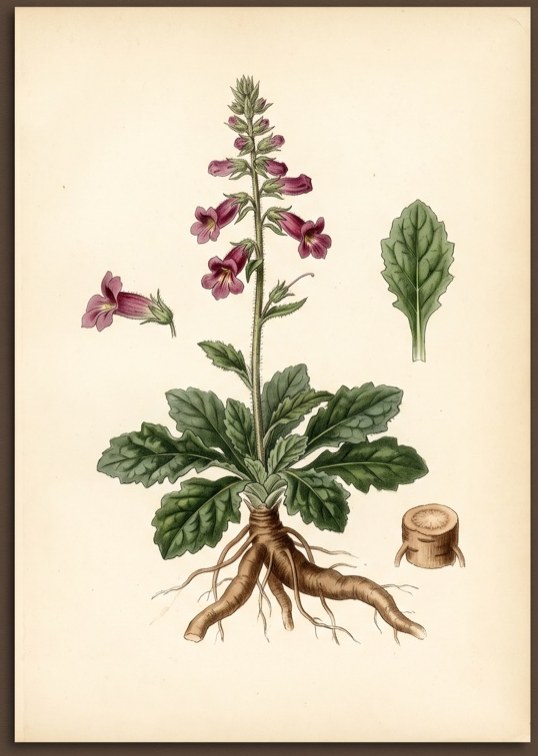 RehmanniaRehmannia glutinosa
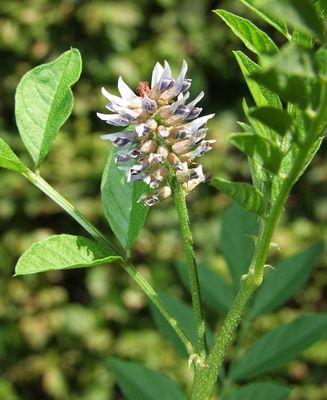 Licorice rootGlycyrrhiza glabra
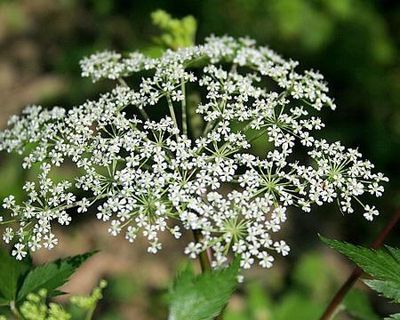 Dong QuaiAngelica sinensis
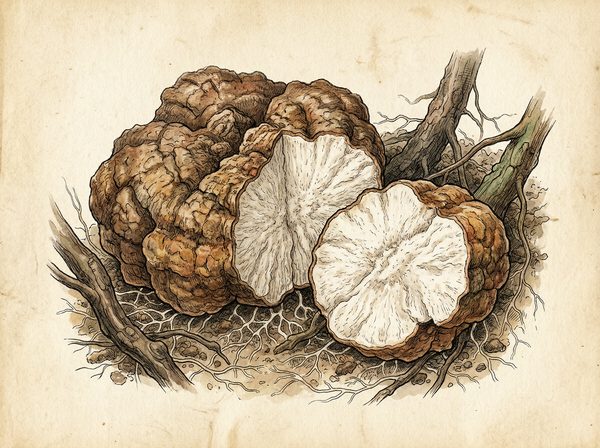 PoriaWolfiporia extensa
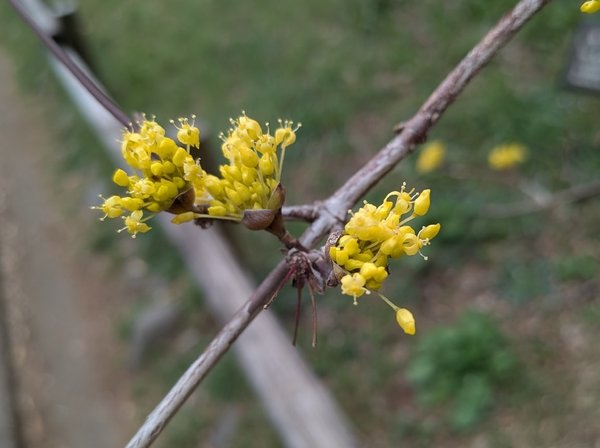 Shan Zhu YuCornus officinalis
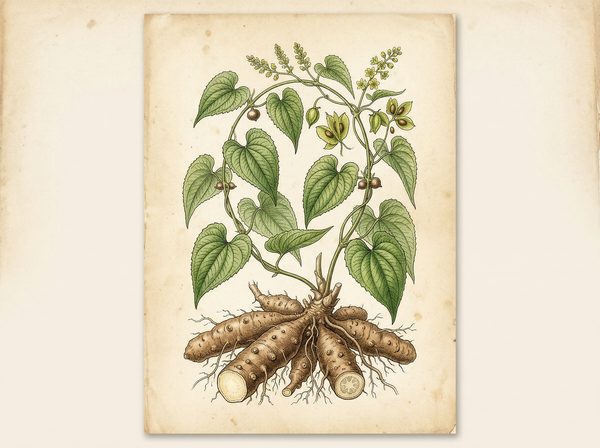 Chinese YamDioscorea opposita
Nearby on the shelf
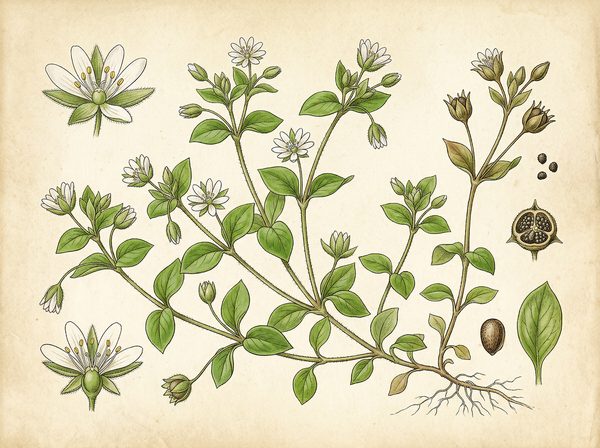 ChickweedStellaria media
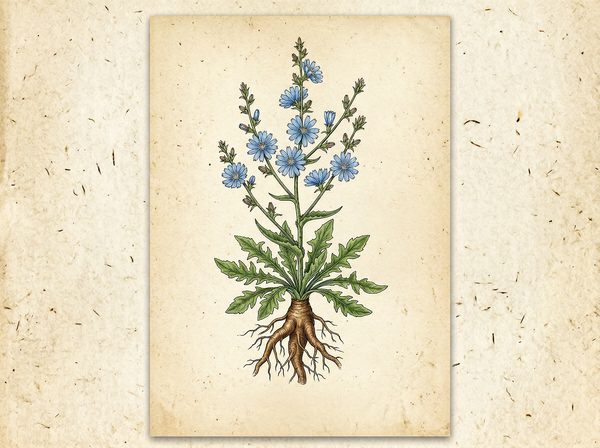 ChicoryCichorium intybus
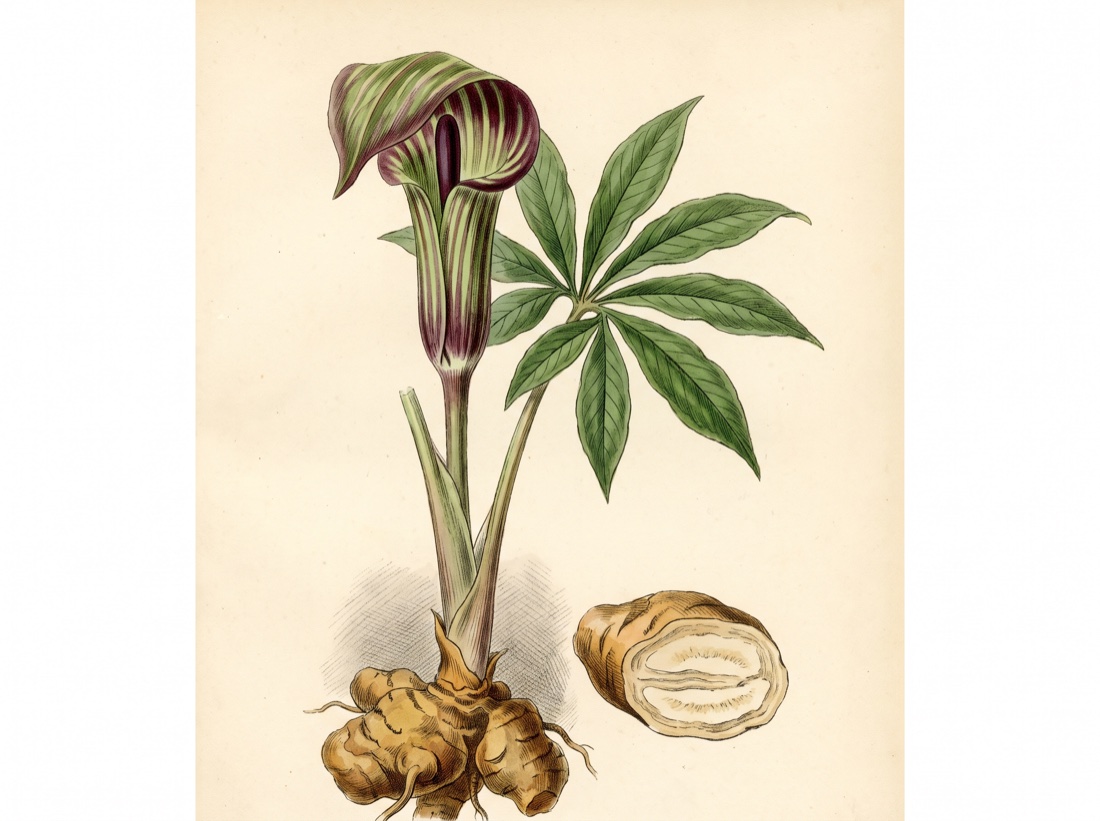 Chinese arisaemaArisaema erubescens
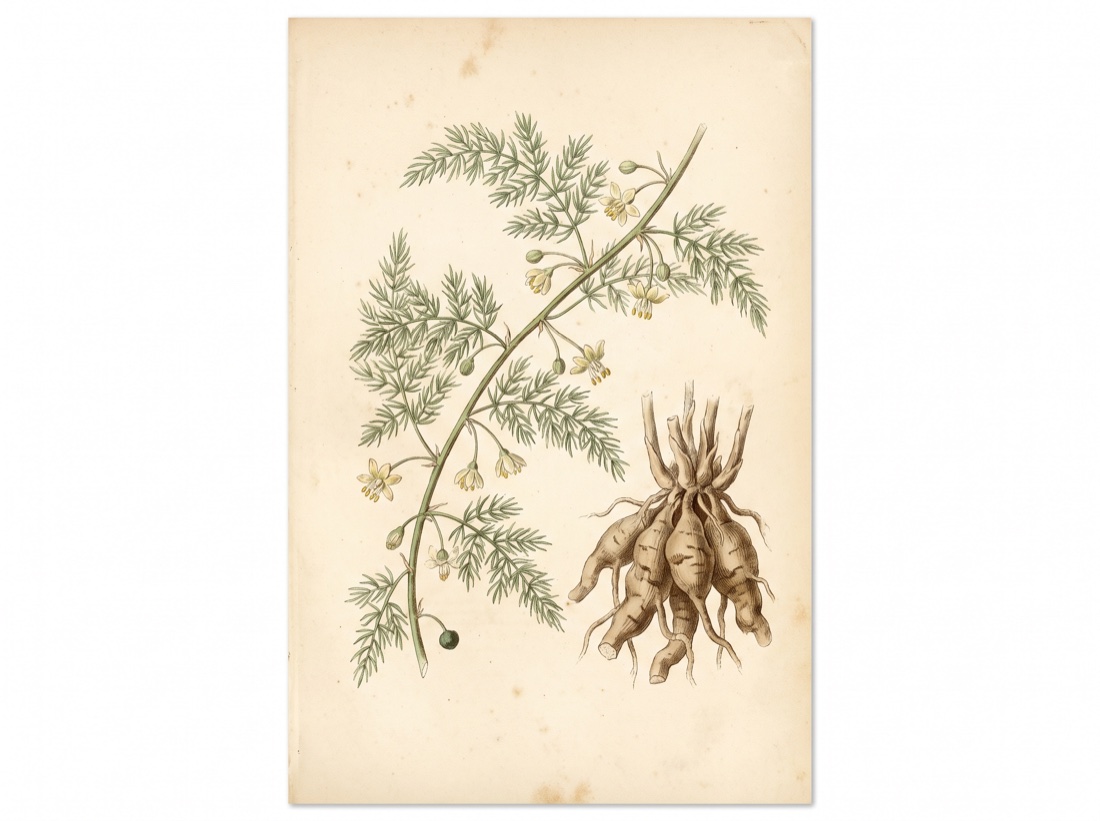 Chinese asparagusAsparagus cochinchinensis
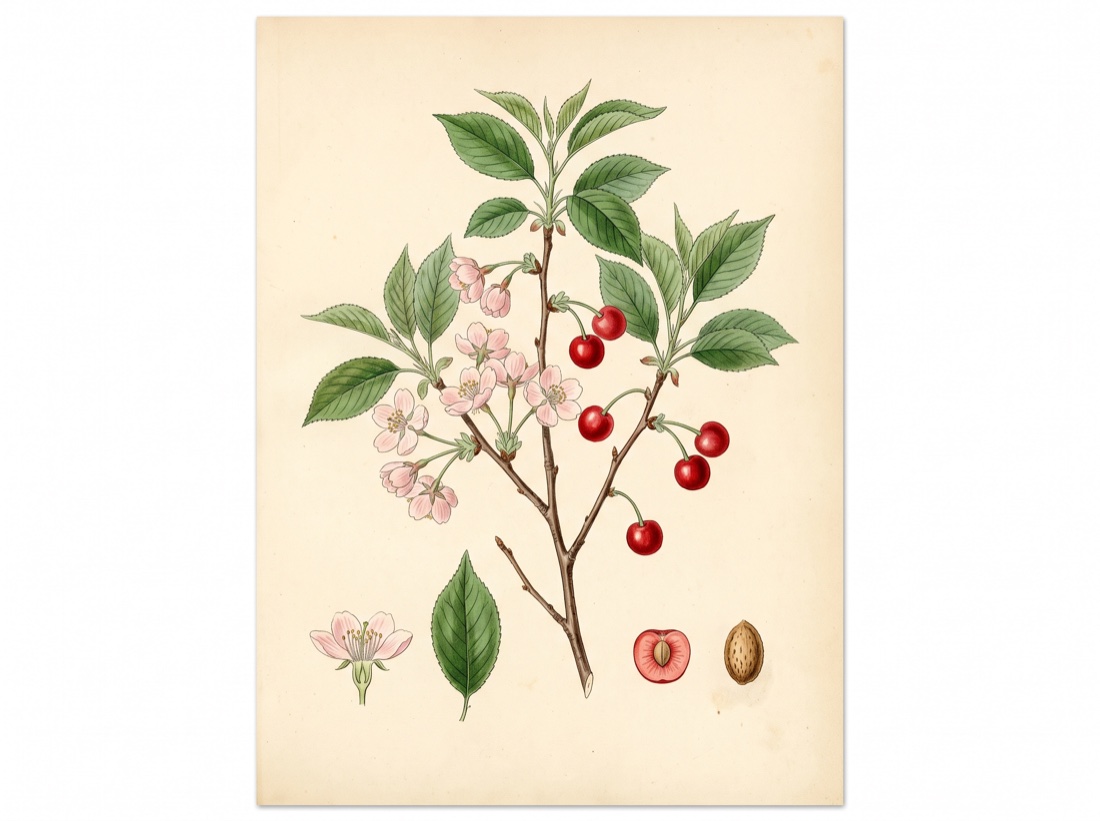 Chinese bush cherryPrunus japonica
 Chinese clematisClematis chinensis
 Chinese goldthreadCoptis chinensis
 Chinese honey locustGleditsia sinensis
The whole plate is in the library. The compass, Compare, the Sky of eleven hundred plants and the formulary open with an email address and a password, free, with the formula builder and its safety engine. Herbert without limit, his formulating, clients, the handouts and the labels are the paid room.
Open the library, free