Ayurvedic Herbalism
Beautyberry
Callicarpa macrophylla
Also known as perfumed cherry, priyangu, large-leaved beautyberry, Priyangu, Phalini, Gandhaphali.
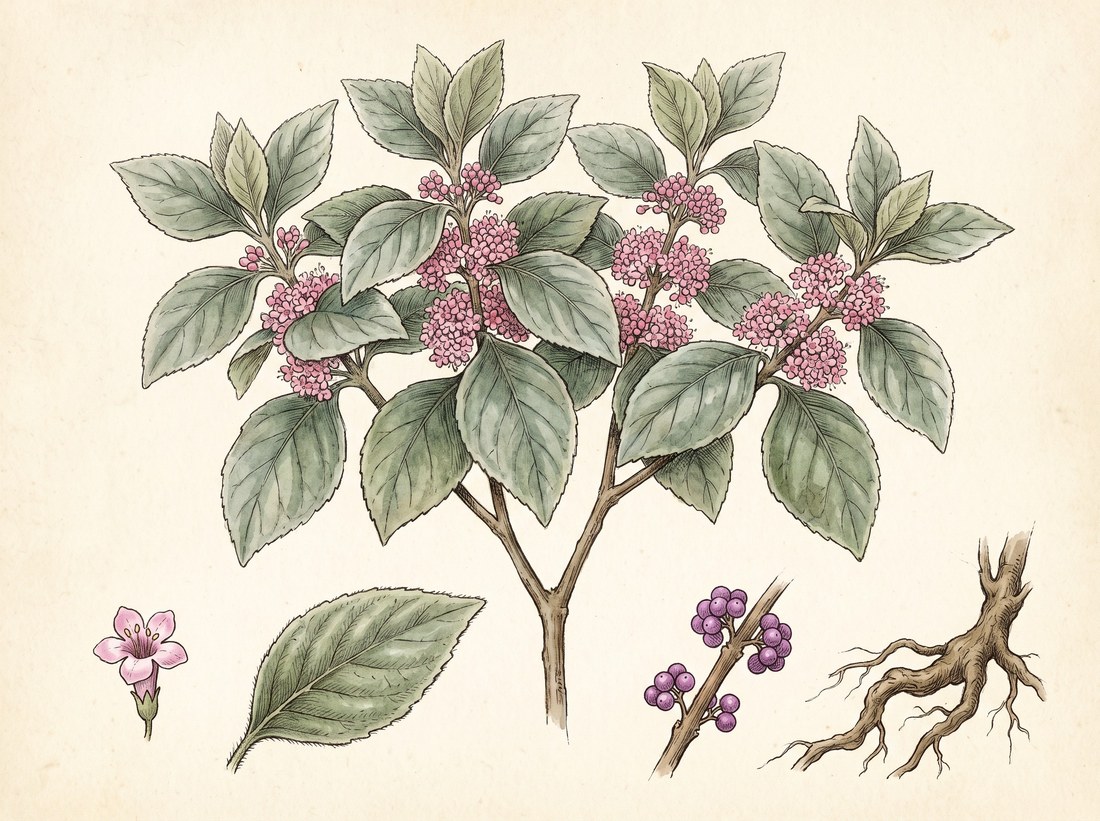
Callicarpa macrophylla is a shrub of the mint family, formerly placed in the Verbenaceae, with large soft grey-felted leaves, dense clusters of small pink flowers and fragrant berry-like fruits, growing along the sub-Himalayan tract from Kashmir to Assam and in the moist forests of Bengal and Odisha. Ayurveda knows its flowers and fruits as Priyangu, a cooling, astringent, sweetly scented drug for bleeding, diarrhea, fever and burning conditions of pitta, and an ingredient of the great gynecological powder Pushyanuga churna.

Ask Herbert about Beautyberry. Herbert is the master herbalist inside Bountiful Herbs: he answers from this plate and eleven hundred others, with dosing, pairing and cautions. Your first ten questions are free.
Ask HerbertActions
Indications what the tradition reached for it in
- Menorrhagia and metrorrhagia of pitta type
- Leukorrhea and vaginal discharge
- Bleeding hemorrhoids
- Chronic diarrhea and dysentery
- Epistaxis and bleeding gums (adjunct)
- Fever with thirst and burning
- Inflammatory skin eruptions (paste)
- Slow-healing ulcers (paste)
- Headache of heat type (paste to forehead)
- Gout and hot joint pain (adjunct)
- Excess sweating and body odor (traditional powder)
Specific indications
A pitta woman with heavy, hot, prolonged periods and a burning sensation who needs a cooling astringent rather than a heating one
Persistent leukorrhea with low back ache and heat where Pushyanuga churna is the classical prescription
Loose, hot, urgent stools with mucus in a fever-worn patient
A throbbing frontal headache in a hot patient, eased by a cooling paste of the flowers with sandalwood
Safety
The record lists 4 contraindications; open the plate in the library to read them in full.
In practice
Priyangu is the astringent for heat. Where Lodhra and Ashoka bind and cool the uterus, Priyangu adds fragrance, a gentle bitter and a marked hemostatic action, and the three appear together in Pushyanuga churna, the classical compound for menorrhagia, leukorrhea and bleeding piles, given with honey and rice water.
In Ayurveda
Rasa: tikta (bitter), kashaya (astringent), madhura (sweet). Virya: sheeta (cooling). Vipaka: katu (pungent). Guna: guru (heavy), ruksha (dry). Dosha: pacifies pitta and vata; may increase kapha in excess. Karma: raktastambhana (stops bleeding); stambhana (astringent, arrests discharge); dahaprashamana (relieves burning); jvarahara (reduces fever); vranaropana (heals wounds); varnya (improves complexion); keshya (benefits the hair); trishnahara (relieves thirst); shothahara (reduces swelling); vishaghna (counters poison); sandhaniya (unites tissues). Classical indications: raktapitta (bleeding disorders); atisara (diarrhea); pravahika (dysentery); jvara (fever); daha (burning sensations); trishna (thirst); vrana (wounds and ulcers); visarpa (spreading skin inflammation); yonisrava (vaginal discharge, leukorrhea); raktarsha (bleeding hemorrhoids); shirahshula (headache, as lepa); vatarakta (gout). The dried flowers and small fruits are the classical drug, ground into churna or boiled into kwatha for bleeding and diarrhea, used in cooling pastes for headache and skin inflammation, and included in many compound powders and oils. The leaves and root are used regionally for pain and fever. Classical formulations: Pushyanuga churna, Priyangvadi churna, Eladi gana preparations (Eladi churna, Eladi taila), Chandanadi taila, Priyangvadi lepa, Grahi kwatha compounds for atisara. Described in: Charaka Samhita, Sushruta Samhita, Ashtanga Hridaya, Bhavaprakasha Nighantu, Dhanvantari Nighantu, Raja Nighantu, Kaiyadeva Nighantu, Ayurvedic Pharmacopoeia of India.
Dosing as the sources wrote it
| Preparation | As written | Metric |
|---|---|---|
| Churna | 3-6 g powdered flower or fruit twice daily with honey or rice water | 3000-6000 mg |
| Kwatha | 50-100 mL decoction twice daily | 50-100 mL |
| Pushyanuga churna (compound) | 3-6 g twice daily with honey and rice water | 3000-6000 mg |
| Kalka, topical | 5-10 g flower paste with sandalwood applied to forehead or skin | 5000-10000 mg |
Doses are reproduced from the sources for practitioners and are not a recommendation for any person.
From the sources
Overview. Callicarpa macrophylla is a shrub of the mint family, formerly placed in the Verbenaceae, with large soft grey-felted leaves, dense clusters of small pink flowers and fragrant berry-like fruits, growing along the sub-Himalayan tract from Kashmir to Assam and in the moist forests of Bengal and Odisha. Ayurveda knows its flowers and fruits as Priyangu, a cooling, astringent, sweetly scented drug for bleeding, diarrhea, fever and burning conditions of pitta, and an ingredient of the great gynecological powder Pushyanuga churna.
Clinical Notes. Priyangu is the astringent for heat. Where Lodhra and Ashoka bind and cool the uterus, Priyangu adds fragrance, a gentle bitter and a marked hemostatic action, and the three appear together in Pushyanuga churna, the classical compound for menorrhagia, leukorrhea and bleeding piles, given with honey and rice water.
Ayurvedic Profile. Rasa: tikta (bitter), kashaya (astringent), madhura (sweet). Virya: sheeta (cooling). Vipaka: katu (pungent). Guna: guru (heavy), ruksha (dry). Dosha: pacifies pitta and vata; may increase kapha in excess.
In formulas
Beautyberry stands in 28 documented formulas in the library, among them Aravindāsava, Aśvagandhādyariṣṭa, Uśīrāsava, Candanāsava, Daśamūlāriṣṭa, Devadārvāriṣṭa.
Often paired with
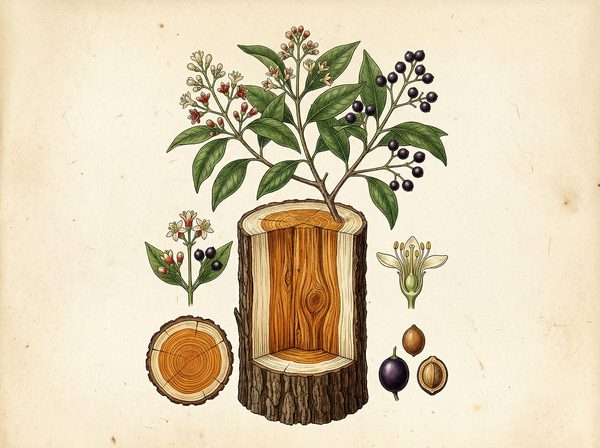 sandalwoodSantalum album
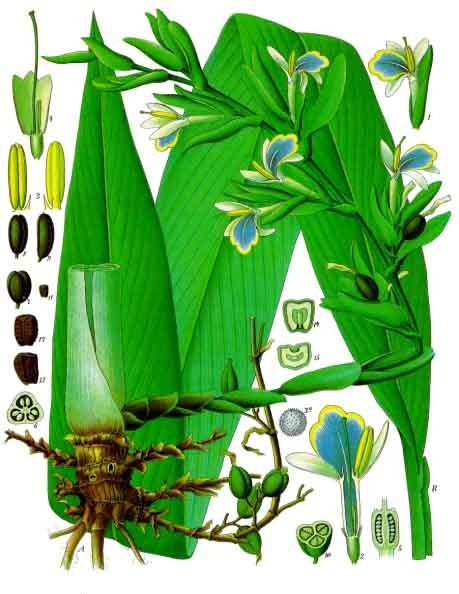 cardamomElettaria cardamomum
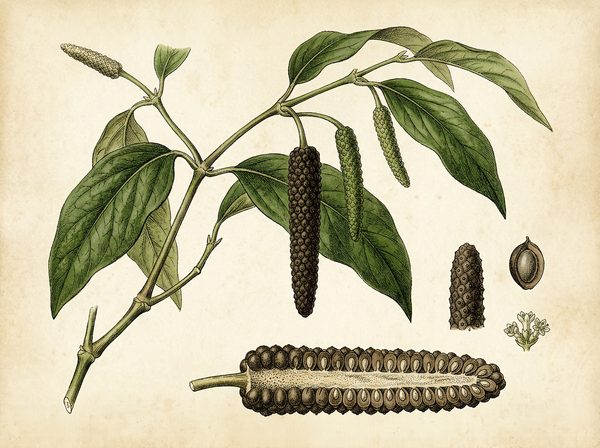 long pepperPiper longum
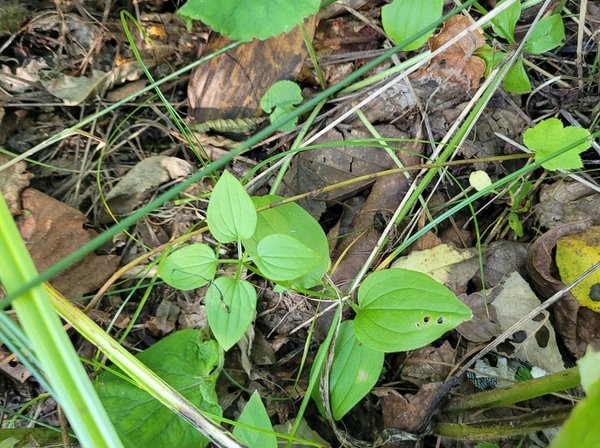 Indian madderRubia cordifolia
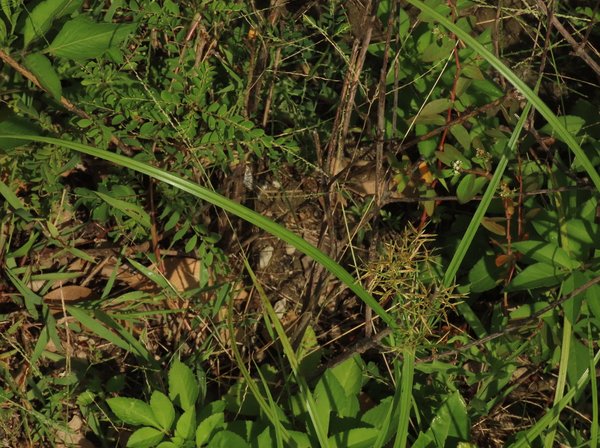 nut grassCyperus rotundus
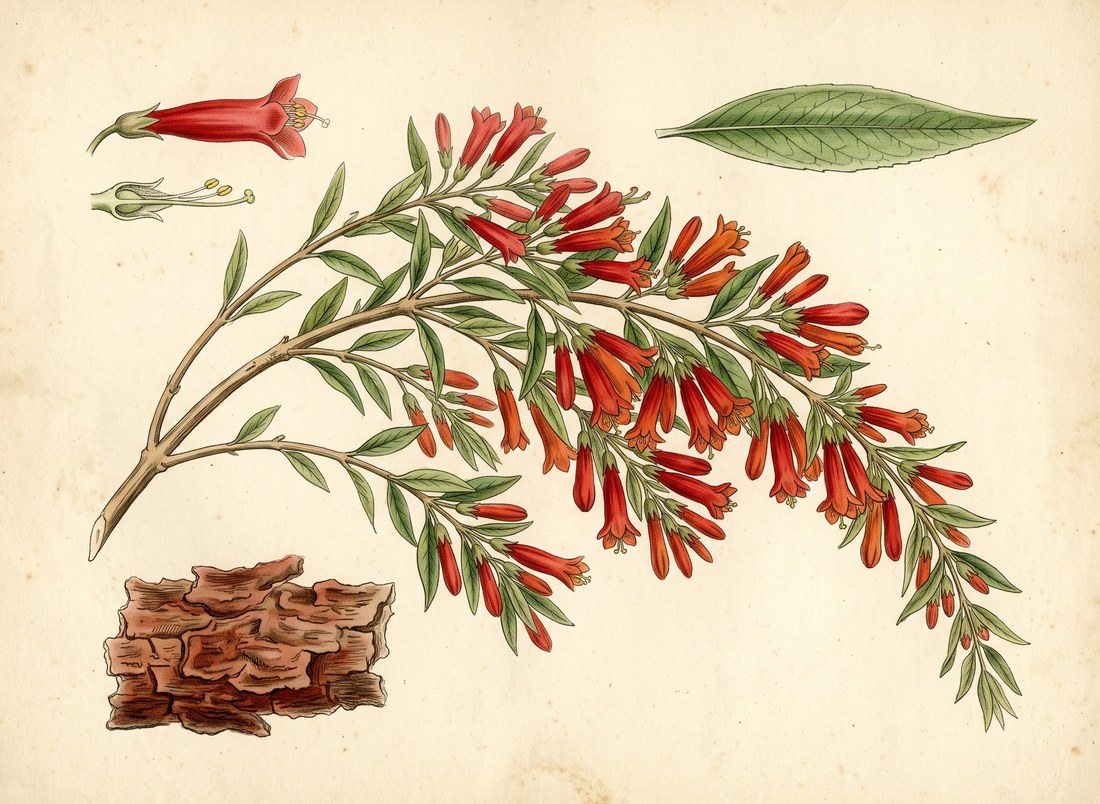 dhatakiWoodfordia fruticosa
Nearby on the shelf
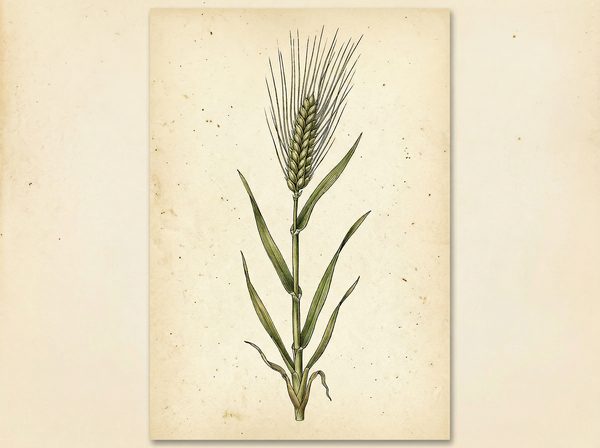 BarleyHordeum vulgare
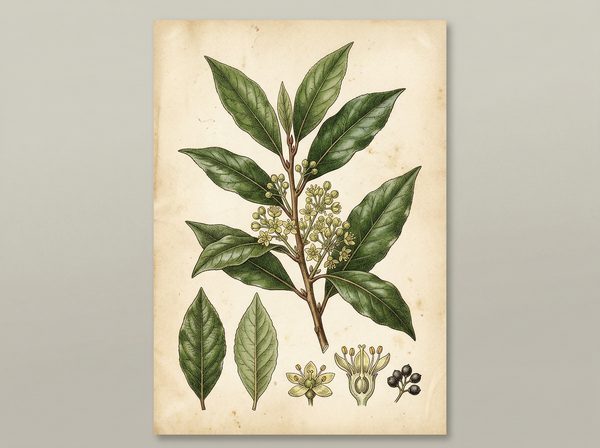 Bay LaurelLaurus nobilis
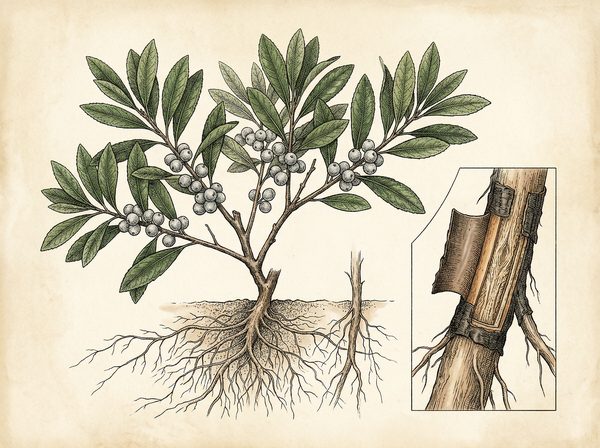 BayberryMyrica cerifera
 BearberryArctostaphylos uva-ursi
 BebeeruNectandra rodiei
 Bee BalmMonarda didyma
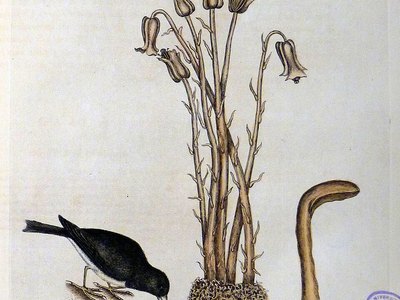 BeechdropsOrobanche virginiana
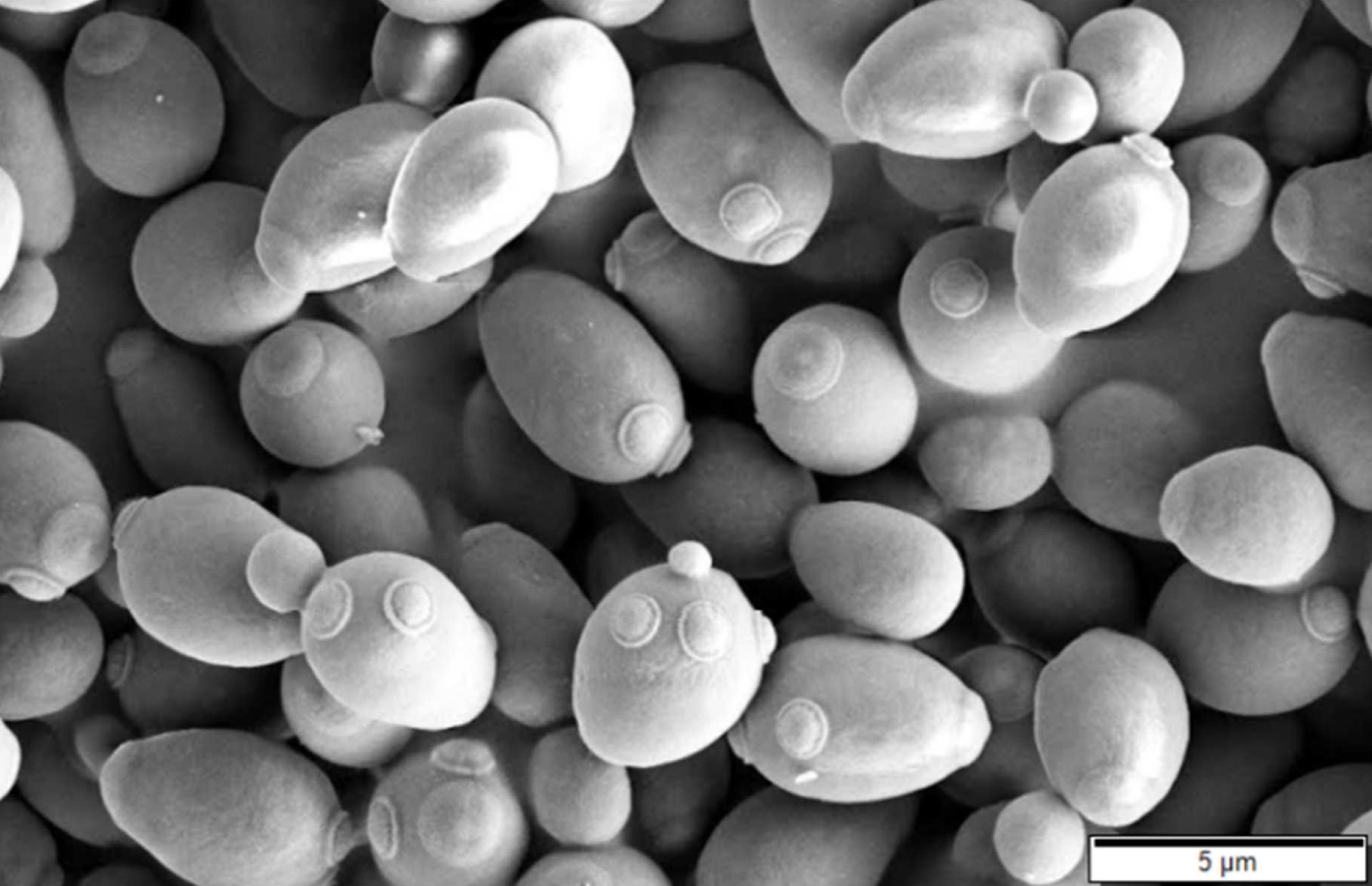 Beer YeastCerevisiae Fermentum
The whole plate is in the library. The compass, Compare, the Sky of eleven hundred plants and the formulary open with an email address and a password, free, with the formula builder and its safety engine. Herbert without limit, his formulating, clients, the handouts and the labels are the paid room.
Open the library, free