Western Herbalism
Bonduc
Caesalpinia bonducella
Also known as Fever nut, Nicker nut, Gray nicker, Bonduc nut, Sagar gota.
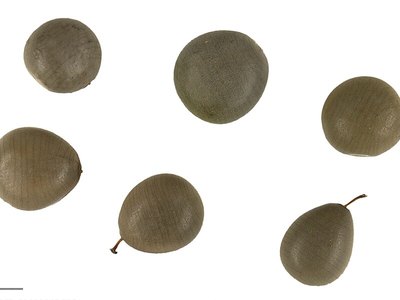
Caesalpinia bonducella is a spiny, scrambling leguminous shrub found throughout the tropics of Asia and Africa, well known in India for the hard, gray, marble-like seeds that give it the name fever nut or nicker nut. The roasted and powdered seed kernel was used by eclectic and Ayurvedic physicians alike as a bitter antiperiodic tonic, and it enjoyed a period of interest in the early twentieth century as a proposed substitute for quinine in the treatment of intermittent fevers. It holds a long-standing place in Indian household and folk medicine as a general tonic and anthelmintic.

Ask Herbert about Bonduc. Herbert is the master herbalist inside Bountiful Herbs: he answers from this plate and eleven hundred others, with dosing, pairing and cautions. Your first ten questions are free.
Ask HerbertActions
Indications what the tradition reached for it in
- Intermittent fever (malarial or malaria-like)
- Recurrent cyclical fevers poorly responsive to quinine
- Post-febrile debility and poor appetite
- Intestinal worms
- Dyspepsia with sluggish digestion
- Rheumatic and joint pain
- Adjunct support in mild type 2 diabetes
- Chronic low-grade liver complaints
- General tonic use in convalescence
Specific indications
Cyclical fevers with chills and sweats where quinine is unavailable, poorly tolerated, or produces cinchonism
Lingering low-grade fever after a febrile illness with marked weakness and loss of appetite
Safety
Low dose botanical. Used in drop doses in the classical practice; not a plant to dose freely.
Pregnancy: Use with care in pregnancy
Breastfeeding: Not for use while breastfeeding
The record lists 6 contraindications; open the plate in the library to read them in full.
In practice
The traditional preparation is important: the raw kernel is bitter and can be strongly purgative and emetic, so it was always roasted before powdering, which mellows the drug and renders it far better tolerated for internal use.
Dosing as the sources wrote it
| Preparation | As written | Metric |
|---|---|---|
| Powdered roasted kernel | 0.5-1 g every 4 hours during acute fever, for a few days only | 500-1000 mg |
| Powdered roasted kernel (tonic dose) | 0.3-0.5 g twice daily during convalescence | 300-500 mg |
| It is given in doses of from ten to fifteen grains every four hours. | 648-972 mg |
Doses are reproduced from the sources for practitioners and are not a recommendation for any person.
From the sources
Overview. Caesalpinia bonducella is a spiny, scrambling leguminous shrub found throughout the tropics of Asia and Africa, well known in India for the hard, gray, marble-like seeds that give it the name fever nut or nicker nut. The roasted and powdered seed kernel was used by eclectic and Ayurvedic physicians alike as a bitter antiperiodic tonic, and it enjoyed a period of interest in the early twentieth century as a proposed substitute for quinine in the treatment of intermittent fevers. It holds a long-standing place in Indian household and folk medicine as a general tonic and anthelmintic.
Clinical Notes. The traditional preparation is important: the raw kernel is bitter and can be strongly purgative and emetic, so it was always roasted before powdering, which mellows the drug and renders it far better tolerated for internal use.
A new substitute for quinine is brought forward by Keshav Lal J. Dholakia, Delhi, India, in Practical Medicine. He recommends the powdered kernels from roasted bonduc nuts. These are derived from a legume-bearing climbing plant, Caesalpinia bonducella , found almost throughout India. The drug is antiperiodic, febrifuge, tonic and anthelmintic. It is given in doses of from ten to fifteen grains every four hours. It is described as closely resembling quinine in action, as harmless to pregnant women, as not being contraindicated during fever, and as well borne by patients with quinine idiosyncrasy. As an anthelmintic the action is weak. The drug is comparatively harmless in large doses.
Drawn from Ellingwood's American Materia Medica, Therapeutics and Pharmacognosy, and the Bountiful Herbs editorial.
In formulas
Bonduc stands in 1 documented formula in the library, among them Viṣṇu Taila.
Often paired with
 shatavariAsparagus racemosus
 shalparniDesmodium gangeticum
 castorRicinus communis
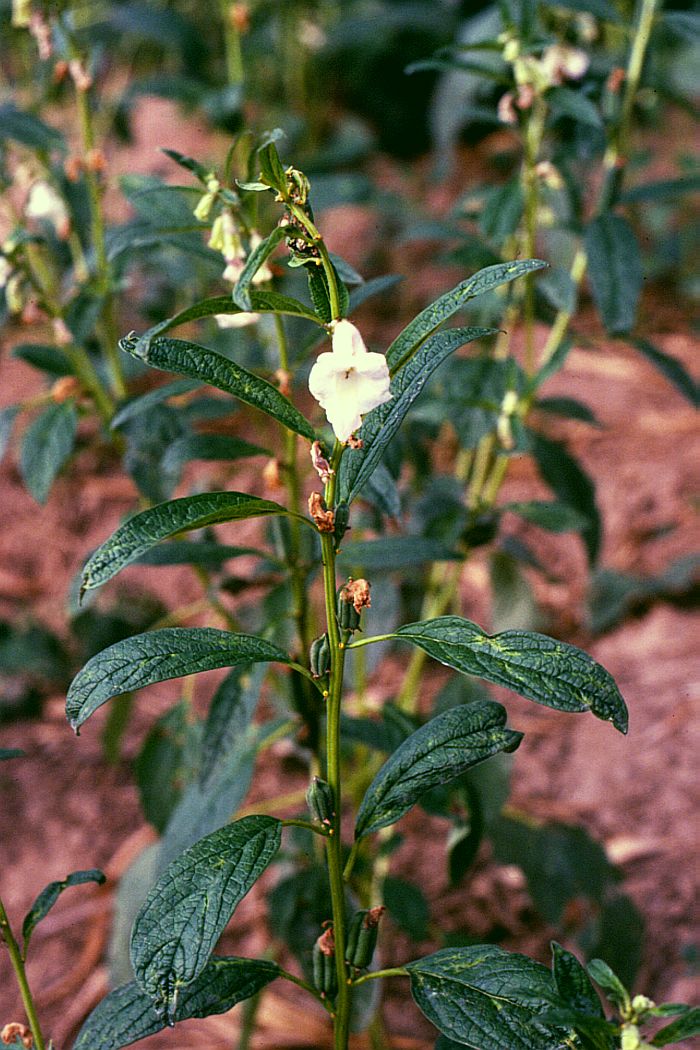 sesameSesamum indicum
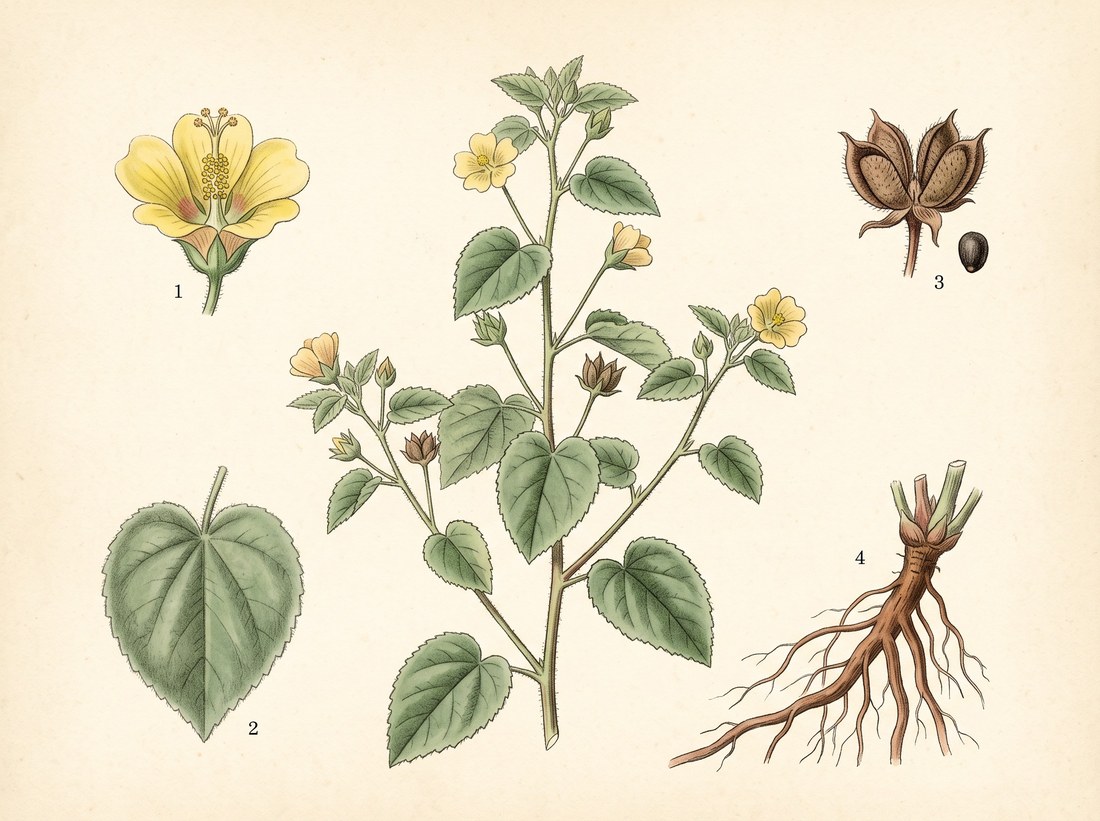 balaSida cordifolia
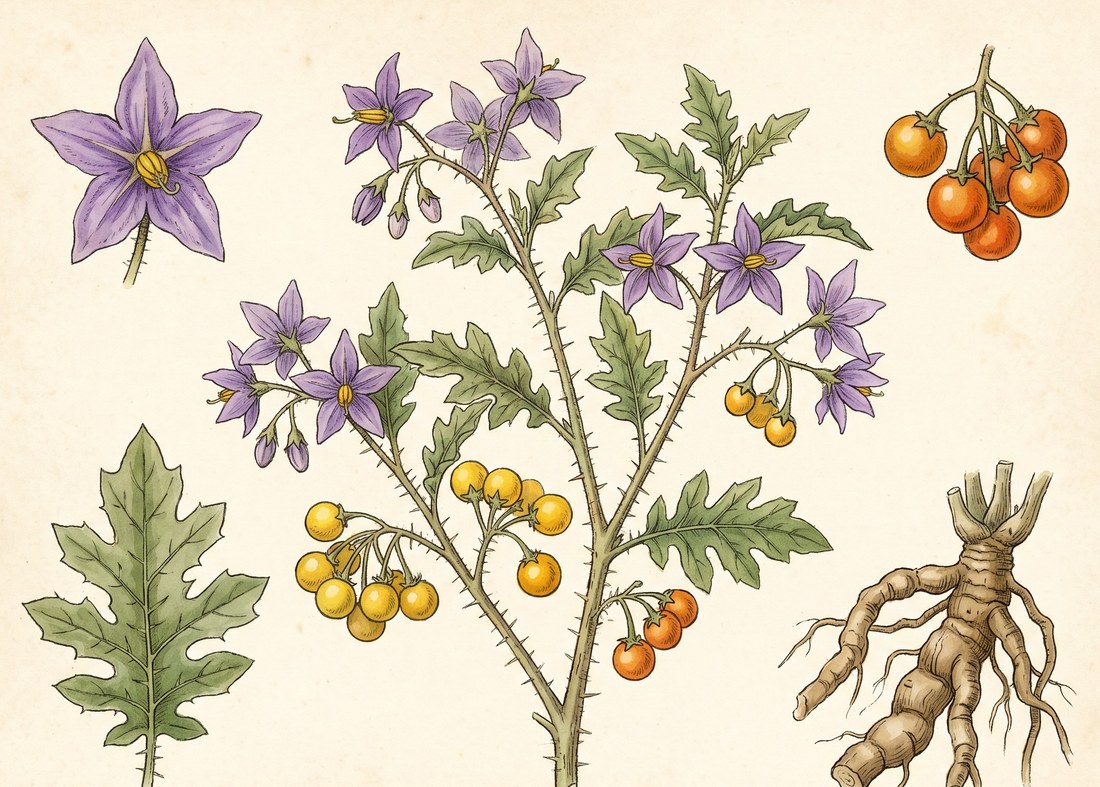 Indian nightshadeSolanum indicum
Nearby on the shelf
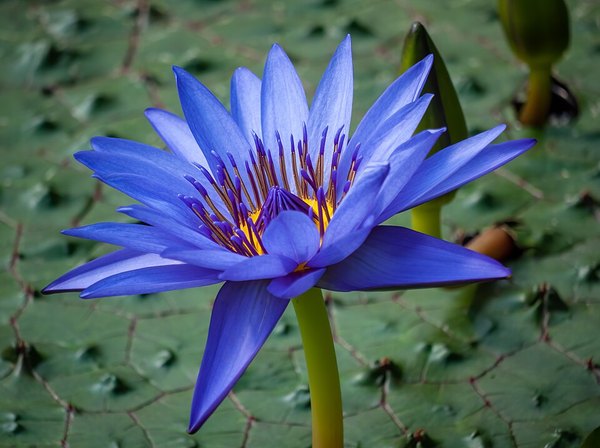 Blue LotusNymphaea caerulea
 Blue water lilyNymphaea stellata
 Blueberry LeafVaccinium corymbosum
 BoldoPeumus boldus
 BonesetEupatorium perfoliatum
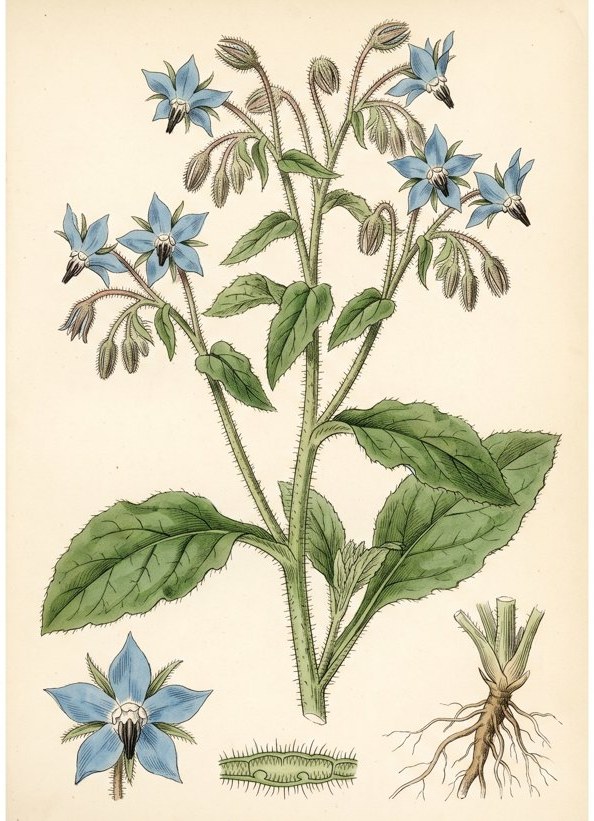 BorageBorago officinalis
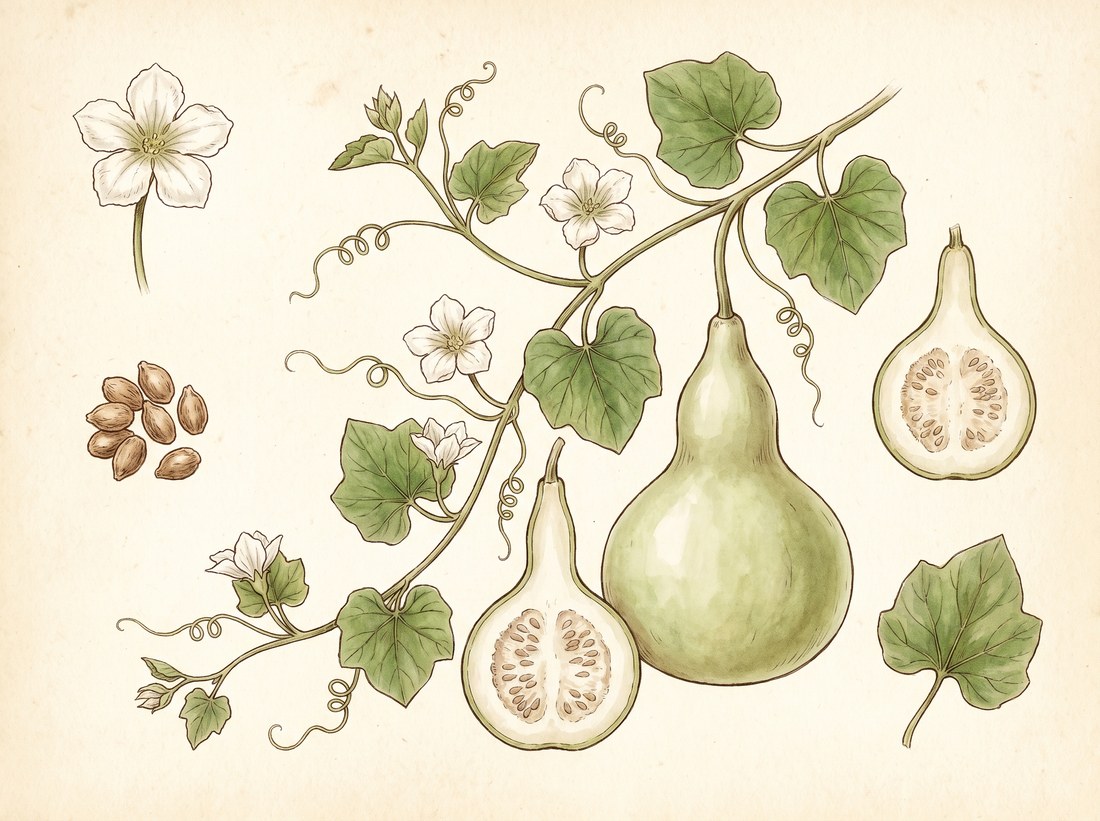 Bottle gourdLagenaria siceraria
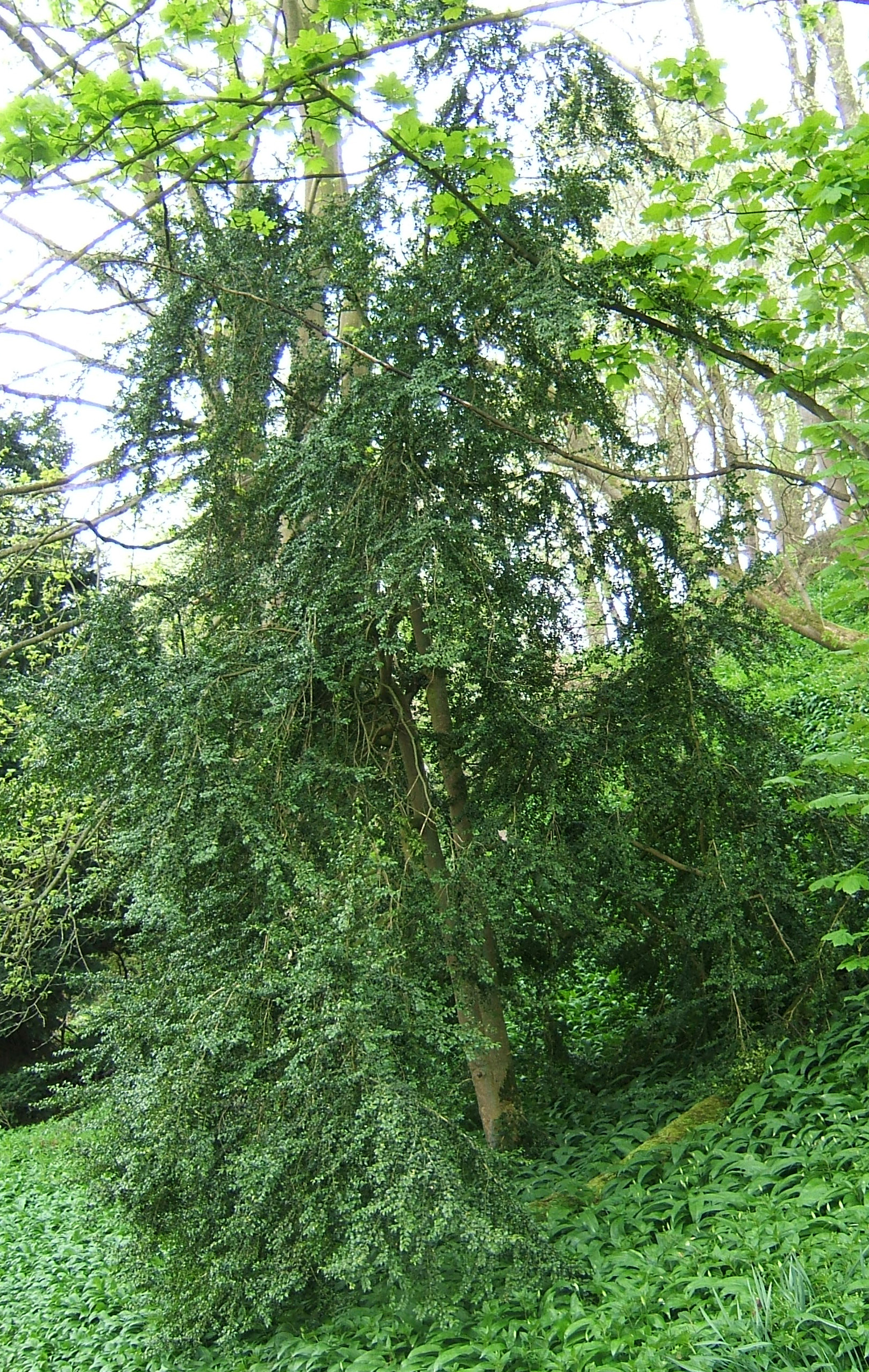 BoxBuxus
The whole plate is in the library. The compass, Compare, the Sky of eleven hundred plants and the formulary open with an email address and a password, free, with the formula builder and its safety engine. Herbert without limit, his formulating, clients, the handouts and the labels are the paid room.
Open the library, free