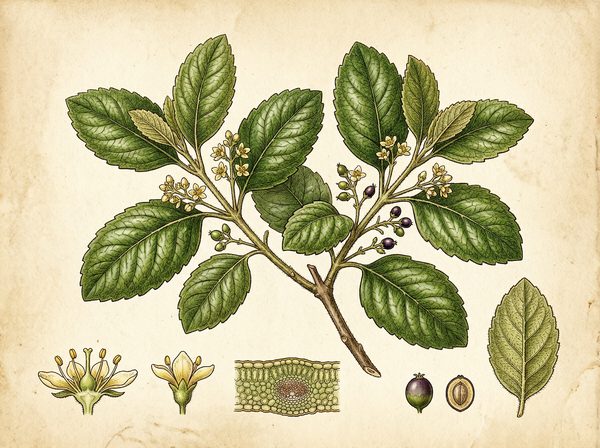
Western Herbalism
Boldo
Peumus boldus
Also known as Boldo leaf, Boldi Folium, Boldus, Boldu.
Traditional use for mild digestive issues Limit use to 2 weeks Only use ascaridole-controlled preparations (comminuted leaf, aqueous extracts) No clinical trials Potential hepatotoxicity reported in cases Avoid combinations not assessed

Ask Herbert about Boldo. Herbert is the master herbalist inside Bountiful Herbs: he answers from this plate and eleven hundred others, with dosing, pairing and cautions. Your first ten questions are free.
Ask HerbertActions
Indications what the tradition reached for it in
- Mild spasms of the gastrointestinal tract
- Dyspepsia
- Gallbladder support (traditional)
- Nausea
- Liver disease
- Mild spastic complaints of GI tract
- Gas
- Functional biliary disorders
- Bloating
- Abdominal cramps
- Indigestion
- Colic
- Constipation
- Cramps
- Edema
- Fluid retention
- Gallbladder disorders
- Inflammation
- Muscle spasms
- Urinary disorders
- Digestive complaints
- Sluggish bile production
- Gallbladder dysfunction
- Poor bile flow
- Oxidative stress
- Digestive disturbances
- Gallstones
- Pain in the liver
- Gall bladder
- Cystitis
Safety
Low dose botanical. Used in drop doses in the classical practice; not a plant to dose freely.
Pregnancy: Not for use in pregnancy
Breastfeeding: Not for use while breastfeeding
The record lists 7 contraindications; open the plate in the library to read them in full.
Dosing as the sources wrote it
| Preparation | As written | Metric |
|---|---|---|
| Comminuted leaf herbal tea: 1-1.5 g in 150 ml boiling water, 2-3x daily (total daily 3 g) | 1000-1500 mg | |
| Dry aqueous extract DER | Dry aqueous extract DER 5:1: 200-400 mg 2x daily | 200-400 mg |
| Duration max | Duration max 2 weeks | |
| B 91 Dried leaf 60-200 mg as an infusion three times daily | 60-200 mg | |
| (G52) Liquid extract 0.1-0.3 mL (1 : 1 in 45% alcohol) three times daily .(G7) Tincture 0.5-2.0 mL (1 : 10 in 60% alcohol) three times daily | 0.1-0.3 mL | |
| A tincture is prepared | Dose, five to twenty drops. | 0.1-0.4 mL |
Doses are reproduced from the sources for practitioners and are not a recommendation for any person.
From the sources
Clinical Notes. Traditional use for mild digestive issues Limit use to 2 weeks Only use ascaridole-controlled preparations (comminuted leaf, aqueous extracts) No clinical trials Potential hepatotoxicity reported in cases Avoid combinations not assessed
Therapy. The agent has not been in general use. The physicians of the south extol its virtues in the treatment of liver diseases. It is of excellent service in the treatment of chronic intestinal trouble where there is congestion and general inactivity of the liver.
Physiological Action. Dr. Holmes, from Florida, has written a very excellent article for the National Medical Association, in which he says the agent, in its influence upon the liver and kidneys, relieves toxemia, or autoinfection, which has resulted from retention of the bile. It favors the resumption of functional activity of the liver, when stagnant, without increasing the peristaltic action of the bowels, as most liver remedies do, thus acting kindly upon the general intestinal canal. At the same time, it increases the functional power of the kidneys, so that their influence in carrying off morbific material, the products of retrograde metamorphosis, greatly facilitates the progress of recovery.
primary-actions. Boldo acts primarily as: Choleretic, Cholagogue, Antispasmodic, Stomachic. Secondary actions include Hepatoprotective, Anti-inflammatory, Antioxidant, Diuretic, Laxative.
Drawn from King's American Dispensatory, 18th edition (Felter and Lloyd); Ellingwood's American Materia Medica, Therapeutics and Pharmacognosy, and the Bountiful Herbs editorial.
Nearby on the shelf
 Blue flagIris versicolor
 Blue LotusNymphaea caerulea
 Blue water lilyNymphaea stellata
 Blueberry LeafVaccinium corymbosum
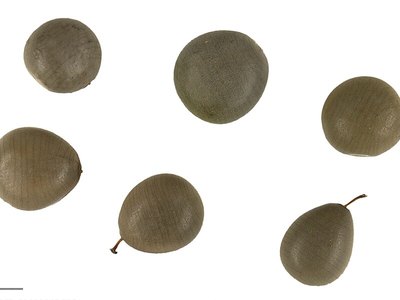 BonducCaesalpinia bonducella
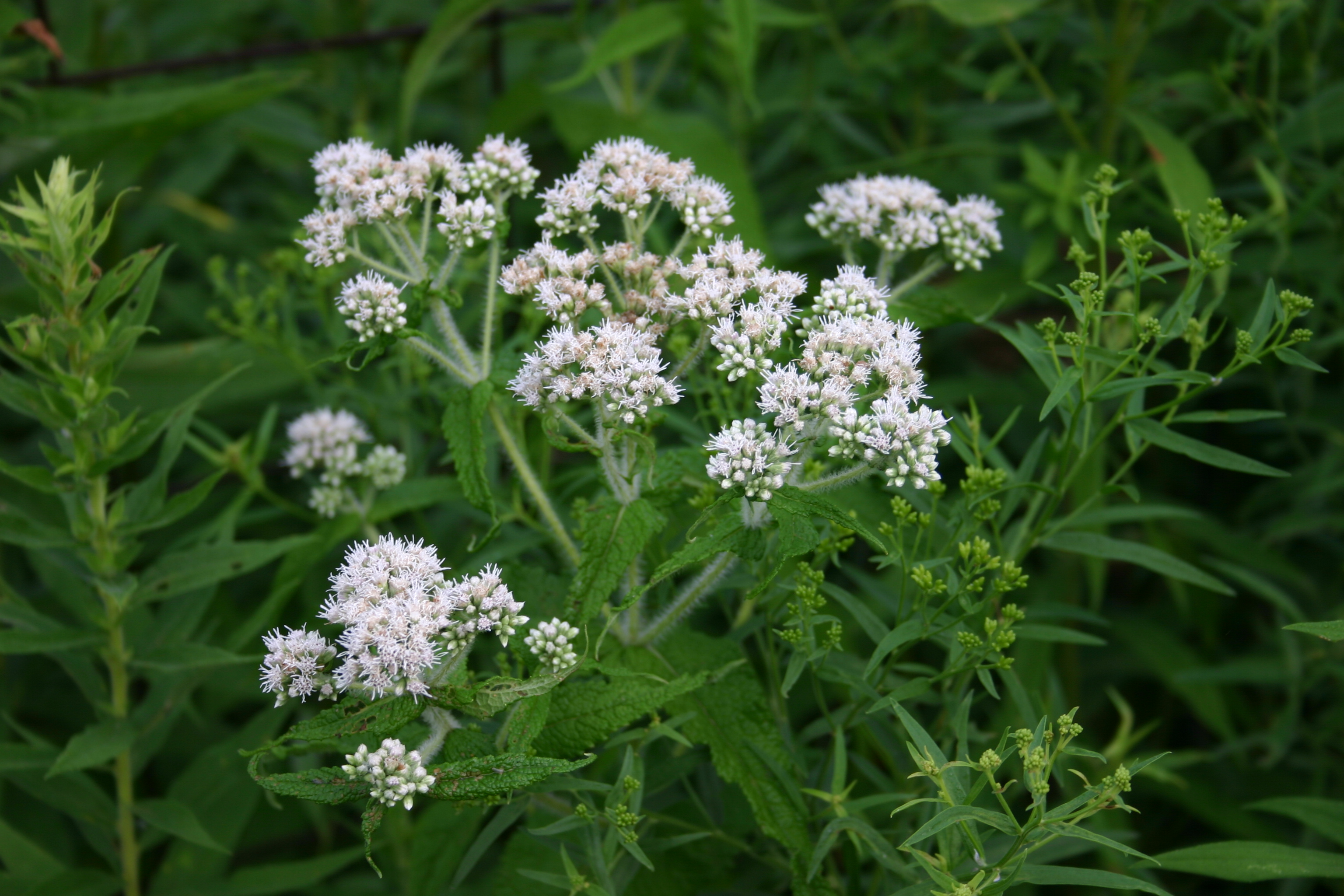 BonesetEupatorium perfoliatum
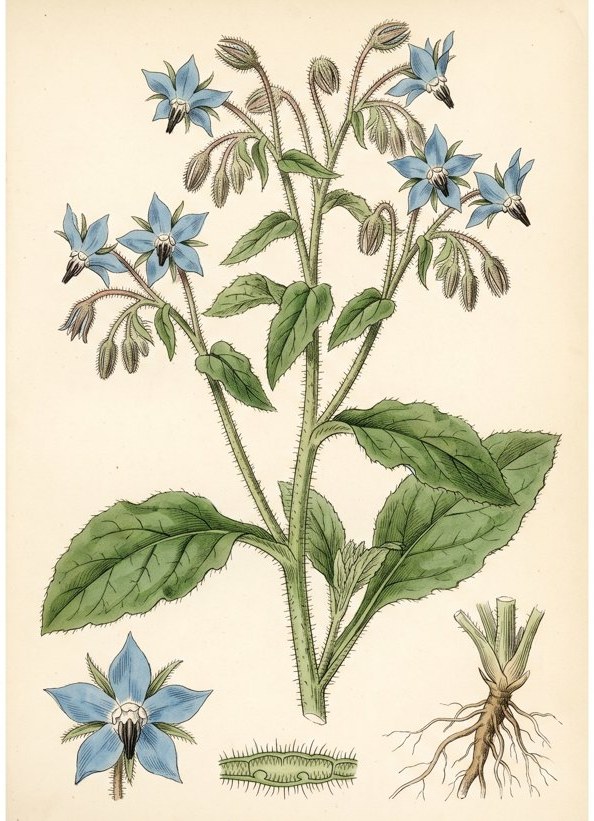 BorageBorago officinalis
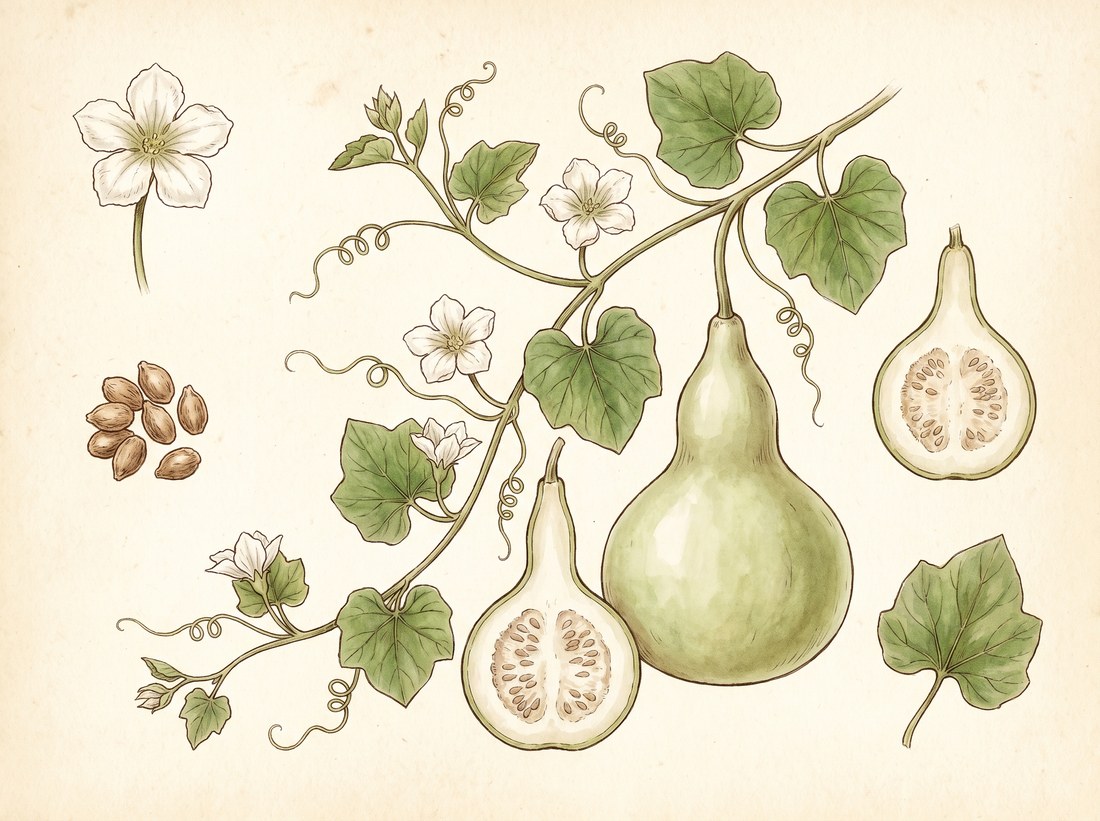 Bottle gourdLagenaria siceraria
The whole plate is in the library. The compass, Compare, the Sky of eleven hundred plants and the formulary open with an email address and a password, free, with the formula builder and its safety engine. Herbert without limit, his formulating, clients, the handouts and the labels are the paid room.
Open the library, free