Ayurvedic Herbalism
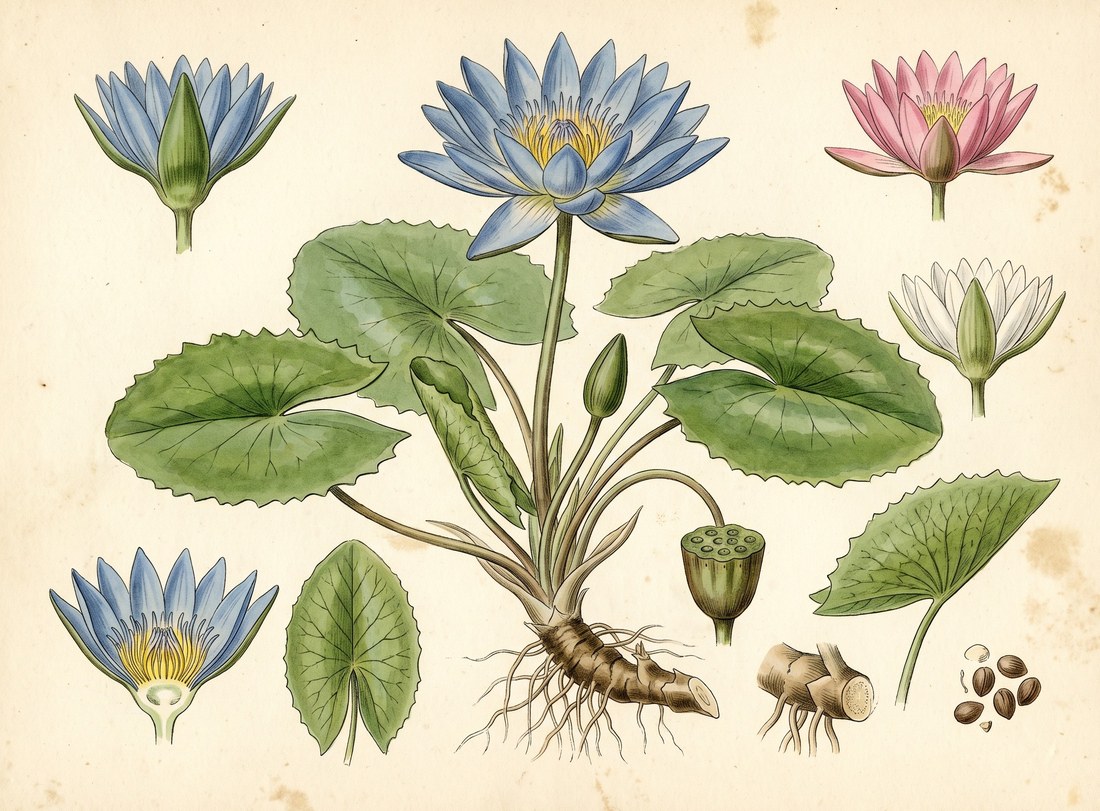
Blue water lily
Nymphaea stellata
Also known as blue lotus (misapplied), star lotus, red and blue water lily, Indian water lily, Utpala, Nilotpala, Kuvalaya.
Nymphaea stellata, now placed under the accepted name Nymphaea nouchali, is the blue or star water lily of the ponds, tanks and slow waters of India, Sri Lanka and Southeast Asia, with fragrant day-opening flowers in blue, pink or white. Ayurveda names it Utpala and counts the flower among the sweetest and coolest of medicines: a refrigerant and hemostatic for bleeding, burning, thirst and fever, a calmer of the heart and mind, and a tonic for the complexion. It is the national flower of Sri Lanka and Bangladesh and a constant image in Sanskrit poetry.

Ask Herbert about Blue water lily. Herbert is the master herbalist inside Bountiful Herbs: he answers from this plate and eleven hundred others, with dosing, pairing and cautions. Your first ten questions are free.
Ask HerbertActions
Indications what the tradition reached for it in
- Bleeding from the nose, gums, bowel or uterus with heat
- Heavy menstrual bleeding in a hot constitution
- Burning sensations of the skin, eyes, hands and feet
- Excess thirst and heat exhaustion
- Fever with restlessness and burning
- Diarrhea and dysentery with heat (rhizome)
- Palpitations and anxiety with heat
- Insomnia in a hot, restless patient
- Type 2 diabetes (adjunct, traditional)
- Gastritis and peptic ulcer with burning
- Facial pigmentation and dull complexion (topical, in Kumkumadi)
Specific indications
A hot, flushed pitta patient who bleeds easily from the nose or gums and feels burning in the palms and soles
Heavy periods in a warm, robust woman with irritability and thirst, where a cooling astringent is wanted rather than a warming one
The restless, overheated insomniac who cannot cool down at night and is calmed by cool, sweet, fragrant herbs
Burning gastritis with a bitter taste and loose stools in summer
Safety
The record lists 6 contraindications; open the plate in the library to read them in full.
In practice
Utpala is reached for when pitta burns: bleeding, burning, thirst, fever, flushed skin and a racing mind. The classical form is Utpaladi churna, the flower powdered with Chandana, Ushira, Musta and similar cooling herbs, taken with milk, sugar water or rice water for raktapitta and burning.
In Ayurveda
Rasa: madhura (sweet), kashaya (astringent), tikta (bitter). Virya: sheeta (cooling). Vipaka: madhura (sweet). Guna: laghu (light), snigdha (unctuous), picchila (slimy). Dosha: pacifies pitta and kapha; balances vata when taken with milk. Karma: dahaprashamana (relieves burning); raktapittahara (checks bleeding disorders); trishnanigrahana (relieves thirst); hridya (supports the heart); varnya (improves complexion); keshya (good for the hair); stambhana (checks discharge); grahi (binds the bowel); vishaghna (counters poison); mutrala (diuretic, mild); shukrala (increases semen); medhya (calms the mind). Classical indications: raktapitta (bleeding disorders); daha (burning sensation); trishna (thirst); jvara (fever with heat); atisara (diarrhea); pravahika (dysentery); pradara (excessive menstrual and vaginal discharge); hrid roga (heart disorders); murcha (fainting); chardi (vomiting); prameha (urinary disorders); visha (poisoning); vyanga (facial pigmentation, topical). The dried flower is the principal drug, powdered as churna or decocted; the rhizome is eaten as a starchy food and given as churna for diarrhea and dysentery; the seeds are roasted as a cooling food; the flower and stamens enter cooling powders, medicated oils for the head and complexion pastes. Classical formulations: Utpaladi churna, Kumkumadi taila, Nilotpaladi kwatha, Chandanadi taila, Utpaladi kwatha, Ushirasava (some formulations), Manjishthadi kwatha (some formulations). Described in: Charaka Samhita, Sushruta Samhita, Ashtanga Hridaya, Bhavaprakasha Nighantu, Dhanvantari Nighantu, Raja Nighantu, Kaiyadeva Nighantu, Ayurvedic Pharmacopoeia of India.
Dosing as the sources wrote it
| Preparation | As written | Metric |
|---|---|---|
| Churna (flower) | 3-6 g powdered flower twice daily with milk or sugar water | 3000-6000 mg |
| Kwatha | 50-100 mL decoction twice daily | 50-100 mL |
| Hima (cold infusion) | 50-100 mL cold infusion of flowers two to three times daily | 50-100 mL |
| Churna (rhizome) | 3-6 g powdered rhizome twice daily with buttermilk | 3000-6000 mg |
| Taila, topical | 5-10 mL medicated oil applied to the face or scalp | 5-10 mL |
Doses are reproduced from the sources for practitioners and are not a recommendation for any person.
From the sources
Overview. Nymphaea stellata, now placed under the accepted name Nymphaea nouchali, is the blue or star water lily of the ponds, tanks and slow waters of India, Sri Lanka and Southeast Asia, with fragrant day-opening flowers in blue, pink or white. Ayurveda names it Utpala and counts the flower among the sweetest and coolest of medicines: a refrigerant and hemostatic for bleeding, burning, thirst and fever, a calmer of the heart and mind, and a tonic for the complexion. It is the national flower of Sri Lanka and Bangladesh and a constant image in Sanskrit poetry.
Clinical Notes. Utpala is reached for when pitta burns: bleeding, burning, thirst, fever, flushed skin and a racing mind. The classical form is Utpaladi churna, the flower powdered with Chandana, Ushira, Musta and similar cooling herbs, taken with milk, sugar water or rice water for raktapitta and burning.
Ayurvedic Profile. Rasa: madhura (sweet), kashaya (astringent), tikta (bitter). Virya: sheeta (cooling). Vipaka: madhura (sweet). Guna: laghu (light), snigdha (unctuous), picchila (slimy). Dosha: pacifies pitta and kapha; balances vata when taken with milk.
In formulas
Blue water lily stands in 25 documented formulas in the library, among them Aravindāsava, Aśokāriṣta, Uśīrāsava, Candanāsava, Cyavanaprāśa, Siêhanāda Guggulu.
Often paired with
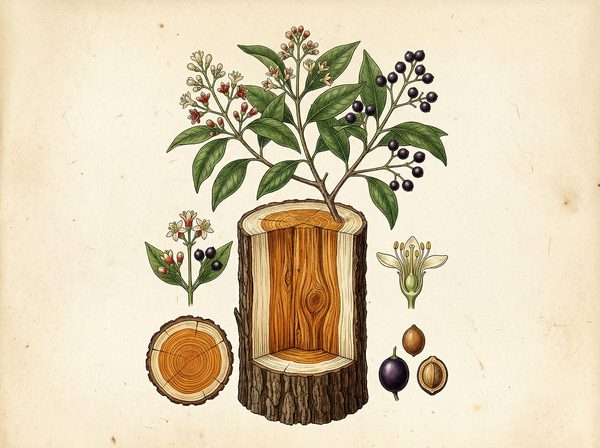 sandalwoodSantalum album
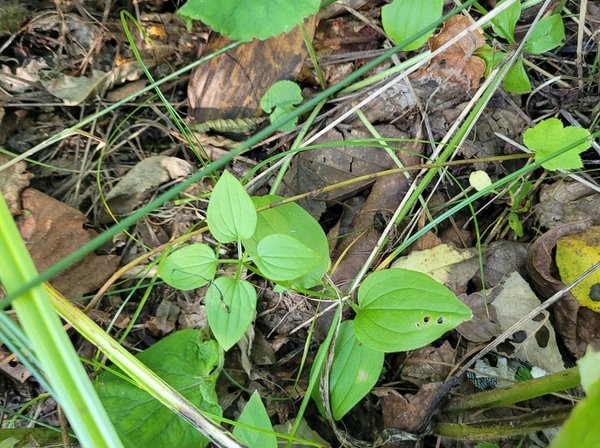 Indian madderRubia cordifolia
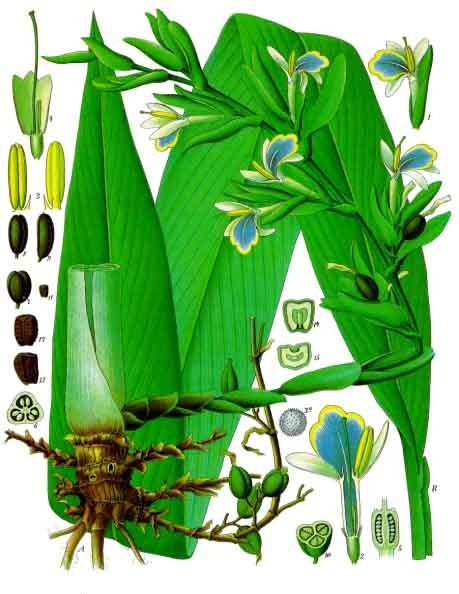 cardamomElettaria cardamomum
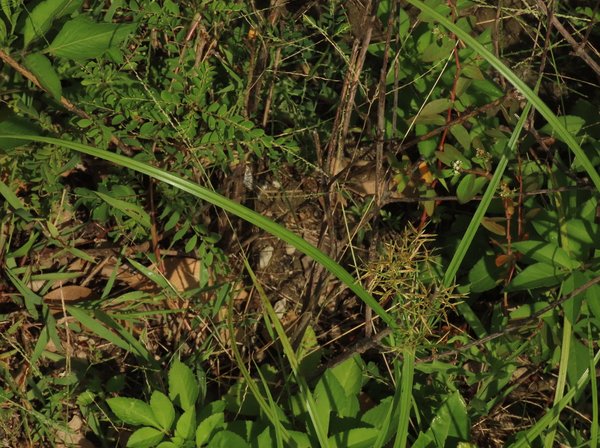 nut grassCyperus rotundus
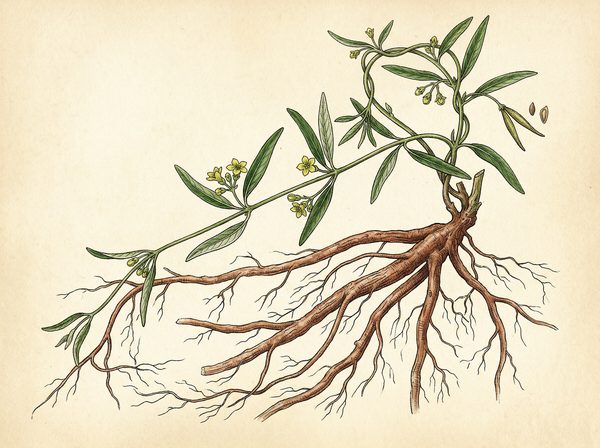 Indian sarsaparillaHemidesmus indicus
 chebulic myrobalanTerminalia chebula
Nearby on the shelf
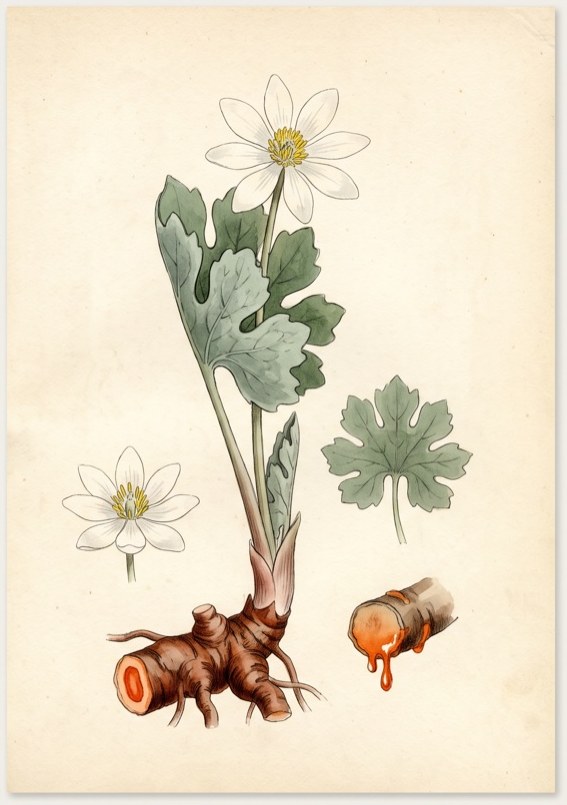 BloodrootSanguinaria canadensis
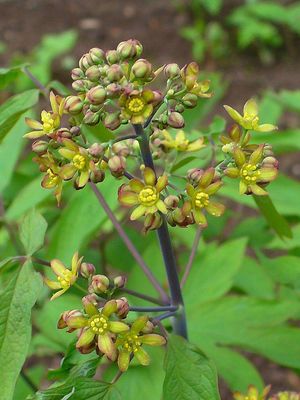 Blue cohoshCaulophyllum thalictroides
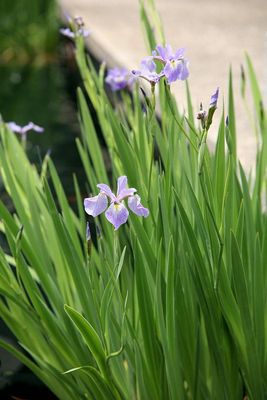 Blue flagIris versicolor
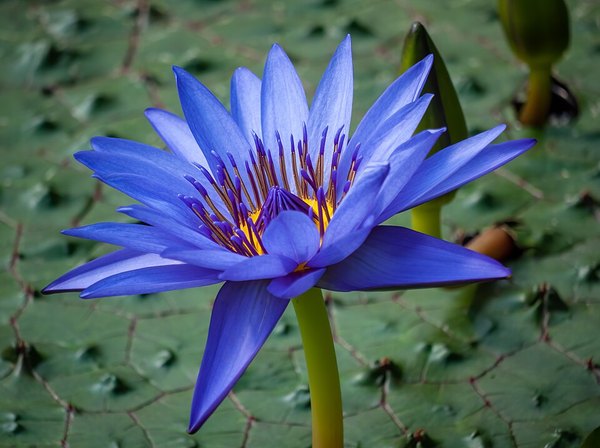 Blue LotusNymphaea caerulea
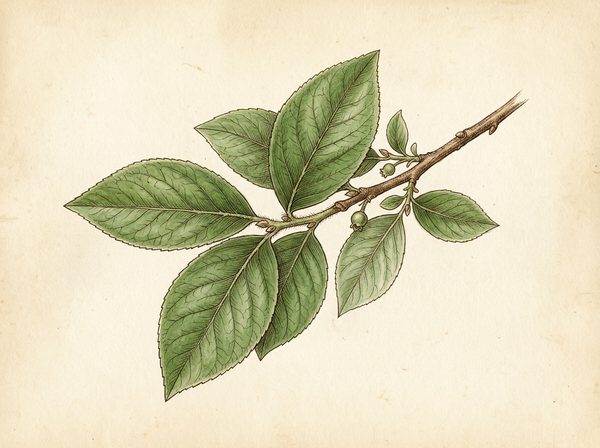 Blueberry LeafVaccinium corymbosum
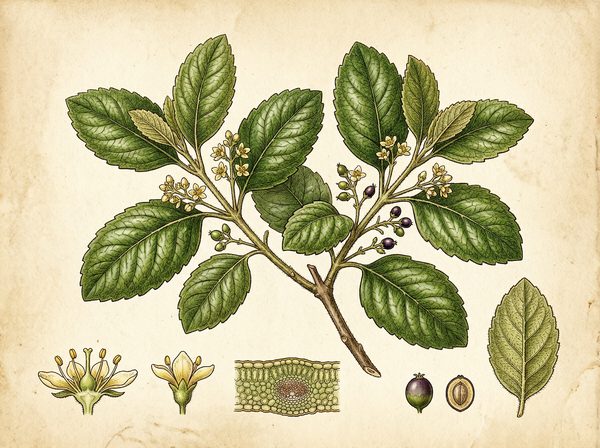 BoldoPeumus boldus
 BonducCaesalpinia bonducella
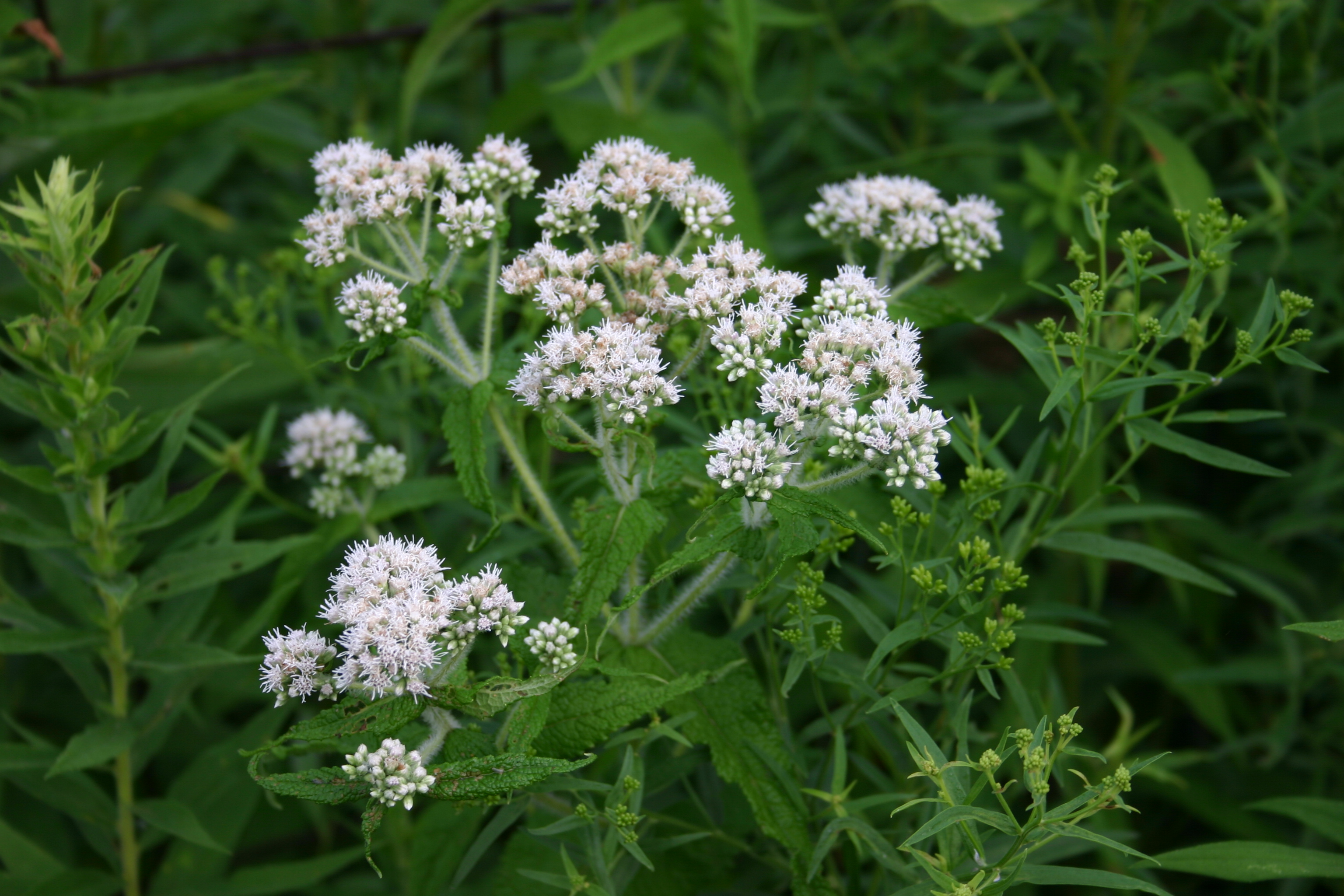 BonesetEupatorium perfoliatum
The whole plate is in the library. The compass, Compare, the Sky of eleven hundred plants and the formulary open with an email address and a password, free, with the formula builder and its safety engine. Herbert without limit, his formulating, clients, the handouts and the labels are the paid room.
Open the library, free