Western Herbalism
Blue Whortleberry
Gaylussacia frondosa
Also known as Blue dangles, High blueberry, Blue huckleberry, Black huckleberry.
Diuretic and astringent. The fruit is very useful, eaten alone, with milk or sugar, in scurvy, dysentery, and derangements of the urinary organs. The berries and roots, bruised and steeped in gin, form an excellent diuretic, which has proved of much benefit in dropsy and gravel. A decoction of the leaves or bark of the root is astringent, and may be used in diarrhoea, or as a local application to ulcers, leucorrhoea, and ulcerations of the mouth and throat.

Ask Herbert about Blue Whortleberry. Herbert is the master herbalist inside Bountiful Herbs: he answers from this plate and eleven hundred others, with dosing, pairing and cautions. Your first ten questions are free.
Ask HerbertSafety
Pregnancy: Limited data. Insufficient safety data exist for blue huckleberry in pregnancy, and the berries eaten as a food in culinary amounts raise no concern; the root used medicinally has not been assessed in pregnancy.
Breastfeeding: Limited data. Insufficient safety data exist for blue huckleberry while breastfeeding, and the berries eaten as a food in culinary amounts raise no concern; no source assessed its medicinal use in nursing mothers.
From the sources
Action, Medical Uses, and Dosage. Diuretic and astringent. The fruit is very useful, eaten alone, with milk or sugar, in scurvy, dysentery, and derangements of the urinary organs. The berries and roots, bruised and steeped in gin, form an excellent diuretic, which has proved of much benefit in dropsy and gravel. A decoction of the leaves or bark of the root is astringent, and may be used in diarrhoea, or as a local application to ulcers, leucorrhoea, and ulcerations of the mouth and throat.
History and Chemical Composition. These plants are common to the northern states, growing in woods and pastures, flowering in May and June, and ripening their fruit in August. The fruit, or berries, together with the bark of the root, are the parts used. They yield their virtues to water. To our knowledge, no analysis has yet been made of them. The fruit of the related European plant, Vaccinium myrtillus, Linné, contains malic and citric acids, sugar, pectin, coloring matter, iron-bluing tannin, ericolin and kinic acid (see Dragendorff's Heilpflanzen, 1898; and Wittstein's Pharmacognosie, 1882).
Preparation: Cataplasma Oxycocci: Cranberry Poultice The fruit and root of Gaylussacia frondosa, Torrey and Gray (Vaccinium frondosum), and of Gaylussacia resinosa, Torrey and Gray (Vaccinium resinosum). Nat. Ord: Ericaceae. COMMON NAMES: (1) Blue whortleberry, Blue dangles, High blueberry, Blue huckleberry; (2) Black whortleberry, Black huckleberry.
Botanical Source. Gaylussacia frondosa is a shrub 3 to 6 feet high, with a grayish bark, and round, smooth, slender and divergent branches. Its leaves are deciduous, obovate-oblong, obtuse, entire, pale, glaucous beneath, covered with minute resinous dots, and the margin being slightly revolute.
Drawn from King's American Dispensatory, 18th edition (Felter and Lloyd), and the Bountiful Herbs editorial.
Nearby on the shelf
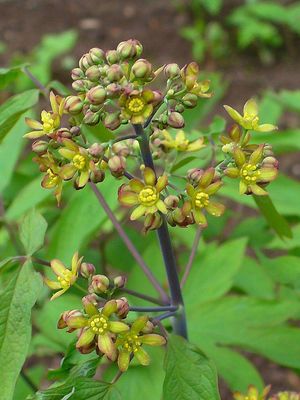 Blue cohoshCaulophyllum thalictroides
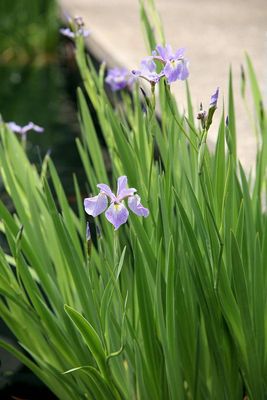 Blue flagIris versicolor
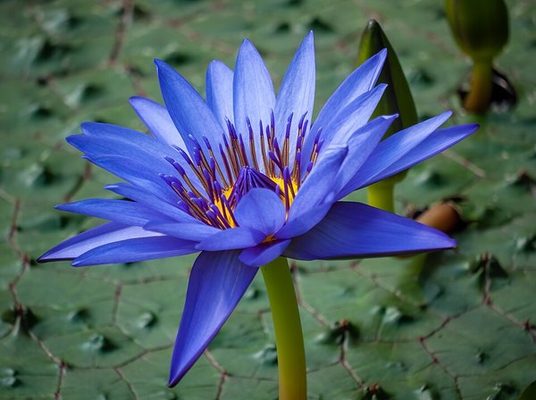 Blue LotusNymphaea caerulea
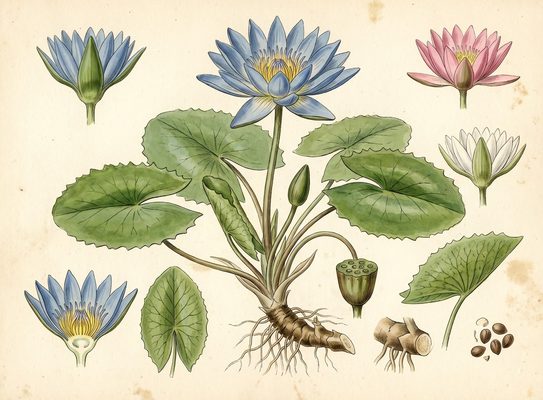 Blue water lilyNymphaea stellata
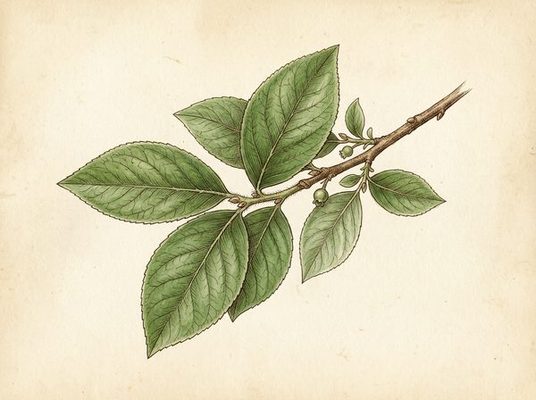 Blueberry LeafVaccinium corymbosum
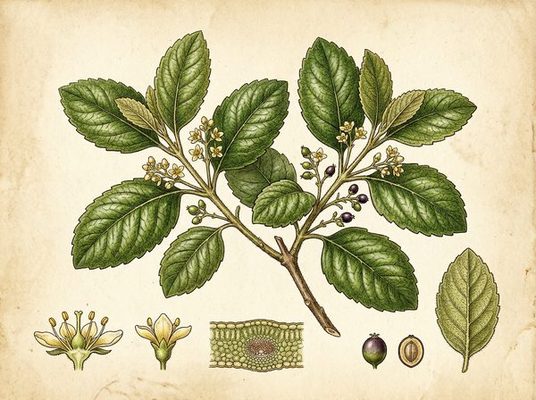 BoldoPeumus boldus
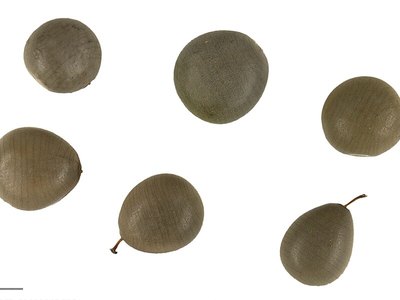 BonducCaesalpinia bonducella
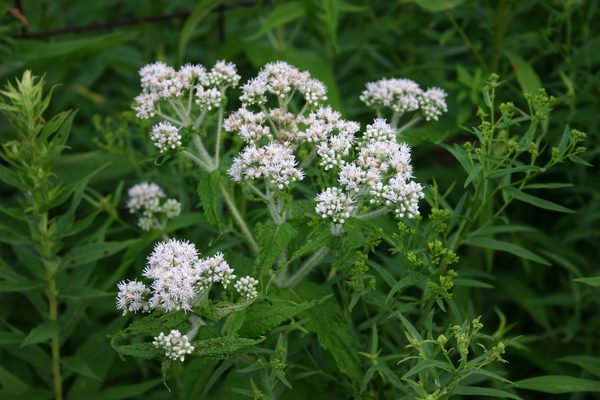 BonesetEupatorium perfoliatum
The whole plate is in the library. The compass, Compare, the Sky of eleven hundred plants and the formulary open with an email address and a password, free, with the formula builder and its safety engine. Herbert in full, his formulating, clients, the handouts and the labels are the paid room.
Open the library, free