Ayurvedic Herbalism
Black gram
Vigna mungo
Also known as urad, urad dal, black lentil, urd bean, Masha, Kuruvinda, Dhanyavira.
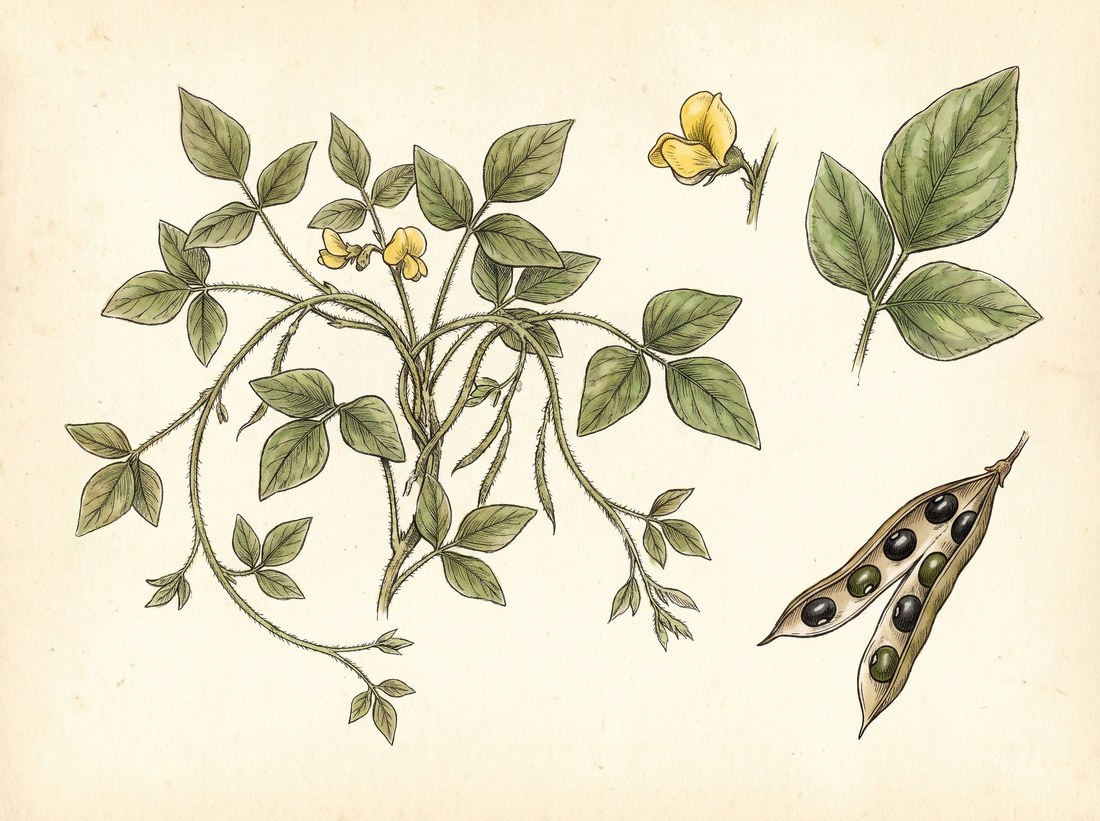
Vigna mungo is an annual legume with hairy trailing stems and small black or dark green seeds, domesticated in India and grown across the subcontinent as one of its principal pulses, the urad dal of the kitchen and the batter of dosa and idli. In Ayurveda the seed is Masha, the heaviest, most nourishing and most vata-pacifying of the pulses, praised as a builder of muscle, semen and milk and used in decoction, oil and warm fomentation for the paralyses and wasting diseases of vata. It is as much a food as a medicine, and the tradition treats it as both.

Ask Herbert about Black gram. Herbert is the master herbalist inside Bountiful Herbs: he answers from this plate and eleven hundred others, with dosing, pairing and cautions. Your first ten questions are free.
Ask HerbertActions
Indications what the tradition reached for it in
- Emaciation and underweight with weakness
- Convalescence after long illness
- Neuromuscular weakness and neuropathy of vata type
- Recovery after stroke and facial palsy (as decoction, oil and fomentation, adjunct)
- Sarcopenia in the elderly (dietary)
- Low libido and low semen quality with debility
- Poor breast milk supply in an undernourished mother
- Constipation from dryness in a thin patient
- Osteoarthritis with stiffness and cold (external fomentation and oil)
- Protein deficiency on a vegetarian diet
Specific indications
A thin, dry, cold vata patient who has lost weight and strength, with cracking joints, a dry bowel and poor sleep, who needs to be fed rather than medicated
The stroke or facial palsy patient in the recovery phase, treated by an Ayurvedic physician with Mashabaladi kwatha inside and Masha taila massage and warm Masha pinda fomentation outside
A vegetarian man with low libido, low sperm count and general debility, for whom a daily portion of urad dal cooked with ghee and spices is the food-medicine
A nursing mother who is underweight and short of milk, given urad laddus with ghee and jaggery
Safety
The record lists 8 contraindications; open the plate in the library to read them in full.
In practice
Masha is the Ayurvedic physician's dietary answer to vata depletion. Where most pulses are light and drying and aggravate vata, Masha is heavy, oily and sweet, and it is prescribed as food for the thin, the weak, the convalescent and the sexually depleted: cooked well with ghee, ginger, garlic and asafoetida so that its heaviness does not sit in the gut.
In Ayurveda
Rasa: madhura (sweet). Virya: ushna (heating). Vipaka: madhura (sweet). Guna: guru (heavy), snigdha (unctuous), sara (promotes downward movement), balya (strengthening). Dosha: pacifies vata strongly; increases kapha and pitta, and increases semen, stool, urine and breast milk. Prabhava: the tradition names Masha as the foremost of pulses for building strength and semen, and the one pulse that pacifies rather than provokes vata. Karma: balya (strengthening); brimhana (nourishing, builds tissue); vrishya (aphrodisiac); shukrala (increases semen); stanyajanana (promotes breast milk); vatahara (pacifies vata); sara (mild laxative, moves the bowel); mutrala (increases urine); snehana (oleates the tissues, as Masha taila); svedana (fomentation, as Masha pinda sveda). Classical indications: vatavyadhi (neuromuscular disorders of vata); pakshaghata (hemiplegia and paralysis); ardita (facial paralysis); karshya (emaciation); daurbalya (weakness); klaibya (male sexual dysfunction); shukra kshaya (depletion of semen); stanya kshaya (poor breast milk); arsha (hemorrhoids, in some texts, with care); vibandha (constipation of vata type); sandhivata (osteoarthritis, external fomentation). The whole or split seed is the drug and the food: cooked as dal or soup, ground into flour for laddus and fermented batters, boiled in decoction with Bala and other vata herbs, cooked into medicated oil (Masha taila) for massage, and tied into cloth boluses for the warm fomentation called Masha pinda sveda. Sprouted or fermented seed is lighter to digest. Classical formulations: Masha taila, Mashabaladi kwatha, Mashadi kwatha, Mashatmaguptadi kwatha, Masha pinda sveda, Masha laddu. Described in: Charaka Samhita, Sushruta Samhita, Ashtanga Hridaya, Bhavaprakasha Nighantu, Dhanvantari Nighantu, Raja Nighantu, Kaiyadeva Nighantu.
Dosing as the sources wrote it
| Preparation | As written | Metric |
|---|---|---|
| Dietary (cooked dal) | 30-60 g dry seed cooked with ghee and spices once daily | 30000-60000 mg |
| Churna | 5-10 g roasted seed flour once daily with warm milk and ghee | 5000-10000 mg |
| Kwatha | 50-100 mL Mashabaladi decoction twice daily | 50-100 mL |
| Taila, topical | 20-50 mL Masha taila massaged into weak or painful limbs daily | 20-50 mL |
| Pinda sveda, topical | 100-200 g cooked seed in a warm cloth bolus applied for 20-30 minutes | 100000-200000 mg |
Doses are reproduced from the sources for practitioners and are not a recommendation for any person.
From the sources
Overview. Vigna mungo is an annual legume with hairy trailing stems and small black or dark green seeds, domesticated in India and grown across the subcontinent as one of its principal pulses, the urad dal of the kitchen and the batter of dosa and idli. In Ayurveda the seed is Masha, the heaviest, most nourishing and most vata-pacifying of the pulses, praised as a builder of muscle, semen and milk and used in decoction, oil and warm fomentation for the paralyses and wasting diseases of vata. It is as much a food as a medicine, and the tradition treats it as both.
Clinical Notes. Masha is the Ayurvedic physician's dietary answer to vata depletion. Where most pulses are light and drying and aggravate vata, Masha is heavy, oily and sweet, and it is prescribed as food for the thin, the weak, the convalescent and the sexually depleted: cooked well with ghee, ginger, garlic and asafoetida so that its heaviness does not sit in the gut.
Ayurvedic Profile. Rasa: madhura (sweet). Virya: ushna (heating). Vipaka: madhura (sweet). Guna: guru (heavy), snigdha (unctuous), sara (promotes downward movement), balya (strengthening). Dosha: pacifies vata strongly; increases kapha and pitta, and increases semen, stool, urine and breast milk.
In formulas
Black gram stands in 4 documented formulas in the library, among them Dādhika Ghṛta, Kārpāsāsthyādi Taila, Bṛhatmāṣa Taila, Marma Guṭikā.
Often paired with
 rajmahal hempMarsdenia tenacissima
 puncture vineTribulus terrestris
 greater galangalAlpinia galanga
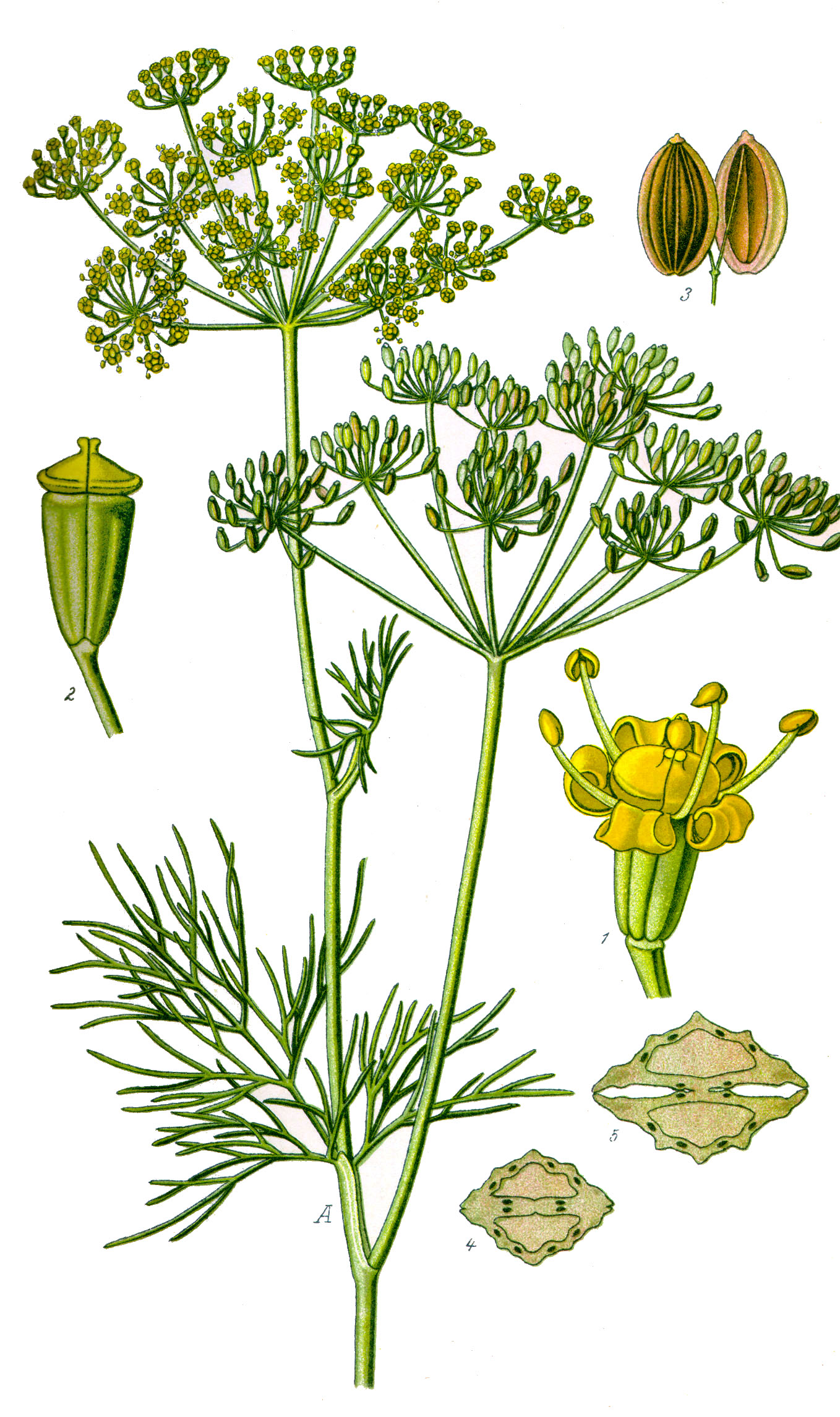 dillAnethum graveolens
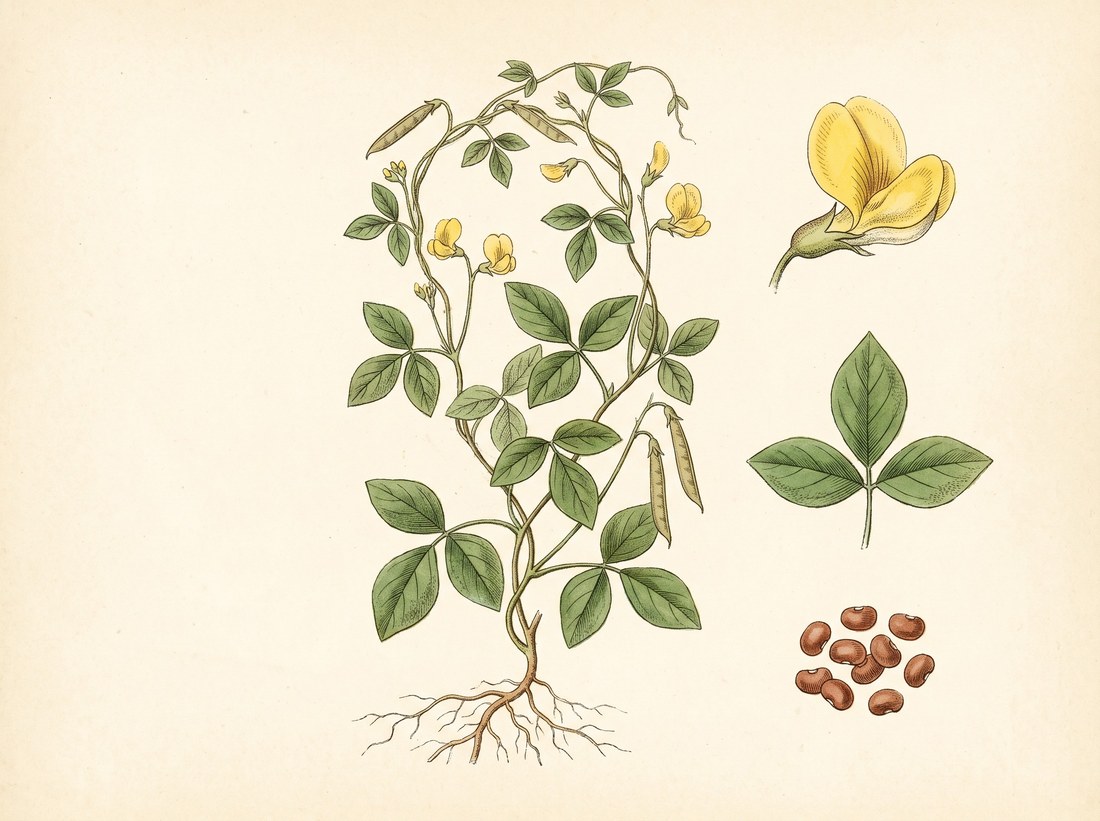 horse gramMacrotyloma uniflorum
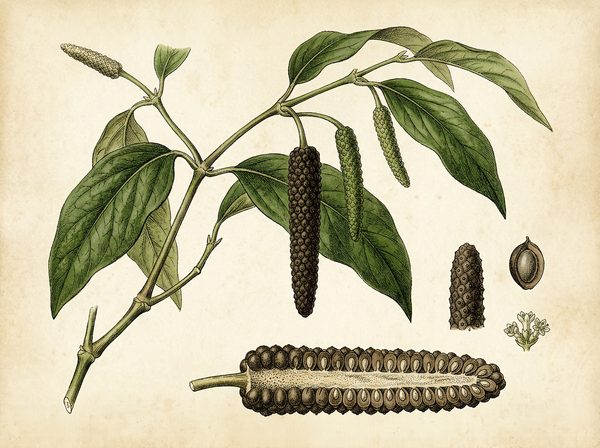 long pepperPiper longum
Nearby on the shelf
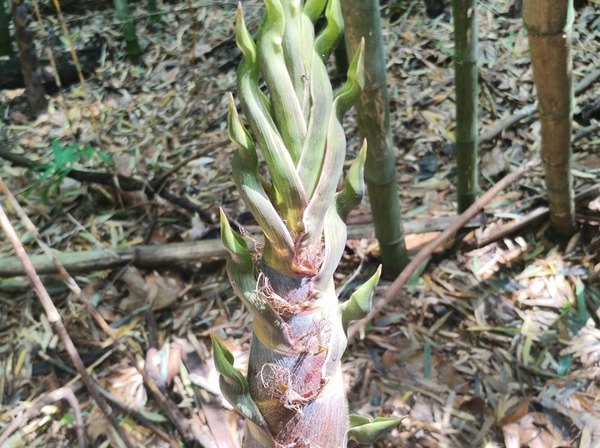 Black BambooPhyllostachys nigra
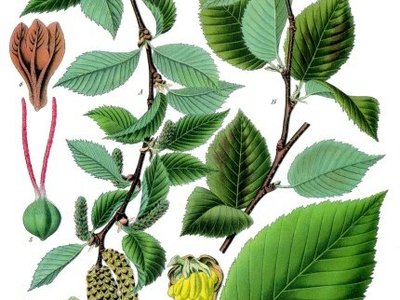 Black birchBetula Lenta
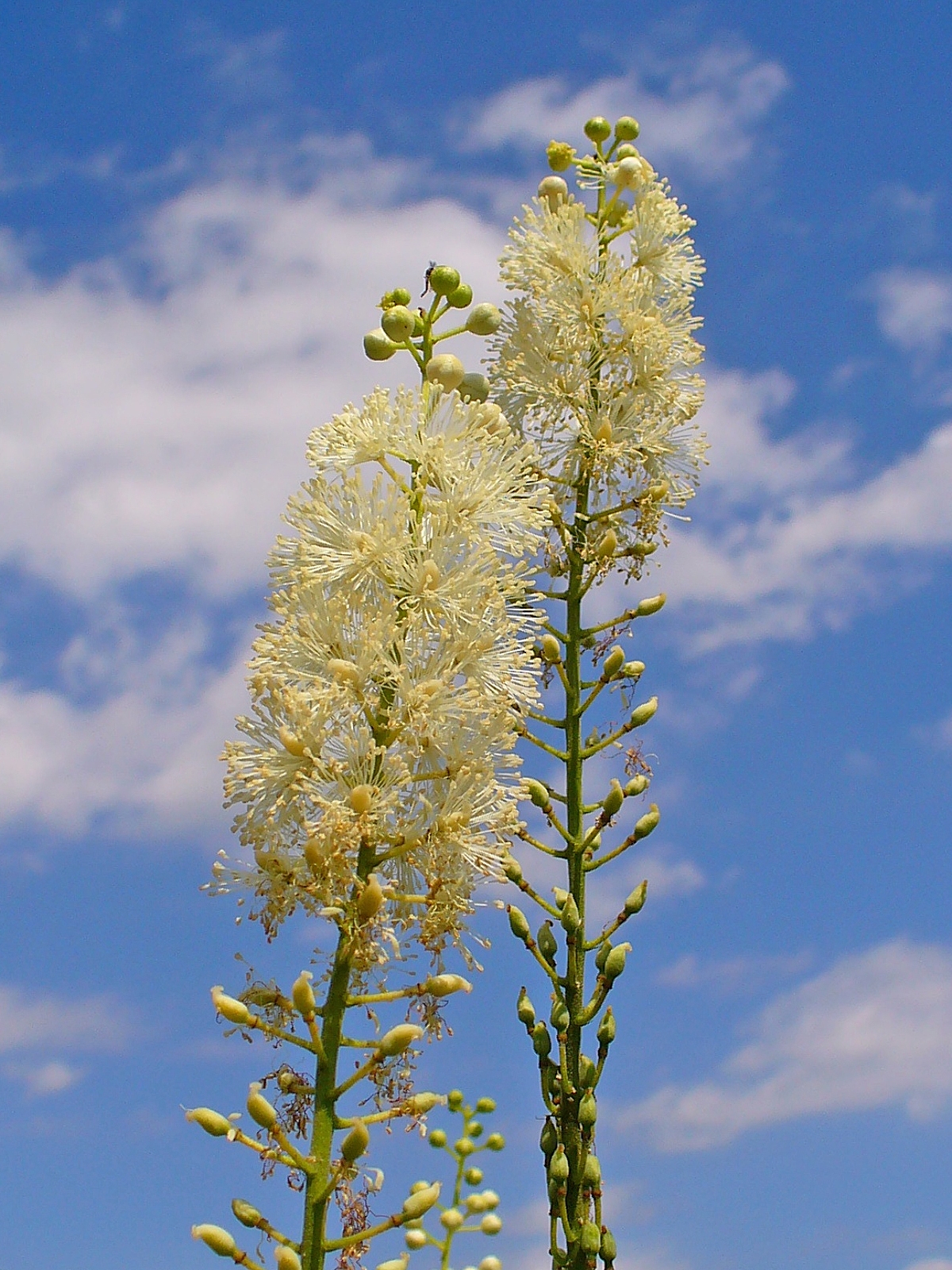 Black cohoshActaea racemosa
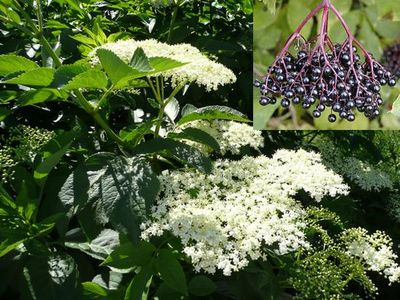 Black elderSambucus nigra
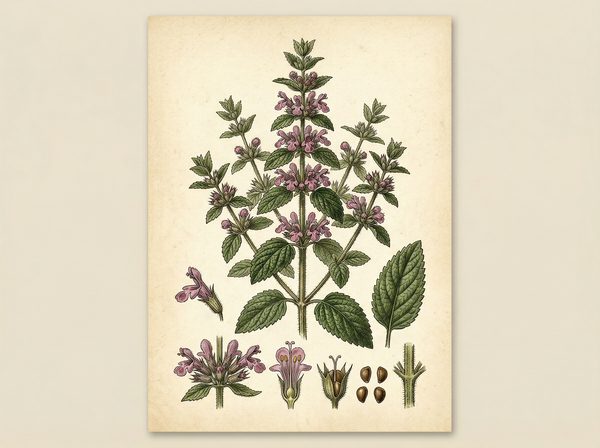 Black HorehoundBallota nigra
 Black huckleberryVaccinium resinosum
 Black locustRobinia pseudoacacia
 Black MustardSinapis Nigra
The whole plate is in the library. The compass, Compare, the Sky of eleven hundred plants and the formulary open with an email address and a password, free, with the formula builder and its safety engine. Herbert without limit, his formulating, clients, the handouts and the labels are the paid room.
Open the library, free