Western Herbalism
Black elder
Sambucus nigra
Also known as American elder, Elder, European Elder, Elderflower, Sambucus, Black elderberry, American elderberry.
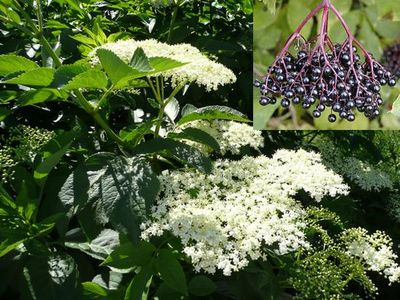
Sambucus nigra is a small deciduous tree or large shrub native to Europe, western Asia, and North Africa, now widely naturalized and cultivated, including selections grown in North America. The creamy flat-topped flower clusters and the dark purple-black berries are the parts used medicinally and as food once properly prepared; the leaves, bark, and root contain cyanogenic compounds and are not used internally in modern practice. Elderflower has a long history as a cooling diaphoretic for feverish colds, while the cooked berry has become a staple modern remedy for cold and flu season.

Ask Herbert about Black elder. Herbert is the master herbalist inside Bountiful Herbs: he answers from this plate and eleven hundred others, with dosing, pairing and cautions. Your first ten questions are free.
Ask HerbertActions
Indications what the tradition reached for it in
- Cuts
- Labial tears
- Upper respiratory infection
- Sinusitis
- Herpes viruses
- Allergies
- Congestion (respiratory)
- Inflammation
- Glandular illness
- Rheumatism
- Asthma (chronic)
- Flu (w/ fever)
- Cold (w/ fever)
- Wounds
- Allergic rhinitis
- Skin abrasions
- Fever
- HIV/AIDS
- Conjunctivitis
- Congestion (sinus)
- Hemorrhoids
- Bleeding
- Diarrhea
- Edema
- Fluid retention
- Nervous tension
- Rhinitis
- Stress
- Urinary disorders
- Viral infections
Specific indications
Early febrile illness with hot dry skin and no sweat, where a gentle diaphoretic is wanted
Stuffy nose and watery eyes of a cold or mild allergy calling for the flower infusion
Safety
Pregnancy: Limited safety data in pregnancy
The record lists 2 contraindications; open the plate in the library to read them in full.
Dosing as the sources wrote it
| Preparation | As written | Metric |
|---|---|---|
| Flowers | 1 Tbs/c TID, for fevers drink q 1-2 hrs, becomes more diuretic as it cools | |
| Berries | Syrup-1 tsp TID to 6X/day | |
| Tincture (1:2-1:3) | 3-5 ml up to QID | 3-5 mL |
| Dried flower 2-4 g by infusion three times daily | 2000-4000 mg | |
| (G6, G7) Liquid extract 2-4 mL (1 : 1 in 25% alcohol) three times daily .(G6, G7) Figure 1 Selected constituents of elder | 2-4 mL | |
| Herbal tea: 2-5 g dried flower in 150 ml boiling water, infuse 5-10 min, 3x daily | 2000-5000 mg |
Doses are reproduced from the sources for practitioners and are not a recommendation for any person.
From the sources
Overview. Sambucus nigra is a small deciduous tree or large shrub native to Europe, western Asia, and North Africa, now widely naturalized and cultivated, including selections grown in North America. The creamy flat-topped flower clusters and the dark purple-black berries are the parts used medicinally and as food once properly prepared; the leaves, bark, and root contain cyanogenic compounds and are not used internally in modern practice. Elderflower has a long history as a cooling diaphoretic for feverish colds, while the cooked berry has become a staple modern remedy for cold and flu season.
Clinical Notes. Berries=sweet, tart, anti-oxidant, anti-viral, mast cell stabilization, anti-rheumatic, contain vitamin C Flowers=bitter, sweet, diaphoretic, inflammation modulator, decongestant, nervine, diuretic, anti-catarrhal, anti-histamine Leaves, root, & bark=topical use only, vulnerary & astringent for hemorrhoids, labial tears, wounds Usually combined w/ other herbs for URI, allergic rhinitis & congestion.
Clinical Notes. GRAS status (flowers only) Avoid other plant parts (contain cyanogenic glycosides) Traditional use for common cold supported by monograph Children under 12 not recommended
Clinical Notes. Elderflower infusion is a classic choice for the early stage of a feverish cold, when the skin is hot and dry and a gentle push toward sweating and detoxification through the skin is wanted; it combines well with yarrow and peppermint in the old diaphoretic formula pattern, taken as a hot infusion at the onset of symptoms.
Drawn from Cook's Physio-Medical Dispensatory; Scudder's Specific Medication and Specific Medicines; King's American Dispensatory, 18th edition (Felter and Lloyd); Ellingwood's American Materia Medica, Therapeutics and Pharmacognosy, and the Bountiful Herbs editorial.
Often paired with
 Dwarf ElderAralia Hispida
 Prickly AshZanthoxylum americanum
 SpikenardAralia Racemosa
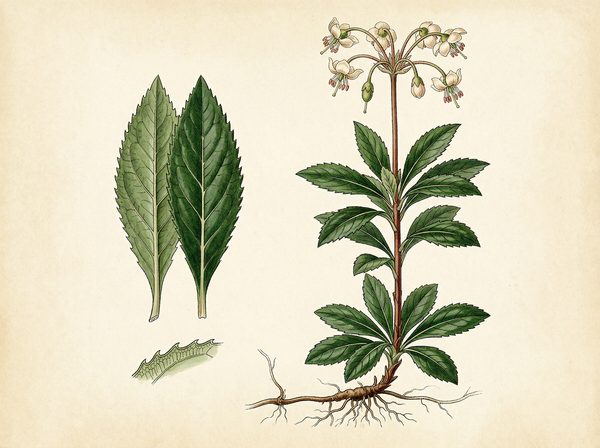 PipsissewaChimaphila umbellata
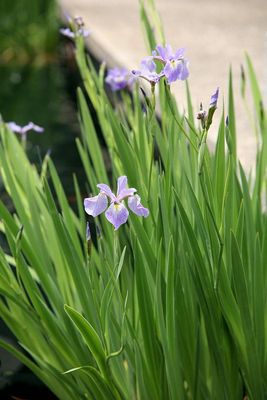 Blue flagIris versicolor
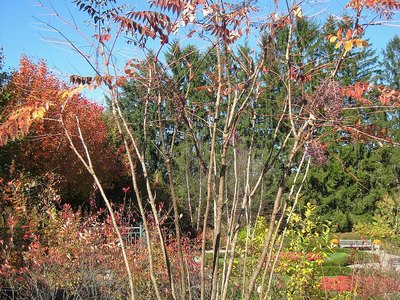 Devil's walking stickAralia Spinosa
Nearby on the shelf
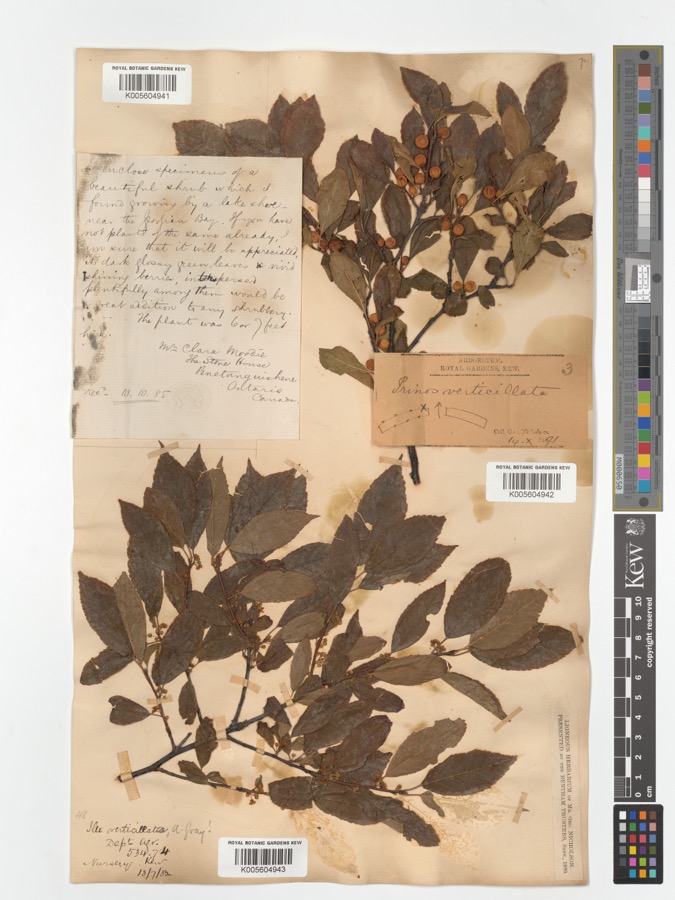 Black alderPrinos verticillatos
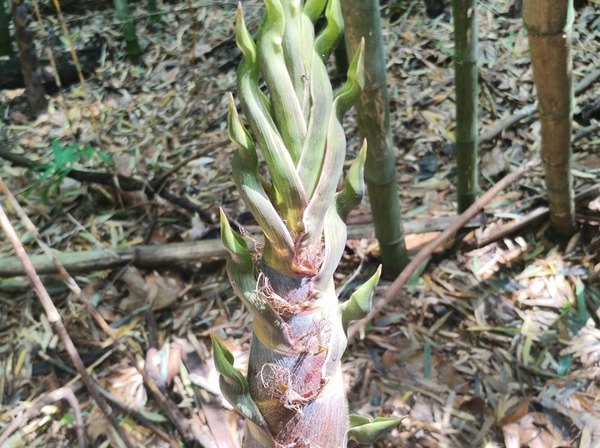 Black BambooPhyllostachys nigra
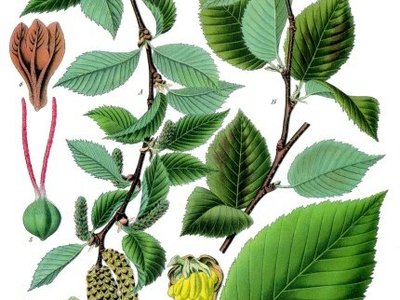 Black birchBetula Lenta
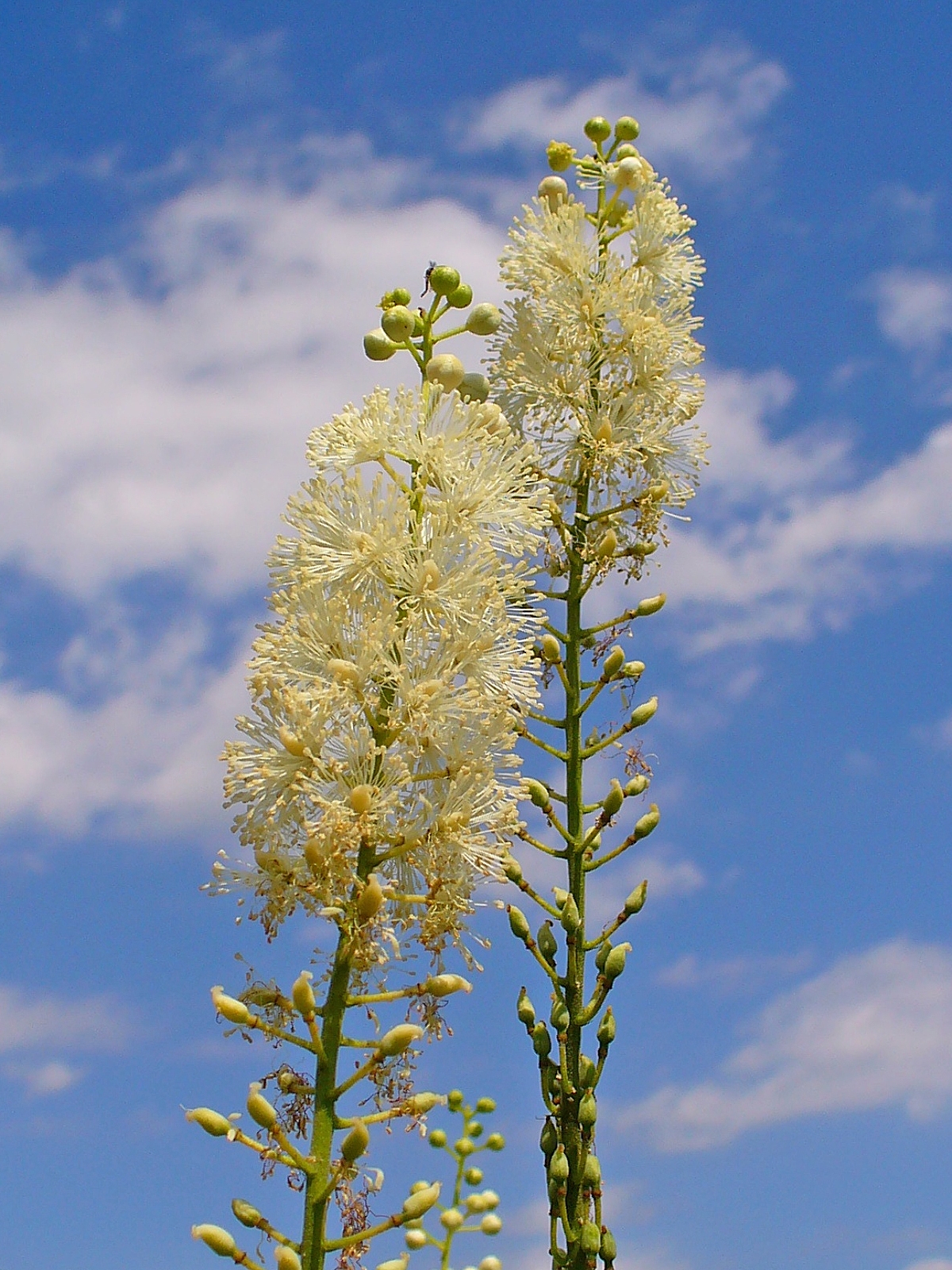 Black cohoshActaea racemosa
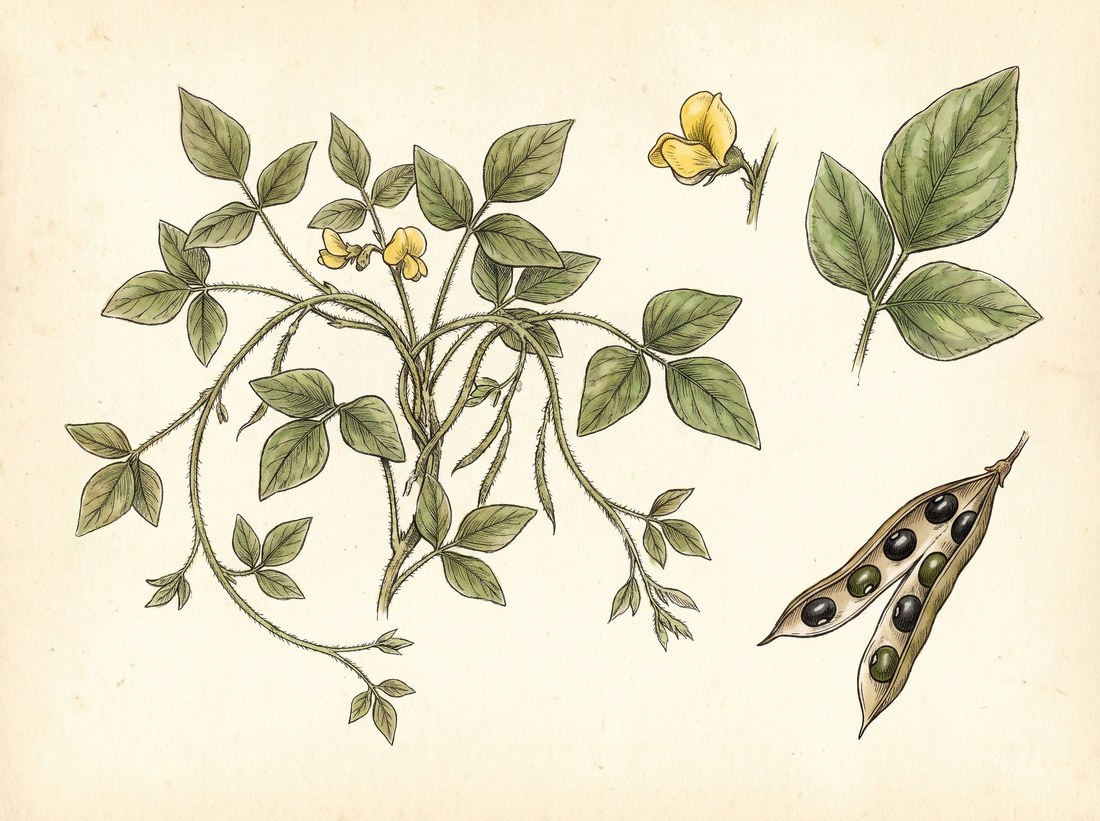 Black gramVigna mungo
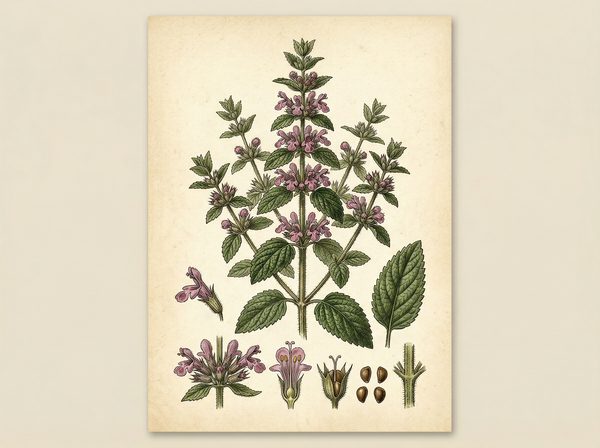 Black HorehoundBallota nigra
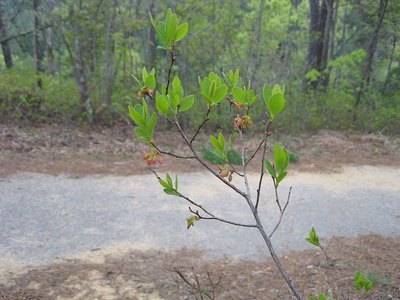 Black huckleberryVaccinium resinosum
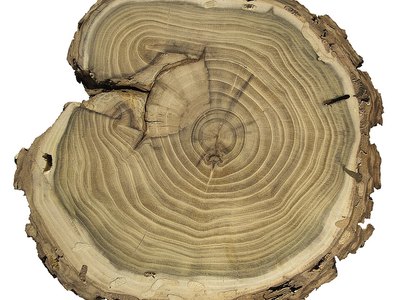 Black locustRobinia pseudoacacia
The whole plate is in the library. The compass, Compare, the Sky of eleven hundred plants and the formulary open with an email address and a password, free, with the formula builder and its safety engine. Herbert without limit, his formulating, clients, the handouts and the labels are the paid room.
Open the library, free