Western Herbalism
Black locust
Robinia pseudoacacia
Also known as False acacia, Yellow locust, White locust, Locust Tree.
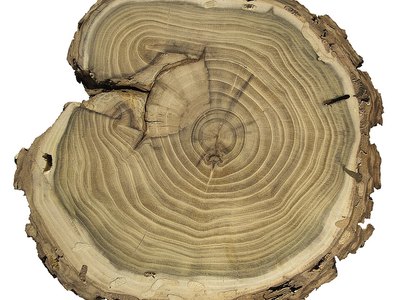
Black locust is a fast growing leguminous tree native to the eastern and central United States, now widely naturalized elsewhere, valued chiefly for timber, erosion control and bee forage. The fresh inner bark was tinctured by a handful of nineteenth century Eclectic physicians who found its action strong enough to note but never developed it into a settled clinical remedy. It survives in the record mainly as an unfinished experiment rather than an established materia medica entry.

Ask Herbert about Black locust. Herbert is the master herbalist inside Bountiful Herbs: he answers from this plate and eleven hundred others, with dosing, pairing and cautions. Your first ten questions are free.
Ask HerbertActions
Indications what the tradition reached for it in
- Constipation (historical claim, poorly documented)
- Intestinal worms (historical claim, poorly documented)
- Nervous excitability (historical, unverified)
- Dyspepsia with sluggish bowel (historical, unverified)
- Colic (historical claim)
- General debility (historical, unverified)
- Spasm of smooth muscle (historical claim)
- Headache attributed to gastric irritation (historical claim)
Specific indications
Sluggish, torpid bowel with little other reliable indication recorded
Historical use where nervous system depression was thought to accompany gastrointestinal upset
Safety
Recognised toxicity. This plant carries a toxicity flag in the record; it is for trained practitioners only.
Low dose botanical. Used in drop doses in the classical practice; not a plant to dose freely.
Pregnancy: Avoid entirely: the plant has no established modern therapeutic use and its bark and seeds carry documented toxicity.
Breastfeeding: Avoid entirely: no safety data exist and the plant is not used in modern lactation practice.
The record lists 6 contraindications; open the plate in the library to read them in full.
In practice
This plant never entered mainstream Eclectic or later herbal practice as a working remedy. The original note describing the tincture explicitly asks readers to test it and report back, which they largely did not do in any way that produced a durable clinical picture. What little is recorded describes a strong action on the stomach and bowel in large doses along with some effect on the nervous system, but no reliable specific indication, dose-response relationship or safety profile was ever worked out. Given this, black locust bark cannot be recommended today as a working remedy. Any historical dose figures should be read as a curiosity of record rather than a guide to safe practice, particularly because the seeds and bark of this species are now known to contain toxic lectins capable of causing significant gastrointestinal and systemic illness.
Dosing as the sources wrote it
| Preparation | As written | Metric |
|---|---|---|
| Historical tincture (fresh inner bark, 1:X in 76 percent alcohol, Scudder era) | 0.05-0.6 mL per dose, historical figure only, not a modern recommendation | 0.05-0.6 mL |
| An ounce of the bark boiled in | An ounce of the bark boiled in 3 gills of water, operates as a cathartic in doses of ½ ounce, given morning and evening. | 15552-15552 mg |
| The leaves, in doses of 30 grains, every 20 minutes, operate mildly and efficiently as an emetic. | 1944-1944 mg |
Doses are reproduced from the sources for practitioners and are not a recommendation for any person.
From the sources
Overview. Black locust is a fast growing leguminous tree native to the eastern and central United States, now widely naturalized elsewhere, valued chiefly for timber, erosion control and bee forage. The fresh inner bark was tinctured by a handful of nineteenth century Eclectic physicians who found its action strong enough to note but never developed it into a settled clinical remedy. It survives in the record mainly as an unfinished experiment rather than an established materia medica entry.
Clinical Notes. This plant never entered mainstream Eclectic or later herbal practice as a working remedy. The original note describing the tincture explicitly asks readers to test it and report back, which they largely did not do in any way that produced a durable clinical picture.
Specific indications and reasoning. (BLACK LOCUST.) Preparation: Prepare a tincture from the fresh inner bark of the Black Locust, 3viij. to Alcobol 76º Oj. Dose from gtts. j. to gtts. x. This remedy has been but little used, yet its activity is such that we may reasonably expect that experiment will develop some valuable medicinal use. It acts on the stomach aud bowels in large doses, and exerts an influence upon the nervous system. Will some of our readers test it and report?
Drawn from Scudder's Specific Medication and Specific Medicines; King's American Dispensatory, 18th edition (Felter and Lloyd), and the Bountiful Herbs editorial.
Nearby on the shelf
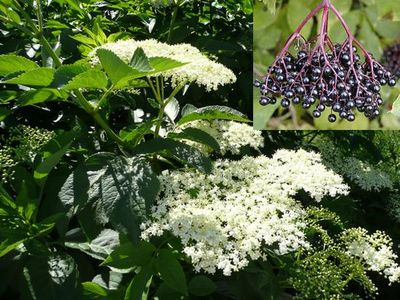 Black elderSambucus nigra
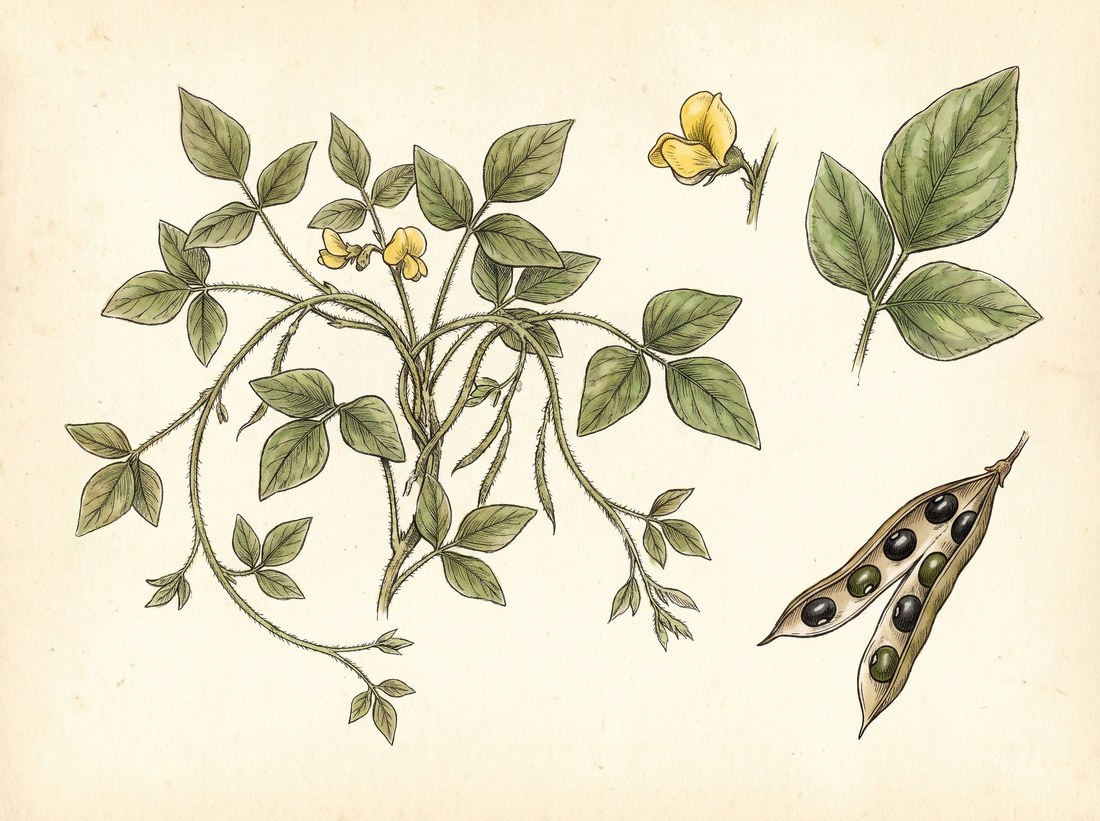 Black gramVigna mungo
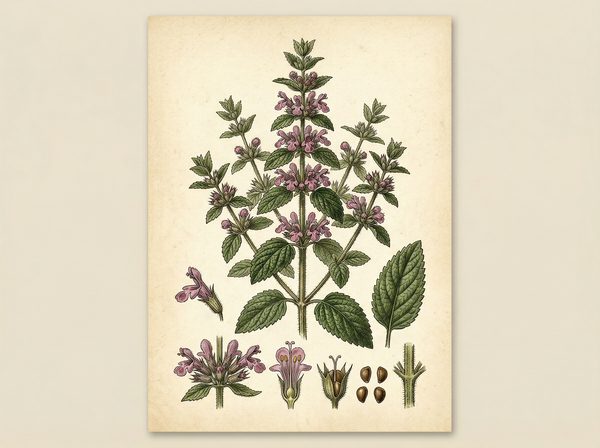 Black HorehoundBallota nigra
 Black huckleberryVaccinium resinosum
 Black MustardSinapis Nigra
 Black nightshadeSolanum nigrum
 Black oil plantCelastrus paniculatus
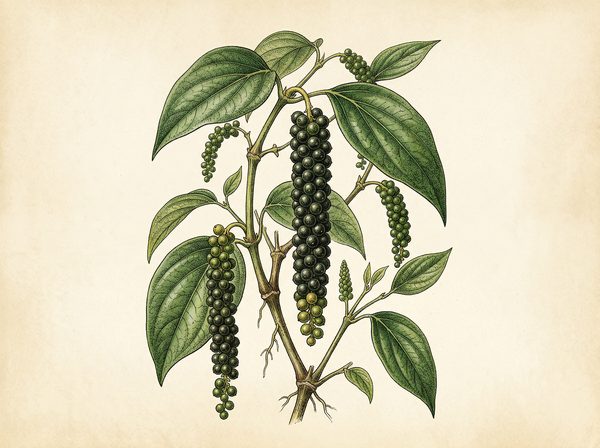 Black pepperPiper nigrum
The whole plate is in the library. The compass, Compare, the Sky of eleven hundred plants and the formulary open with an email address and a password, free, with the formula builder and its safety engine. Herbert without limit, his formulating, clients, the handouts and the labels are the paid room.
Open the library, free