Western Herbalism
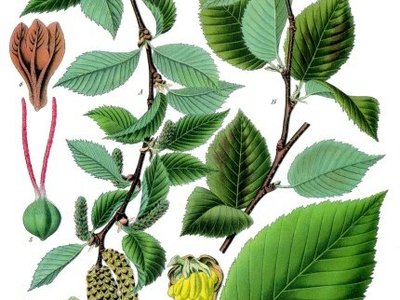
Black birch
Betula Lenta
Also known as Cherry birch, Sweet birch, Mahogany birch, Mountain mahogany.
Betula lenta is a medium to large forest tree of the eastern and middle United States, valued historically both for its dense, dark, richly grained timber and for its aromatic bark, which yields a wintergreen-like oil rich in methyl salicylate. The bark, twigs and leaves were used by Eclectic and physiomedical practitioners as a gentle diaphoretic and digestive remedy, while the distilled essential oil became an important topical analgesic for muscular and rheumatic complaints. Today the tree is chiefly known as one of the two principal natural sources of oil of wintergreen, the other being Gaultheria procumbens.

Ask Herbert about Black birch. Herbert is the master herbalist inside Bountiful Herbs: he answers from this plate and eleven hundred others, with dosing, pairing and cautions. Your first ten questions are free.
Ask HerbertActions
Indications what the tradition reached for it in
- Muscular and rheumatic pain
- Arthralgia
- Feverish colds with aching limbs
- Simple diarrhea
- Nausea with digestive upset
- Dysentery (adjunct)
- Gout
- Headache of feverish or rheumatic origin
- Sore throat (gargle)
Specific indications
Aching, feverish rheumatic pain that responds to gentle diaphoresis and warmth
Loose, watery stools in children accompanied by nausea and a hot, restless surface
Safety
Low dose botanical. Used in drop doses in the classical practice; not a plant to dose freely.
The record lists 4 contraindications; open the plate in the library to read them in full.
In practice
The warm infusion of the bark was traditionally given for feverish colds and for the bowel complaints of children, where it was said to promote a gentle sweat, settle nausea, and leave a mild astringent tone to the gut without the harshness of stronger astringents.
Dosing as the sources wrote it
| Preparation | As written | Metric |
|---|---|---|
| Bark infusion | 5-10 g dried bark as infusion, taken warm, up to three times daily | 5000-10000 mg |
| Tincture (1:5, 40%) | 2-4 mL three times daily | 2-4 mL |
| Essential oil (external only) | diluted to 1-5 percent in carrier oil, applied topically to affected area, up to three times daily | |
| Dose, 5 to 10 drops. | 0.1-0.2 mL |
Doses are reproduced from the sources for practitioners and are not a recommendation for any person.
From the sources
Overview. Betula lenta is a medium to large forest tree of the eastern and middle United States, valued historically both for its dense, dark, richly grained timber and for its aromatic bark, which yields a wintergreen-like oil rich in methyl salicylate. The bark, twigs and leaves were used by Eclectic and physiomedical practitioners as a gentle diaphoretic and digestive remedy, while the distilled essential oil became an important topical analgesic for muscular and rheumatic complaints. Today the tree is chiefly known as one of the two principal natural sources of oil of wintergreen, the other being Gaultheria procumbens.
Clinical Notes. The warm infusion of the bark was traditionally given for feverish colds and for the bowel complaints of children, where it was said to promote a gentle sweat, settle nausea, and leave a mild astringent tone to the gut without the harshness of stronger astringents.
Properties and Uses. The bark is a mild nervine relaxant and stimulant; promoting gentle action on the skin, if given in warm infusion; leaving behind a slightly tonic and astringent impression on the stomach and bowels. It is most serviceable in diarrhea, cholera infantum, and similar complaints of the bowels-in which it promotes perspiration, quiets the stomach, and relieves nausea, and promotes just that mild tonicity which is allowable in such cases.
Action, Medical Uses, and Dosage. Wintergreen possesses stimulant, aromatic, and astringent properties. It is used in infusion as an astringent in chronic mucous discharges, as a diuretic in dysuria, as an emmenagogue, as a stimulant in cases of debility, and is said to augment the flow from the lactiferous vessels of nursing women, but this is doubtful.
Drawn from Cook's Physio-Medical Dispensatory; King's American Dispensatory, 18th edition (Felter and Lloyd), and the Bountiful Herbs editorial.
Often paired with
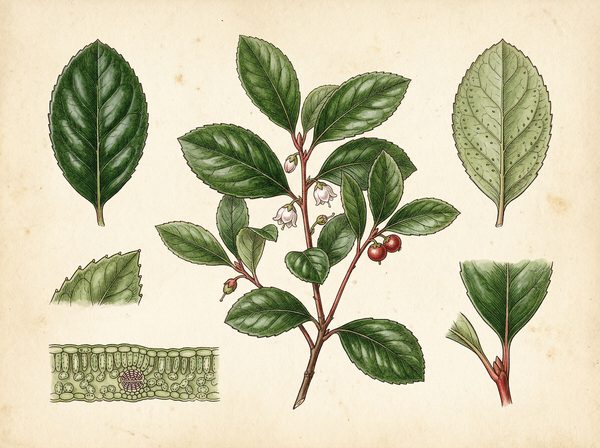 WintergreenGaultheria procumbens
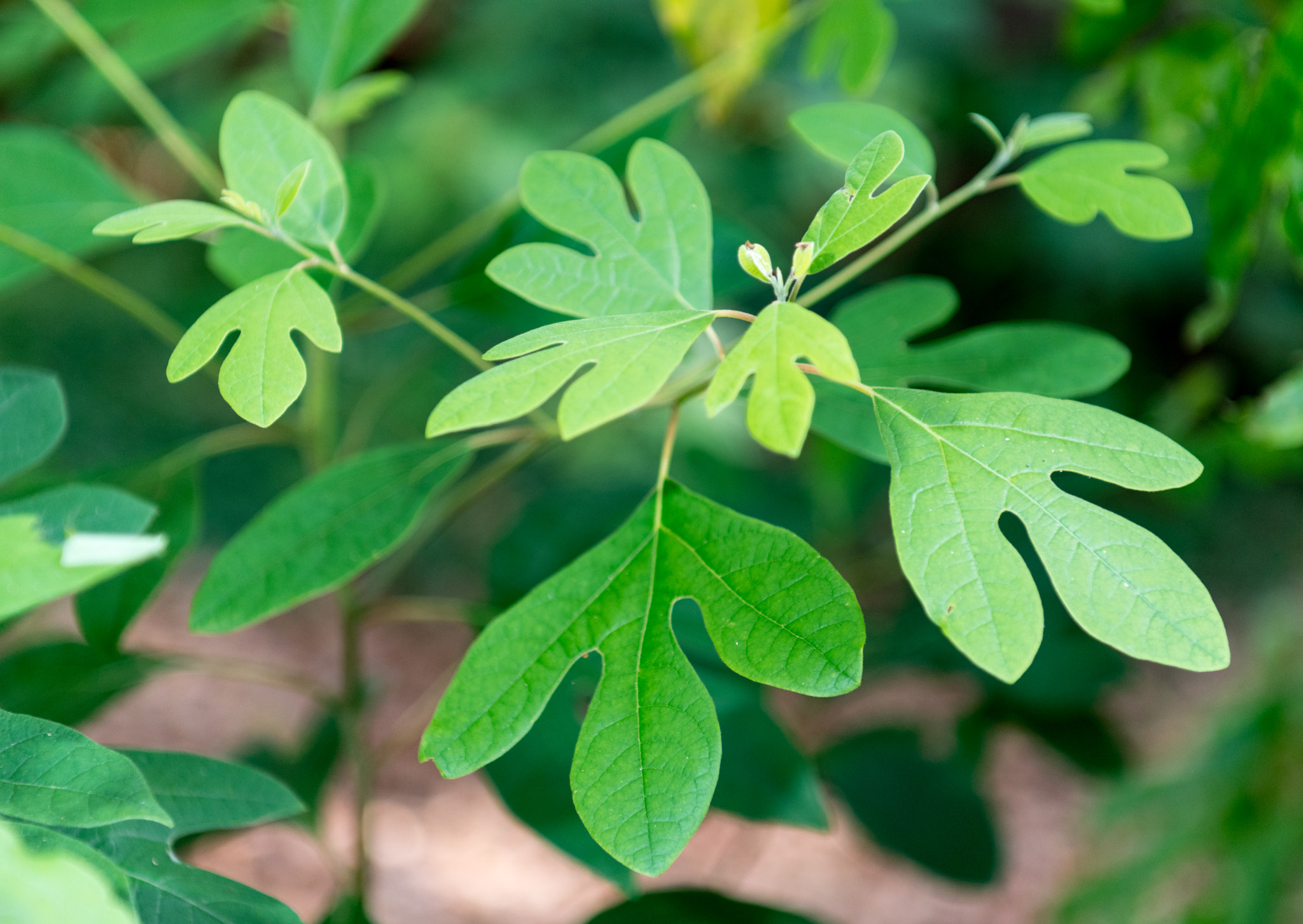 SassafrasSassafras albidum
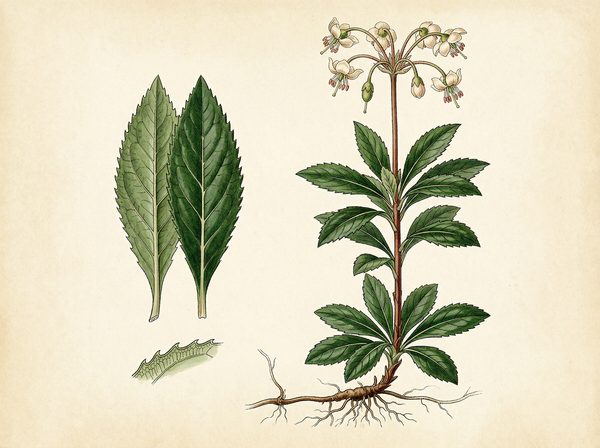 PipsissewaChimaphila umbellata
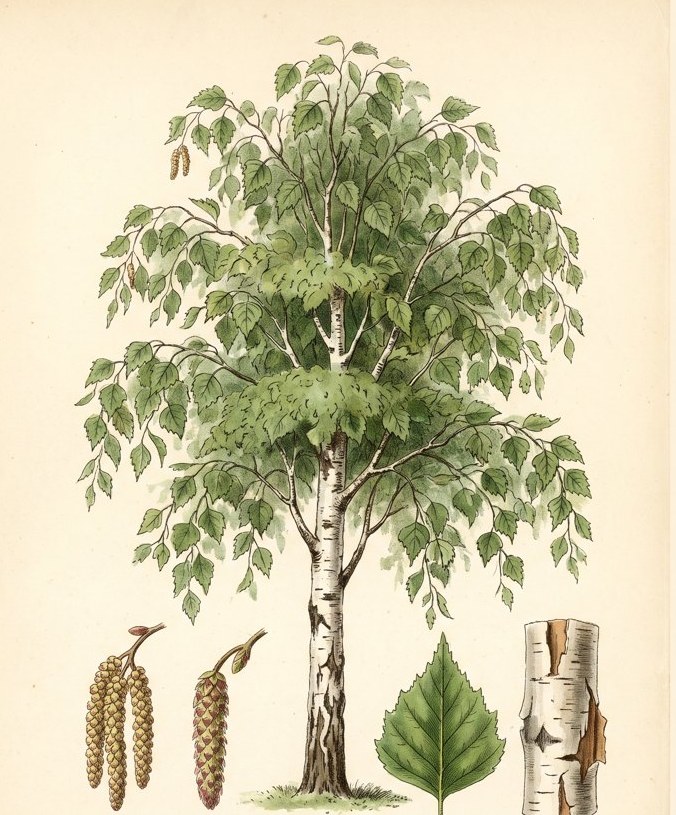 BirchBetula pendula
Nearby on the shelf
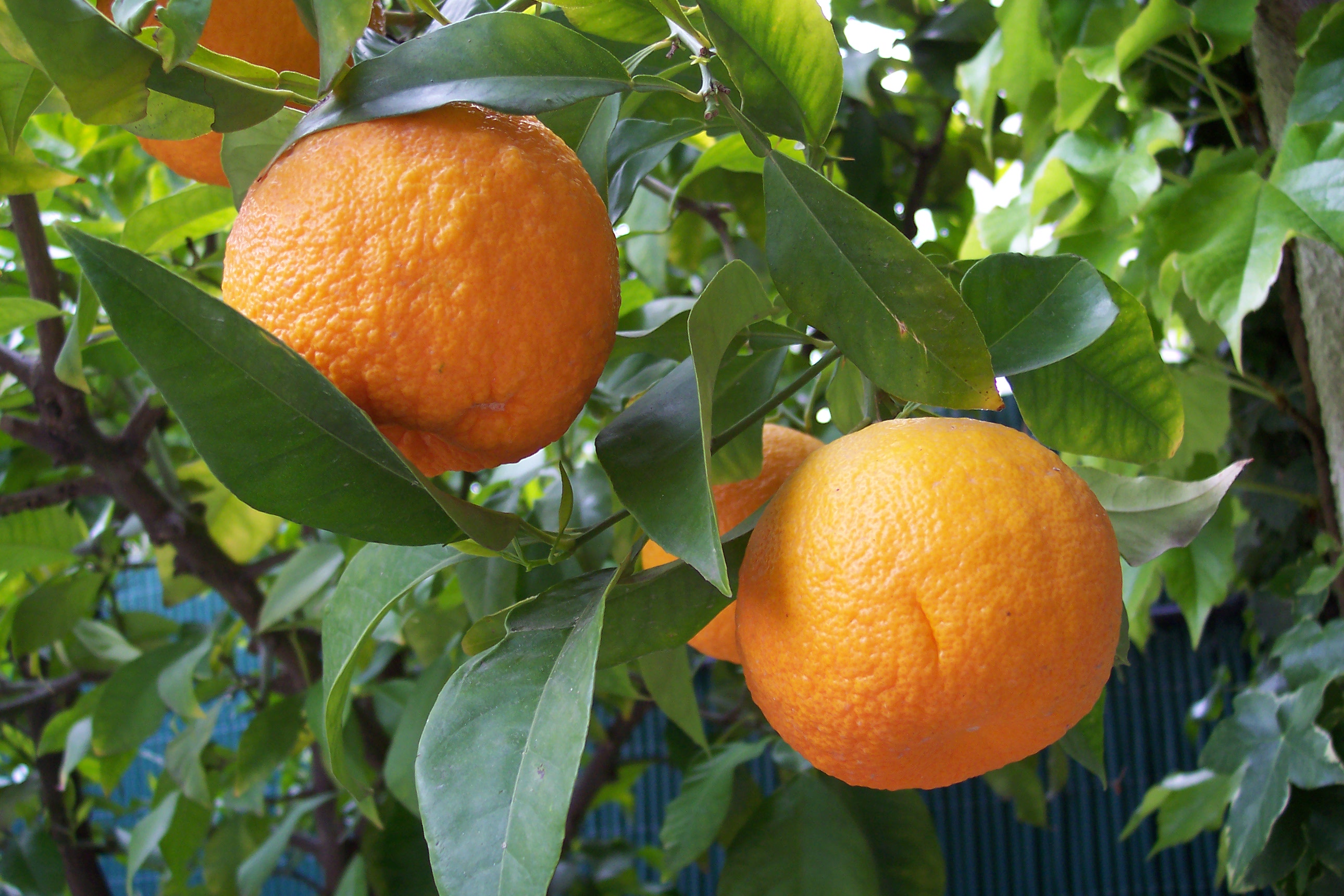 Bitter OrangeCitrus aurantium
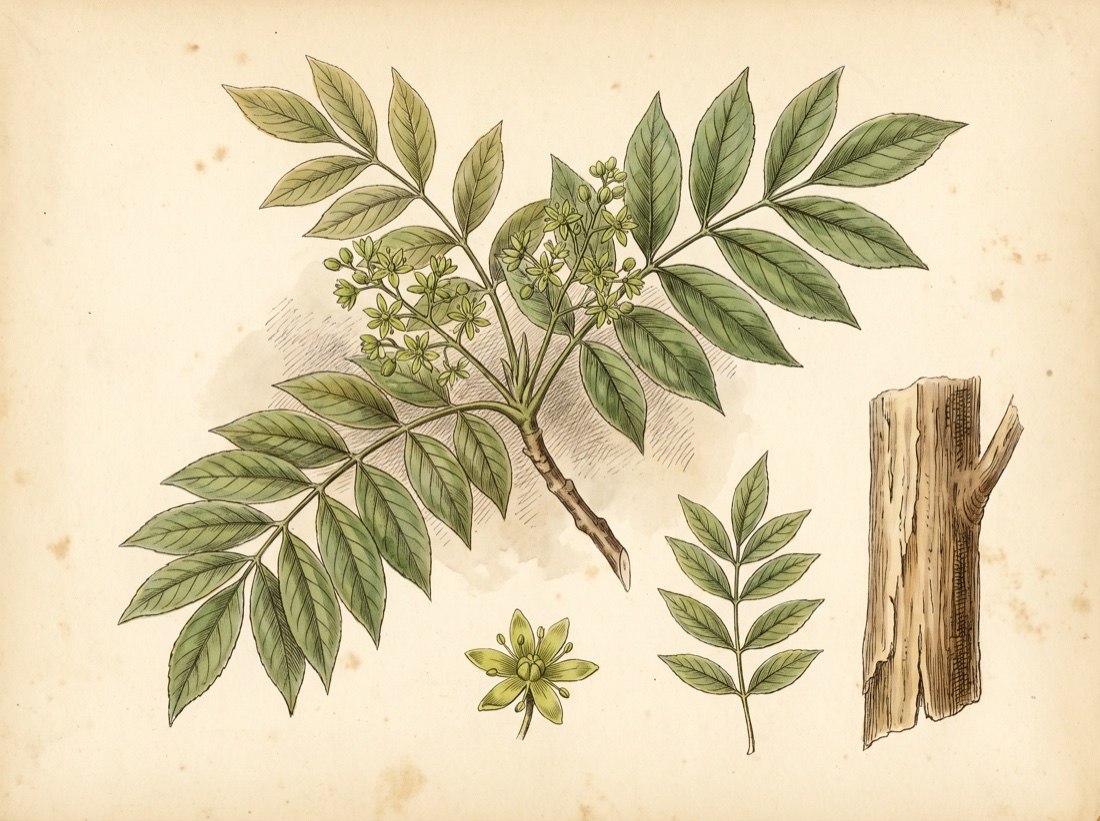 BitterwoodPicrasma excelsa
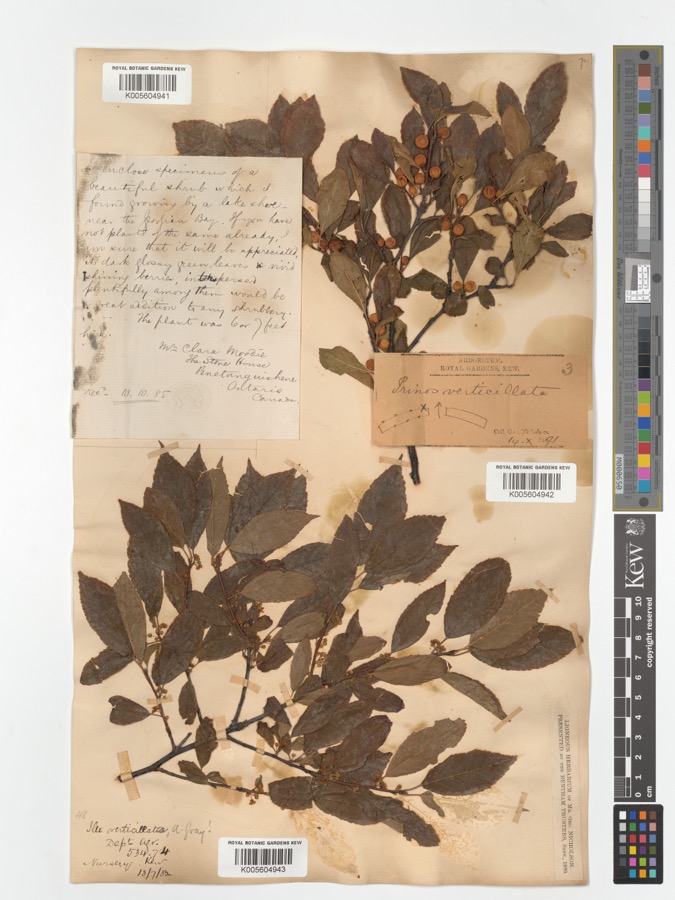 Black alderPrinos verticillatos
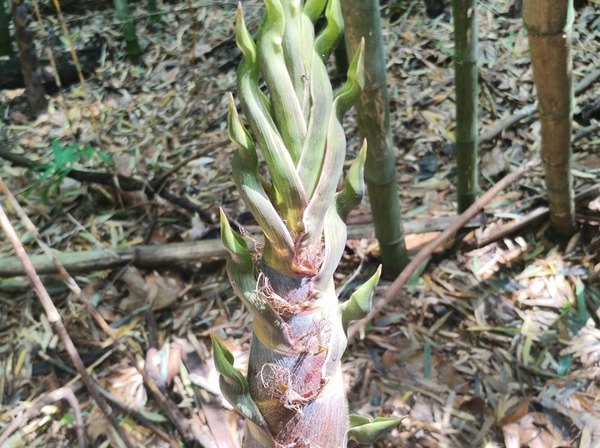 Black BambooPhyllostachys nigra
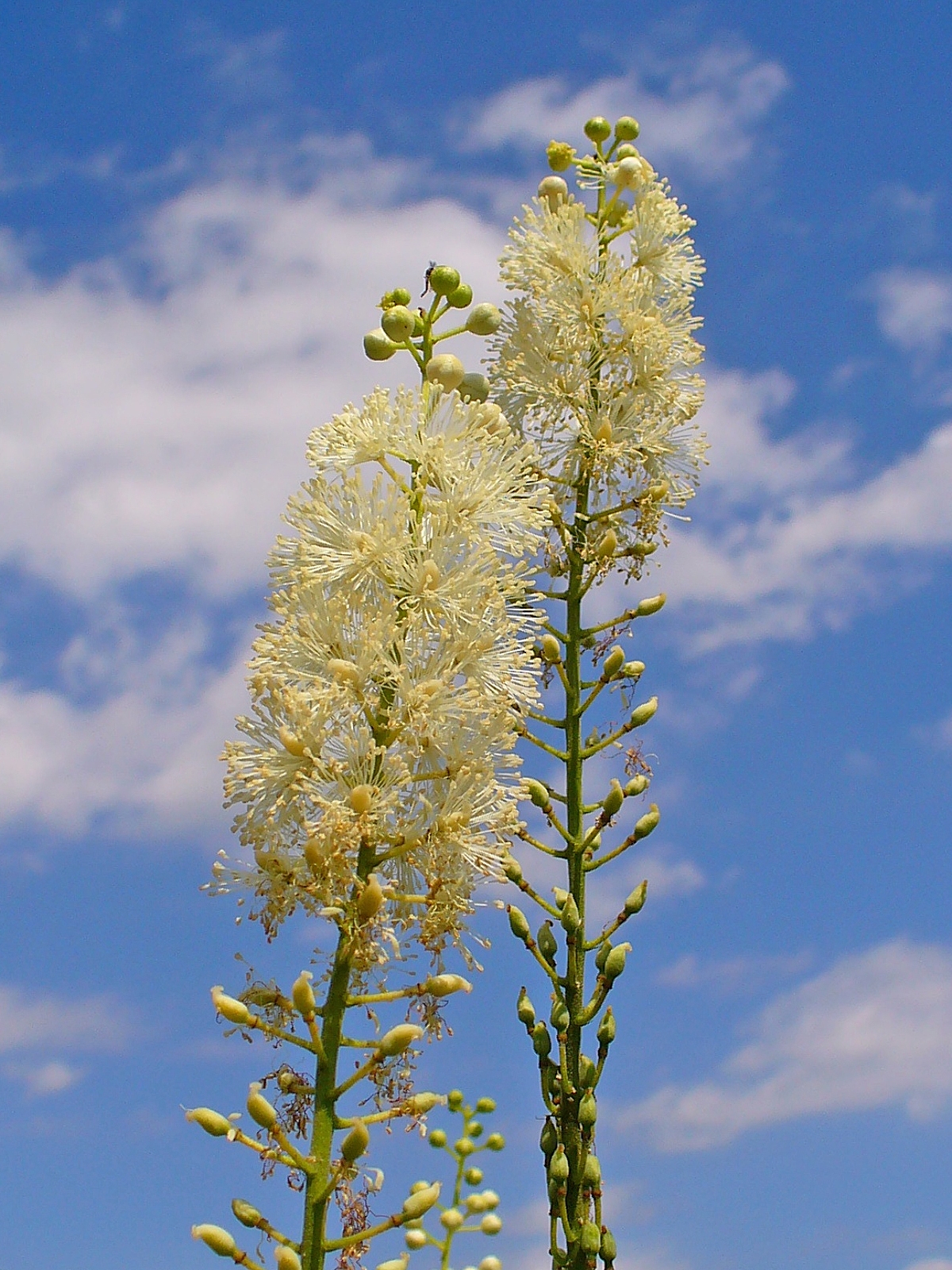 Black cohoshActaea racemosa
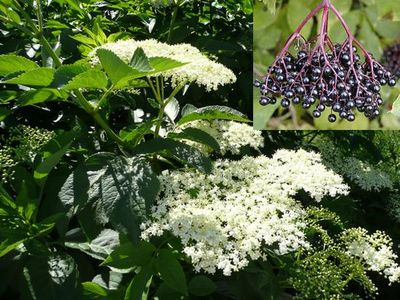 Black elderSambucus nigra
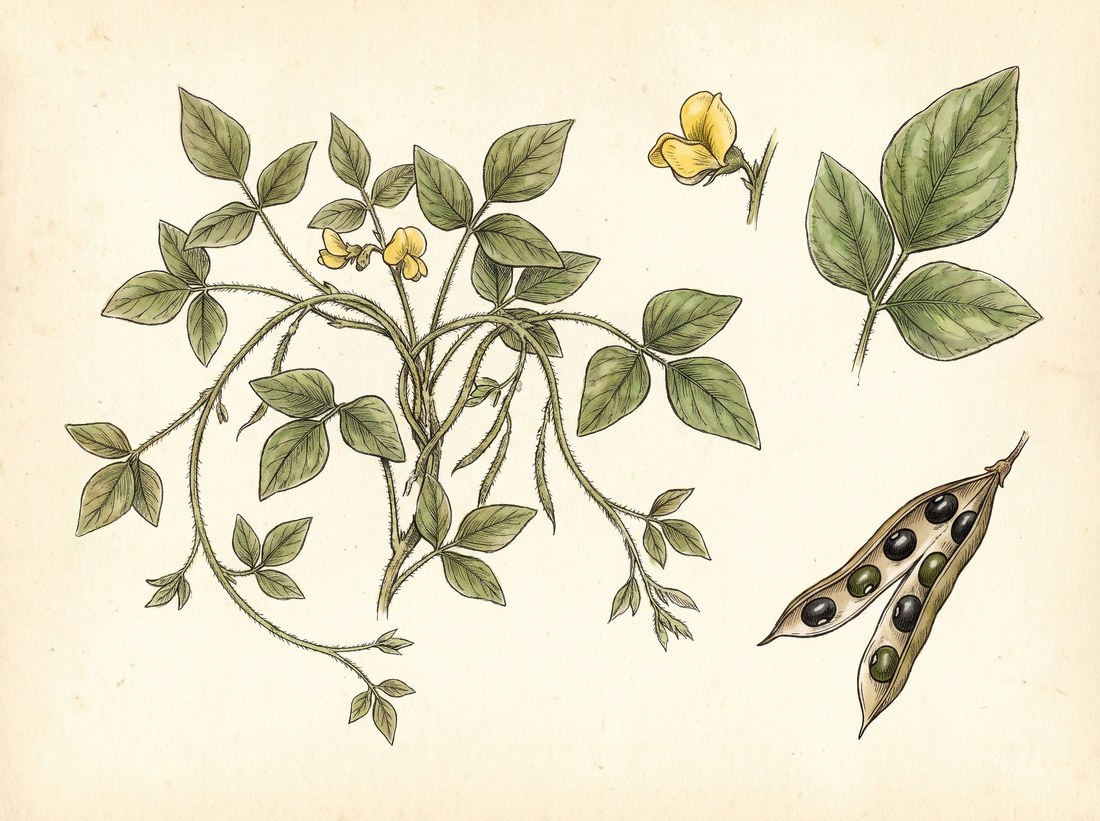 Black gramVigna mungo
 Black HorehoundBallota nigra
The whole plate is in the library. The compass, Compare, the Sky of eleven hundred plants and the formulary open with an email address and a password, free, with the formula builder and its safety engine. Herbert without limit, his formulating, clients, the handouts and the labels are the paid room.
Open the library, free