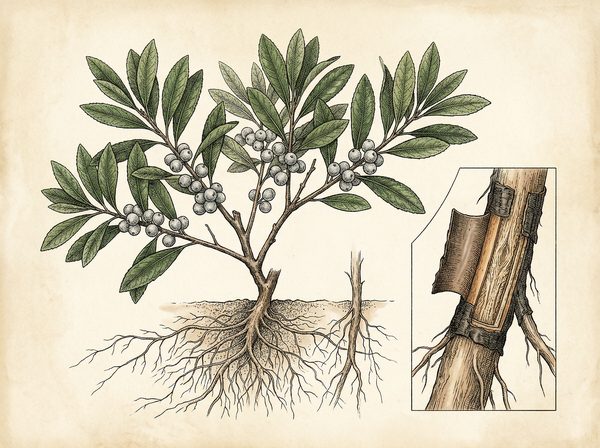
Western Herbalism
Bayberry
Myrica cerifera
Also known as Wax-myrtle, Candleberry Bark, Southern Bayberry, Southern Wax Myrtle, Wax Myrtle Bark, Candleberry, Beeswax plant, Wax-berry.
Small doses preferred as larger doses emetic Topical use for gums, ulcers, sore throat Key in historical Thomsonian practice (Composition Powder) Antibiotic effects from myricitrin support diarrheal uses

Ask Herbert about Bayberry. Herbert is the master herbalist inside Bountiful Herbs: he answers from this plate and eleven hundred others, with dosing, pairing and cautions. Your first ten questions are free.
Ask HerbertActions
Indications what the tradition reached for it in
- Tuberculosis
- Liver conditions
- Typhoid dysentery
- Mucous colitis
- Indolent ulcers
- Skin wounds
- Aphthae
- Uterine prolapse
- Scrofula
- Skin ulcer
- Bleeding gums
- Congestive catarrhal conditions of mucous membranes
- Spongy gums
- Leukorrhea
- Chronic catarrhal diarrhea
- Head colds
- Colitis
- Chronic gastritis
- Nausea
- Leg ulcer
- Colds
- Jaundice
- Muco-enteritis
- Diarrhea
- Fever
- Enteric infections
- Dysentery
- Profuse mucous discharges
- Sore throat
- Scarlet fever sore throat
Specific indications
Profuse mucous discharges, with atony of the circulation; sore mouth and sore throat.
Safety
Low dose botanical. Used in drop doses in the classical practice; not a plant to dose freely.
Pregnancy: Pregnancy Caution
Breastfeeding: Lactation (source flag notSafeInLactation)
The record lists 3 contraindications; open the plate in the library to read them in full.
Dosing as the sources wrote it
| Preparation | As written | Metric |
|---|---|---|
| Tincture | Tincture (1:5) 0.6-2 mL or 5-15 mL daily | 0.6-2 mL |
| Dried root bark decoction/tea | Dried root bark decoction/tea 0.6-2 g or 4-15 g daily | 600-2000 mg |
| Powdered bark | Powdered bark 20-30 grains | 1296-1944 mg |
| Specific extract | Specific extract 2-20 drops | 0.04-0.4 mL |
| Powdered bark 0.6-2.0 g by infusion or decoction three times daily | 600-2000 mg | |
| (G7) Liquid extract 0.6-2.0 mL (1 : 1 in 45% alcohol) three times daily .(G7) | 0.6-2 mL |
Doses are reproduced from the sources for practitioners and are not a recommendation for any person.
From the sources
Clinical Notes. Small doses preferred as larger doses emetic Topical use for gums, ulcers, sore throat Key in historical Thomsonian practice (Composition Powder) Antibiotic effects from myricitrin support diarrheal uses
Clinical Notes. Valued in Eclectic and Thomsonian medicine as stimulating astringent Excellent for relaxed/flabby tissues with hypersecretion Specific for catarrhal states with poor circulation Combine with relaxants for colds, capsicum for hemorrhage, hydrastis for oral issues Root bark collected in fall Wax used for dysentery Not a low-dose toxic herb but large doses emetic
Action and Therapy. External. Bayberry, in powder, decoction, or specific medicine, may be applied for the relief of spongy, flabby, and bleeding gums, the sore throat of scarlatina with enfeebled and swollen tissues, and to aphthous and indolent ulcerations.
Therapy. It is a remedy for those conditions where the vital powers are at low ebb. It aids the nutrition, stimulating the absorption of food, and promotes the restoration of depraved blood. It is considered a valuable alterative.
Drawn from Cook's Physio-Medical Dispensatory; Scudder's Specific Medication and Specific Medicines; King's American Dispensatory, 18th edition (Felter and Lloyd); Ellingwood's American Materia Medica, Therapeutics and Pharmacognosy, and the Bountiful Herbs editorial.
Often paired with
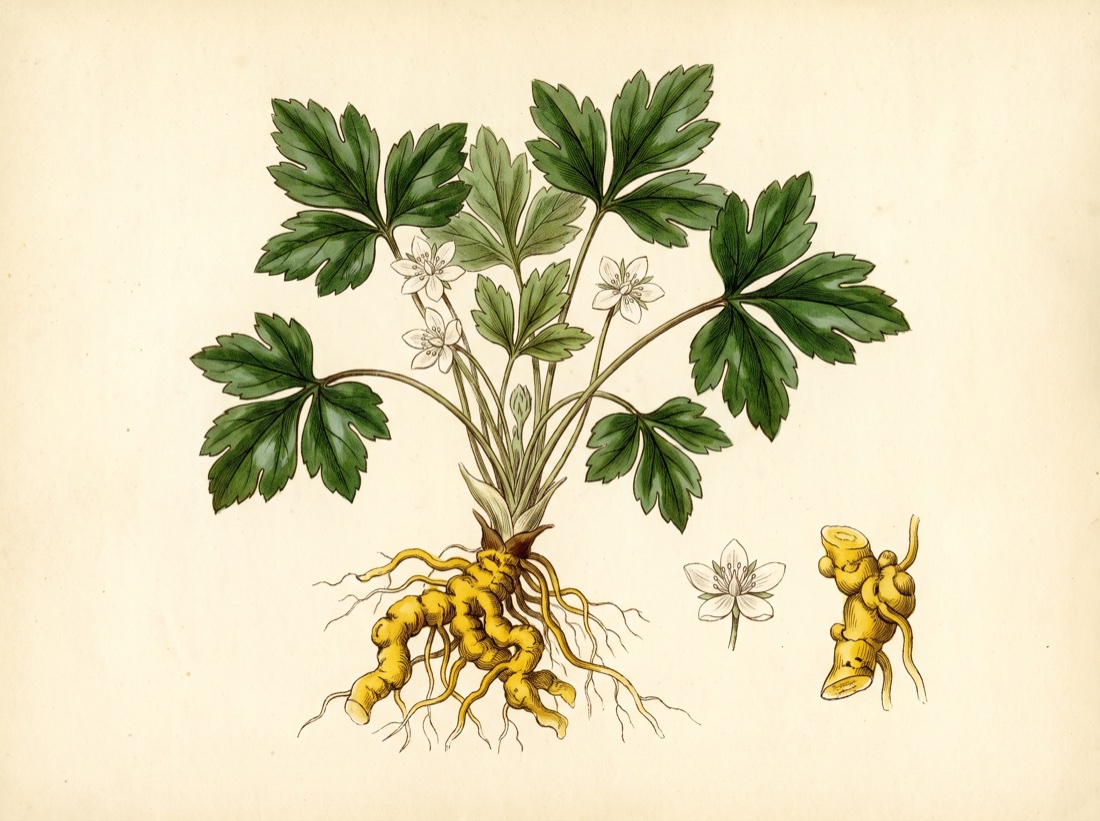 Chinese goldthreadCoptis chinensis
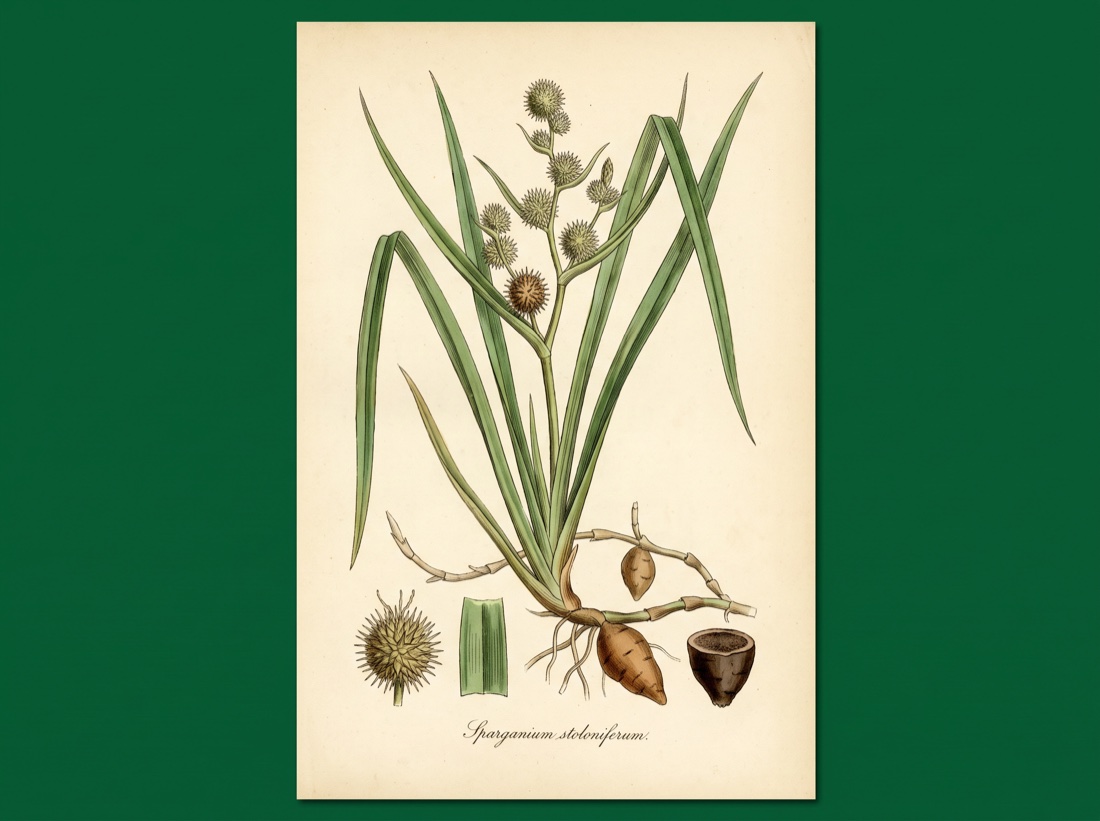 bur-reed rhizomeSparganium stoloniferum
 Licorice rootGlycyrrhiza glabra
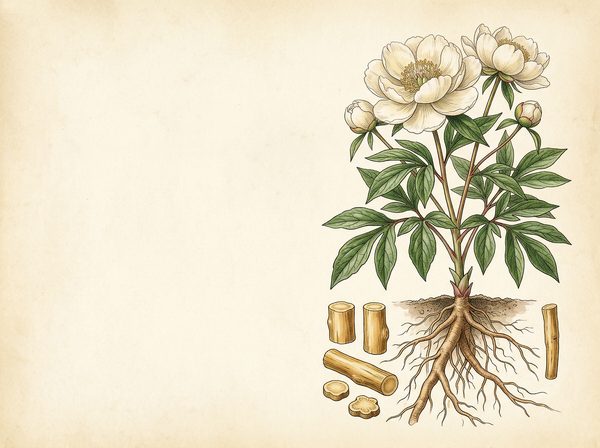 White PeonyPaeonia lactiflora
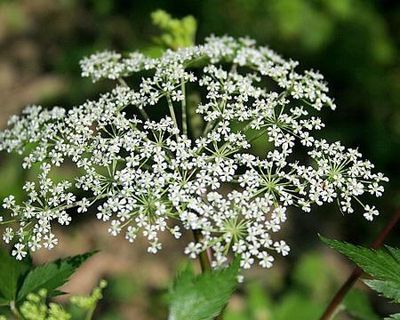 Dong QuaiAngelica sinensis
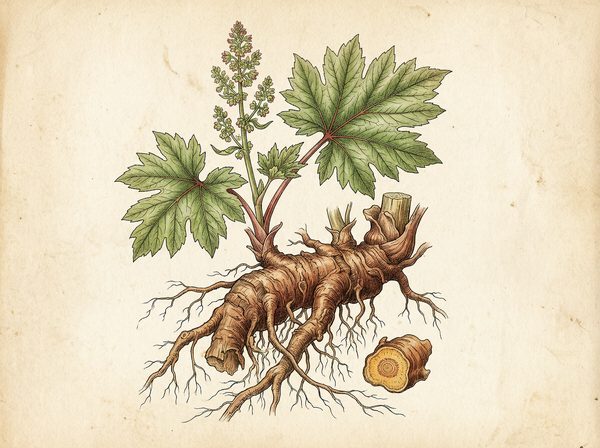 Chinese RhubarbRheum palmatum
Nearby on the shelf
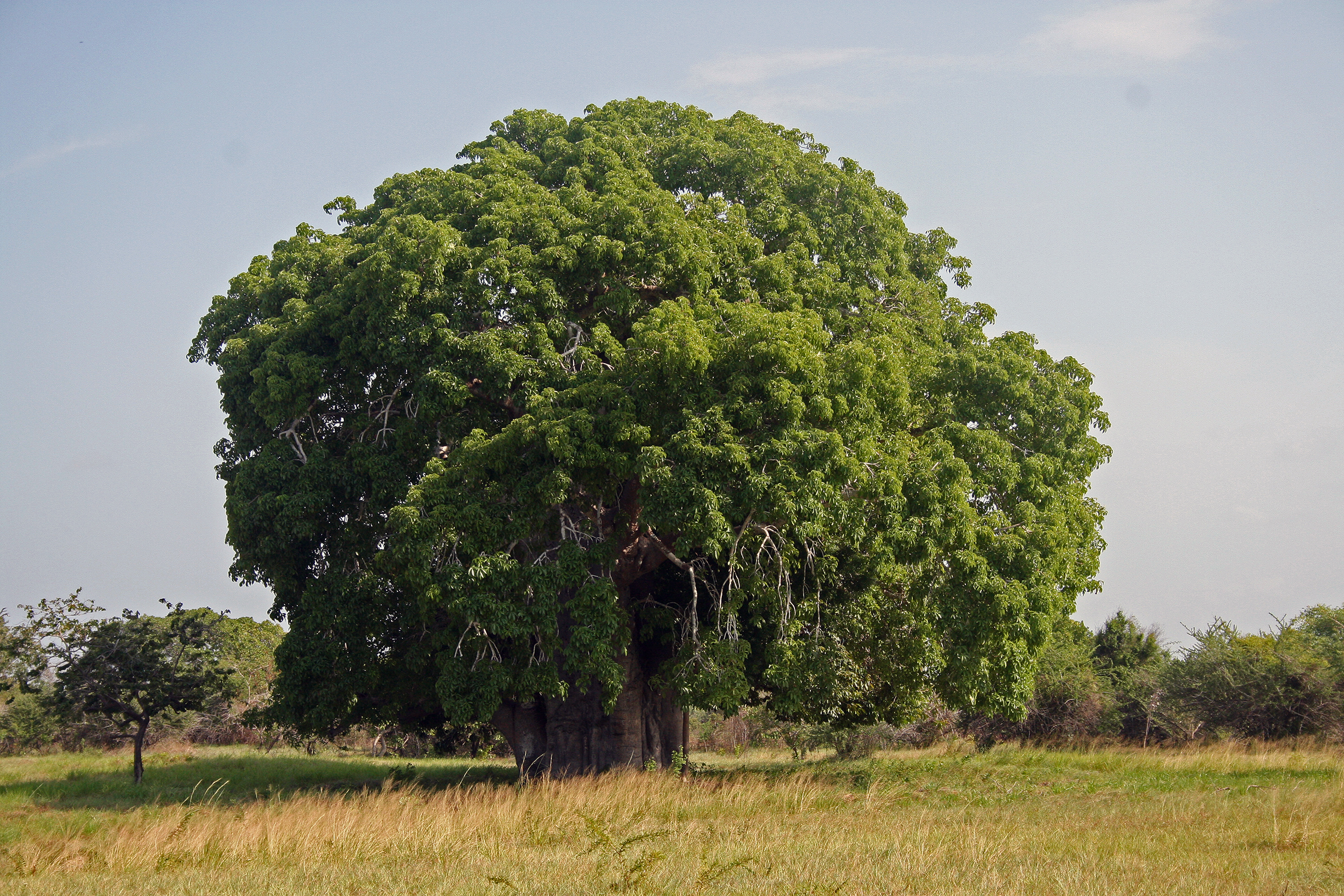 BaobabAdansonia
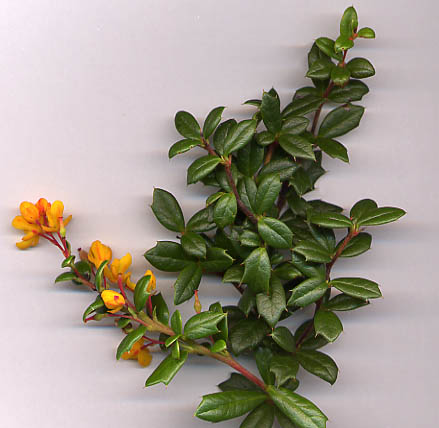 BarberryBerberis vulgaris
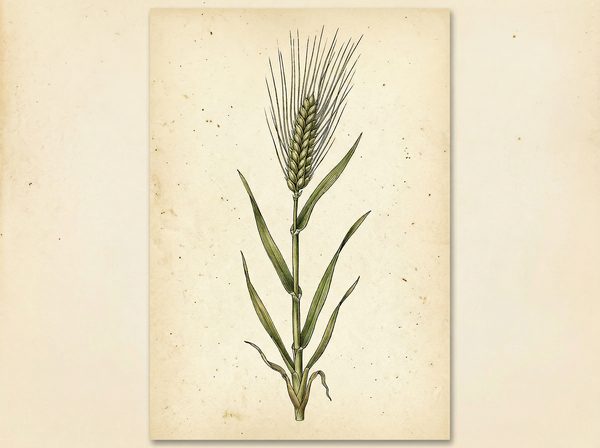 BarleyHordeum vulgare
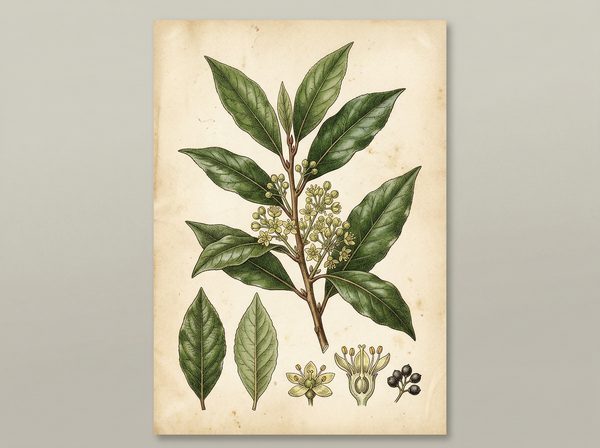 Bay LaurelLaurus nobilis
 BearberryArctostaphylos uva-ursi
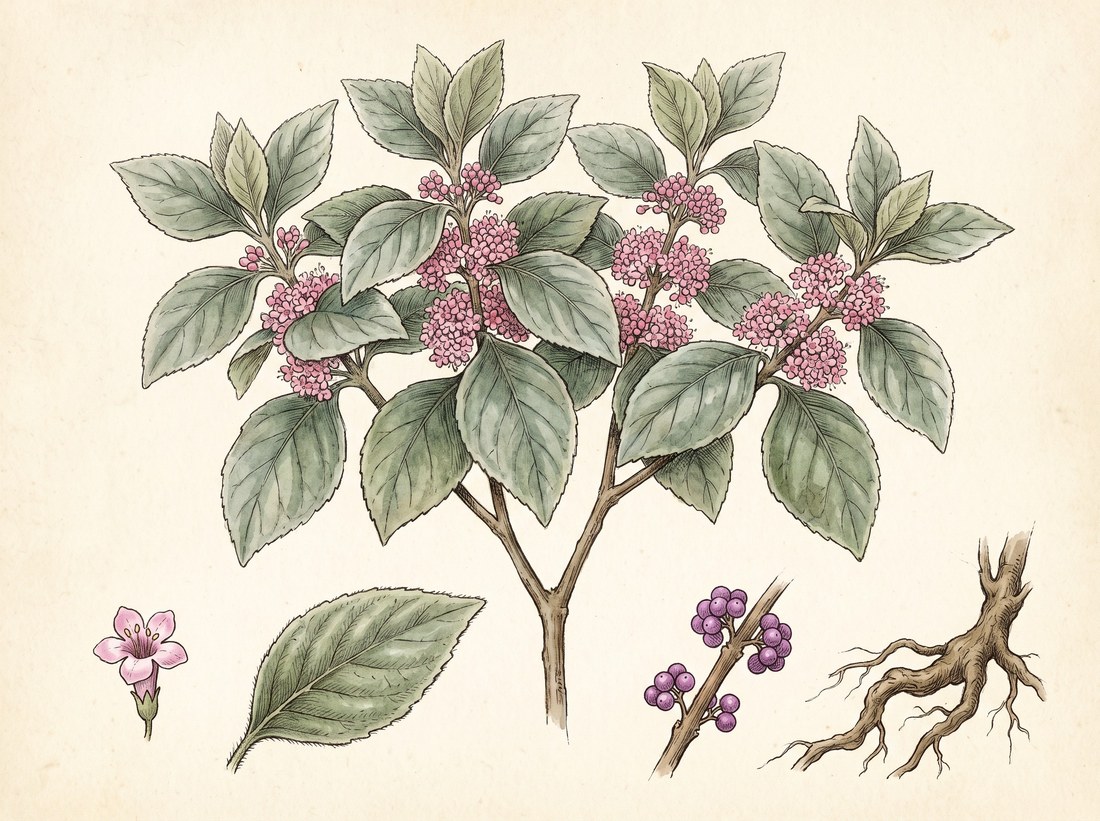 BeautyberryCallicarpa macrophylla
 BebeeruNectandra rodiei
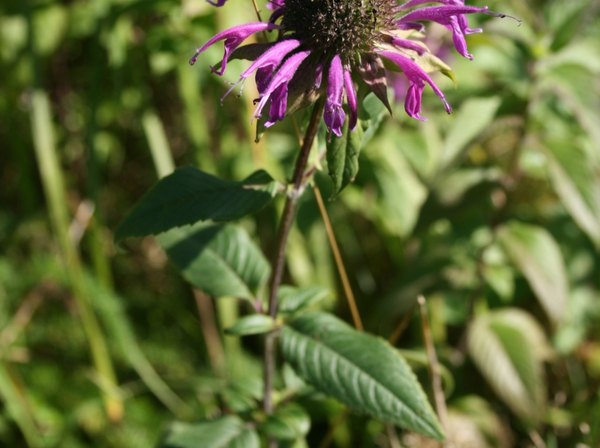 Bee BalmMonarda didyma
The whole plate is in the library. The compass, Compare, the Sky of eleven hundred plants and the formulary open with an email address and a password, free, with the formula builder and its safety engine. Herbert without limit, his formulating, clients, the handouts and the labels are the paid room.
Open the library, free