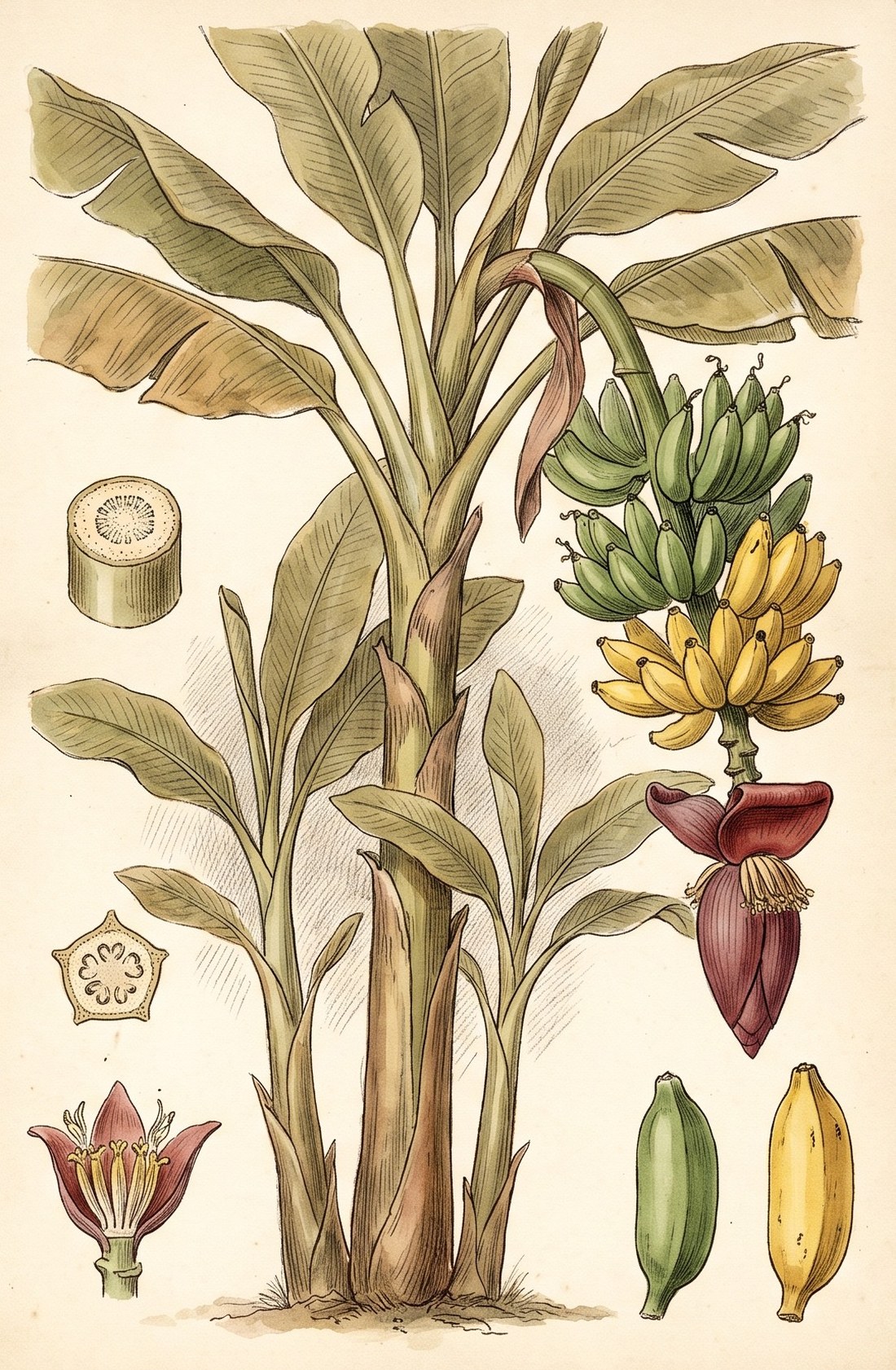
Ayurvedic Herbalism
Banana
Musa paradisiaca
Also known as plantain, cooking banana, French plantain, kela, Kadali, Rambha, Mocha.
Musa paradisiaca, the cultivated banana and plantain, now formally Musa x paradisiaca, is a giant herbaceous hybrid grown across every wet and irrigated district of India from Kerala and Tamil Nadu to Bengal, Assam and Gujarat. Ayurveda names it Kadali and uses the whole plant: the ripe fruit as a sweet, cooling, nourishing food, the unripe fruit and flower as astringents for diarrhea, ulcers and bleeding, the stem juice and alkaline ash as diuretics for stones, and the leaf as a clean dressing and plate. Few plants sit so completely on the line between food and medicine.

Ask Herbert about Banana. Herbert is the master herbalist inside Bountiful Herbs: he answers from this plate and eleven hundred others, with dosing, pairing and cautions. Your first ten questions are free.
Ask HerbertActions
Indications what the tradition reached for it in
- Acute and persistent diarrhea in children (cooked green banana)
- Peptic ulcer and gastritis (unripe fruit powder)
- Hyperacidity and reflux (ripe and unripe fruit)
- Heavy menstrual bleeding and leukorrhea (flower)
- Bleeding from the bowel or hemorrhoids (flower, stem juice)
- Urinary stones and painful urination (stem juice)
- Type 2 diabetes (flower and stem as vegetables, adjunct)
- Dysbiosis and irritable bowel with loose stools (resistant starch)
- Convalescence, low weight and weakness (ripe fruit)
- Wounds, burns and ulcers (leaf dressing, rhizome paste)
- Excess thirst and burning in fever (fruit and stem)
Specific indications
A child with persistent watery diarrhea who is losing weight and needs a food that binds, feeds and restores the gut at once
A pitta patient with burning gastritis or an ulcer, hunger pain and acid reflux who needs a soothing mucosal protective rather than a bitter
A woman with heavy periods, a hot constitution and a tendency to anemia, for whom the cooked banana flower is a daily food-medicine
Painful urination with gravel and burning in a hot climate, where the fresh stem juice is drunk as a diuretic
Safety
The record lists 8 contraindications; open the plate in the library to read them in full.
In practice
Kadali is medicine you can eat. For diarrhea and dysentery the green fruit is boiled or steamed and mashed, or dried and powdered and cooked into a gruel with rice, and given several times a day; the tradition and modern pediatric trials agree that it shortens the illness and rebuilds the gut.
In Ayurveda
Rasa: ripe fruit: madhura (sweet), kashaya (astringent); unripe fruit and flower: kashaya (astringent), madhura (sweet); stem: kashaya, madhura. Virya: sheeta (cooling). Vipaka: madhura (sweet). Guna: guru (heavy), snigdha (unctuous), picchila (slimy). Dosha: pacifies vata and pitta; increases kapha, especially the ripe fruit. Karma: brimhana (nourishing, builds tissue); balya (strengthening); vrishya (aphrodisiac, ripe fruit); pittahara (pacifies pitta); dahaprashamana (relieves burning); trishnanigrahana (relieves thirst); raktapittahara (checks bleeding, flower and stem); grahi (binds the bowel, unripe fruit and flower); mutrala (diuretic, stem juice); ashmarighna (breaks urinary stones, stem juice and rhizome); vranaropana (heals wounds and ulcers); krimighna (anthelmintic, flower). Classical indications: raktapitta (bleeding disorders); pradara (excessive menstrual and vaginal discharge, flower); atisara (diarrhea, unripe fruit and flower); pravahika (dysentery); grahani (malabsorption); ashmari (urinary stones, stem juice); mutrakrichra (painful urination); prameha (urinary disorders including diabetes, flower and stem); daha (burning sensation); trishna (thirst); kshaya (wasting, ripe fruit); amlapitta (hyperacidity, unripe fruit and ripe fruit); vrana (wounds, leaf dressing and rhizome paste). The unripe fruit is cooked or dried and powdered for diarrhea and ulcers; the flower is cooked as a vegetable and given for bleeding and prameha; the fresh stem pith juice is a diuretic for stones; the rhizome juice and paste are used for bleeding and wounds; the whole plant is burned to make Kadali kshara for urinary stones and abdominal disorders; the ripe fruit is a nourishing food; the leaf is a sterile wound dressing. Classical formulations: Kadali kshara, Kadali kanda swarasa, Kadali pushpa (flower) preparations, Kadali phala churna (unripe fruit powder), Kadali patra bandhana (leaf dressing), Rambha kshara. Described in: Charaka Samhita, Sushruta Samhita, Ashtanga Hridaya, Bhavaprakasha Nighantu, Dhanvantari Nighantu, Raja Nighantu, Kaiyadeva Nighantu.
Dosing as the sources wrote it
| Preparation | As written | Metric |
|---|---|---|
| Unripe fruit, cooked | 100-250 g cooked green banana daily in divided doses | 100000-250000 mg |
| Churna (unripe fruit) | 3-6 g dried unripe fruit powder twice daily before meals with water or milk | 3000-6000 mg |
| Swarasa (stem) | 30-60 mL fresh stem pith juice once daily in the morning | 30-60 mL |
| Flower, cooked | 50-100 g cooked banana flower daily as a vegetable | 50000-100000 mg |
| Kshara | 250-500 mg Kadali kshara twice daily with water or ghee | 250-500 mg |
| Lepa, topical | 10-20 g rhizome paste applied to wounds or boils | 10000-20000 mg |
Doses are reproduced from the sources for practitioners and are not a recommendation for any person.
From the sources
Overview. Musa paradisiaca, the cultivated banana and plantain, now formally Musa x paradisiaca, is a giant herbaceous hybrid grown across every wet and irrigated district of India from Kerala and Tamil Nadu to Bengal, Assam and Gujarat. Ayurveda names it Kadali and uses the whole plant: the ripe fruit as a sweet, cooling, nourishing food, the unripe fruit and flower as astringents for diarrhea, ulcers and bleeding, the stem juice and alkaline ash as diuretics for stones, and the leaf as a clean dressing and plate. Few plants sit so completely on the line between food and medicine.
Clinical Notes. Kadali is medicine you can eat. For diarrhea and dysentery the green fruit is boiled or steamed and mashed, or dried and powdered and cooked into a gruel with rice, and given several times a day; the tradition and modern pediatric trials agree that it shortens the illness and rebuilds the gut.
Ayurvedic Profile. Rasa: ripe fruit: madhura (sweet), kashaya (astringent); unripe fruit and flower: kashaya (astringent), madhura (sweet); stem: kashaya, madhura. Virya: sheeta (cooling). Vipaka: madhura (sweet). Guna: guru (heavy), snigdha (unctuous), picchila (slimy).
In formulas
Banana stands in 6 documented formulas in the library, among them Abhraka Bhasma, Vasantakusumākara Rasa, Kṣāra Taila, Akīka Piṣṭi, Akīka Bhasma, Hemanātha Rasa.
Often paired with
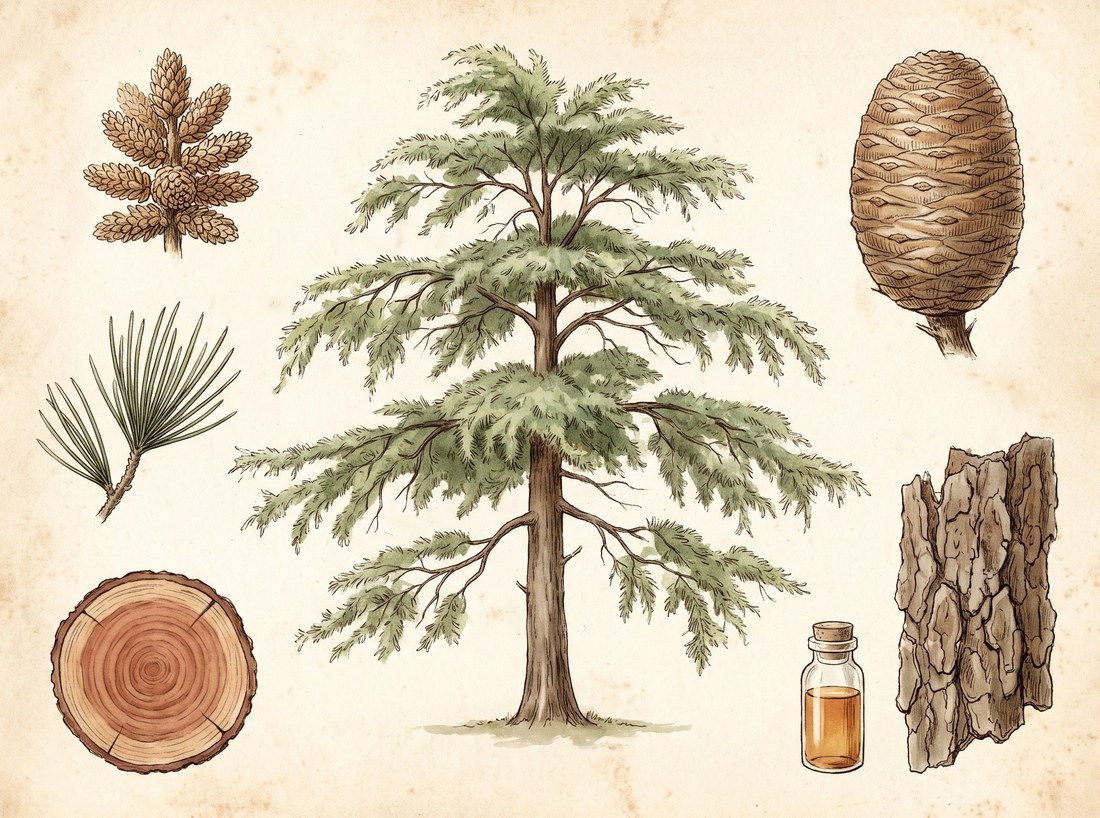 Himalayan cedarCedrus deodara
 nut grassCyperus rotundus
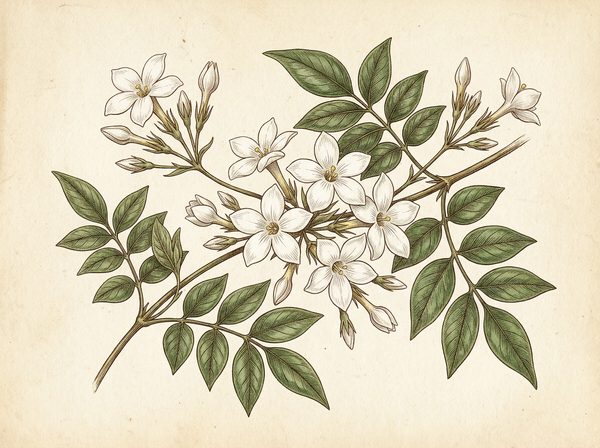 jasmineJasminum officinale
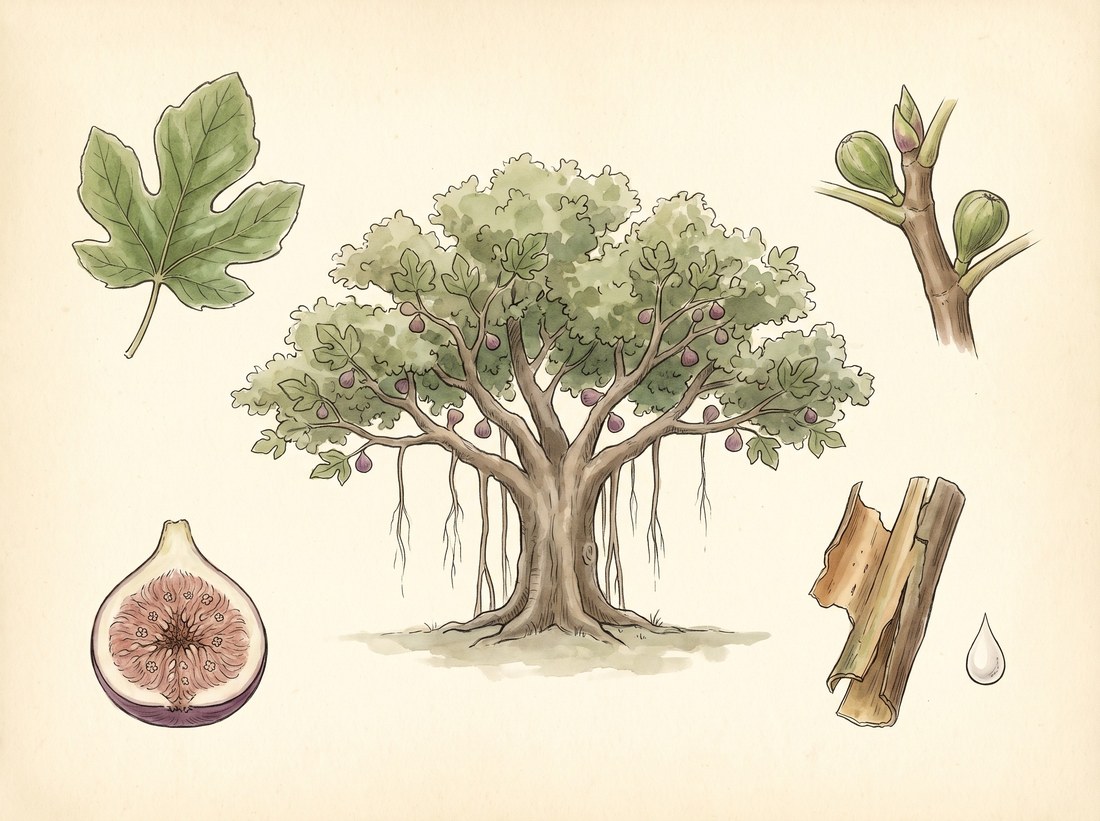 white figFicus lacor
 Opium poppyPapaver somniferum
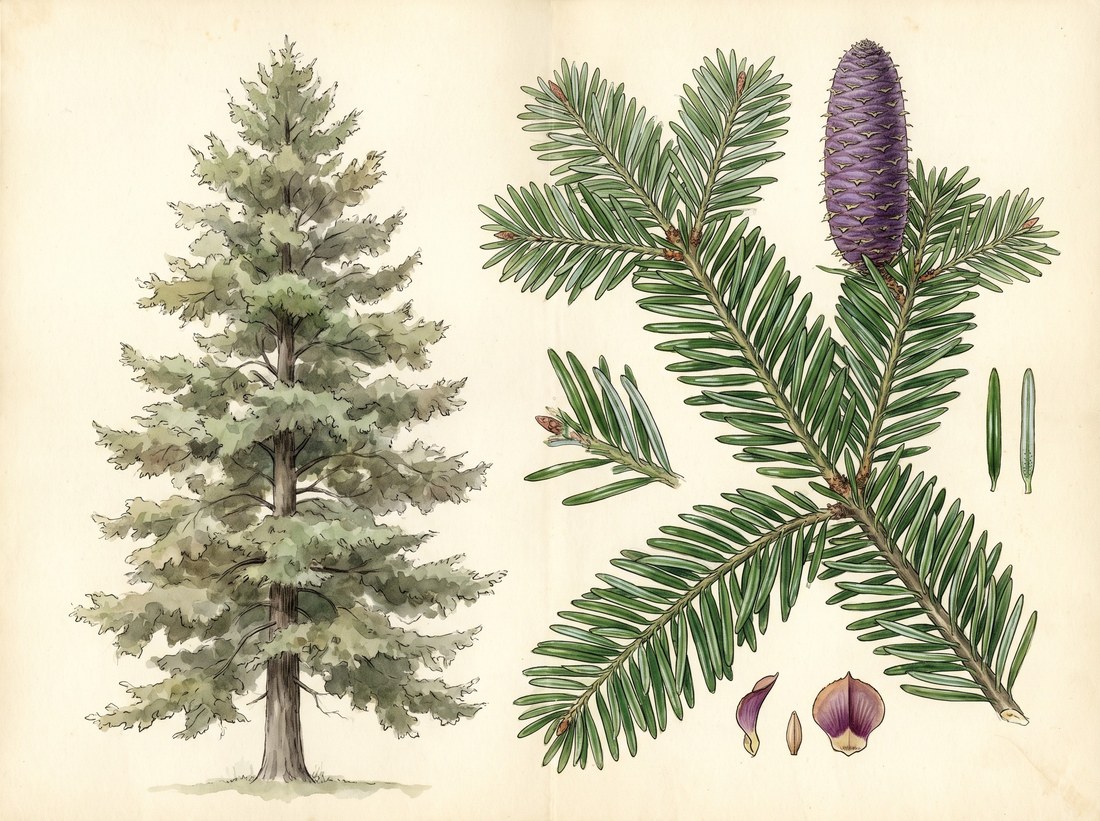 Himalayan silver firAbies webbiana
Nearby on the shelf
 Balsam of PeruMyrospermum peruiferum
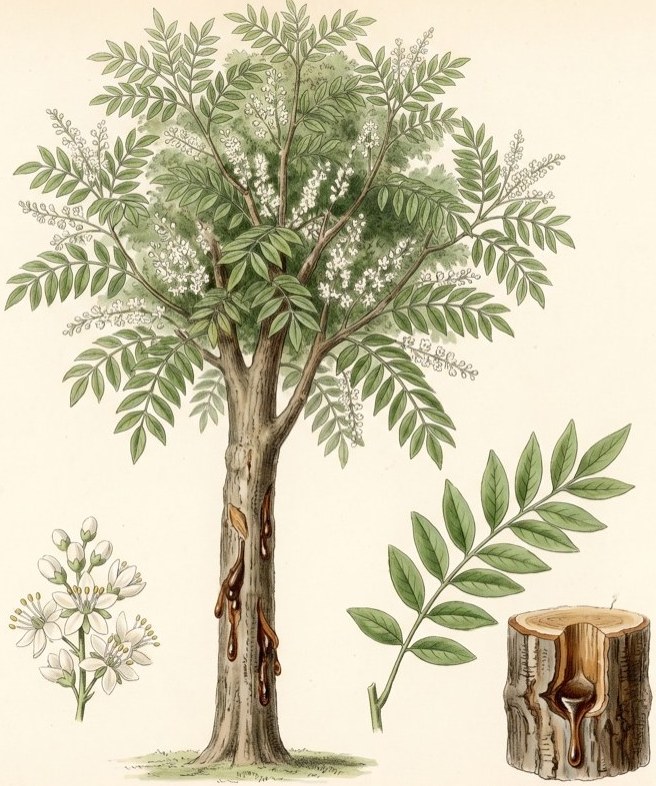 Balsam of PeruBalsamum Peruvianum
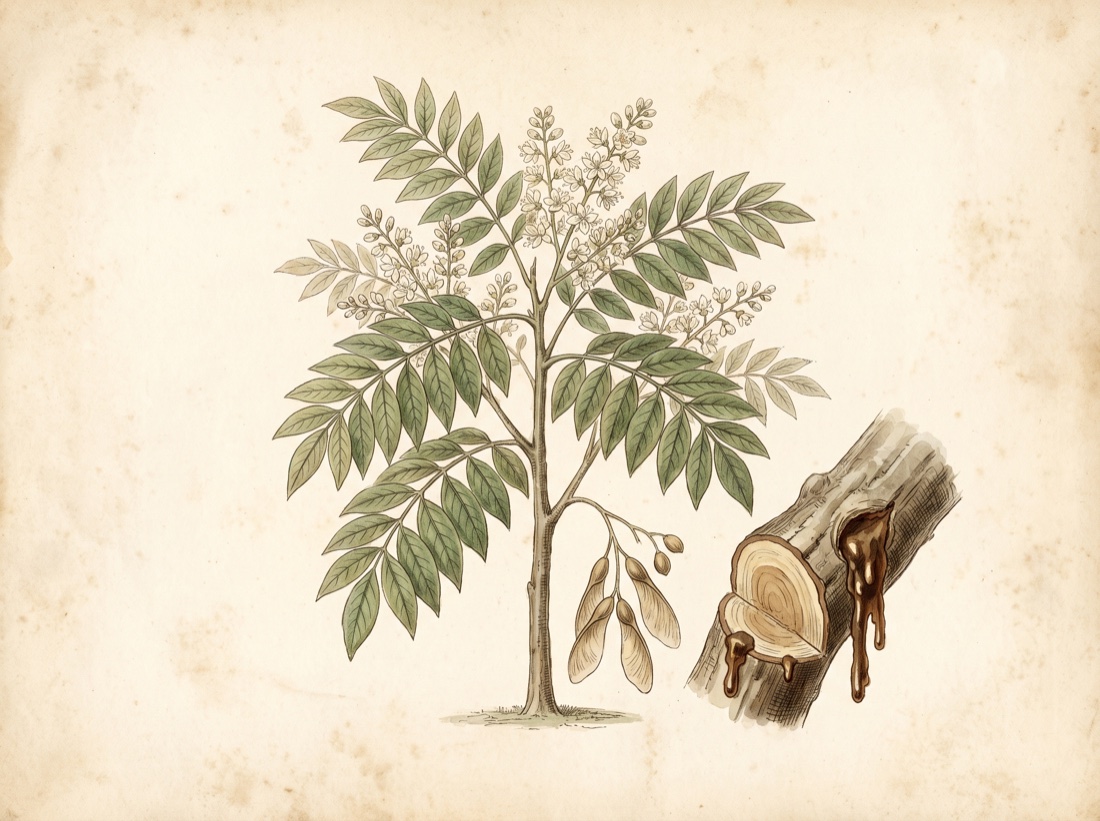 Balsam of ToluBalsamum Tolutanum
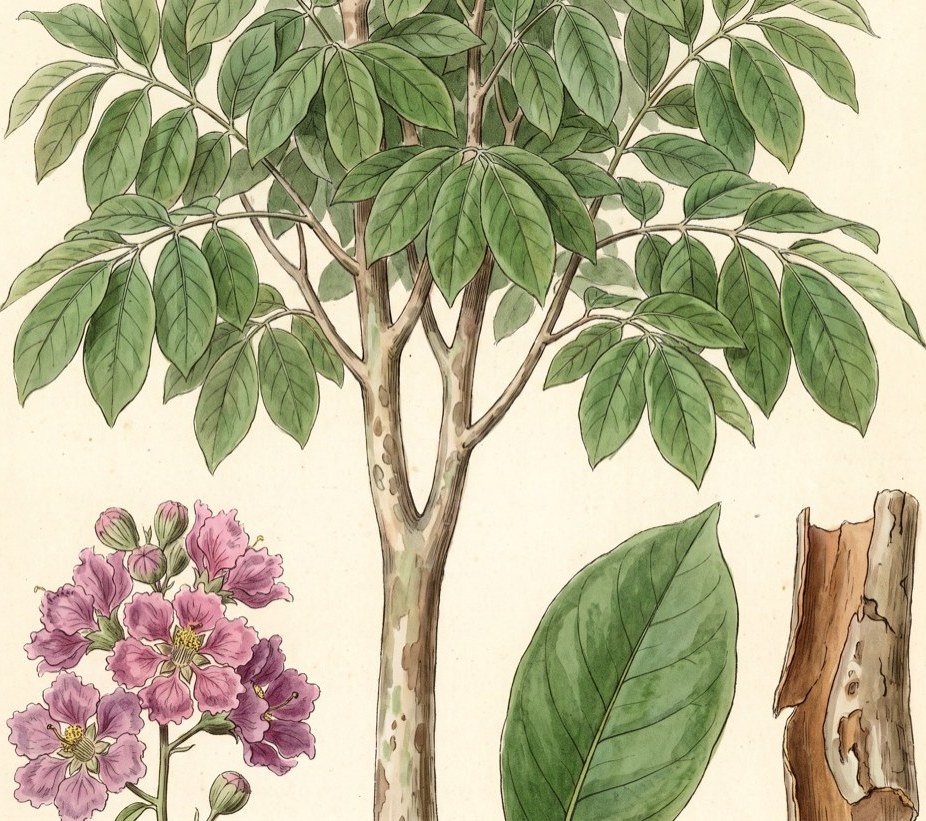 BanabaLagerstroemia speciosa
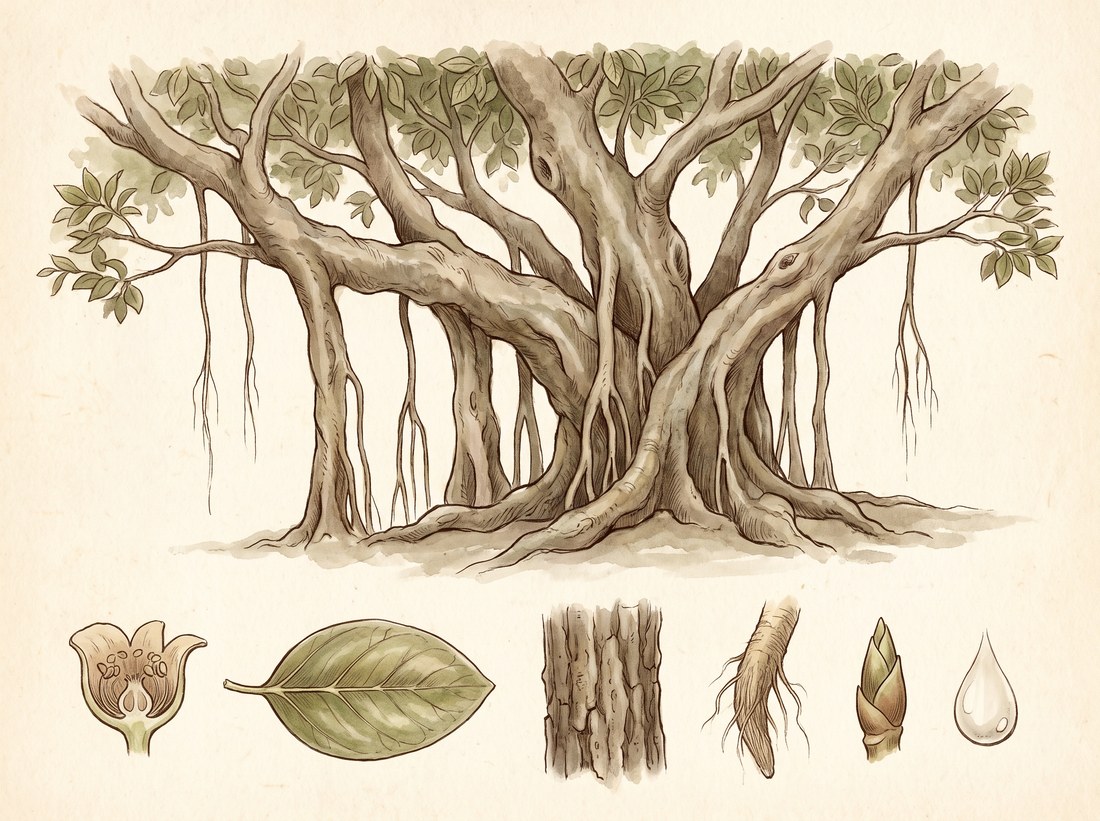 BanyanFicus benghalensis
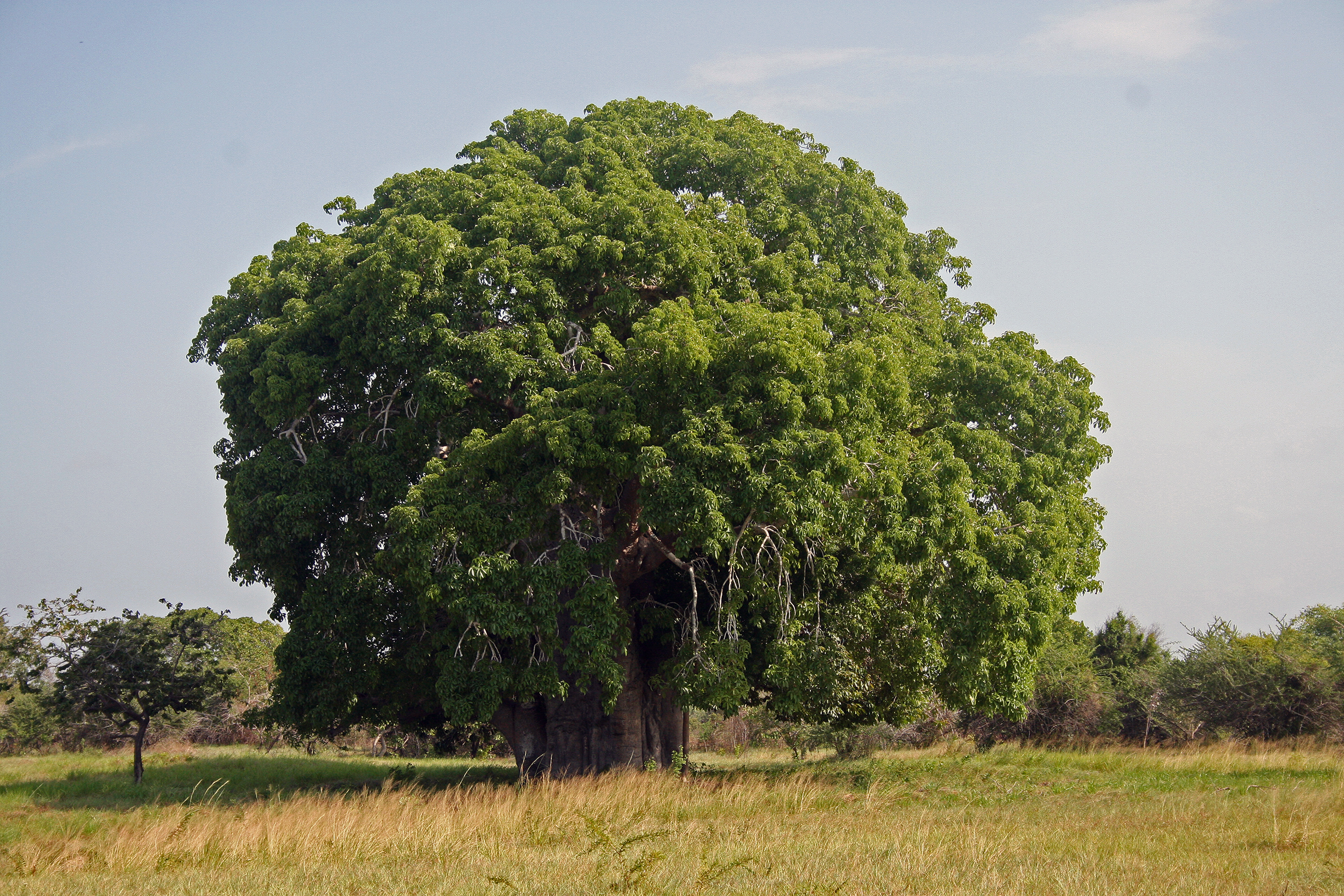 BaobabAdansonia
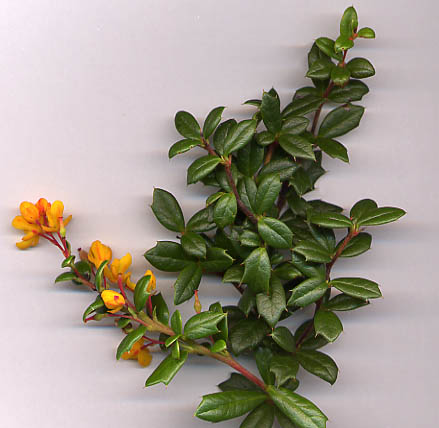 BarberryBerberis vulgaris
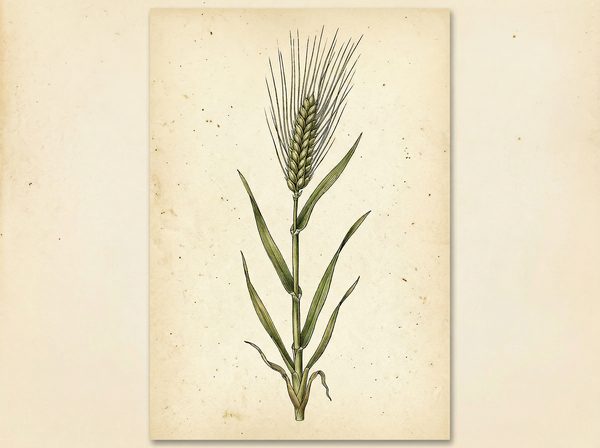 BarleyHordeum vulgare
The whole plate is in the library. The compass, Compare, the Sky of eleven hundred plants and the formulary open with an email address and a password, free, with the formula builder and its safety engine. Herbert without limit, his formulating, clients, the handouts and the labels are the paid room.
Open the library, free