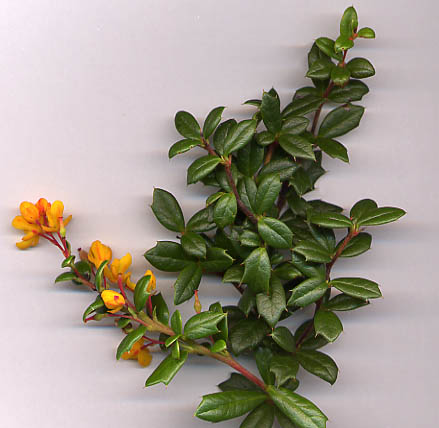
Western Herbalism
Barberry
Berberis vulgaris
Also known as Oregon grape root, Golden seal, Chinese goldenthread, Berberry, Common Barberry.
Berberine-containing herbs may be used interchangeably Best when herb touches infected tissue directly Don't use too early for acute infection, as mucus is important early on and this will decrease mucus production

Ask Herbert about Barberry. Herbert is the master herbalist inside Bountiful Herbs: he answers from this plate and eleven hundred others, with dosing, pairing and cautions. Your first ten questions are free.
Ask HerbertActions
Indications what the tradition reached for it in
- Cuts
- Entamoeba histolytica
- Gingivitis
- Loss of appetite
- Upper respiratory infection
- Helicobacter pylori
- Psoriasis (d/t toxin accumulation)
- Inflammatory bowel disease
- Pyorrhea
- Acne (d/t toxin accumulation)
- Sinusitis
- Tonsillitis
- Constipation
- Dyspepsia
- Pharyngitis
- Skin ulcer
- Crohns disease
- Rhinitis
- Boils (d/t toxin accumulation)
- Duodenal ulcer
- Weakness
- Maldigestion
- Hyperlipidemia
- Congestion (respiratory)
- Dysbiosis
- Bacterial infections
- Vaginitis
- Gastrointestinal infection
- Peptic ulcer
- Urinary tract infection
Safety
Pregnancy: Use with care in pregnancy
Breastfeeding: Not for use while breastfeeding
The record lists 3 contraindications; open the plate in the library to read them in full.
Dosing as the sources wrote it
| Preparation | As written | Metric |
|---|---|---|
| Decoction | 1/2-1 tsp/c TID | |
| Tincture (1:3) | 1-3 ml BID | 1-3 mL |
| Powdered herb | 1-3 g/day | 1000-3000 mg |
| Best to take small amounts | Best to take small amounts (10-15 gtts of tincture) about 15-20 min before eating to prime GI tract and improve digestion | |
| Dose, two to five grains, three times a day | 130-324 mg | |
| Dose, 5 to 60 drops. | 0.1-1.2 mL |
Doses are reproduced from the sources for practitioners and are not a recommendation for any person.
From the sources
Clinical Notes. Berberine-containing herbs may be used interchangeably Best when herb touches infected tissue directly Don't use too early for acute infection, as mucus is important early on and this will decrease mucus production
Action and Therapy. Barberry may be used for purposes for which berberine medication is needed. It acts much like hydrastis and could be employed for many of the uses of that scarce and high-priced drug so far as the berberine effects are required.
Properties and Uses. The bark is intensely bitter, rather stimulating and slightly relaxing. Its action is principally that of a tonic, improving the appetite and strength in debilitated conditions, and especially in bilious affections, and during the languor incident to spring.
primary-actions. Barberry acts primarily as: Antimicrobial, Bitter tonic, Immunostimulant, Alterative, Astringent, Cholagogue, Choleretic, Antineoplastic. Secondary actions include Laxative (mild), Anticatarrhal, Hypolipidemic.
Drawn from Cook's Physio-Medical Dispensatory; Scudder's Specific Medication and Specific Medicines; King's American Dispensatory, 18th edition (Felter and Lloyd); Felter's Eclectic Materia Medica, Pharmacology and Therapeutics, and the Bountiful Herbs editorial.
In formulas
Barberry stands in 143 documented formulas in the library, among them Syrupus Rhei Et Potassae Compositus, dà giang huo tàng, dão chì chéng gì tāng, bàn xià xiè xin tāng, shêng jiãng xiè xin tāng, rén shên xiè xin tǎng.
Often paired with
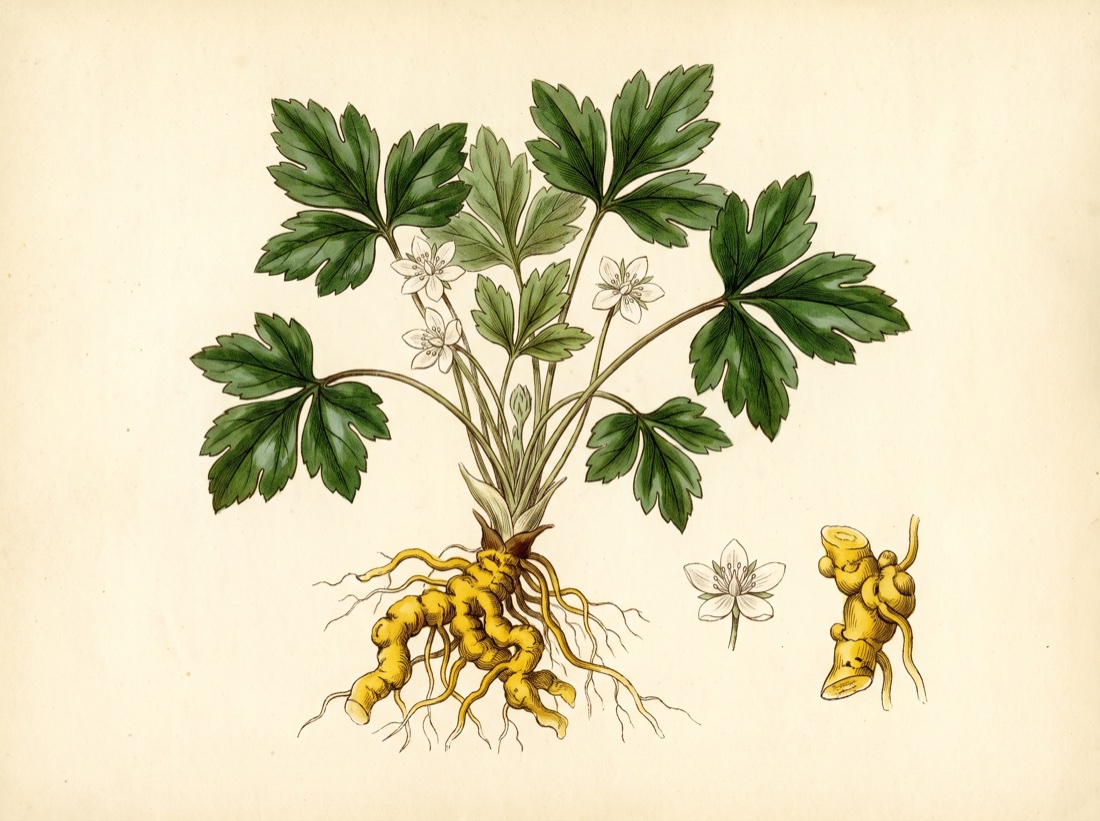 Chinese goldthreadCoptis chinensis
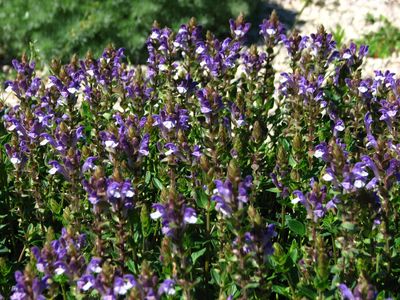 Chinese skullcapScutellaria baicalensis
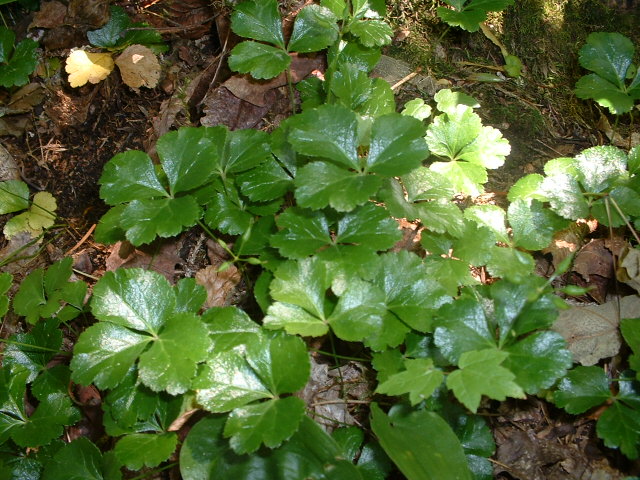 GoldthreadCoptis trifolia
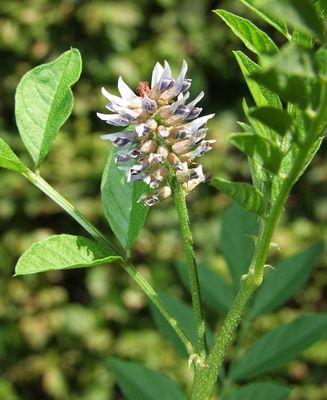 Licorice rootGlycyrrhiza glabra
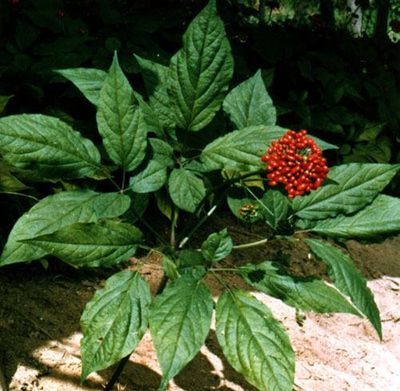 GinsengPanax ginseng
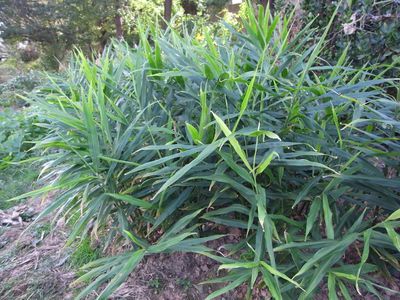 GingerZingiber officinale
Nearby on the shelf
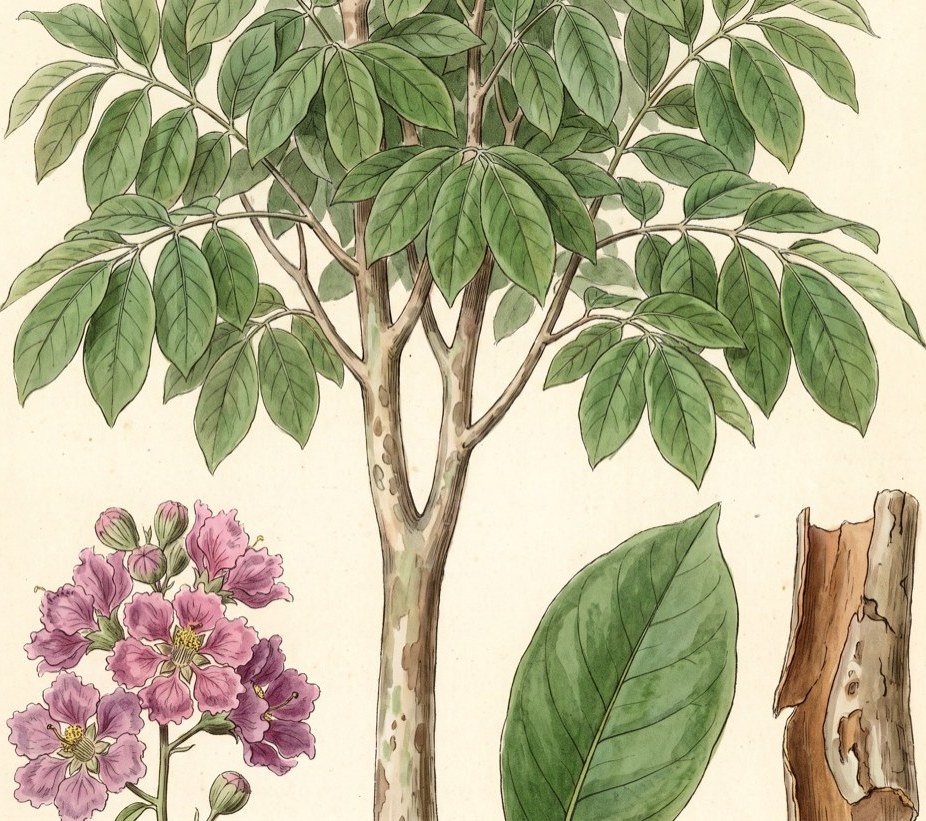 BanabaLagerstroemia speciosa
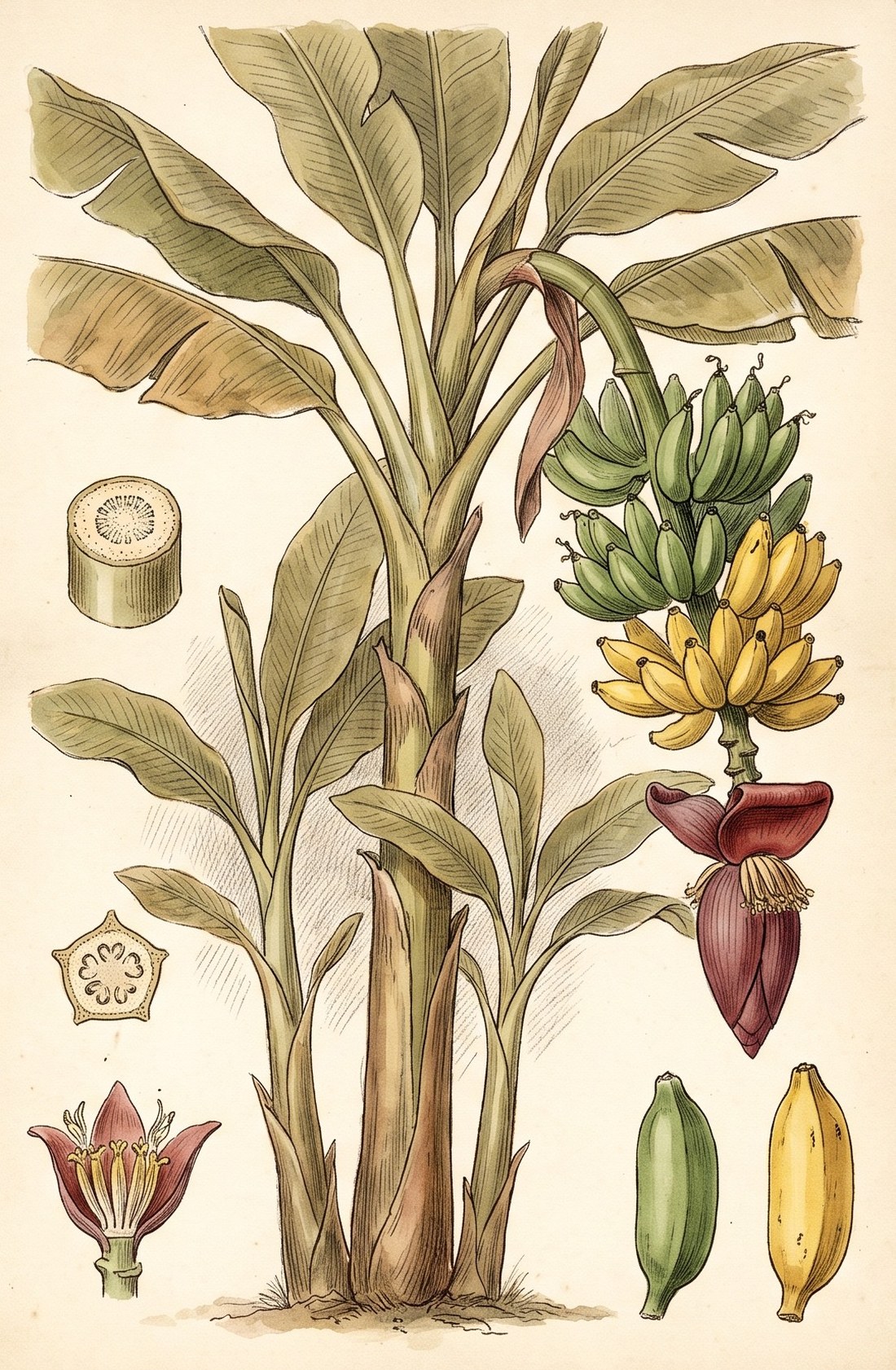 BananaMusa paradisiaca
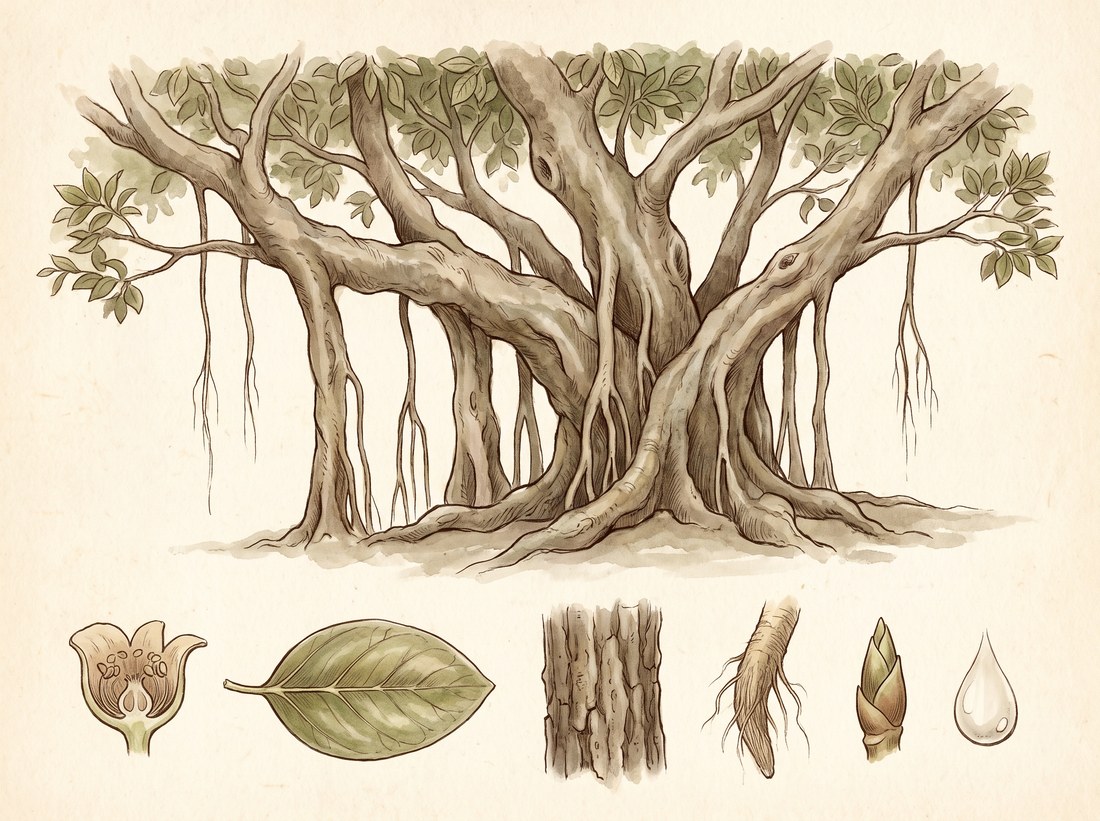 BanyanFicus benghalensis
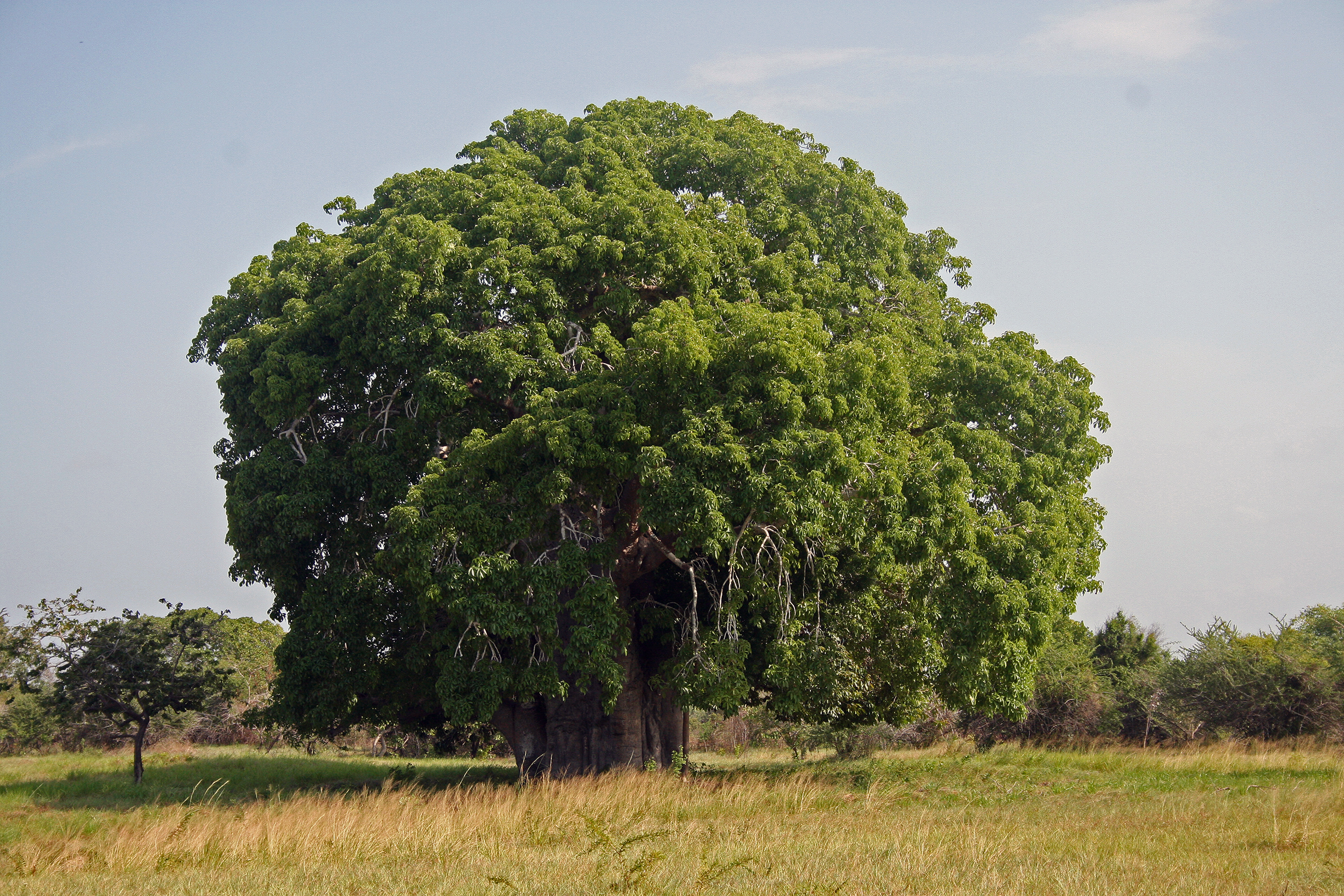 BaobabAdansonia
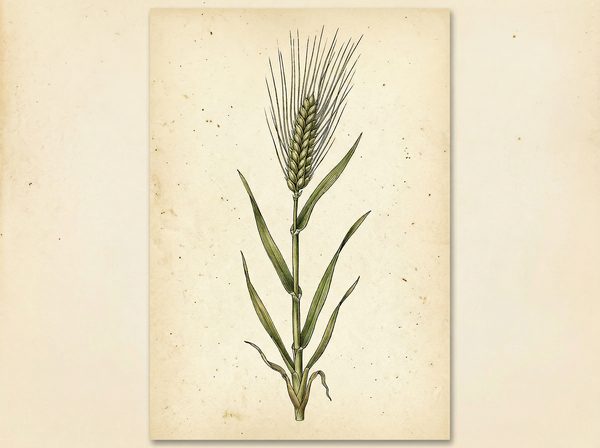 BarleyHordeum vulgare
 Bay LaurelLaurus nobilis
 BayberryMyrica cerifera
 BearberryArctostaphylos uva-ursi
The whole plate is in the library. The compass, Compare, the Sky of eleven hundred plants and the formulary open with an email address and a password, free, with the formula builder and its safety engine. Herbert without limit, his formulating, clients, the handouts and the labels are the paid room.
Open the library, free