Western Herbalism
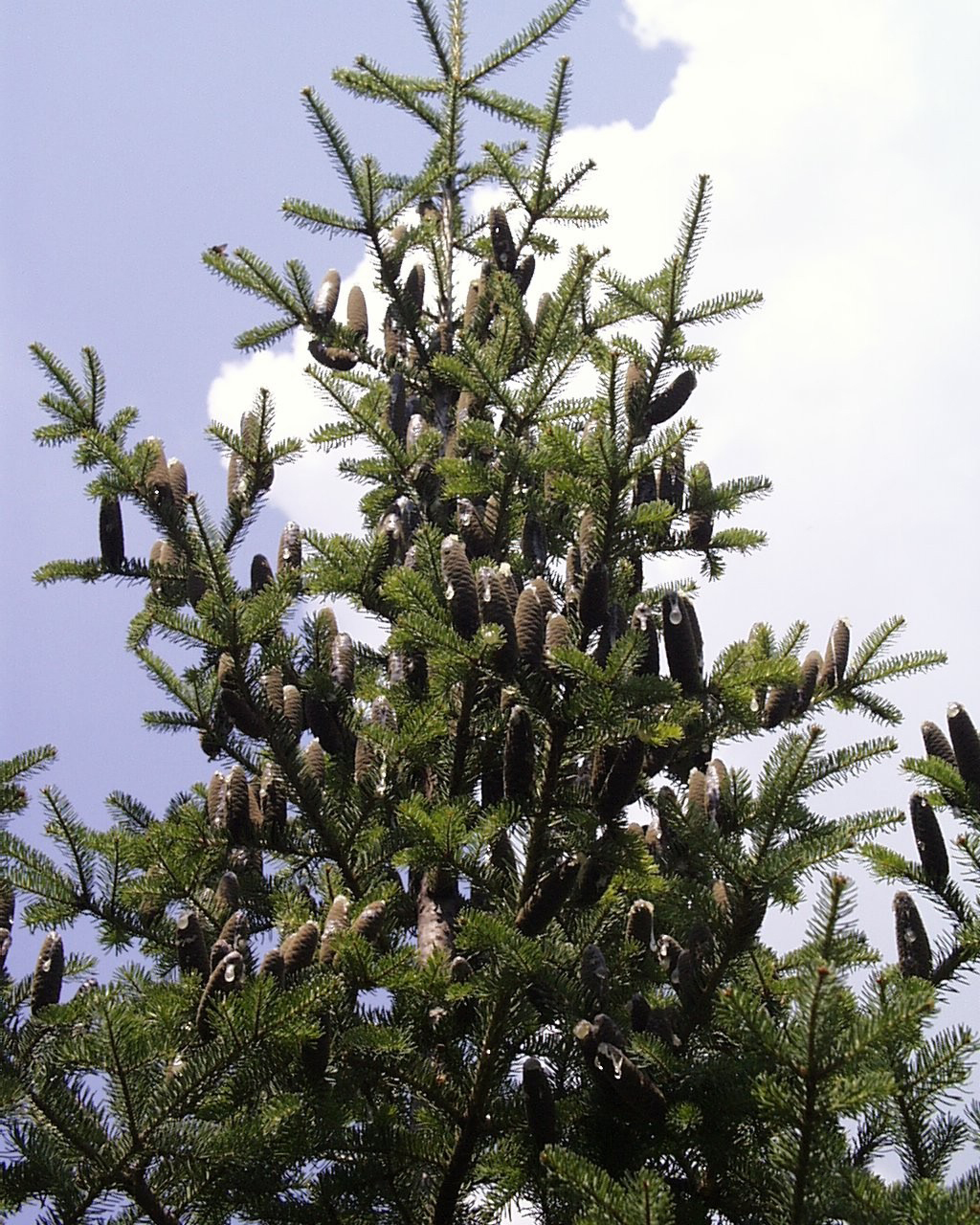
Balsam fir
Abies balsamea
Also known as Canada balsam, Balsam spruce, Balsam of gilead fir, American silver fir, Balsam of gilead.
Abies balsamea is a slender evergreen conifer of the pine family, native to cold, moist woodlands of the northeastern United States and Canada. The bark carries characteristic resin blisters that yield the clear, sticky oleoresin long known as Canada balsam, historically prized both as a medicine and as an optical mounting cement. Physiomedicalist and Eclectic practitioners of the nineteenth century used the resin, bark and young shoots as a warming, stimulating remedy for the chest, skin and urinary tract, while indigenous peoples of the region used the pitch topically on wounds and the needles as a tea rich in vitamin C.

Ask Herbert about Balsam fir. Herbert is the master herbalist inside Bountiful Herbs: he answers from this plate and eleven hundred others, with dosing, pairing and cautions. Your first ten questions are free.
Ask HerbertActions
Indications what the tradition reached for it in
- Chronic bronchitis with thick mucus
- Chest colds and productive cough
- Sore throat
- Minor cuts, abrasions and slow-healing wounds
- Hemorrhoids (topical)
- Cystitis and mild urinary tract irritation
- Rheumatic and muscular aches (topical)
- Skin ulcers
- Cold with poor peripheral circulation
- Scurvy prevention (needle infusion, historical use)
Specific indications
Persistent chest cough with thick, hard-to-raise mucus in a person who feels chilled and sluggish
Fresh minor wound or crack in the skin where the sticky oleoresin is applied directly to seal and protect the tissue
Safety
The record lists 3 contraindications; open the plate in the library to read them in full.
In practice
The resin is the part most often reached for today, applied neat or in a salve to cuts, chapped skin, minor burns and hemorrhoids, where its sticky, antiseptic film protects the tissue while it heals. Some practitioners still use small internal doses of the tincture or resin for a lingering chest cold with thick mucus and a general feeling of coldness and sluggishness, on the reasoning that its warming, stimulating quality helps move stagnant secretions.
Dosing as the sources wrote it
| Preparation | As written | Metric |
|---|---|---|
| Oleoresin (Canada balsam), topical | applied directly to cuts, chapped skin or hemorrhoids, as needed | |
| Tincture of resin or bark (1:5) | 1-2 mL up to three times daily | 1-2 mL |
| Needle and twig infusion | 1-2 teaspoons chopped fresh needles steeped in 250 mL hot water, up to three times daily | 1-250 mL |
| The dose may range from two to ten grains, repeated at intervals of three to six hours | 130-648 mg |
Doses are reproduced from the sources for practitioners and are not a recommendation for any person.
From the sources
Overview. Abies balsamea is a slender evergreen conifer of the pine family, native to cold, moist woodlands of the northeastern United States and Canada. The bark carries characteristic resin blisters that yield the clear, sticky oleoresin long known as Canada balsam, historically prized both as a medicine and as an optical mounting cement. Physiomedicalist and Eclectic practitioners of the nineteenth century used the resin, bark and young shoots as a warming, stimulating remedy for the chest, skin and urinary tract, while indigenous peoples of the region used the pitch topically on wounds and the needles as a tea rich in vitamin C.
Clinical Notes. The resin is the part most often reached for today, applied neat or in a salve to cuts, chapped skin, minor burns and hemorrhoids, where its sticky, antiseptic film protects the tissue while it heals. Some practitioners still use small internal doses of the tincture or resin for a lingering chest cold with thick mucus and a general feeling of coldness and sluggishness, on the reasoning that its warming, stimulating quality helps move stagnant secretions.
Properties and Uses. I. The balsam is stimulating and relaxing, chiefly influencing the kidneys and mucous membranes, acting rather slowly. Its relaxing power is greater in the fresh exudation than in that which has been long standing.
Description. Natural Order, Coniferae. Abies balsamifera of Micheaux; Pinus balsamea of Linnaeus; Picea of Loudon. Genus ABIES: Staminate catkins more or less clustered toward the ends, of the branches; scales peltate; stamens short, often sessile.
Drawn from Cook's Physio-Medical Dispensatory, and the Bountiful Herbs editorial.
Often paired with
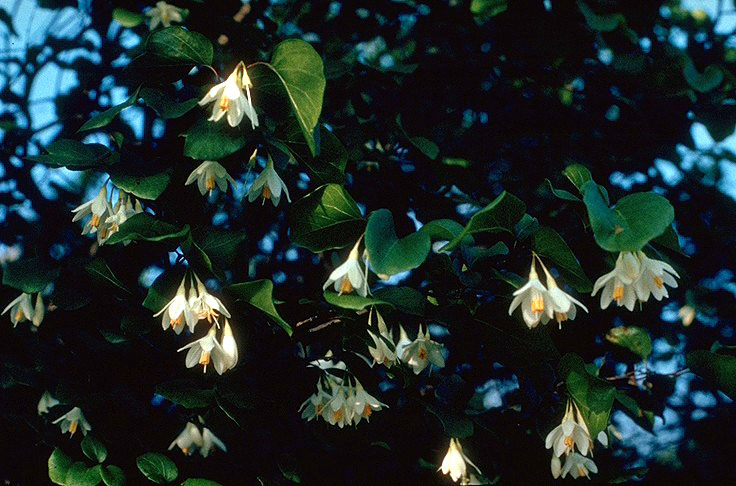 StoraxStyrax officinale
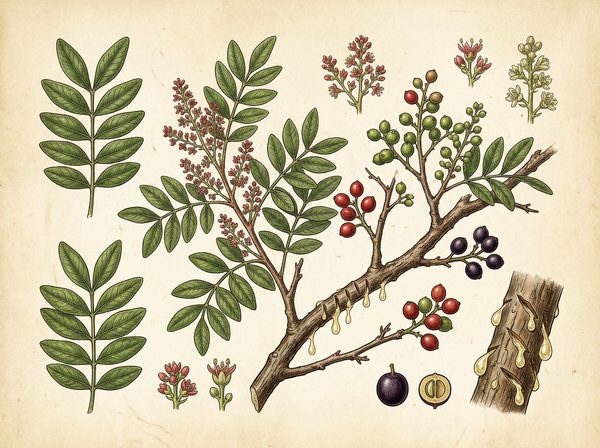 MasticPistacia lentiscus
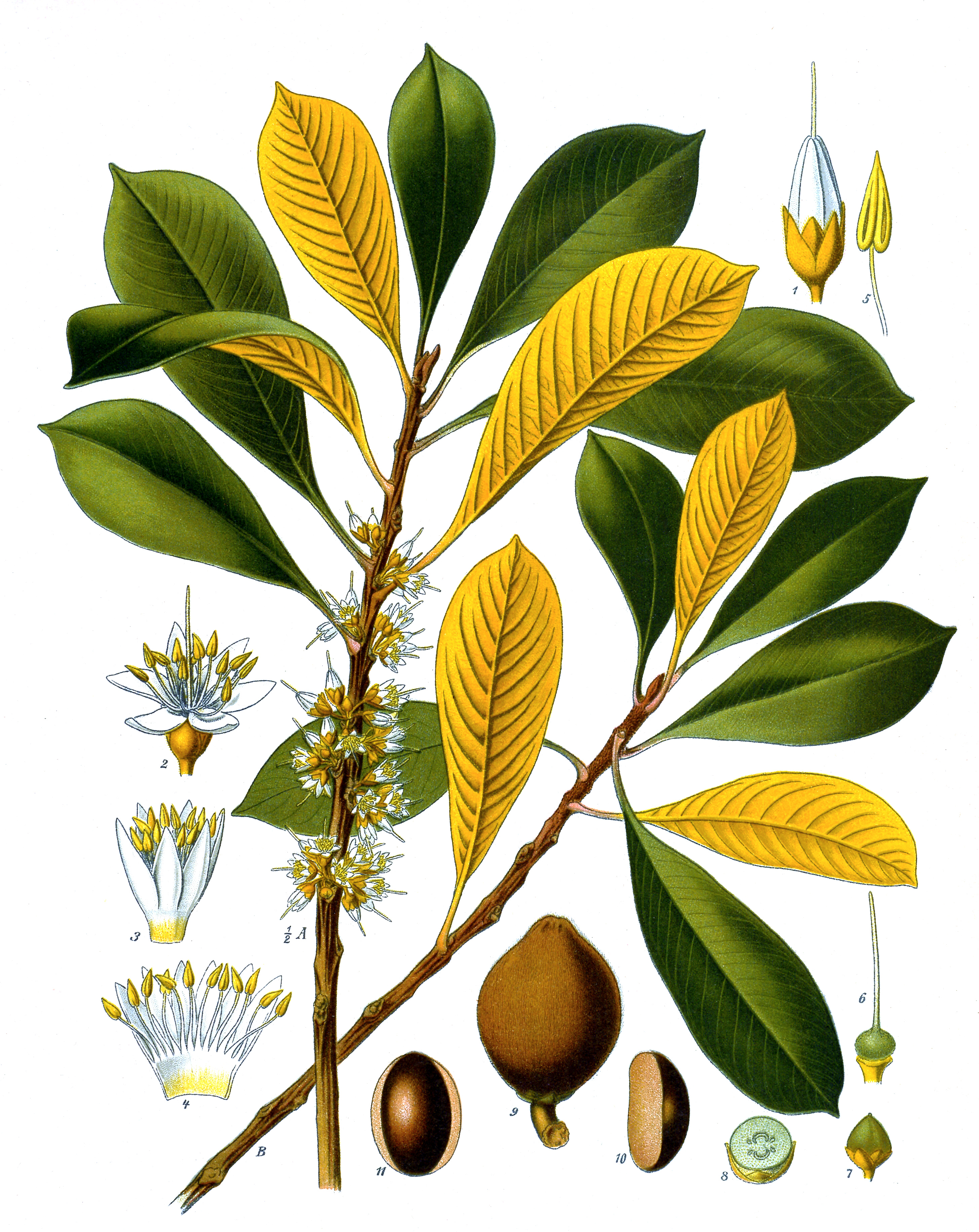 Gutta-PerchaGutta-Percha
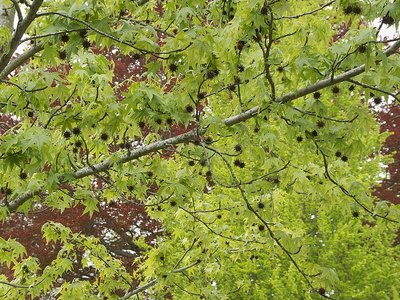 Liquidambar styracifluaLiquidambar styraciflua
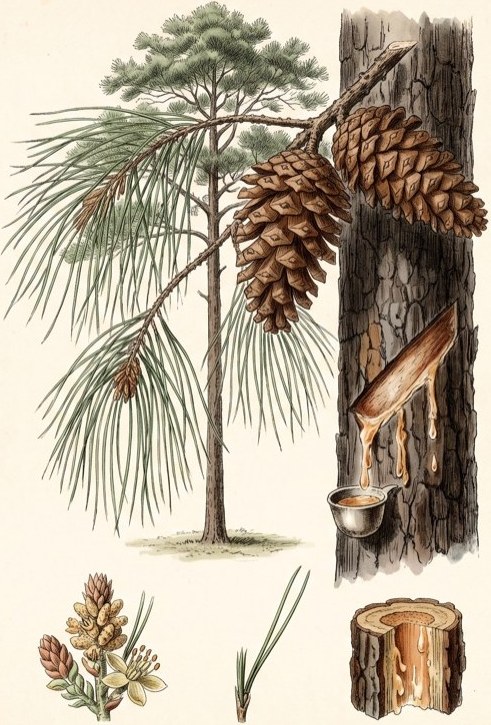 TurpentineOleum Terebinthinae
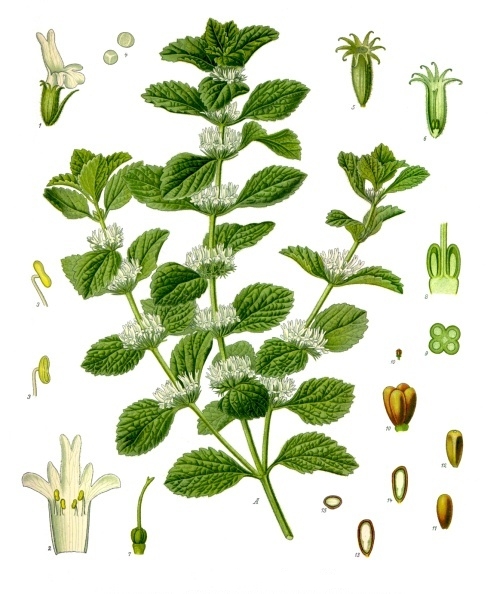 White HorehoundMarrubium vulgare
Nearby on the shelf
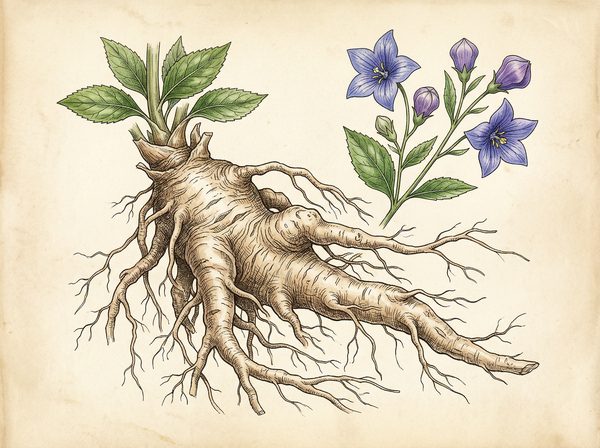 Balloon Flower RootPlatycodon grandiflorus
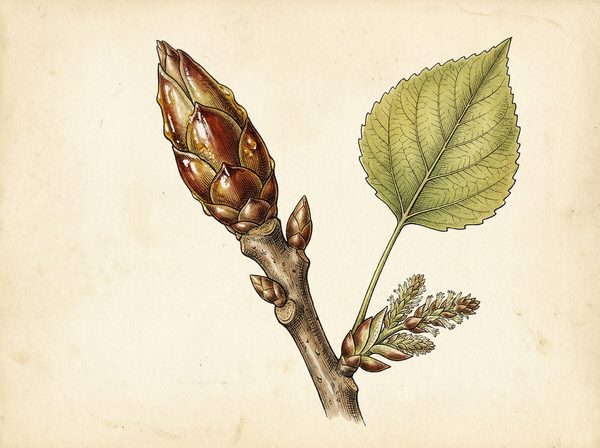 Balm of GileadPopulus balsamifera
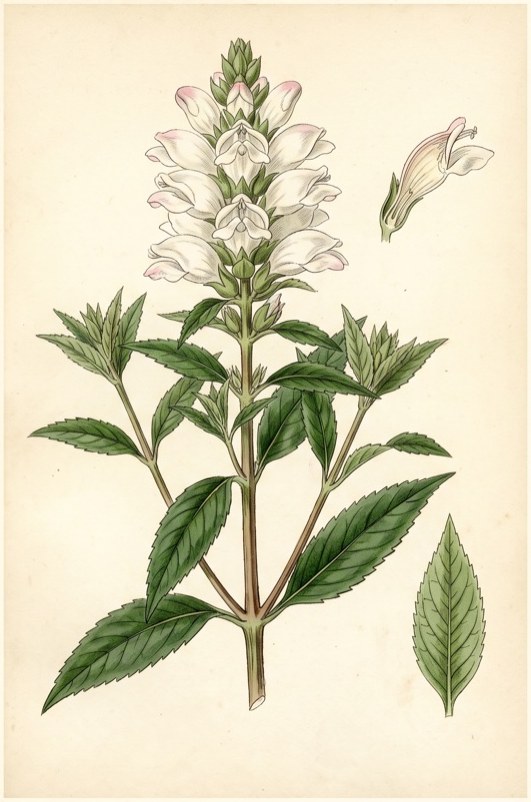 BalmonyChelone glabra
 Balsam appleMomordica balsamina
 Balsam of PeruMyrospermum peruiferum
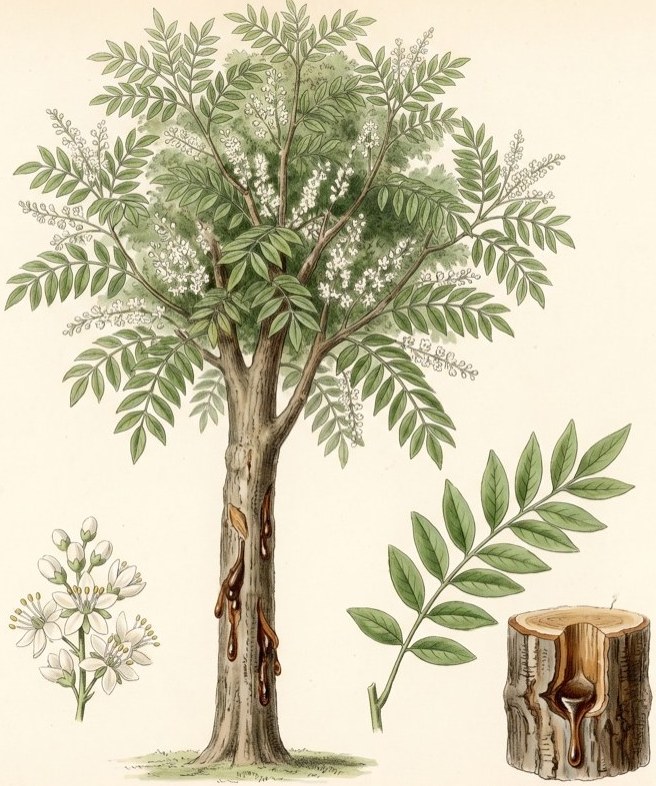 Balsam of PeruBalsamum Peruvianum
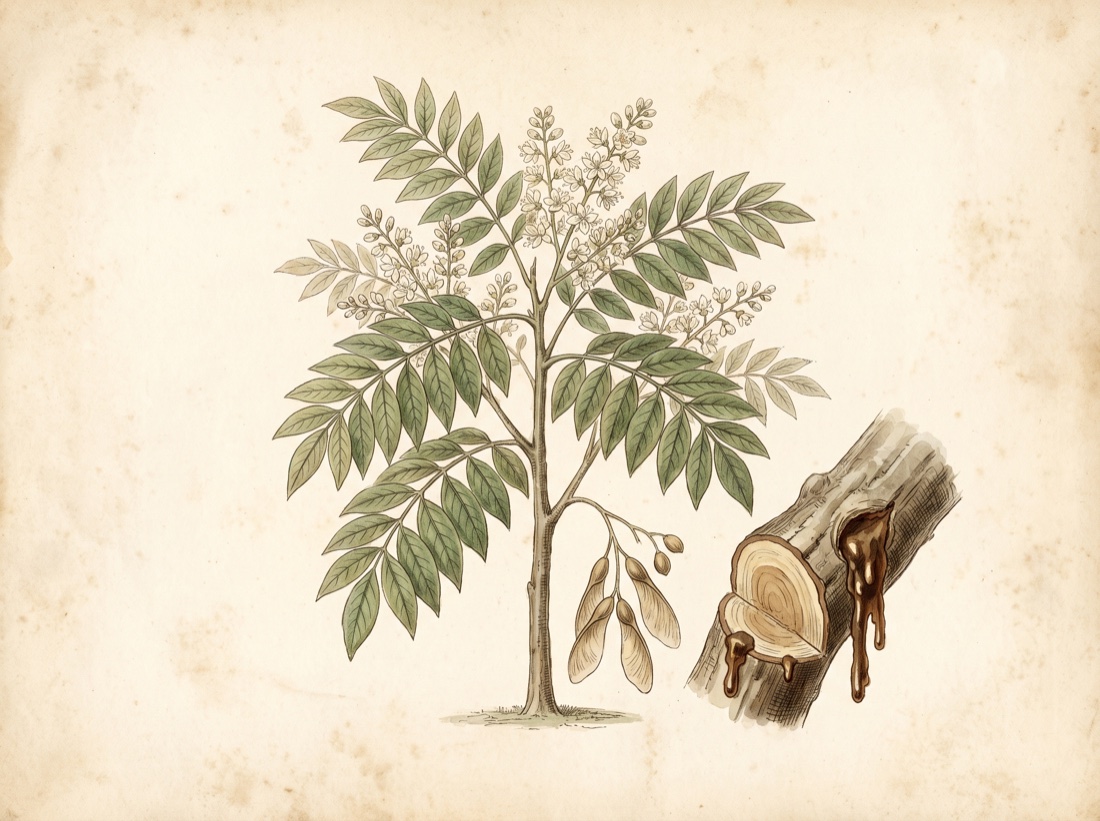 Balsam of ToluBalsamum Tolutanum
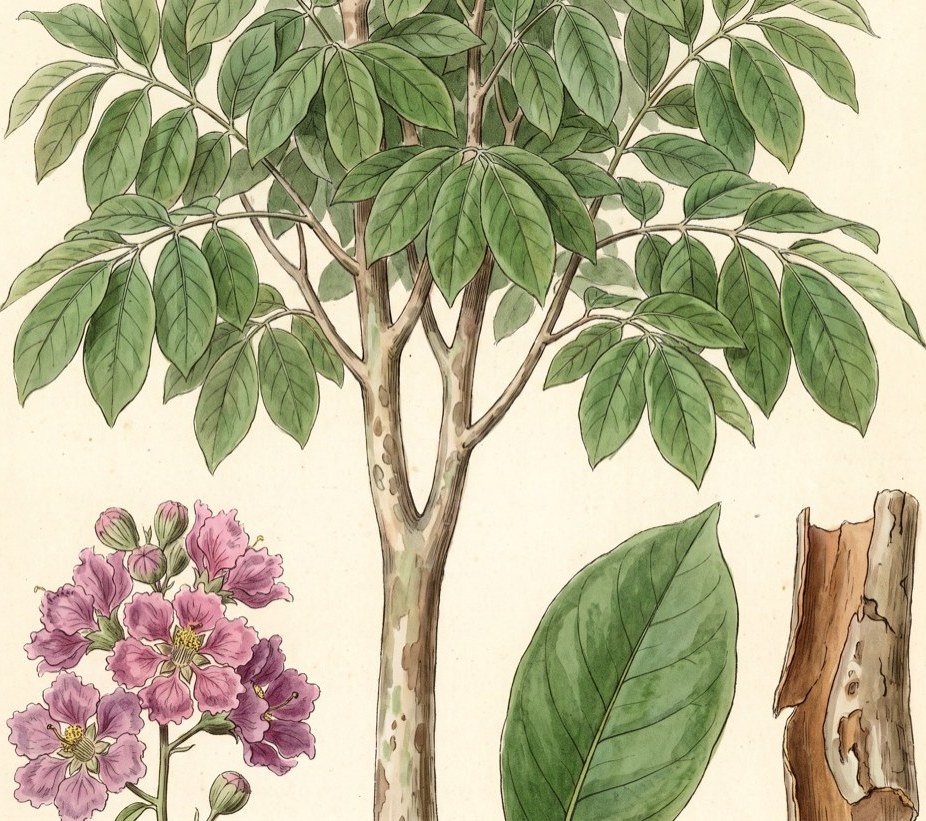 BanabaLagerstroemia speciosa
The whole plate is in the library. The compass, Compare, the Sky of eleven hundred plants and the formulary open with an email address and a password, free, with the formula builder and its safety engine. Herbert without limit, his formulating, clients, the handouts and the labels are the paid room.
Open the library, free