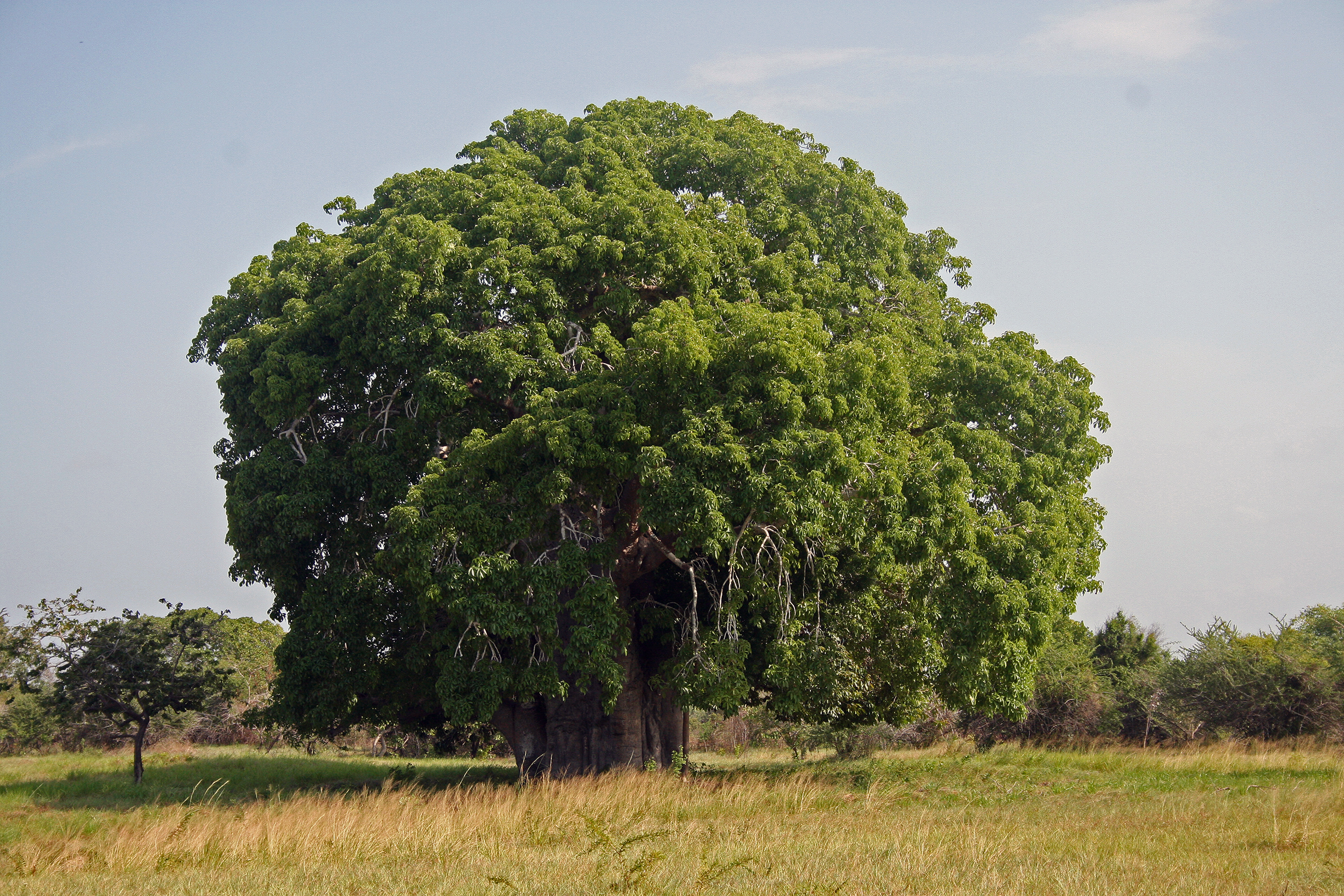
Western Herbalism
Baobab
Adansonia
Also known as Monkey-bread tree, Sour-gourd tree, Cream-of-tartar tree, Dead-rat tree.
Adansonia digitata, the African baobab, is one of the most recognizable trees of the African savanna, prized for its enormous swollen trunk and long lifespan. The fruit pulp, leaves, seeds, and bark have all been used medicinally and as food across sub-Saharan Africa for centuries, and the dried fruit pulp was later taken up by nineteenth century eclectic physicians as a cooling, mildly astringent remedy for fevers and diarrhea, sometimes offered as a milder substitute for cinchona bark preparations.

Ask Herbert about Baobab. Herbert is the master herbalist inside Bountiful Herbs: he answers from this plate and eleven hundred others, with dosing, pairing and cautions. Your first ten questions are free.
Ask HerbertActions
Indications what the tradition reached for it in
- Fever
- Diarrhea
- Dysentery
- Malarial fever (historical adjunct)
- Scurvy and vitamin C deficiency
- Dry cough and sore throat
- Dyspepsia
- Convalescence with poor appetite
- Skin inflammation and minor wounds (topical leaf preparations)
- General debility in hot climates
Specific indications
Fever with thirst and watery diarrhea in a hot climate, especially useful for children who will readily drink the sour-sweet pulp infusion
Chronic low-grade fatigue with poor appetite during convalescence, where the nutrient-dense pulp is used as a gentle restorative food-medicine
Safety
The record lists 3 contraindications; open the plate in the library to read them in full.
In practice
The dried, powdery fruit pulp is the part most reached for today. Stirred into water it makes a pleasantly sour, slightly effervescent drink that was traditionally given to feverish patients, particularly children, both to cool the fever and to settle accompanying diarrhea.
Dosing as the sources wrote it
| Preparation | As written | Metric |
|---|---|---|
| Fruit pulp powder (food-grade, in water or juice) | 5-15 g dried pulp powder daily | 5000-15000 mg |
| Leaf infusion | 2-4 g dried leaf as tea, up to three times daily | 2000-4000 mg |
| Bark decoction (traditional, occasional use only) | 3-6 g dried bark decocted, once daily short term | 3000-6000 mg |
| and a decoction of the nut, in dysentery. A decoction of the bark (1 oz. in 1 quart of water boiled to 1 ½ pints) is of a reddish color, somewhat resembling that of decoction of cinchona (Comp. Rend., xxvi, 1848, and Jour. de Pharm., June, 1845). A pint and a half of the decoction may be taken in a day. |
Doses are reproduced from the sources for practitioners and are not a recommendation for any person.
From the sources
Overview. Adansonia digitata, the African baobab, is one of the most recognizable trees of the African savanna, prized for its enormous swollen trunk and long lifespan. The fruit pulp, leaves, seeds, and bark have all been used medicinally and as food across sub-Saharan Africa for centuries, and the dried fruit pulp was later taken up by nineteenth century eclectic physicians as a cooling, mildly astringent remedy for fevers and diarrhea, sometimes offered as a milder substitute for cinchona bark preparations.
Clinical Notes. The dried, powdery fruit pulp is the part most reached for today. Stirred into water it makes a pleasantly sour, slightly effervescent drink that was traditionally given to feverish patients, particularly children, both to cool the fever and to settle accompanying diarrhea.
Conservation. Baobab populations are generally stable and the tree is long lived, but wild harvesting pressure and habitat loss are monitored in some regions; sustainably wild-harvested or cultivated fruit pulp is preferred.
Drawn from King's American Dispensatory, 18th edition (Felter and Lloyd), and the Bountiful Herbs editorial.
Nearby on the shelf
 Balsam of ToluBalsamum Tolutanum
 BanabaLagerstroemia speciosa
 BananaMusa paradisiaca
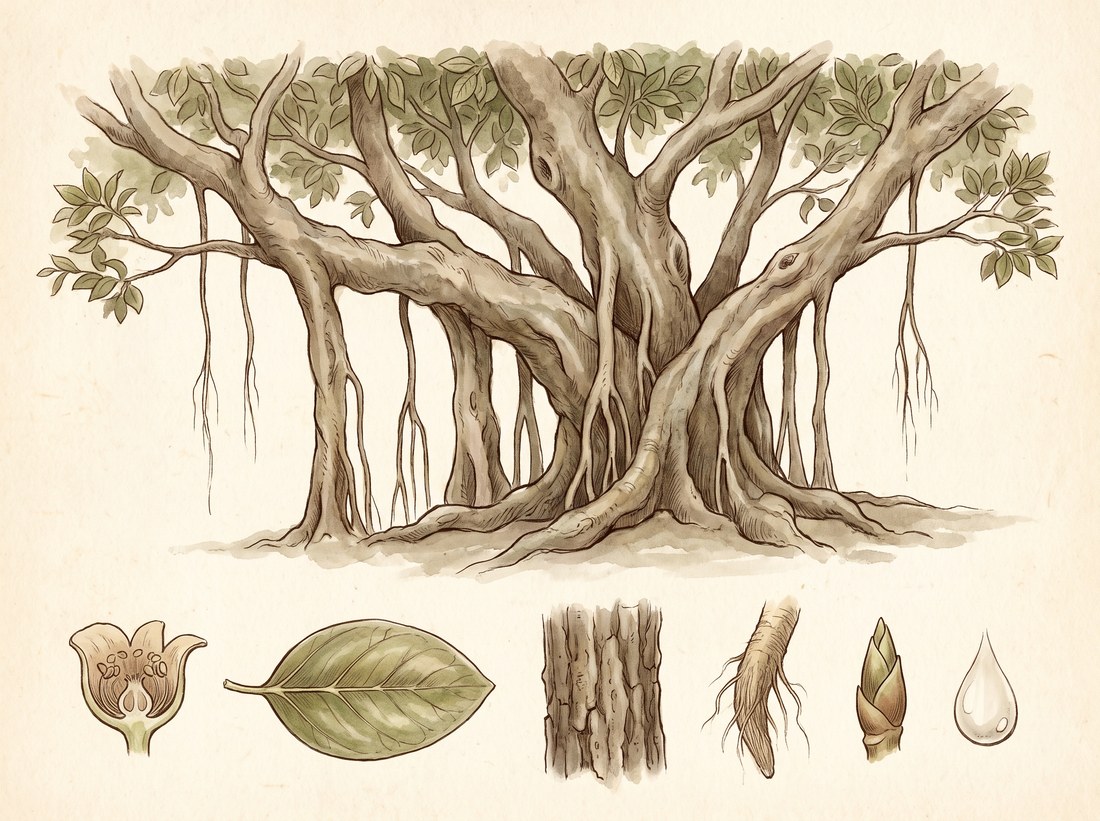 BanyanFicus benghalensis
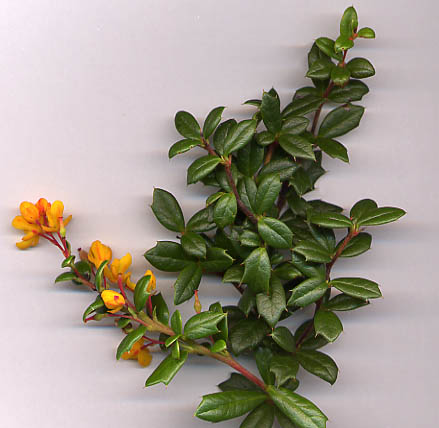 BarberryBerberis vulgaris
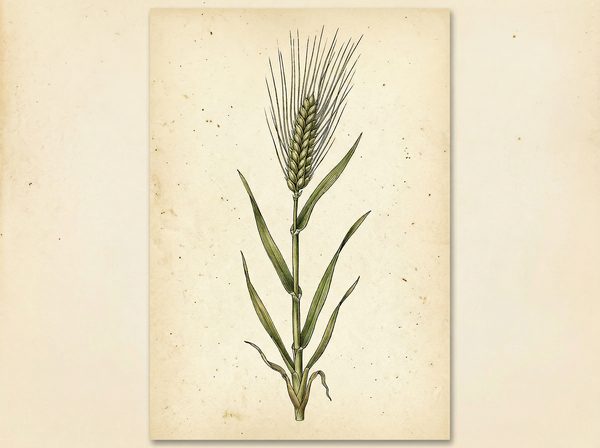 BarleyHordeum vulgare
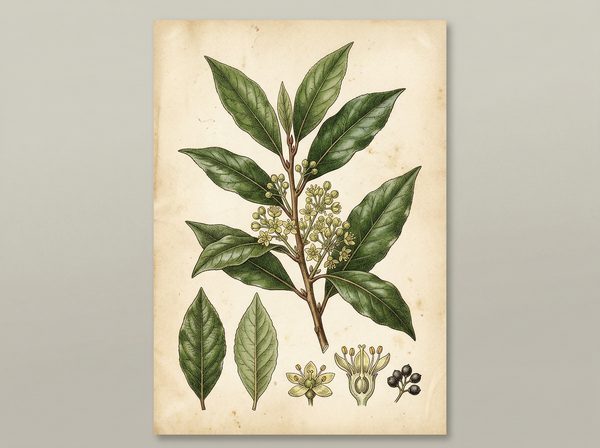 Bay LaurelLaurus nobilis
 BayberryMyrica cerifera
The whole plate is in the library. The compass, Compare, the Sky of eleven hundred plants and the formulary open with an email address and a password, free, with the formula builder and its safety engine. Herbert without limit, his formulating, clients, the handouts and the labels are the paid room.
Open the library, free