Ayurvedic Herbalism
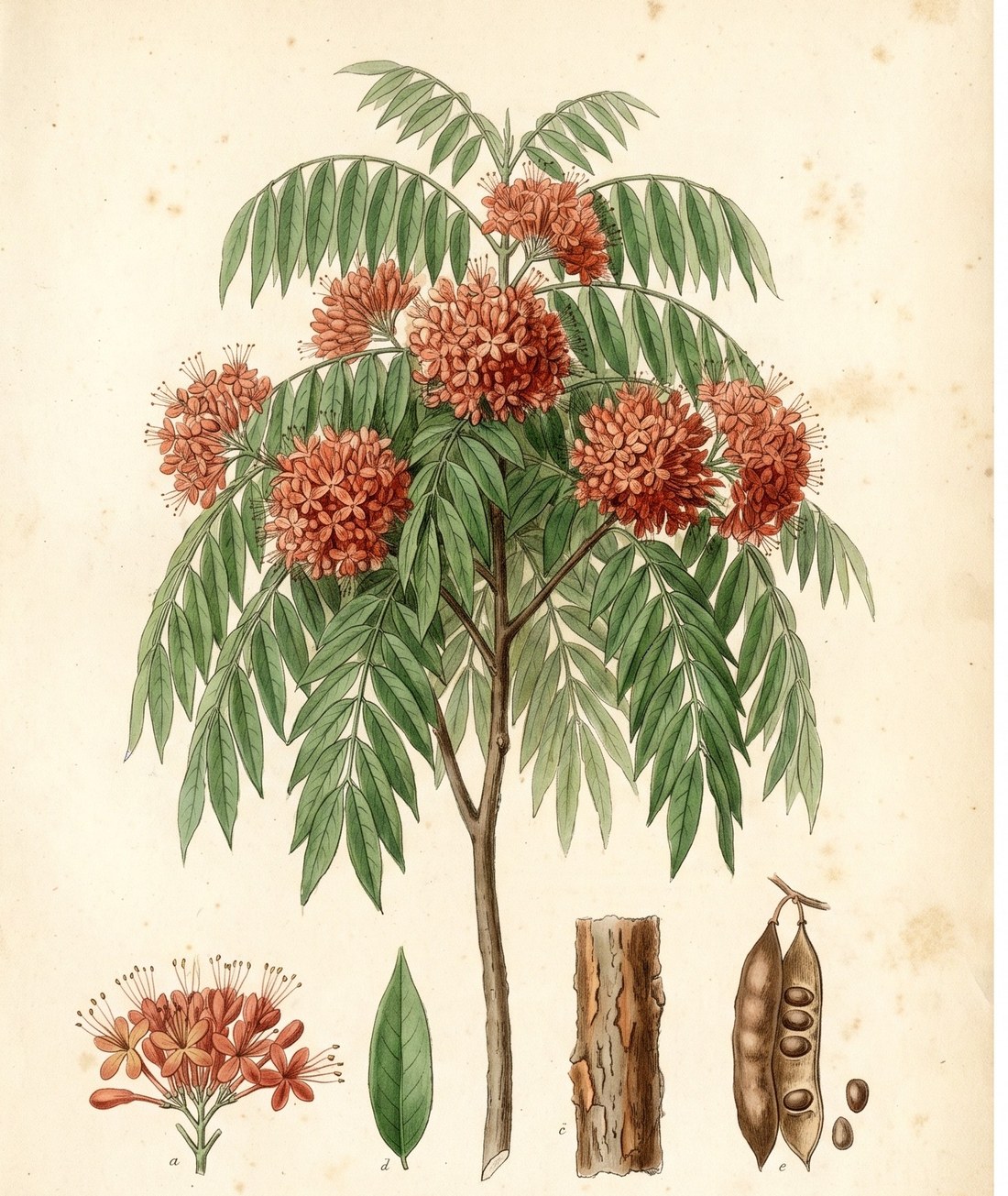
Ashoka tree
Saraca asoca
Also known as ashoka, sorrowless tree, Ashoka, Hemapushpa, Vanjula.
Saraca asoca is a small evergreen tree with drooping leaflets and dense clusters of fragrant orange-red flowers, native to the moist forests of the Western Ghats, the eastern Himalayan foothills and the Deccan, and planted near temples across India. In Ayurveda its bark is Ashoka, the tree that removes sorrow, and the foremost remedy for disorders of the uterus and heavy menstrual bleeding. The bark is astringent, bitter and cooling, and its principal preparation, Ashokarishta, is among the most widely dispensed women's medicines in India.

Ask Herbert about Ashoka tree. Herbert is the master herbalist inside Bountiful Herbs: he answers from this plate and eleven hundred others, with dosing, pairing and cautions. Your first ten questions are free.
Ask HerbertActions
Indications what the tradition reached for it in
- Heavy menstrual bleeding without organic cause
- Prolonged or irregular menstrual bleeding in perimenopause
- Dysmenorrhea with heavy flow and clots
- Leukorrhea and recurrent vaginal discharge
- Fibroids with heavy bleeding (adjunct)
- Endometrial hyperplasia symptoms under monitoring (adjunct)
- Bleeding hemorrhoids
- Bloody or mucousy diarrhea
- Postpartum recovery of uterine tone (after bleeding has settled)
- Pelvic inflammatory symptoms with discharge (adjunct)
Specific indications
A woman in her forties with periods that have become heavy, long and clotted, who is tiring and slightly anemic, with a pitta flush and irritability around the cycle
The young woman with a chronic thin white discharge, low backache and a feeling of weakness in the pelvis, in whom infection has been excluded or treated
Heavy bleeding with hot cramping pain that responds to cooling astringents rather than warming antispasmodics
Bleeding hemorrhoids or bloody stool in a hot, congested pitta patient, where the bark steadies both bowel and bleeding
Safety
Pregnancy: Avoid in pregnancy except under experienced supervision: no published safety class is known to us, the bark has uterotonic activity in animal tissue, and although some regional practice gives it to prevent miscarriage, the safer position is to withhold it.
The record lists 7 contraindications; open the plate in the library to read them in full.
In practice
Ashoka is the herb for the woman who bleeds too much, too long or between cycles, where the picture is pitta: heat, clots, irritability and a tiring loss of blood. The classical way to give the bark is kshirapaka, simmered in milk and water until the water is gone, taken in the second half of the cycle and through the bleeding days; the milk softens the drying astringency and adds nourishment.
In Ayurveda
Rasa: kashaya (astringent), tikta (bitter). Virya: sheeta (cooling). Vipaka: katu (pungent). Guna: laghu (light), ruksha (dry). Dosha: pacifies pitta and kapha; may aggravate vata in excess because of its drying astringency. Prabhava: garbhashaya balya (tonic to the uterus) is the special action the tradition assigns to the bark. Karma: garbhashaya balya (strengthens the uterus); raktastambhana (checks bleeding); grahi (absorbent, binds the bowel); shothahara (reduces swelling); vedanasthapana (relieves pain); vishaghna (counters toxins); varnya (improves complexion); krimighna (anthelmintic); dahaprashamana (relieves burning); hridya (supports the heart). Classical indications: asrigdara (menorrhagia and metrorrhagia); pradara (abnormal uterine discharge and bleeding); shveta pradara (leukorrhea); yoni roga (disorders of the female genital tract); raktatisara (bloody diarrhea); raktarsha (bleeding hemorrhoids); jvara (fever); daha (burning sensation); trishna (thirst); krimi (worms); shotha (swelling); vrana (ulcers, topical). The stem bark is the principal drug, given as kshirapaka (boiled in milk), as kwatha, as churna, and as the fermented Ashokarishta. The dried flowers are used for bleeding and diabetes in regional practice, and the seeds for urinary stones. A bark decoction is also used as a vaginal wash. Classical formulations: Ashokarishta, Ashoka ghrita, Ashoka kshirapaka, Ashokadi kwatha, Ashoka twak churna. Described in: Charaka Samhita, Sushruta Samhita, Ashtanga Hridaya, Bhavaprakasha Nighantu, Dhanvantari Nighantu, Raja Nighantu, Kaiyadeva Nighantu, Ayurvedic Pharmacopoeia of India.
Dosing as the sources wrote it
| Preparation | As written | Metric |
|---|---|---|
| Kshirapaka | 5-10 g bark simmered in 200 mL milk and water, taken once or twice daily | 5000-10000 mg |
| Kwatha | 50-100 mL decoction twice daily | 50-100 mL |
| Arishta | 15-25 mL twice daily after food | 15-25 mL |
| Churna | 3-6 g powdered bark twice daily with milk or water | 3000-6000 mg |
Doses are reproduced from the sources for practitioners and are not a recommendation for any person.
From the sources
Overview. Saraca asoca is a small evergreen tree with drooping leaflets and dense clusters of fragrant orange-red flowers, native to the moist forests of the Western Ghats, the eastern Himalayan foothills and the Deccan, and planted near temples across India. In Ayurveda its bark is Ashoka, the tree that removes sorrow, and the foremost remedy for disorders of the uterus and heavy menstrual bleeding. The bark is astringent, bitter and cooling, and its principal preparation, Ashokarishta, is among the most widely dispensed women's medicines in India.
Clinical Notes. Ashoka is the herb for the woman who bleeds too much, too long or between cycles, where the picture is pitta: heat, clots, irritability and a tiring loss of blood. The classical way to give the bark is kshirapaka, simmered in milk and water until the water is gone, taken in the second half of the cycle and through the bleeding days; the milk softens the drying astringency and adds nourishment.
Ayurvedic Profile. Rasa: kashaya (astringent), tikta (bitter). Virya: sheeta (cooling). Vipaka: katu (pungent). Guna: laghu (light), ruksha (dry). Dosha: pacifies pitta and kapha; may aggravate vata in excess because of its drying astringency.
Conservation. Listed as vulnerable on the IUCN Red List because of bark harvesting and habitat loss; cultivated or sustainably harvested bark should be used and substitution checked.
In formulas
Ashoka tree stands in 2 documented formulas in the library, among them Aśokāriṣta, Aśoka Ghṛta.
Often paired with
 Indian barberryBerberis aristata
 CuminCuminum cyminum
 vasakaAdhatoda vasica
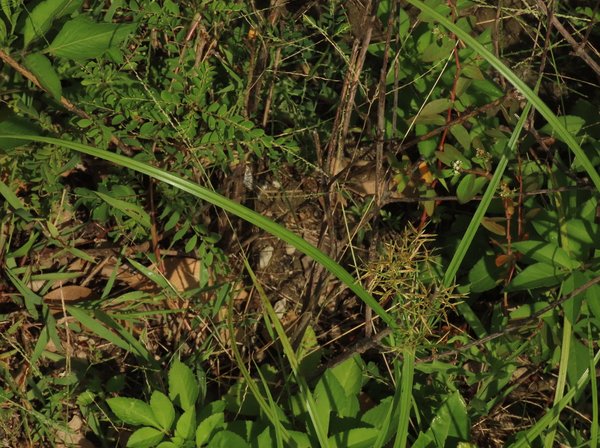 nut grassCyperus rotundus
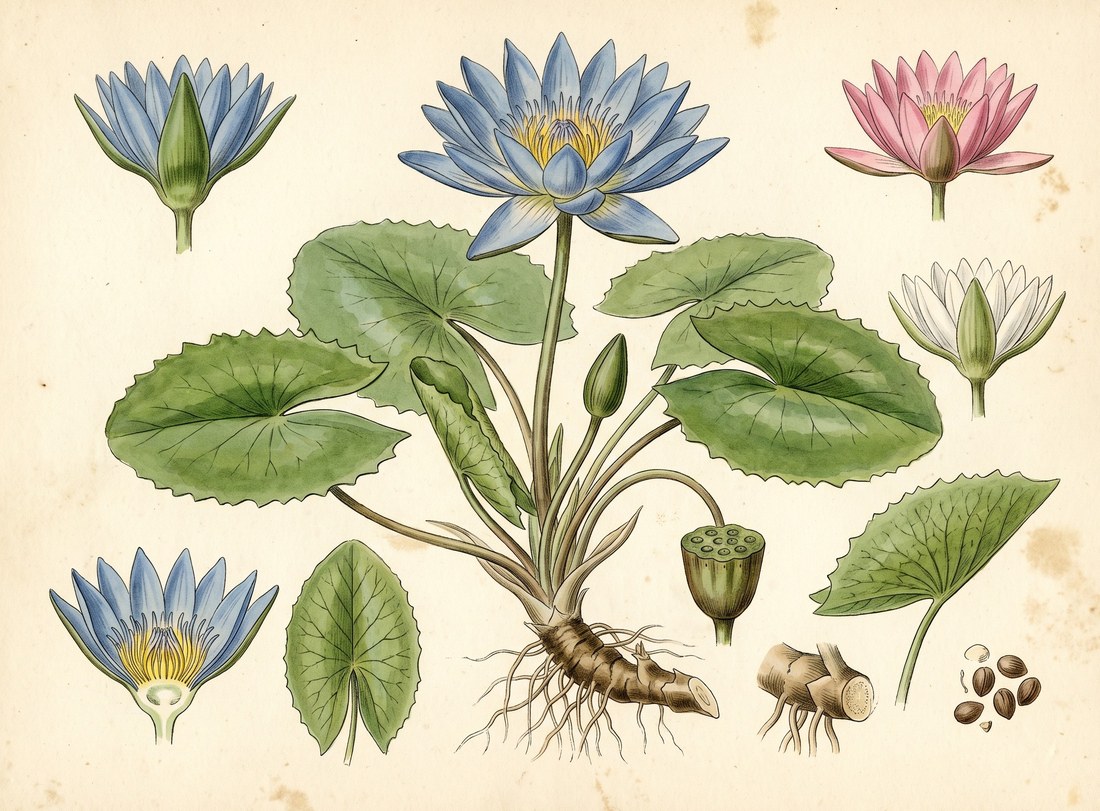 blue water lilyNymphaea stellata
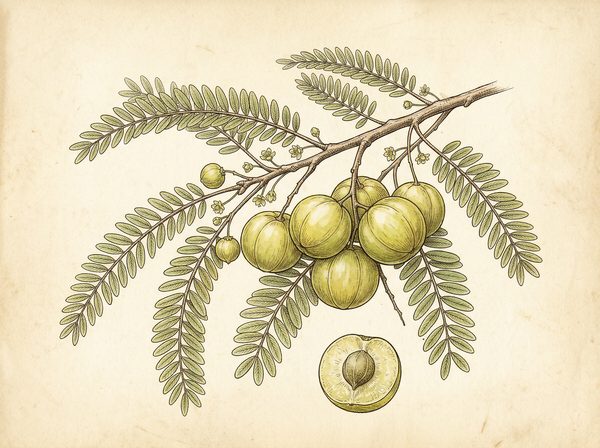 Indian gooseberryPhyllanthus emblica
Nearby on the shelf
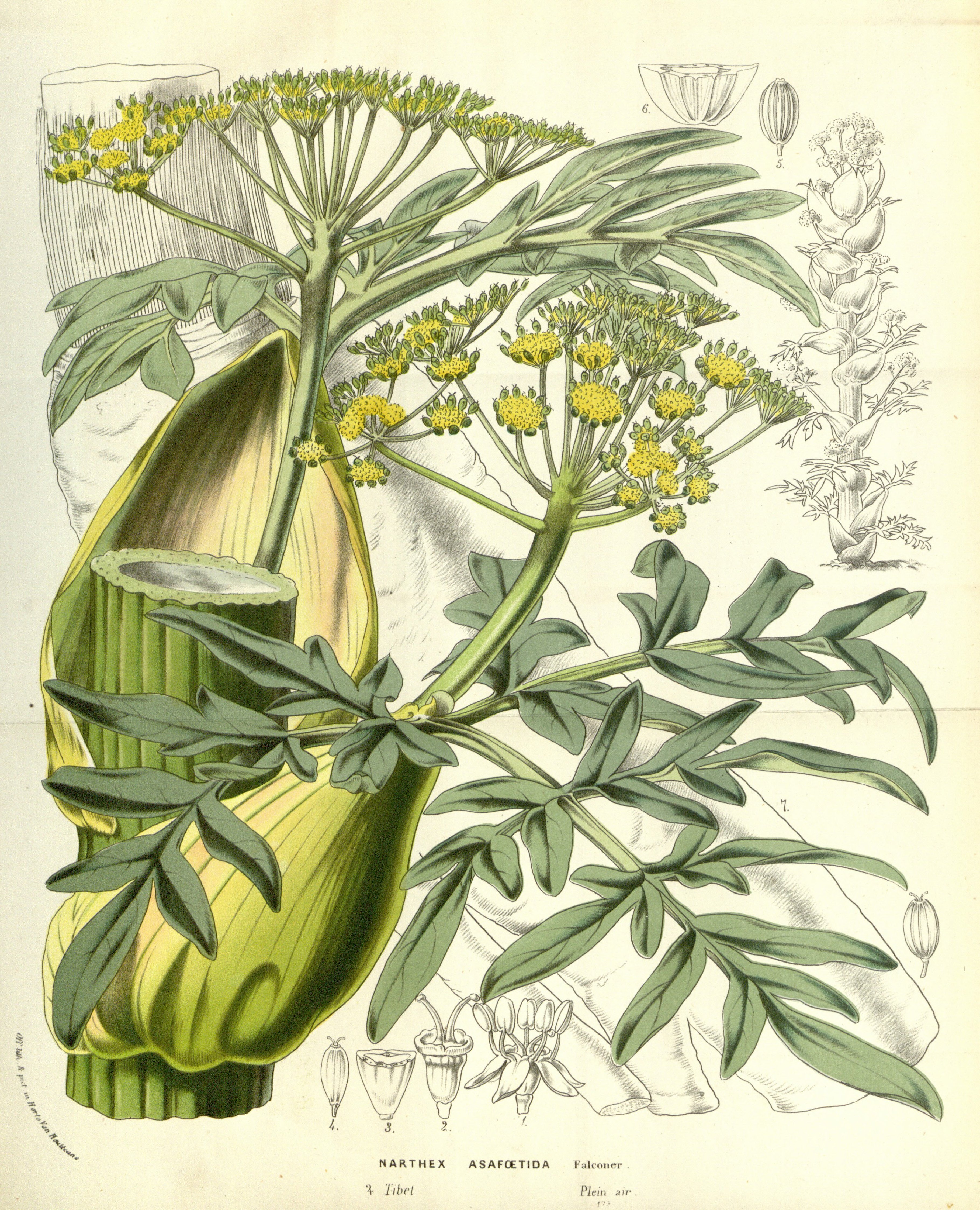 AsafoetidaFerula asafoetida
 AsarabaccaAsarum Europaeum
 AsarumAsarum canadense
 AshFraxinus excelsior
 AshwagandhaWithania somnifera
 AsparagusAsparagus
 AspenPopulus tremuloides
 AtibalaAbutilon indicum
The whole plate is in the library. The compass, Compare, the Sky of eleven hundred plants and the formulary open with an email address and a password, free, with the formula builder and its safety engine. Herbert without limit, his formulating, clients, the handouts and the labels are the paid room.
Open the library, free