Western Herbalism
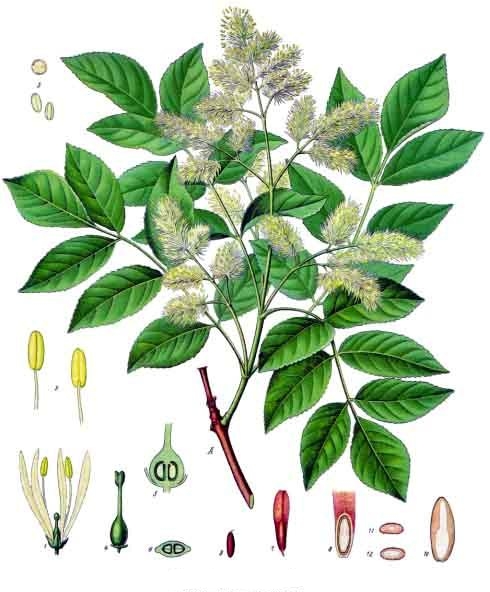
Ash
Fraxinus excelsior
Also known as Common ash, 1, I. Black ash, Elder-leaved ash; II. White ash.
Traditional use as herbal tea for minor articular pain and urinary flushing Ph. Eur. monograph compliant adequate fluid intake required for diuretic effect not recommended for children under 18 consult physician if symptoms persist beyond 2-4 weeks or worsen Assessment Report

Ask Herbert about Ash. Herbert is the master herbalist inside Bountiful Herbs: he answers from this plate and eleven hundred others, with dosing, pairing and cautions. Your first ten questions are free.
Ask HerbertActions
Indications what the tradition reached for it in
- Constipation
- Gout
- Fever
- Rheumatism
- Oed
- Arthritis
- Bladder problems
- Cystitis
- Fluid retention
- Minor urinary tract complaints
- Minor articular pain
- Edema
- Inflammation
- Urinary disorders
- Urinary complaints
- Joint pain
Safety
Pregnancy: Pregnancy Caution
Breastfeeding: Lactation (source flag notSafeInLactation)
The record lists 2 contraindications; open the plate in the library to read them in full.
Dosing as the sources wrote it
| Preparation | As written | Metric |
|---|---|---|
| Herbal tea decoction: 20 g comminuted leaf/1 L water, divided in 2-3 doses/day | 20000 mg | |
| Herbal tea infusion: 10-30 g/1 L boiling water, divided 2-3 doses/day | 10000-30000 mg | |
| Dose, 10 to 60 grains. | 648-3888 mg | |
| Dose, 10 to 60 drops. | 0.2-1.2 mL | |
| specific fraxinus | Dose of specific fraxinus, 10 to 60 drops. | 0.2-1.2 mL |
Doses are reproduced from the sources for practitioners and are not a recommendation for any person.
From the sources
Clinical Notes. Traditional use as herbal tea for minor articular pain and urinary flushing Ph. Eur. monograph compliant adequate fluid intake required for diuretic effect not recommended for children under 18 consult physician if symptoms persist beyond 2-4 weeks or worsen Assessment Report
Action and Therapy. Probably of some value in uterine subinvolution, with pelvic heaviness and dragging pain, and soreness and headache at the vertex and occipital base of the skull. That it will cure uterine tumors, as has been claimed, is extremely doubtful and lacks sufficient proof to be given credence. Its relative, the White Ash, is said to be cathartic.
indications. Ash is traditionally indicated for: Constipation, Gout, Fever, Rheumatism, Oed, Arthritis, Bladder problems, Cystitis, Fluid retention, Minor urinary tract complaints, Minor articular pain, Edema, Inflammation, Urinary disorders, Urinary complaints, and 1 further conditions.
The dried bark of Fraxinus sambucifolia, Lamarck, and Fraxinus americana, Linné (Nat. Ord. Oleaceae.) Forest trees of northern United States and Canada. Dose, 10 to 60 grains.
Drawn from King's American Dispensatory, 18th edition (Felter and Lloyd); Felter's Eclectic Materia Medica, Pharmacology and Therapeutics, and the Bountiful Herbs editorial.
In formulas
Ash stands in 8 documented formulas in the library, among them bái tóu wèng tāng, bái tóu wêng jia gan cǎo ẽ jiào tang, jia wèi bái tou wêng tàng.
Often paired with
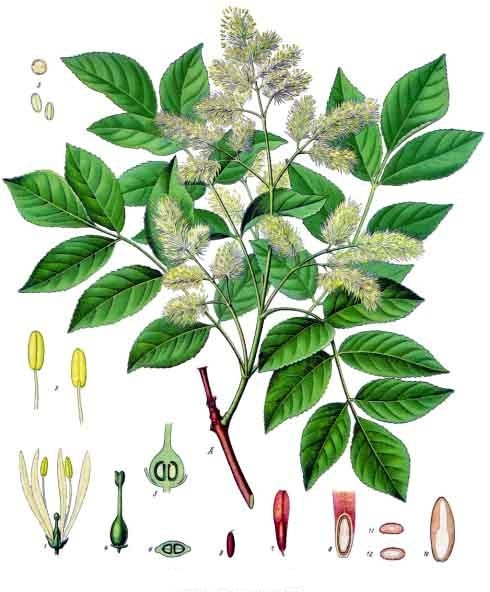 White ashFraxinus americana
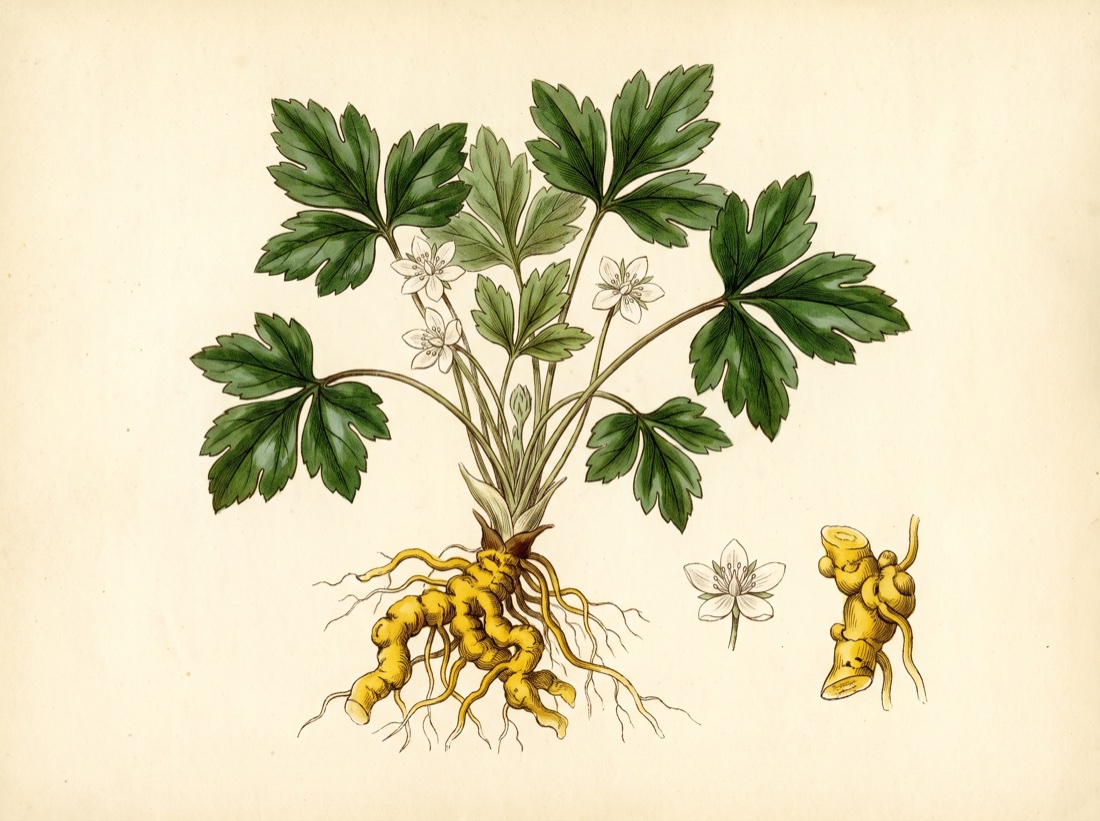 Chinese goldthreadCoptis chinensis
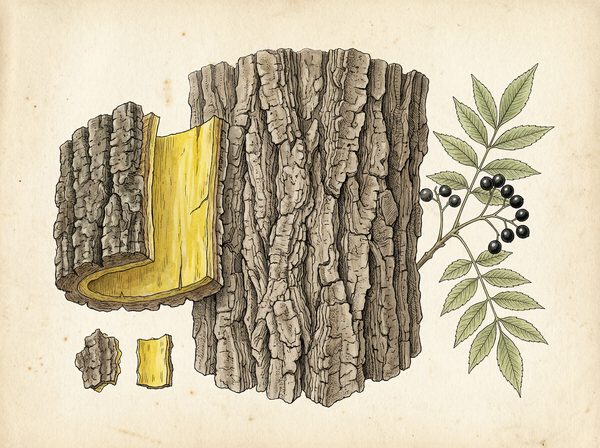 Huang BaiPhellodendron amurense
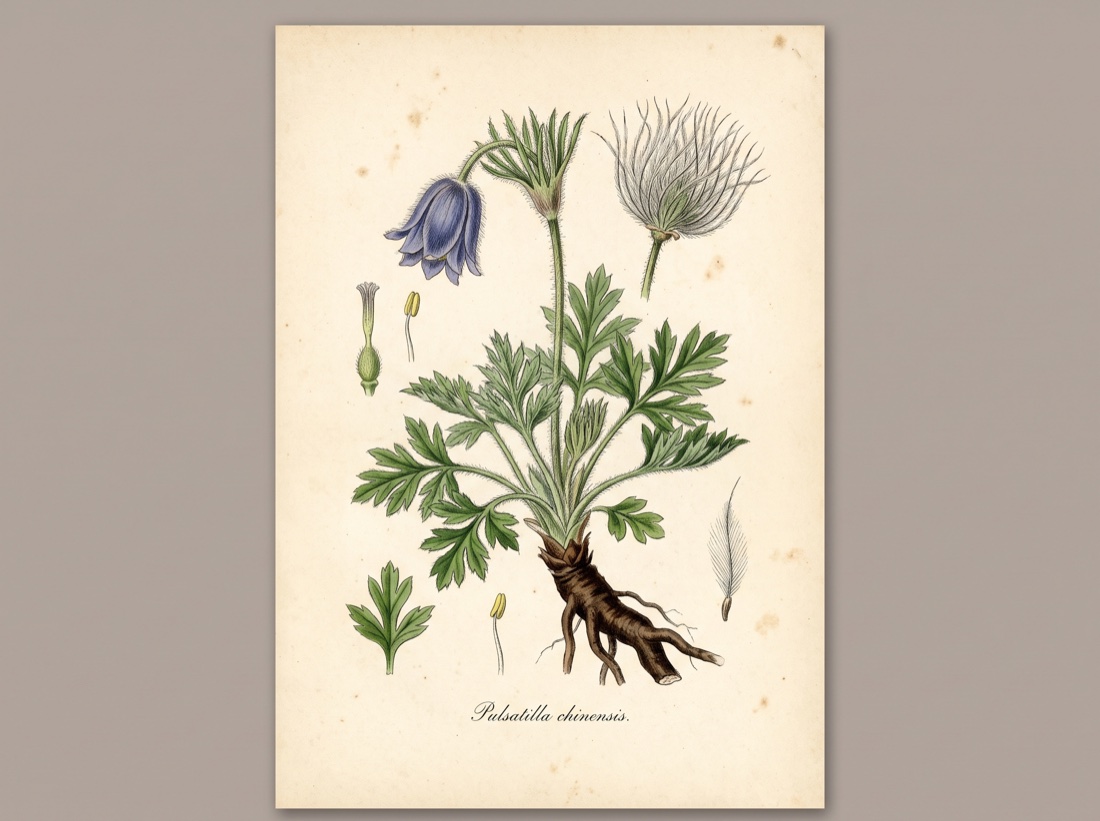 Chinese pulsatillaPulsatilla chinensis
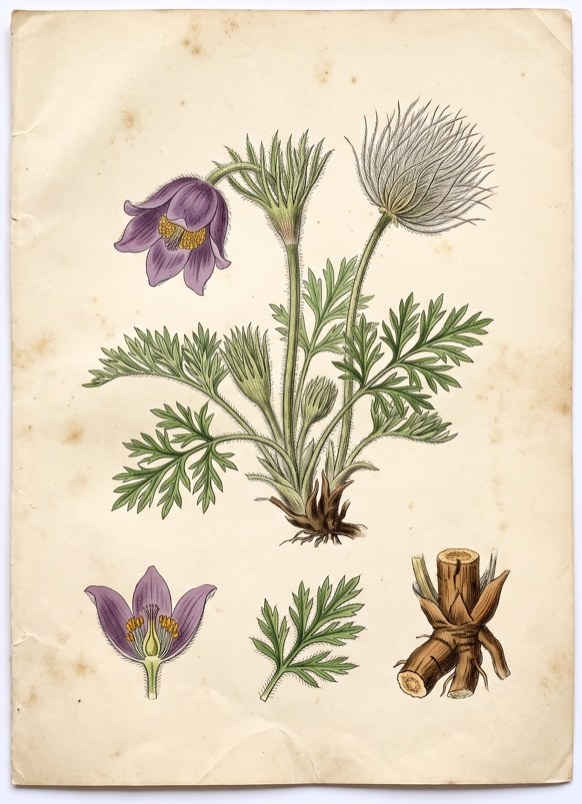 Pasque flowerPulsatilla vulgaris
 Chinese skullcapScutellaria baicalensis
Nearby on the shelf
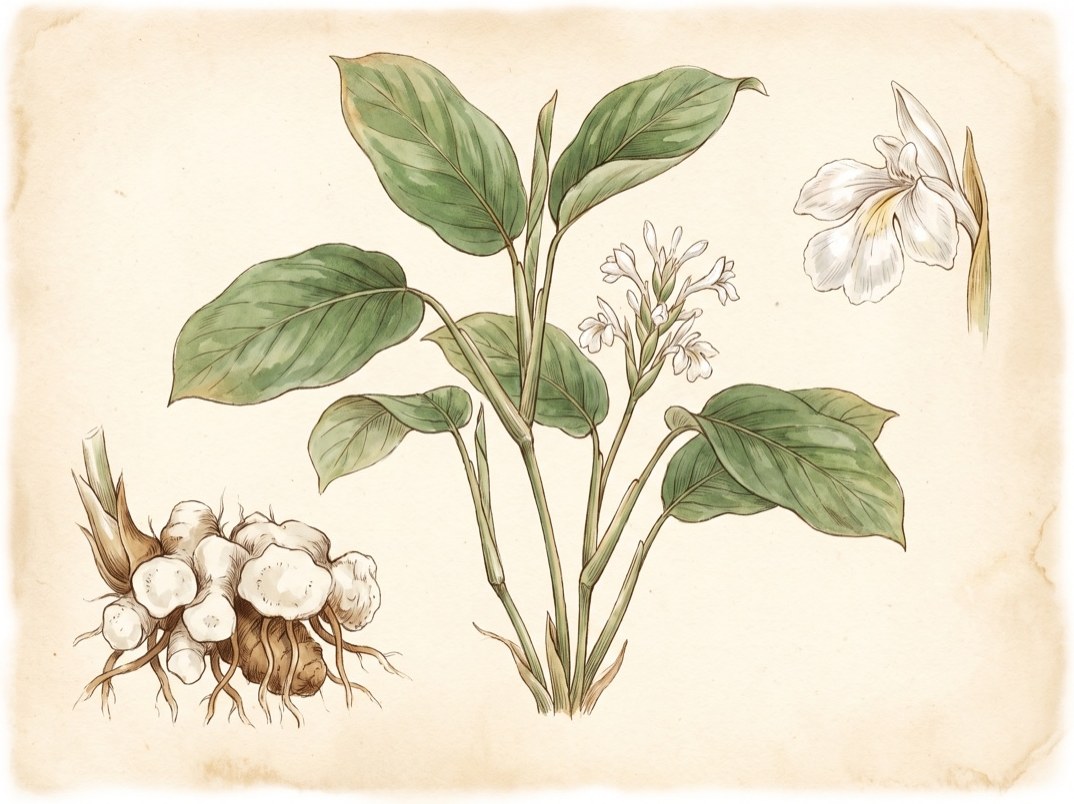 ArrowrootMaranta
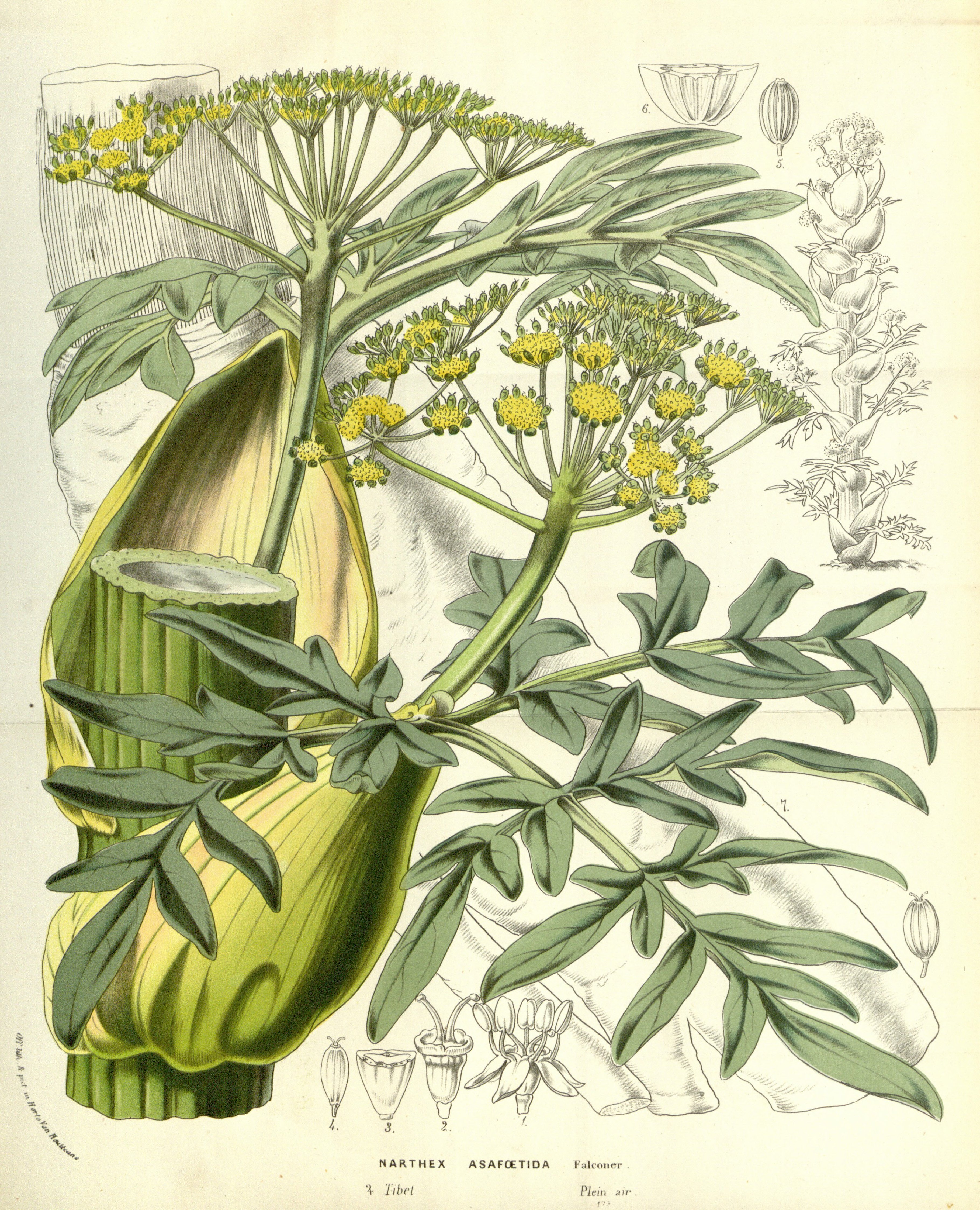 AsafoetidaFerula asafoetida
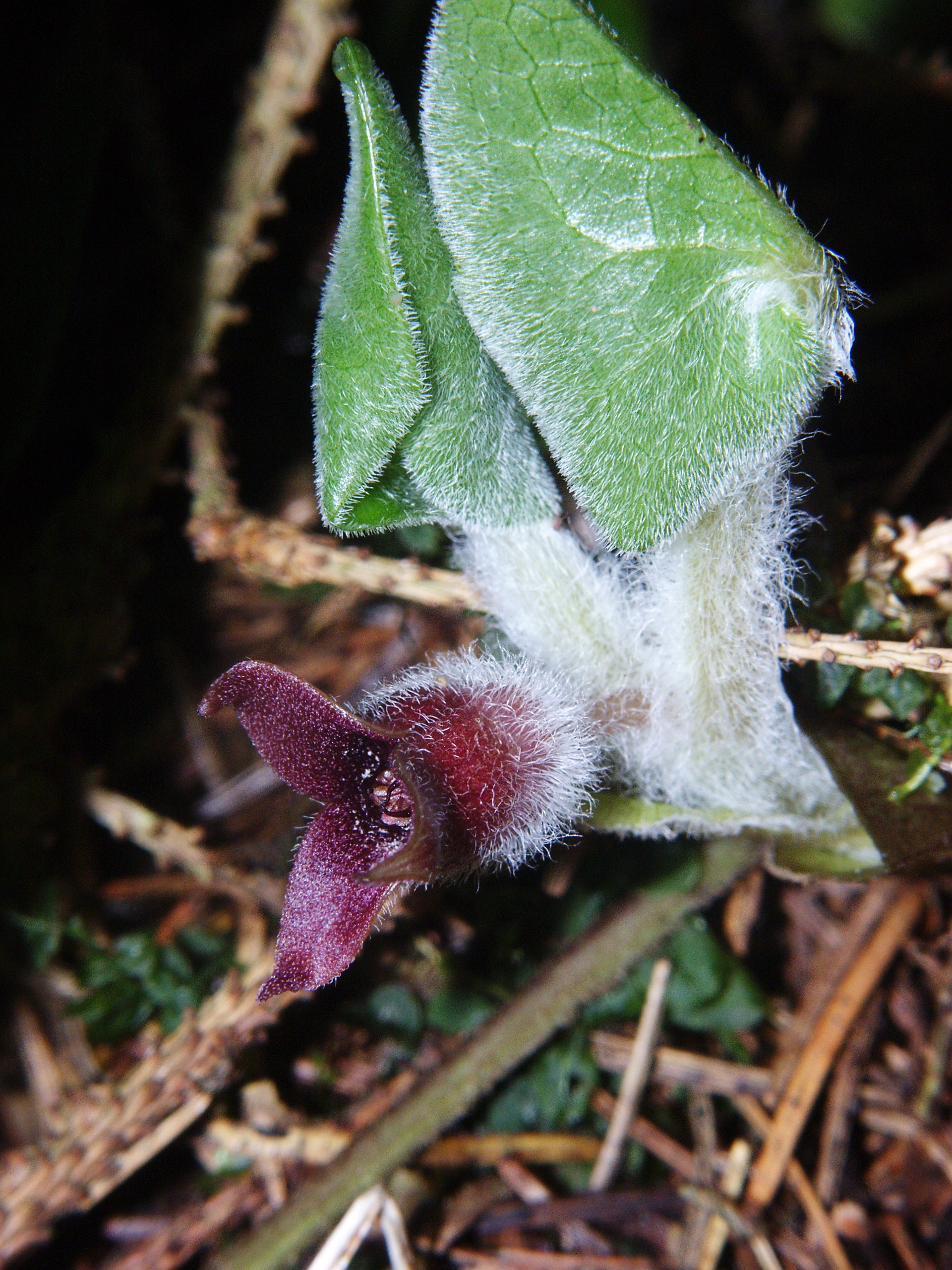 AsarabaccaAsarum Europaeum
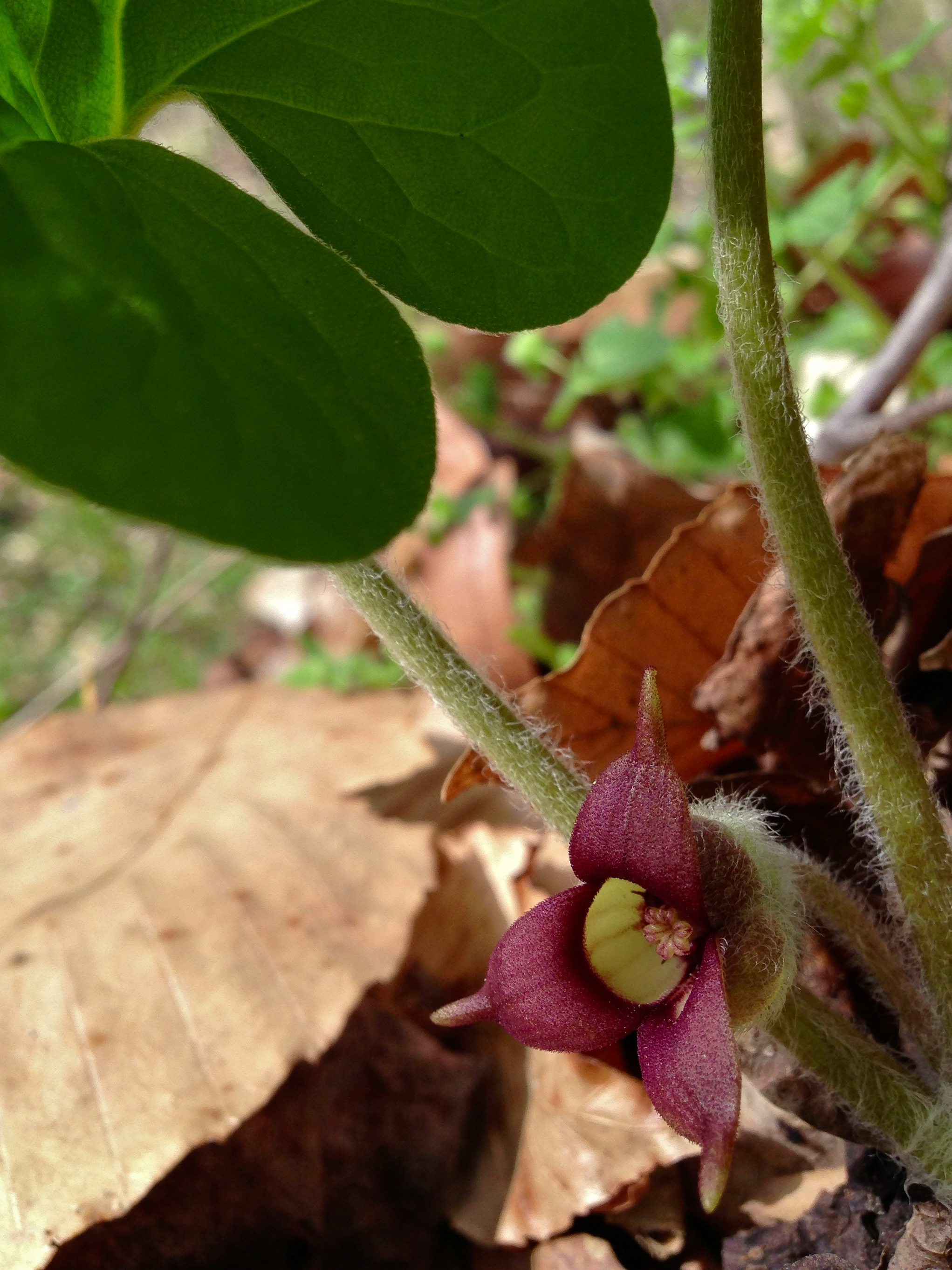 AsarumAsarum canadense
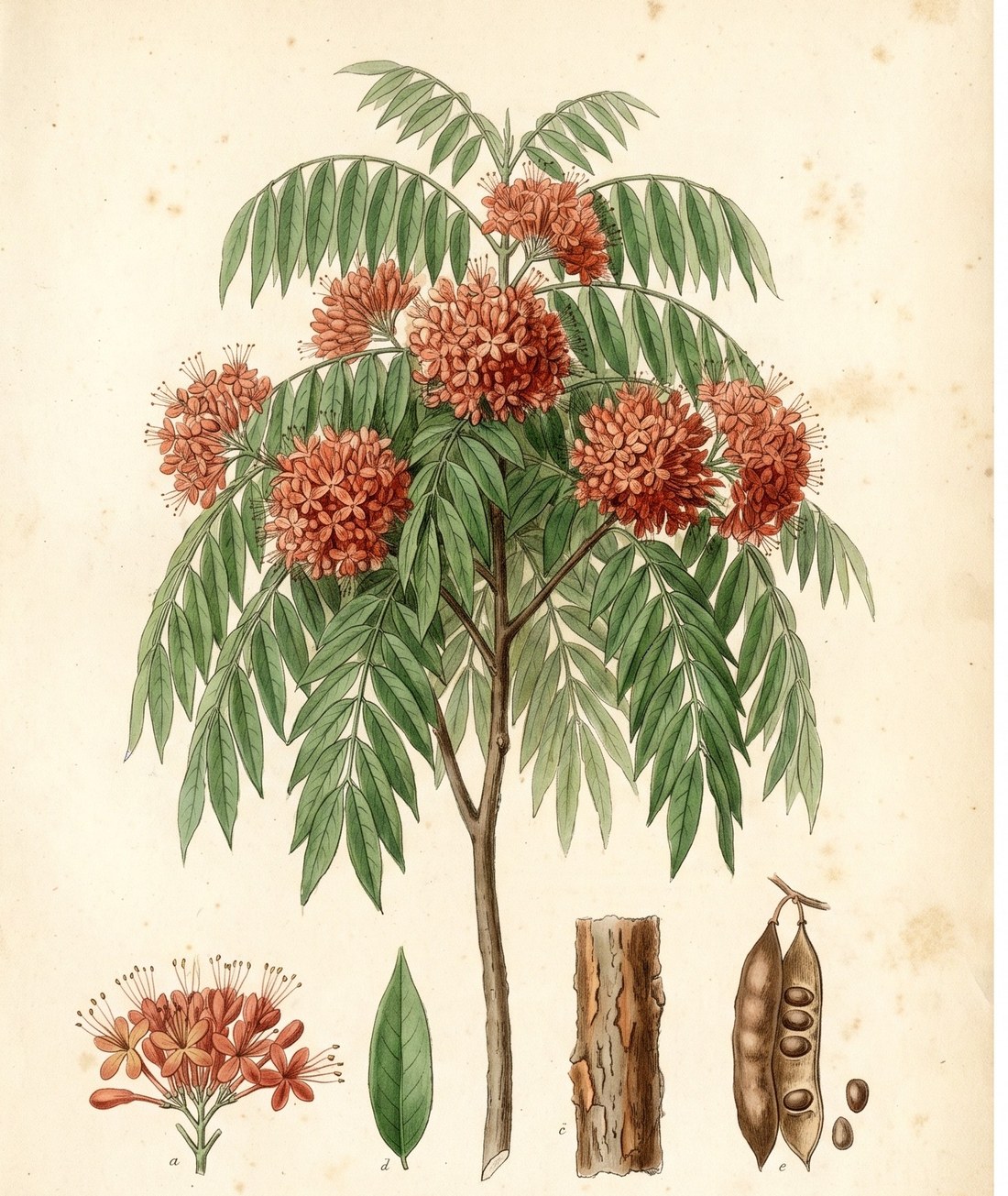 Ashoka treeSaraca asoca
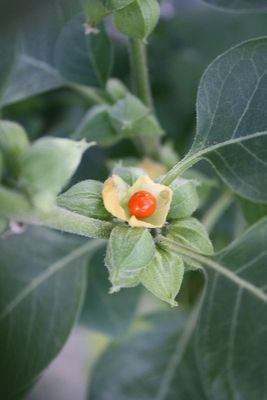 AshwagandhaWithania somnifera
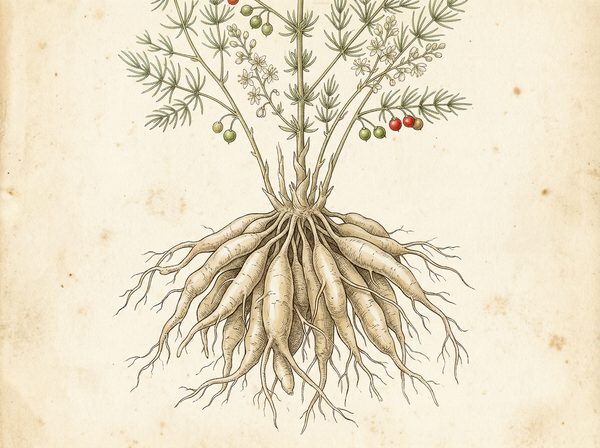 AsparagusAsparagus
 AspenPopulus tremuloides
The whole plate is in the library. The compass, Compare, the Sky of eleven hundred plants and the formulary open with an email address and a password, free, with the formula builder and its safety engine. Herbert without limit, his formulating, clients, the handouts and the labels are the paid room.
Open the library, free