Western Herbalism
Aspen
Populus tremuloides
Also known as Populus Alba, Quaking Aspen, White Poplar, Aspen poplar, American aspen, Populus, American poplar, Poplar.
A neglected remedy of considerable value in debility of the urinary tract and of the digestive organs. It acts best in small or fractional doses. When so given it is of value in tenesmic action of the bladder immediately following urination. Owing to the salicin and populin present it has had a considerable reputation in malarial fevers and should be more generally employed as a post-febrile tonic.

Ask Herbert about Aspen. Herbert is the master herbalist inside Bountiful Herbs: he answers from this plate and eleven hundred others, with dosing, pairing and cautions. Your first ten questions are free.
Ask HerbertActions
Indications what the tradition reached for it in
- Muscular
- Arthrodial rheumatism
- Cystitis
- Diarrhoea
- Anorexia with stomach
- Liver disorders
- Common cold
- Specifically for rheumatoid arthritis
Specific indications
Marked debility with digestive impairment; tenesmic action after urination.
Safety
The record lists 3 contraindications; open the plate in the library to read them in full.
Dosing as the sources wrote it
| Preparation | As written | Metric |
|---|---|---|
| Dried bark 1-4 g as a decoction three times daily | 1000-4000 mg | |
| (G6, G7) Liquid extract 1-4 mL (1 : 1 in 25% alcohol) three times daily .(G6, G7) Figure 1 Selected constituents of poplar | 1-4 mL | |
| Dose, ten to twenty grains three or four times a day | 648-1296 mg | |
| whence three or four grains are usually a sufficient dose, though ten or more grains may be used on occasion | 259-259 mg | |
| Powdered bark | Dose, one dram two or three times a day. | 3888-3888 mg |
| How much better to use the specific medicine in from five to twenty drop doses. | 0.4 mL |
Doses are reproduced from the sources for practitioners and are not a recommendation for any person.
From the sources
Action and Therapy. A neglected remedy of considerable value in debility of the urinary tract and of the digestive organs. It acts best in small or fractional doses. When so given it is of value in tenesmic action of the bladder immediately following urination. Owing to the salicin and populin present it has had a considerable reputation in malarial fevers and should be more generally employed as a post-febrile tonic.
Therapy. The older writers were enthusiastic concerning the tonic and antiperiodic properties of this drug. They claimed that it would replace quinine in the treatment of intermittency. It has never come into general use.
Properties and Uses. The inner bark is an efficient and pleasant tonic, with a modicum of astringency. From its common name, it is usually confounded, in medicine, with the liriodendron, to which it bears no resemblance, except in being soothing in its action.
Description. Natural Order, Salicaceae. In the same Family with the willows. Genus POPULUS: Trees, with broad-ovate leaves, and dioecious flowers in scaly aments without calyx or corolla. Aments of sterile flowers long and drooping; fertile flowers under the scales of terminal aments called buds, the scales being imbricated and covered with a resinous varnish; flowers appearing before the leaves.
Drawn from Cook's Physio-Medical Dispensatory; Scudder's Specific Medication and Specific Medicines; King's American Dispensatory, 18th edition (Felter and Lloyd); Ellingwood's American Materia Medica, Therapeutics and Pharmacognosy, and the Bountiful Herbs editorial.
Often paired with
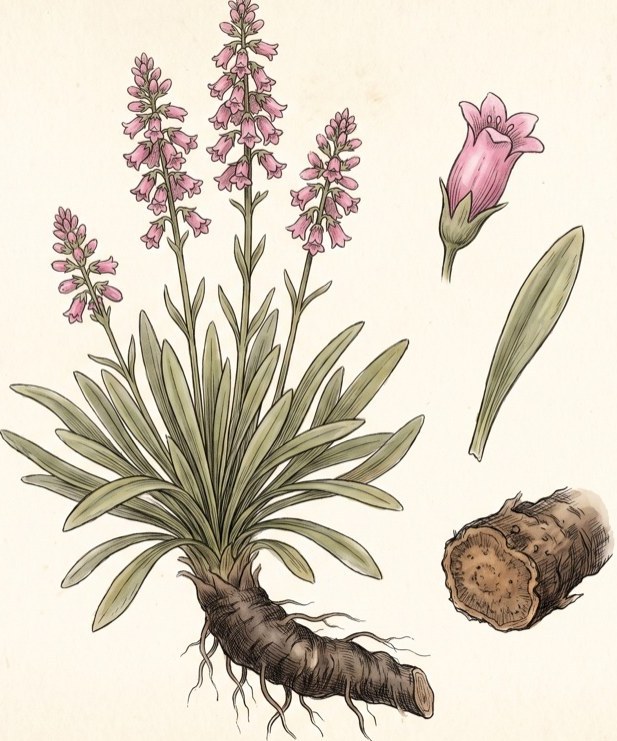 jatamansiNardostachys jatamansi
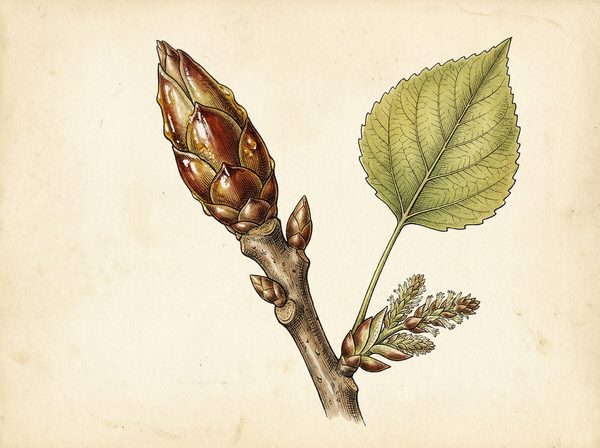 Balm of GileadPopulus balsamifera
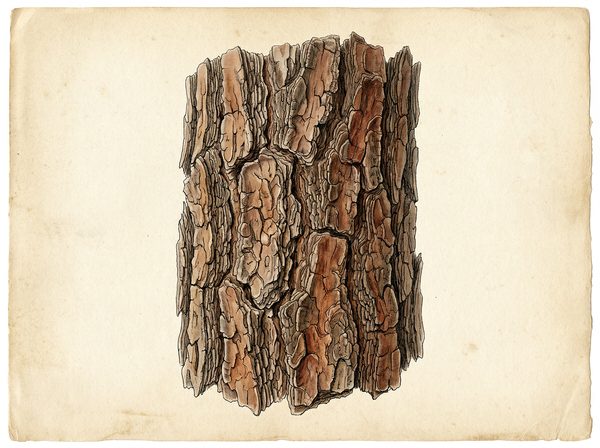 Pine BarkPinus pinaster
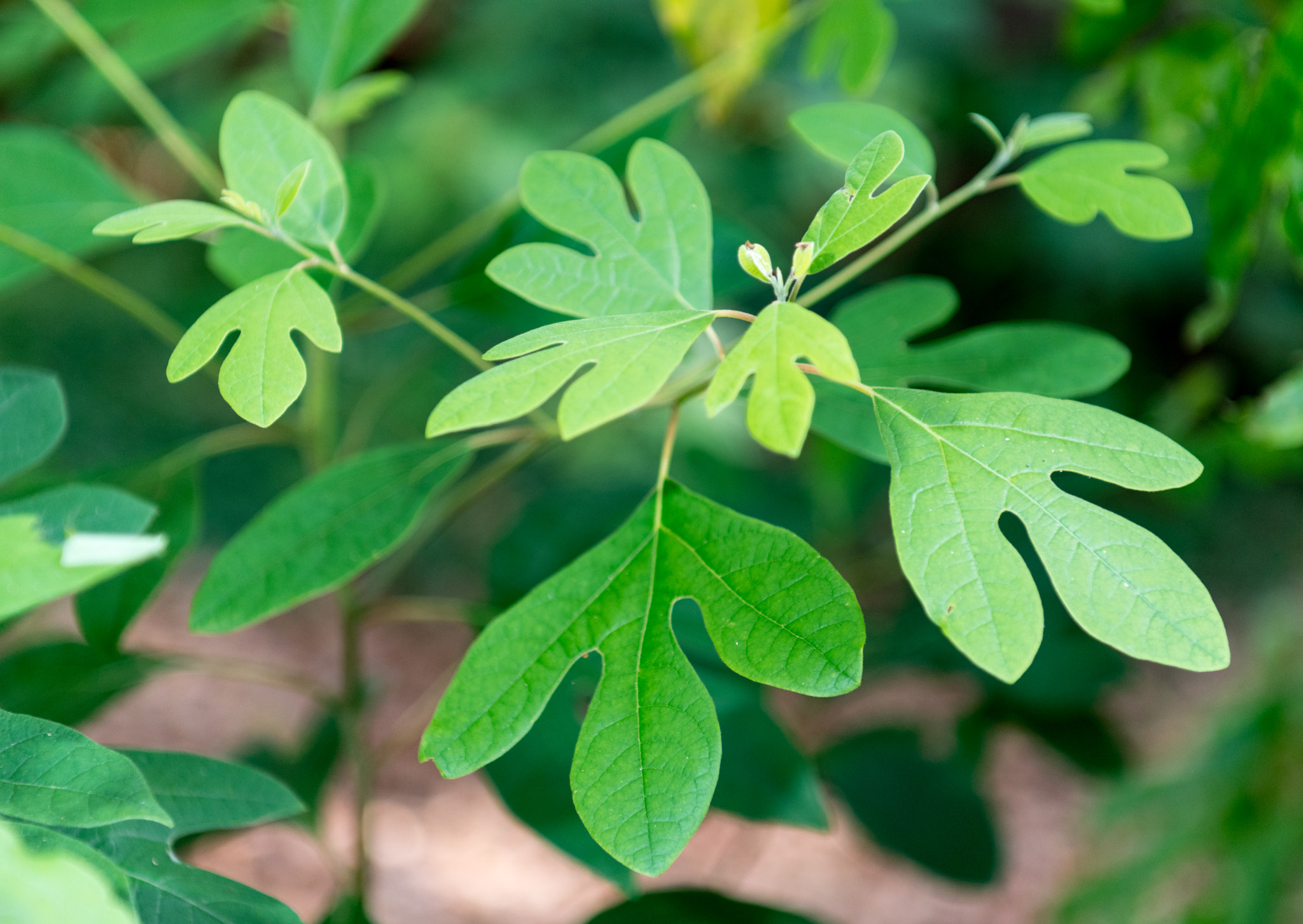 SassafrasSassafras albidum
 Wild cherryPrunus serotina
 SpikenardAralia Racemosa
Nearby on the shelf
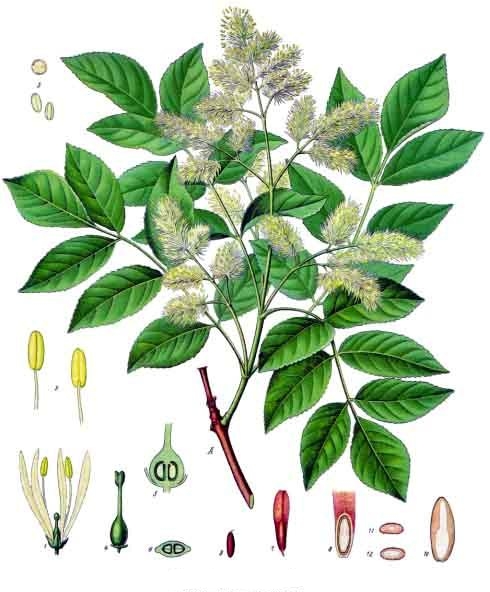 AshFraxinus excelsior
 Ashoka treeSaraca asoca
 AshwagandhaWithania somnifera
 AsparagusAsparagus
 AtibalaAbutilon indicum
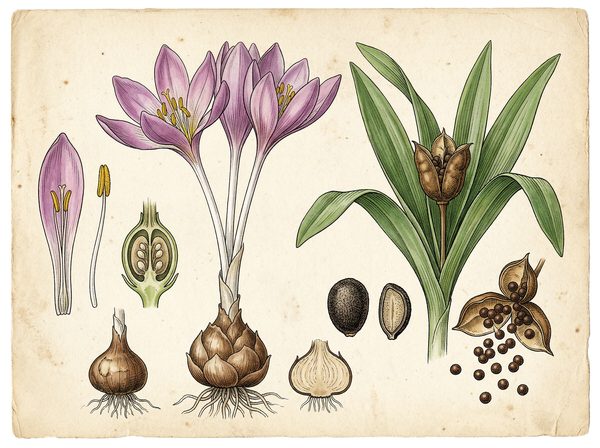 Autumn CrocusColchicum autumnale
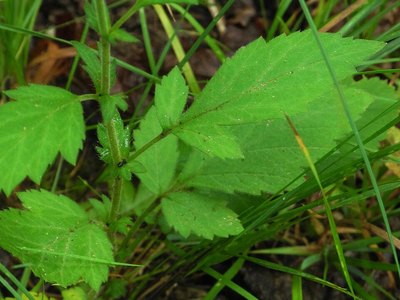 AvensGeum virginianum
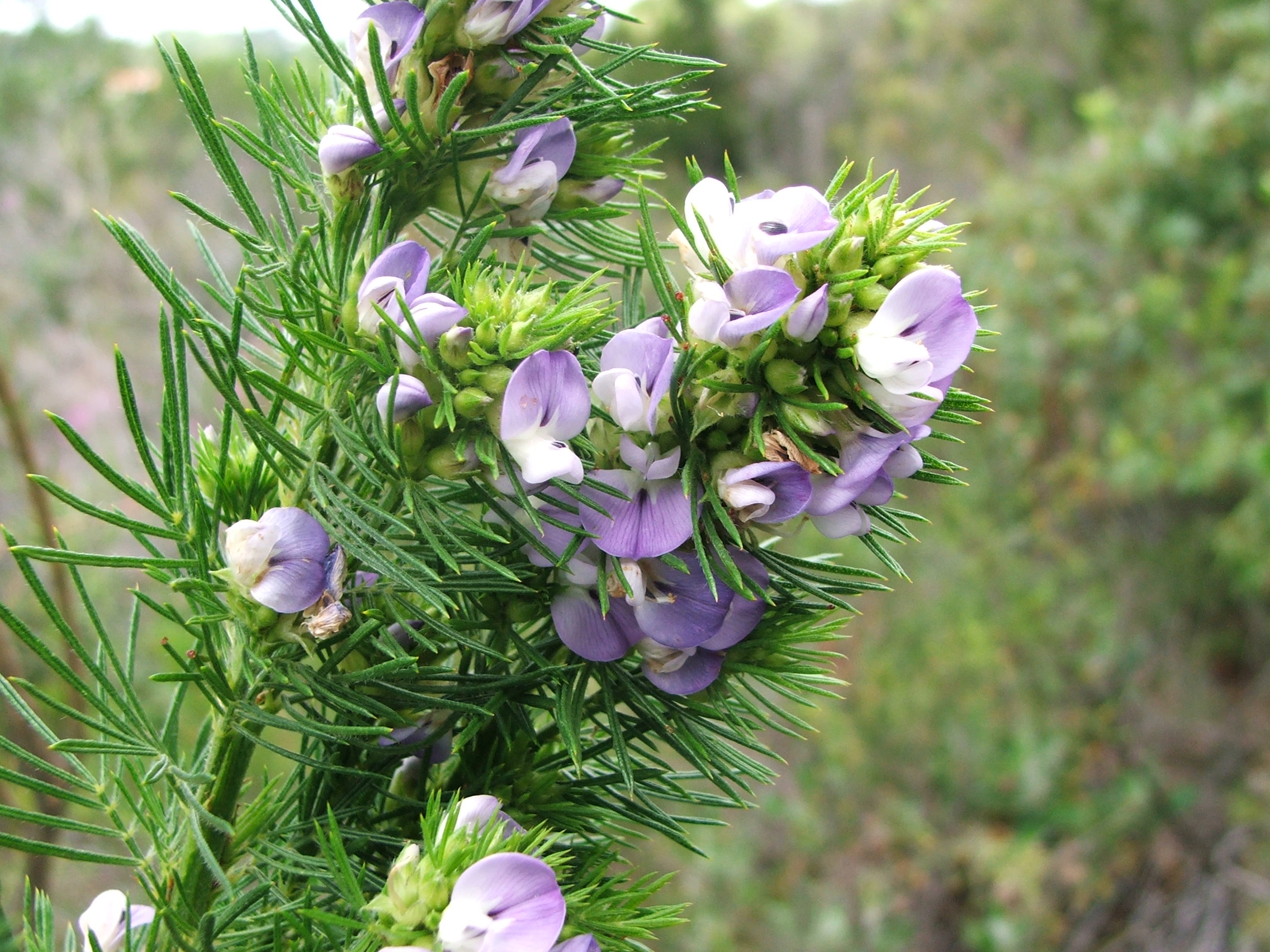 BabchiPsoralea corylifolia
The whole plate is in the library. The compass, Compare, the Sky of eleven hundred plants and the formulary open with an email address and a password, free, with the formula builder and its safety engine. Herbert without limit, his formulating, clients, the handouts and the labels are the paid room.
Open the library, free