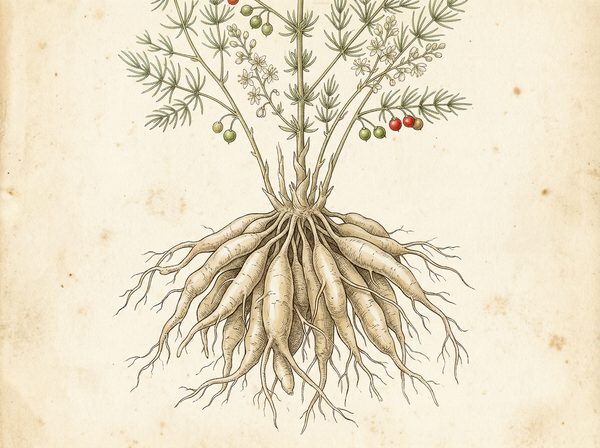
Western Herbalism
Asparagus
Asparagus
Also known as Garden asparagus, Sparrow grass.
Asparagus is a perennial member of the Asparagaceae, cultivated worldwide and long valued as both a vegetable and a medicinal plant. The young shoots are eaten as food, while the root and rhizome were the parts favored by nineteenth century eclectic physicians for their diuretic and mildly laxative action. In Western herbal tradition it occupies a modest but useful place as a gentle, food-based remedy for fluid retention and sluggish elimination.

Ask Herbert about Asparagus. Herbert is the master herbalist inside Bountiful Herbs: he answers from this plate and eleven hundred others, with dosing, pairing and cautions. Your first ten questions are free.
Ask HerbertActions
Indications what the tradition reached for it in
- Edema
- Oliguria
- Cystitis
- Urinary gravel and stones
- Gouty and rheumatic conditions (historic use)
- Chronic constipation
- Cardiac dropsy (historic eclectic use)
- Convalescent debility
- Prostatic irritation with scanty urine
Specific indications
Scanty, high colored urine with puffiness of the ankles that responds to gentle diuretic support
Sluggish elimination in a debilitated patient who needs a mild nutritive laxative and diuretic together
Safety
The record lists 4 contraindications; open the plate in the library to read them in full.
In practice
Eclectic physicians reached for asparagus root when a patient needed a gentle, non-irritating diuretic rather than a strong hydragogue, particularly in cases of mild edema, scanty urine, or early cardiac dropsy where a harsher diuretic might overtax a weakened constitution.
Dosing as the sources wrote it
| Preparation | As written | Metric |
|---|---|---|
| Decoction of dried root | 3-6 g dried root simmered daily | 3000-6000 mg |
| Tincture (1:5, 40%) | 2-4 mL three times daily | 2-4 mL |
| Fresh shoots as food | 1-2 servings of cooked spears daily as a dietary adjunct | |
| former | The dose of the former is from 2 to 3 fluid ounces; of the latter, from 30 to 60 grains. | 59.15-88.72 mL |
Doses are reproduced from the sources for practitioners and are not a recommendation for any person.
From the sources
Overview. Asparagus is a perennial member of the Asparagaceae, cultivated worldwide and long valued as both a vegetable and a medicinal plant. The young shoots are eaten as food, while the root and rhizome were the parts favored by nineteenth century eclectic physicians for their diuretic and mildly laxative action. In Western herbal tradition it occupies a modest but useful place as a gentle, food-based remedy for fluid retention and sluggish elimination.
Clinical Notes. Eclectic physicians reached for asparagus root when a patient needed a gentle, non-irritating diuretic rather than a strong hydragogue, particularly in cases of mild edema, scanty urine, or early cardiac dropsy where a harsher diuretic might overtax a weakened constitution.
Drawn from King's American Dispensatory, 18th edition (Felter and Lloyd), and the Bountiful Herbs editorial.
In formulas
Asparagus stands in 10 documented formulas in the library, among them rên shèn huáng qí sắn, zi yin jiàng huo tàng.
Often paired with
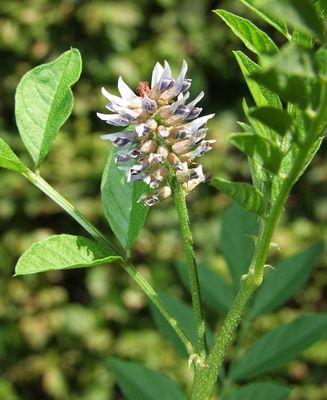 Licorice rootGlycyrrhiza glabra
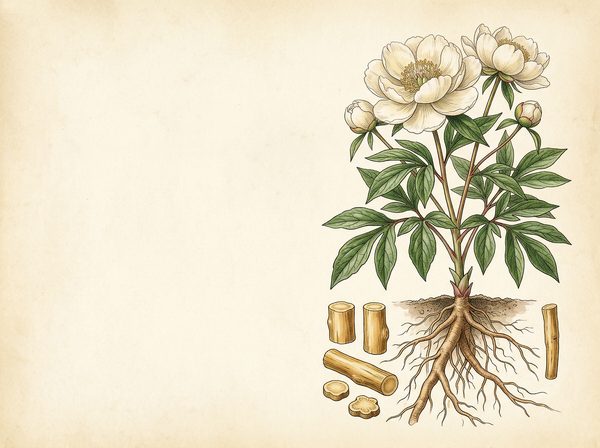 White PeonyPaeonia lactiflora
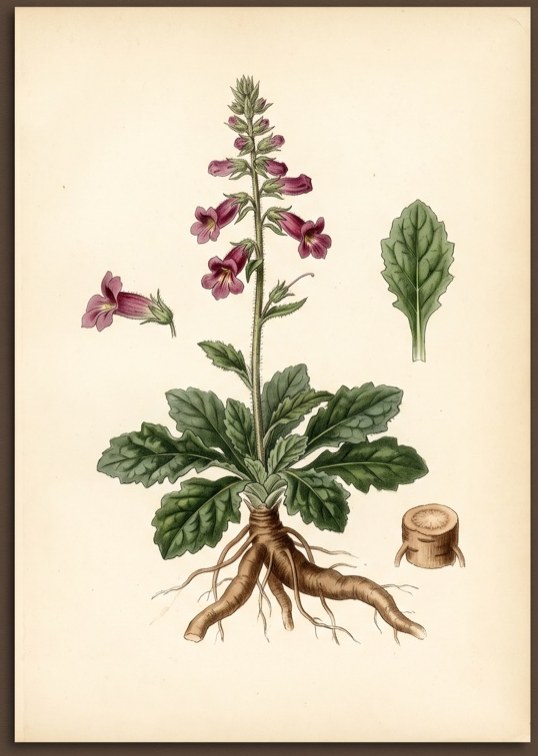 RehmanniaRehmannia glutinosa
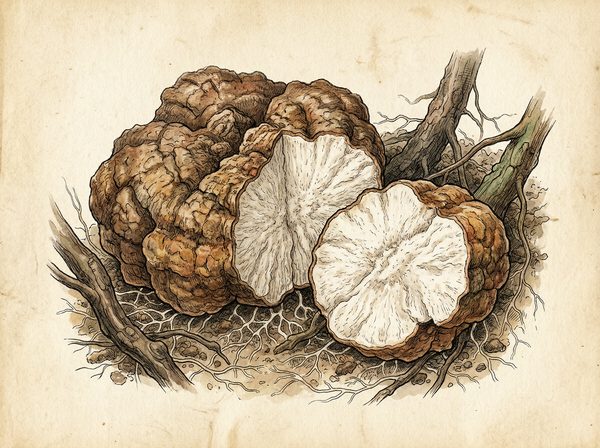 PoriaWolfiporia extensa
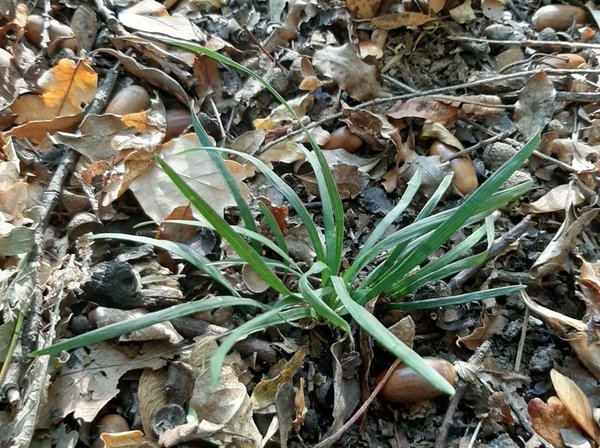 Mai Men DongOphiopogon japonicus
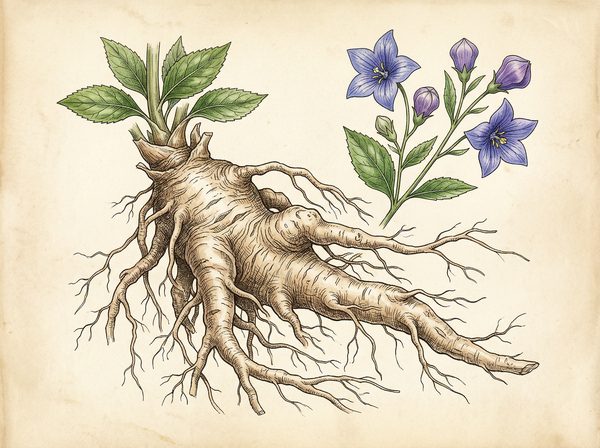 Balloon Flower RootPlatycodon grandiflorus
Nearby on the shelf
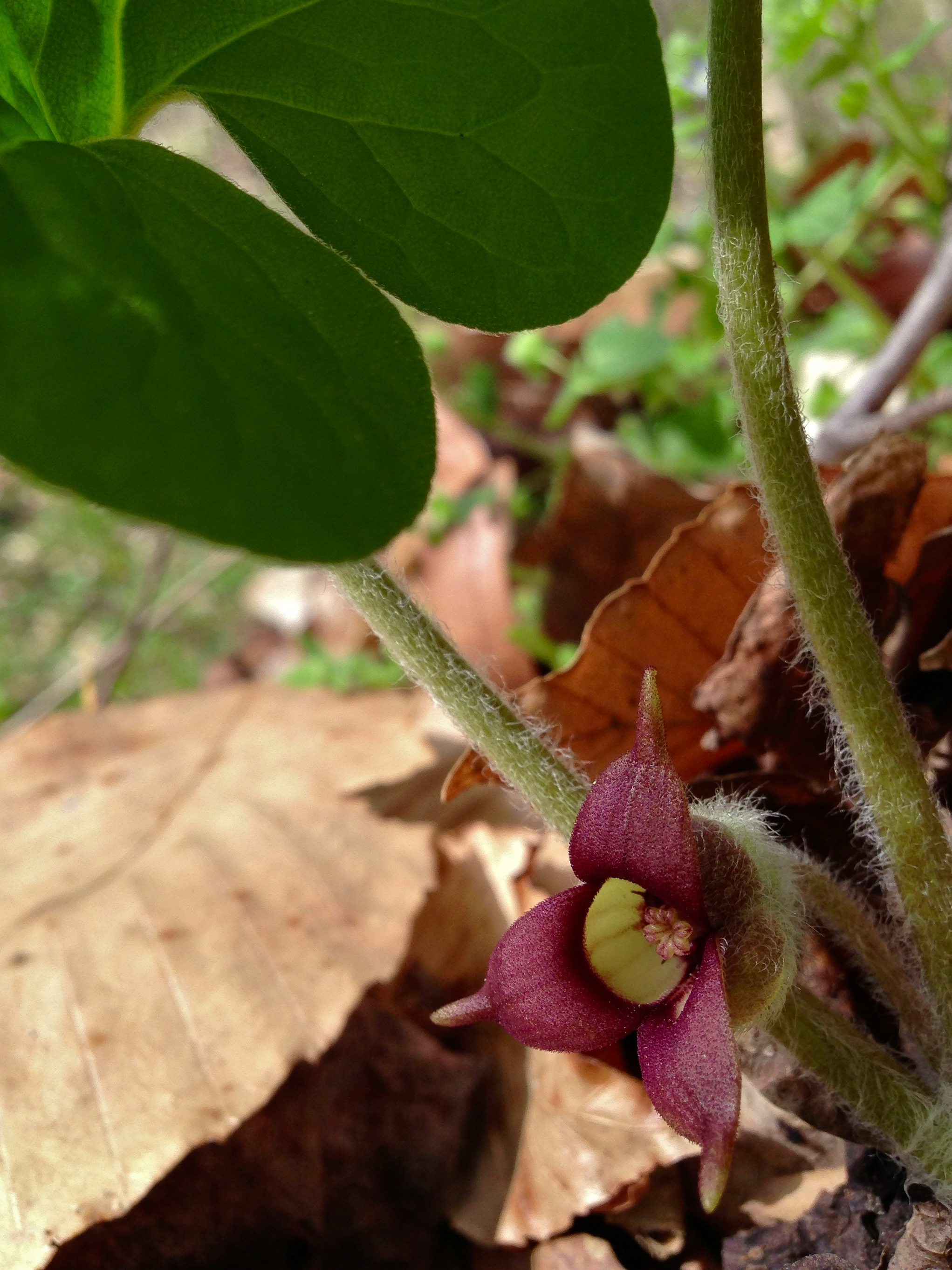 AsarumAsarum canadense
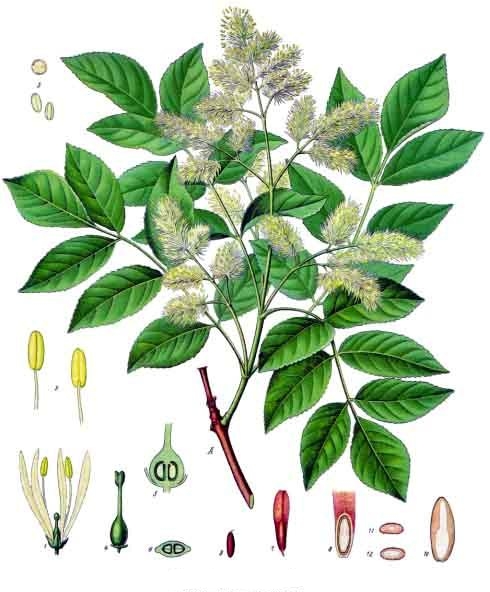 AshFraxinus excelsior
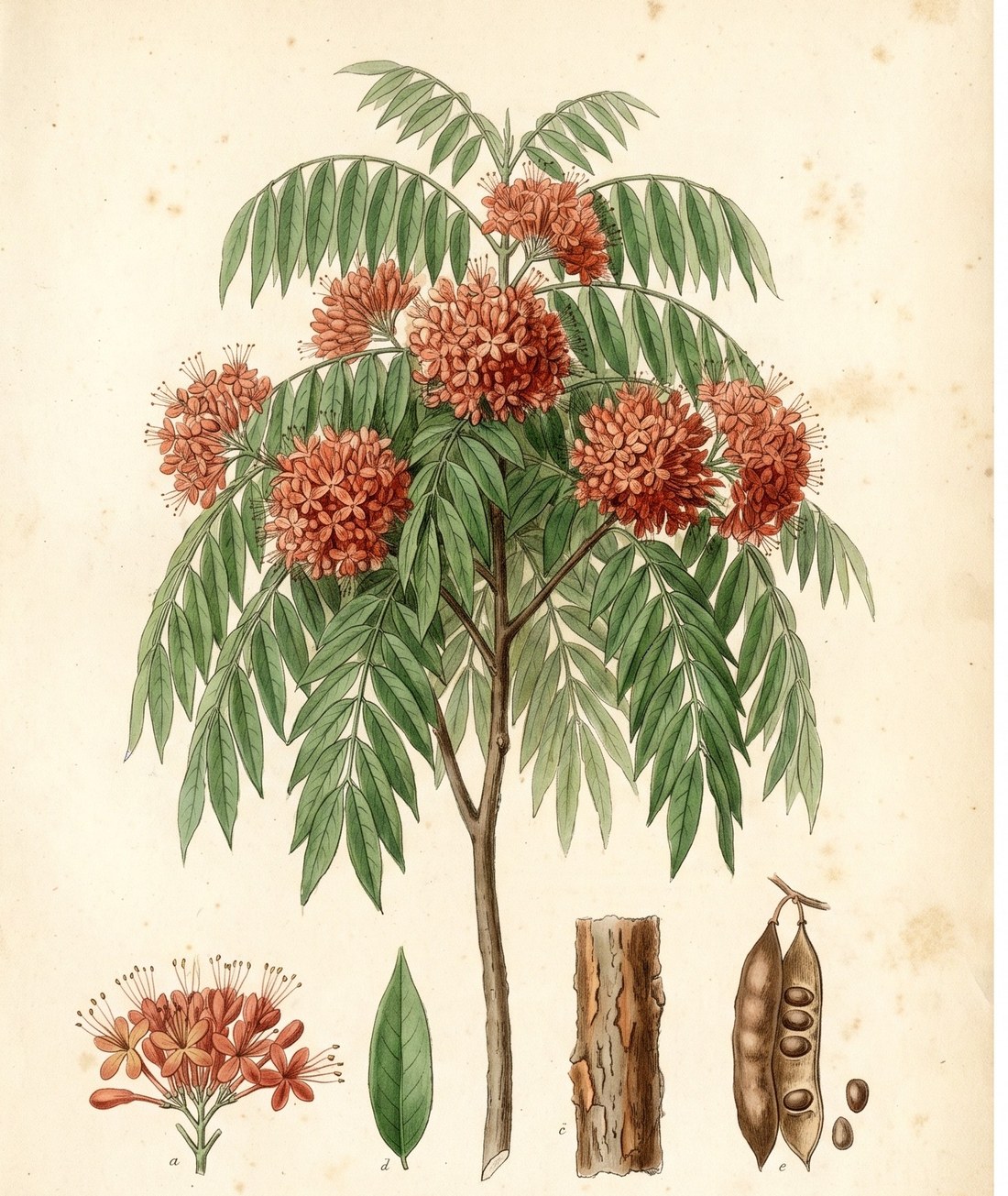 Ashoka treeSaraca asoca
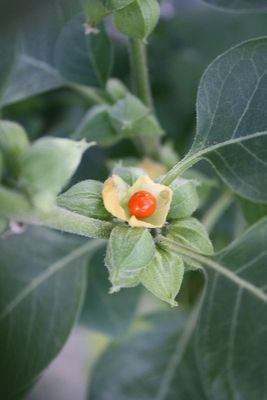 AshwagandhaWithania somnifera
 AspenPopulus tremuloides
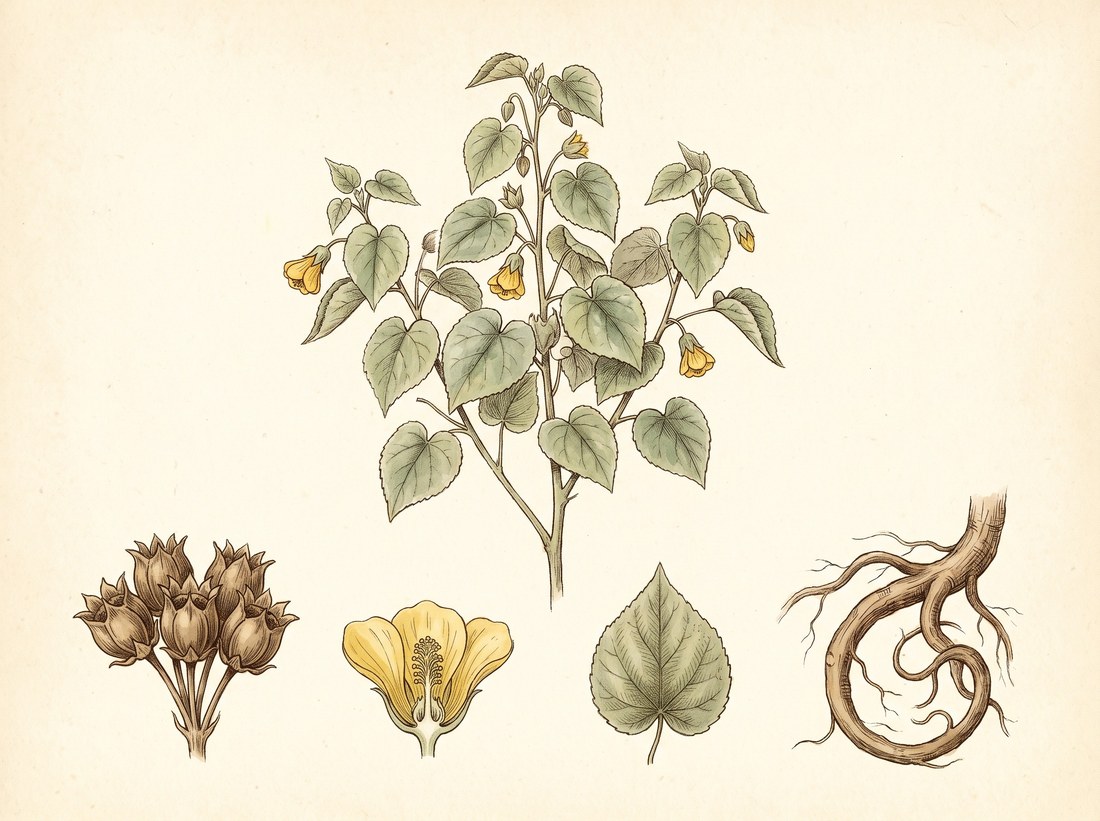 AtibalaAbutilon indicum
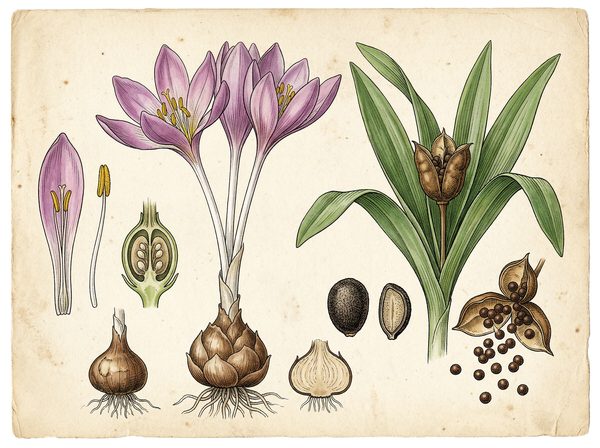 Autumn CrocusColchicum autumnale
 AvensGeum virginianum
The whole plate is in the library. The compass, Compare, the Sky of eleven hundred plants and the formulary open with an email address and a password, free, with the formula builder and its safety engine. Herbert without limit, his formulating, clients, the handouts and the labels are the paid room.
Open the library, free