Ayurvedic Herbalism
Ankola
Alangium salviifolium
Also known as sage-leaved alangium, ankol, alangium, Ankola, Ankota, Dirghakila.
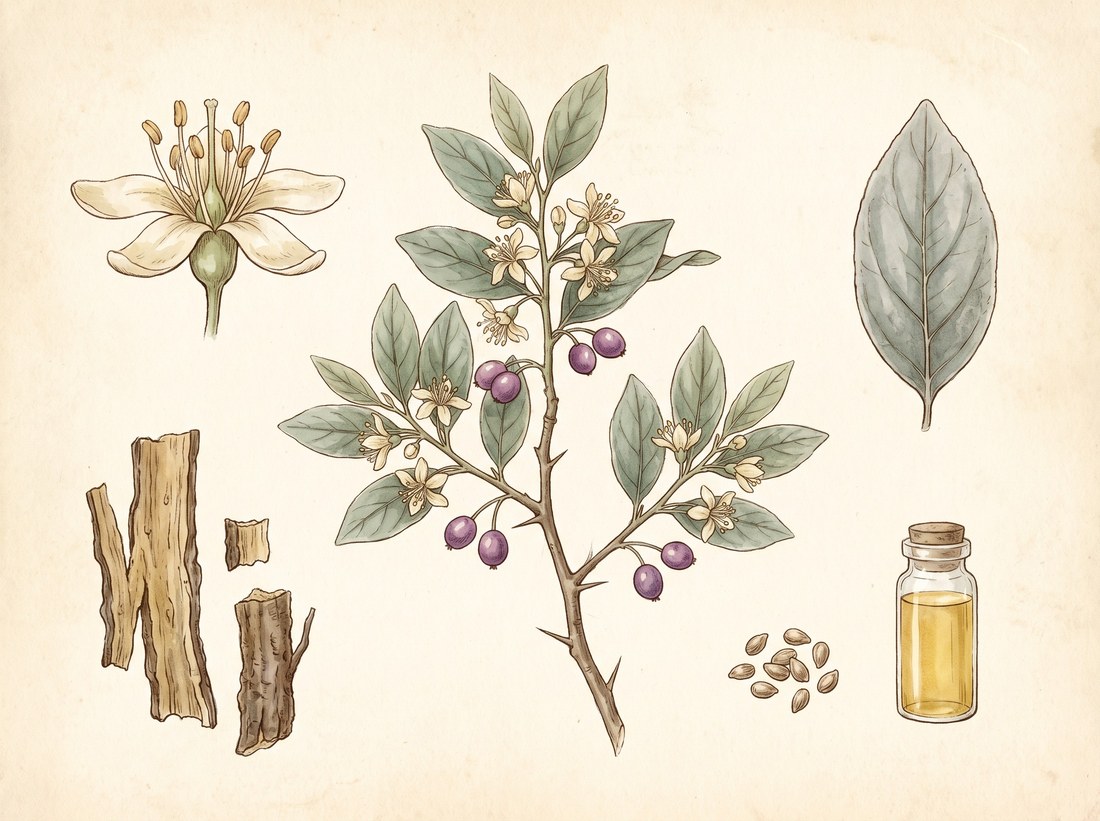
Alangium salviifolium is a thorny deciduous tree or large shrub with sage-like grey leaves, fragrant cream flowers and small purple fruits, growing in the dry deciduous forests and scrub of peninsular India, the Gangetic plain, Sri Lanka and Southeast Asia and often planted near villages. Ayurveda knows it as Ankola, a hot, sharp root bark famous as a vishaghna, an antidote to bites and poisons, and as an emetic and purgative in larger doses; the seed oil and leaf are external remedies for rheumatic pain and skin disease and the fruit is eaten. The root bark contains emetine-type alkaloids related to those of ipecacuanha, which explains both its reputation and its danger.

Ask Herbert about Ankola. Herbert is the master herbalist inside Bountiful Herbs: he answers from this plate and eleven hundred others, with dosing, pairing and cautions. Your first ten questions are free.
Ask HerbertActions
Indications what the tradition reached for it in
- Rheumatic and arthritic pain with swelling (seed oil and leaf poultice)
- Intestinal worms and amoebic dysentery (root bark, low dose, supervised)
- Fevers with heaviness and phlegm (traditional, low dose)
- Skin diseases with itching and infection (external oil and paste)
- Snake, dog and rat bites as a traditional first aid antidote (historical)
- Hemorrhoids (traditional)
- Dysentery and bleeding (ripe fruit, astringent)
- Chronic ulcers and boils (leaf paste)
- Sciatica and neuralgia (external oil)
- Emesis therapy in classical Panchakarma (expert use only)
Specific indications
A cold, swollen, painful joint or a sciatic limb where the seed oil or a warmed leaf poultice is applied externally, with no internal use
A rural patient with a traditional history of Ankola root bark for worms, in whom the physician wants to know the safe low dose and the emetic threshold
Chronic dysentery with blood where the ripe fruit is used as a cooling astringent food
A classical vishaghna context, bites and stings treated with root bark paste externally and small internal doses by an experienced Ayurvedic physician
Safety
Low dose botanical. Used in drop doses in the classical practice; not a plant to dose freely.
Pregnancy: Contraindicated internally in pregnancy: no published safety class is known to us, the root bark is emetic, purgative and heating, and the tradition treats it as a strong drug unsuitable for pregnant women; the fruit and external applications are acceptable.
Breastfeeding: Avoid internal use during breastfeeding because of the emetine-type alkaloids; external oil and the ripe fruit are acceptable.
The record lists 11 contraindications; open the plate in the library to read them in full.
In practice
Ankola is a drug of the experienced Ayurvedic physician, given in small, carefully measured doses. The root bark powder, a few hundred milligrams to a gram with honey, ghee or rice water, is the traditional dose for worms, fever, skin disease and as an antidote; at two to three grams it provokes vomiting and purging, which is the intended effect in classical vamana and in the first aid treatment of poisoning, where the bark paste is also rubbed on the bite.
In Ayurveda
Rasa: tikta (bitter), katu (pungent), kashaya (astringent). Virya: ushna (heating). Vipaka: katu (pungent). Guna: laghu (light), ruksha (dry), tikshna (sharp). Dosha: pacifies kapha and vata; aggravates pitta. Prabhava: vishaghna (counters poison): the root bark is a classical antidote for bites and poisoning, and is emetic and purgative at higher doses. Karma: vishaghna (counters poison); vamana (emetic, at higher dose); virechana (purgative, at higher dose); krimighna (anthelmintic); jvaraghna (relieves fever); shothahara (reduces swelling); kushthaghna (cures skin disease); vedanasthapana (relieves pain); kaphahara (reduces kapha); rasayana (rejuvenative, in small doses, in some texts); grahi (astringent, fruit). Classical indications: visha (poisoning, including bites of dogs, rats and snakes); krimi (worms); jvara (fever); kushtha (skin disease); shotha (swelling); vatavyadhi (painful disorders of vata, external); amavata (rheumatoid type arthritis); arsha (hemorrhoids); pravahika (dysentery, fruit); raktapitta (bleeding disorders, fruit); shvasa (dyspnea); unmada (mental disturbance, in old formulas). The root bark is the classical drug, powdered and given in very small doses with honey or ghee as an antidote, anthelmintic and antipyretic, or in larger doses as an emetic and purgative; the seed oil and leaf paste are applied externally for rheumatic pain, swelling and skin disease; the ripe fruit is eaten and given as a cooling astringent for dysentery and bleeding. Classical formulations: Ankola mula twak churna, Ankola taila (seed oil, external), Ankola patra lepa (leaf poultice), Ankoladi kwatha, Ankola in classical vishaghna (antidote) yogas. Described in: Charaka Samhita, Sushruta Samhita, Ashtanga Hridaya, Bhavaprakasha Nighantu, Dhanvantari Nighantu, Raja Nighantu, Kaiyadeva Nighantu, Ayurvedic Pharmacopoeia of India.
Dosing as the sources wrote it
| Preparation | As written | Metric |
|---|---|---|
| Churna, low dose | 250-1000 mg powdered root bark once daily with honey or ghee, expert supervision only | 250-1000 mg |
| Taila, topical | 5-10 mL seed oil massaged over painful joints once or twice daily, external use only | 5-10 mL |
| Kalka, topical | 10-20 g warmed leaf paste applied to swelling or skin lesion once daily, external use only | 10000-20000 mg |
| Ripe fruit | 10-20 g ripe fruit eaten daily as an astringent food | 10000-20000 mg |
Doses are reproduced from the sources for practitioners and are not a recommendation for any person.
From the sources
Overview. Alangium salviifolium is a thorny deciduous tree or large shrub with sage-like grey leaves, fragrant cream flowers and small purple fruits, growing in the dry deciduous forests and scrub of peninsular India, the Gangetic plain, Sri Lanka and Southeast Asia and often planted near villages. Ayurveda knows it as Ankola, a hot, sharp root bark famous as a vishaghna, an antidote to bites and poisons, and as an emetic and purgative in larger doses; the seed oil and leaf are external remedies for rheumatic pain and skin disease and the fruit is eaten. The root bark contains emetine-type alkaloids related to those of ipecacuanha, which explains both its reputation and its danger.
Clinical Notes. Ankola is a drug of the experienced Ayurvedic physician, given in small, carefully measured doses. The root bark powder, a few hundred milligrams to a gram with honey, ghee or rice water, is the traditional dose for worms, fever, skin disease and as an antidote; at two to three grams it provokes vomiting and purging, which is the intended effect in classical vamana and in the first aid treatment of poisoning, where the bark paste is also rubbed on the bite.
Ayurvedic Profile. Rasa: tikta (bitter), katu (pungent), kashaya (astringent). Virya: ushna (heating). Vipaka: katu (pungent). Guna: laghu (light), ruksha (dry), tikshna (sharp). Dosha: pacifies kapha and vata; aggravates pitta.
In formulas
Ankola stands in 1 documented formula in the library, among them Kālakūṭa Rasa.
Often paired with
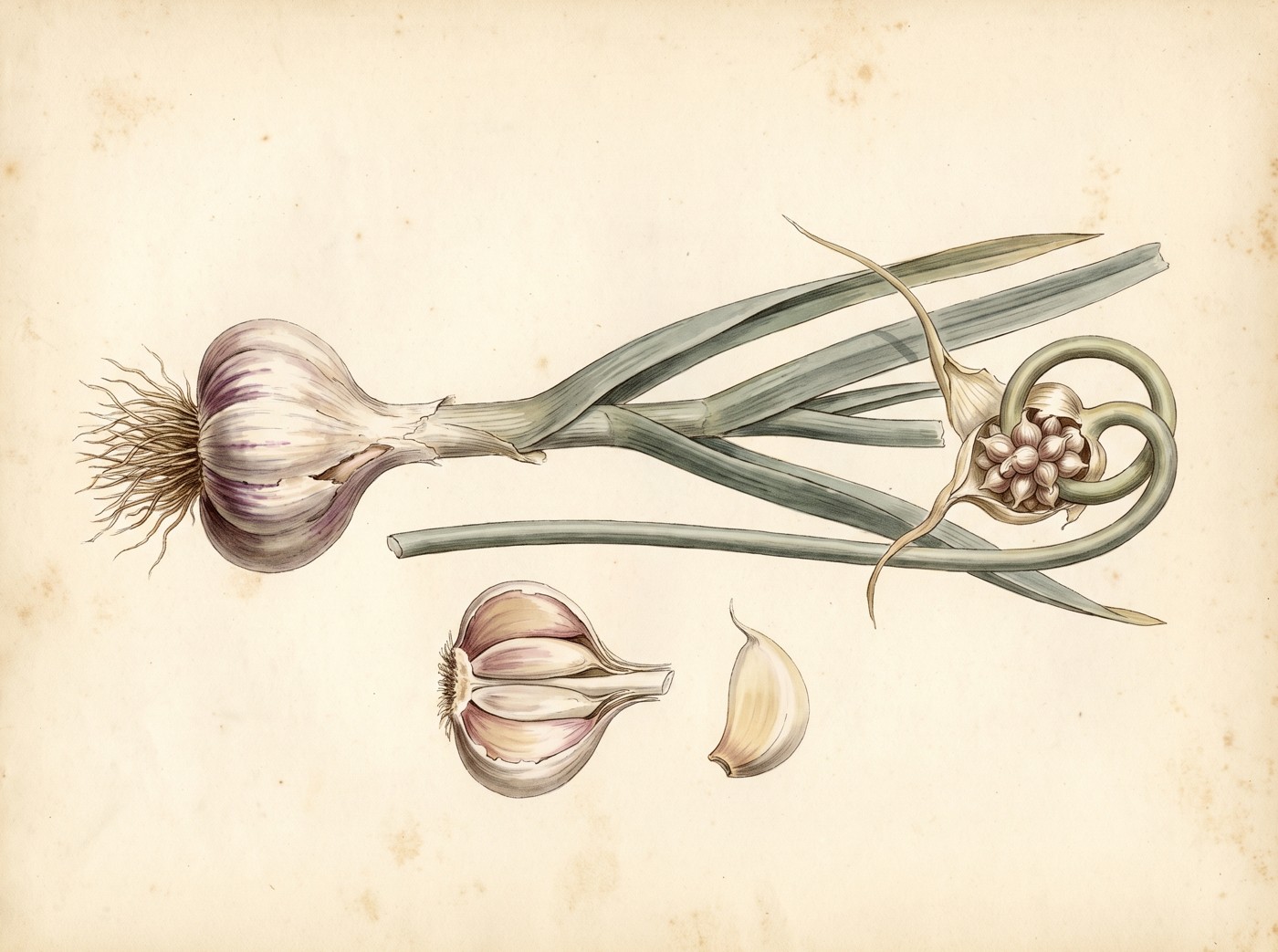 garlicAllium sativum
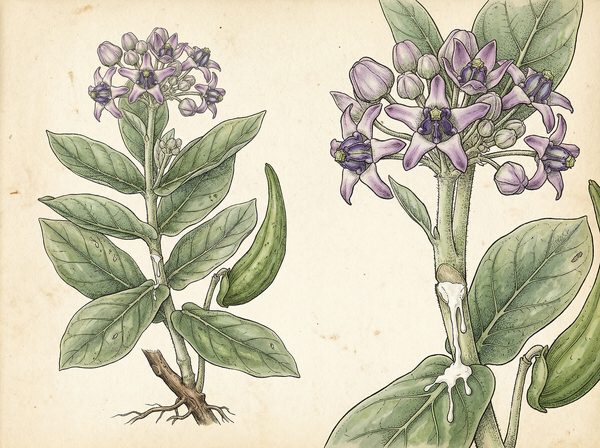 crown flowerCalotropis gigantea
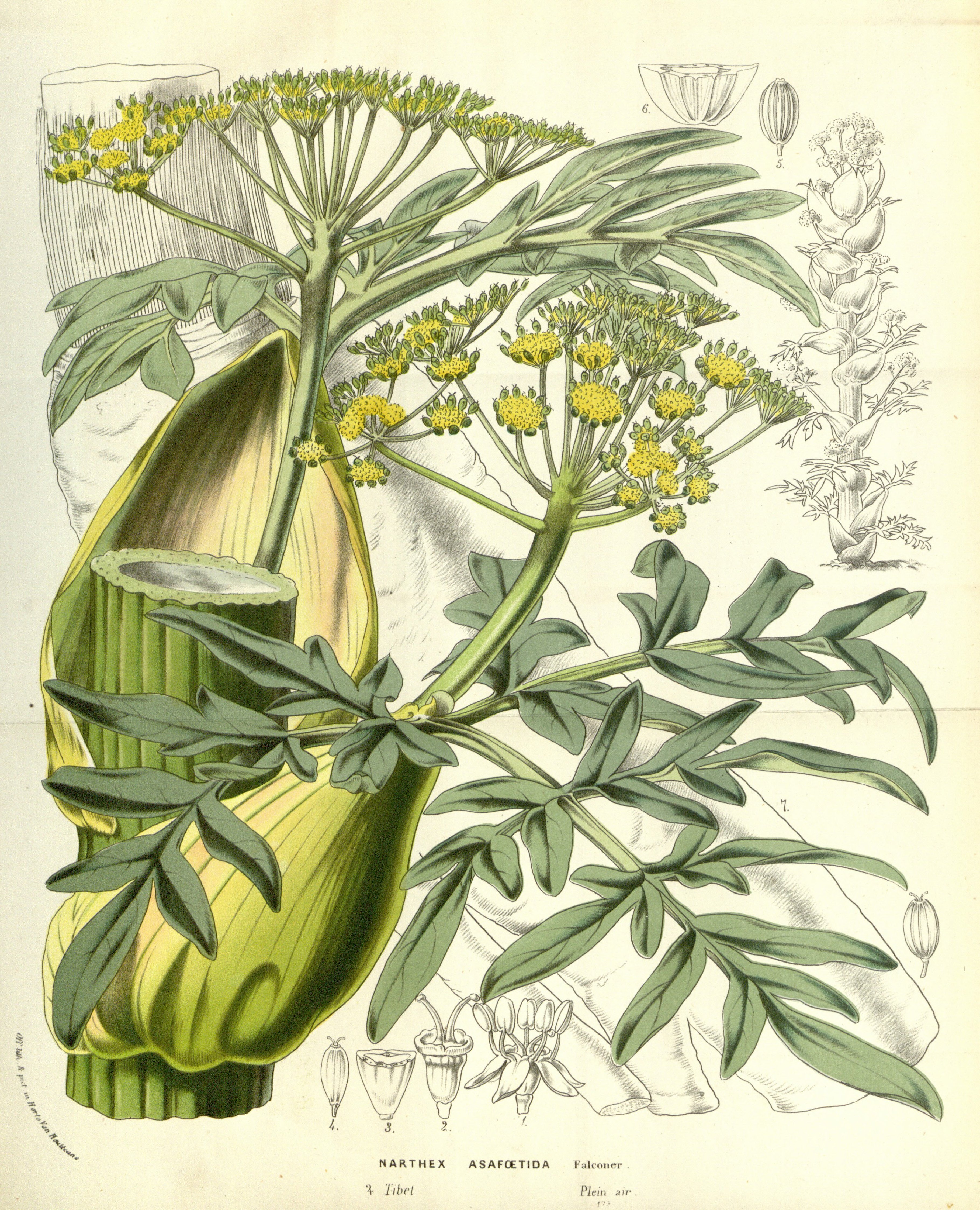 asafoetidaFerula asafoetida
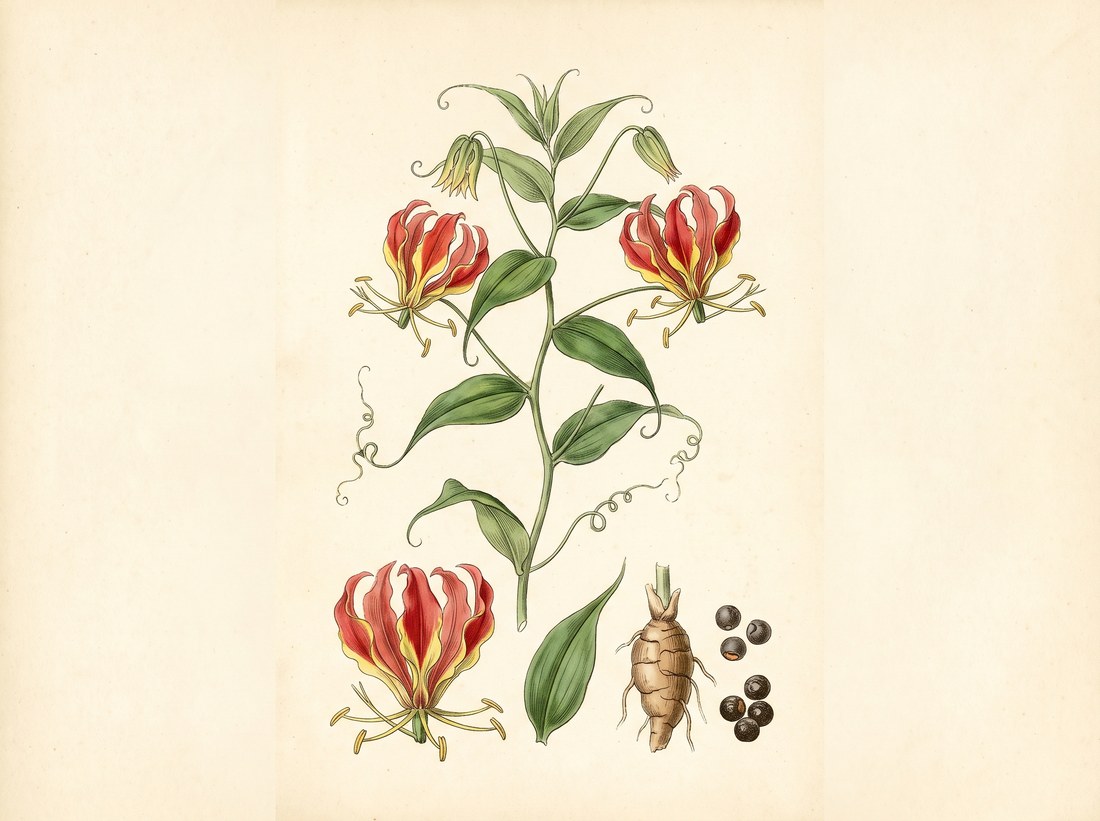 glory lilyGloriosa superba
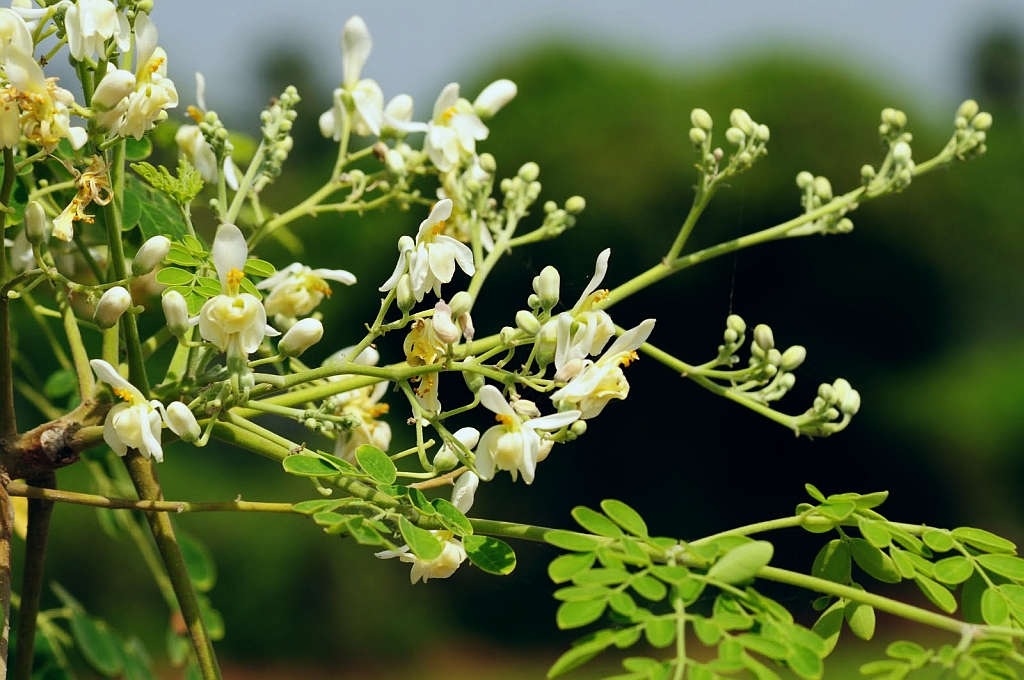 moringaMoringa oleifera
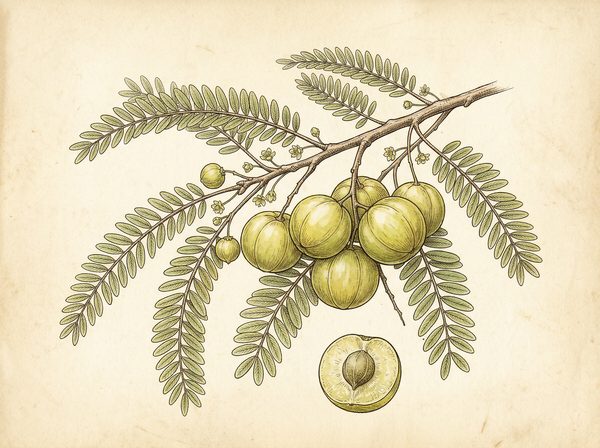 Indian gooseberryPhyllanthus emblica
Nearby on the shelf
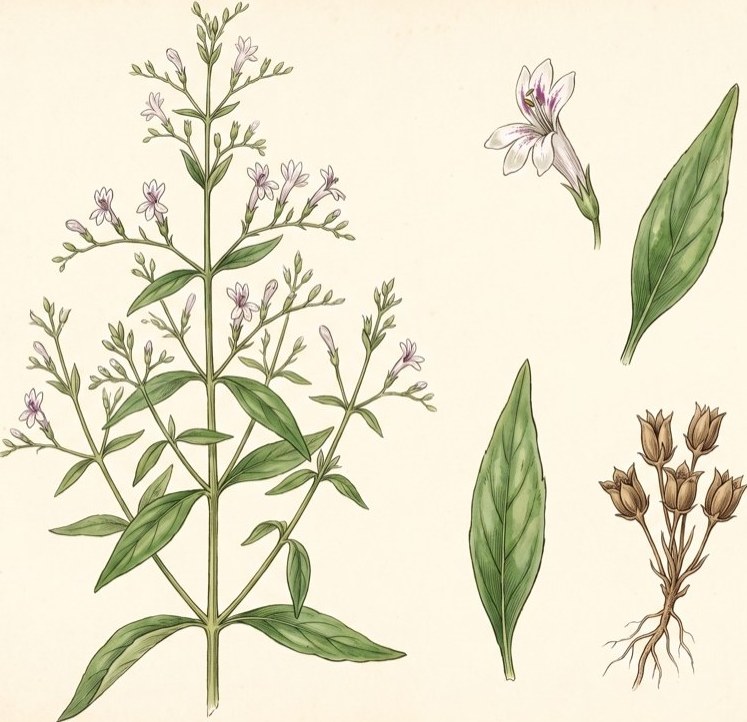 AndrographisAndrographis paniculata
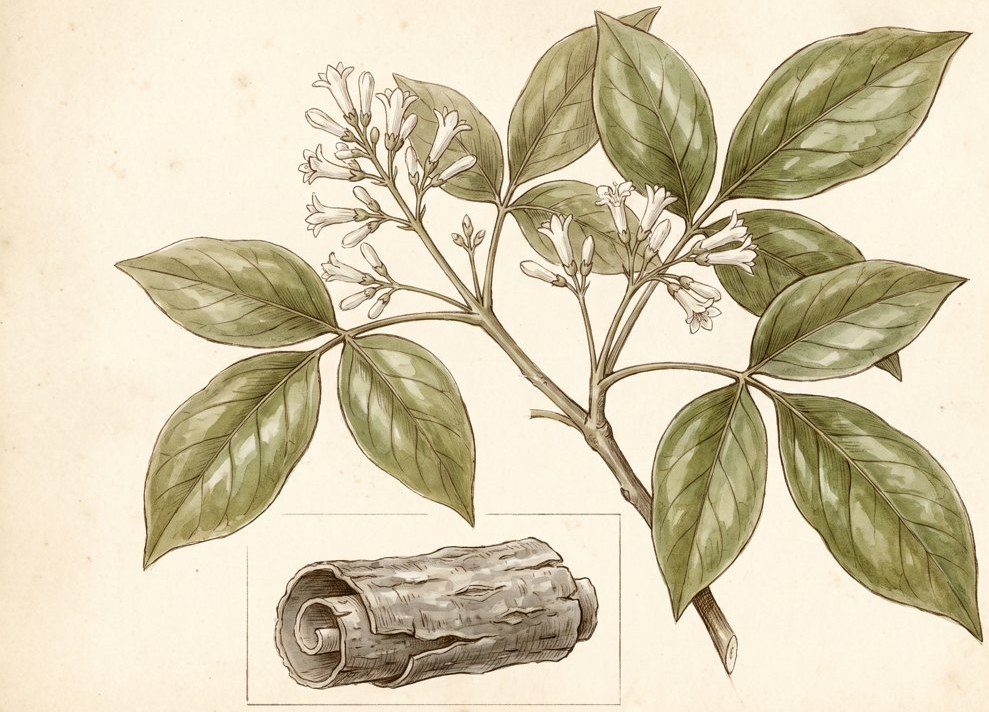 AngusturaGalipea cusparia
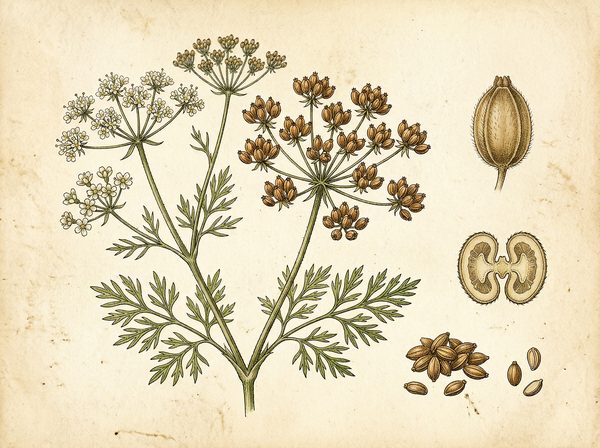 AnisePimpinella anisum
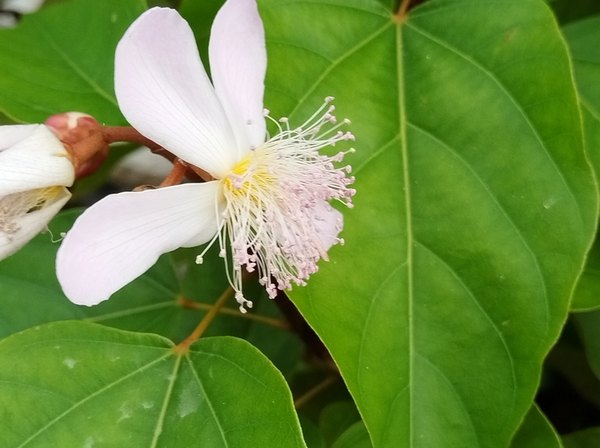 AnnattoBixa orellana
 Anthemis cotulaAnthemis cotula
 AphanesAphanes arvensis
 ApplePyrus Malus
The whole plate is in the library. The compass, Compare, the Sky of eleven hundred plants and the formulary open with an email address and a password, free, with the formula builder and its safety engine. Herbert without limit, his formulating, clients, the handouts and the labels are the paid room.
Open the library, free