Western, Chinese and Ayurvedic herbalism
Andrographis
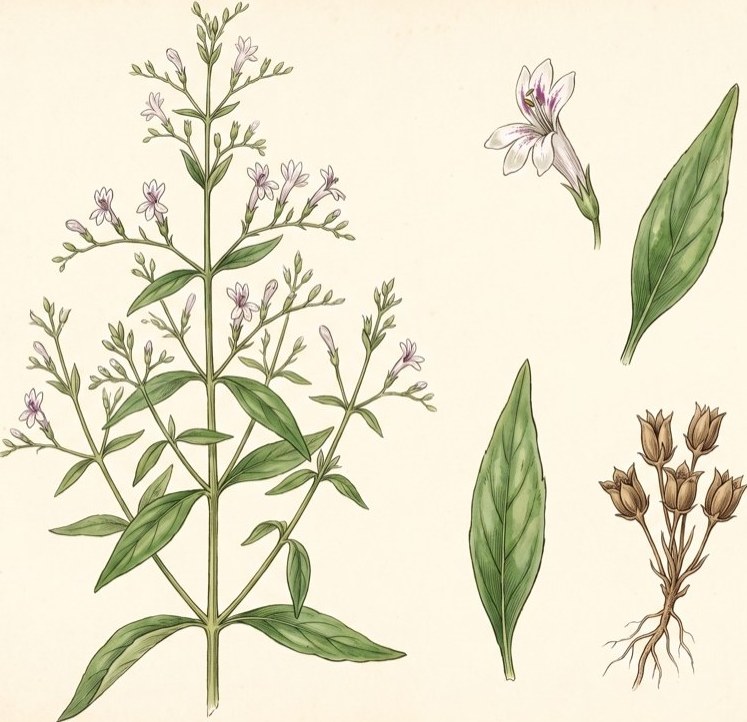
Andrographis paniculata
Also known as king of bitters, green chiretta, creat, kalmegh, Kalmegha, Bhunimba, Kirata (shared with Swertia).
Andrographis paniculata is an erect annual herb of the Acanthaceae that grows wild and is cultivated across the Indian plains, from Uttar Pradesh and Bengal to Tamil Nadu and Kerala, and through Sri Lanka and Southeast Asia. Its intensely bitter aerial parts are the Kalmegh of north India and the Nilavembu of the Tamil Siddha tradition, a cooling bitter for fevers, liver disorders and infections. In Ayurveda it stands as one of the plants called Bhunimba, the earth-neem, sharing that name with the Himalayan Swertia chirata.

Ask Herbert about Andrographis. Herbert is the master herbalist inside Bountiful Herbs: he answers from this plate and eleven hundred others, with dosing, pairing and cautions. Your first ten questions are free.
Ask HerbertActions
Indications what the tradition reached for it in
- Acute upper respiratory infection with fever and sore throat
- Influenza-like illness (early treatment and prevention)
- Recurrent fevers of infective origin
- Acute infective diarrhea and dysentery (adjunct)
- Sluggish liver with poor appetite and nausea
- Jaundice and hepatitis (supportive)
- Chronic sinusitis with heat
- Skin eruptions and boils with heat and itching
- Intestinal parasites (adjunct)
- Ulcerative colitis (adjunct, under supervision)
- Loss of appetite with a bitter taste and coated tongue
- Tuberculosis
- Pyrexia
- Upper respiratory infection
- Otitis media
- Leucoderma
- Abscess
- Intermittent fevers
- Intestinal worms
- Sinusitis
- Mouth ulcer
- Irregular stools
- Insect sting
- Pneumonia symptoms
- Boils
- Inflammation
- Bronchitis
- Flu
- Gonorrhea
- Malaria
Specific indications
The first day of a cold or flu with a hot, raw throat, aching and a fever that is climbing, in a robust patient
A patient with a heavy, hot liver picture: nausea, bitter taste, right upper quadrant fullness and yellowish sclerae after illness or alcohol
Recurrent low fevers with loss of appetite in a warm, damp climate, where infection keeps returning
Acute watery diarrhea with fever and a hot abdomen in an otherwise strong patient
Safety
Pregnancy: Not for use in pregnancy
Breastfeeding: No data in nursing mothers; the tradition withholds strongly bitter, drying herbs during lactation, so avoid or use briefly under supervision.
The record lists 8 contraindications; open the plate in the library to read them in full.
In practice
Kalmegh belongs to the hot, robust, febrile patient, not the depleted or cold one. Ayurveda gives it as a fresh-leaf juice or a decoction at the onset of fever, especially fevers with a heavy liver and a bitter, coated mouth, and it is a standard component of the fever decoctions of the south.
In Ayurveda
Rasa: tikta (bitter). Virya: sheeta (cooling). Vipaka: katu (pungent). Guna: laghu (light), ruksha (dry). Dosha: pacifies pitta and kapha; aggravates vata in excess. Karma: jvaraghna (relieves fever); krimighna (anthelmintic); pittasaraka (drains excess pitta through the bowel); yakrit uttejaka (stimulates the liver); deepana (kindles digestion); pachana (digests ama); raktashodhana (purifies the blood); kushthaghna (relieves skin disease); shothahara (reduces swelling); vishaghna (counters poison). Classical indications: jvara (fever, including recurrent and malarial types); vishama jvara (intermittent fever); kamala (jaundice); yakrit vikara (liver disorders); krimi (worms); kushtha (skin disease); atisara and pravahika (diarrhea and dysentery); agnimandya (weak digestion); pratishyaya (rhinitis, common cold); shotha (swelling); prameha (urinary disorders). The whole plant, gathered in flower, is used dried as churna, as kwatha, as swarasa of the fresh leaf, and in fermented and tableted compounds; the Siddha tradition of Tamil Nadu makes Nilavembu kudineer, a fever decoction in which it is the lead herb. Classical formulations: Kalmegha churna, Kalmegha kwatha, Kalmegha navayasa lauha, Nilavembu kudineer, Kalmeghasava, Kalmegha ghana vati. Described in: Bhavaprakasha Nighantu, Raja Nighantu, Ayurvedic Pharmacopoeia of India.
Dosing as the sources wrote it
| Preparation | As written | Metric |
|---|---|---|
| Churna | 1-3 g powdered whole plant twice daily with honey or warm water | 1000-3000 mg |
| Kwatha | 40-80 mL decoction twice daily | 40-80 mL |
| Swarasa | 5-10 mL fresh leaf juice twice daily | 5-10 mL |
| Standardized extract | 200-400 mg extract three times daily, providing 60-200 mg andrographolides daily, for 5-10 days | 200-400 mg |
| Dried aerial parts | Dried aerial parts 3-6 g/day | 3000-6000 mg |
| Decoction | Decoction 20-25 g whole plant/day | 20000-25000 mg |
Doses are reproduced from the sources for practitioners and are not a recommendation for any person.
From the sources
Overview. Andrographis paniculata is an erect annual herb of the Acanthaceae that grows wild and is cultivated across the Indian plains, from Uttar Pradesh and Bengal to Tamil Nadu and Kerala, and through Sri Lanka and Southeast Asia. Its intensely bitter aerial parts are the Kalmegh of north India and the Nilavembu of the Tamil Siddha tradition, a cooling bitter for fevers, liver disorders and infections. In Ayurveda it stands as one of the plants called Bhunimba, the earth-neem, sharing that name with the Himalayan Swertia chirata.
Clinical Notes. King of Bitters in Ayurveda/TCM clears heat, detoxifies, rids fever/toxins aerial parts primary standardize to andrographolide Kan Jang (Andrographis + eleuthero) studied for URTI promising adjunct for viral respiratory infections per RCTs/meta-analyses
Clinical Notes. Kalmegh belongs to the hot, robust, febrile patient, not the depleted or cold one. Ayurveda gives it as a fresh-leaf juice or a decoction at the onset of fever, especially fevers with a heavy liver and a bitter, coated mouth, and it is a standard component of the fever decoctions of the south.
action_hepatoprotective. Andrographolide ameliorates carbon tetrachloride-induced hepatotoxicity and protects against carbon tetrachloride-induced oxidative damage in rats; the herb was traditionally employed for sluggish liver and disorders of the liver.
In formulas
Andrographis stands in 6 documented formulas in the library, among them Mṛdvīkāriṣṭa, Tiktaka Ghṛta, Paṭolādi Ghṛta, Mahā Paṅcagavya Ghṛtā, Candraprabhā Vaṭī, Mehamudgara Rasa.
Often paired with
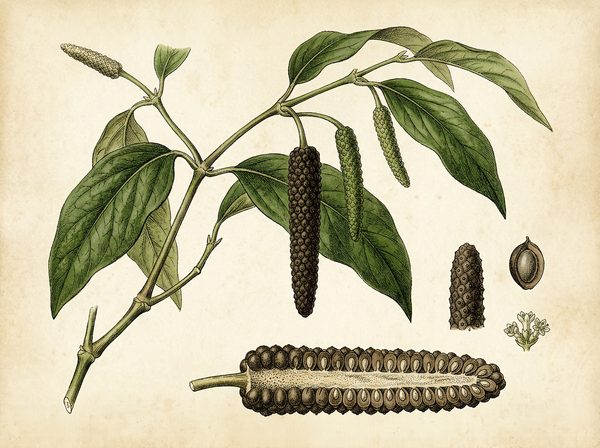 long pepperPiper longum
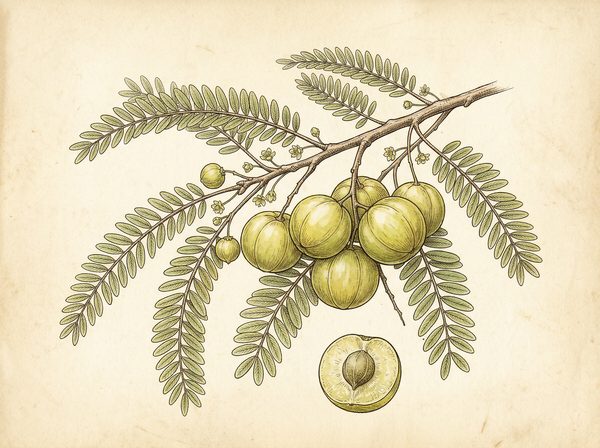 Indian gooseberryPhyllanthus emblica
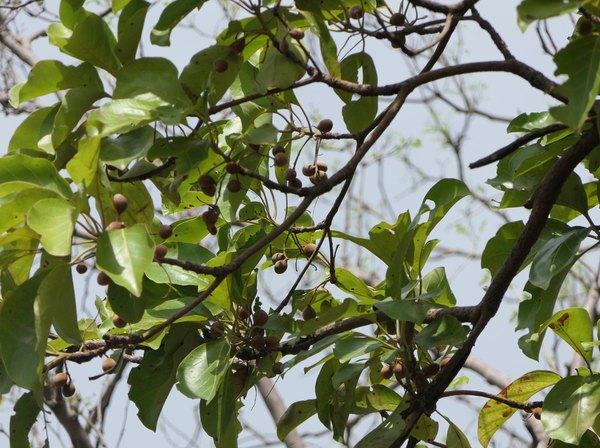 beleric myrobalanTerminalia bellirica
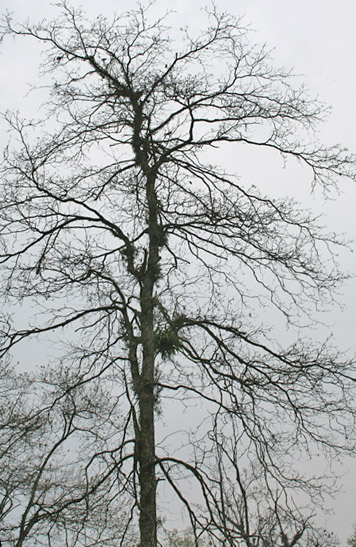 chebulic myrobalanTerminalia chebula
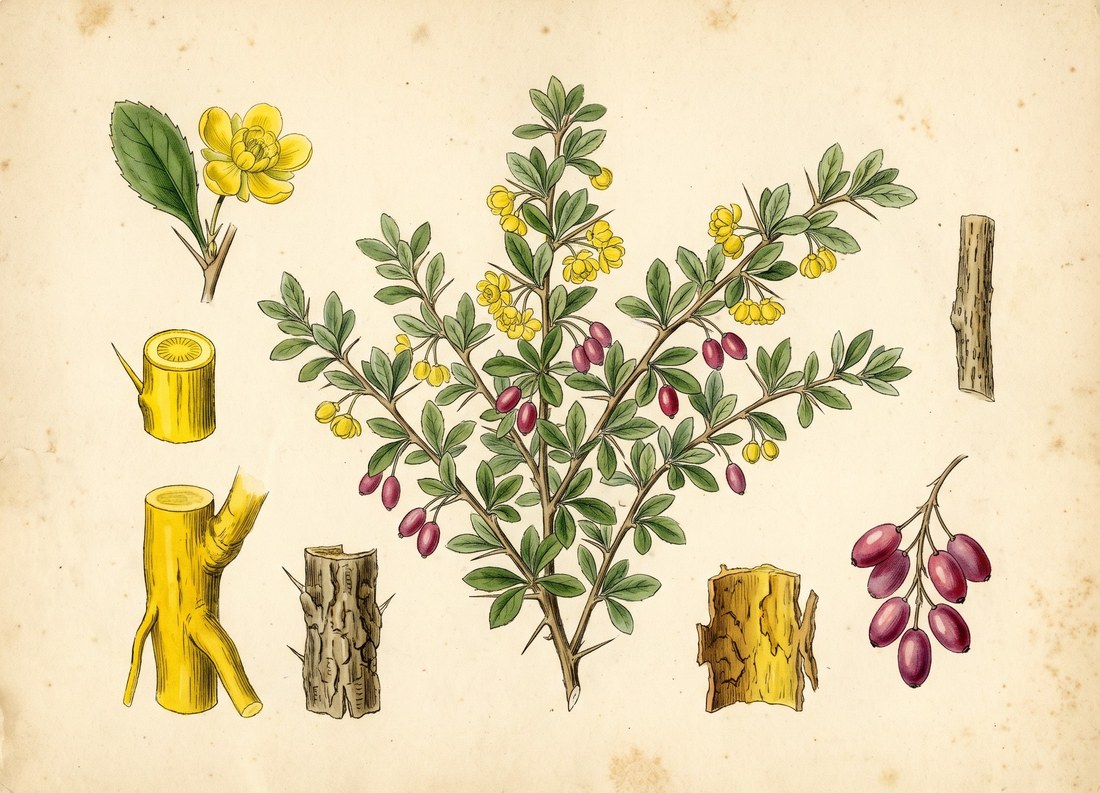 Indian barberryBerberis aristata
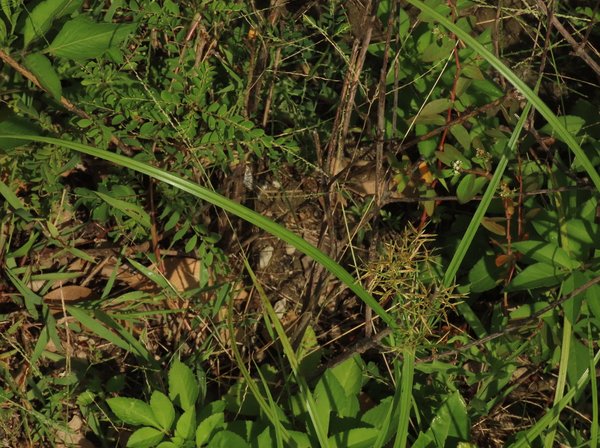 nut grassCyperus rotundus
Nearby on the shelf
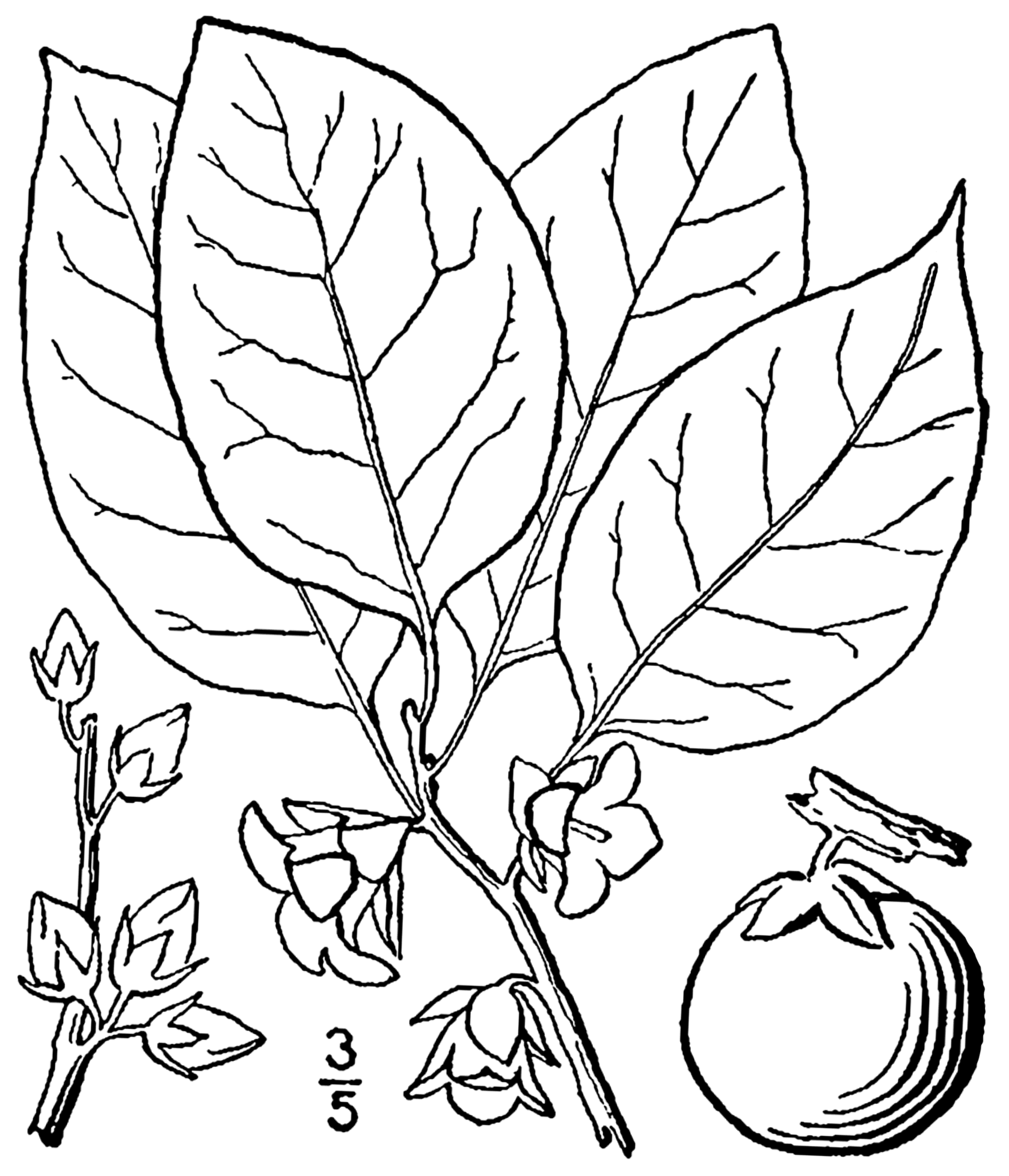 American persimmonDiospyros virginiana
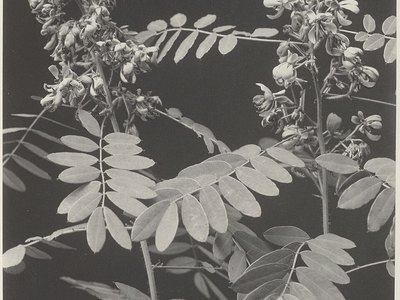 American sennaCassia Marilandica
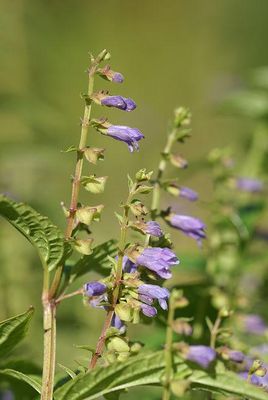 American SkullcapScutellaria lateriflora
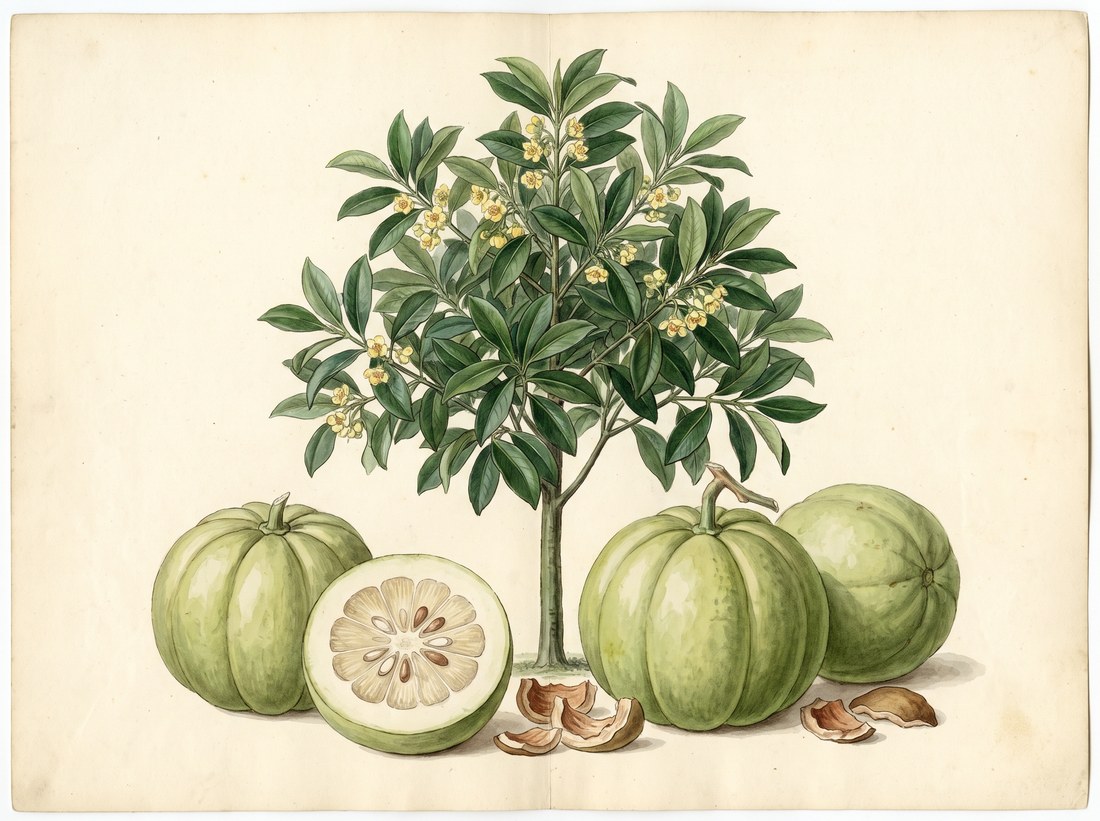 Amlavetasa (in the Ayurvedic sense)Garcinia pedunculata
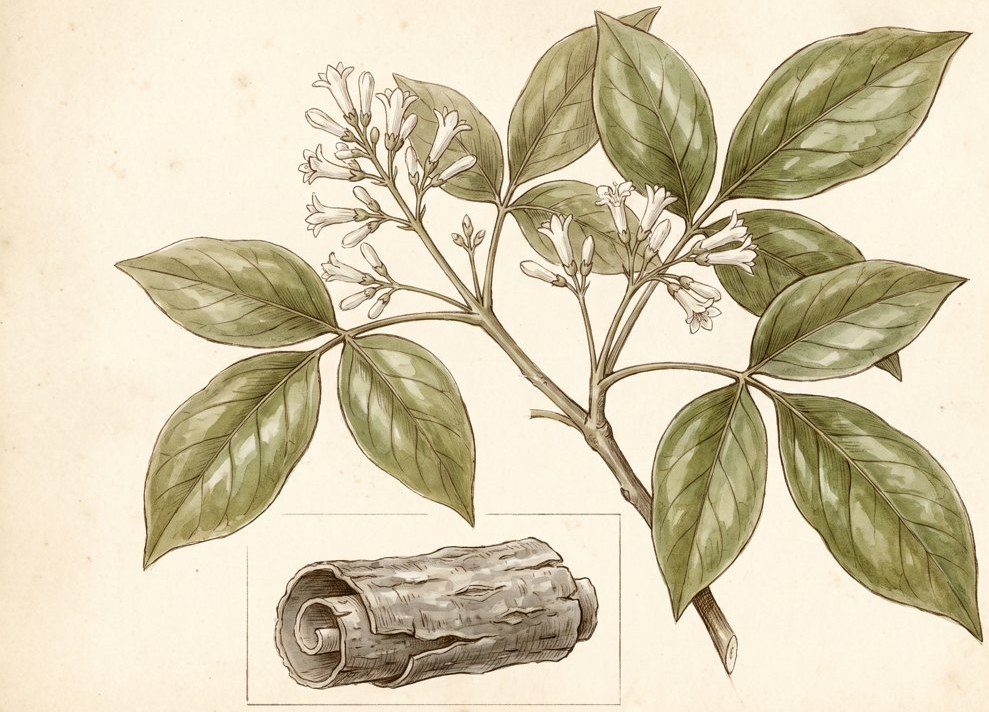 AngusturaGalipea cusparia
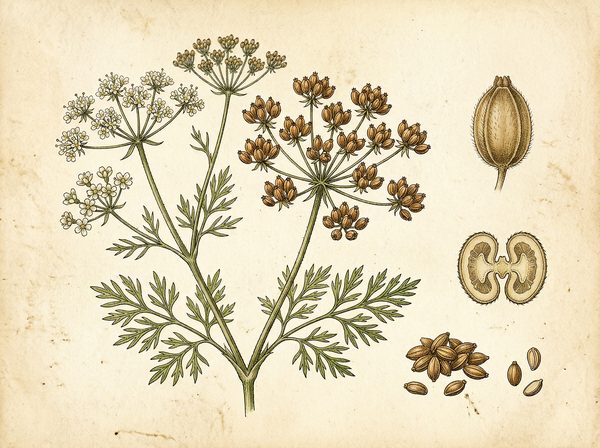 AnisePimpinella anisum
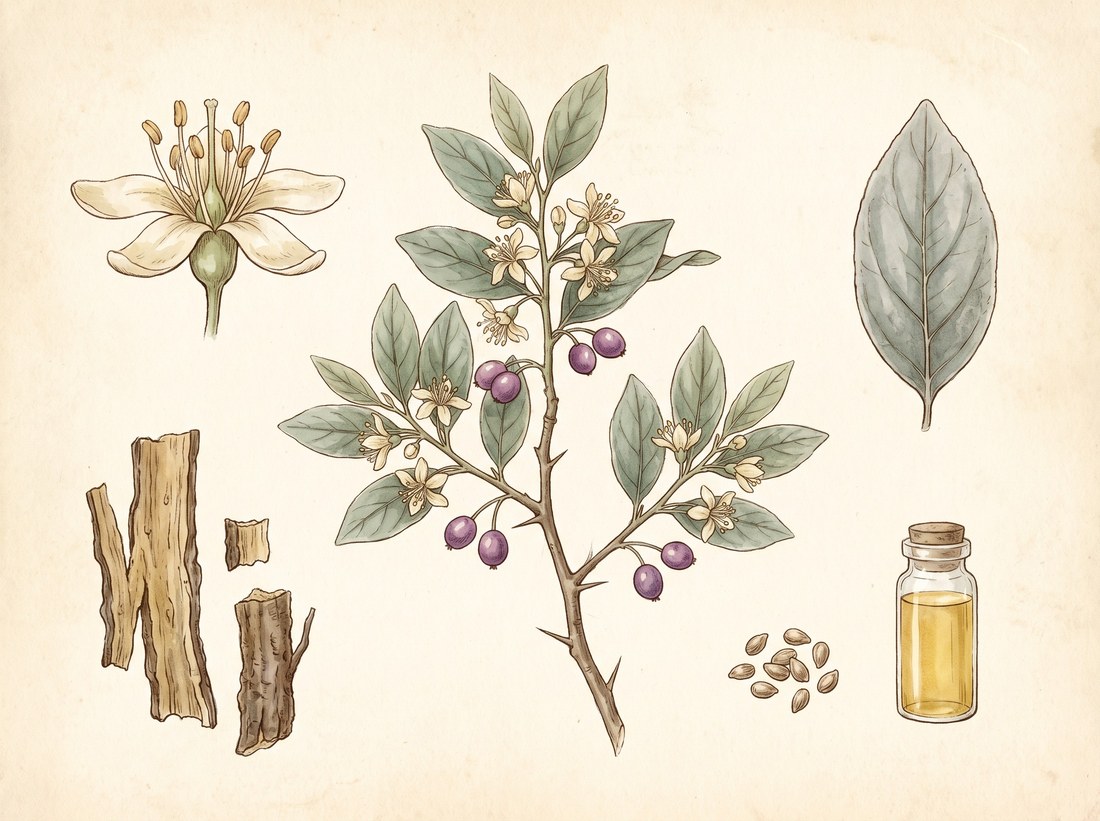 AnkolaAlangium salviifolium
The whole plate is in the library. The compass, Compare, the Sky of eleven hundred plants and the formulary open with an email address and a password, free, with the formula builder and its safety engine. Herbert without limit, his formulating, clients, the handouts and the labels are the paid room.
Open the library, free