Western Herbalism
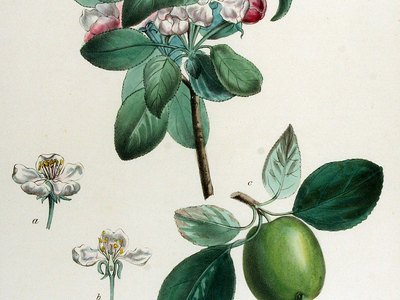
Apple
Pyrus Malus
Also known as apple tree, Common apple tree.
The apple tree is a small deciduous tree of temperate regions worldwide, long cultivated for its fruit and, in nineteenth century American eclectic medicine, valued for a bitter tonic tincture made from the fresh root bark. The fruit itself has an ancient place in Western folk and dietary medicine as a gentle nutritive and digestive remedy, while the root bark preparation was a minor but respected part of the Eclectic materia medica as a home-grown alternative to costlier antiperiodics. Today the plant survives in clinical use mainly as a food-as-medicine example rather than as a pharmacy item.

Ask Herbert about Apple. Herbert is the master herbalist inside Bountiful Herbs: he answers from this plate and eleven hundred others, with dosing, pairing and cautions. Your first ten questions are free.
Ask HerbertActions
Indications what the tradition reached for it in
- Convalescence with poor appetite
- Mild intermittent fevers (historical use)
- General debility
- Dyspepsia with sluggish digestion
- Constipation (fruit, dietary)
- Diarrhea (dried fruit or bark decoction, historical)
- Loss of vitality after illness
- Poor tone of the digestive tract
Specific indications
Low-grade intermittent fever in a patient too debilitated or too sensitive to tolerate quinine well
General tonic need in a convalescent patient with sallow appearance and weak appetite
Safety
The record lists 3 contraindications; open the plate in the library to read them in full.
In practice
The historical use of apple root bark tincture as a mild antiperiodic for intermittent fevers belongs to a period when quinine was expensive or unavailable to many rural practitioners, and eclectic physicians reached for locally available bitters as substitutes or adjuncts.
Dosing as the sources wrote it
| Preparation | As written | Metric |
|---|---|---|
| Fresh root bark tincture (historical, 1:1, 76% alcohol) | 0.3-2 mL (v-30 drops) as an antiperiodic tonic, historical dosing only | 0.3-2 mL |
| Fresh apple fruit, raw with skin | 1-2 medium apples daily as a dietary digestive aid | |
| Stewed apple or apple pectin | 1-2 servings daily for bowel regulation | |
| It may be given in doses of | It may be given in doses of 1 to 4 fluid ounces, 3 times a day. | 29.57-118 mL |
| Phloridzin is tonic and antiperiodic, and has cured cases of intermittent fever, even where quinine has proved ineffectual; its dose is from 5 to 20 grains. | 324-1296 mg | |
| The dose is from 1 to 20 drops, 3 or 4 times a day. | 0.02-0.4 mL |
Doses are reproduced from the sources for practitioners and are not a recommendation for any person.
From the sources
Overview. The apple tree is a small deciduous tree of temperate regions worldwide, long cultivated for its fruit and, in nineteenth century American eclectic medicine, valued for a bitter tonic tincture made from the fresh root bark. The fruit itself has an ancient place in Western folk and dietary medicine as a gentle nutritive and digestive remedy, while the root bark preparation was a minor but respected part of the Eclectic materia medica as a home-grown alternative to costlier antiperiodics. Today the plant survives in clinical use mainly as a food-as-medicine example rather than as a pharmacy item.
Clinical Notes. The historical use of apple root bark tincture as a mild antiperiodic for intermittent fevers belongs to a period when quinine was expensive or unavailable to many rural practitioners, and eclectic physicians reached for locally available bitters as substitutes or adjuncts.
Specific indications and reasoning. (APPLE TREE.) Preparation: Prepare a tincture from the fresh root-bark of the apple-tree, Sviij. to Alcohol 76° Oj. Dose front gtts. v. to 3ss. Though so common and easily prepared, this remedy has been but little studied. It possesses tonic and antiperiodic properties, and may be employed in a great many cases instead of more costly remedies. The only use I have made of it was in intermittent fevers, and whilst it was not a substitute for Quinia, it evidently exerted a good influ-
Drawn from Scudder's Specific Medication and Specific Medicines; King's American Dispensatory, 18th edition (Felter and Lloyd), and the Bountiful Herbs editorial.
In formulas
Apple stands in 1 documented formula in the library, among them sàng xìng tāng.
Often paired with
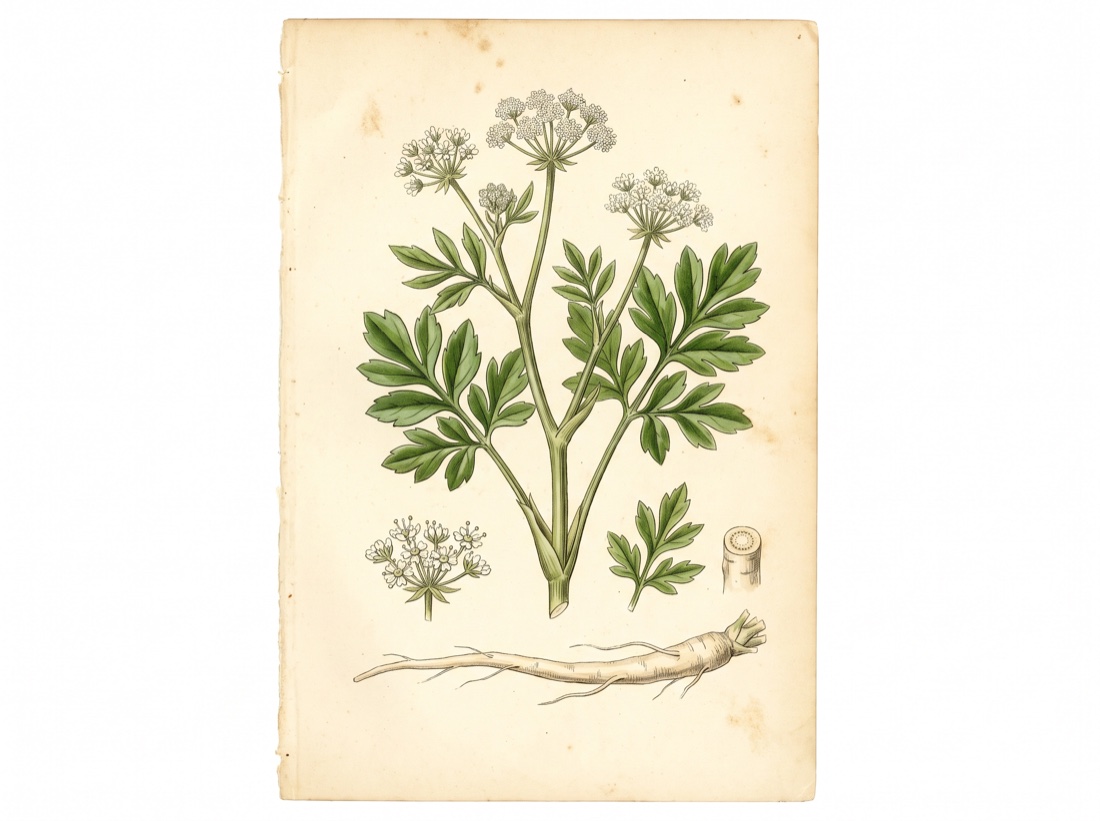 glehniaGlehnia littoralis
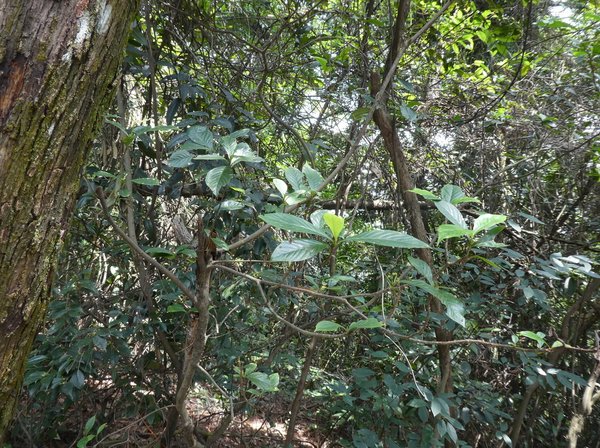 Zhi ZiGardenia jasminoides
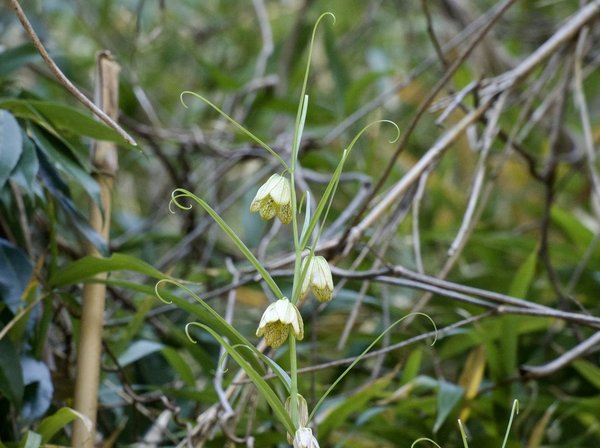 Zhe Bei MuFritillaria thunbergii
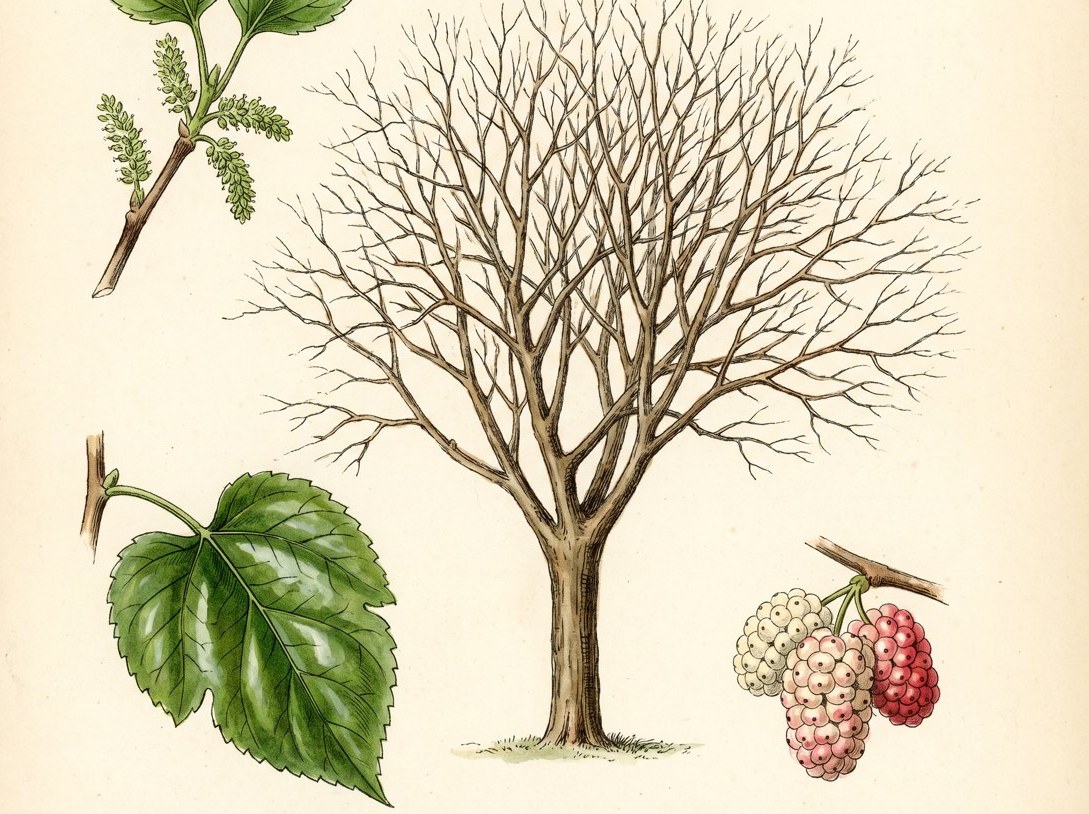 Mulberry LeafMorus alba
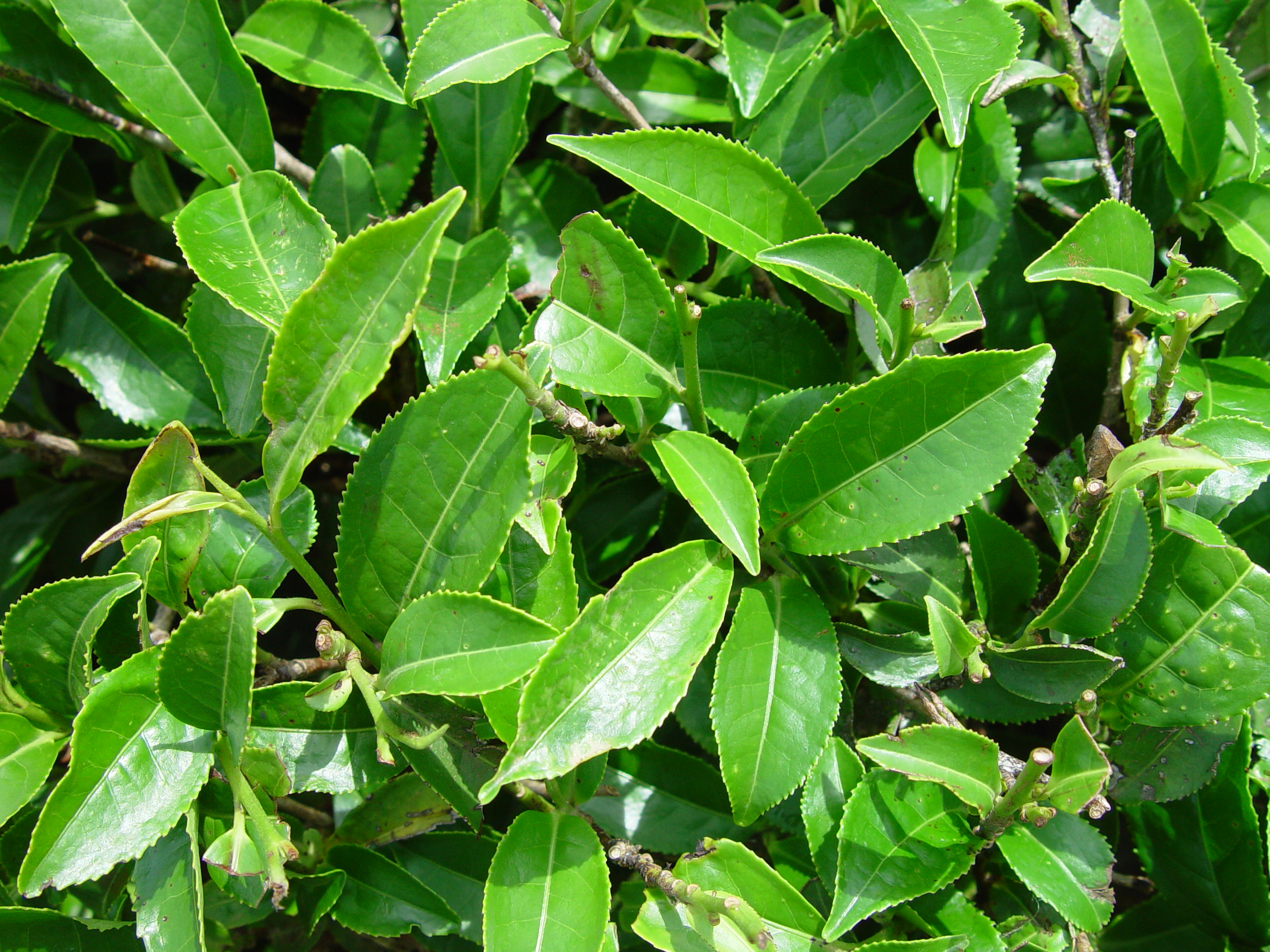 Black teaCamellia sinensis
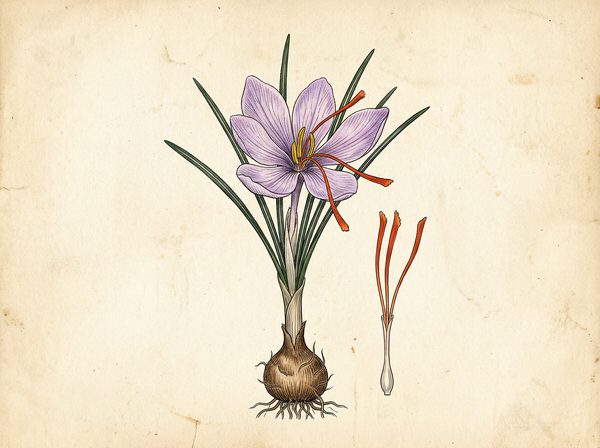 saffronCrocus sativus
Nearby on the shelf
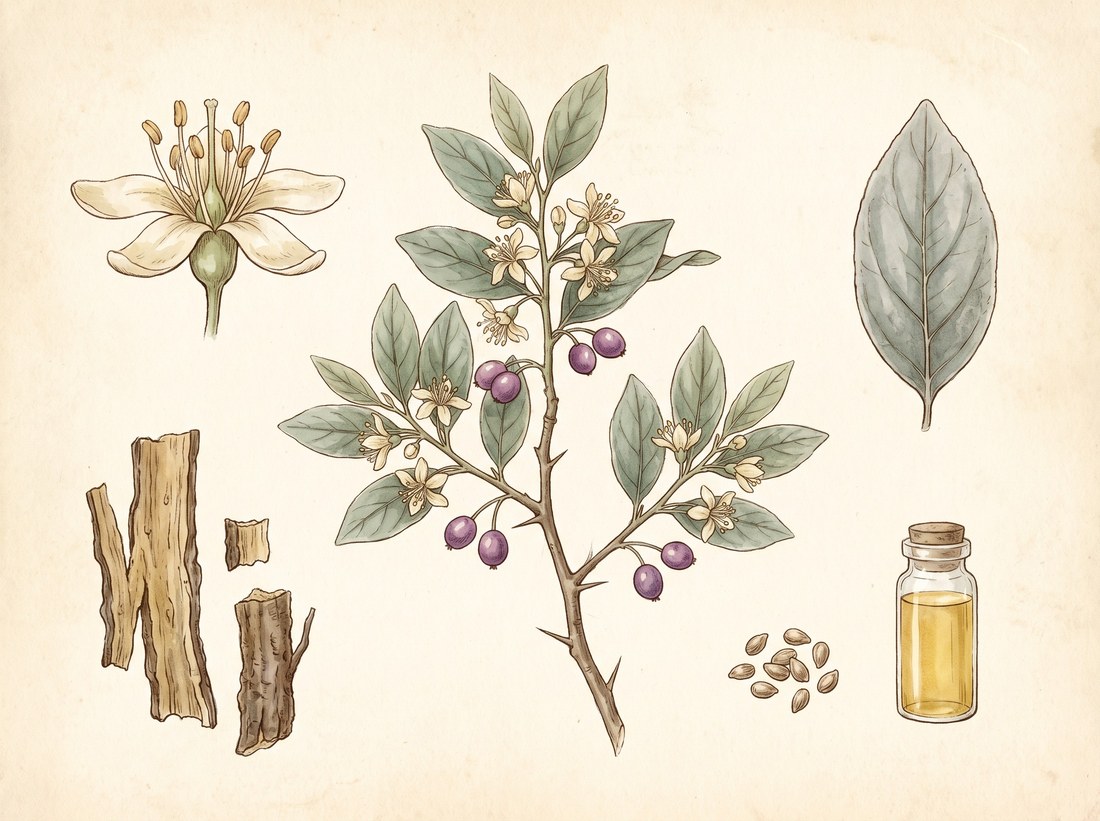 AnkolaAlangium salviifolium
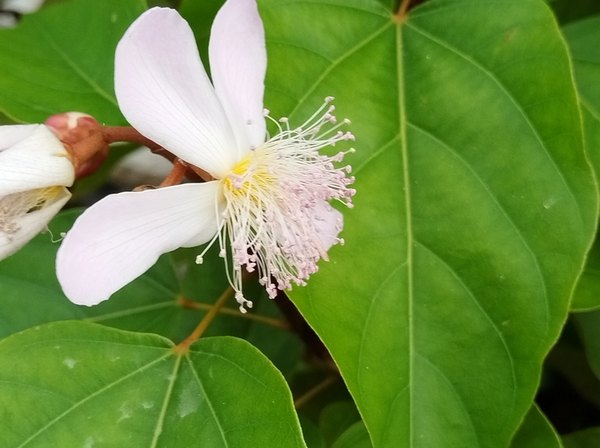 AnnattoBixa orellana
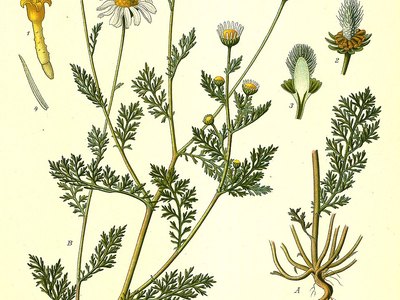 Anthemis cotulaAnthemis cotula
 AphanesAphanes arvensis
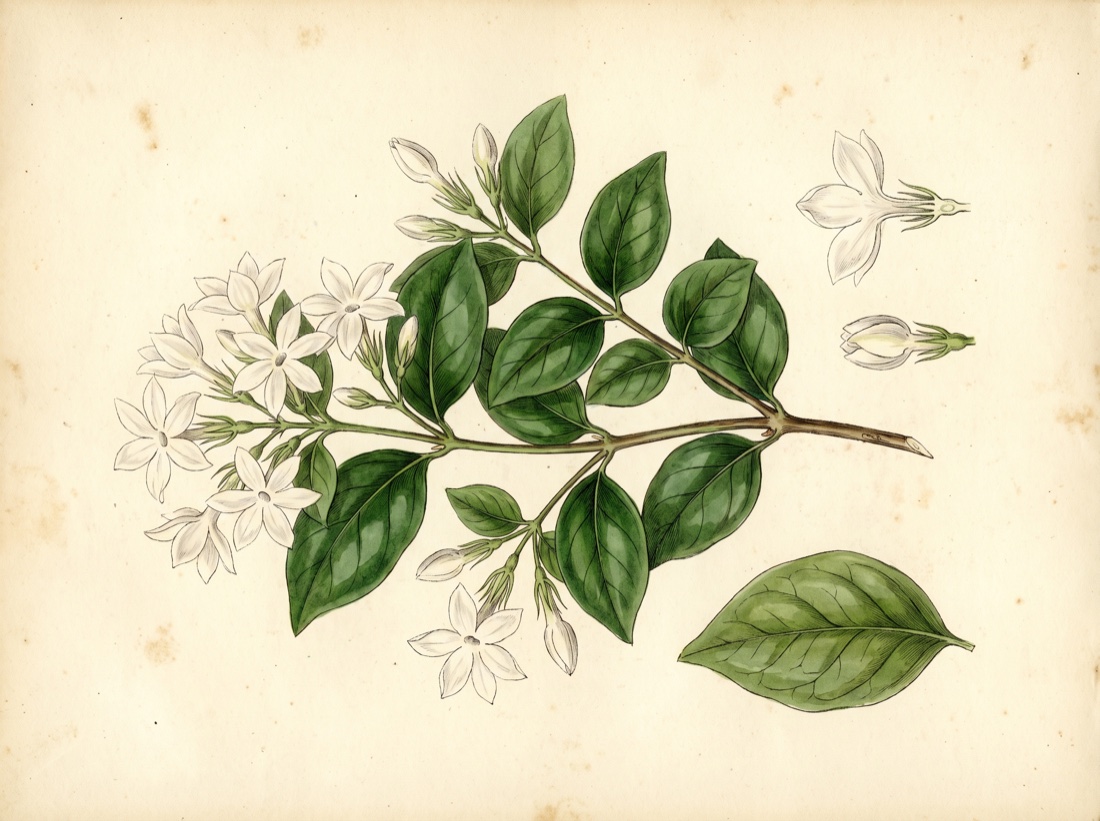 Arabian jasmineJasminum sambac
 Areca nutAreca catechu
 ArjunaTerminalia arjuna
 Armeniaca vulgarisArmeniaca vulgaris
The whole plate is in the library. The compass, Compare, the Sky of eleven hundred plants and the formulary open with an email address and a password, free, with the formula builder and its safety engine. Herbert without limit, his formulating, clients, the handouts and the labels are the paid room.
Open the library, free