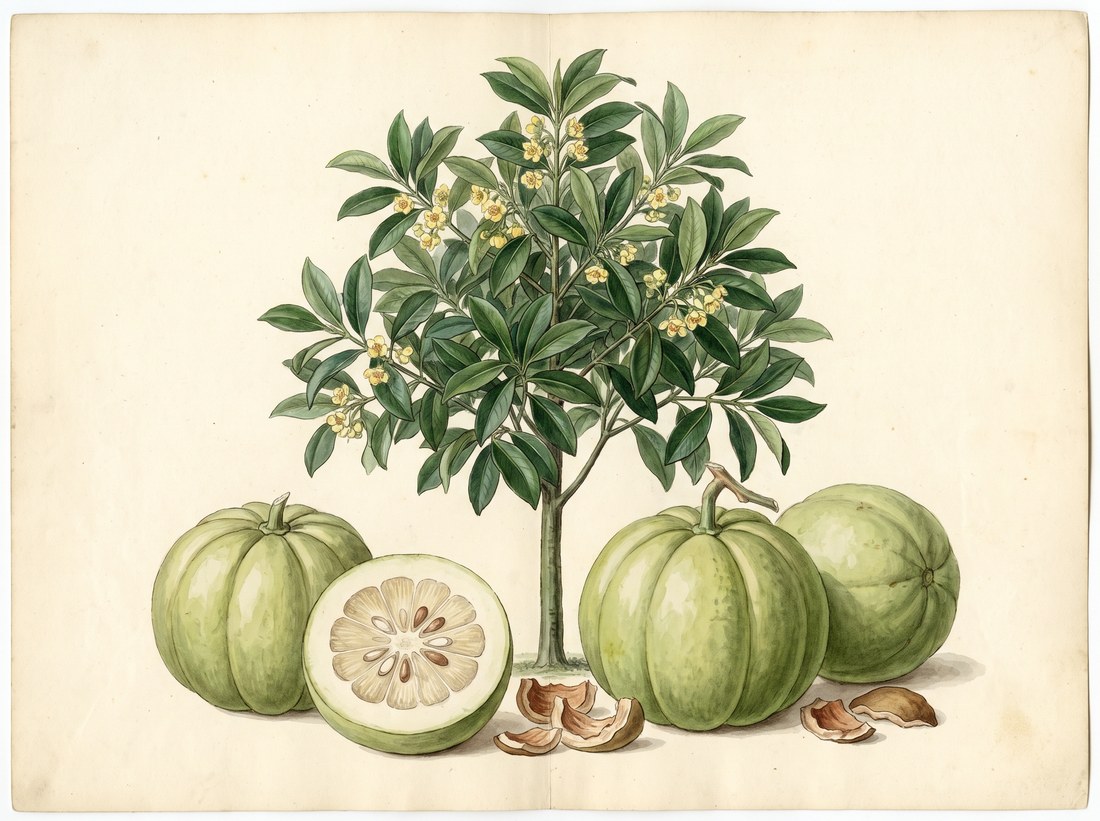
Ayurvedic Herbalism
Amlavetasa (in the Ayurvedic sense)
Garcinia pedunculata
Also known as bor thekera, Assam garcinia, large fruited garcinia, Amlavetasa, Vetasamla, Shatavedhi.
Garcinia pedunculata is a tall evergreen tree of the mangosteen family native to the humid forests and homesteads of Assam and the northeastern hills of India, bearing very large, ribbed, intensely sour fruits whose sun dried rind is a staple souring agent and folk medicine in the region, known as bor thekera. In Ayurveda the dried rind is one of the plants supplied as Amlavetasa, the sour drug of the classical texts that pierces obstructions, kindles digestion, relieves colic and breaks stones, and it is used as the sour element in digestive powders and salts. The identity of the classical Amlavetasa is contested, and this plate follows the Garcinia that the northeast Indian trade supplies.

Ask Herbert about Amlavetasa (in the Ayurvedic sense). Herbert is the master herbalist inside Bountiful Herbs: he answers from this plate and eleven hundred others, with dosing, pairing and cautions. Your first ten questions are free.
Ask HerbertActions
Indications what the tradition reached for it in
- Weak digestion with poor appetite and heaviness after meals
- Colic and abdominal distension with gas
- Constipation of the sluggish, cold type
- Bloating and fullness in kapha and vata patients
- Obesity with sluggish metabolism (adjunct)
- Elevated lipids (traditional and preclinical)
- Hiccup and belching
- Urinary gravel and small stones (traditional)
- Hemorrhoids with constipation (traditional)
- Chronic cough with thick phlegm (traditional, as a souring agent in formulas)
Specific indications
A cold, heavy, gassy patient with a sluggish bowel and no appetite, who feels a stone in the stomach after meals and whose tongue is thick and pale
Colicky abdominal pain with distension and retained wind in a vata patient, relieved by warmth and by a sour, sharp digestive
The overweight kapha patient with high lipids and a slow gut who does well on sour, warming foods and poorly on sweet and heavy ones
Recurrent small urinary stones or gravel in a person with slow digestion, where the tradition trusts the piercing, breaking quality of the herb
Safety
The record lists 8 contraindications; open the plate in the library to read them in full.
In practice
Amlavetasa is the sour, sharp, warming digestive of the classical formularies, the herb the physician reaches for when digestion is cold and sluggish, food sits heavy, gas will not move and the bowel is slow: agnimandya, shula, gulma, udavarta and vibandha.
In Ayurveda
Rasa: amla (sour). Virya: ushna (heating). Vipaka: amla (sour). Guna: laghu (light), ruksha (dry), tikshna (sharp). Dosha: pacifies vata and kapha; aggravates pitta in excess. Prabhava: shatavedhi (piercing through a hundred obstructions): the classical epithet for its power to break up hard masses and stones. Karma: deepana (kindles digestion); pachana (digestive); bhedana (breaks up masses and hard stool); rochana (improves appetite); anulomana (carries downward); hridya (cardiac tonic); shulahara (relieves colic); ashmarighna (breaks stones); kaphavatahara (reduces kapha and vata); krimighna (antimicrobial); medohara (reduces fat). Classical indications: agnimandya and aruchi (weak digestion and poor appetite); shula (colic); gulma (abdominal mass or distension); vibandha (constipation); udavarta (retained gas and stool with upward vata); hridroga (heart disease); ashmari (urinary stones); arsha (hemorrhoids); pliha and yakrit vriddhi (enlarged spleen and liver); kasa and shvasa (cough and dyspnea); hikka (hiccup); trishna (thirst). The large ribbed fruit is sliced and the rind sun dried into hard, dark, intensely sour pieces that keep for years; these are powdered for churna, soaked and cooked into sour broths, decocted as kwatha, and used as the souring agent in digestive salts and in the classical sour group (amla varga) of medicines. Classical formulations: Amlavetasadi churna, Hingvashtaka churna (as a souring ingredient in some versions), Bhaskara lavana churna, Narayana churna, Chitrakadi vati (some versions), Component of amla panchaka and amla varga preparations. Described in: Charaka Samhita, Sushruta Samhita, Ashtanga Hridaya, Bhavaprakasha Nighantu, Dhanvantari Nighantu, Raja Nighantu, Kaiyadeva Nighantu.
Dosing as the sources wrote it
| Preparation | As written | Metric |
|---|---|---|
| Churna | 1-3 g powdered dried rind before meals with warm water or rock salt | 1000-3000 mg |
| Kwatha | 40-80 mL decoction of soaked rind twice daily | 40-80 mL |
| Sour broth (food use) | 5-10 g dried rind soaked and cooked in 200-300 mL water, taken with rice once daily | 5000-10000 mg |
| In digestive salt (Bhaskara lavana) | 1-2 g compound powder before or after meals | 1000-2000 mg |
Doses are reproduced from the sources for practitioners and are not a recommendation for any person.
From the sources
Overview. Garcinia pedunculata is a tall evergreen tree of the mangosteen family native to the humid forests and homesteads of Assam and the northeastern hills of India, bearing very large, ribbed, intensely sour fruits whose sun dried rind is a staple souring agent and folk medicine in the region, known as bor thekera. In Ayurveda the dried rind is one of the plants supplied as Amlavetasa, the sour drug of the classical texts that pierces obstructions, kindles digestion, relieves colic and breaks stones, and it is used as the sour element in digestive powders and salts. The identity of the classical Amlavetasa is contested, and this plate follows the Garcinia that the northeast Indian trade supplies.
Clinical Notes. Amlavetasa is the sour, sharp, warming digestive of the classical formularies, the herb the physician reaches for when digestion is cold and sluggish, food sits heavy, gas will not move and the bowel is slow: agnimandya, shula, gulma, udavarta and vibandha.
Ayurvedic Profile. Rasa: amla (sour). Virya: ushna (heating). Vipaka: amla (sour). Guna: laghu (light), ruksha (dry), tikshna (sharp). Dosha: pacifies vata and kapha; aggravates pitta in excess. Prabhava: shatavedhi (piercing through a hundred obstructions): the classical epithet for its power to break up hard masses and stones.
In formulas
Amlavetasa (in the Ayurvedic sense) stands in 6 documented formulas in the library, among them Dādhika Ghṛta, Laśunādi Ghṛta, Bhallātaka Rasāyana, Kāṅkāyana Guṭikā, Laghvānanda Rasa, Kravyāda Rasa.
Often paired with
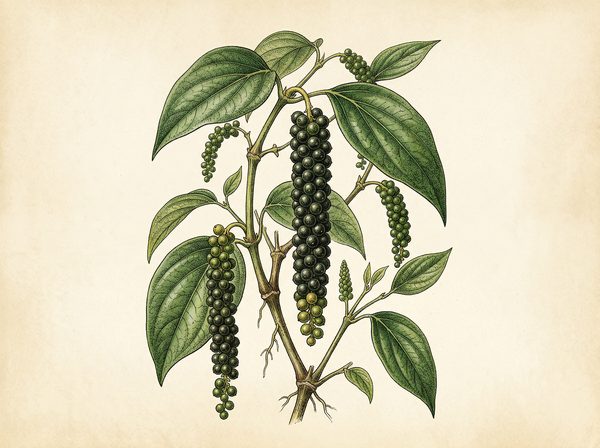 black pepperPiper nigrum
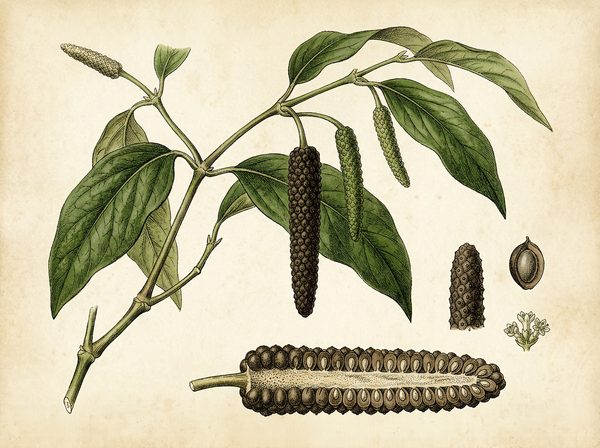 long pepperPiper longum
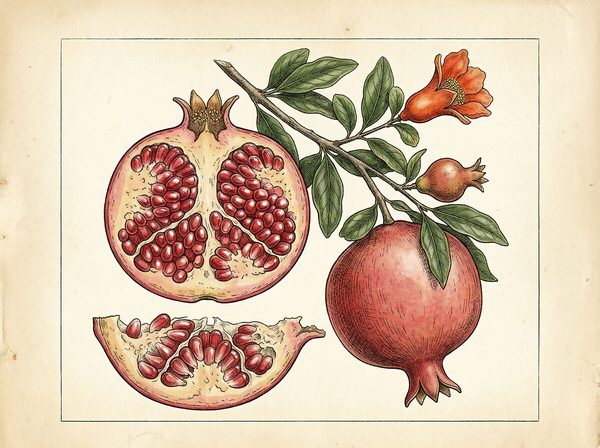 pomegranatePunica granatum
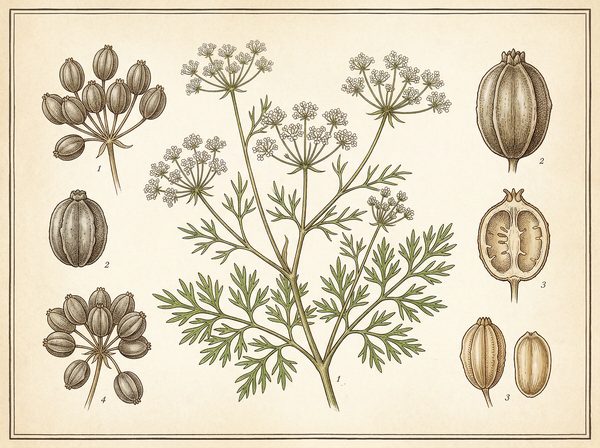 ajwainTrachyspermum ammi
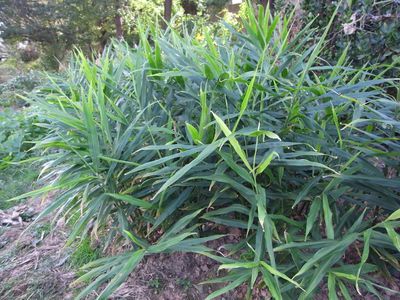 GingerZingiber officinale
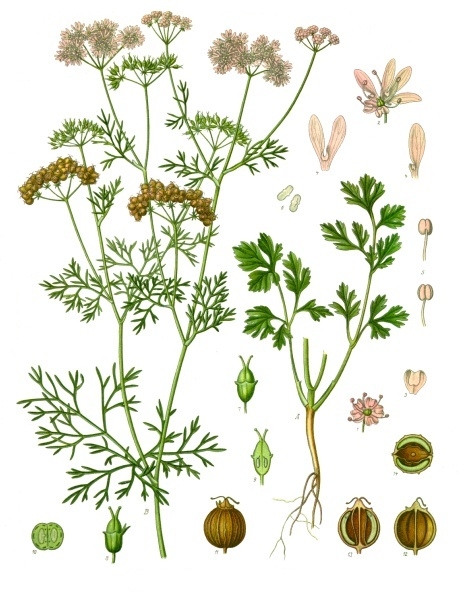 corianderCoriandrum sativum
Nearby on the shelf
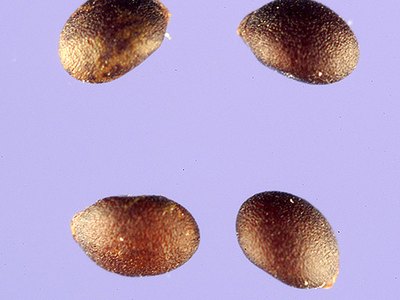 American pennyroyalHedeoma pulegioides
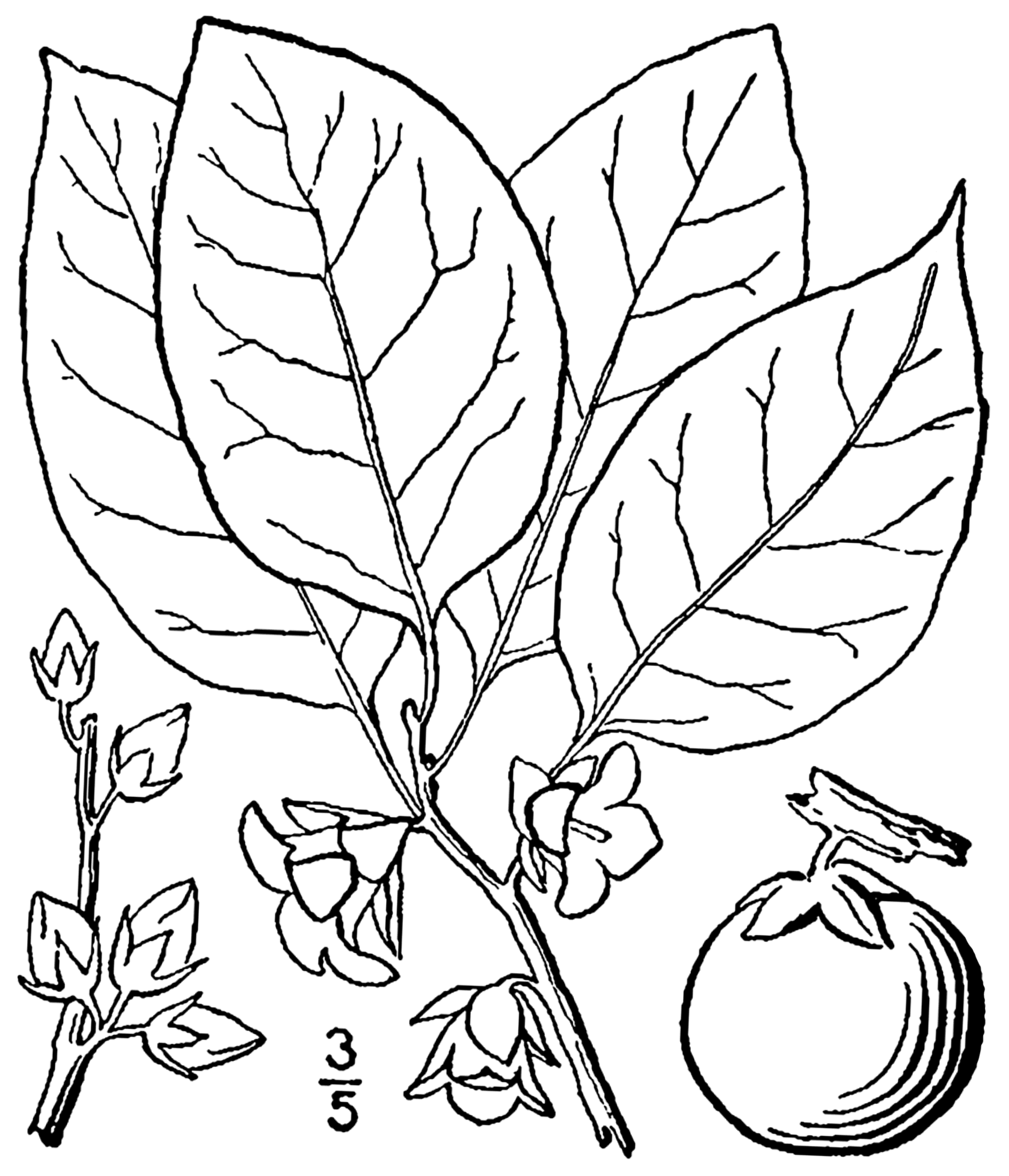 American persimmonDiospyros virginiana
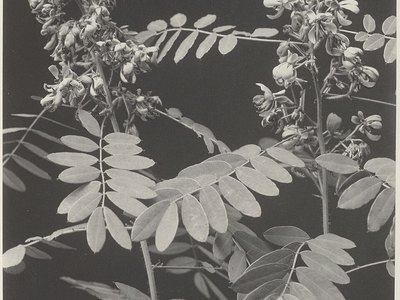 American sennaCassia Marilandica
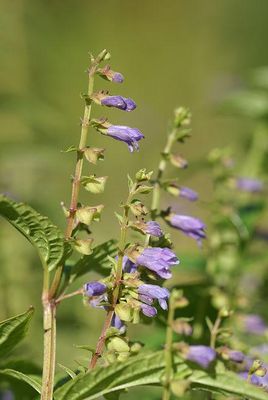 American SkullcapScutellaria lateriflora
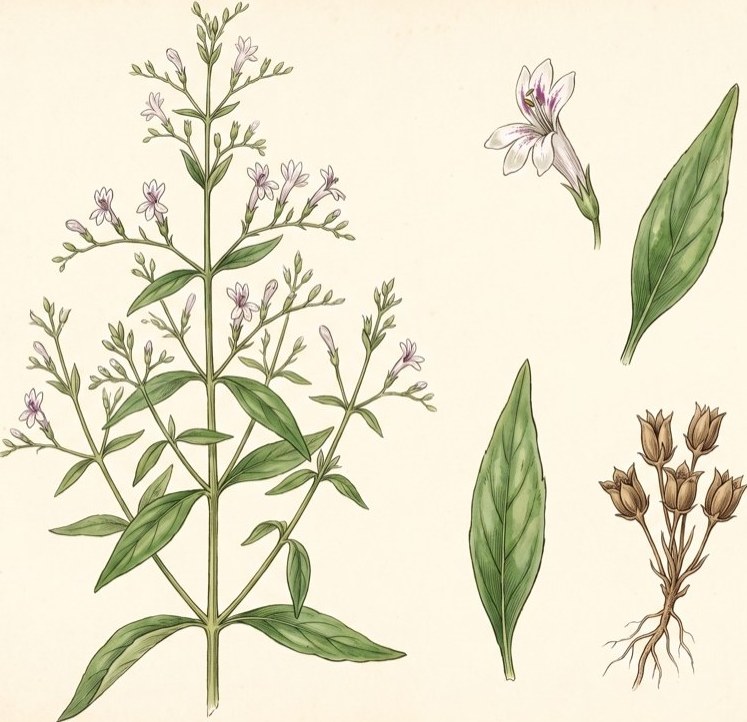 AndrographisAndrographis paniculata
 AngusturaGalipea cusparia
 AnisePimpinella anisum
The whole plate is in the library. The compass, Compare, the Sky of eleven hundred plants and the formulary open with an email address and a password, free, with the formula builder and its safety engine. Herbert without limit, his formulating, clients, the handouts and the labels are the paid room.
Open the library, free