Western Herbalism
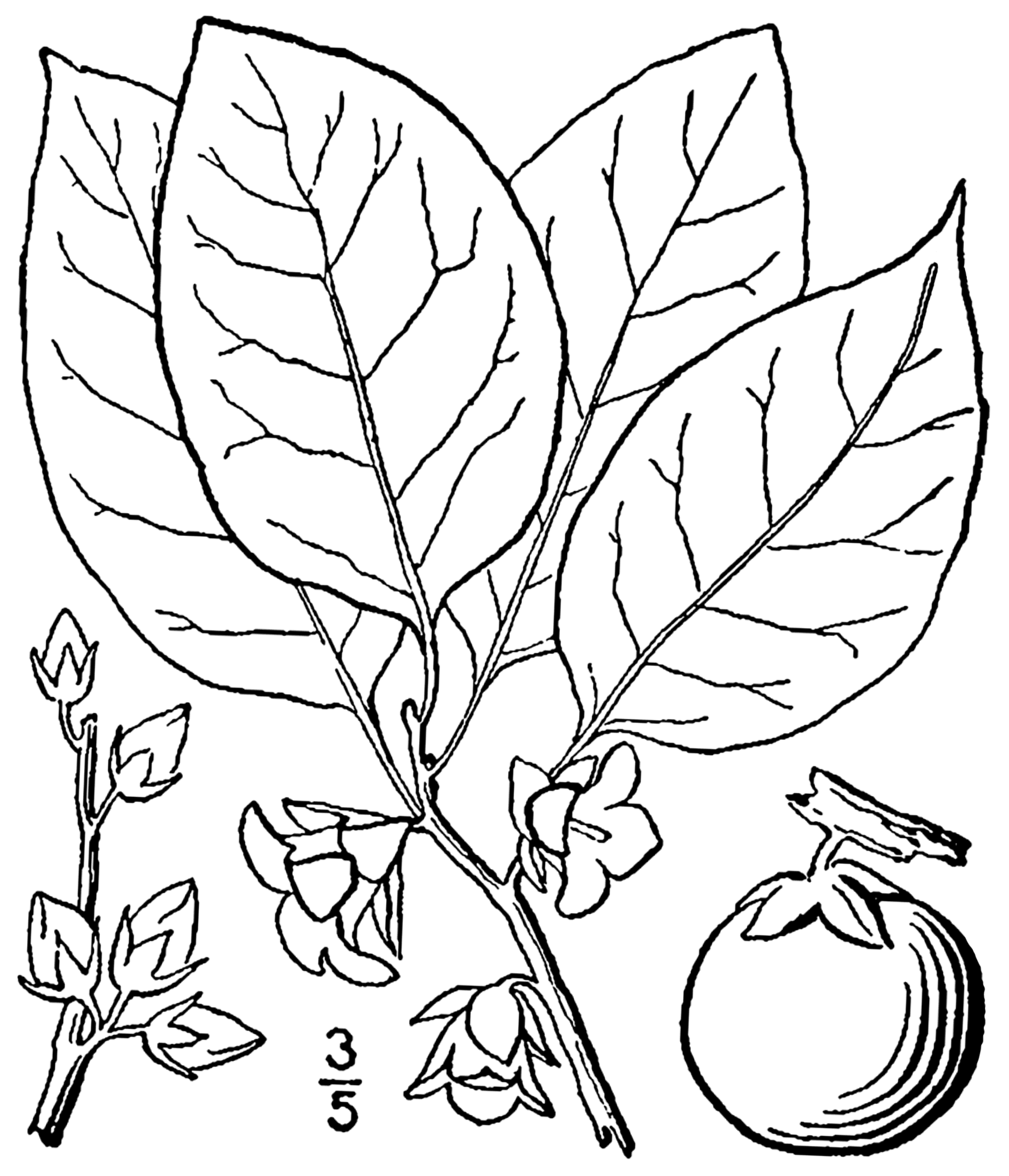
American persimmon
Diospyros virginiana
Also known as common persimmon, possumwood, date plum (regional, imprecise), Persimmon, Date-plum.
American persimmon is a small to medium tree native to the eastern and southeastern United States, valued in folk and physiomedicalist practice for its intensely bitter, astringent bark and its unripe fruit, both rich in tannin. The bark was gathered from the trunk or root and prepared as a decoction or tincture, used both internally for diarrhea and low fevers and externally as a wash for indolent ulcers and sore mouths. The ripe fruit, sweet only after frost or full ripening, was eaten as food and used more gently as a mild bowel tonic, while the green fruit shares the bark's strong astringency.

Ask Herbert about American persimmon. Herbert is the master herbalist inside Bountiful Herbs: he answers from this plate and eleven hundred others, with dosing, pairing and cautions. Your first ten questions are free.
Ask HerbertActions
Indications what the tradition reached for it in
- Diarrhea
- Dysentery
- Intermittent fevers (historical antiperiodic use)
- Aphthous ulcers
- Ulcerated sore throat
- Chronic low-grade ulcers of skin and mucosa
- Thrush
- Hemorrhoids
- Excessive uterine bleeding (traditional topical/internal use)
- Loose, atonic tissue in need of toning
Specific indications
Chronic, indolent ulcers with thin, unhealthy discharge that fail to heal with ordinary dressings, calling for a strongly bitter astringent wash
Aphthous mouth sores or ulcerated sore throat where a persistent, intensely astringent gargle is wanted rather than a mild one
Safety
The record lists 3 contraindications; open the plate in the library to read them in full.
In practice
In the older American tradition this bark was reached for when a plain astringent was not enough and a bitter, tonic-astringent combination was wanted, particularly in relaxed, atonic tissue states with persistent low-grade discharge, whether from the bowel, the throat, or an indolent skin ulcer.
Dosing as the sources wrote it
| Preparation | As written | Metric |
|---|---|---|
| Bark decoction | 2-4 g dried inner bark simmered 10-15 minutes, up to three times daily | 2000-4000 mg |
| Tincture (1:5, 40%) | 2-4 mL three times daily | 2-4 mL |
| Gargle or topical wash | Strong decoction applied to throat or ulcer two to four times daily | |
| used in infusion, syrup, or vinous tincture, in the proportion of 1 ounce of the bruised fruit to 2 fluid ounces of the vehicle, and ½ fluid ounce or more given to adults, and a fluid drachm or more to infants. The infusion may be used as a gargle in ulcerated sore throat. When ripe the fruit is very palatable, and as it matures at a time when fruits are generally departing for the season, the cultivation of the tree would undoubtedly be a valuable accession to our autumnal fruits. A kind of brandy is obtained by distillation of the fermented infusion. | 31103 mg | |
| A decoction of | A decoction of 1 or 2 drachms of kaki to ½ pint of water, steeped ½ hour and cooled, is employed in doses of 1 to 4 tablespoonfuls every 1 to 4 hours as required. | 7776 mg |
Doses are reproduced from the sources for practitioners and are not a recommendation for any person.
From the sources
Overview. American persimmon is a small to medium tree native to the eastern and southeastern United States, valued in folk and physiomedicalist practice for its intensely bitter, astringent bark and its unripe fruit, both rich in tannin. The bark was gathered from the trunk or root and prepared as a decoction or tincture, used both internally for diarrhea and low fevers and externally as a wash for indolent ulcers and sore mouths. The ripe fruit, sweet only after frost or full ripening, was eaten as food and used more gently as a mild bowel tonic, while the green fruit shares the bark's strong astringency.
Clinical Notes. In the older American tradition this bark was reached for when a plain astringent was not enough and a bitter, tonic-astringent combination was wanted, particularly in relaxed, atonic tissue states with persistent low-grade discharge, whether from the bowel, the throat, or an indolent skin ulcer.
Properties and Uses. The bark of persimmon is a very bitter astringent, intense, and lasting in its action. It has been employed to advantage as a family remedy in intermittents, and it is my opinion that it will be found a better antiperiodic than the cornus florida.
Description. Natural Order, Ebenaceae. The persimmon is a tree indigenous to the Middle and Southern States, and westward about the parallel of 42E North. Height twenty feet, but much larger Southward; with a spreading and roundish head, straight stem, and a blackish bark-which is much furrowed in the old trees.
Drawn from Cook's Physio-Medical Dispensatory; King's American Dispensatory, 18th edition (Felter and Lloyd), and the Bountiful Herbs editorial.
In formulas
American persimmon stands in 7 documented formulas in the library, among them ding xiang shì dì tàng, xin thì jú pí zhú rú tâng, shì di tâng.
Often paired with
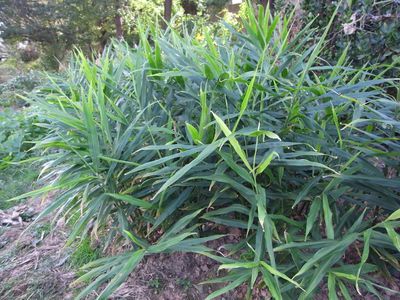 GingerZingiber officinale
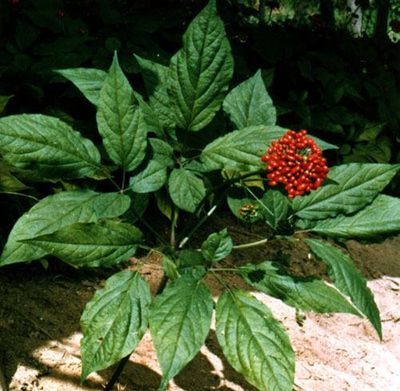 GinsengPanax ginseng
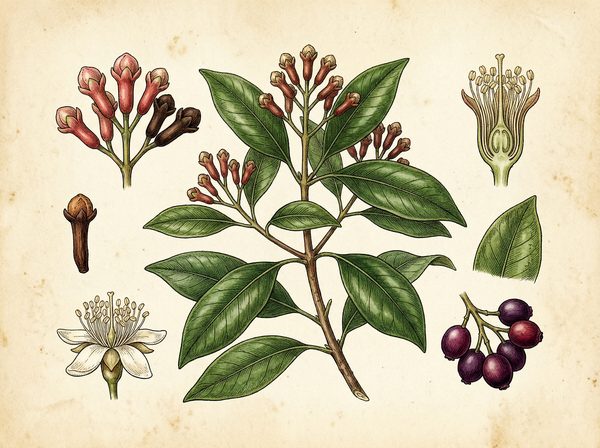 cloveSyzygium aromaticum
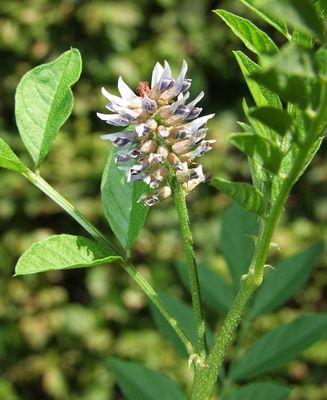 Licorice rootGlycyrrhiza glabra
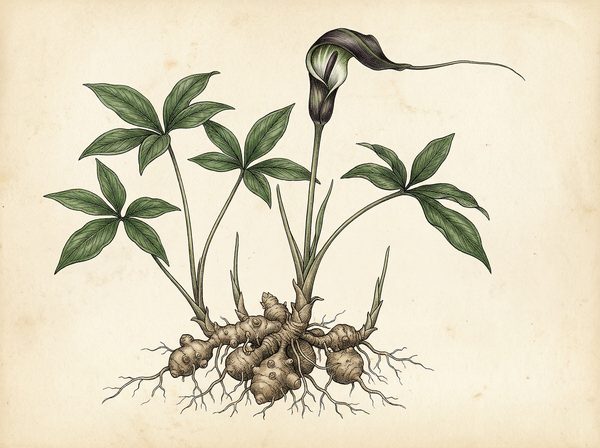 PinelliaPinellia ternata
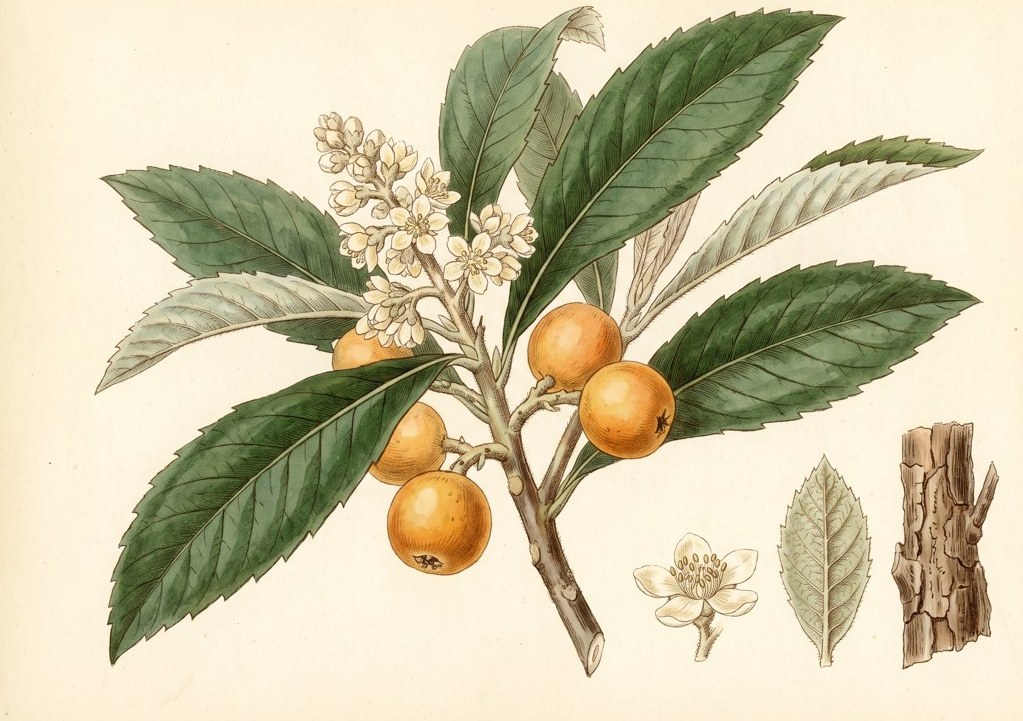 Loquat LeafEriobotrya japonica
Nearby on the shelf
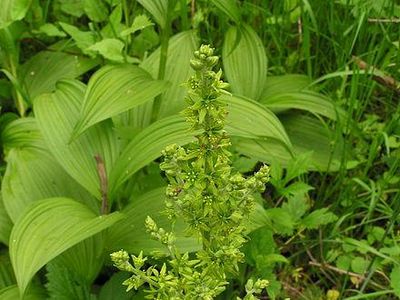 American helleboreVeratrum viride
 American HollyIlex Opaca
 American pasque flowerAnemone Patens
 American pennyroyalHedeoma pulegioides
 American sennaCassia Marilandica
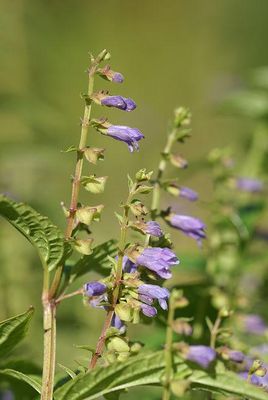 American SkullcapScutellaria lateriflora
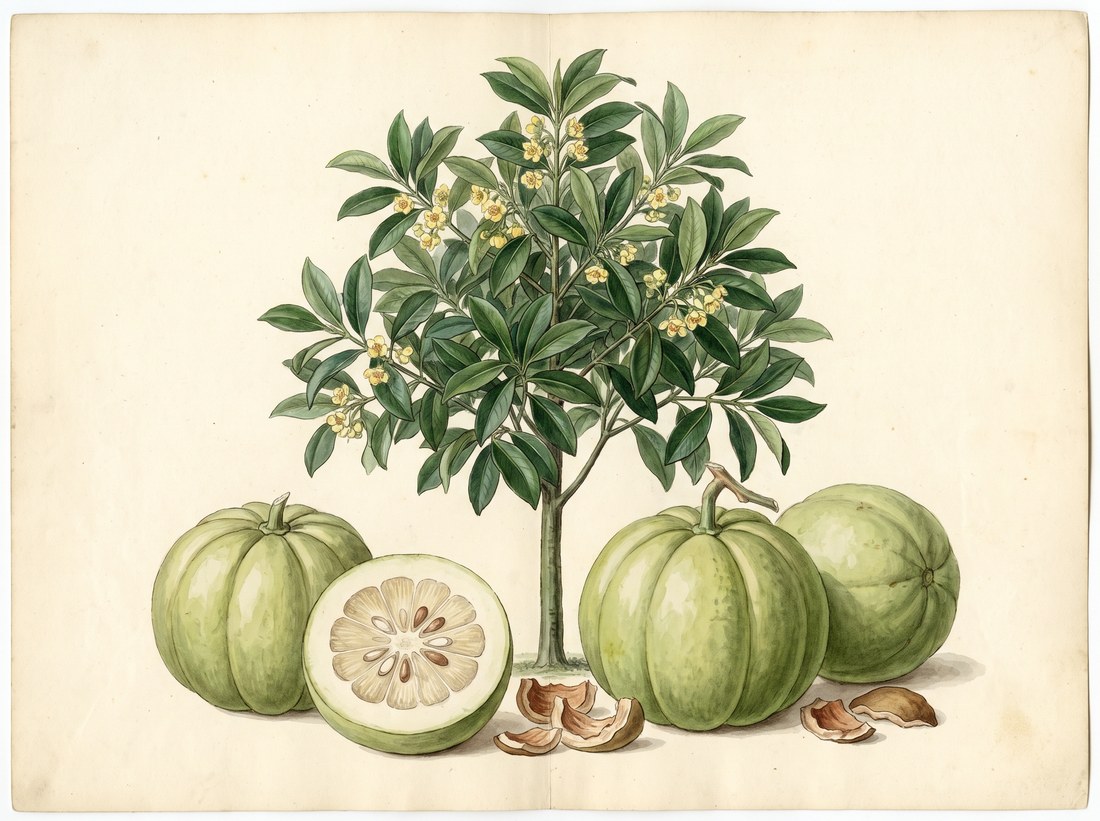 Amlavetasa (in the Ayurvedic sense)Garcinia pedunculata
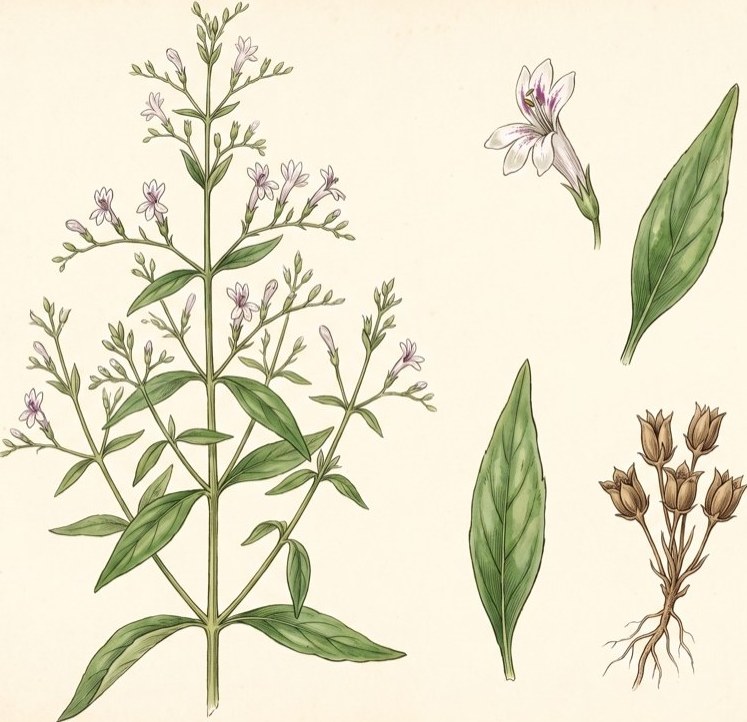 AndrographisAndrographis paniculata
The whole plate is in the library. The compass, Compare, the Sky of eleven hundred plants and the formulary open with an email address and a password, free, with the formula builder and its safety engine. Herbert without limit, his formulating, clients, the handouts and the labels are the paid room.
Open the library, free