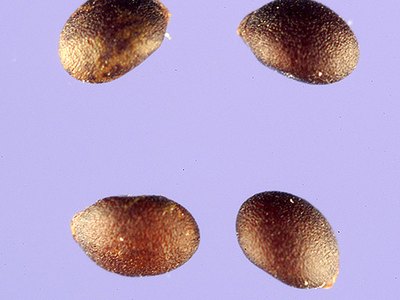
Western Herbalism
American pennyroyal
Hedeoma pulegioides
Also known as pennyroyal, mock pennyroyal, squaw mint, tickweed, Squawmint, Hedeoma, Tick-weed.
American pennyroyal is a small, strongly aromatic annual mint native to eastern North America, where it grows in dry open woods and fields. The dried aerial parts, gathered in flower, were a household remedy among Eclectic and domestic American herbalists, distinct from European pennyroyal (Mentha pulegium) though similar in aroma and chemistry. It was valued chiefly as a warming diaphoretic for colds and as an emmenagogue for delayed menses associated with chill.

Ask Herbert about American pennyroyal. Herbert is the master herbalist inside Bountiful Herbs: he answers from this plate and eleven hundred others, with dosing, pairing and cautions. Your first ten questions are free.
Ask HerbertActions
Indications what the tradition reached for it in
- Common cold with chill and poor peripheral circulation
- Delayed or scanty menses from cold or suppressed emotion
- Flatulent colic
- Dyspepsia with gas and cramping
- Feverish states needing gentle sweating
- Nervous digestive upset
- Externally as an insect repellent
- Mild spasmodic cough of nervous origin
Specific indications
Suppressed menses with a history of chilling, especially with cold hands and feet and a desire for warmth
Early cold or flu with chill, no sweat, and a queasy stomach that tolerates little else
Safety
Recognised toxicity. This plant carries a toxicity flag in the record; it is for trained practitioners only.
Low dose botanical. Used in drop doses in the classical practice; not a plant to dose freely.
Pregnancy: Contraindicated in pregnancy: the plant contains pulegone, a known abortifacient and hepatotoxin, and has long been used deliberately to provoke abortion, sometimes with fatal maternal poisoning.
Breastfeeding: Avoid in lactation given the pulegone content and lack of safety data; use is not advised.
The record lists 6 contraindications; open the plate in the library to read them in full.
In practice
Pennyroyal tea or a modest dose of the tincture was traditionally given hot, at the onset of a cold, to bring on a gentle sweat and settle a queasy stomach at the same time; it was considered gentler on the stomach than many other diaphoretics and was often combined with a small amount of ipecac or another circulatory stimulant in the old formulas.
Dosing as the sources wrote it
| Preparation | As written | Metric |
|---|---|---|
| Infusion (dried herb) | 1-2 g dried aerial parts as infusion, up to three times daily, short courses only | 1000-2000 mg |
| Tincture (1:5, 45%) | 1-2 mL up to three times daily, short courses only | 1-2 mL |
| Dose, 5 to 60 grains. | 324-3888 mg | |
| Specific Medicine Pennyroyal | Dose, 5 to 60 drops. | 0.1-1.2 mL |
| Oleum Hedeomae, Oil of Pennyroyal | Dose, 2 to 10 drops. | 0.06-0.3 mL |
| oil | Dose of the oil, from 2 to 10 drops; of a saturated tincture, 1 to 2 fluid drachms. | 0.06-0.3 mL |
Doses are reproduced from the sources for practitioners and are not a recommendation for any person.
From the sources
Overview. American pennyroyal is a small, strongly aromatic annual mint native to eastern North America, where it grows in dry open woods and fields. The dried aerial parts, gathered in flower, were a household remedy among Eclectic and domestic American herbalists, distinct from European pennyroyal (Mentha pulegium) though similar in aroma and chemistry. It was valued chiefly as a warming diaphoretic for colds and as an emmenagogue for delayed menses associated with chill.
Clinical Notes. Pennyroyal tea or a modest dose of the tincture was traditionally given hot, at the onset of a cold, to bring on a gentle sweat and settle a queasy stomach at the same time; it was considered gentler on the stomach than many other diaphoretics and was often combined with a small amount of ipecac or another circulatory stimulant in the old formulas.
Therapy. External. Oil of Pennyroyal is rubefacient and relieves the itching of insect bites. It is useful in embrocations for rheumatic pain. It is sometimes applied to the hands and face to protect against mosquitoes, fleas, and other insects.
Action, Medical Uses, and Dosage. Oil of pennyroyal is a stimulant, carminative, antispasmodic, and emmenagogue. It has been used with benefit in cramp of the stomach, flatulent colic, nausea, amenorrhoea, and to diminish the harshness of griping, as well as nauseating, medicines. It is frequently employed for the purpose of occasioning abortion, but as with all agents of this sort, it is very dangerous. It is sometimes applied externally as a mild rubefacient. The dose is from 2 to 10 drops on sugar, or in emulsion. (For further uses, see Hedeoma.)
Drawn from Scudder's Specific Medication and Specific Medicines; King's American Dispensatory, 18th edition (Felter and Lloyd); Felter's Eclectic Materia Medica, Pharmacology and Therapeutics, and the Bountiful Herbs editorial.
Often paired with
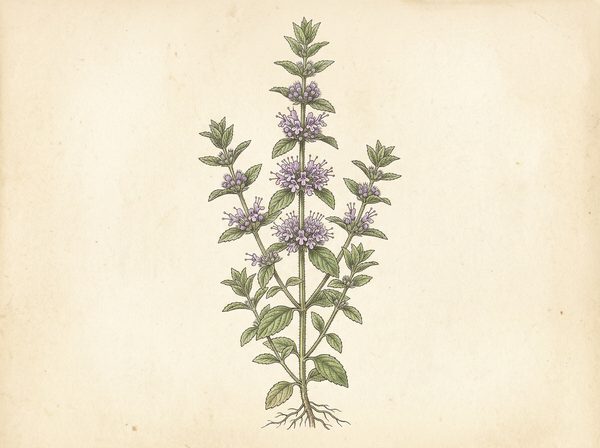 PennyroyalMentha pulegium
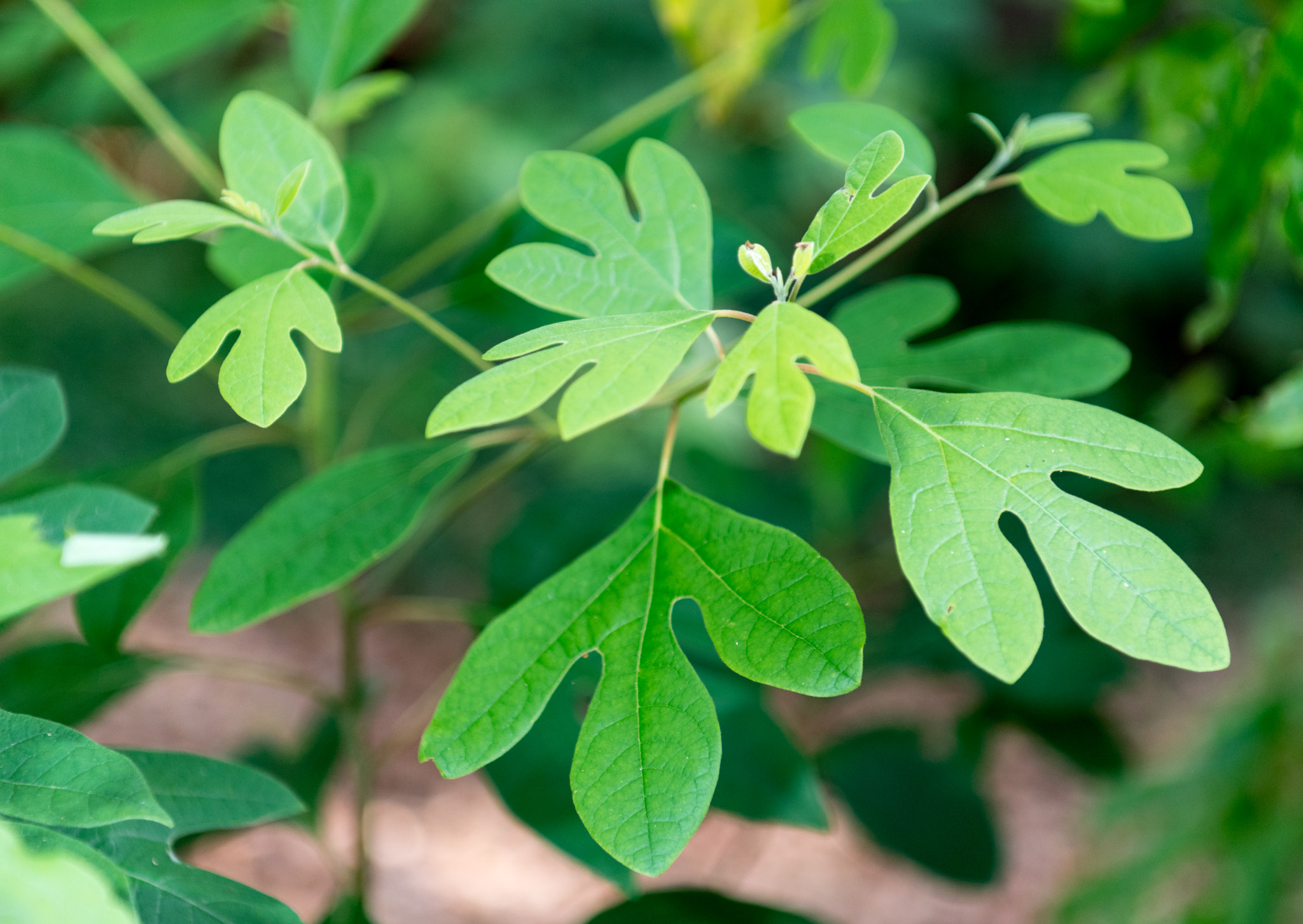 SassafrasSassafras albidum
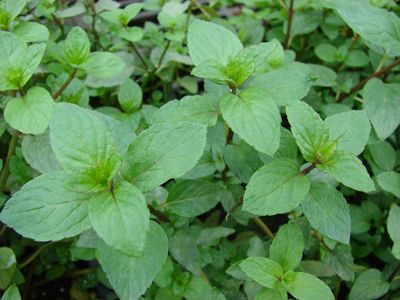 PeppermintMentha piperita
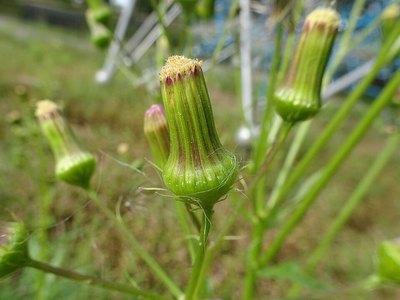 FireweedErechtites hieracifolius
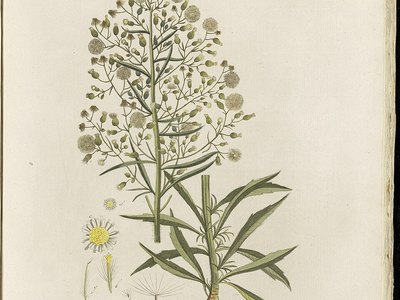 Canada fleabaneErigeron canadense
Nearby on the shelf
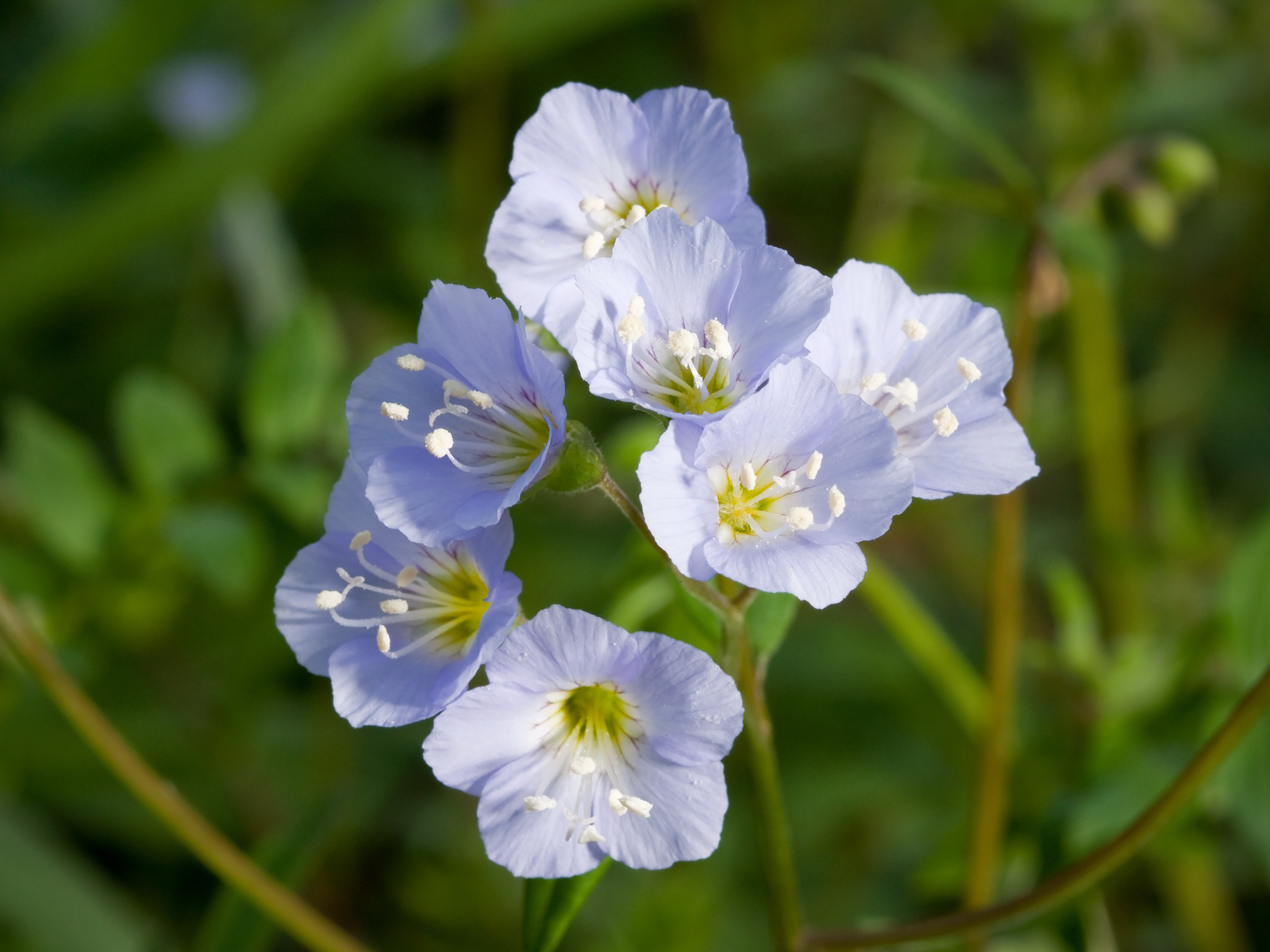 American Greek ValerianPolemonium
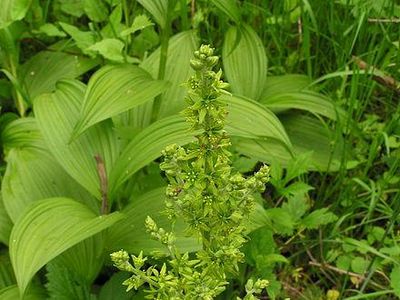 American helleboreVeratrum viride
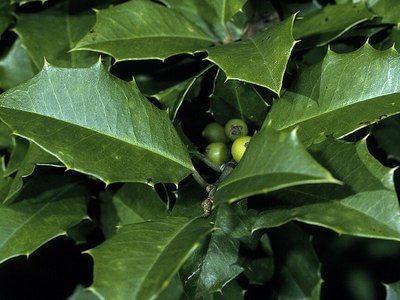 American HollyIlex Opaca
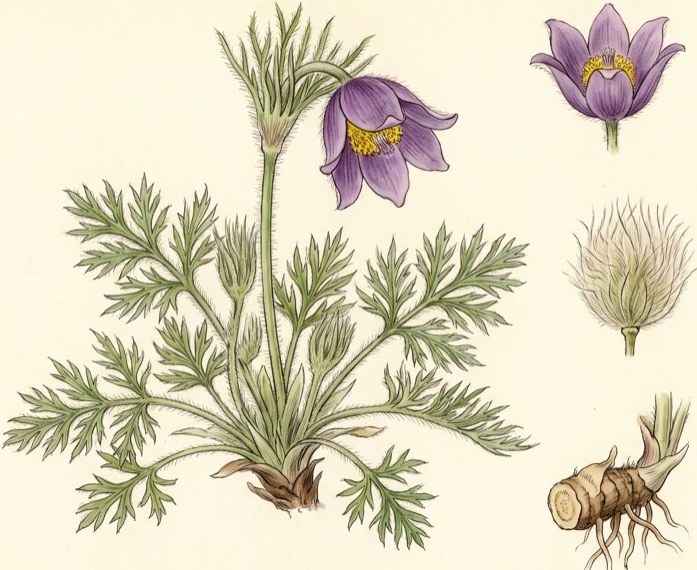 American pasque flowerAnemone Patens
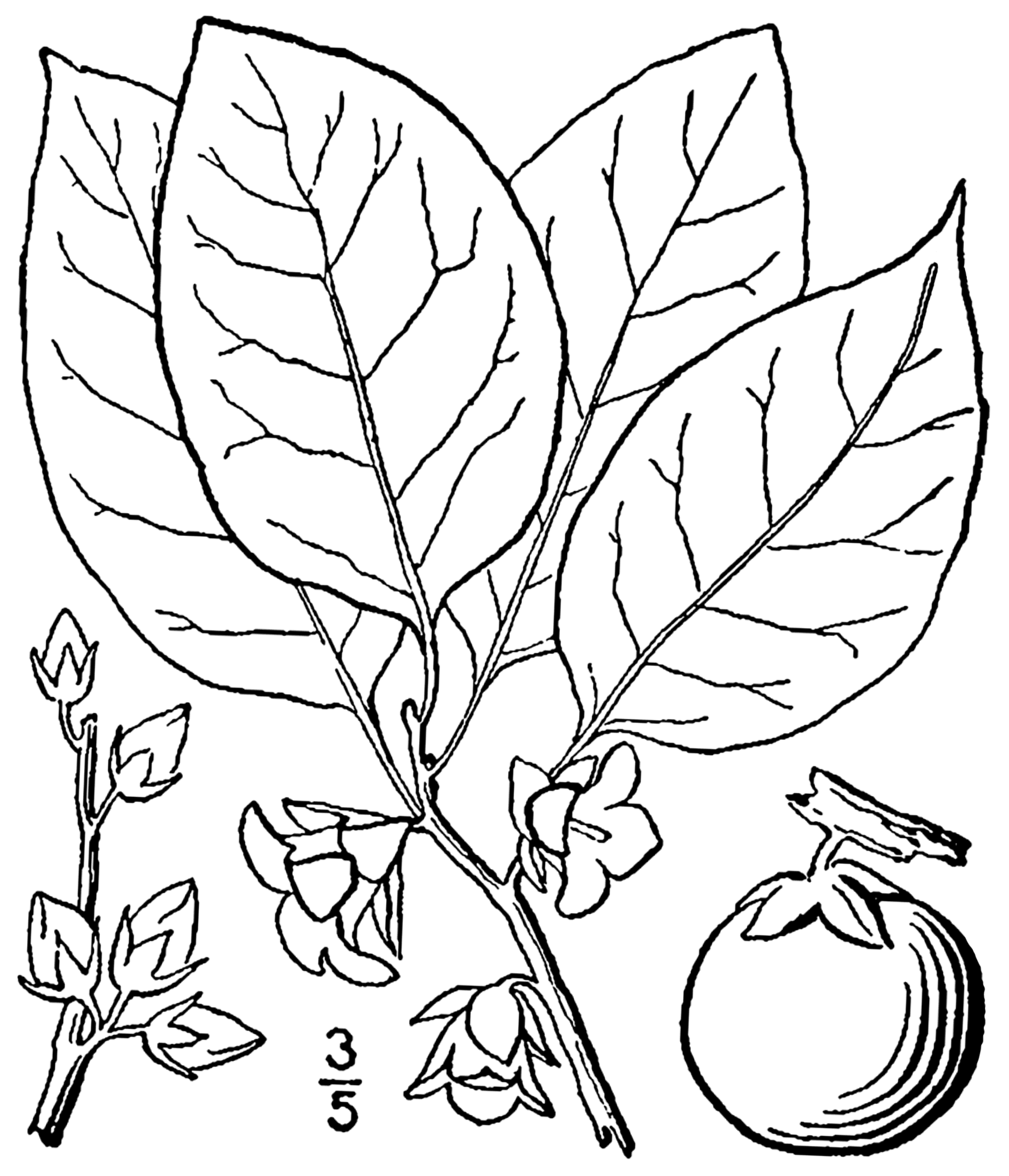 American persimmonDiospyros virginiana
 American sennaCassia Marilandica
 American SkullcapScutellaria lateriflora
 Amlavetasa (in the Ayurvedic sense)Garcinia pedunculata
The whole plate is in the library. The compass, Compare, the Sky of eleven hundred plants and the formulary open with an email address and a password, free, with the formula builder and its safety engine. Herbert without limit, his formulating, clients, the handouts and the labels are the paid room.
Open the library, free