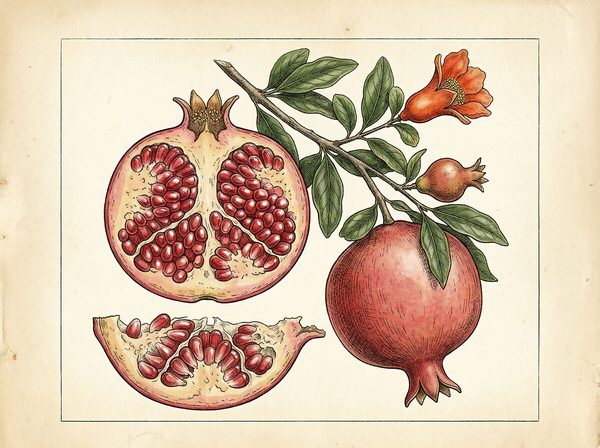
Western and Ayurvedic herbalism
Pomegranate
Punica granatum
Also known as granada, anar, Granatum, Pomegranate Root Bark, Dadima, Kuchaphala, Raktapushpa.
Dadima is the pomegranate, a small deciduous tree or large shrub native to the region from Iran to the western Himalaya and cultivated across India, above all in the dry districts of Maharashtra, Karnataka, Gujarat, Andhra Pradesh and Rajasthan, with wild trees still found in the hills of Himachal Pradesh and Uttarakhand. Ayurveda uses every part: the sweet arils as a cooling, heart pleasing tonic fruit, the tannin rich rind for diarrhea and bleeding, the dried sour seeds as a digestive spice, the flowers for hemorrhage and the bark as a classical remedy for tapeworm. It is one of the few fruits the texts call tridoshic.

Ask Herbert about Pomegranate. Herbert is the master herbalist inside Bountiful Herbs: he answers from this plate and eleven hundred others, with dosing, pairing and cautions. Your first ten questions are free.
Ask HerbertActions
Indications what the tradition reached for it in
- Diarrhea and dysentery (rind)
- Irritable bowel with loose stools and poor appetite
- Hypertension and endothelial dysfunction (juice, adjunct)
- Metabolic syndrome and dyslipidemia (juice and extract, adjunct)
- Nonalcoholic fatty liver disease (adjunct)
- Rheumatoid arthritis and osteoarthritis (adjunct)
- Anemia and debility in convalescence (fruit with ghrita)
- Nausea and vomiting of pregnancy (sweet fruit)
- Sore throat, gingivitis and mouth ulcers (rind gargle)
- Menorrhagia and bleeding gums (rind and flower)
- Tapeworm infestation (root bark, supervised)
- Excess thirst and burning in fever (juice)
- Intestinal worms/parasites (tapeworms)
- Liver disorders/jaundice
- Stomach inflammation
- Gingivitis
- Heavy menstrual bleeding
- Anal/uterine prolapse/wounds
- Skin infections/pruritus
- Nosebleeds/gum bleeding
- Atherosclerosis
- Nausea
- Toothache
- Dry throat
- Hypertension
- Cough
- Wounds
- Diarrhea
- Fever
- Dysentery
Specific indications
A hot, thirsty pitta patient with loose stools, a raw mouth and no appetite, who is comforted by sweet pomegranate juice and a pinch of rind powder
Nausea of early pregnancy in a woman who can keep down little else but the sweet arils
Chronic loose stools with mucus and weakness where a nourishing astringent is wanted rather than a harsh one
A middle aged patient with borderline blood pressure and stiff arteries who wants a daily food medicine for the heart
Taeniacide and taeniafuge for the destruction and expulsion of tapeworm.
Safety
Low dose botanical. Used in drop doses in the classical practice; not a plant to dose freely.
Breastfeeding: The fruit, juice and rind are compatible with nursing; avoid the bark.
The record lists 8 contraindications; open the plate in the library to read them in full.
In practice
The Ayurvedic practitioner distinguishes the sweet and the sour pomegranate. The sweet fruit is the medicine for pitta and vata: thirst, burning, weakness, palpitations, anemia, the nausea of pregnancy and the debility after fever, given fresh, as juice, or cooked into Dadimadi ghrita for pandu and the pregnant woman who cannot eat.
In Ayurveda
Rasa: madhura (sweet), amla (sour), kashaya (astringent); the sweet variety is madhura pradhana, the sour variety amla pradhana. Virya: anushna-sheeta (mildly cooling) for the sweet fruit; the sour variety is ushna (heating). Vipaka: madhura (sweet) for the sweet fruit; amla (sour) for the sour variety. Guna: laghu (light), snigdha (unctuous). Dosha: the sweet fruit pacifies all three doshas and is especially good for pitta and vata; the sour variety pacifies vata and kapha but aggravates pitta. Prabhava: hridya: the tradition names Dadima among the foremost heart pleasing fruits. Karma: hridya (pleasing and strengthening to the heart); deepana (kindles digestion); pachana (digestive); grahi (absorbent, checks diarrhea); ruchya (improves taste); balya (strengthening); tarpana (refreshing and nourishing); trishnanigrahana (relieves thirst); raktastambhana (checks bleeding; rind and flower); krimighna (anthelmintic; rind and root bark); medhya (supports the mind); vrishya (aphrodisiac, sweet fruit); kanthya (benefits the throat). Classical indications: atisara (diarrhea); pravahika (dysentery); grahani (malabsorption and irritable bowel); aruchi (loss of taste); trishna (thirst); daha (burning sensation); hridroga (heart disease); jvara (fever); raktapitta (bleeding disorders); krimi (worms, especially tapeworm; rind and root bark); mukharoga and kantharoga (mouth and throat disease); kasa (cough); pandu (anemia); garbhini chhardi (vomiting of pregnancy). The fresh arils and their juice are food and medicine; the dried rind is powdered for churna and decocted for gargles and washes; the dried seeds (anardana) are a sour digestive spice; the flower buds are used for bleeding; the root and stem bark are decocted as a taeniafuge under supervision. Dadima enters ghritas, avalehas and compound powders for the digestive tract, the heart and anemia. Classical formulations: Dadimashtaka churna, Dadimadi ghrita, Dadimavaleha, Dadima twak churna, Dadimadi churna, Dadima pushpa churna. Described in: Charaka Samhita, Sushruta Samhita, Ashtanga Hridaya, Bhavaprakasha Nighantu, Dhanvantari Nighantu, Raja Nighantu, Kaiyadeva Nighantu, Madanapala Nighantu, Ayurvedic Pharmacopoeia of India.
Dosing as the sources wrote it
| Preparation | As written | Metric |
|---|---|---|
| Swarasa | 50-100 mL fresh fruit juice once or twice daily | 50-100 mL |
| Twak churna | 2-5 g powdered rind twice daily with honey or warm water | 2000-5000 mg |
| Dadimashtaka churna | 3-6 g compound powder twice daily before food | 3000-6000 mg |
| Kwatha, rind gargle | 50-100 mL cooled decoction of rind used as gargle two to three times daily | 50-100 mL |
| Pushpa churna | 1-3 g powdered flower bud twice daily for bleeding | 1000-3000 mg |
| Root bark kwatha, supervised | 30-60 mL decoction of root bark once fasting for tapeworm, single course under supervision | 30-60 mL |
Doses are reproduced from the sources for practitioners and are not a recommendation for any person.
From the sources
Overview. Dadima is the pomegranate, a small deciduous tree or large shrub native to the region from Iran to the western Himalaya and cultivated across India, above all in the dry districts of Maharashtra, Karnataka, Gujarat, Andhra Pradesh and Rajasthan, with wild trees still found in the hills of Himachal Pradesh and Uttarakhand. Ayurveda uses every part: the sweet arils as a cooling, heart pleasing tonic fruit, the tannin rich rind for diarrhea and bleeding, the dried sour seeds as a digestive spice, the flowers for hemorrhage and the bark as a classical remedy for tapeworm. It is one of the few fruits the texts call tridoshic.
Clinical Notes. Primarily fruit (peel, arils), flowers, bark used medicinally Root bark used traditionally as anthelmintic but contains toxic alkaloids ... use cautiously Astringency from tannins drives many effects Validated in ITM, Ayurveda, Western herbalism Limited large clinical trials
Clinical Notes. The Ayurvedic practitioner distinguishes the sweet and the sour pomegranate. The sweet fruit is the medicine for pitta and vata: thirst, burning, weakness, palpitations, anemia, the nausea of pregnancy and the debility after fever, given fresh, as juice, or cooked into Dadimadi ghrita for pandu and the pregnant woman who cannot eat.
Therapy. When pomegranate decoction can be retained by the stomach it is a certain specific for the destruction and expulsion of tapeworm. When this preparation cannot be used, the tannate, which is far more easily administered, may be substituted.
Drawn from Cook's Physio-Medical Dispensatory; King's American Dispensatory, 18th edition (Felter and Lloyd); Ellingwood's American Materia Medica, Therapeutics and Pharmacognosy; Felter's Eclectic Materia Medica, Pharmacology and Therapeutics, and the Bountiful Herbs editorial.
In formulas
Pomegranate stands in 17 documented formulas in the library, among them Mṛtasaṅjīvanī Surā, Kalyāṇaka Ghṛta, Dāḍimādi Ghṛta, Dādhika Ghṛta, Mahā Kalyāṇaka Ghṛta, Laśunādi Ghṛta.
Often paired with
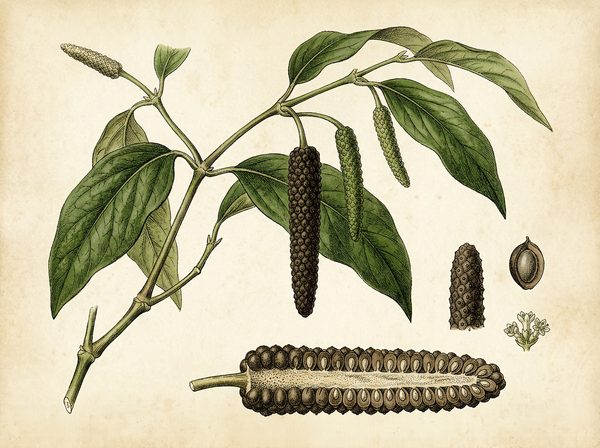 long pepperPiper longum
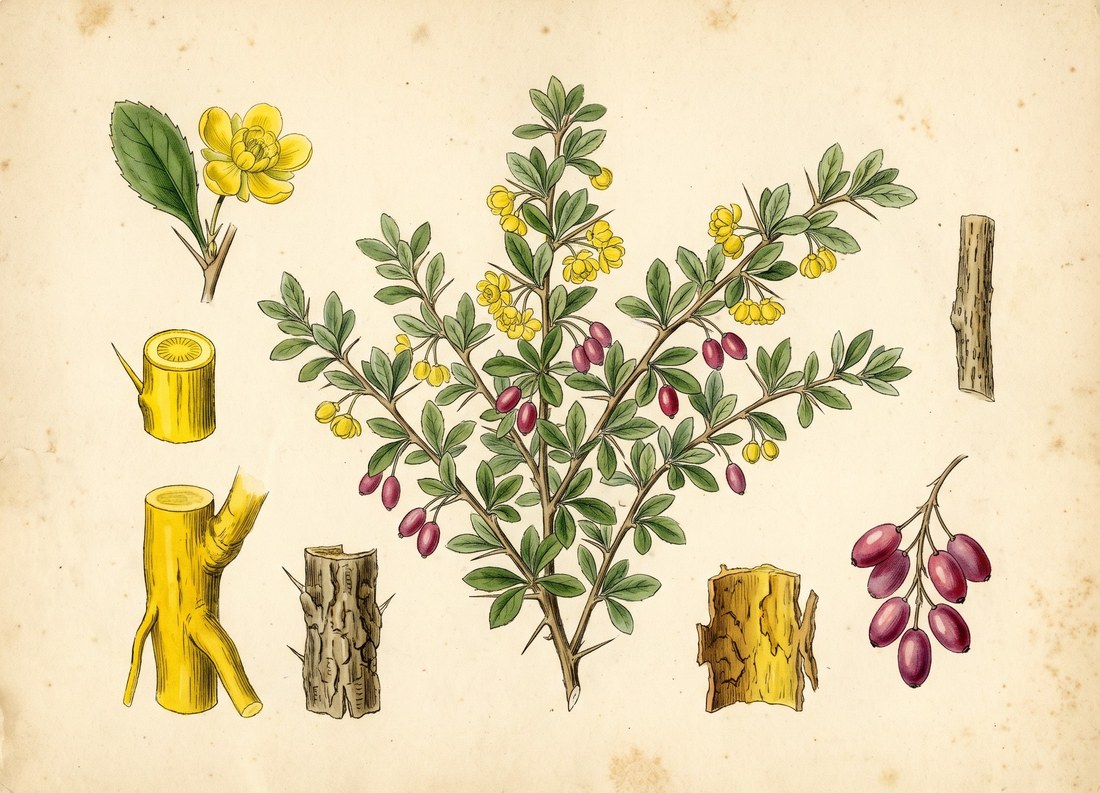 Indian barberryBerberis aristata
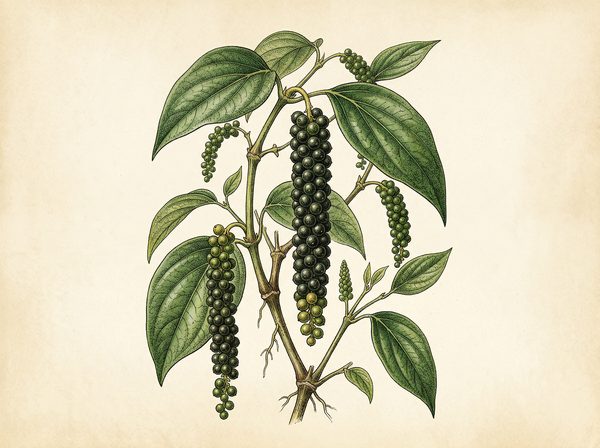 black pepperPiper nigrum
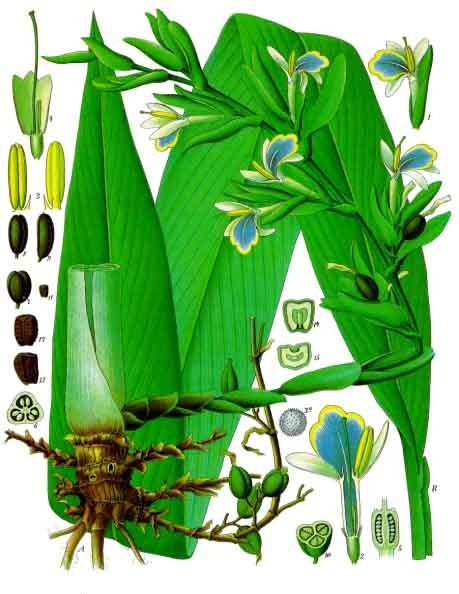 cardamomElettaria cardamomum
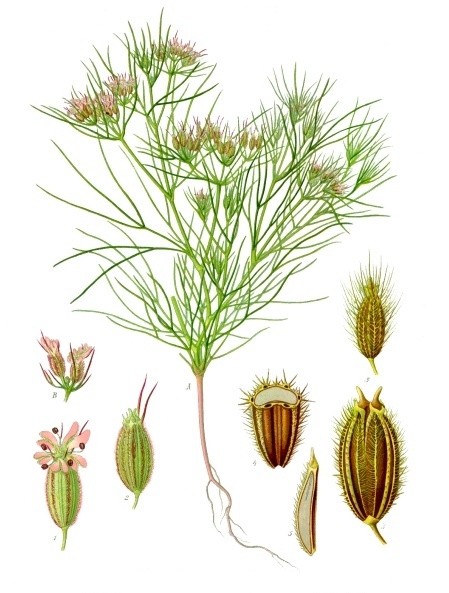 CuminCuminum cyminum
 GingerZingiber officinale
Nearby on the shelf
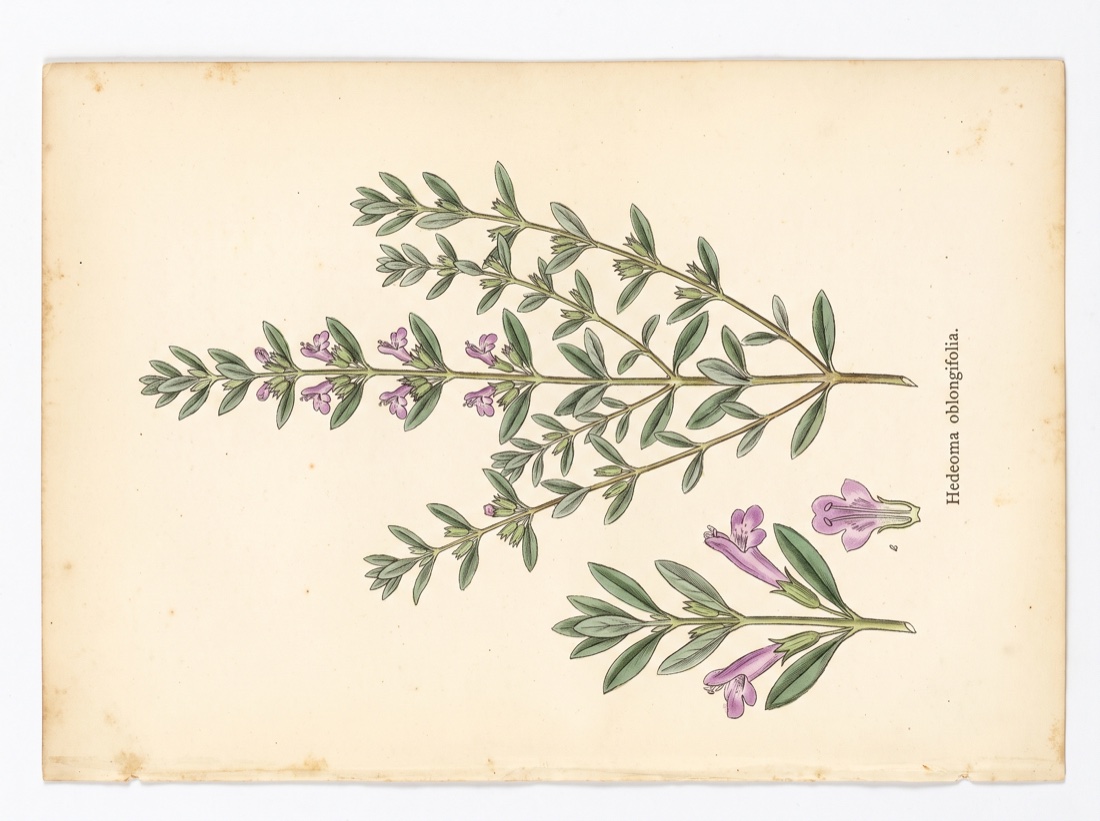 PoleoHedeoma oblongifolia
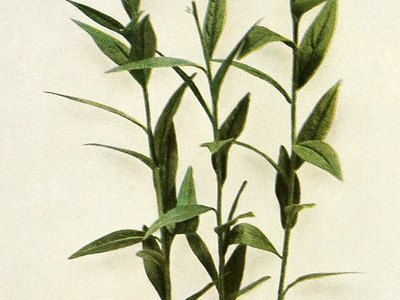 PolygalaPolygala senega
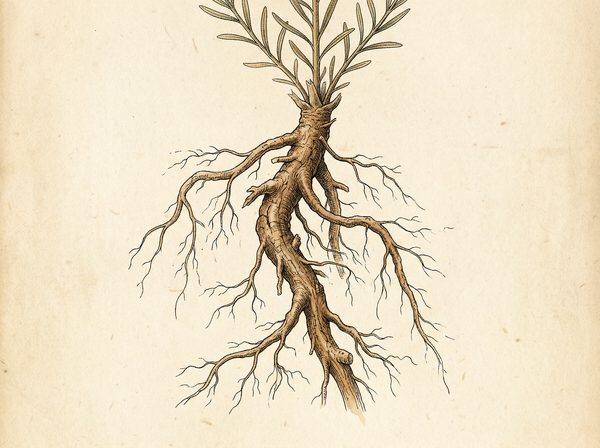 Polygala rootPolygala tenuifolia
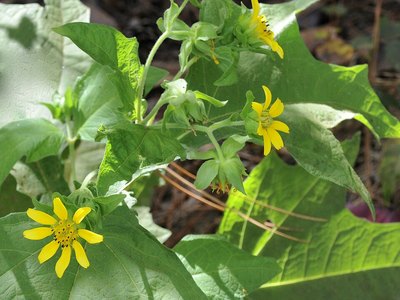 PolymniaPolymnia uvedalia
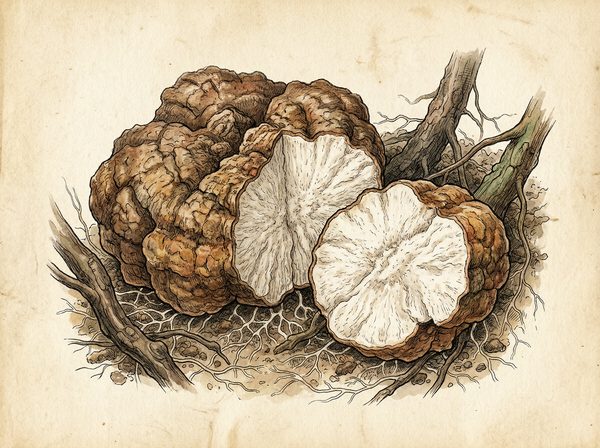 PoriaWolfiporia extensa
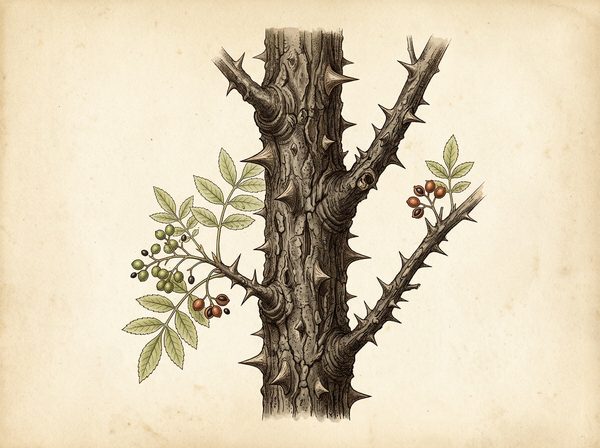 Prickly AshZanthoxylum americanum
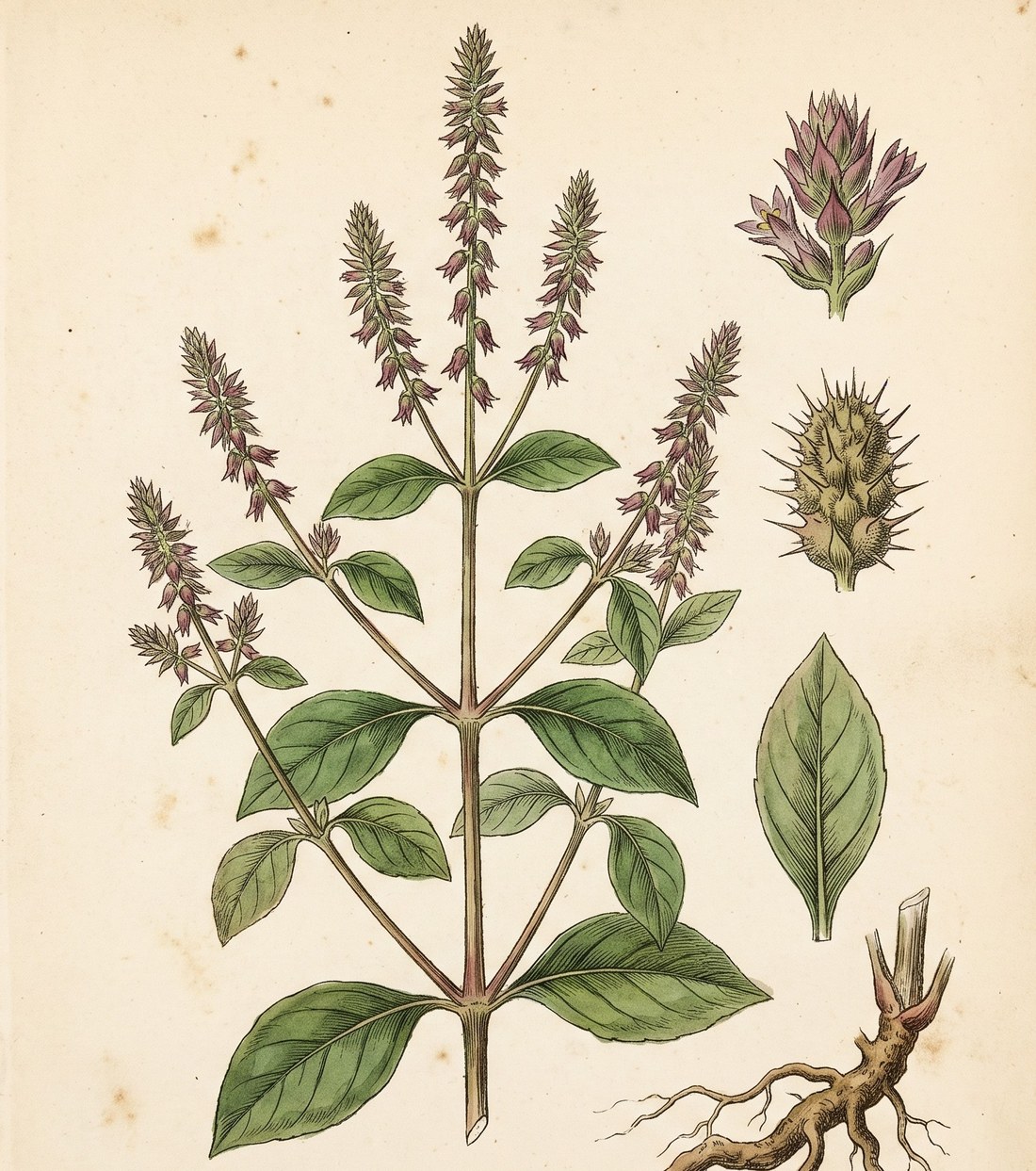 Prickly chaff flowerAchyranthes aspera
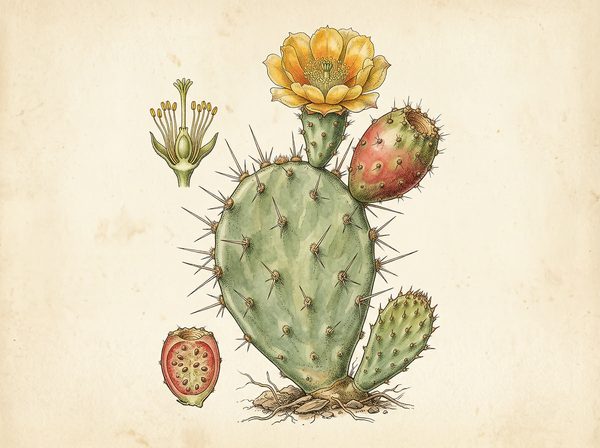 Prickly PearOpuntia ficus-indica
The whole plate is in the library. The compass, Compare, the Sky of eleven hundred plants and the formulary open with an email address and a password, free, with the formula builder and its safety engine. Herbert without limit, his formulating, clients, the handouts and the labels are the paid room.
Open the library, free