Western Herbalism
Sweet Orange
Citrus sinensis
Also known as Orange Peel, Chen Pi (sweet-orange type), Sweet Orange Peel (of Sweet Orange, Portugal Orange, China Orange), Sweet orange peel.
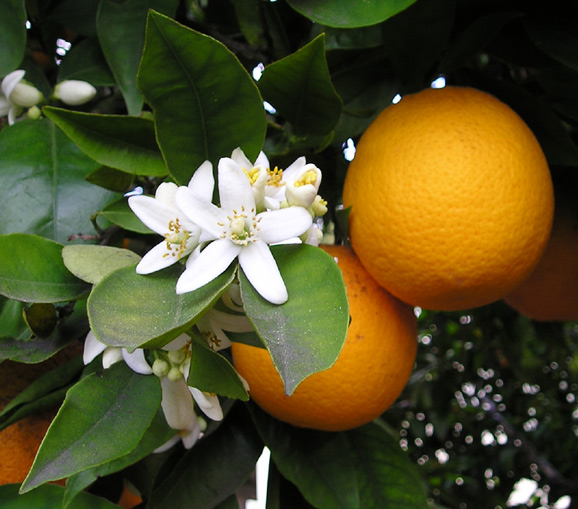
Sweet orange peel is the fresh outer rind of the ripe fruit of the sweet orange tree, a small evergreen cultivated widely across warm temperate and subtropical regions, originally from Southeast Asia and now grown throughout the Mediterranean, the Americas, and elsewhere. In nineteenth century eclectic and regular practice the fresh peel was distilled into an aromatic tincture and syrup, valued less as a primary remedy and more as a gentle carminative and an elegant, pleasant-tasting vehicle for other medicines. It sits in the broader citrus peel tradition alongside bitter orange peel, but is milder and sweeter, prized for palatability rather than strong bitter action.

Ask Herbert about Sweet Orange. Herbert is the master herbalist inside Bountiful Herbs: he answers from this plate and eleven hundred others, with dosing, pairing and cautions. Your first ten questions are free.
Ask HerbertActions
Indications what the tradition reached for it in
- Sluggish digestion, bloating and poor appetite
- Nausea and mild indigestion
- Damp-phlegm cough and chest congestion (peel)
- Capillary fragility and venous insufficiency (hesperidin)
- Low mood, stress and tension (aromatherapy)
- Colic in children (gentle peel infusion)
- Constipation from dryness (fruit)
- stress and low mood
- restlessness
- room freshening
- Sluggish digestion
- Flatulence
- Mild dyspepsia
- Anorexia or poor appetite in convalescence
- Nausea associated with atonic digestion
- Griping from purgative medicines
- To disguise unpleasant taste of other remedies
- General debility with poor appetite
Safety
Pregnancy: Not for use in pregnancy
The record lists 3 contraindications; open the plate in the library to read them in full.
Dosing as the sources wrote it
| Preparation | As written | Metric |
|---|---|---|
| Dried peel infusion | Dried peel infusion: 1-2 tsp per cup | |
| Tincture (1:5) | Tincture (1:5): 2-4 ml three times daily | 2-4 mL |
| Powder/capsule of peel | Powder/capsule of peel: 1-3 g | 1000-3000 mg |
| Topical (diluted in carrier) | Topical: typical 1-3% in carrier; face/sensitive 0.5-1; dermal maximum 5%. Expressed sweet orange is not considered phototoxic at normal use. | |
| Internal (oral) | Not recommended internally ... insufficient current safety data for the essential oil; use the culinary herb or tea instead. No established oral oil dose; use the fruit. | |
| Dose, 1 fluidrachm. | 3.7-3.7 mL |
Doses are reproduced from the sources for practitioners and are not a recommendation for any person.
From the sources
Overview. Sweet orange peel is the fresh outer rind of the ripe fruit of the sweet orange tree, a small evergreen cultivated widely across warm temperate and subtropical regions, originally from Southeast Asia and now grown throughout the Mediterranean, the Americas, and elsewhere. In nineteenth century eclectic and regular practice the fresh peel was distilled into an aromatic tincture and syrup, valued less as a primary remedy and more as a gentle carminative and an elegant, pleasant-tasting vehicle for other medicines. It sits in the broader citrus peel tradition alongside bitter orange peel, but is milder and sweeter, prized for palatability rather than strong bitter action.
Clinical Notes. Sweet orange peel earns its place in the dispensary less as a stand-alone remedy and more as a flavoring and carminative adjunct. The tincture or syrup is added to mixtures for children or for patients with a poor appetite for medicine, both to improve palatability and to lend a mild aromatic-bitter stimulus to digestion.
Therapy. Sweet Orange Peel . Slightly stimulant, carminative, and tonic. Used almost wholly as a flavoring agent. It makes an elegant addition to acid solution of iron dispensed in syrup. It is also an agreeable addition to the bitter infusions, as of quassia or Peruvian bark.
primary-actions. Sweet Orange acts primarily as: Carminative, Digestive, Mild antispasmodic, Venotonic (hesperidin), Anti-inflammatory, Antioxidant, Uplifting nervine (oil), Expectorant (peel). Secondary actions include Regulate and harmonize digestion, Move and transform damp-phlegm (peel), Tone the vasculature, Lift and calm the mood (oil).
Drawn from Felter's Eclectic Materia Medica, Pharmacology and Therapeutics, and the Bountiful Herbs editorial.
In formulas
Sweet Orange stands in 17 documented formulas in the library, among them Classic Bitter Digestive Tonic, Tinctura Cinchonae Composita , Compound Tincture of Cinchona, Tinctura Gentianae Composita, Compound Tincture of Gentian.
Often paired with
 Bitter OrangeCitrus aurantium
 OrangeOrange
 GentianGentiana lutea
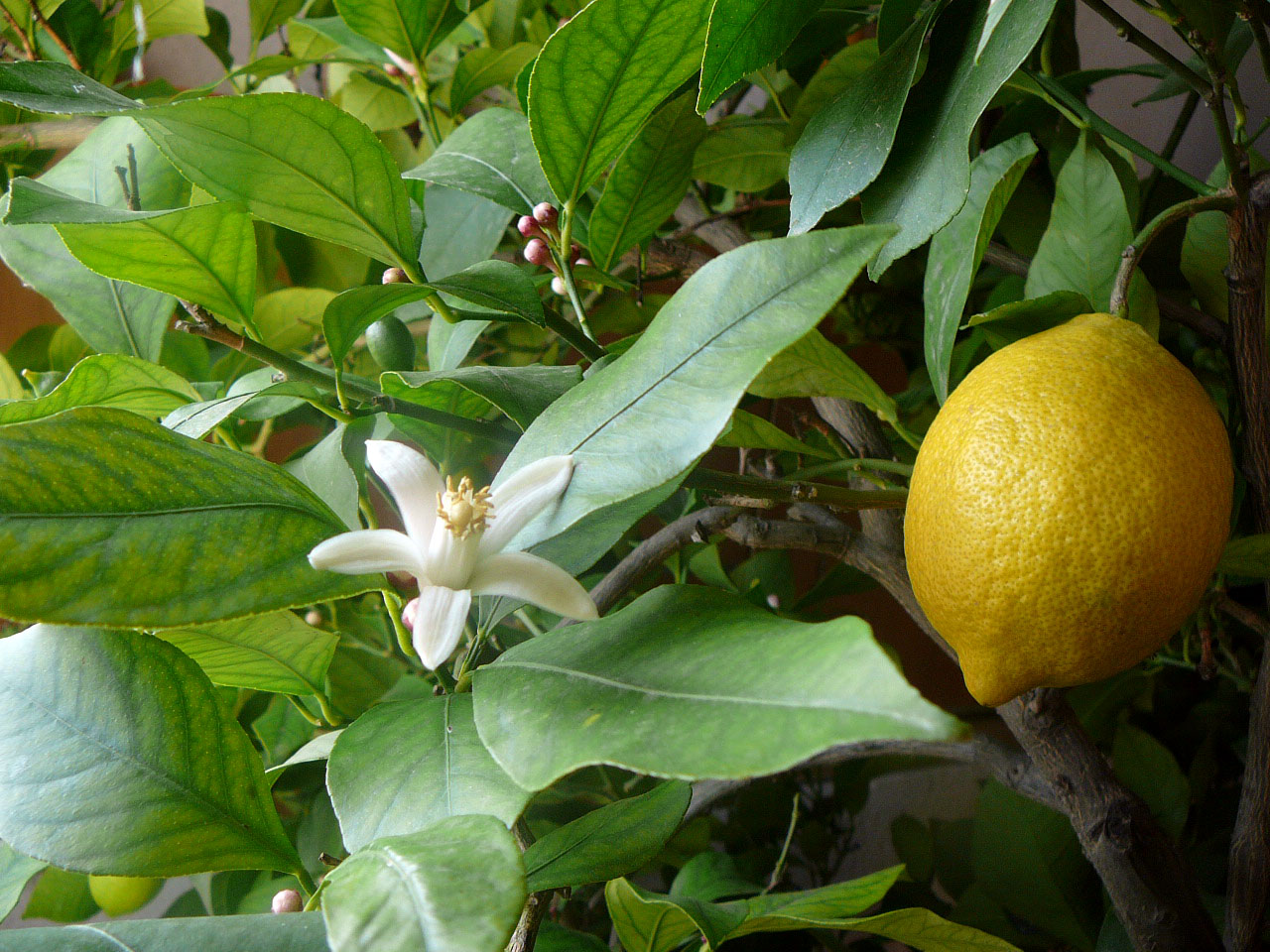 lemonCitrus limon
 flaxLinum usitatissimum
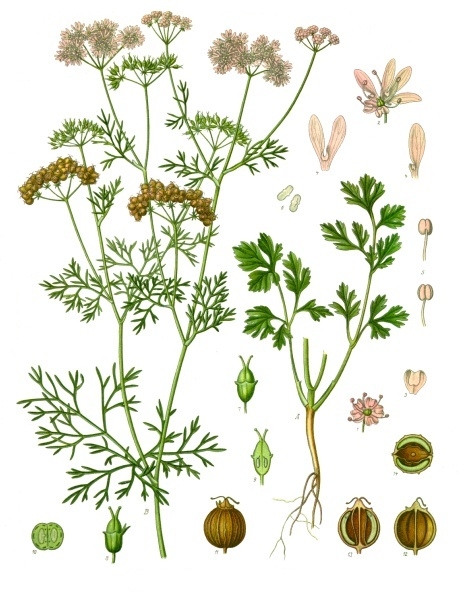 corianderCoriandrum sativum
Nearby on the shelf
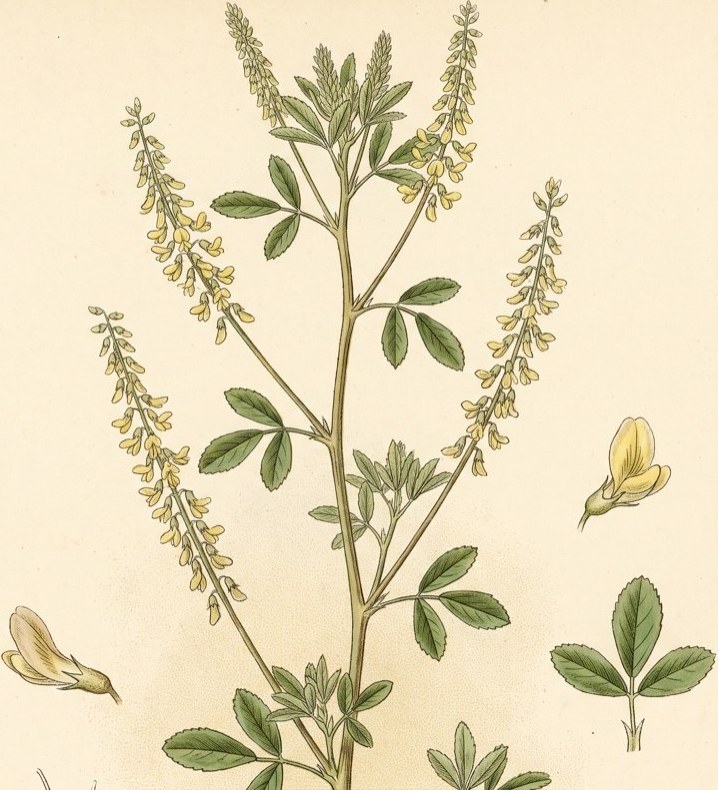 Sweet cloverMelilotus officinalis
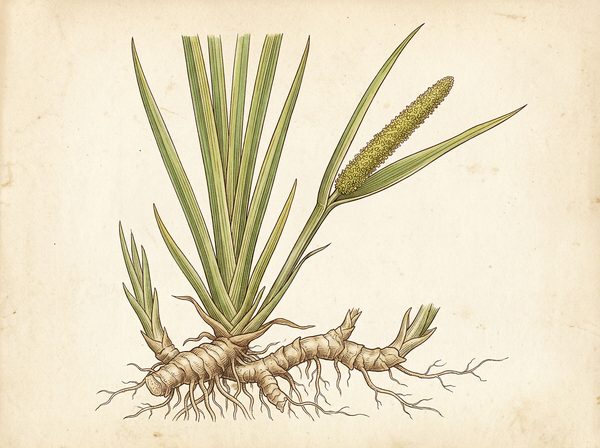 Sweet flagAcorus calamus
 Sweet GoldenrodSolidago odora
 Sweet magnoliaMagnolia glauca
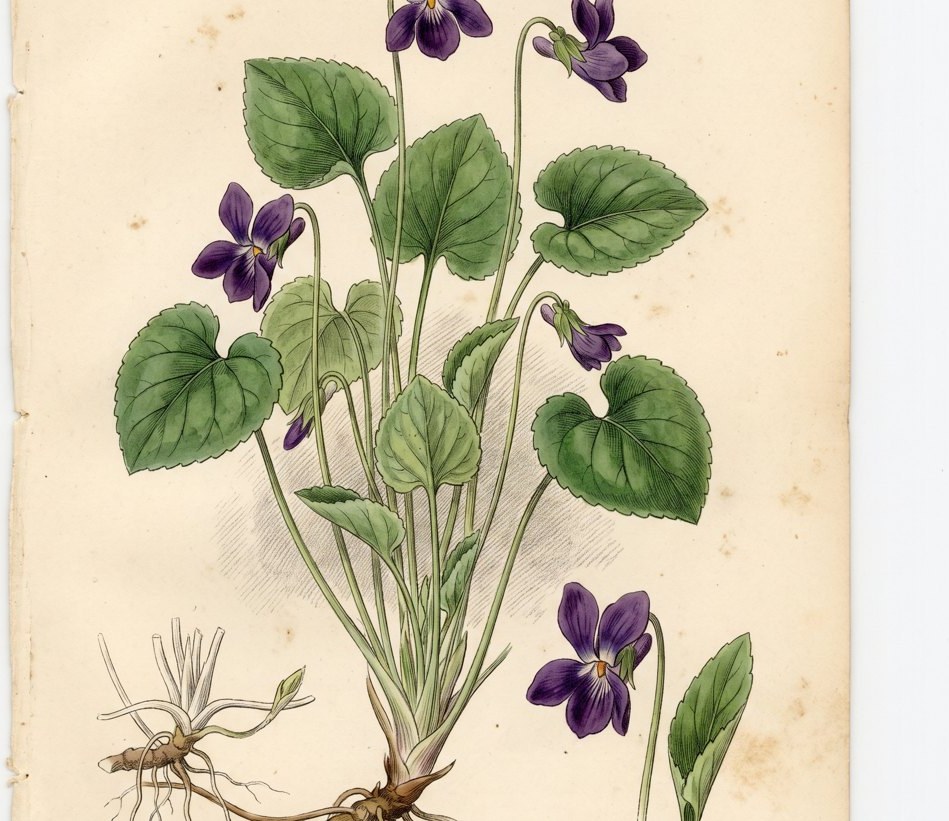 Sweet VioletViola odorata
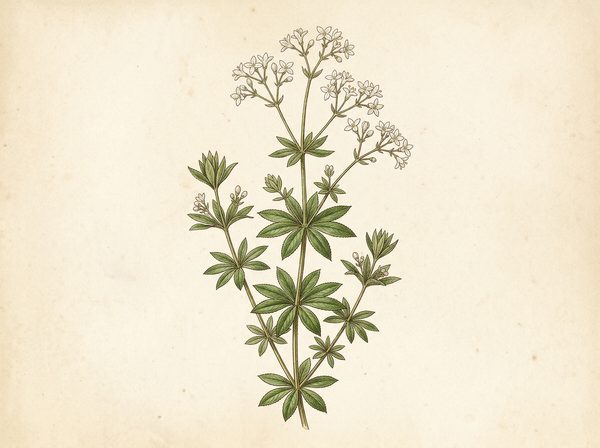 Sweet WoodruffGalium odoratum
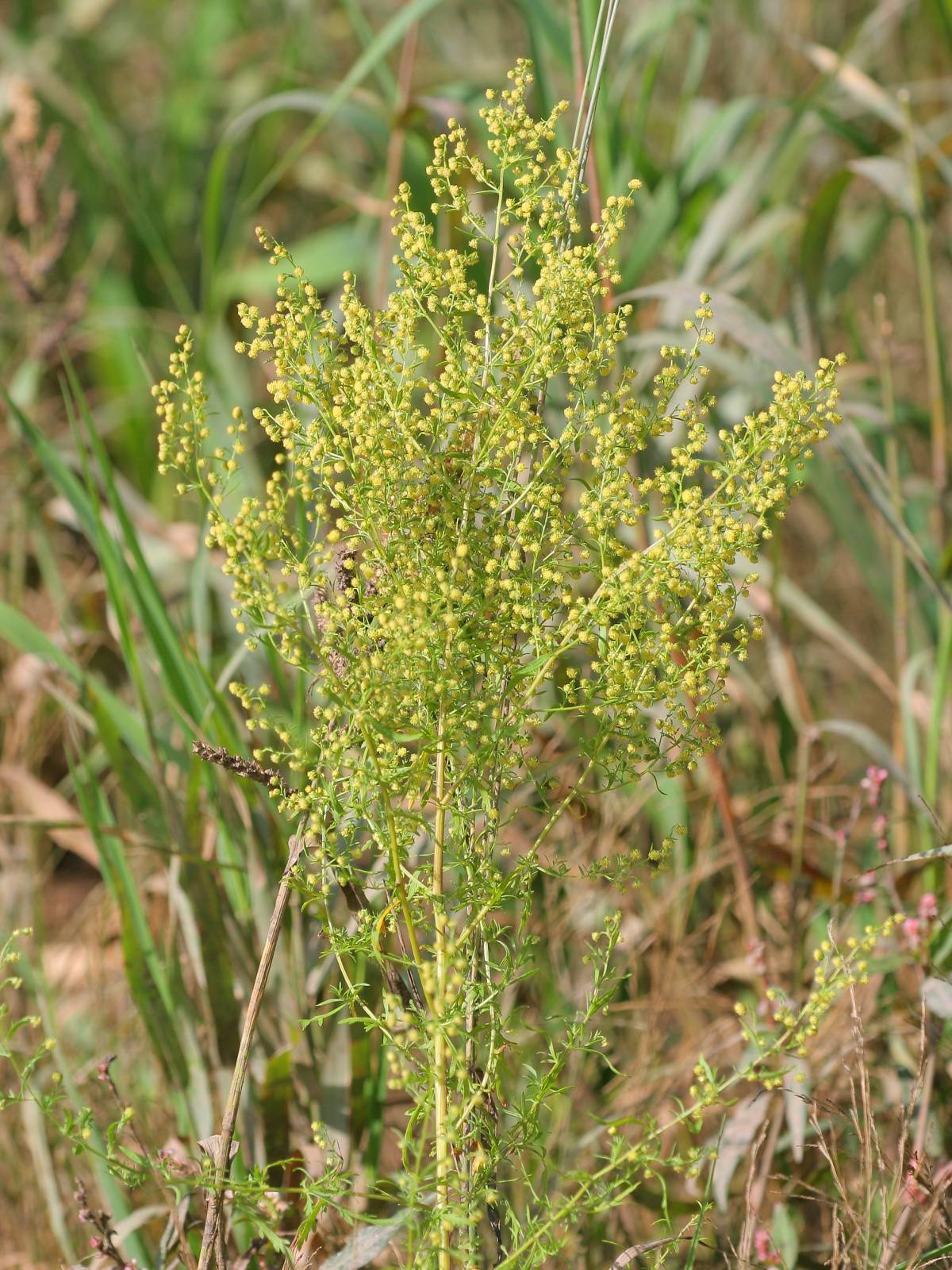 Sweet WormwoodArtemisia annua
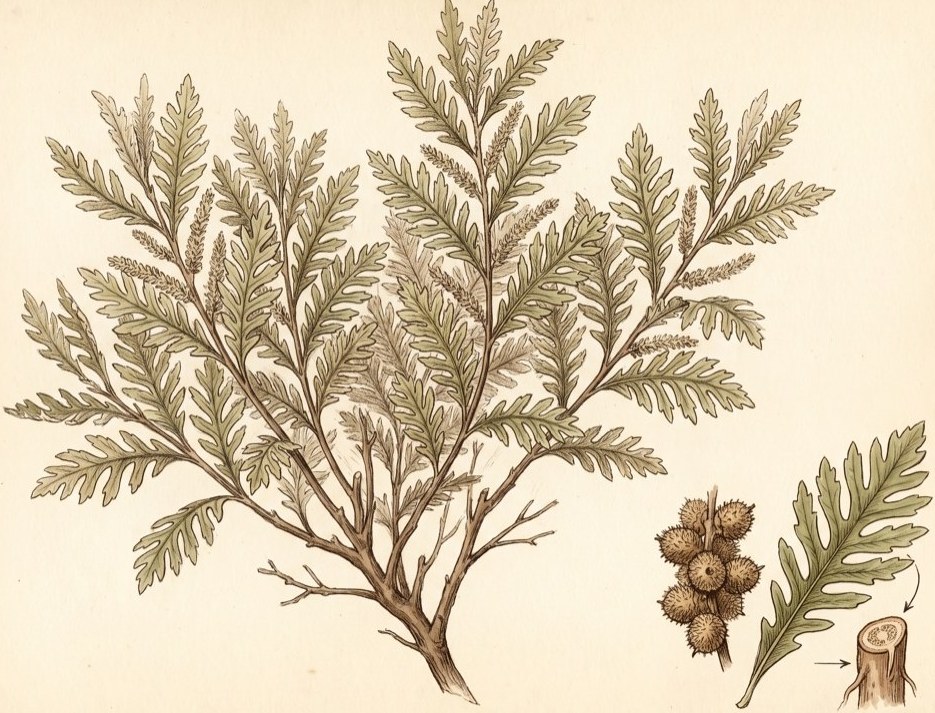 SweetfernComptonia asplenifolia
The whole plate is in the library. The compass, Compare, the Sky of eleven hundred plants and the formulary open with an email address and a password, free, with the formula builder and its safety engine. Herbert without limit, his formulating, clients, the handouts and the labels are the paid room.
Open the library, free