Ayurvedic Herbalism
Agati
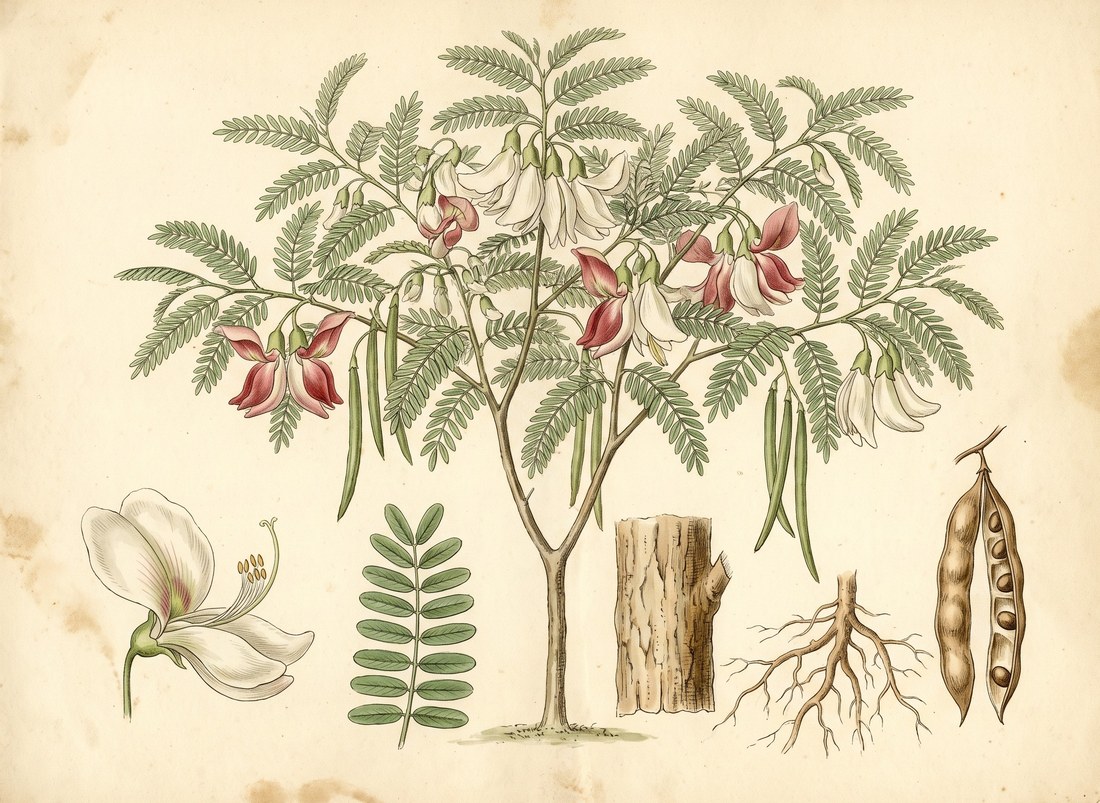
Sesbania grandiflora
Also known as hummingbird tree, vegetable hummingbird, West Indian pea, scarlet wisteria tree, katurai, Agastya, Agasti, Munidruma.
Sesbania grandiflora is a small, fast growing, short lived tree of the pea family with large white or red butterfly-shaped flowers and long slender pods, native to South and Southeast Asia and cultivated across India, especially in Tamil Nadu, Andhra Pradesh, Kerala and Bengal, as a vegetable, a shade tree for betel vines and a fence post. Ayurveda knows it as Agastya, named for the southern sage, and uses the leaf juice for fevers and nasal catarrh, the flowers for the eyes and as a cooling food, and the bark as an astringent. It is a food-medicine, gentle and cheap, as much of the kitchen as of the dispensary.

Ask Herbert about Agati. Herbert is the master herbalist inside Bountiful Herbs: he answers from this plate and eleven hundred others, with dosing, pairing and cautions. Your first ten questions are free.
Ask HerbertActions
Indications what the tradition reached for it in
- Recurrent and intermittent fevers
- Chronic rhinitis and sinus headache (nasal drops)
- Catarrhal headache with a heavy, blocked forehead
- Night blindness and dry eyes (flower, traditional)
- Ulcerative colitis and inflammatory diarrhea (adjunct, preclinical support)
- Diarrhea and dysentery (bark)
- Intestinal worms (leaf juice)
- Anxiety and restlessness with heat (traditional)
- Oxidative liver and kidney stress from alcohol (preclinical)
- Wounds and ulcers (topical)
- Nutritional deficiency in the poor rural diet (leaf and flower as food)
Specific indications
A pitta-kapha patient with a chronic stuffy nose and a dull frontal headache that eases when the nose runs, where two or three drops of leaf juice in each nostril each morning clears the head
The child with a fever that comes and goes on a fixed rhythm and a coated tongue, given the leaf juice with honey
A hot, anxious, irritable person with loose bowels who needs a cooling bitter vegetable in the diet rather than a strong medicine
Failing night vision in a rural patient on a poor diet, for whom the flowers cooked in ghee serve as both food and medicine
Safety
The record lists 7 contraindications; open the plate in the library to read them in full.
In practice
The Ayurvedic practitioner uses Agastya in three ways. The leaf juice, ten to twenty milliliters with honey, is given for intermittent fevers, worms and catarrh, and the same juice, warmed and filtered, is dropped into the nostrils as nasya for pratishyaya, pinasa and the dull frontal headache that comes with a blocked nose; this nasya is one of the best known household remedies of the south.
In Ayurveda
Rasa: tikta (bitter), kashaya (astringent). Virya: sheeta (cooling). Vipaka: katu (pungent). Guna: laghu (light), ruksha (dry). Dosha: pacifies pitta and kapha; may aggravate vata in excess. Karma: jvaraghna (reduces fever, particularly quartan fever); pratishyayahara (relieves rhinitis, as a nasal drop); kaphaghna (reduces phlegm); krimighna (anthelmintic); chakshushya (benefits the eyes); vishaghna (counters poisons); vranaropana (heals wounds); grahi (binds the stool); pittahara (pacifies pitta); sara (mildly laxative, the leaf as food). Classical indications: chaturthaka jvara (quartan fever); pratishyaya (rhinitis); pinasa (chronic sinusitis); naktandhya (night blindness); kasa (cough); krimi (worms); visha (poisoning); vrana (wounds); atisara (diarrhea, bark); raktapitta (bleeding disorders, flower); shiroroga (diseases of the head). The leaf juice is the principal medicine, taken by mouth and dropped into the nose for rhinitis, sinus headache and fever; the flowers are cooked as a cooling vegetable and their juice is used for the eyes; the bark is decocted as an astringent for diarrhea and applied as a paste to wounds; the tender pods and leaves are eaten as food. Classical formulations: Agastya patra svarasa nasya (leaf juice nasal drops), Agastya pushpa shaka (flower vegetable), Agastya tvak kwatha (bark decoction), Agastya patra lepa (leaf paste). Described in: Charaka Samhita, Sushruta Samhita, Bhavaprakasha Nighantu, Raja Nighantu, Kaiyadeva Nighantu, Dhanvantari Nighantu.
Dosing as the sources wrote it
| Preparation | As written | Metric |
|---|---|---|
| Svarasa (leaf juice) | 10-20 mL fresh leaf juice once or twice daily with honey | 10-20 mL |
| Nasya (leaf juice drops) | 2-4 drops warm filtered leaf juice into each nostril once daily | 0.04-0.08 mL |
| Kwatha (bark) | 40-80 mL bark decoction twice daily | 40-80 mL |
| Churna (bark or leaf) | 3-6 g powder twice daily with warm water | 3000-6000 mg |
| Dietary (flower or leaf) | 50-100 g fresh flowers or tender leaves cooked as a vegetable | 50000-100000 mg |
Doses are reproduced from the sources for practitioners and are not a recommendation for any person.
From the sources
Overview. Sesbania grandiflora is a small, fast growing, short lived tree of the pea family with large white or red butterfly-shaped flowers and long slender pods, native to South and Southeast Asia and cultivated across India, especially in Tamil Nadu, Andhra Pradesh, Kerala and Bengal, as a vegetable, a shade tree for betel vines and a fence post. Ayurveda knows it as Agastya, named for the southern sage, and uses the leaf juice for fevers and nasal catarrh, the flowers for the eyes and as a cooling food, and the bark as an astringent. It is a food-medicine, gentle and cheap, as much of the kitchen as of the dispensary.
Clinical Notes. The Ayurvedic practitioner uses Agastya in three ways. The leaf juice, ten to twenty milliliters with honey, is given for intermittent fevers, worms and catarrh, and the same juice, warmed and filtered, is dropped into the nostrils as nasya for pratishyaya, pinasa and the dull frontal headache that comes with a blocked nose; this nasya is one of the best known household remedies of the south.
Ayurvedic Profile. Rasa: tikta (bitter), kashaya (astringent). Virya: sheeta (cooling). Vipaka: katu (pungent). Guna: laghu (light), ruksha (dry). Dosha: pacifies pitta and kapha; may aggravate vata in excess. Karma: jvaraghna (reduces fever, particularly quartan fever); pratishyayahara (relieves rhinitis, as a nasal drop); kaphaghna (reduces phlegm); krimighna (anthelmintic); chakshushya (benefits the eyes); vishaghna (counters poisons); vranaropana (heals wounds); grahi (binds the stool); pittahara (pacifies pitta); sara (mildly laxative, the leaf as food).
In formulas
Agati stands in 3 documented formulas in the library, among them Abhraka Bhasma, Rajata Bhasma, Ratnagiri Rasa.
Often paired with
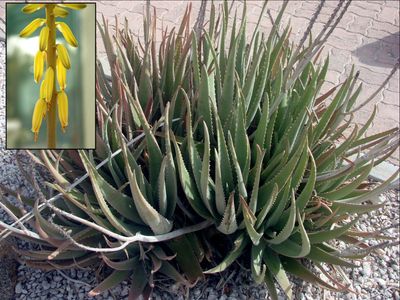 aloe veraAloe vera
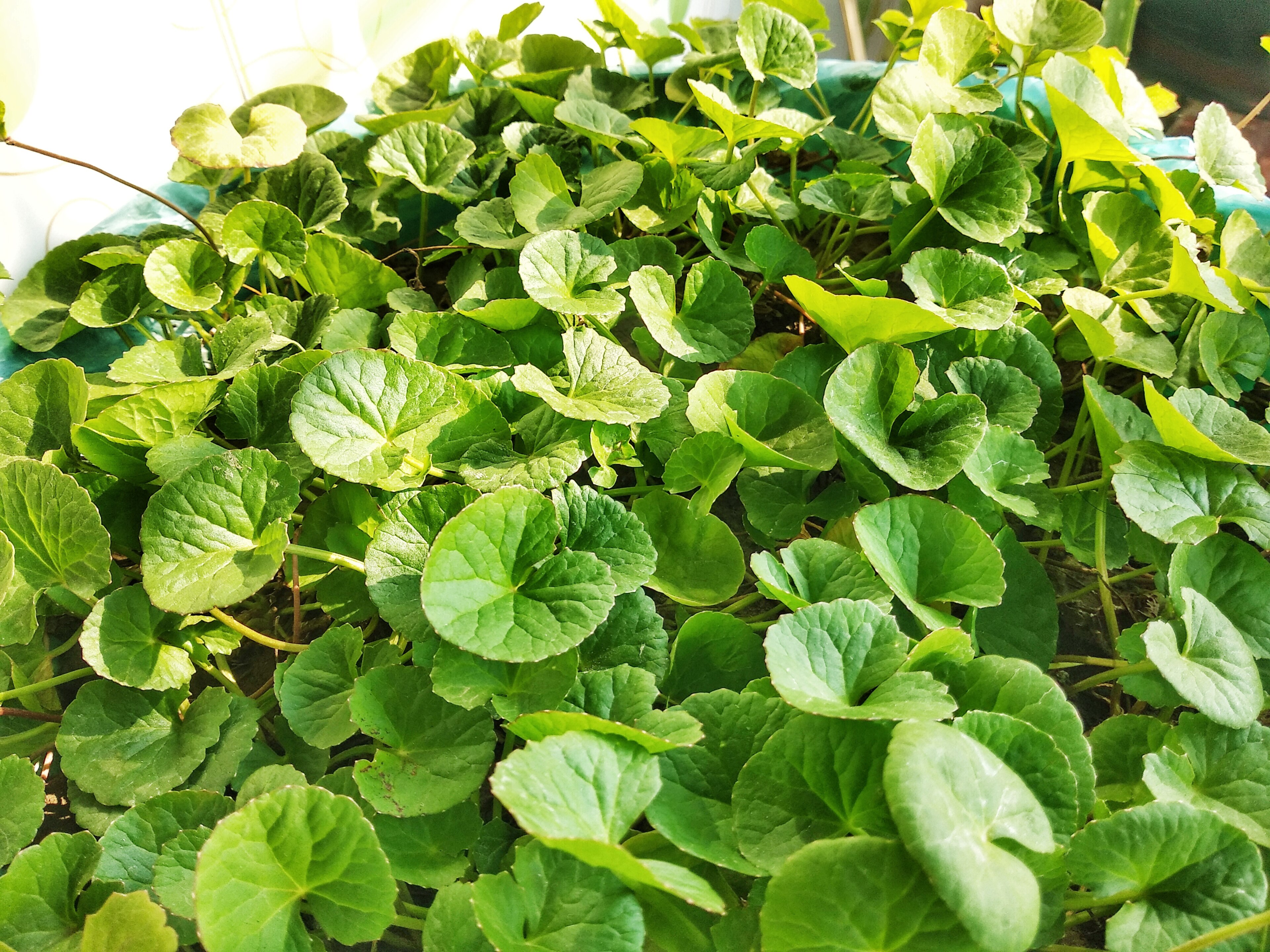 gotu kolaCentella asiatica
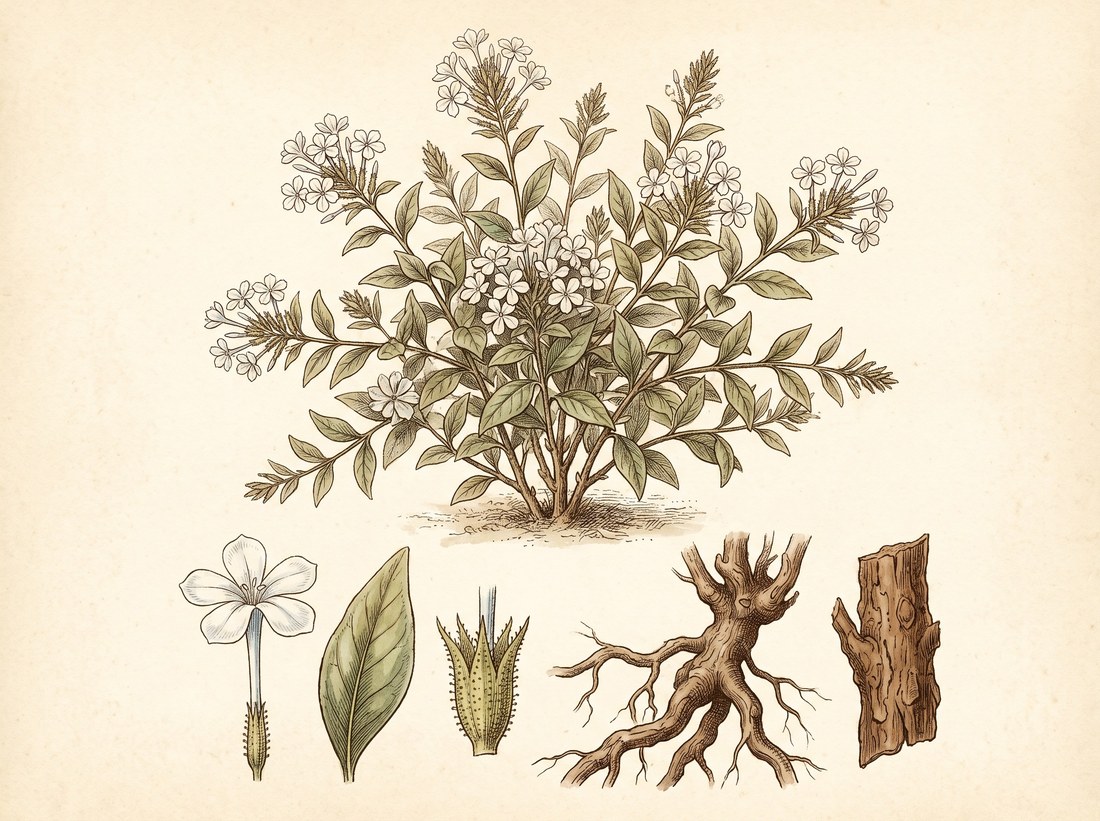 Ceylon leadwortPlumbago zeylanica
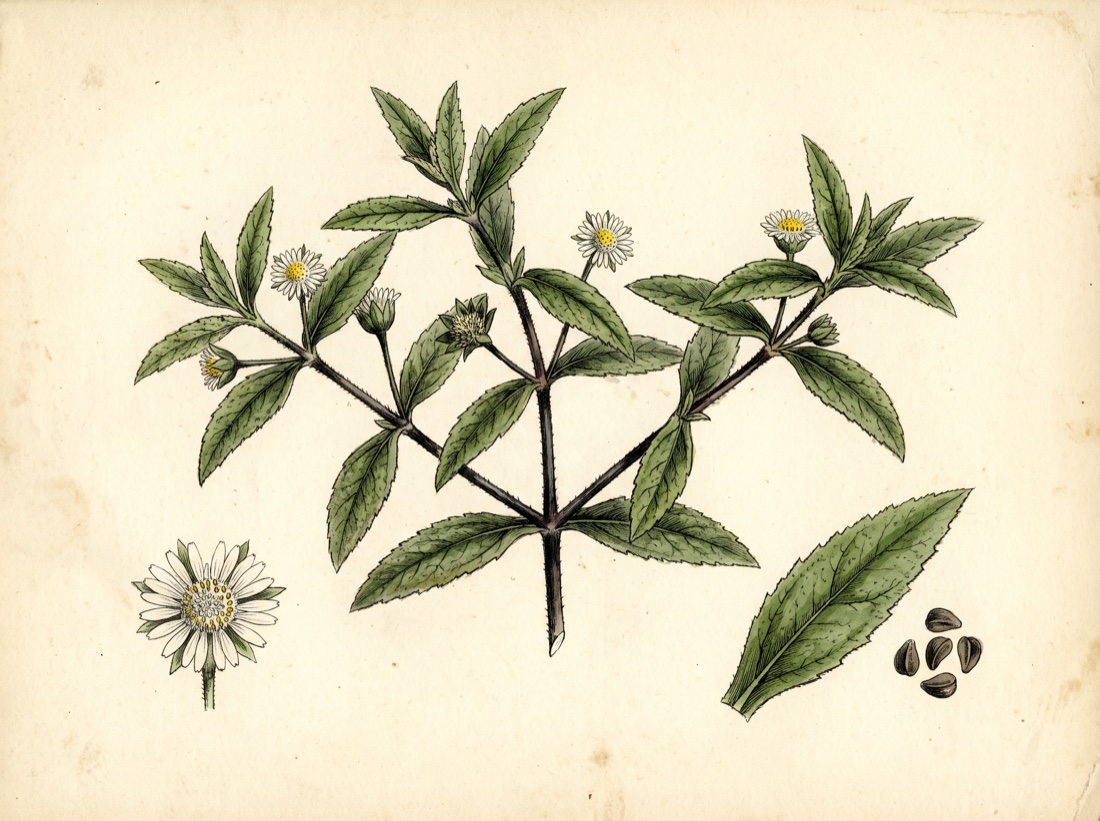 false daisyEclipta prostrata
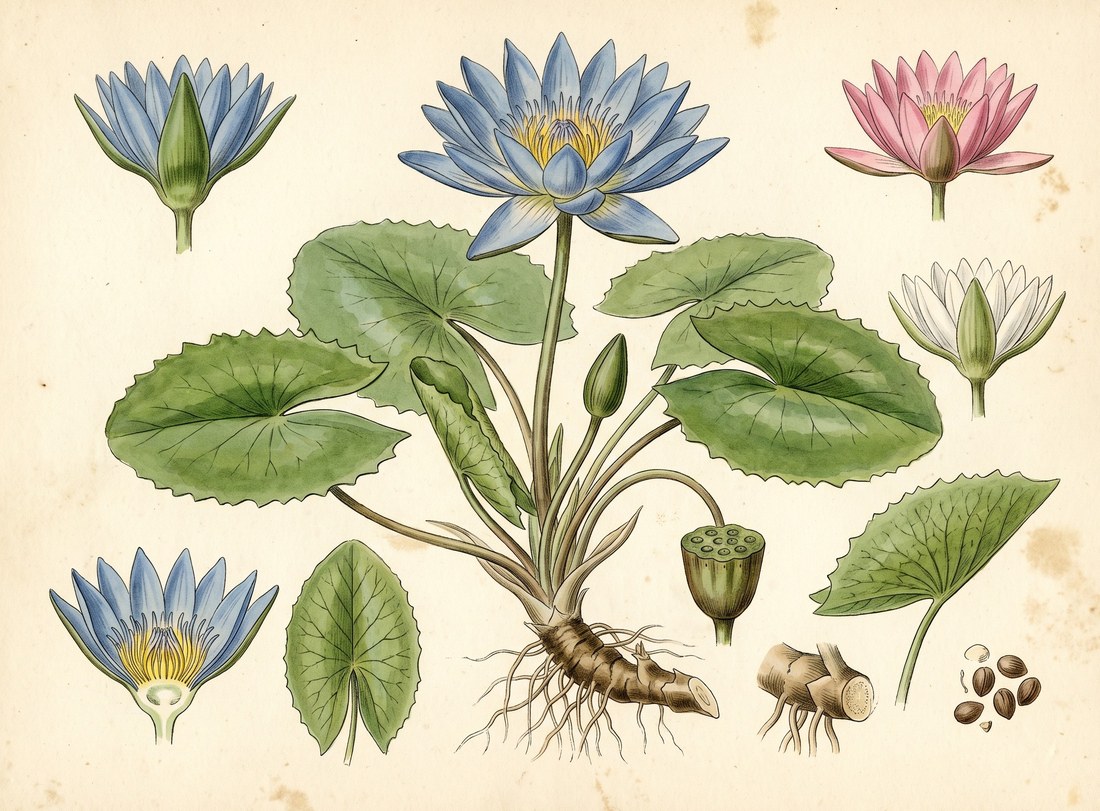 blue water lilyNymphaea stellata
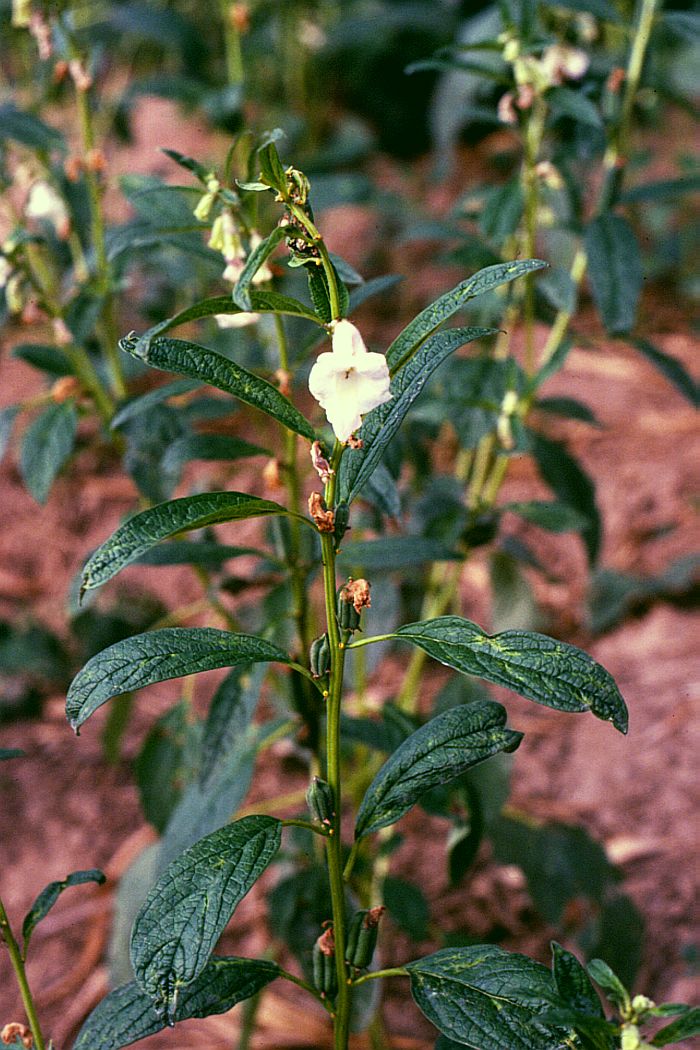 sesameSesamum indicum
Nearby on the shelf
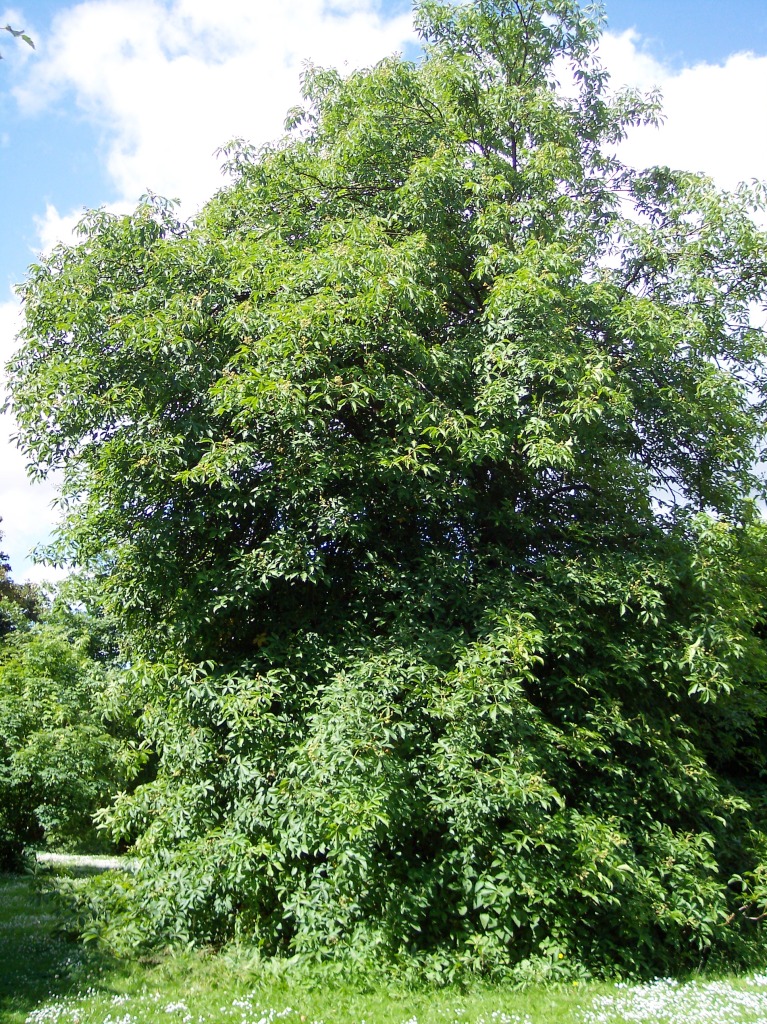 AesculusAesculus glabra
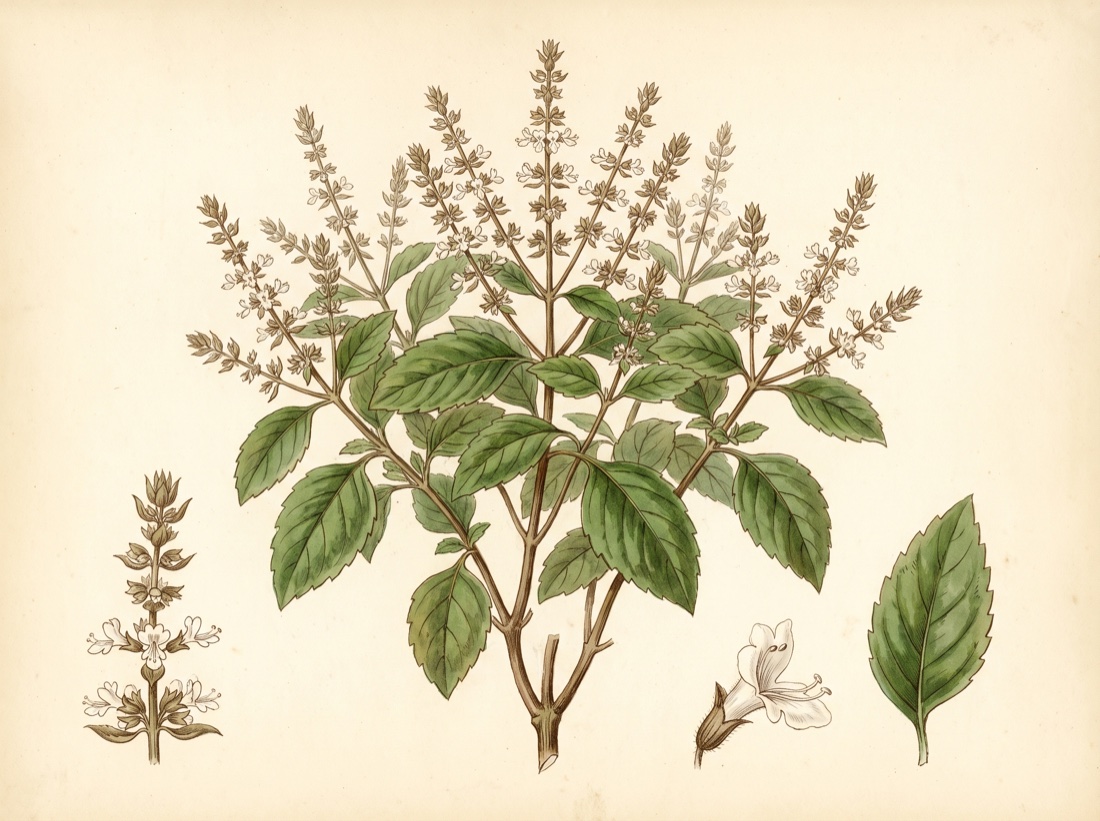 African basilOcimum gratissimum
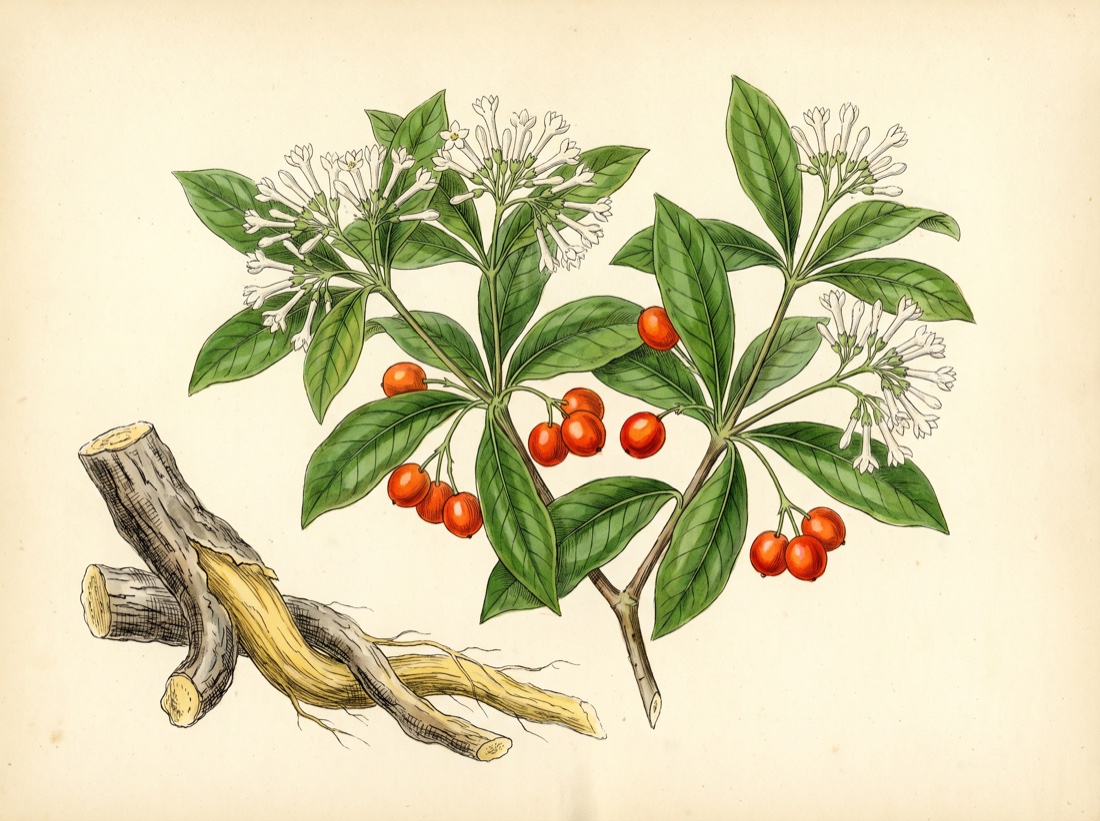 African serpentwoodRauvolfia vomitoria
 AgarwoodAquilaria sinensis
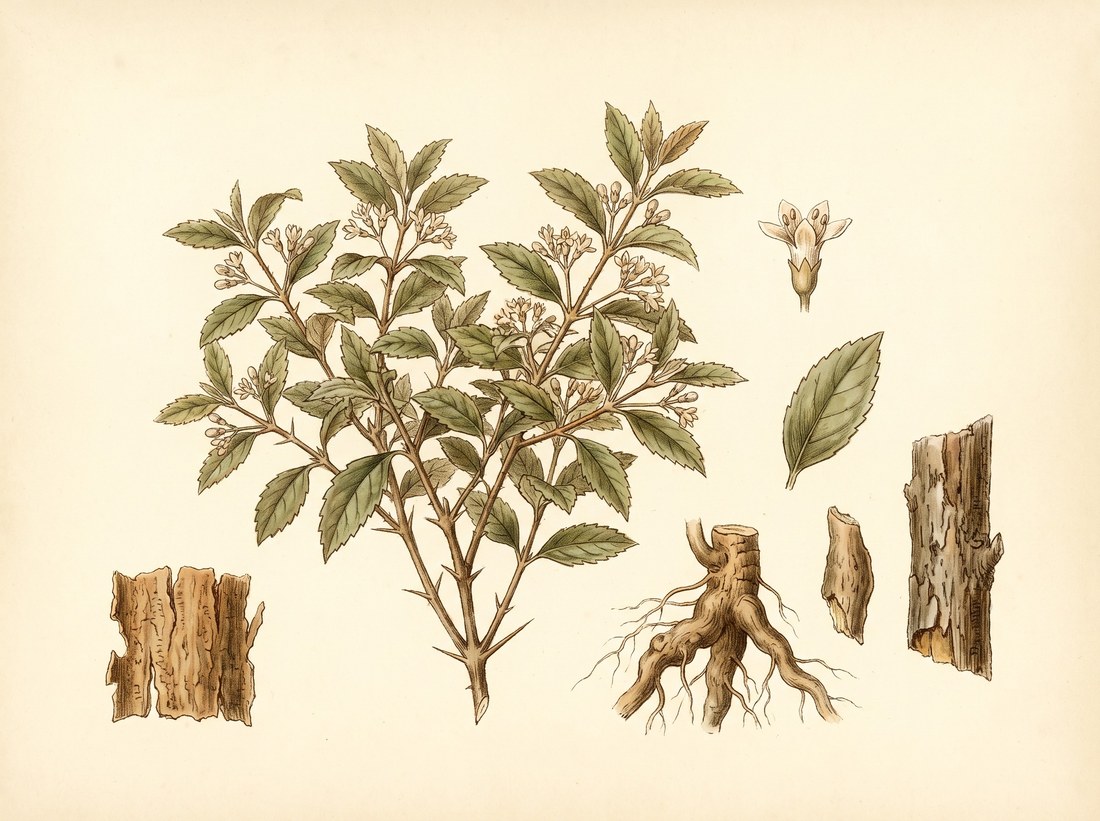 AgnimanthaPremna serratifolia
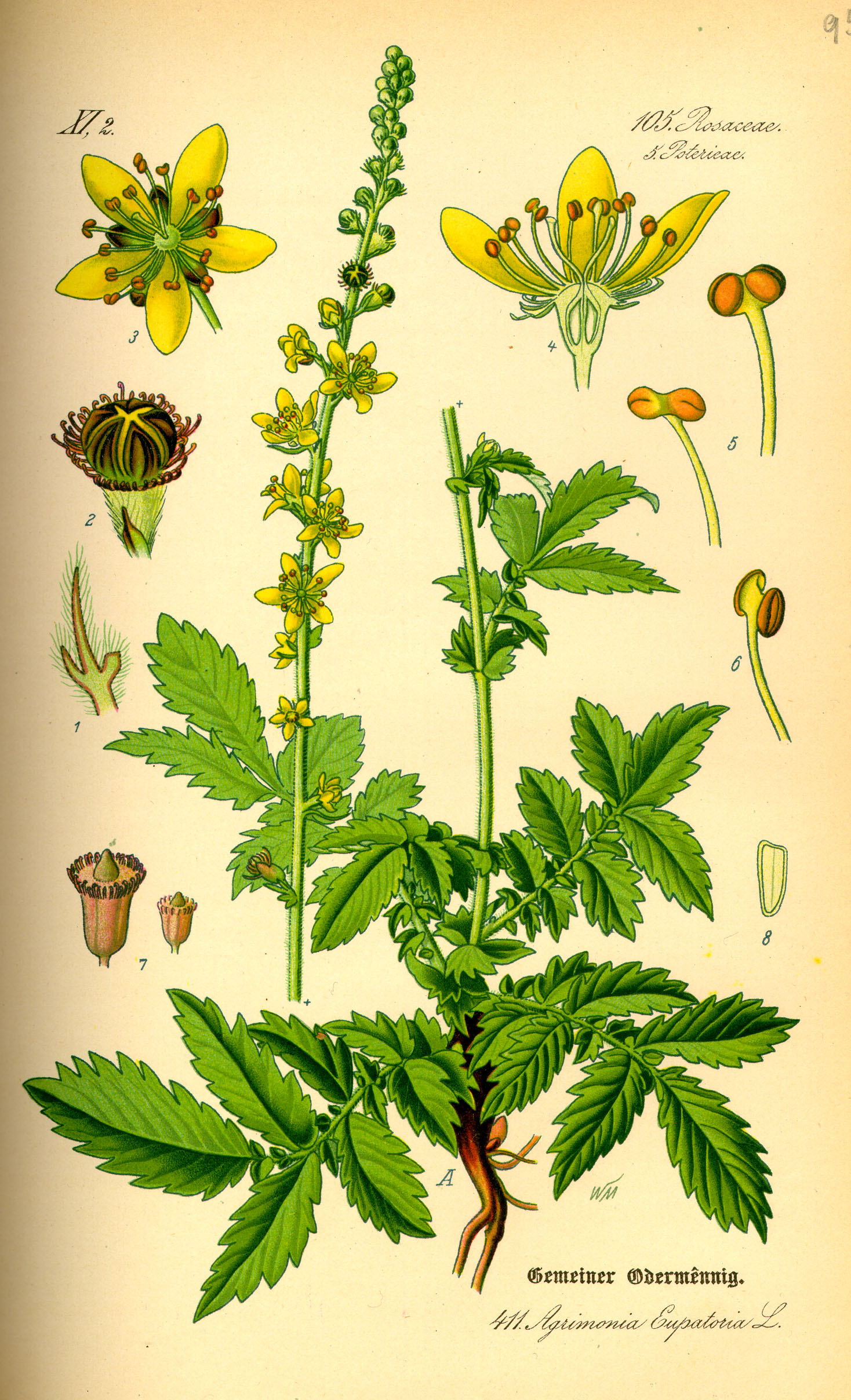 AgrimonyAgrimonia eupatoria
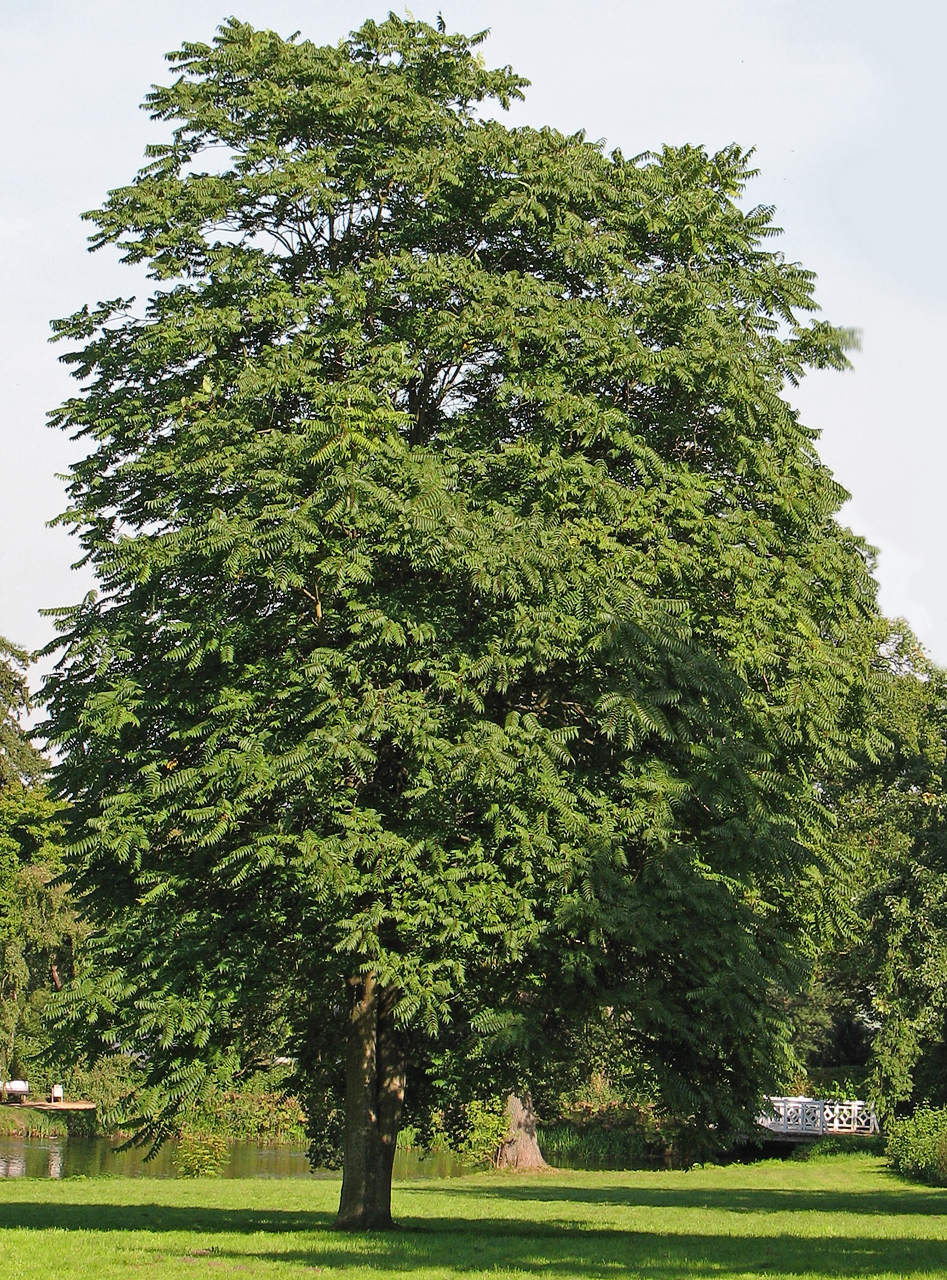 AilanthusAilanthus glandulosa
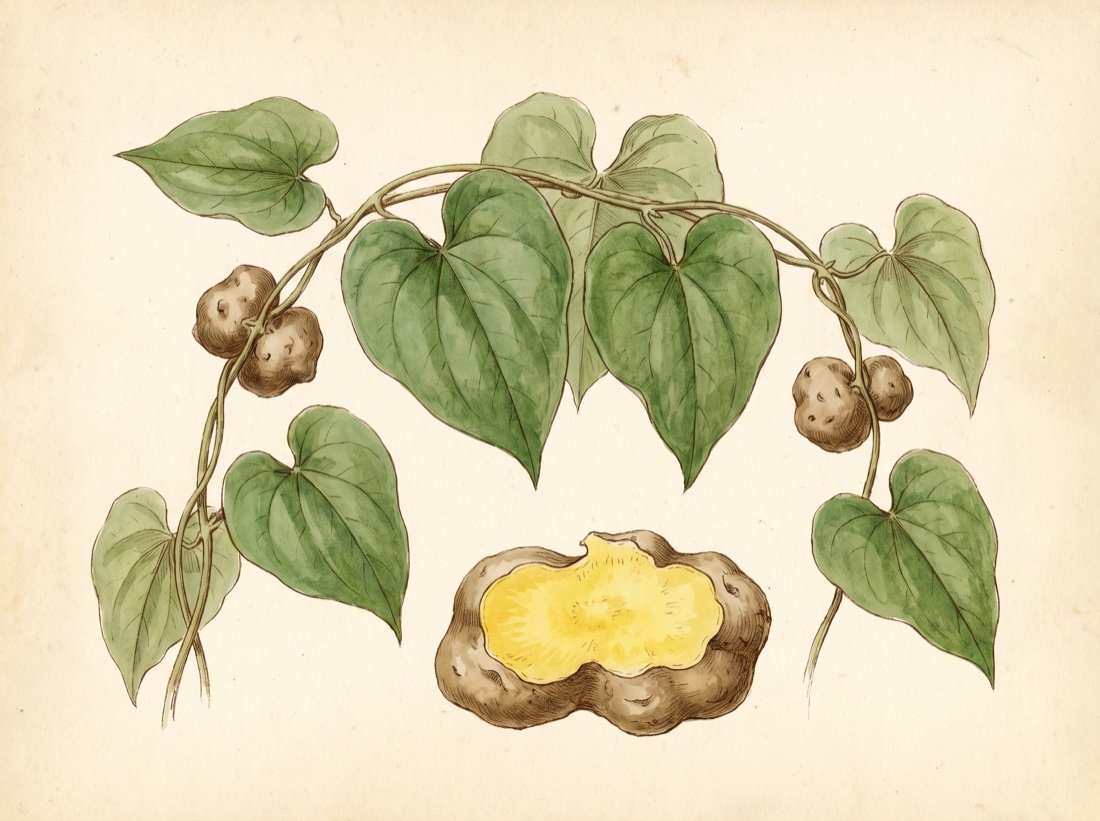 Air potatoDioscorea bulbifera
The whole plate is in the library. The compass, Compare, the Sky of eleven hundred plants and the formulary open with an email address and a password, free, with the formula builder and its safety engine. Herbert without limit, his formulating, clients, the handouts and the labels are the paid room.
Open the library, free