Western Herbalism
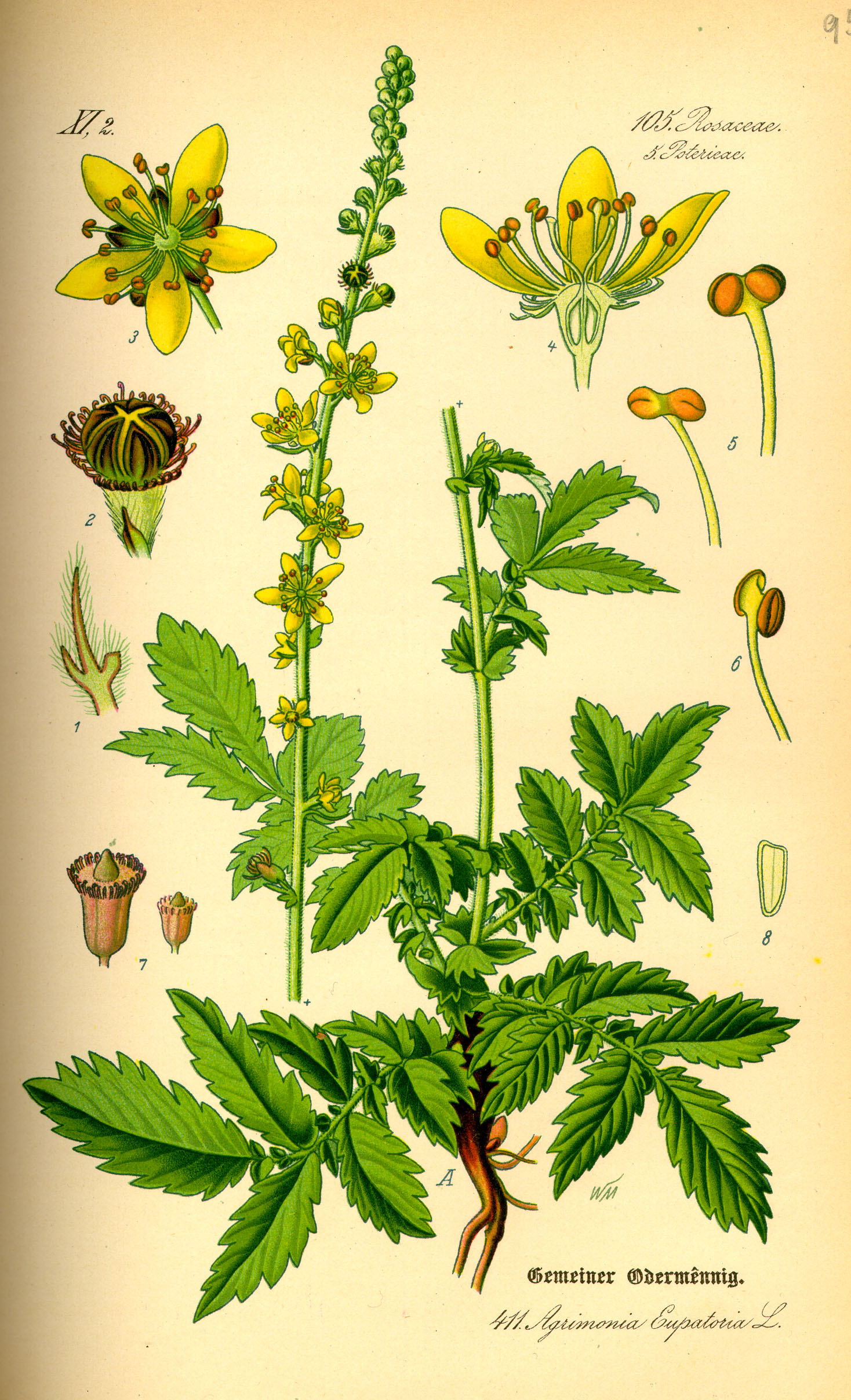
Agrimony
Agrimonia eupatoria
Also known as Cockleburr, Stickwort, Cockle Burr.
A mild tonic and astringent, indicated as abovementioned, and of considerable value in cystic catarrh and nephritic irritation from the presence of gravel. It is also sometimes used as a gargle, and internally for mucous profluvia from any of the mucous structures of the body. The infusion is especially useful. We have known it to give relief in abdominal pain due to faulty intestinal digestion. Dribbling of urine in old persons is said to be relieved by agrimony.

Ask Herbert about Agrimony. Herbert is the master herbalist inside Bountiful Herbs: he answers from this plate and eleven hundred others, with dosing, pairing and cautions. Your first ten questions are free.
Ask HerbertActions
Indications what the tradition reached for it in
- Cholestasis
- Minor skin inflammations
- Pharyngitis
- Minor inflammations of mouth and throat
- Purulent wounds
- Cholecystitis
- Lung inflammation
- Pyelonephritis
- Mild diarrhea
- Chronic eczema
- Psoriasis
- Liver disease
- Sore throat
- Small superficial wounds
- Skin defects
- Oral mucosa inflammation
- Bleeding disorders
- Bleeding
- Diarrhea
- Edema
- Fluid retention
- Infection
- Inflammation
- Urinary disorders
- Skin conditions
- Excessive discharge
- Oxidative stress
- Liver congestion
- Sluggish liver
- Diarrhoea in children
Safety
The record lists 1 contraindication; open the plate in the library to read them in full.
Dosing as the sources wrote it
| Preparation | As written | Metric |
|---|---|---|
| Herbal tea: 1.5-4 g comminuted herba in 250 ml boiling water, 2-3x daily | 1500-4000 mg | |
| Tincture | Tincture (1:5, ethanol 45%): 1-4 ml 3x daily | 1-4 mL |
| Liquid extract | Liquid extract (1:1, ethanol 25%): 1-3 ml 3x daily | 1-3 mL |
| Decoction for topical: 3-10 g in 250 ml water | 3000-10000 mg | |
| Dried herb 2-4 g by infusion three times daily | 2000-4000 mg | |
| (G7) Liquid extract 1-3 mL (1 : 1 in 25% alcohol) three times daily .(G7) Tincture 1-4 mL (1 : 5 in 45% alcohol) three times daily | 1-3 mL |
Doses are reproduced from the sources for practitioners and are not a recommendation for any person.
From the sources
Action and Therapy. A mild tonic and astringent, indicated as abovementioned, and of considerable value in cystic catarrh and nephritic irritation from the presence of gravel. It is also sometimes used as a gargle, and internally for mucous profluvia from any of the mucous structures of the body. The infusion is especially useful. We have known it to give relief in abdominal pain due to faulty intestinal digestion. Dribbling of urine in old persons is said to be relieved by agrimony.
Therapy. The older physicians spoke very highly of the action of this remedy within the limits of the above indications. It is valuable in the treatment of erysipelas and scrofulous affections. It inhibits excessive action of the mucous membranes, giving tone to the mucous, tissues.
Properties and Uses. I. The roots are a bitter yet rather aromatic astringent, with some stimulating power. They are seldom used; but J. L. Steinberger, M. D., of Ohio, values them greatly in calculous difficulties. In the P.-M..
Description. Natural Order, Rosaceae. Agrimony is common along the roadsides and field-borders in many parts of America, Asia, and Europe. Stem one to three feet high, branched, hirsute; leaves interruptedly pinnate, with from three to seven lance-ovate leaflets from one and a half to three inches long; flowers yellow, about one-third of an inch in diameter, in dense spicate racemes from six to twelve inches long, blooming in July. It has long been known in medicine, and at one time enjoyed a fabulous reputation. It imparts its properties to water.
Drawn from Cook's Physio-Medical Dispensatory; Scudder's Specific Medication and Specific Medicines; King's American Dispensatory, 18th edition (Felter and Lloyd); Ellingwood's American Materia Medica, Therapeutics and Pharmacognosy, and the Bountiful Herbs editorial.
In formulas
Agrimony stands in 10 documented formulas in the library, among them ning xuè tàng.
Often paired with
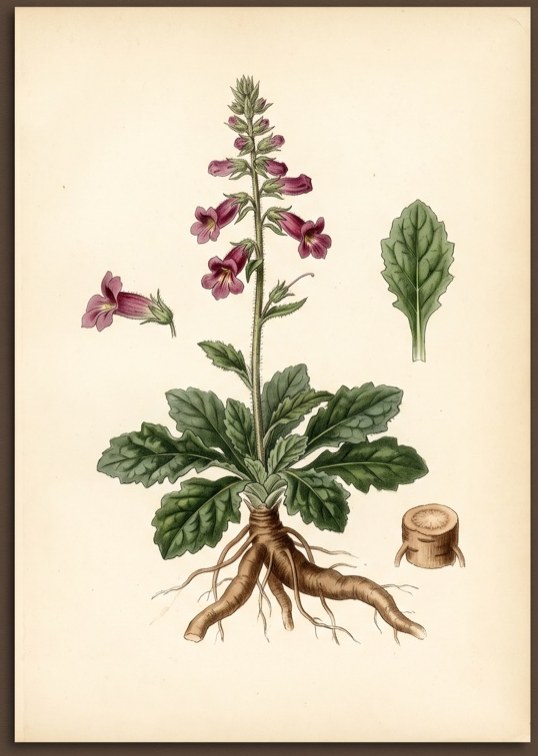 RehmanniaRehmannia glutinosa
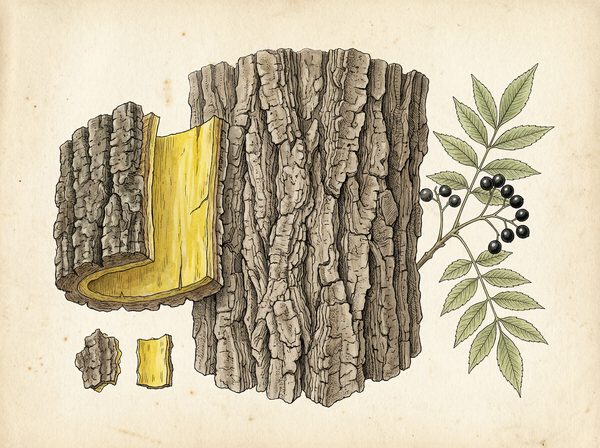 Huang BaiPhellodendron amurense
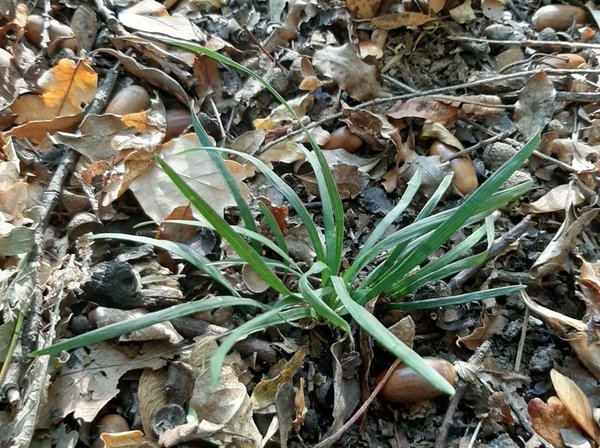 Mai Men DongOphiopogon japonicus
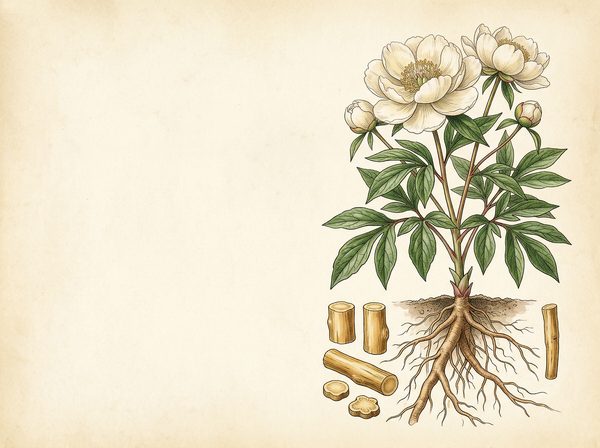 White PeonyPaeonia lactiflora
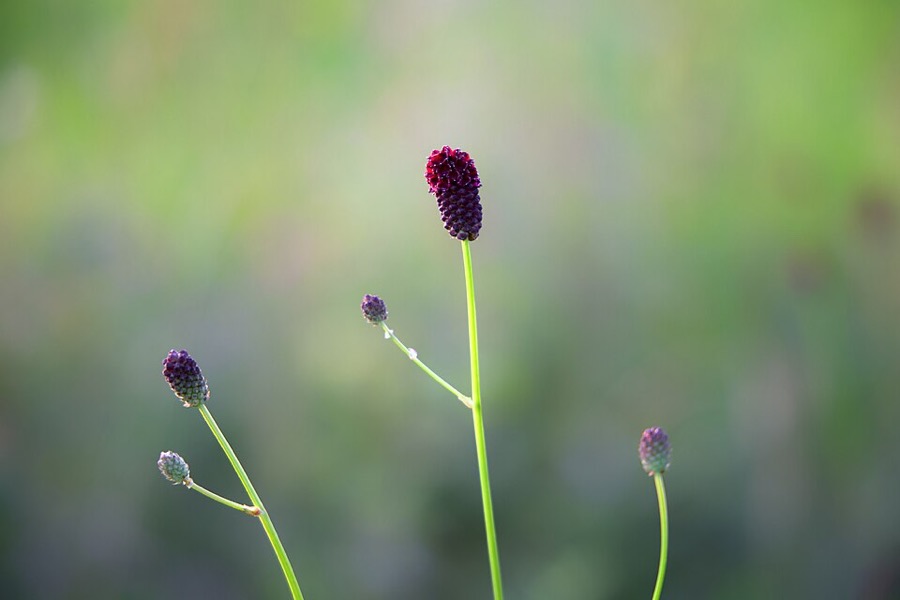 Garden BurnetSanguisorba officinalis
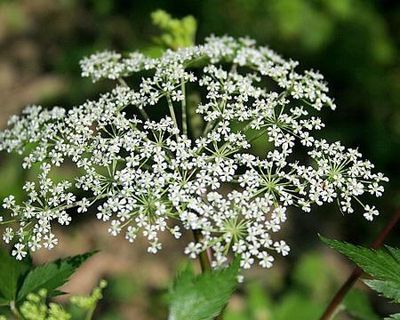 Dong QuaiAngelica sinensis
Nearby on the shelf
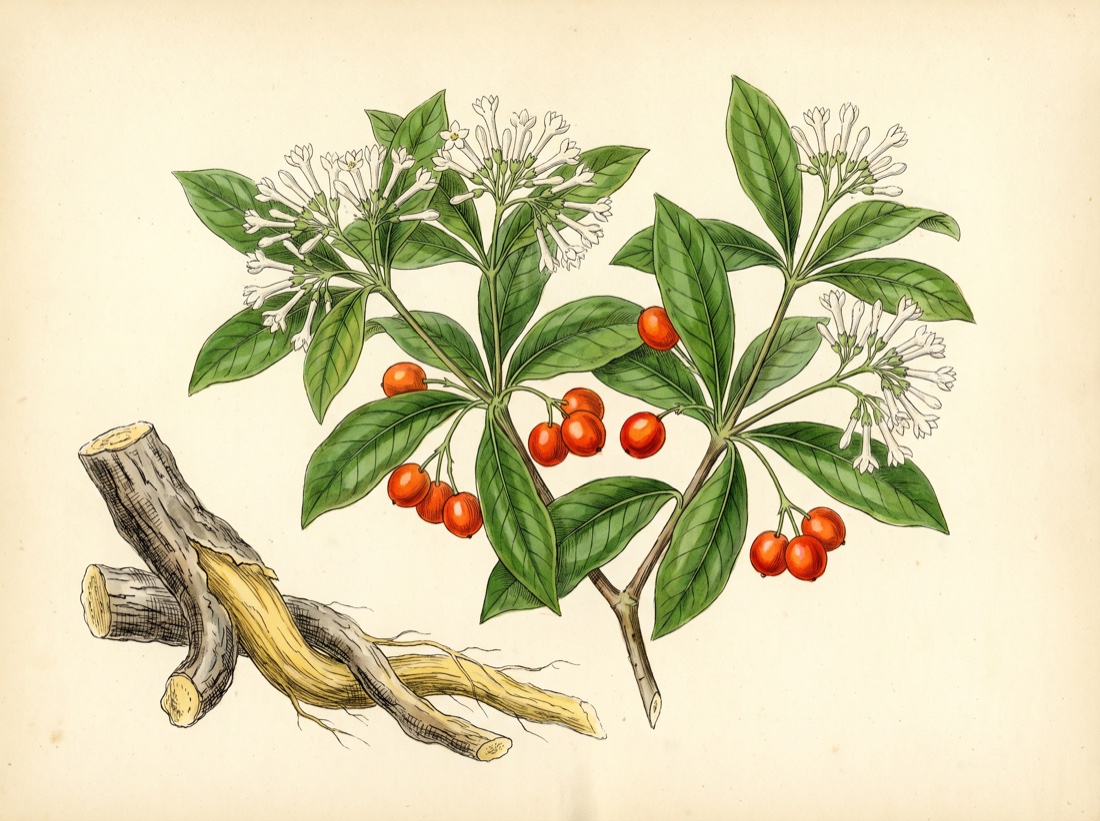 African serpentwoodRauvolfia vomitoria
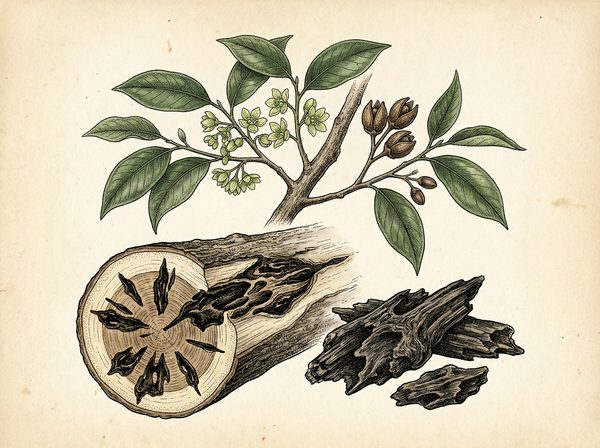 AgarwoodAquilaria sinensis
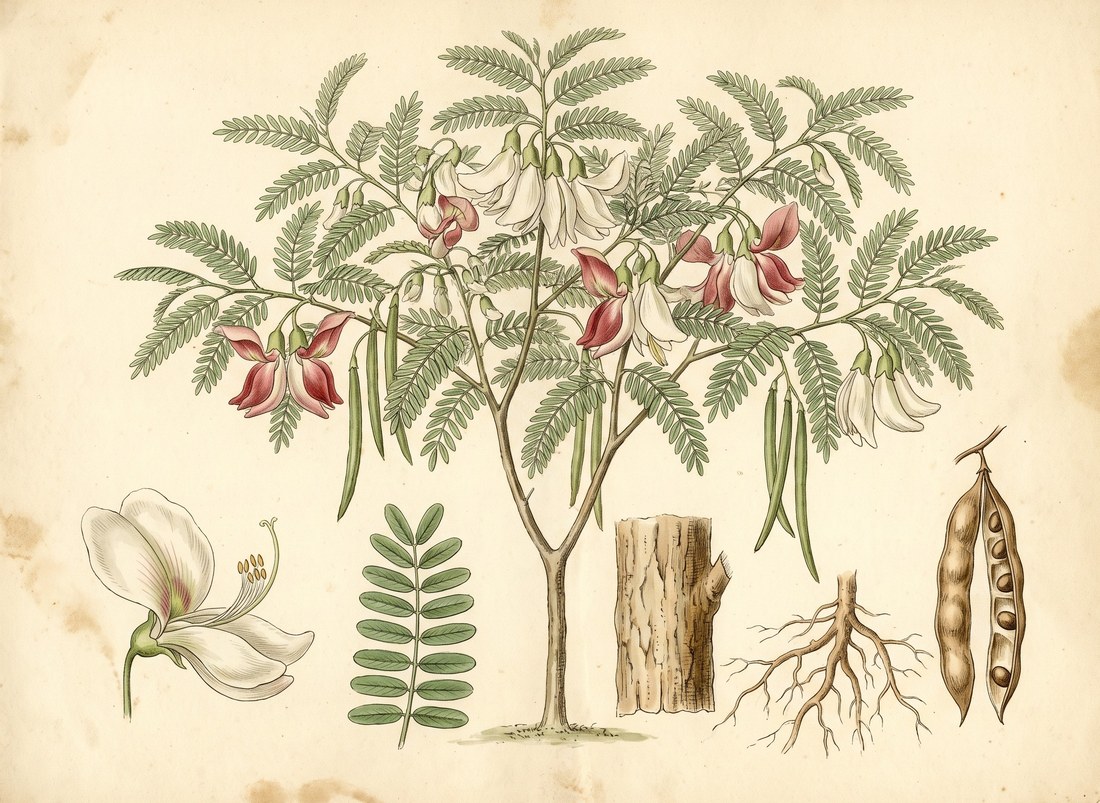 AgatiSesbania grandiflora
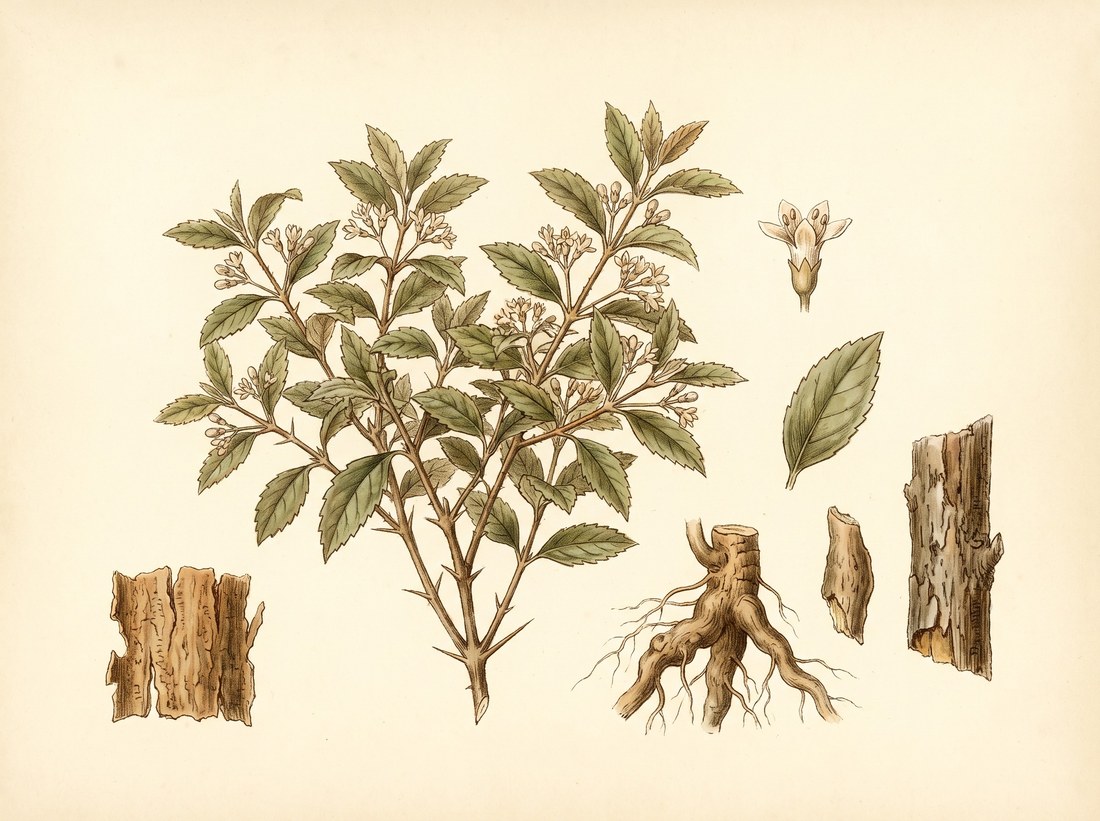 AgnimanthaPremna serratifolia
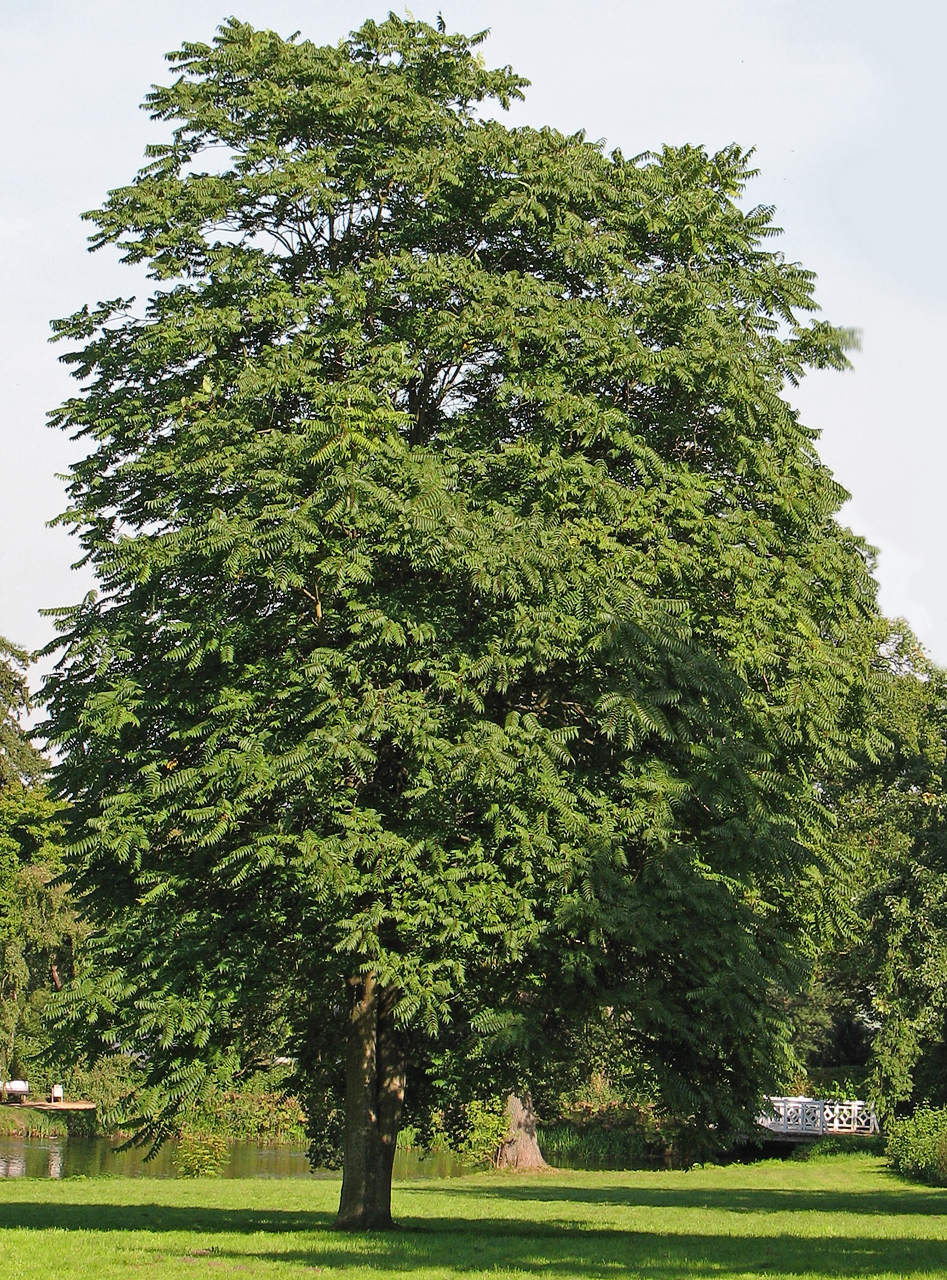 AilanthusAilanthus glandulosa
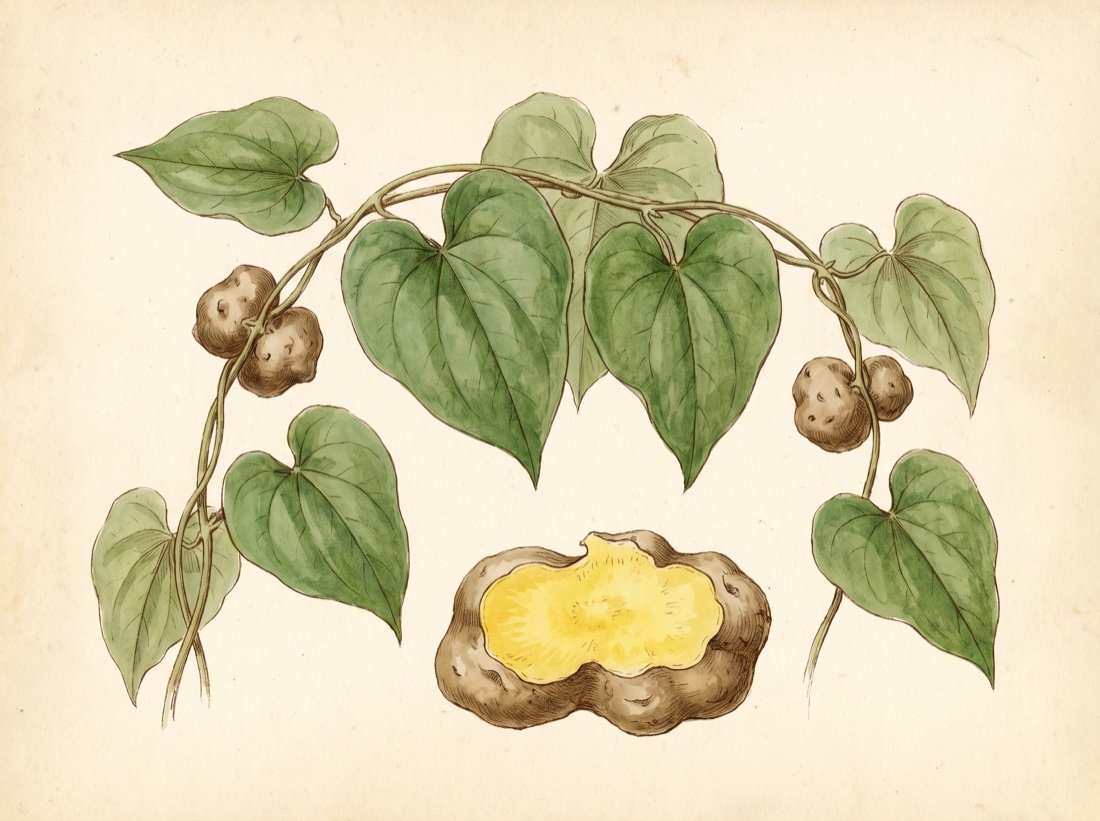 Air potatoDioscorea bulbifera
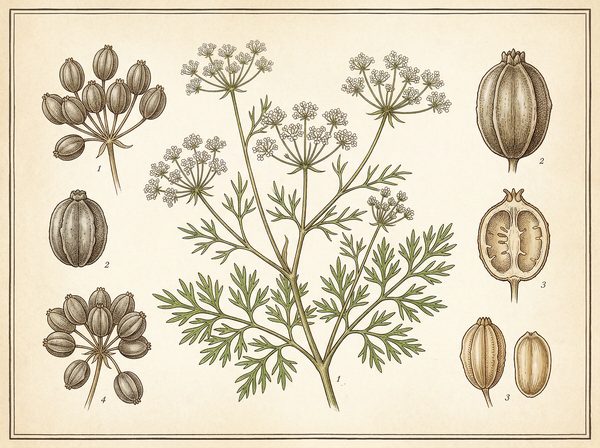 AjwainTrachyspermum ammi
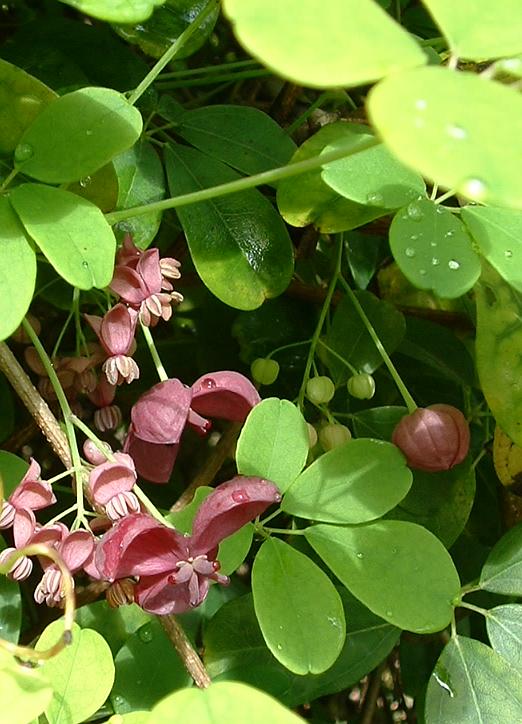 AkebiaAkebia quinata
The whole plate is in the library. The compass, Compare, the Sky of eleven hundred plants and the formulary open with an email address and a password, free, with the formula builder and its safety engine. Herbert without limit, his formulating, clients, the handouts and the labels are the paid room.
Open the library, free