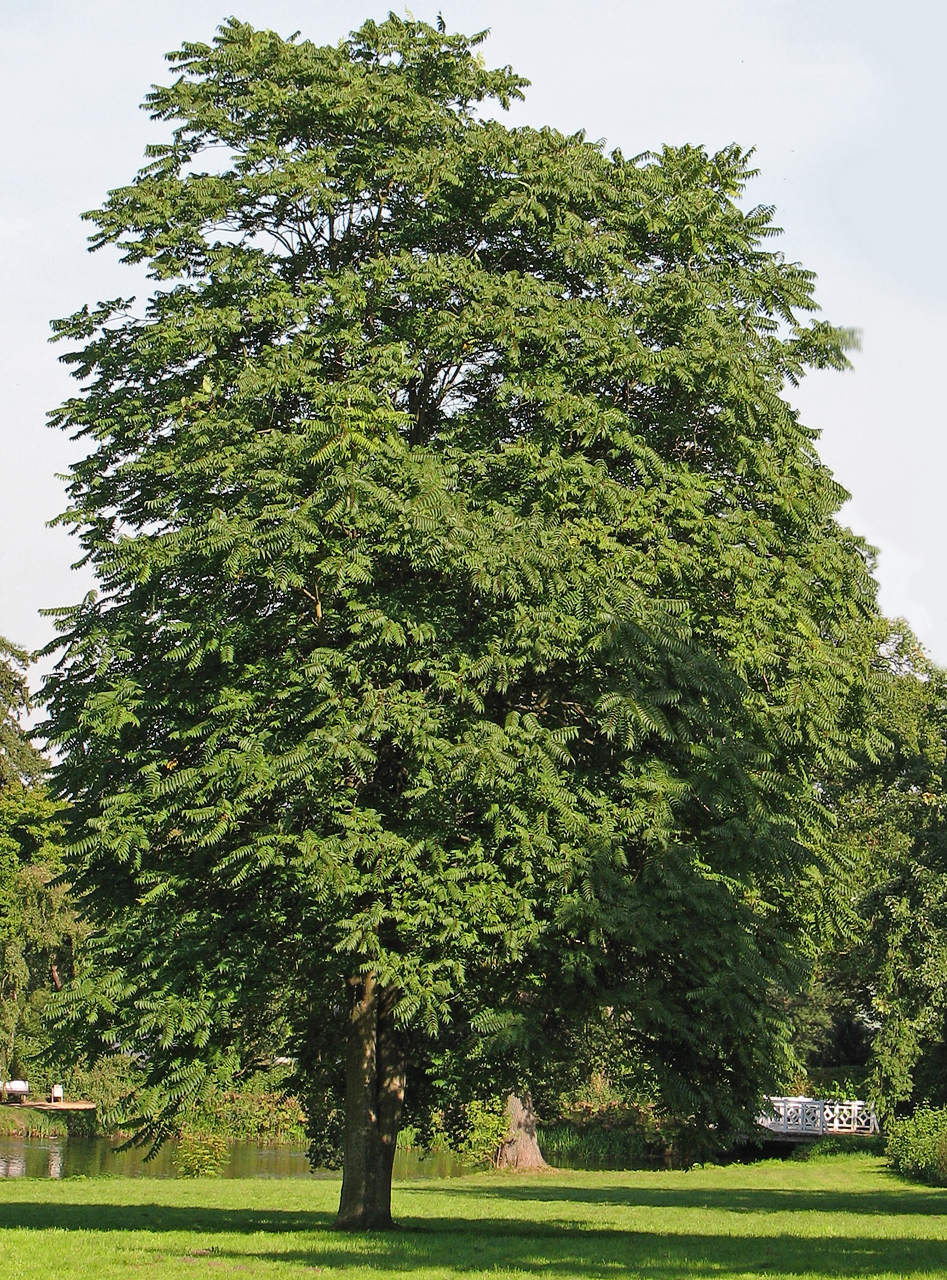
Western Herbalism
Ailanthus
Ailanthus glandulosa
Also known as Tree of Heaven, Chinese Sumach, Stinking Sumach, Ailanto.
Ailanthus is the tree of heaven, a fast-growing deciduous tree native to China and long naturalized in North America and Europe, where it is now widely regarded as an aggressive invasive species. The root bark and stem bark, which carry a strongly narcotic, disagreeable odor and an intensely bitter, nauseating taste, were used by nineteenth century eclectic physicians as a bitter astringent remedy for dysentery, intestinal parasites, and low septic fevers. Its use has almost entirely fallen out of practice due to its narrow margin of safety and unpredictable strength of preparations.

Ask Herbert about Ailanthus. Herbert is the master herbalist inside Bountiful Herbs: he answers from this plate and eleven hundred others, with dosing, pairing and cautions. Your first ten questions are free.
Ask HerbertActions
Indications what the tradition reached for it in
- Dysentery with tenesmus
- Chronic diarrhea
- Intestinal parasites, especially tapeworm
- Malarial fevers (historical use)
- Spasmodic asthma (historical use)
- Cardiac palpitation with weak pulse (historical use)
- Malignant sore throat with sordes
- Leukorrhea
Specific indications
Low, septic-type states with a dusky or purplish eruption, dry cracked tongue, and a malignant appearance to the throat and tonsils with sordes
Dysenteric stools that are scanty, bloody, and mucoid with severe straining
Safety
Recognised toxicity. This plant carries a toxicity flag in the record; it is for trained practitioners only.
Low dose botanical. Used in drop doses in the classical practice; not a plant to dose freely.
Pregnancy: Avoid in pregnancy: the plant is narcotic in overdose with reported effects on respiration and the cardiovascular system, and no modern safety data exist to support use.
Breastfeeding: Avoid in lactation due to the same lack of safety data and known narcotic, nauseant potential of the bark.
The record lists 6 contraindications; open the plate in the library to read them in full.
In practice
The old eclectic literature reserved ailanthus for a fairly narrow and specific clinical picture: a low, septic, almost typhoid state with a dusky or purplish eruption, a dry, cracked, dirty tongue, and a malignant look to the throat with sordes on the teeth and lips.
Dosing as the sources wrote it
| Preparation | As written | Metric |
|---|---|---|
| Powdered bark (historical) | 0.3-2 g dried bark daily, in divided doses | 300-2000 mg |
| Specific medicine ailanthus (historical, diluted) | 0.05-0.1 mL (about 1 mL of 1:20 dilution in water) every one to two hours, well diluted | 0.05-0.1 mL |
| Fluid extract (historical) | 0.3-1.3 mL (5-20 minims) as a single dose, used cautiously | 0.3-1.3 mL |
| The dose is from five to thirty grains. | 324-1944 mg | |
| The extract is given in doses of from one to five grains. | 64.8-324 mg | |
| Fifty grammes of the root-bark are infused for a short time in 75 grammes of hot water, then strained, and when cold, administered in teaspoonful doses, night and morning. | 75000-75000 mg |
Doses are reproduced from the sources for practitioners and are not a recommendation for any person.
From the sources
Overview. Ailanthus is the tree of heaven, a fast-growing deciduous tree native to China and long naturalized in North America and Europe, where it is now widely regarded as an aggressive invasive species. The root bark and stem bark, which carry a strongly narcotic, disagreeable odor and an intensely bitter, nauseating taste, were used by nineteenth century eclectic physicians as a bitter astringent remedy for dysentery, intestinal parasites, and low septic fevers. Its use has almost entirely fallen out of practice due to its narrow margin of safety and unpredictable strength of preparations.
Clinical Notes. The old eclectic literature reserved ailanthus for a fairly narrow and specific clinical picture: a low, septic, almost typhoid state with a dusky or purplish eruption, a dry, cracked, dirty tongue, and a malignant look to the throat with sordes on the teeth and lips.
Therapy. It is of much service in scarlet fever, especially the malignant form, in typhoid, and other types of low fever and in low forms of acute inflammation. With special reference to the action of ailanthus as a tonic to the nervous system, it is efficient as a remedy in some cases of asthma as well as in epilepsy, and in many cases of epileptiform contraction of the muscles, etc.
Physiological Action. In overdoses ailanthus causes vertigo, severe headache, pains in the back and limbs, together with great prostration, tingling and numbness; it reduces the pulse-beat and the respiration and causes great weakness, cold sweats and shivering. If it be given too frequently, or in too large doses, it causes death by paralyzing the respiratory center, its influence resembling that of tobacco. It is said that both quassia and gentian intensify its action, and that it should not be administered with either iron or lead compounds. The presence of ailanthus in a malarial locality, like eucalyptus, will correct the malarial influence of that locality.
Drawn from King's American Dispensatory, 18th edition (Felter and Lloyd); Ellingwood's American Materia Medica, Therapeutics and Pharmacognosy, and the Bountiful Herbs editorial.
In formulas
Ailanthus stands in 5 documented formulas in the library, among them gù jing wán, vù dài wán.
Often paired with
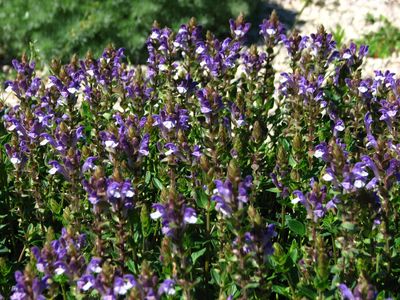 Chinese skullcapScutellaria baicalensis
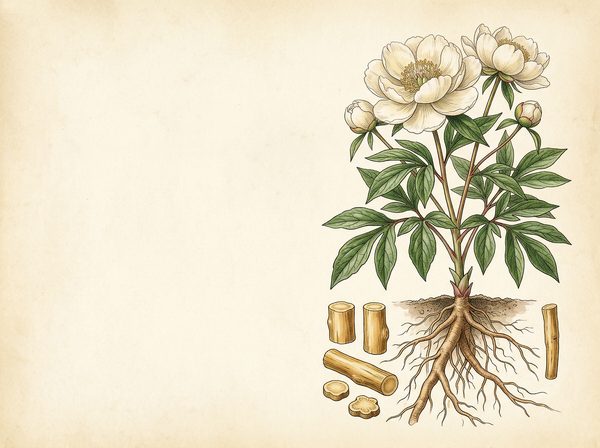 White PeonyPaeonia lactiflora
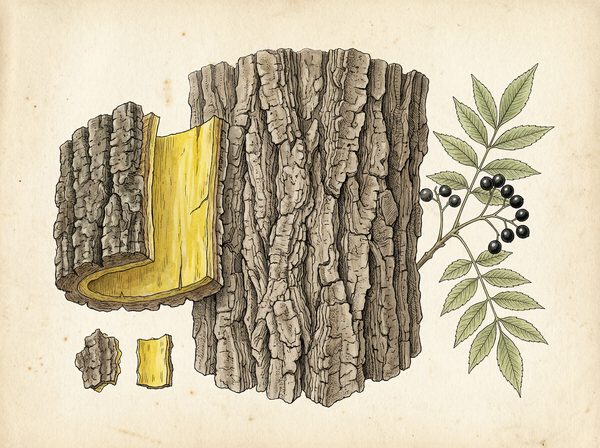 Huang BaiPhellodendron amurense
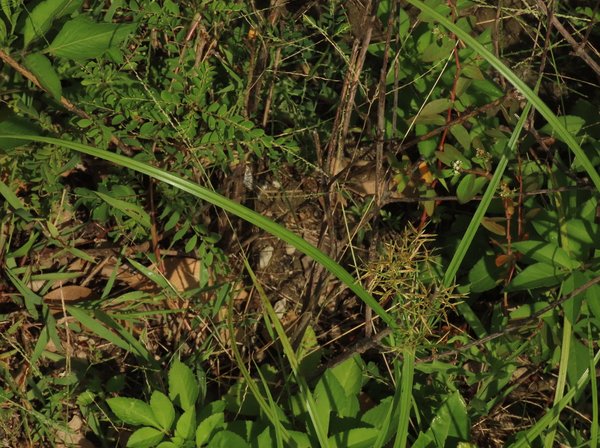 nut grassCyperus rotundus
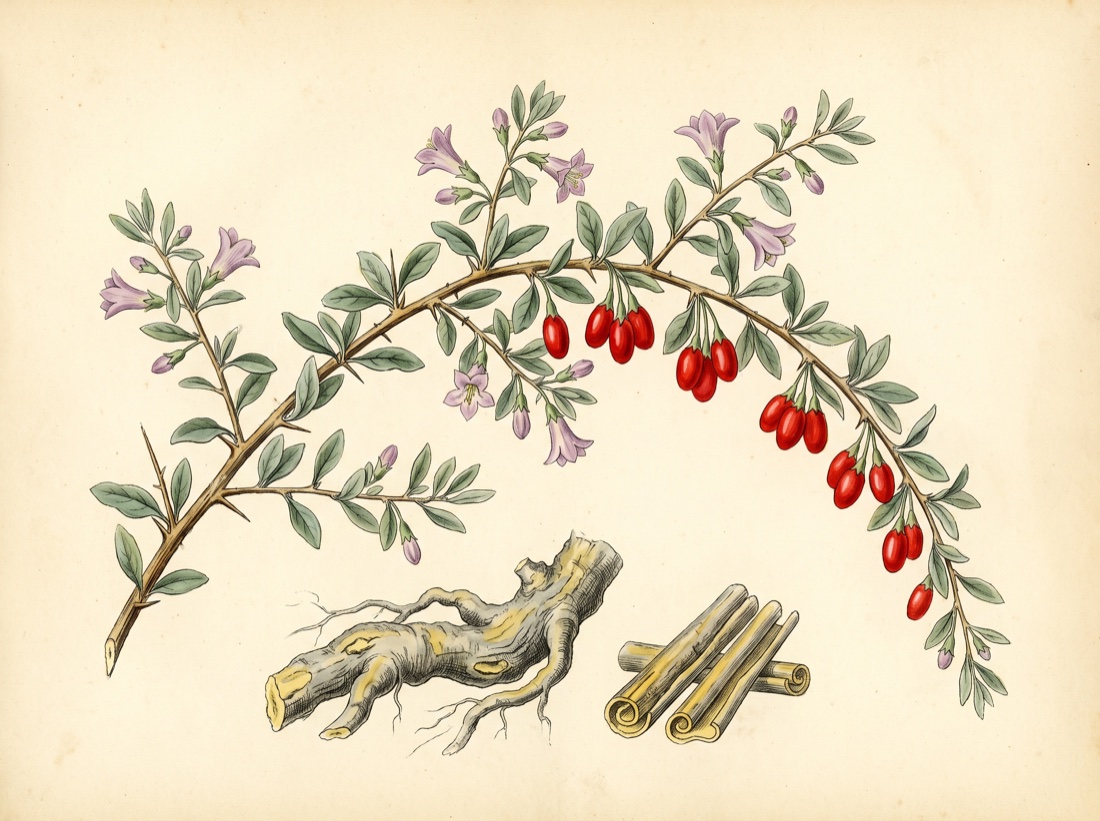 Chinese boxthornLycium chinense
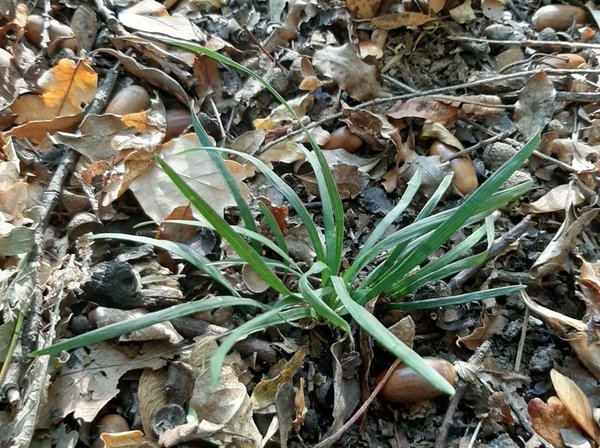 Mai Men DongOphiopogon japonicus
Nearby on the shelf
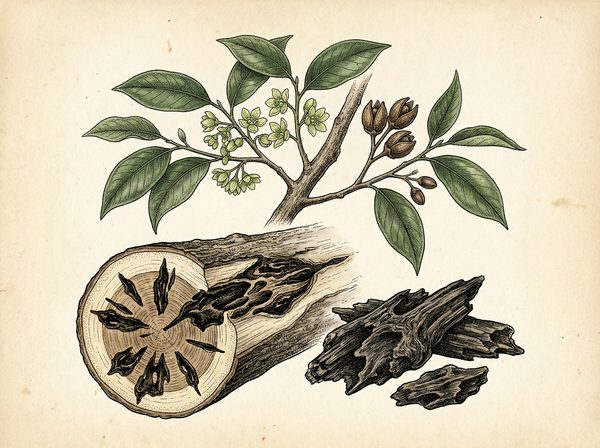 AgarwoodAquilaria sinensis
 AgatiSesbania grandiflora
 AgnimanthaPremna serratifolia
 AgrimonyAgrimonia eupatoria
 Air potatoDioscorea bulbifera
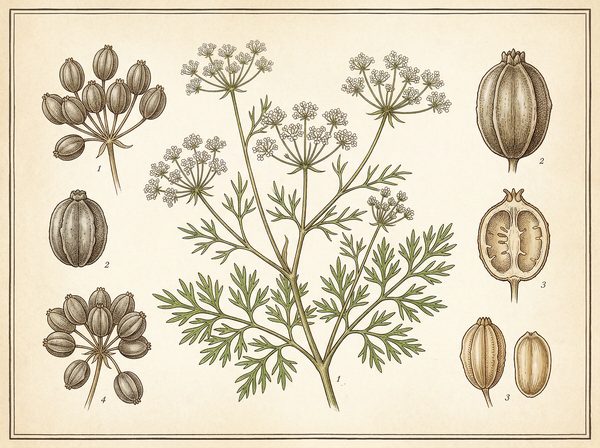 AjwainTrachyspermum ammi
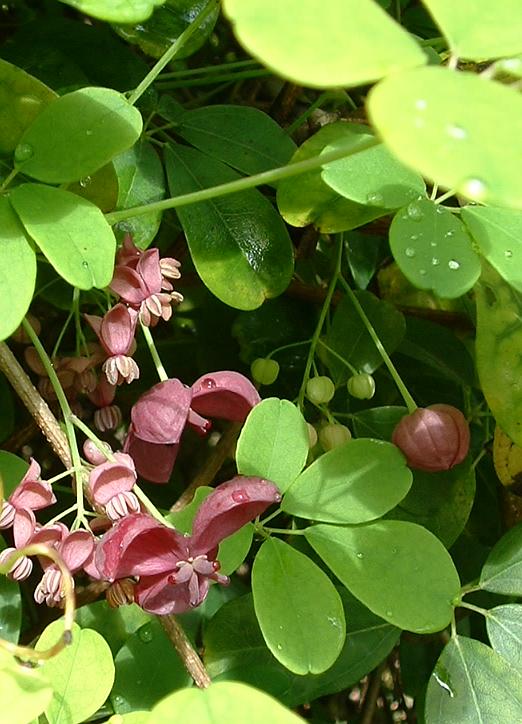 AkebiaAkebia quinata
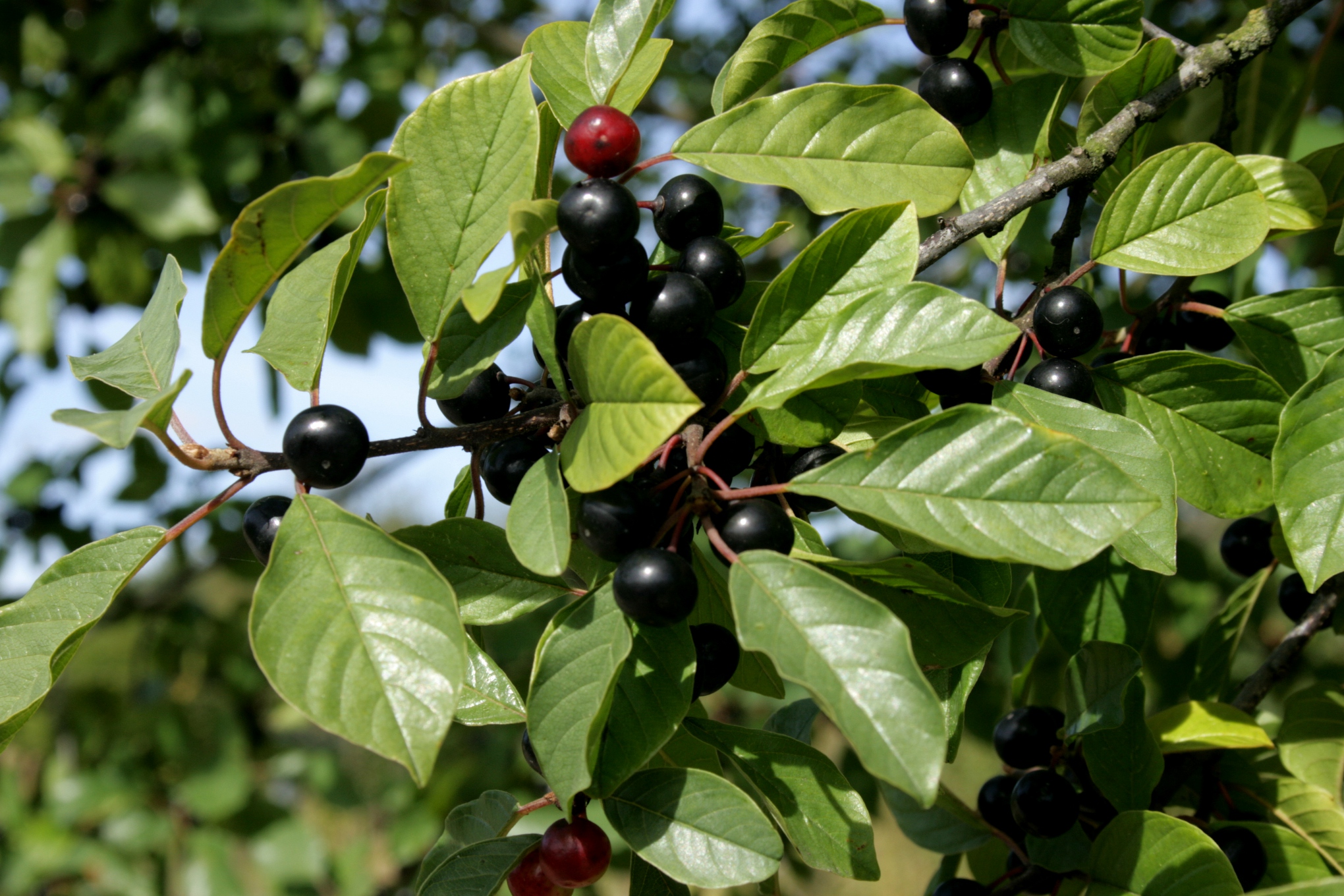 Alder BuckthornFrangula alnus
The whole plate is in the library. The compass, Compare, the Sky of eleven hundred plants and the formulary open with an email address and a password, free, with the formula builder and its safety engine. Herbert without limit, his formulating, clients, the handouts and the labels are the paid room.
Open the library, free