Western Herbalism
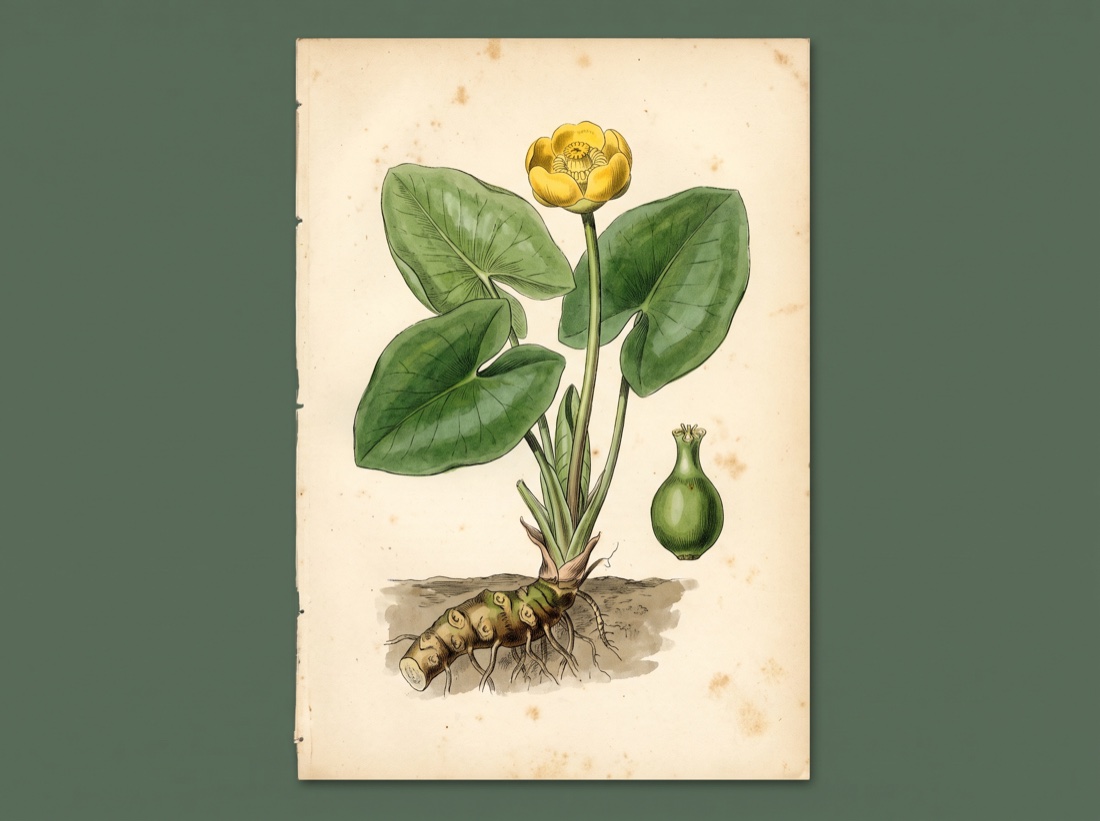
Yellow pond lily
Nuphar lutea
Also known as yellow water lily, spatterdock, brandy bottle, cow lily, yellow cow lily.
The yellow pond lily is a rooted aquatic of still and slow waters across Europe, western Asia and North Africa, with broad floating leaves and cup-shaped yellow flowers that smell faintly of brandy, hence the old name brandy bottle. Its North American relatives, spatterdock and the western pond lily, were long lumped under the same name and are used the same way. The thick starchy rhizome, dried, is the part used. Nineteenth-century Eclectic physicians valued it as a cooling astringent tonic for chronic discharges, irritable pelvic organs and sexual over-excitement.

Ask Herbert about Yellow pond lily. Herbert is the master herbalist inside Bountiful Herbs: he answers from this plate and eleven hundred others, with dosing, pairing and cautions. Your first ten questions are free.
Ask HerbertActions
Indications what the tradition reached for it in
- Chronic leukorrhea and vaginitis (wash and internal)
- Chronic diarrhea
- Chronic dysentery (traditional)
- Prostatitis and irritable bladder (traditional)
- Sexual over-excitability and spermatorrhea (traditional)
- Uterine irritation with discharge
- Boils, ulcers and inflamed swellings (poultice)
- Sore throat and mouth ulcers (gargle)
- Inflamed and weeping skin (wash)
- Mild insomnia with restlessness (traditional)
Specific indications
Chronic pale leukorrhea with a dragging pelvic ache and low energy, used both as a wash and as a small internal dose
An irritable, aching prostate with dribbling and an over-stimulated sexual sense, in the older Eclectic picture of the plant
Long-standing loose stools with mucus in a debilitated patient, where a cooling astringent that also calms is wanted
Safety
Low dose botanical. Used in drop doses in the classical practice; not a plant to dose freely.
Pregnancy: Avoid in pregnancy: the rhizome contains sedative and hypotensive alkaloids and there are no safety data.
Breastfeeding: Avoid while breastfeeding: alkaloid content and absence of data.
The record lists 6 contraindications; open the plate in the library to read them in full.
In practice
Nuphar is a small-dose astringent with a sedative edge, and that combination defines its use. Reach for it in chronic, low-grade, weeping conditions of the pelvis and bowel: pale leukorrhea, cervicitis, an irritable bladder, chronic mucous diarrhea, or the aching prostate of the older man.
Dosing as the sources wrote it
| Preparation | As written | Metric |
|---|---|---|
| Decoction (low dose) | 1-2 g dried rhizome up to three times daily | 1000-2000 mg |
| Tincture (1:5, 50%) | 0.5-2 mL three times daily | 0.5-2 mL |
| Topical wash or douche | 15-30 g dried rhizome per liter of water, decocted, used once or twice daily | 15000-30000 mg |
Doses are reproduced from the sources for practitioners and are not a recommendation for any person.
From the sources
Overview. The yellow pond lily is a rooted aquatic of still and slow waters across Europe, western Asia and North Africa, with broad floating leaves and cup-shaped yellow flowers that smell faintly of brandy, hence the old name brandy bottle. Its North American relatives, spatterdock and the western pond lily, were long lumped under the same name and are used the same way. The thick starchy rhizome, dried, is the part used. Nineteenth-century Eclectic physicians valued it as a cooling astringent tonic for chronic discharges, irritable pelvic organs and sexual over-excitement.
Clinical Notes. Nuphar is a small-dose astringent with a sedative edge, and that combination defines its use. Reach for it in chronic, low-grade, weeping conditions of the pelvis and bowel: pale leukorrhea, cervicitis, an irritable bladder, chronic mucous diarrhea, or the aching prostate of the older man.
Conservation. Common across Europe, but wetland harvesting of rhizomes damages habitat and some North American pond lilies are locally scarce; prefer cultivated or responsibly gathered material and take only a small portion of any colony.
Nearby on the shelf
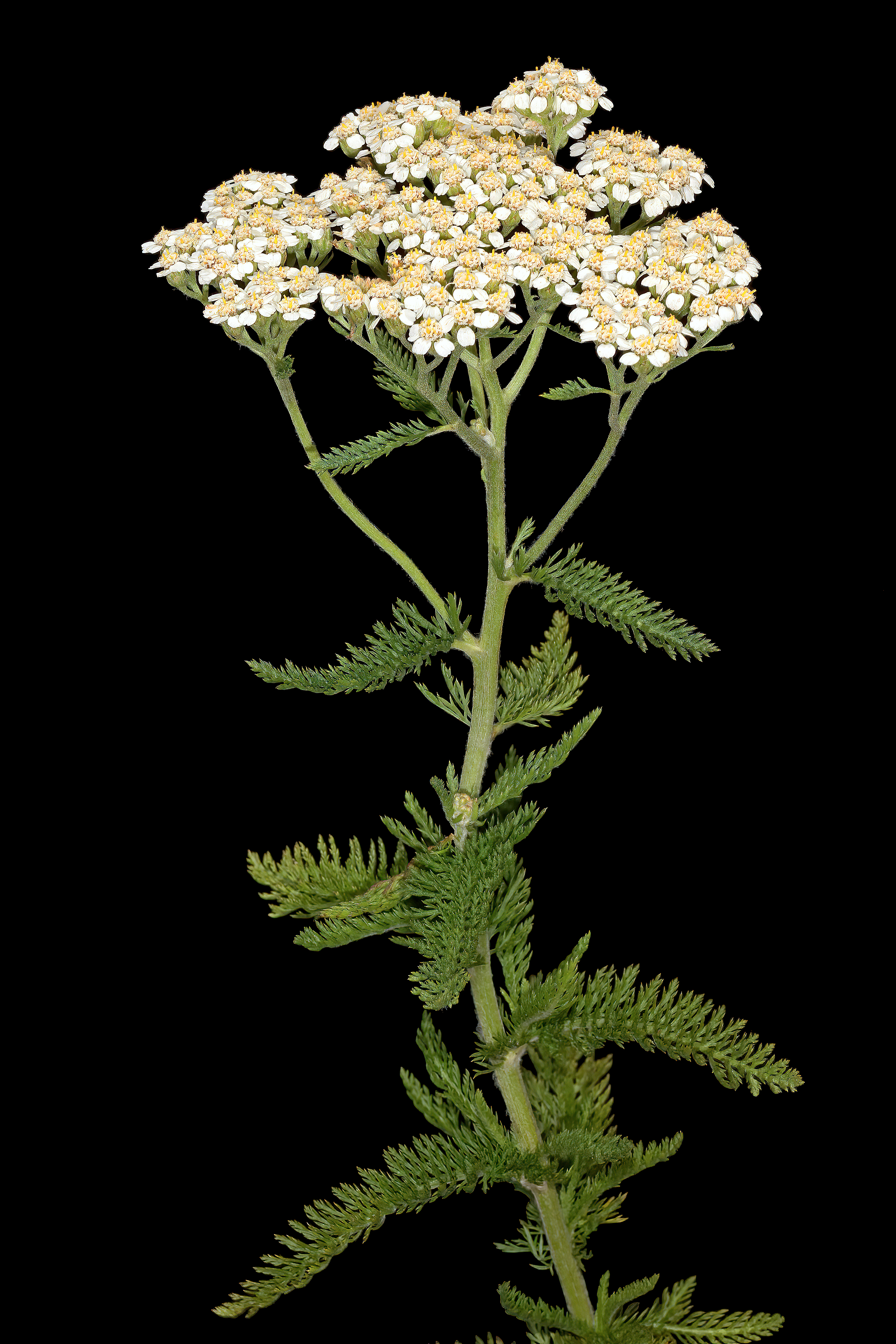 YarrowAchillea millefolium
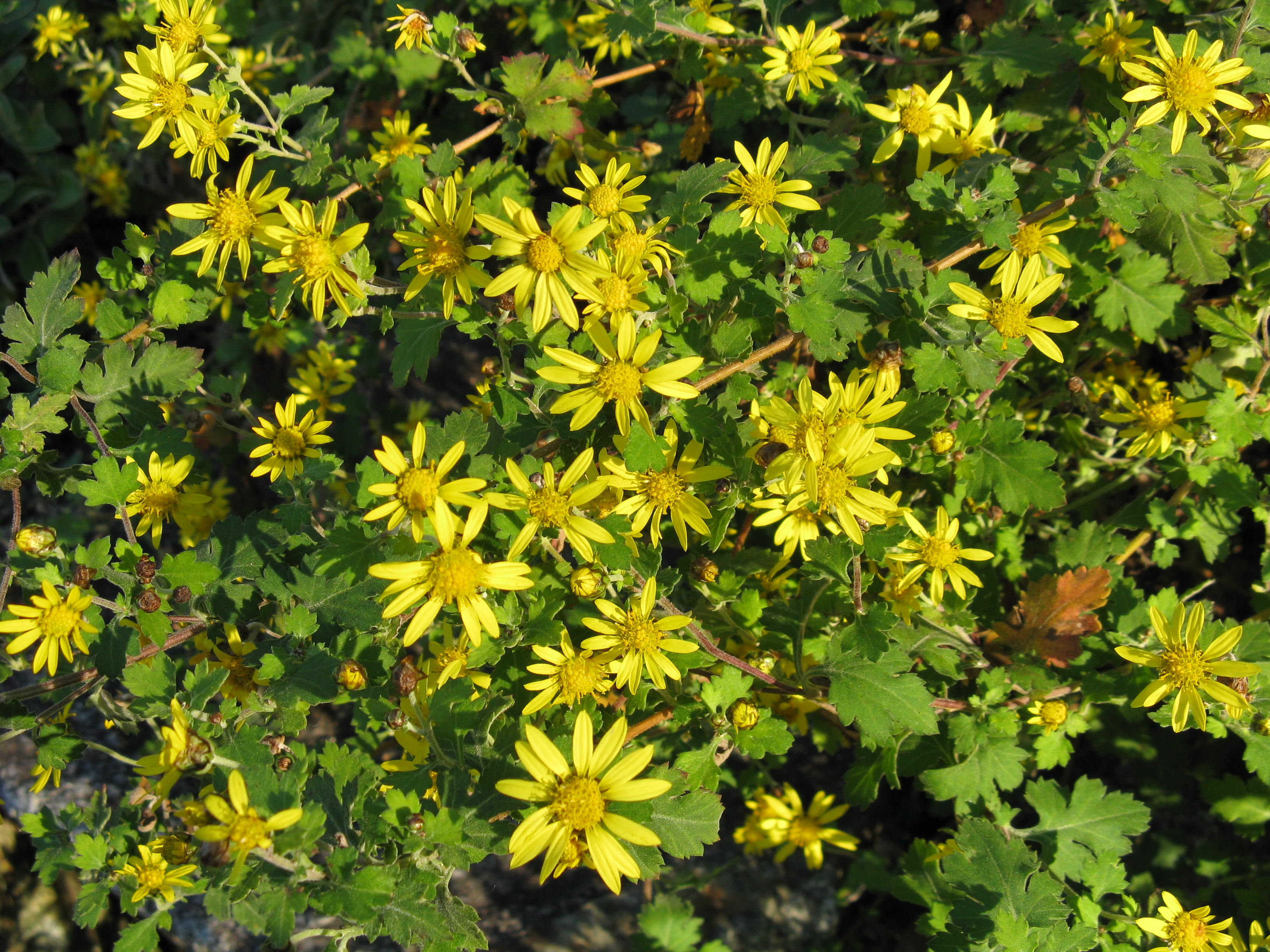 Ye Ju HuaChrysanthemum indicum
 Yellow jessamineGelsemium sempervirens
 Yellow parillaMenispermum canadense
 Yellow RootXanthorhiza simplicissima
 Yellow-berried nightshadeSolanum xanthocarpum
 Yerba MansaAnemopsis californica
 Yerba MateIlex paraguariensis
The whole plate is in the library. The compass, Compare, the Sky of eleven hundred plants and the formulary open with an email address and a password, free, with the formula builder and its safety engine. Herbert without limit, his formulating, clients, the handouts and the labels are the paid room.
Open the library, free