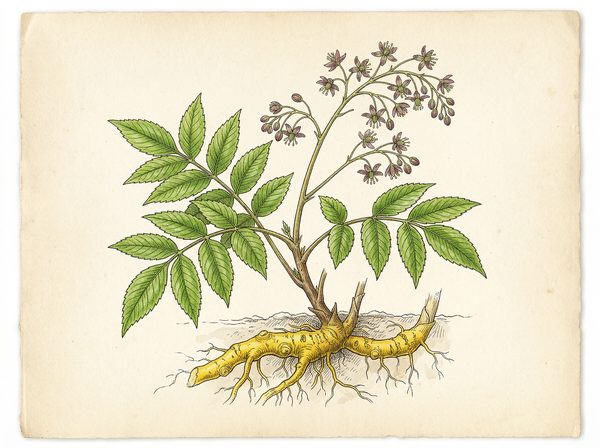
Western Herbalism
Yellow Root
Xanthorhiza simplicissima
Also known as Shrub Yellow Root, Southern yellow root, American shrub yellow root, Parsley-leaved yellow root, Yellow wort.
Xanthorhiza simplicissima, commonly known as yellowroot, is a low, deciduous shrub native to wet woodlands and streambanks of the eastern United States. The bright yellow inner root and root bark, from which the plant takes its common and Latin names, is the part used medicinally. It entered eclectic and folk practice in North America as a bitter, astringent tonic, often used interchangeably with goldenseal and Oregon grape root for similar berberine-related indications, though it has always been a more regional and less studied remedy.

Ask Herbert about Yellow Root. Herbert is the master herbalist inside Bountiful Herbs: he answers from this plate and eleven hundred others, with dosing, pairing and cautions. Your first ten questions are free.
Ask HerbertActions
Indications what the tradition reached for it in
- Sore eyes
- Liver disease
- Whooping cough
- Bacterial skin infections
- Mouth ulcer
- Sore mouth
- Heart problems
- Loss of appetite
- Peptic ulcer
- Dyspepsia
- Infectious diarrhea
- Earache
- Eye infection
- Colds
- Cancer
- Trichomoniasis
- Jaundice
- PMS
- Bacterial vaginosis
- Congestion
- Stomach ulcer
- Gastritis
- Fever
- Vaginal infections
- Hemorrhoids
- Sore throat
- Indigestion
- Colitis
- Bleeding
- Colic
Specific indications
Loose, mucousy stool with an irritated gut lining that responds to an astringent bitter
Safety
Low dose botanical. Used in drop doses in the classical practice; not a plant to dose freely.
Pregnancy: Use with care in pregnancy
Breastfeeding: Not for use while breastfeeding
The record lists 1 contraindication; open the plate in the library to read them in full.
Dosing as the sources wrote it
| Preparation | As written | Metric |
|---|---|---|
| Tincture: 5-6ml up to 6x daily in formulas | 5-6 mL | |
| Decoction/tea: 1-4oz daily for 2-3 weeks then break, refrigerate | ||
| powder | A.), now show that these conclusions were rational, as at least one of the very active principles of hydrastis is entirely absent from Xanthorrhiza." Dose of the powder, 20 to 40 grains, 3 times a day; of the decoction, 1 or 2 tablespoonfuls; of the tincture, which is its most eligible form, from 1 to 3 fluid drachms. | 1296-2592 mg |
| Decoction (root bark) | 1-2 g dried root bark three times daily | 1000-2000 mg |
| Tincture (1:5, 45%) | 1-3 mL three times daily | 1-3 mL |
| Topical gargle or mouthwash | strong decoction or diluted tincture, used several times daily |
Doses are reproduced from the sources for practitioners and are not a recommendation for any person.
From the sources
Overview. Xanthorhiza simplicissima, commonly known as yellowroot, is a low, deciduous shrub native to wet woodlands and streambanks of the eastern United States. The bright yellow inner root and root bark, from which the plant takes its common and Latin names, is the part used medicinally. It entered eclectic and folk practice in North America as a bitter, astringent tonic, often used interchangeably with goldenseal and Oregon grape root for similar berberine-related indications, though it has always been a more regional and less studied remedy.
Clinical Notes. Native American (Cherokee, Catawba) traditional uses include blood tonic, appetite stimulant, dye plant Eclectic use for ulcers, stomach trouble Berberine content supports antimicrobial activity More astringent than goldenseal Currently wildcrafted, monitor sustainability
Clinical Notes. Yellowroot is reached for much as a practitioner would reach for goldenseal or barberry: as a bitter astringent for irritated, inflamed mucous membranes and for sluggish digestion with poor appetite. A strong decoction or diluted tincture makes a useful gargle for sore throat or a mouthwash for gingivitis and mouth ulcers, the bitter astringent taste itself doing much of the work by toning the tissue and discouraging microbial overgrowth.
Properties and Uses. The root and the inner bark of this plant are intense yet not unpleasant bitters, of the moderately stimulating class, and forms an admirable though little used tonic. It is closely allied to hydrastis in color, taste, and action; and is usable for the many purposes to which that admirable remedy is applicable. Though classed by Rafinesque and others as the equivalent of frasera, it is a far stronger agent than it. Medical Herbalism journal and medherb.com The Physiomedical Dispensatory by William Cook, M.D., 1869
Drawn from Cook's Physio-Medical Dispensatory; King's American Dispensatory, 18th edition (Felter and Lloyd), and the Bountiful Herbs editorial.
Nearby on the shelf
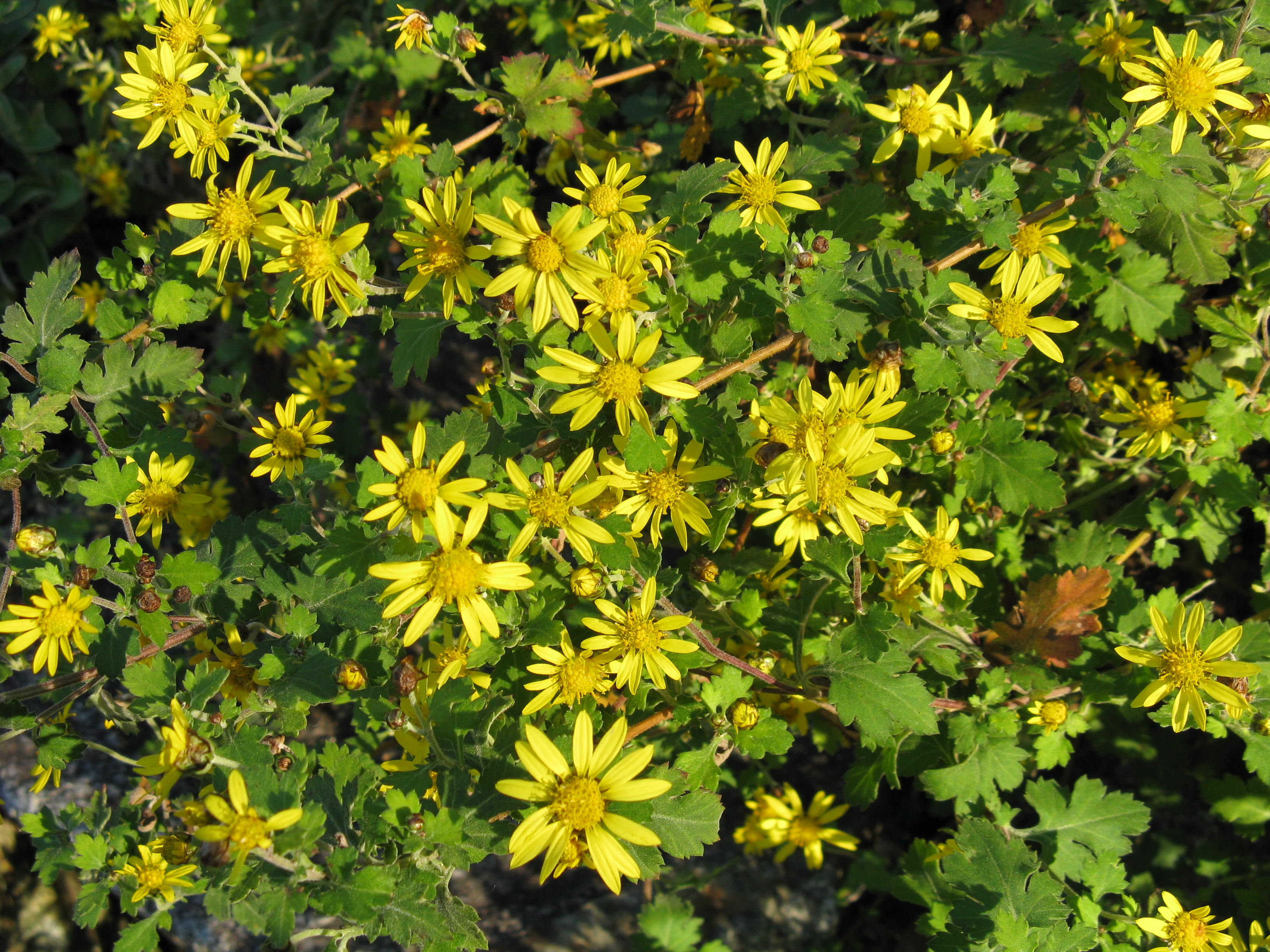 Ye Ju HuaChrysanthemum indicum
 Yellow jessamineGelsemium sempervirens
 Yellow parillaMenispermum canadense
 Yellow pond lilyNuphar lutea
 Yellow-berried nightshadeSolanum xanthocarpum
 Yerba MansaAnemopsis californica
 Yerba MateIlex paraguariensis
 Yerba ReumaFrankenia
The whole plate is in the library. The compass, Compare, the Sky of eleven hundred plants and the formulary open with an email address and a password, free, with the formula builder and its safety engine. Herbert without limit, his formulating, clients, the handouts and the labels are the paid room.
Open the library, free