Western Herbalism
Yellow parilla
Menispermum canadense
Also known as Sarsaparilla (false), Moonseed, Canada moonseed, Vine maple, Sarsaparilla, Canadian Moonseed, etc, Menispermum.
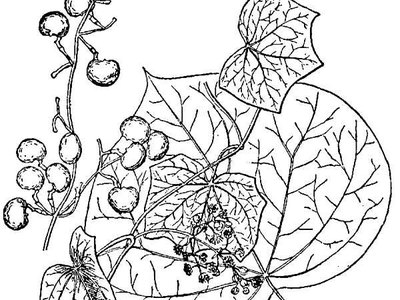
Menispermum canadense, known to nineteenth century American practitioners as yellow parilla, is a twining woodland vine of the moonseed family native to eastern North America. The dried root and rhizome were the parts used, valued by physiomedicalist and Eclectic physicians as a bitter alterative tonic for chronic skin conditions and sluggish constitutions, often as a substitute for or adjunct to true sarsaparilla (Smilax species). Its use has largely faded from modern practice, and it is best regarded today as a historical alterative rather than a first-line remedy.

Ask Herbert about Yellow parilla. Herbert is the master herbalist inside Bountiful Herbs: he answers from this plate and eleven hundred others, with dosing, pairing and cautions. Your first ten questions are free.
Ask HerbertActions
Indications what the tradition reached for it in
- Chronic skin disease with dry, scaling eruptions
- Scrofulous complaints (historical)
- Chronic rheumatism
- Sluggish digestion with poor appetite
- Constipation with torpid bowel
- Chronic hepatic torpor
- Gouty complaints (traditional)
- General debility with impaired elimination
Specific indications
Dry, scaly, long-standing skin eruption in a patient with sluggish digestion and constipation
Chronic rheumatic joint pain accompanied by a torpid, coated tongue and poor appetite
Safety
Recognised toxicity. This plant carries a toxicity flag in the record; it is for trained practitioners only.
Low dose botanical. Used in drop doses in the classical practice; not a plant to dose freely.
Pregnancy: Avoid in pregnancy: no modern safety data exist and the plant contains poorly characterized alkaloids.
Breastfeeding: Avoid during lactation given the absence of safety data.
The record lists 6 contraindications; open the plate in the library to read them in full.
In practice
Yellow parilla root was reached for historically in cases of chronic, low-grade skin disease where the picture included torpid digestion, poor appetite, and a sluggish bowel, on the reasoning that clearing internal congestion would support resolution of the skin.
Dosing as the sources wrote it
| Preparation | As written | Metric |
|---|---|---|
| Decoction | 1-2 g dried root daily | 1000-2000 mg |
| Tincture (1:5, 45%) | 1-2 mL three times daily | 1-2 mL |
| It may be used in doses of from three to five grains | 194-324 mg | |
| This is a strong and valuable preparation, and may be used in doses of thirty drops three times a day, in any suitable alterant sirup | 0.6-0.6 mL | |
| Dose, three to five grains | 194-324 mg | |
| Dose, 5 to 60 grains. | 324-3888 mg |
Doses are reproduced from the sources for practitioners and are not a recommendation for any person.
From the sources
Overview. Menispermum canadense, known to nineteenth century American practitioners as yellow parilla, is a twining woodland vine of the moonseed family native to eastern North America. The dried root and rhizome were the parts used, valued by physiomedicalist and Eclectic physicians as a bitter alterative tonic for chronic skin conditions and sluggish constitutions, often as a substitute for or adjunct to true sarsaparilla (Smilax species). Its use has largely faded from modern practice, and it is best regarded today as a historical alterative rather than a first-line remedy.
Clinical Notes. Yellow parilla root was reached for historically in cases of chronic, low-grade skin disease where the picture included torpid digestion, poor appetite, and a sluggish bowel, on the reasoning that clearing internal congestion would support resolution of the skin.
Action and Therapy. Yellow parilla is little used, though possessing decidedly active tonic properties. Full doses increase the volume of the pulse, sharpen the appetite, and prove laxative. Excessive doses cause emeto-catharsis. It is a good laxative, bitter and alterative, and may be used with benefit in strumous and chronic arthritic inflammations, when accompanied by fullness of the lymphatic nodes and weak digestion. Its possible value in leucocythemia has been suggested.
Properties and Uses. The root of this plant is a slowly acting and rather permanent agent, moderately relaxant, but with stimulating properties predominating. It influences the mucous membranes, stomach, gall-ducts, and liver, and makes a distinct alterative-tonic impression upon all the secreting organs, and slightly increases the force of the general circulation.
Drawn from Cook's Physio-Medical Dispensatory; Scudder's Specific Medication and Specific Medicines; King's American Dispensatory, 18th edition (Felter and Lloyd); Felter's Eclectic Materia Medica, Pharmacology and Therapeutics, and the Bountiful Herbs editorial.
In formulas
Yellow parilla stands in 10 documented formulas in the library, among them Compound Fluid Extract of Sarsaparilla.
Often paired with
 SarsaparillaSmilax spp.
 SassafrasSassafras albidum
 Licorice rootGlycyrrhiza glabra
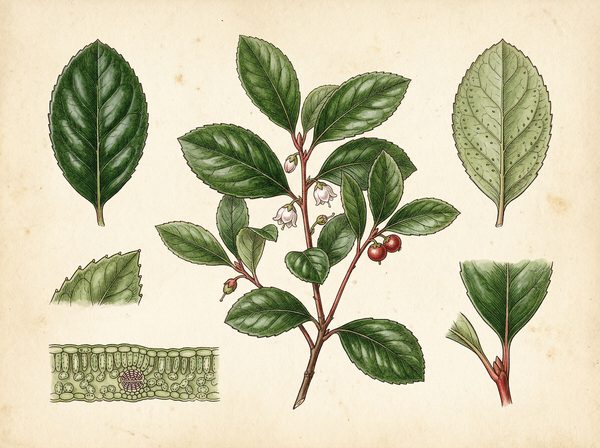 WintergreenGaultheria procumbens
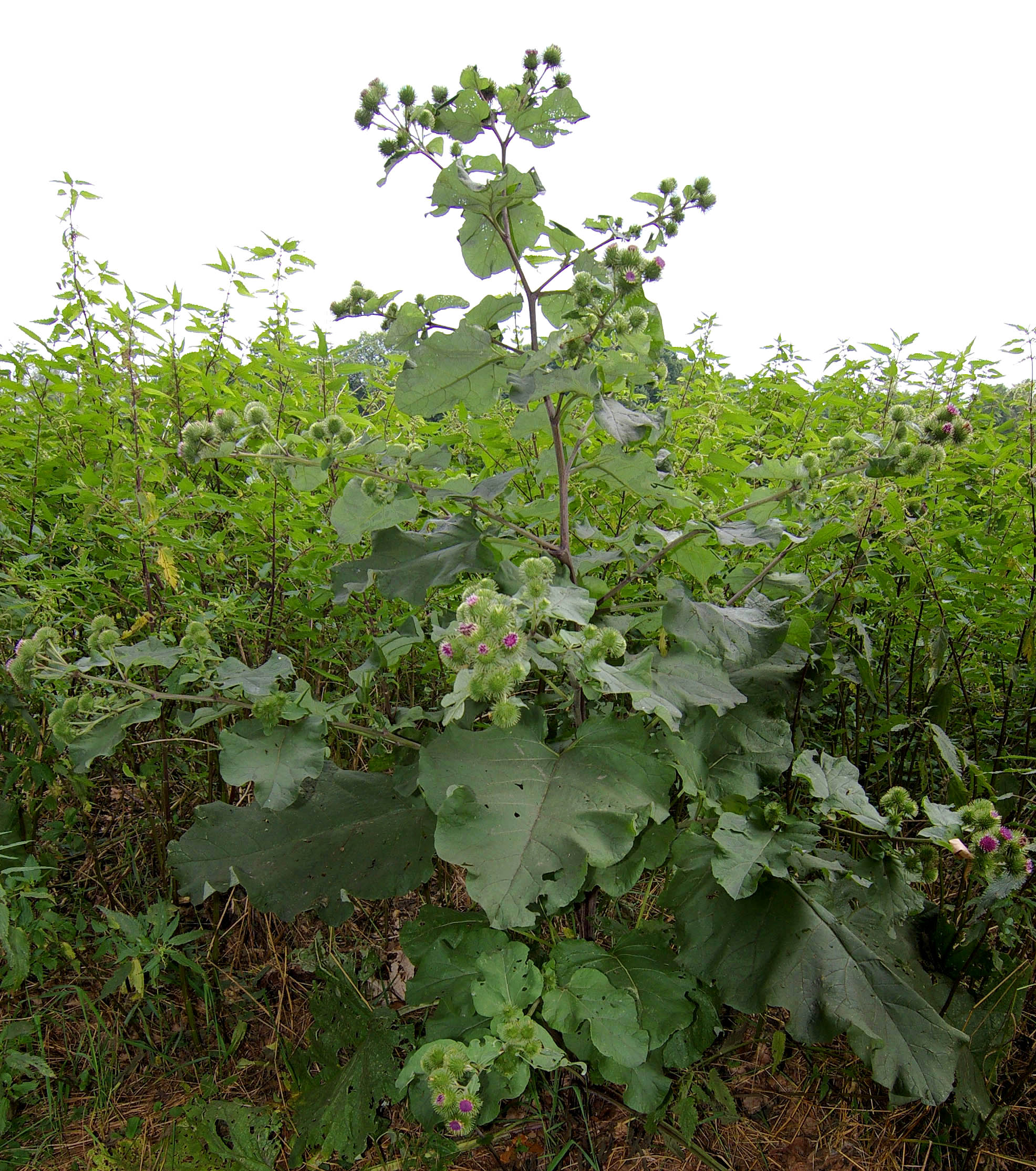 BurdockArctium lappa
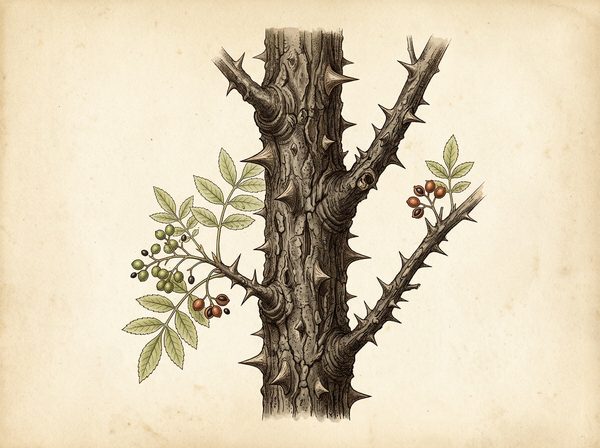 Prickly AshZanthoxylum americanum
Nearby on the shelf
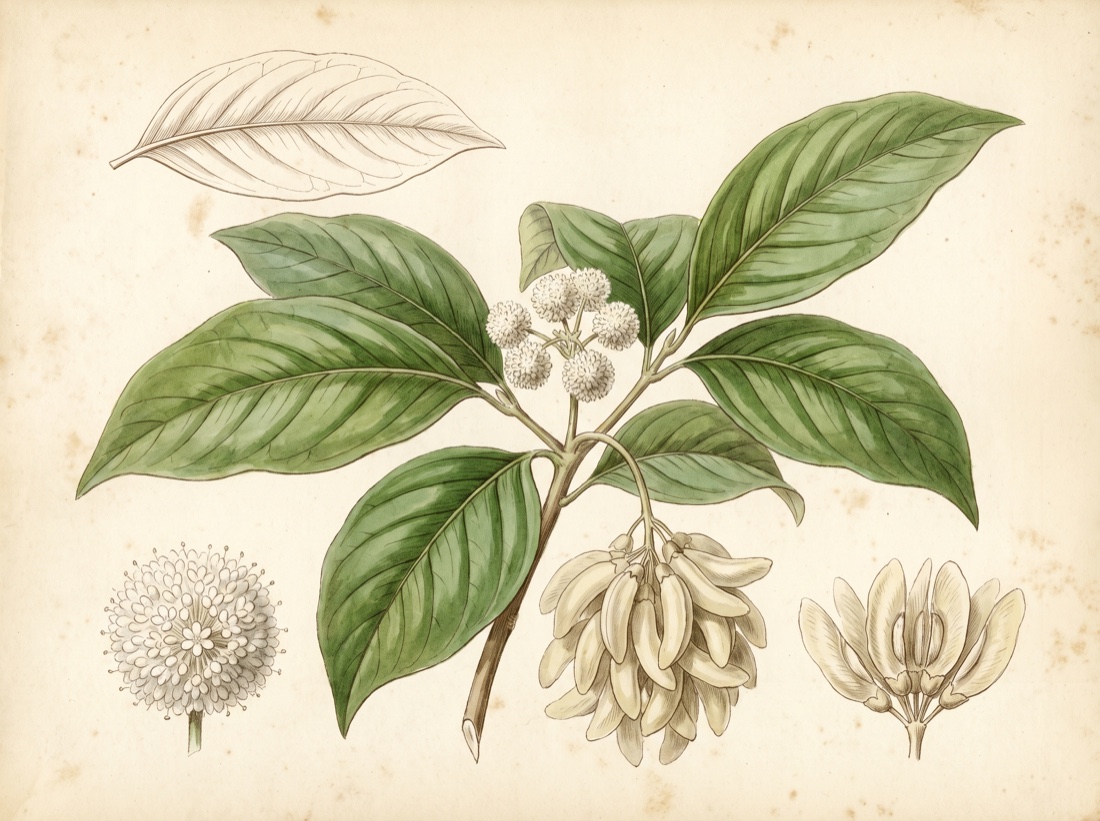 Xi ShuCamptotheca acuminata
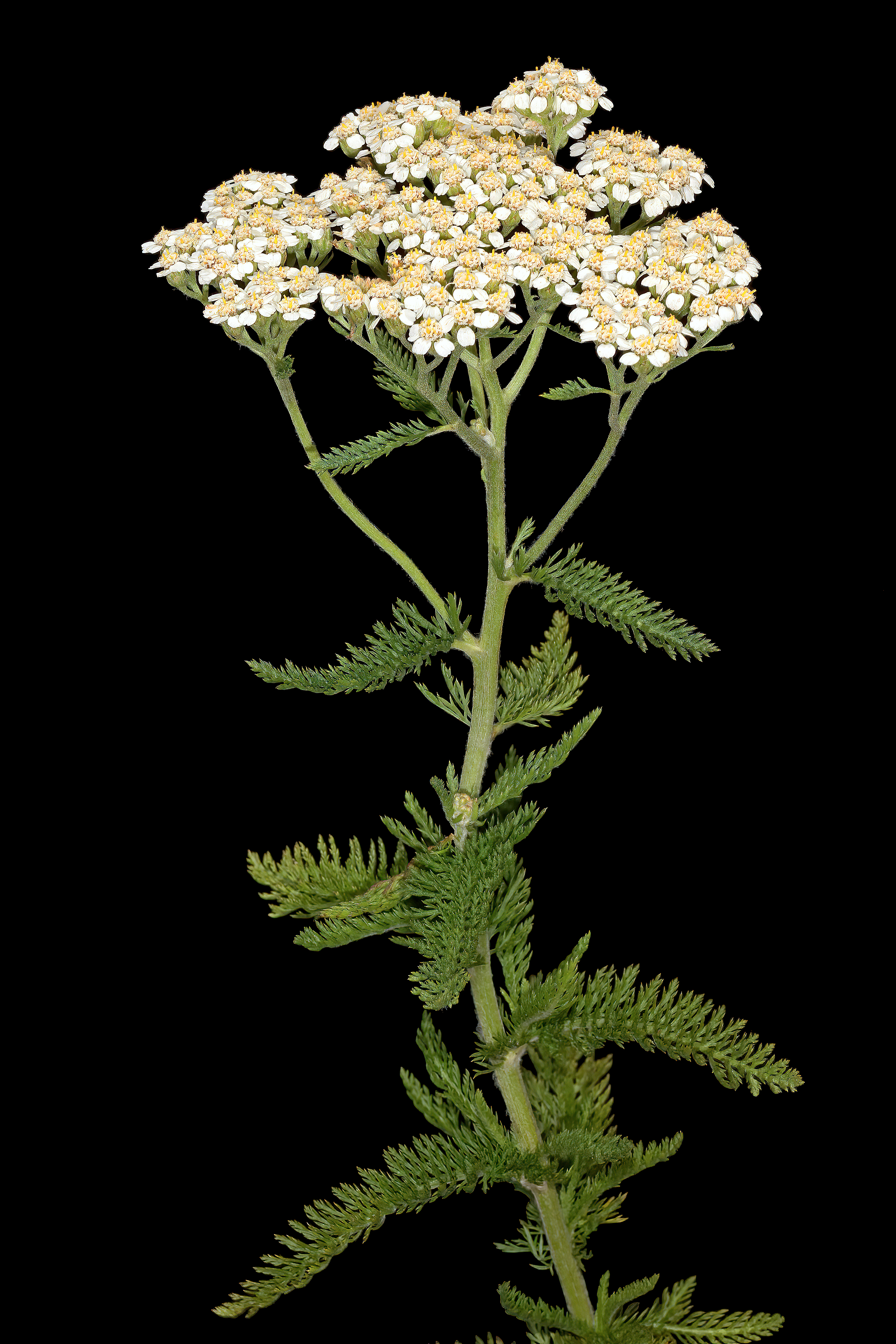 YarrowAchillea millefolium
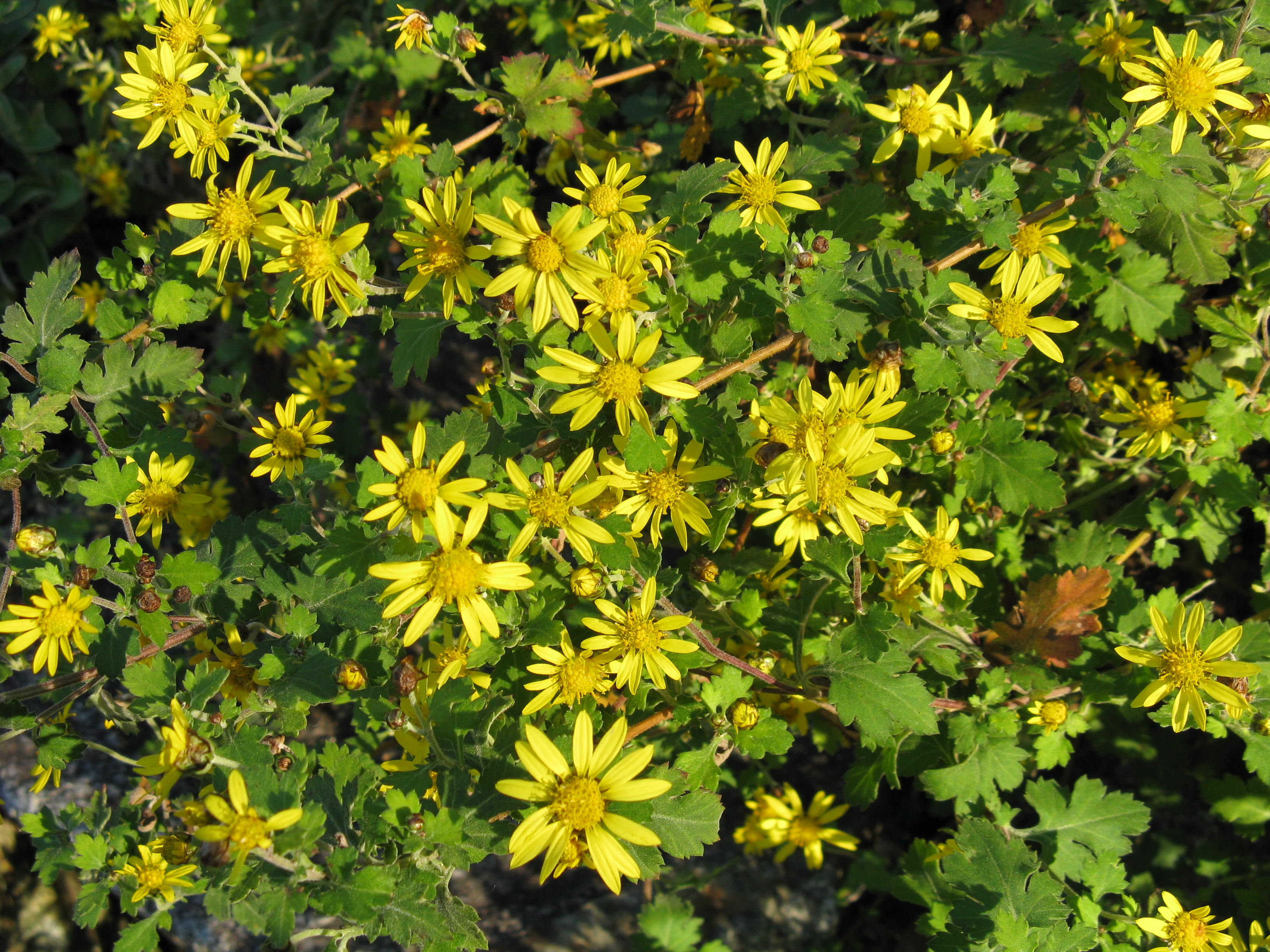 Ye Ju HuaChrysanthemum indicum
 Yellow jessamineGelsemium sempervirens
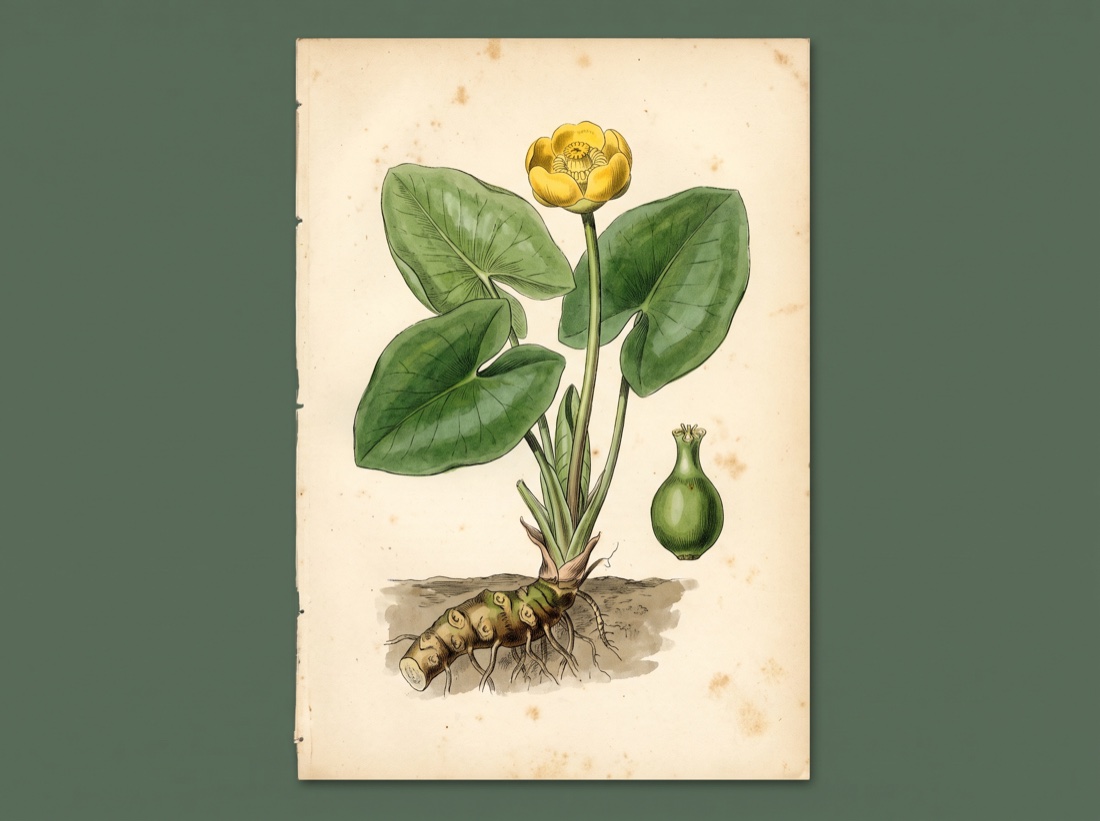 Yellow pond lilyNuphar lutea
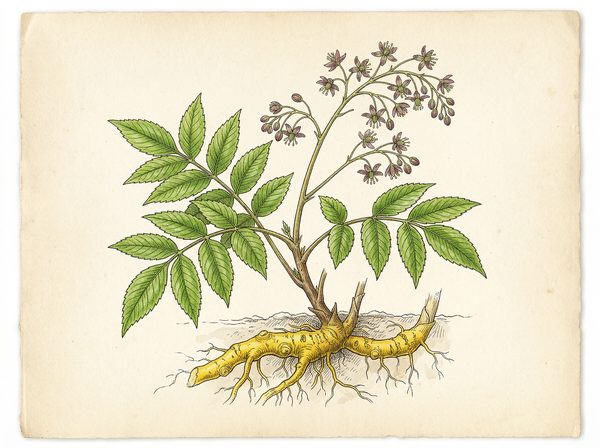 Yellow RootXanthorhiza simplicissima
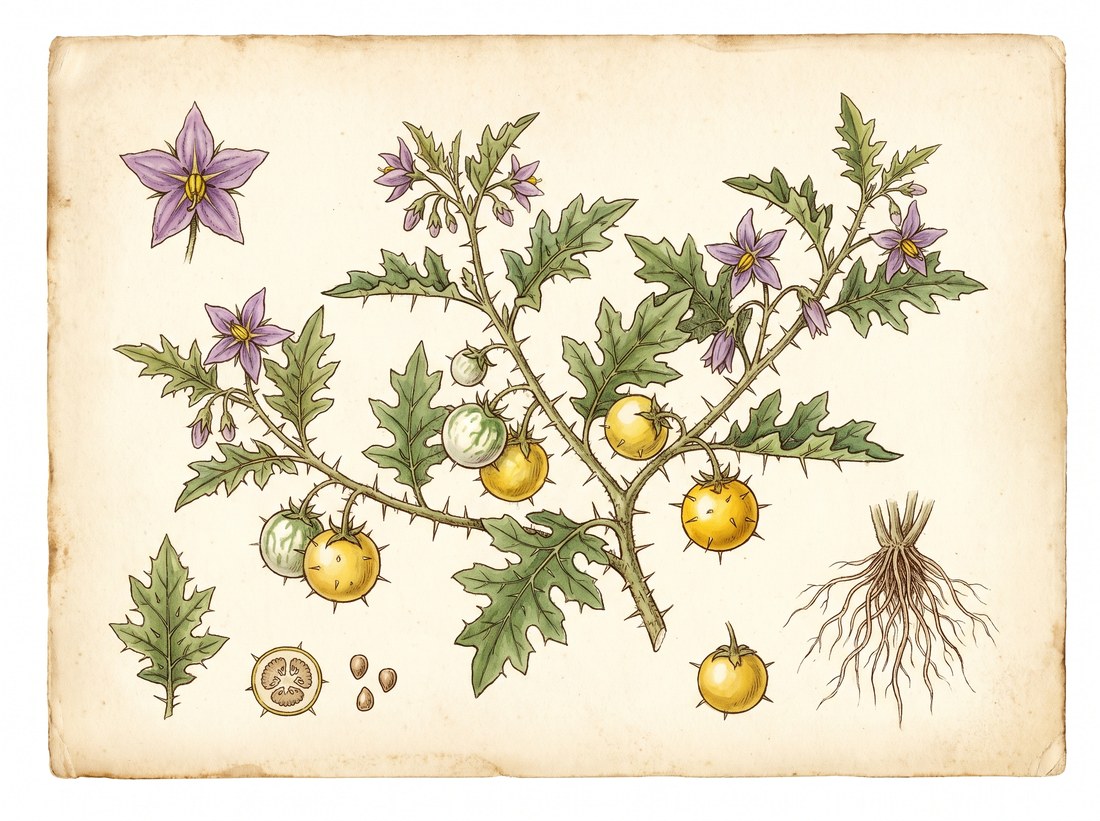 Yellow-berried nightshadeSolanum xanthocarpum
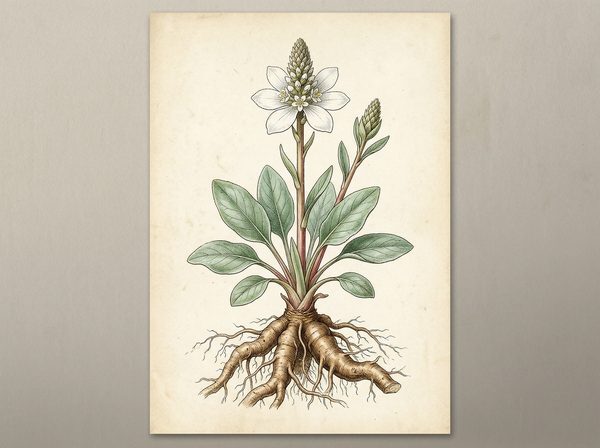 Yerba MansaAnemopsis californica
The whole plate is in the library. The compass, Compare, the Sky of eleven hundred plants and the formulary open with an email address and a password, free, with the formula builder and its safety engine. Herbert without limit, his formulating, clients, the handouts and the labels are the paid room.
Open the library, free