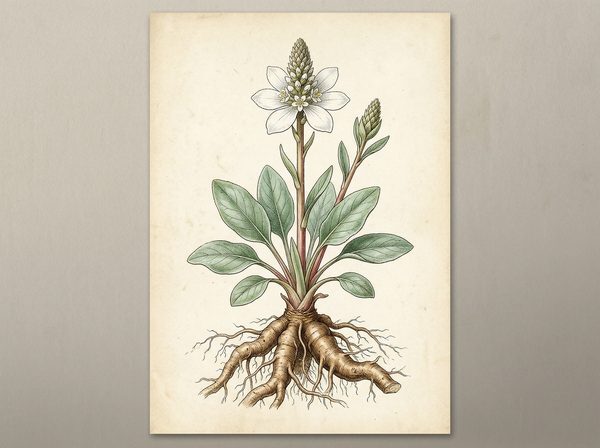
Western Herbalism
Yerba Mansa
Anemopsis californica
Also known as Anemopsis, Yerba Del Manza, Yerba del mansa.
Traditional use by Native American tribes (Southwest US, Mexico) and Eclectic physicians absorbs heavy metals/arsenic from wetland environments - source from clean areas laboratory studies support antimicrobial (Staph, Strep, mycobacteria), anti-inflammatory, in vitro anticancer activity no human clinical trials documented

Ask Herbert about Yerba Mansa. Herbert is the master herbalist inside Bountiful Herbs: he answers from this plate and eleven hundred others, with dosing, pairing and cautions. Your first ten questions are free.
Ask HerbertActions
Indications what the tradition reached for it in
- Cuts
- Stuffy head
- Gout
- Sprain
- Bruises
- Rheumatic complaints
- Gum sores
- Flatulence
- Swollen gums
- Sinusitis
- Gastroenteritis
- Skin infection
- Cough with expectoration
- Stuffy throat
- Rhinitis
- Laryngitis
- Osteoarthritis
- Nasal catarrh
- Arthritis
- Bronchitis
- Pain
- Stomachache
- Abdominal cramps
- Respiratory tract infections
- Urinary tract infection
- Mouth sores
- Fungal infections
- Ulcers
- Menstrual cramps
- Cystitis
Safety
The record lists 4 contraindications; open the plate in the library to read them in full.
Dosing as the sources wrote it
| Preparation | As written | Metric |
|---|---|---|
| Tincture | Tincture (fresh root 1:2 70% alc, dry root 1:5 60% alc), 20-60 drops 2-5x/day | 0.4-1.2 mL |
| Decoction/tea | Decoction/tea (roots), 1/4-1 cup 2-5x/day or 1 cup 2-3x/day | |
| The dose of anemopsis specific medicine is from five to thirty drops. | 0.1-0.6 mL | |
| Dose, 1 to 60 grains. | 64.8-3888 mg | |
| Dose, 10 to 60 drops in syrup. | 0.45-2.7 mL | |
| fluid extract | The dose of the fluid extract is from 10 to 60 minims, in syrup, repeated every 3 or 4 hours. | 0.62-3.7 mL |
Doses are reproduced from the sources for practitioners and are not a recommendation for any person.
From the sources
Clinical Notes. Traditional use by Native American tribes (Southwest US, Mexico) and Eclectic physicians absorbs heavy metals/arsenic from wetland environments - source from clean areas laboratory studies support antimicrobial (Staph, Strep, mycobacteria), anti-inflammatory, in vitro anticancer activity no human clinical trials documented
Action and Therapy. Reputed astringent, tonic, carminative, and anti-emetic. A mucous membrane stimulant for catarrhal conditions of the respiratory, gastro-intestinal, and genito-urinal tracts. It has given good results in bronchial cough and nasal catarrh. In the latter affection, Munk uses it largely as a spray to the nose and throat, employing from 10 to 30 drops of the specific medicine to slightly glycerinated water. It has a reputation for relieving the excessive discharges of chronic gonorrhea, acting somewhat like cubeb.
primary-actions. Yerba Mansa acts primarily as: Anti-inflammatory, Antimicrobial, Astringent, Anticatarrhal, Diuretic, Demulcent. Secondary actions include Antiviral, Antifungal, Astringent, Alterative.
indications. Yerba Mansa is traditionally indicated for: Cuts, Stuffy head, Gout, Sprain, Bruises, Rheumatic complaints, Gum sores, Flatulence, Swollen gums, Sinusitis, Gastroenteritis, Skin infection, Cough with expectoration, Stuffy throat, Rhinitis, and 44 further conditions.
Drawn from King's American Dispensatory, 18th edition (Felter and Lloyd); Ellingwood's American Materia Medica, Therapeutics and Pharmacognosy; Felter's Eclectic Materia Medica, Pharmacology and Therapeutics, and the Bountiful Herbs editorial.
Nearby on the shelf
 Yellow parillaMenispermum canadense
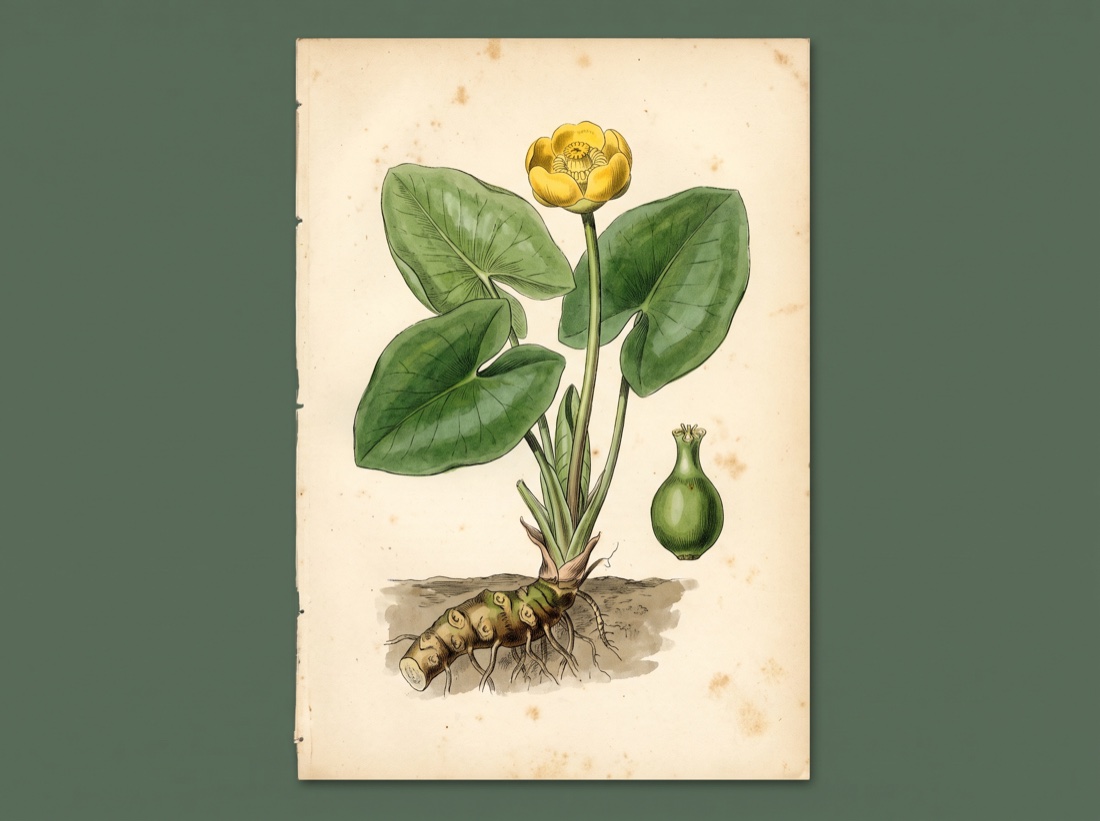 Yellow pond lilyNuphar lutea
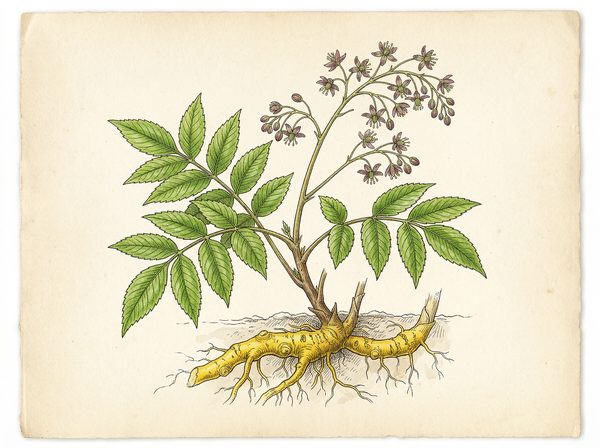 Yellow RootXanthorhiza simplicissima
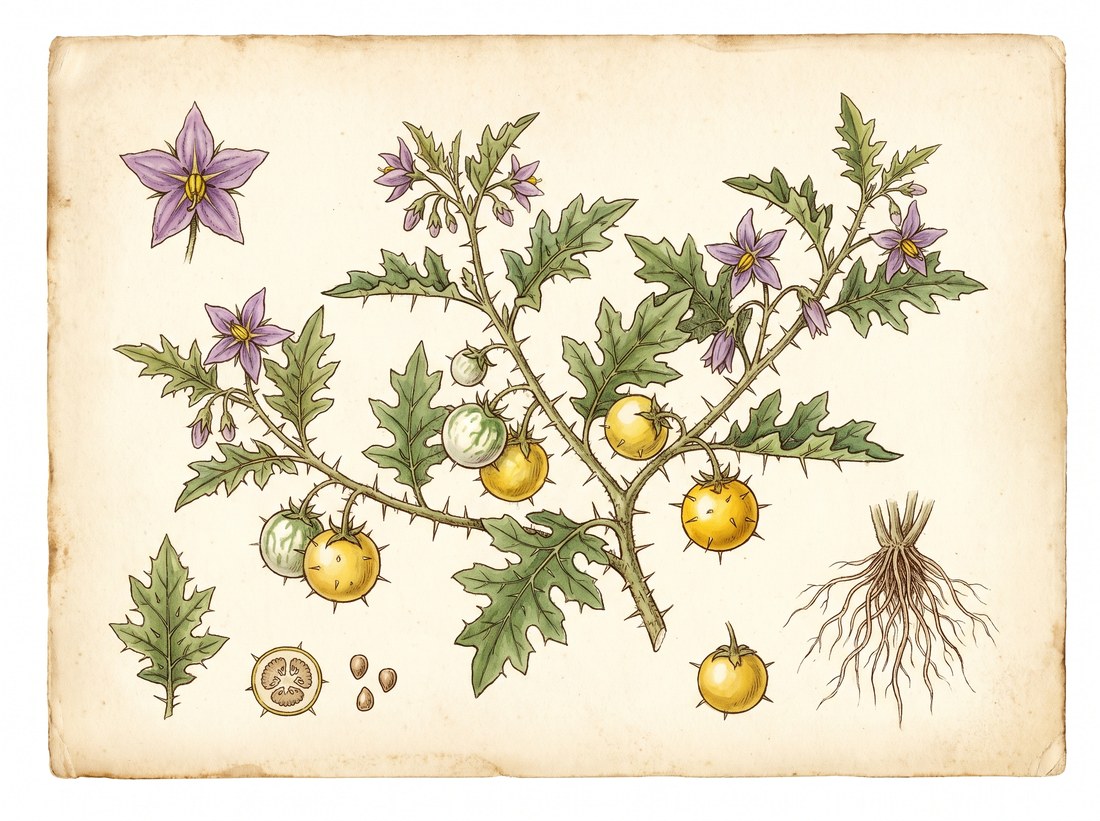 Yellow-berried nightshadeSolanum xanthocarpum
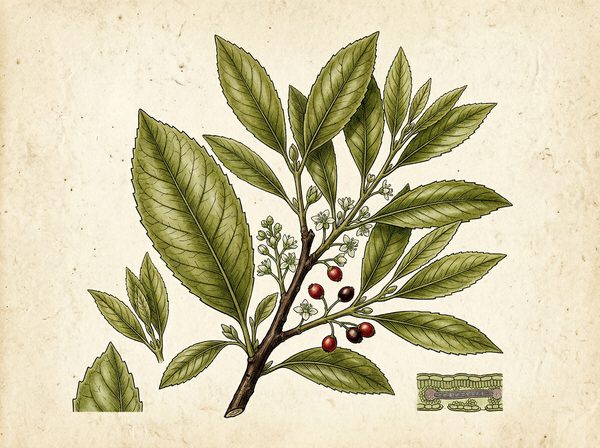 Yerba MateIlex paraguariensis
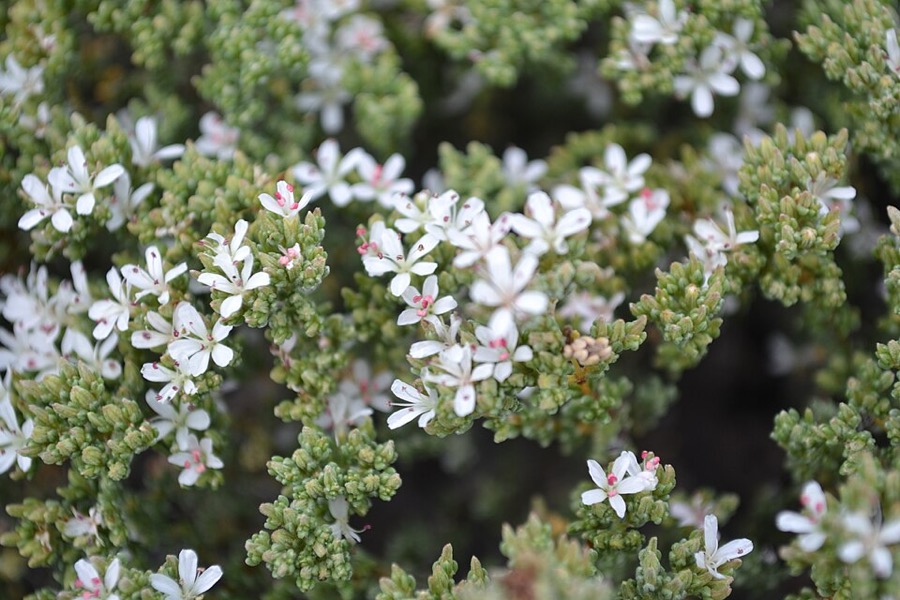 Yerba ReumaFrankenia
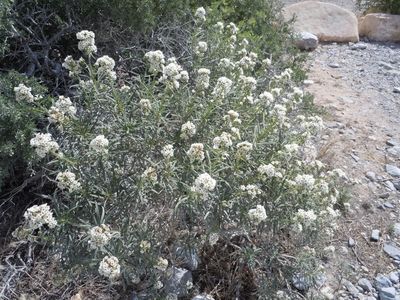 Yerba santaEriodictyon californicum
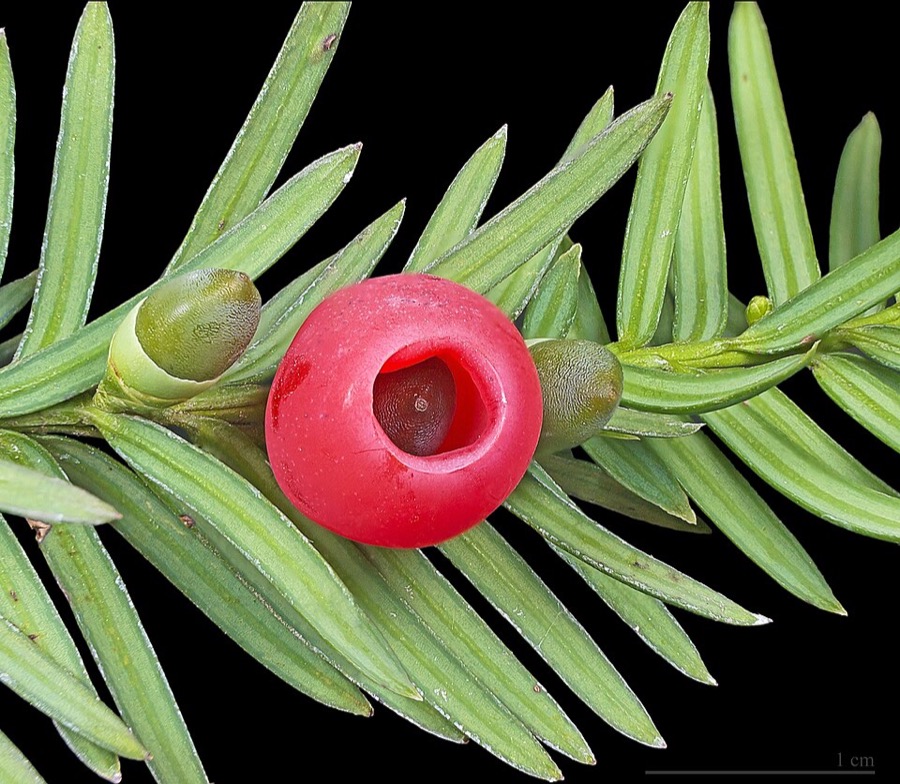 YewTaxus baccata
The whole plate is in the library. The compass, Compare, the Sky of eleven hundred plants and the formulary open with an email address and a password, free, with the formula builder and its safety engine. Herbert without limit, his formulating, clients, the handouts and the labels are the paid room.
Open the library, free