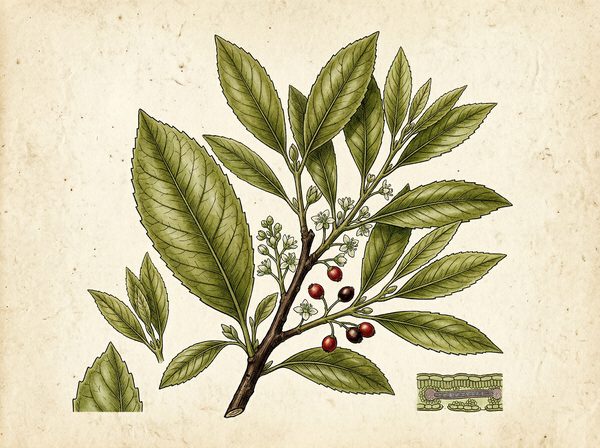
Western Herbalism
Yerba Mate
Ilex paraguariensis
Also known as Mate, Ilex, Jesuit's Brazil Tea, Paraguay Tea, St Bartholomew's Tea, Yerba Maté.
Traditional South American infusion for fatigue and urinary support (Community) recognizes traditional use only Contains PAHs from processing - select low-PAH products Very hot consumption associated with esophageal cancer risk especially with smoking/alcohol (Yerba Mate) Moderate caffeine source - avoid bedtime
Ask Herbert about Yerba Mate. Herbert is the master herbalist inside Bountiful Herbs: he answers from this plate and eleven hundred others, with dosing, pairing and cautions. Your first ten questions are free.
Ask HerbertActions
Indications what the tradition reached for it in
- Rheumatic pain
- Headaches associated with fatigue
- Mental and physical tiredness
- Minor urinary complaints
- Urinary tract flushing
- Sensation of weakness
- Poor concentration
- Nervous depression
- Symptoms of fatigue
- Bleeding
- Debility
- Depression
- Diarrhea
- Edema
- Fatigue
- Fluid retention
- Inflammation
- Pain
- Loss of appetite
- Dyspepsia
- Urinary disorders
- Weakness
- Lethargy
- Oxidative stress
- Rheumatism
- Arthritis
- Excessive discharge
- Psychogenic headache
- Rheumatic pains
- Specifically for headache associated with fatigue
Safety
Pregnancy: Not safe. Not for use in pregnancy (our record's flag)
Pregnancy, our record's flag: Caution. Use with care in pregnancy (our record's flag)
Pregnancy, a modern clinical reference: In view of this, excessive consumption of maté during pregnancy should be avoided; Caffeine is excreted in breast milk, but at concentrations too low to represent a hazard to breastfed infants; As with all xanthine-containing beverages, excessive consumption of maté by breastfeeding mothers should be avoided
Breastfeeding: Not safe. Not for use while breastfeeding (our record's flag)
The record lists 9 contraindications; open the plate in the library to read them in full.
Dosing as the sources wrote it
| Preparation | As written | Metric |
|---|---|---|
| Herbal tea | Herbal tea (comminuted leaf infusion 65-80°C water): 2-4 g (equiv 1 g substance) 3x/day for fatigue | |
| 2.5-5 g (equiv 2.5 g substance) 1-2x/day for urinary aid (Community) | ||
| Tincture | Tincture (1:5): up to 10 mL/day ( | |
| Dried leaf 2-4 g as an infusion three times daily | 2000-4000 mg | |
| Liquid extract 2-4 mL (1 : 1 in 25% alcohol) three times daily. | 2-4 mL |
Doses are reproduced from the sources for practitioners and are not a recommendation for any person.
From the sources
Clinical Notes. Traditional South American infusion for fatigue and urinary support (Community) recognizes traditional use only Contains PAHs from processing - select low-PAH products Very hot consumption associated with esophageal cancer risk especially with smoking/alcohol (Yerba Mate) Moderate caffeine source - avoid bedtime
primary-actions. Yerba Mate acts primarily as: Stimulant, Antidepressant, Diuretic. Secondary actions include Antioxidant, Anti-inflammatory, Antirheumatic, Analgesic, Astringent, Bitter tonic.
indications. Yerba Mate is traditionally indicated for: Rheumatic pain, Headaches associated with fatigue, Mental and physical tiredness, Minor urinary complaints, Urinary tract flushing, Sensation of weakness, Poor concentration, Nervous depression, Symptoms of fatigue, Bleeding, Debility, Depression, Diarrhea, Edema, Fatigue, and 12 further conditions.
constituents. Notable constituents of Yerba Mate include: Purine alkaloids (caffeine 1-2%, theobromine 0.3-0.9%, theophylline trace), Polyphenols (chlorogenic acid, caffeoylquinic acids, rutin, quercetin glycosides), Saponins (matesaponins 1-5, ursolic acid derivatives), Minerals (potassium, calcium, magnesium (and others).
Nearby on the shelf
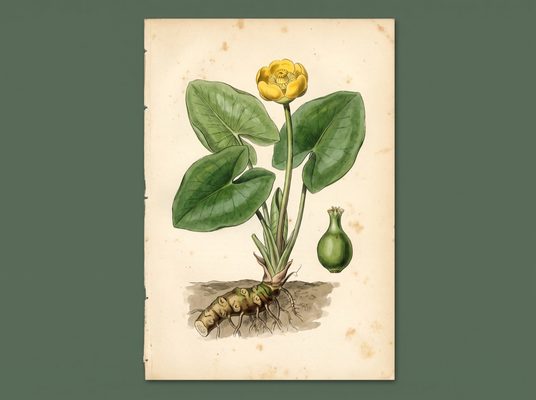 Yellow pond lilyNuphar lutea
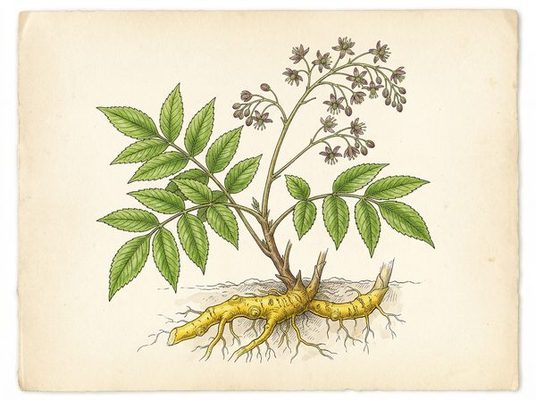 Yellow RootXanthorhiza simplicissima
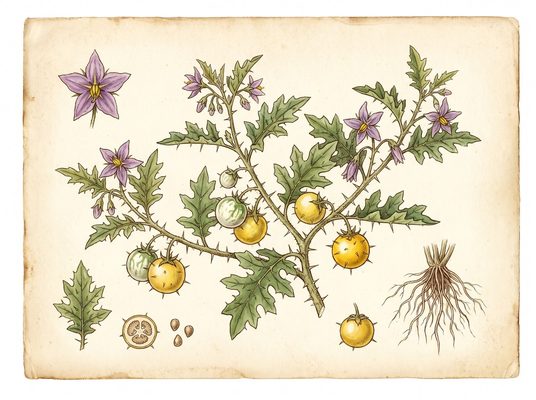 Yellow-berried nightshadeSolanum xanthocarpum
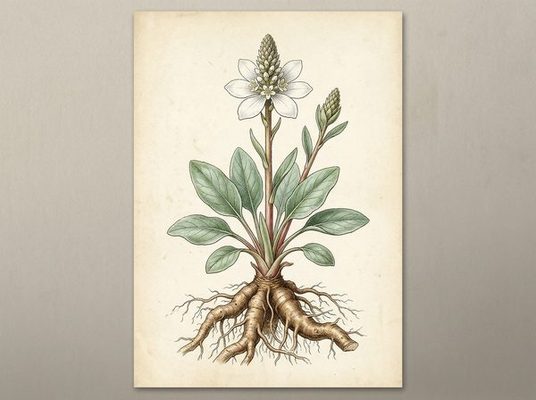 Yerba MansaAnemopsis californica
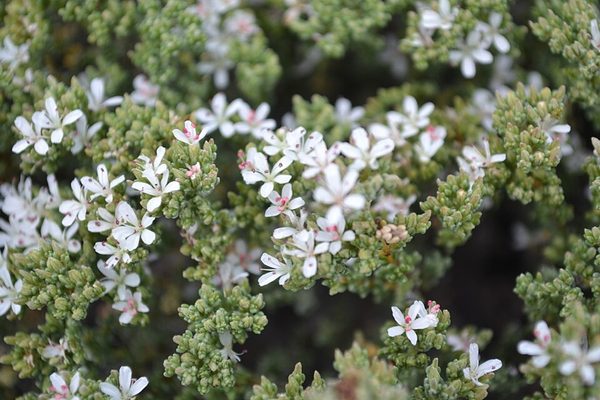 Yerba ReumaFrankenia salina
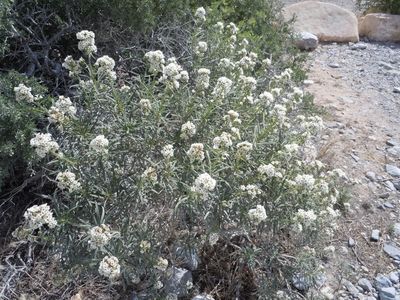 Yerba santaEriodictyon californicum
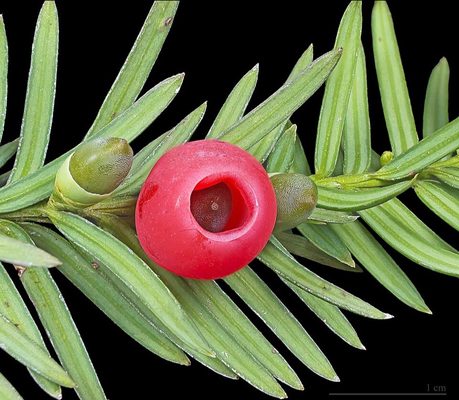 YewTaxus baccata
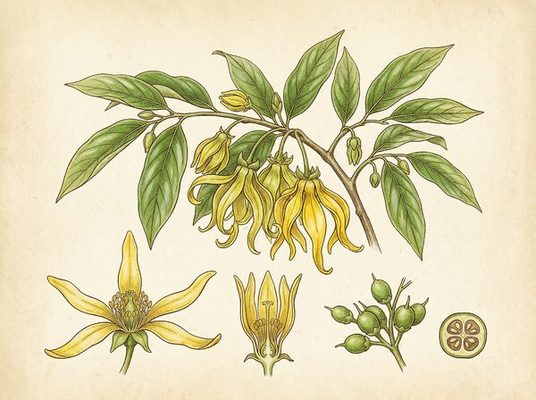 Ylang YlangCananga odorata
The whole plate is in the library. The compass, Compare, the Sky of eleven hundred plants and the formulary open with an email address and a password, free, with the formula builder and its safety engine. Herbert in full, his formulating, clients, the handouts and the labels are the paid room.
Open the library, free