Western Herbalism
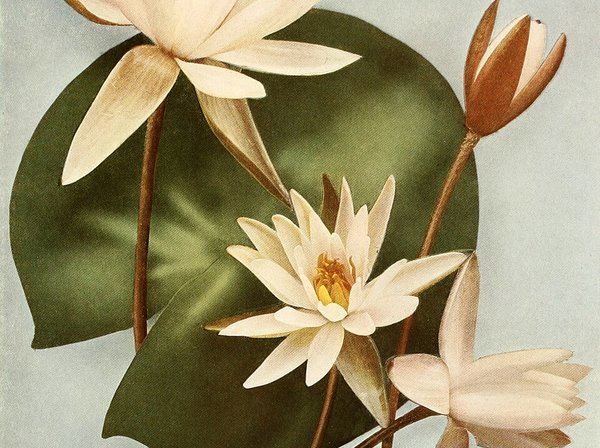
White Pond Lily
Nymphaea odorata
Also known as Fragrant Water Lily, Sweet-scented Water Lily, White Water Lily, Water-lily, Sweet pond-lily, Pond-lily, Water nymph, Water cabbage.
White pond-lily is a native North American aquatic perennial found rooted in the mud of ponds and slow streams from Canada to the southeastern United States, recognized by its large floating round leaves and fragrant white blossoms. The thick, fleshy rhizome is the part used medicinally. It holds a place in the nineteenth century physiomedicalist and Eclectic materia medica as a cooling, tightening remedy for relaxed, discharging mucous membranes, valued for both internal and topical use.

Ask Herbert about White Pond Lily. Herbert is the master herbalist inside Bountiful Herbs: he answers from this plate and eleven hundred others, with dosing, pairing and cautions. Your first ten questions are free.
Ask HerbertActions
Indications what the tradition reached for it in
- Diarrhea and dysentery (astringent demulcent)
- Leukorrhea and vaginal discharge (internal and as a douche)
- Relaxed, irritated or inflamed mucous membranes
- Sore throat and mouth ulcers (gargle)
- Inflamed or boggy uterine and vaginal tissues
- Boils, ulcers and inflamed skin (topical poultice)
- Irritable bladder
- Leucorrhea
- Vaginal discharge with tissue laxity
- Chronic diarrhea with mucous stool
- Dysentery
- Mouth ulcers and sore gums
- Sore throat with relaxed, boggy tissue
- Skin ulcers and slow-healing sores (topical)
- Boils and abscesses (poultice)
- Excessive or prolonged menstrual bleeding
- Uterine prolapse with relaxed tissue (adjunct topical support)
Safety
The record lists 4 contraindications; open the plate in the library to read them in full.
Dosing as the sources wrote it
| Preparation | As written | Metric |
|---|---|---|
| Dried root decoction | Dried root decoction: 3-9 g/day | 3000-9000 mg |
| Tincture (1:5) | Tincture (1:5): 2-4 ml three times daily | 2-4 mL |
| A tincture may be prepared from the root (℥viii), and alcohol, 76 per cent (Oj), the dose of which ranges from 1 to 10 drops. | 0.02-0.2 mL | |
| powdered root | The dose of the powdered root is ½ drachm in milk or sweetened water; but one of its best forms of administration is the infusion made by macerating for 30 minutes 1 ounce of the coarsely powdered root in a pint of boiling water, of which from 2 to 4 fluid ounces may be given 3 or 4 times a day. | 1944 mg |
| The dose, of a strong tincture of the fresh root, is a fraction of a drop every 3 or 4 hours. | ||
| Decoction (internal) | 2-4 g dried rhizome three times daily | 2000-4000 mg |
Doses are reproduced from the sources for practitioners and are not a recommendation for any person.
From the sources
Overview. White pond-lily is a native North American aquatic perennial found rooted in the mud of ponds and slow streams from Canada to the southeastern United States, recognized by its large floating round leaves and fragrant white blossoms. The thick, fleshy rhizome is the part used medicinally. It holds a place in the nineteenth century physiomedicalist and Eclectic materia medica as a cooling, tightening remedy for relaxed, discharging mucous membranes, valued for both internal and topical use.
Clinical Notes. In the physiomedicalist framework, white pond-lily rhizome was classed among the astringent relaxant remedies, reached for when tissue was lax, boggy, and discharging rather than acutely hot or inflamed.
Properties and Uses. These roots are mildly and very pleasantly astringent, slightly stimulating, leaving behind a tonic impression, and with just enough mucilage to make their action rather soothing. The yellow is rather more stimulating than the white.
primary-actions. White Pond Lily acts primarily as: Astringent, Demulcent, Anti-inflammatory, Antiseptic, Vulnerary, Mucous-membrane tonic. Secondary actions include Astringe and soothe mucous membranes, Cool and tone relaxed tissues, Reduce discharge and inflammation, Heal locally.
Drawn from Cook's Physio-Medical Dispensatory; Scudder's Specific Medication and Specific Medicines; King's American Dispensatory, 18th edition (Felter and Lloyd), and the Bountiful Herbs editorial.
Nearby on the shelf
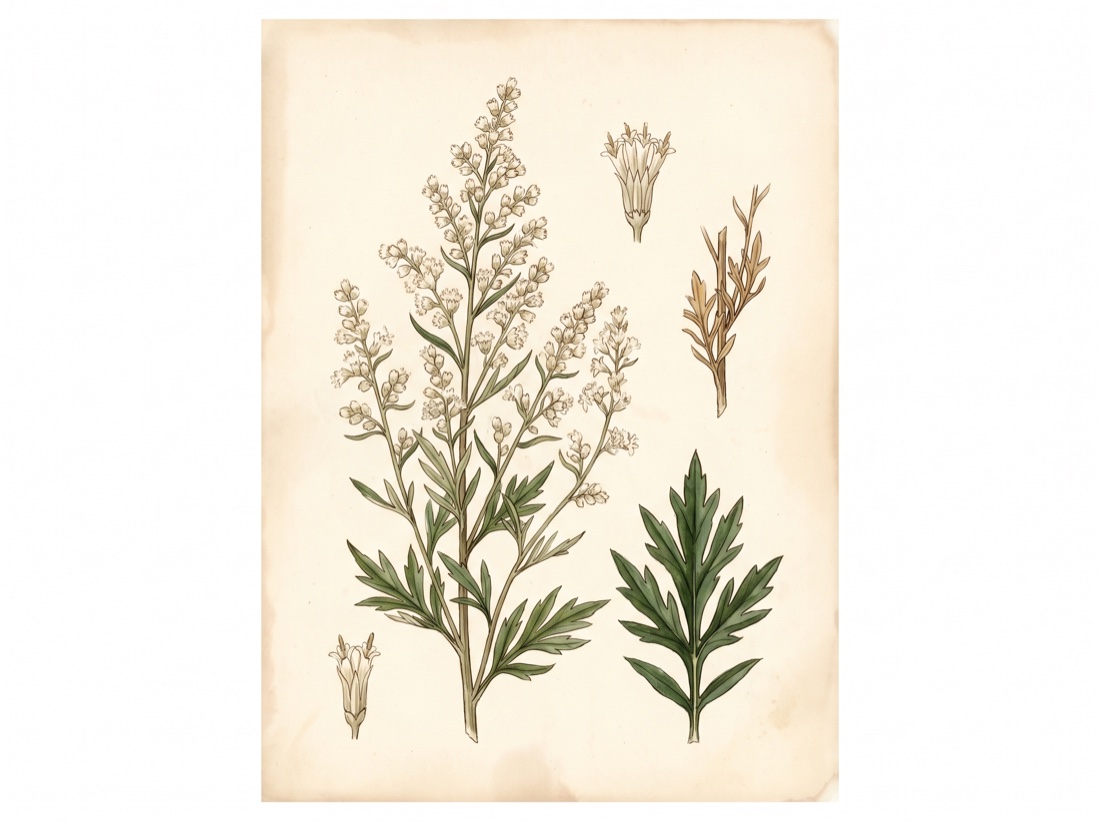 White mugwortArtemisia lactiflora
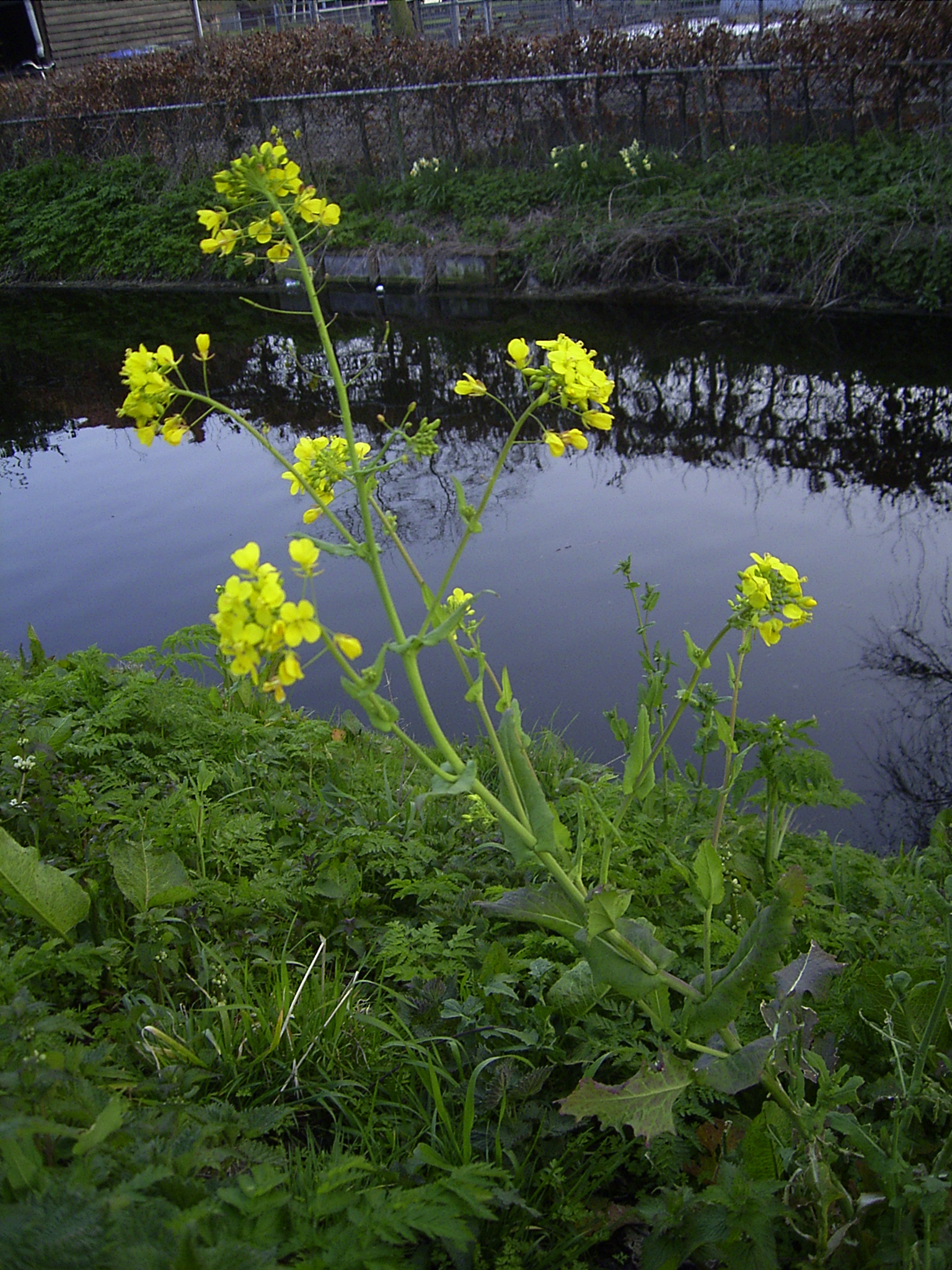 White mustardBrassica alba
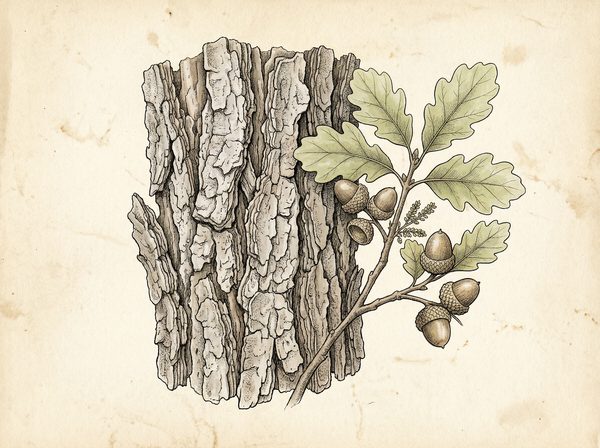 White Oak BarkQuercus alba
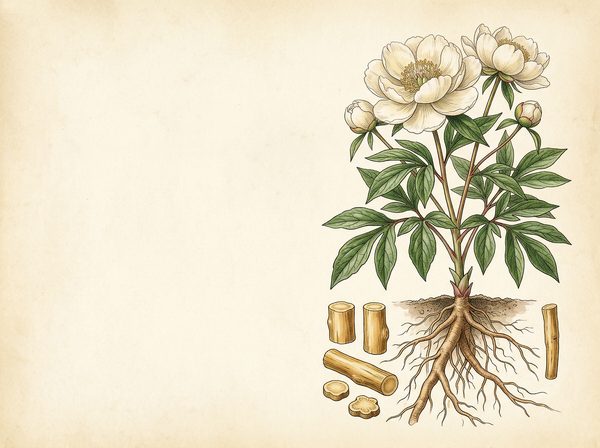 White PeonyPaeonia lactiflora
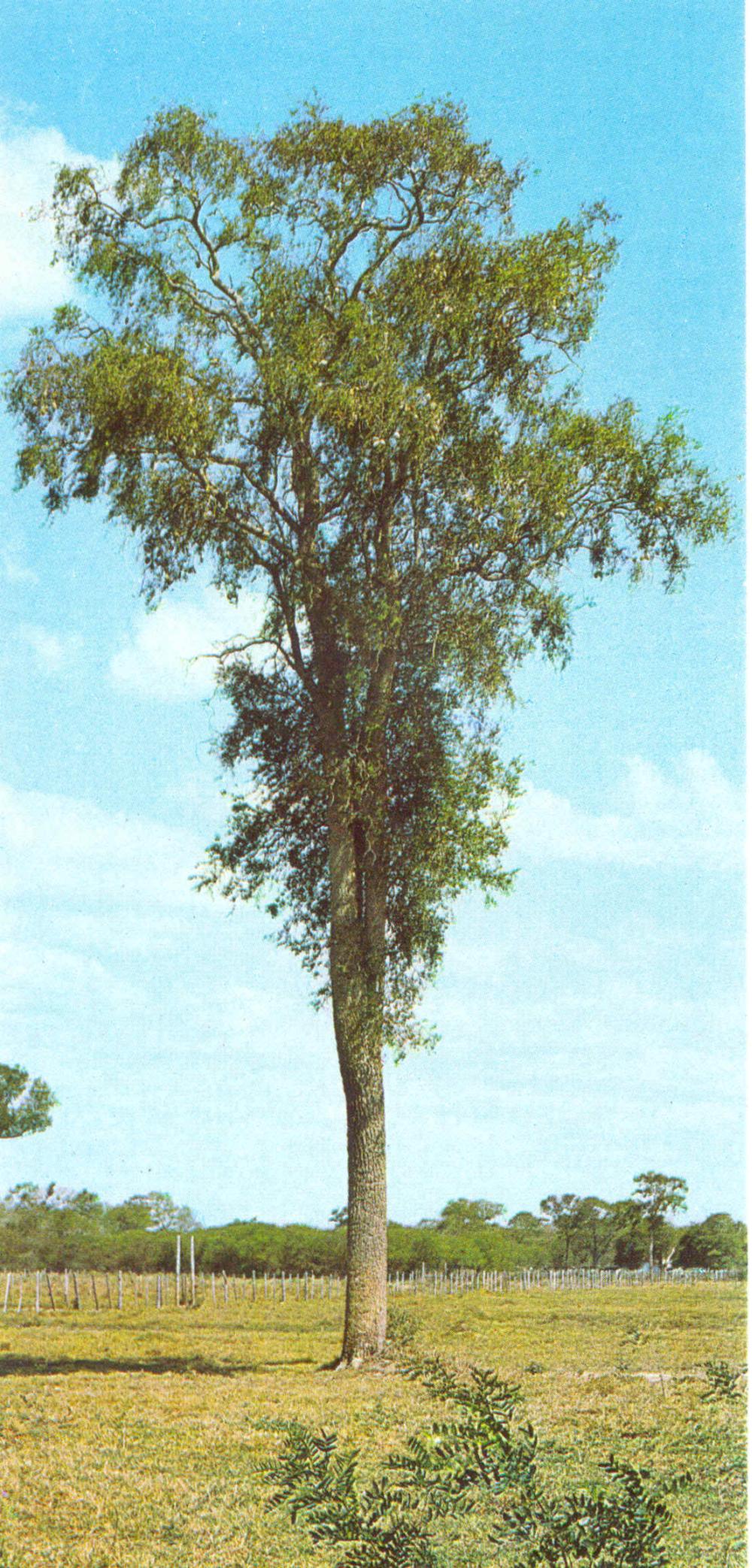 White quebrachoAspidosperma quebracho-blanco
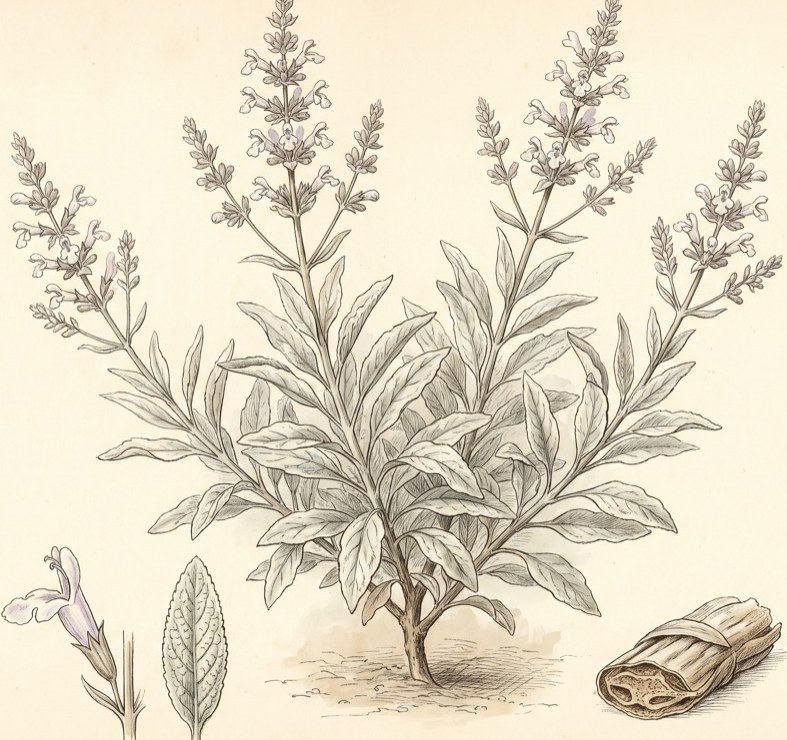 White SageSalvia apiana
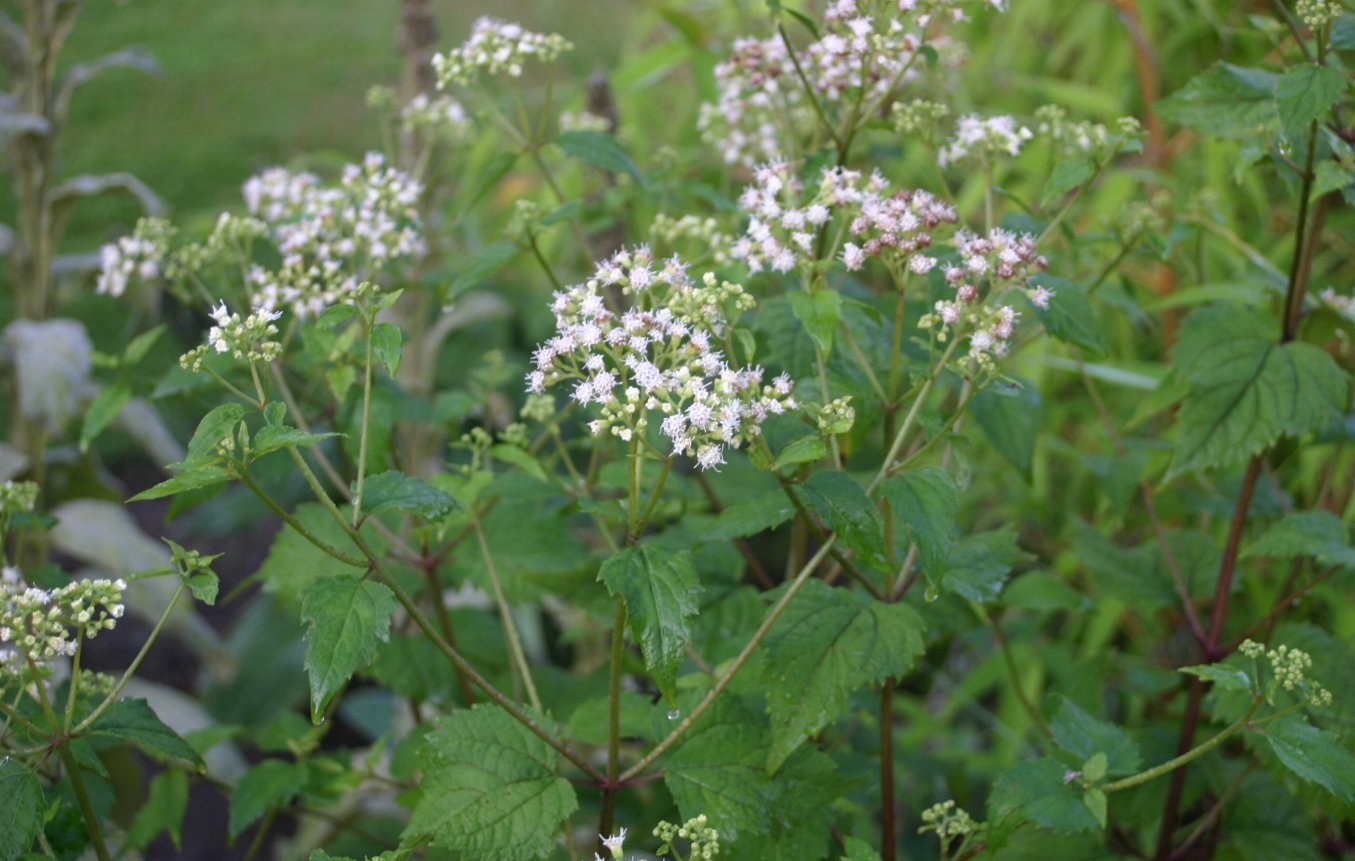 White snakerootEupatorium ageratoides
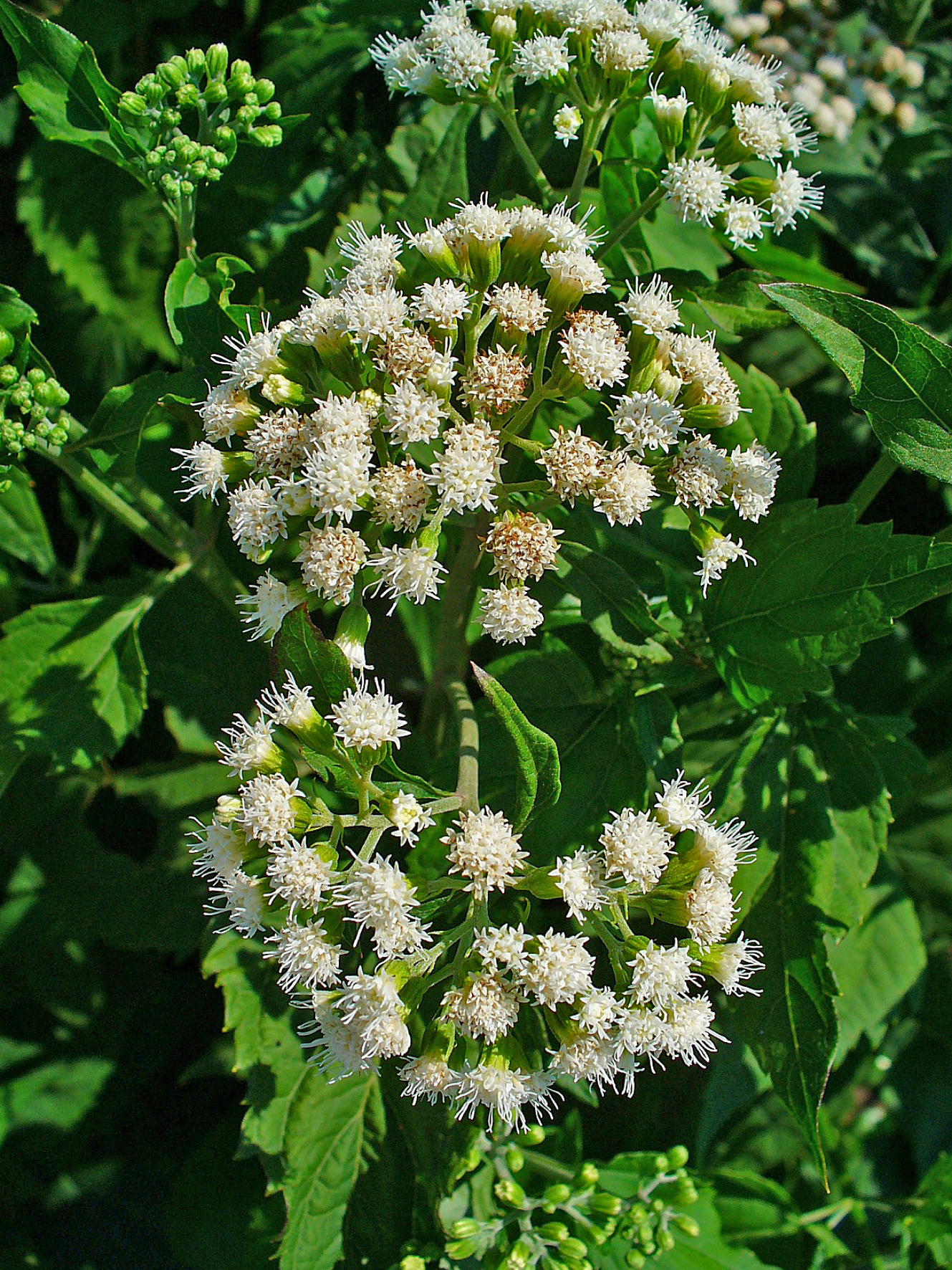 White snakerootEupatorium Aromaticum
The whole plate is in the library. The compass, Compare, the Sky of eleven hundred plants and the formulary open with an email address and a password, free, with the formula builder and its safety engine. Herbert without limit, his formulating, clients, the handouts and the labels are the paid room.
Open the library, free