Chinese Herbalism
White mugwort
Artemisia lactiflora
Also known as ghost plant, Guangdong liu ji nu, duck's foot mugwort, bái bāo hāo, yā jiǎo ài, guǎng dōng liú jì nú.
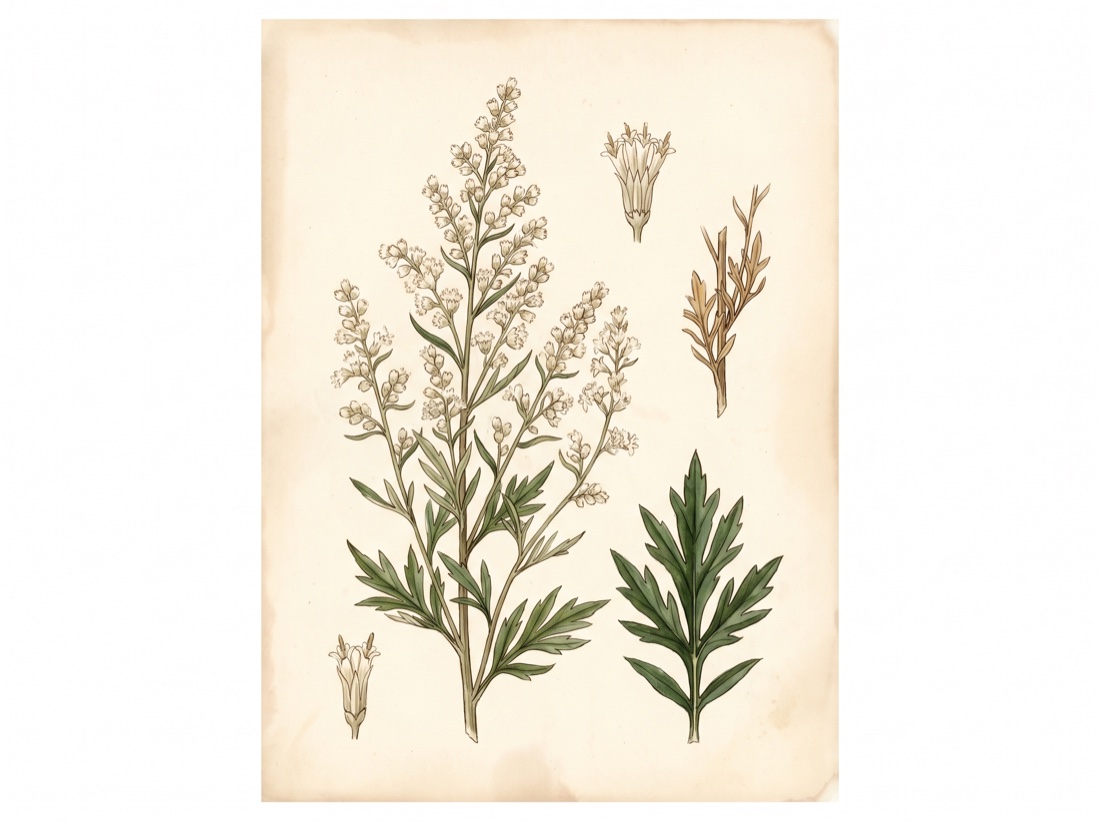
White mugwort is a tall, clump-forming Artemisia of the moist hills of southern and central China and northern Southeast Asia, with dark green divided leaves and plumes of small creamy flowers in late summer; it is also grown in Western gardens as an ornamental. The whole aerial plant is used. In southern China it is a folk and regional medicine known as bai bao hao or Guangdong liu ji nu, where it stands in for the classical blood-moving herb liu ji nu, and in Guangdong, Guangxi, Thailand and Vietnam the tender shoots are eaten as a vegetable and simmered in soups for women after childbirth.

Ask Herbert about White mugwort. Herbert is the master herbalist inside Bountiful Herbs: he answers from this plate and eleven hundred others, with dosing, pairing and cautions. Your first ten questions are free.
Ask HerbertActions
Indications what the tradition reached for it in
- Irregular menstruation from blood stasis
- Amenorrhea with abdominal pain
- Dysmenorrhea with clots
- Postpartum abdominal pain and retained lochia
- Traumatic injury, bruising and sprains
- Poor appetite and abdominal distension
- Hepatitis and jaundice with damp-heat (southern folk use)
- Edema and scanty urination (folk use)
- Menopausal complaints (southern folk use, as a soup vegetable)
Specific indications
Dark, clotted, painful periods or a period that has stopped after a shock or chill, with a purplish tongue.
Postpartum lower abdominal pain with scanty dark lochia where a gentle blood mover that can be taken as food is wanted.
Safety
The record lists 7 contraindications; open the plate in the library to read them in full.
In practice
This is a mild, food-grade blood mover with a gynecological focus. Use it in the way southern Chinese practice does: decocted for stagnant, painful or absent periods and for postpartum pain with scanty lochia, often combined with dang gui, chuan xiong and yi mu cao, and as a fresh or dried herb simmered with chicken or pork in a postpartum soup.
In Chinese medicine
Temperature: neutral to slightly warm. Taste: bitter, slightly acrid, sweet. Channels: Liver, Spleen. Actions: Invigorates blood and dispels stasis; Regulates menstruation and relieves pain; Reduces swelling and promotes healing of traumatic injury; Clears damp-heat and mildly drains dampness; Harmonizes the middle and stimulates appetite when eaten as a vegetable.
Dosing as the sources wrote it
| Preparation | As written | Metric |
|---|---|---|
| Decoction | 9-15 g dried aerial parts daily | 9000-15000 mg |
| Decoction (fresh herb) | 30-60 g fresh aerial parts daily | 30000-60000 mg |
| External | fresh crushed leaf as poultice or strong decoction as wash applied as needed |
Doses are reproduced from the sources for practitioners and are not a recommendation for any person.
From the sources
Overview. White mugwort is a tall, clump-forming Artemisia of the moist hills of southern and central China and northern Southeast Asia, with dark green divided leaves and plumes of small creamy flowers in late summer; it is also grown in Western gardens as an ornamental. The whole aerial plant is used. In southern China it is a folk and regional medicine known as bai bao hao or Guangdong liu ji nu, where it stands in for the classical blood-moving herb liu ji nu, and in Guangdong, Guangxi, Thailand and Vietnam the tender shoots are eaten as a vegetable and simmered in soups for women after childbirth.
Clinical Notes. This is a mild, food-grade blood mover with a gynecological focus. Use it in the way southern Chinese practice does: decocted for stagnant, painful or absent periods and for postpartum pain with scanty lochia, often combined with dang gui, chuan xiong and yi mu cao, and as a fresh or dried herb simmered with chicken or pork in a postpartum soup.
Chinese Medicine Profile. Temperature: neutral to slightly warm. Taste: bitter, slightly acrid, sweet. Channels: Liver, Spleen. Actions: Invigorates blood and dispels stasis; Regulates menstruation and relieves pain; Reduces swelling and promotes healing of traumatic injury; Clears damp-heat and mildly drains dampness; Harmonizes the middle and stimulates appetite when eaten as a vegetable.
Nearby on the shelf
 White cohoshActaea Alba
 White figFicus lacor
 White HorehoundMarrubium vulgare
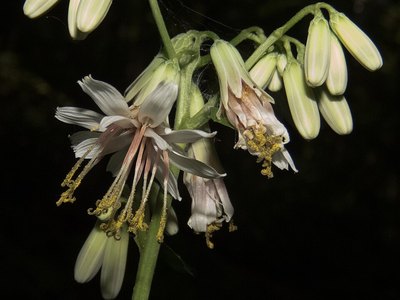 White LettuceNabalus Albus
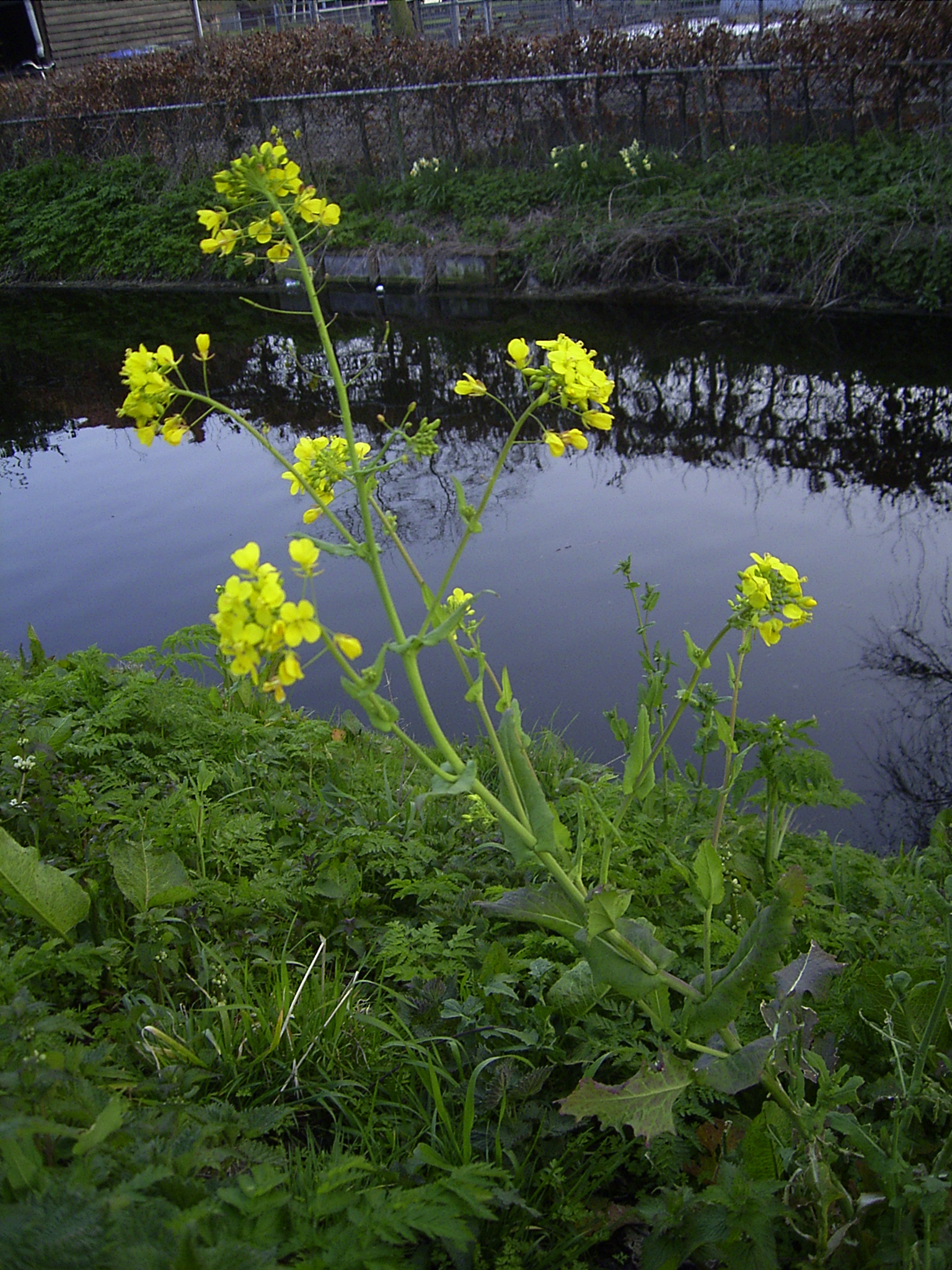 White mustardBrassica alba
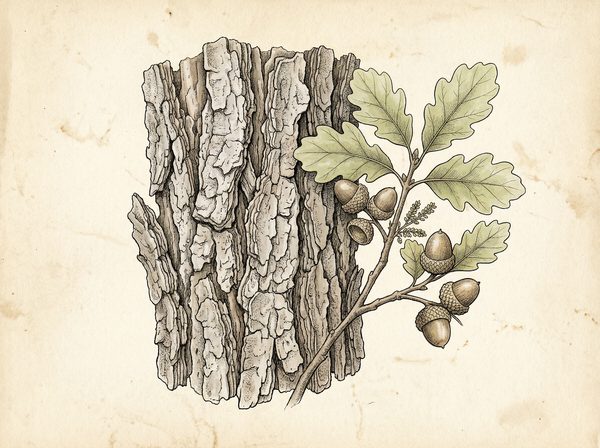 White Oak BarkQuercus alba
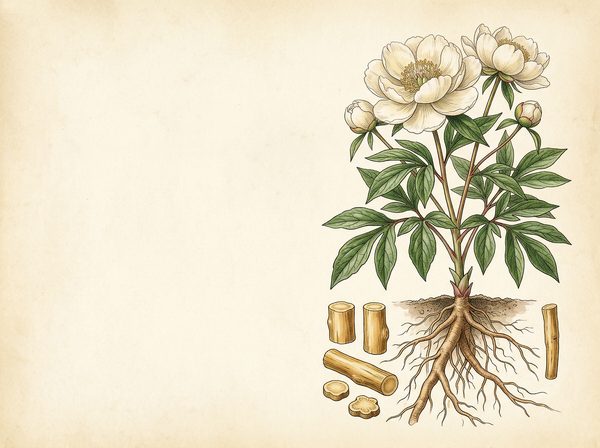 White PeonyPaeonia lactiflora
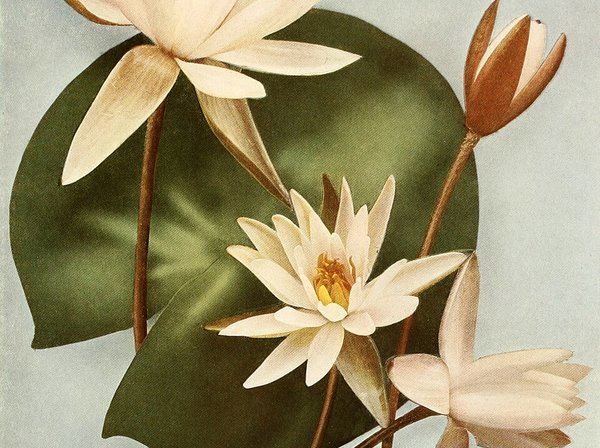 White Pond LilyNymphaea odorata
The whole plate is in the library. The compass, Compare, the Sky of eleven hundred plants and the formulary open with an email address and a password, free, with the formula builder and its safety engine. Herbert without limit, his formulating, clients, the handouts and the labels are the paid room.
Open the library, free