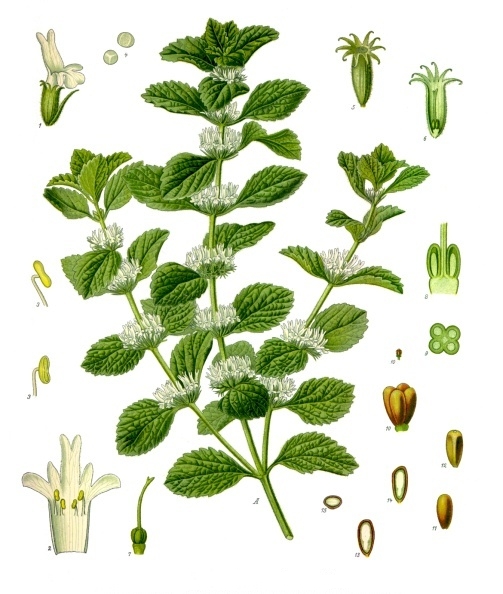
Western Herbalism
White Horehound
Marrubium vulgare
Also known as Horehound, Hoarhound, Common Horehound, Common Hoarhound, Marrubium, lozenges, syrup, tea.
Traditional use for ≥30 years Ph. Eur. standardized to ≥0.7% marrubiin Bitter taste masked with honey Synergistic with Elecampane (Inula helenium) Risk of adulteration with Ballota nigra For adults/adolescents >12 years Consult MD if symptoms persist >1-2 weeks or for biliary/peptic issues HMPC Assessment

Ask Herbert about White Horehound. Herbert is the master herbalist inside Bountiful Herbs: he answers from this plate and eleven hundred others, with dosing, pairing and cautions. Your first ten questions are free.
Ask HerbertActions
Indications what the tradition reached for it in
- Dyspepsia (mild, bloating, flatulence)
- Hysteria
- Catarrh
- Loss of appetite
- Hoarseness
- Indigestion
- Bronchitis
- Colds
- Jaundice
- Chronic pulmonary affections
- Asthma
- Cough (cold-associated, dry unproductive)
- Whooping cough
- Colic
- Cough
- Cramps
- Debility
- Edema
- Fatigue
- Fluid retention
- Inflammation
- Intestinal worms
- Muscle spasms
- Parasites
- Respiratory congestion
- Dyspepsia
- Urinary disorders
- Weakness
- Wounds
- Digestive complaints
Specific indications
Chronic irritation of the bronchial membrane with cough and catarrh.
Safety
Pregnancy: Not safe. Not for use in pregnancy (our record's flag)
Pregnancy, our record's flag: Caution. Use with care in pregnancy (our record's flag)
Pregnancy, a modern clinical reference: White horehound is reputed to be an abortifacient and to affect the menstrual cycle; Uterine stimulant activity in animals has been documented; In view of this and the lack of safety data, the use of white horehound during pregnancy and lactation should be avoided
Pregnancy, published rating: Caution. No increase in harm from limited human use, but animal studies show fetal damage of uncertain relevance (Mills & Bone B3)
Breastfeeding: Not safe. Not for use while breastfeeding (our record's flag)
Breastfeeding, a modern clinical reference: In view of this and the lack of safety data, the use of white horehound during pregnancy and lactation should be avoided
Breastfeeding, published rating: No concern. Compatible with breastfeeding (Mills & Bone C)
The record lists 9 contraindications; open the plate in the library to read them in full.
Dosing as the sources wrote it
| Preparation | As written | Metric |
|---|---|---|
| Powdered herb | 225-450mg TID (daily 0.675-1.35g) | |
| Tincture (1:5, 25% EtOH) | 3-6ml TID | 3-6 mL |
| Fluid extract (1:1, 20% EtOH) | 1-2ml TID | 1-2 mL |
| Liquid extract (1:0.9-1.1, 20-30% EtOH) | 1.5-4ml TID | |
| Expressed juice (DER 1:0.7-0.9) | 10-20ml TID | |
| Syrup | 2-4ml | 2-4 mL |
Doses are reproduced from the sources for practitioners and are not a recommendation for any person.
From the sources
Clinical Notes. Traditional use for ≥30 years Ph. Eur. standardized to ≥0.7% marrubiin Bitter taste masked with honey Synergistic with Elecampane (Inula helenium) Risk of adulteration with Ballota nigra For adults/adolescents >12 years Consult MD if symptoms persist >1-2 weeks or for biliary/peptic issues HMPC Assessment
Clinical Notes. Traditional use supported by /ESCOP for cough/expectorant and mild dyspepsia Duration limited to 1-2 weeks Consult doctor for persistent symptoms or gallstones ESCOP
Action and Therapy. Hoarhound is a stimulating expectorant and tonic, and is adapted to both acute and chronic irritation of the larynx and bronchial tract, and gives added power to respiration. In small doses it is a gastric tonic of considerable value, but given too freely it will act as an emetic and cathartic.
Properties and Uses. This herb is stimulating and relaxant, acting rather diffusively, but leaving behind a permanent impression which is somewhat tonic and astringent. The skin and mucous membranes are chiefly affected by it; and it is a longtime family remedy in recent colds and catarrhal coughs.
Drawn from Cook's Physio-Medical Dispensatory; Scudder's Specific Medication and Specific Medicines; King's American Dispensatory, 18th edition (Felter and Lloyd); Felter's Eclectic Materia Medica, Pharmacology and Therapeutics, and the Bountiful Herbs editorial.
In formulas
White Horehound stands in 3 documented formulas in the library, among them Syrupus Marrubii Compositus, Compound Syrup of Hoarhound.
Often paired with
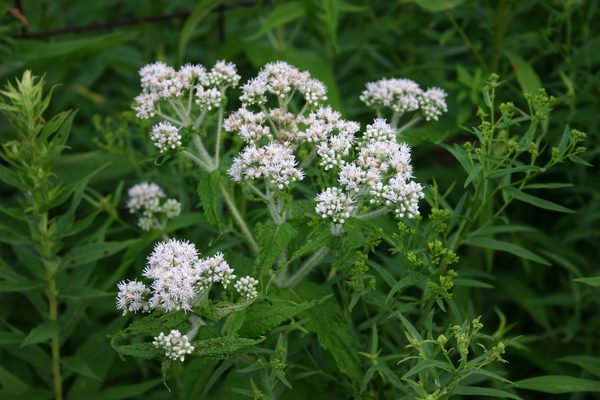 BonesetEupatorium perfoliatum
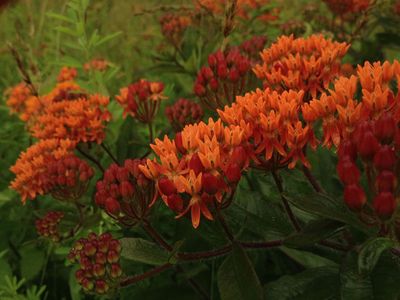 Pleurisy rootAsclepias tuberosa
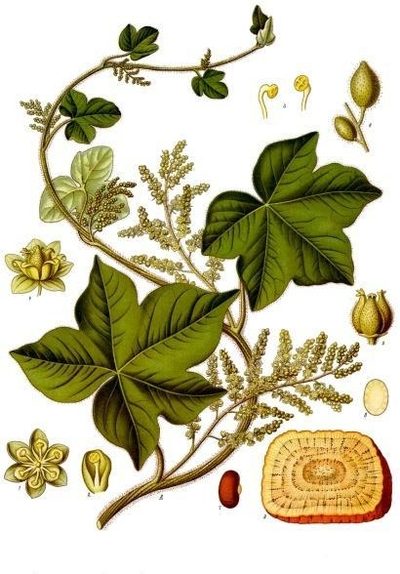 CalumbaJateorrhiza palmata
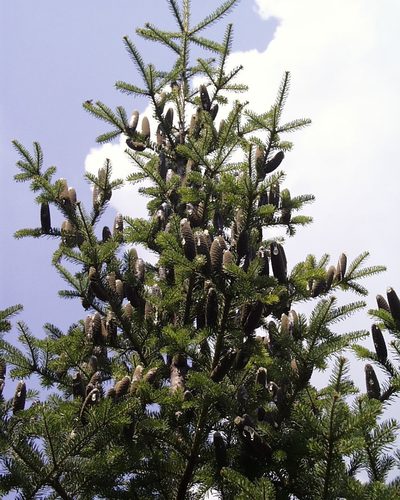 Balsam firAbies balsamea
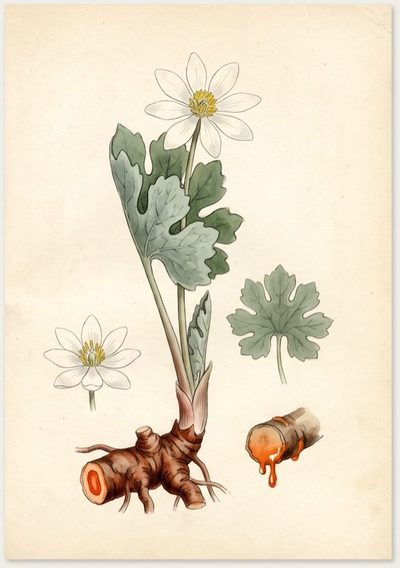 BloodrootSanguinaria canadensis
Nearby on the shelf
 White bryonyBryonia alba
 White cohoshActaea pachypoda
 White figFicus lacor
 White HelleboreVeratrum album
 White LettucePrenanthes alba
 White mugwortArtemisia lactiflora
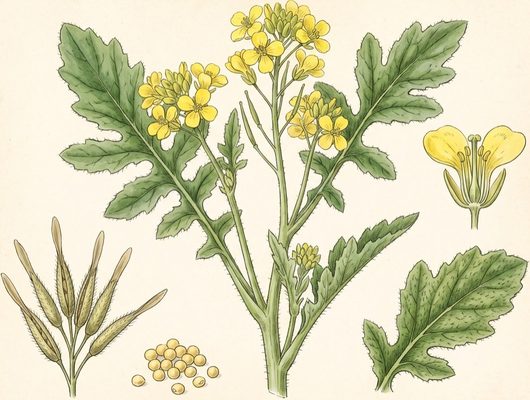 White mustardBrassica alba
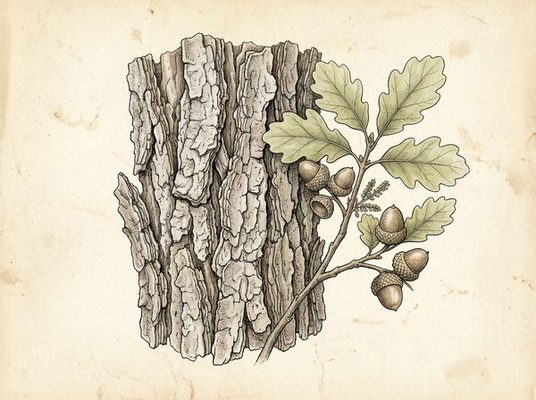 White Oak BarkQuercus alba
The whole plate is in the library. The compass, Compare, the Sky of eleven hundred plants and the formulary open with an email address and a password, free, with the formula builder and its safety engine. Herbert in full, his formulating, clients, the handouts and the labels are the paid room.
Open the library, free