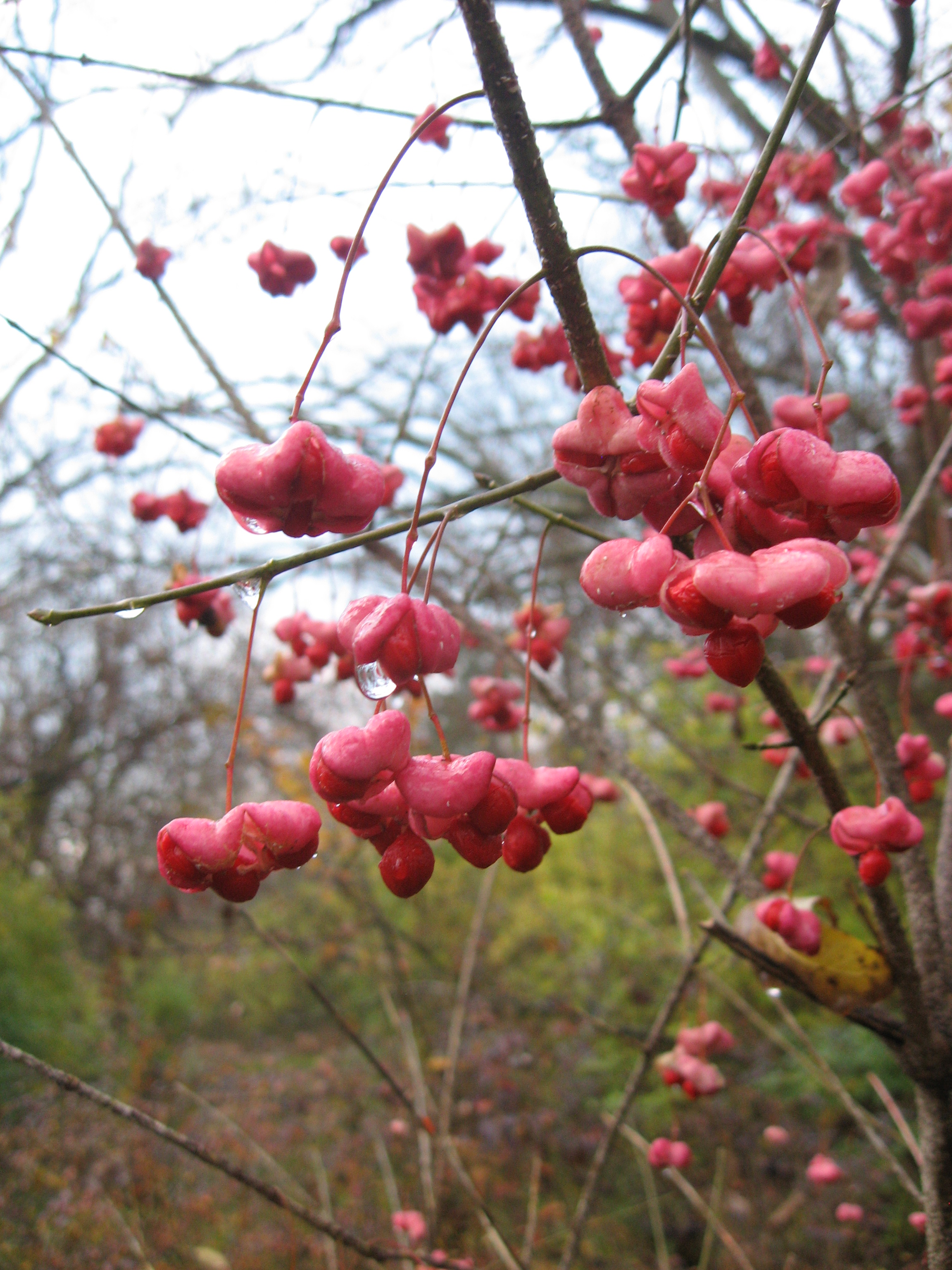
Western Herbalism
Wahoo
Euonymus atropurpureus
Also known as Eastern Wahoo, Spindle tree, Indian arrow-wood, Euonymus, Burning Bush.
Used in traditional Native American and Eclectic medicine Root/stem bark preferred (trunk bark more toxic) Digitalis-like cardiac effects No modern clinical trials Leaves and fruit poisonous

Ask Herbert about Wahoo. Herbert is the master herbalist inside Bountiful Herbs: he answers from this plate and eleven hundred others, with dosing, pairing and cautions. Your first ten questions are free.
Ask HerbertActions
Indications what the tradition reached for it in
- Liver disease
- Liver congestion
- Uterine prolapse
- Night sweats
- Fever aftermath
- Pulmonary phthisis
- Weakness
- Enlargement of liver
- Biliousness
- Loss of appetite
- Gallstones pain/congestion
- Malaria
- Chronic bronchitis
- Heart conditions
- Gallbladder inflammation
- Dyspepsia
- Nausea
- Painful urination
- Hematemesis
- Abdominal bloating
- Gas
- Skin eruptions
- Eczema
- Stomach pain
- Jaundice
- Facial sores
- Dandruff
- Dropsical affections
- Constipation (hepatic origin)
- Indigestion
Safety
Low dose botanical. Used in drop doses in the classical practice; not a plant to dose freely.
Pregnancy: Pregnancy Caution
Breastfeeding: Lactation (source flag notSafeInLactation)
The record lists 2 contraindications; open the plate in the library to read them in full.
Dosing as the sources wrote it
| Preparation | As written | Metric |
|---|---|---|
| Dried root bark | Dried root bark 0.3-1g or decoction thrice daily | 300-1000 mg |
| Liquid extract | Liquid extract 1:1 in 45% alcohol 0.3-1ml thrice daily | 0.3-1 mL |
| Tincture BPC | Tincture BPC 0.6-2.6ml thrice daily | 0.6-2.6 mL |
| Fluid extract | Fluid extract 1-3 drams | 3888-11664 mg |
| Dried extract | Dried extract 1-3 grains | 64.8-194 mg |
| Specific medicine | Specific medicine 5-30 minims | 0.31-1.85 mL |
Doses are reproduced from the sources for practitioners and are not a recommendation for any person.
From the sources
Clinical Notes. Used in traditional Native American and Eclectic medicine Root/stem bark preferred (trunk bark more toxic) Digitalis-like cardiac effects No modern clinical trials Leaves and fruit poisonous
Action and Therapy. Wahoo sharpens the appetite, improves digestion, stimulates the hepatic function, and increases nutrition. It has decided laxative properties and is to some extent antiperiodic. Locke declared it one of the few good stomach tonics.
Therapy. Euonymus, or wahoo, is chiefly valuable as a tonic in malarial cachexia. It is antiperiodic, but much feebler than quinine. In those cases of indigestion and constipation with a yellowish tint of the conjunctiva, and round the mouth, the tongue being coated and of a similar color, indicating a cholagogue, euonymus is a good remedy.
Properties and Uses. This root bark is very largely relaxant, and moderately stimulant, quite slow in action, but very positive and reliable in its influence. Its principal power is expended upon the gall-ducts and liver, and from these upon the bowels; but it also exerts a gentle influence upon the stomach and the secretion of the kidneys.
Drawn from Cook's Physio-Medical Dispensatory; Scudder's Specific Medication and Specific Medicines; King's American Dispensatory, 18th edition (Felter and Lloyd); Ellingwood's American Materia Medica, Therapeutics and Pharmacognosy, and the Bountiful Herbs editorial.
Often paired with
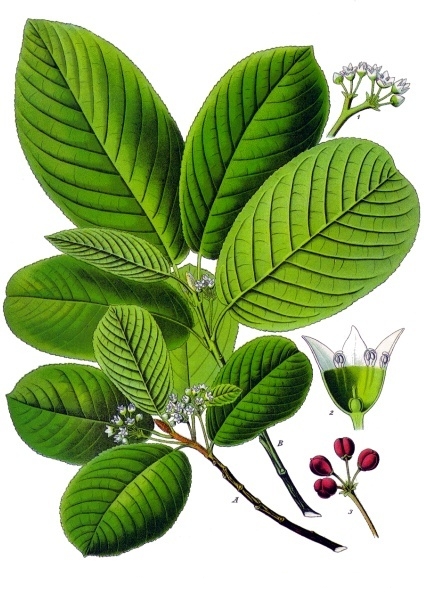 Cascara sagradaFrangula purshiana
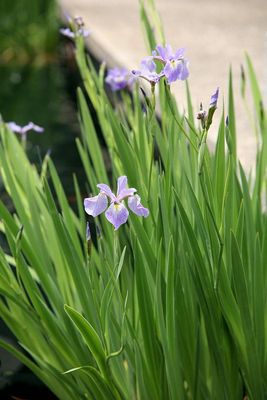 Blue flagIris versicolor
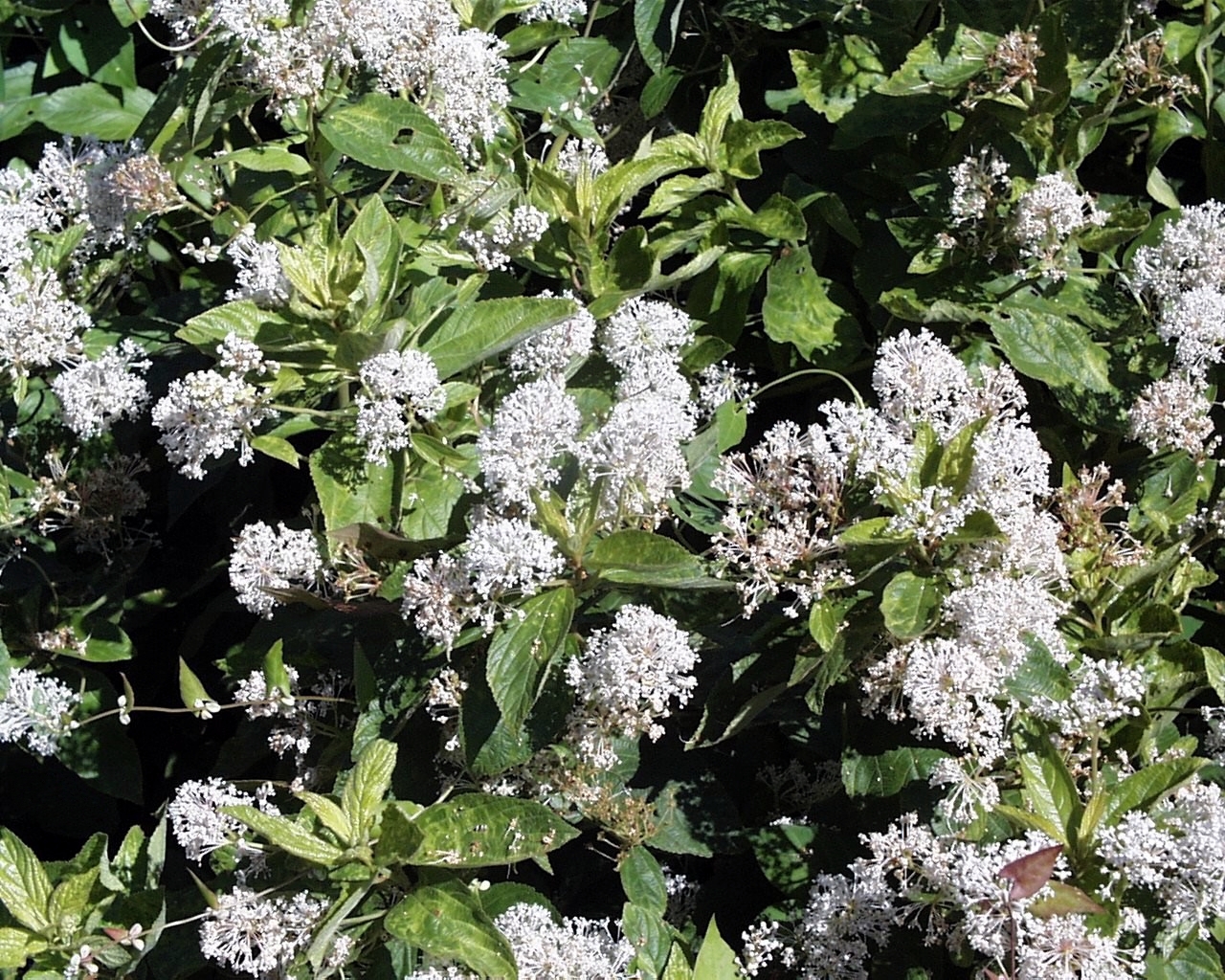 Red rootCeanothus americanus
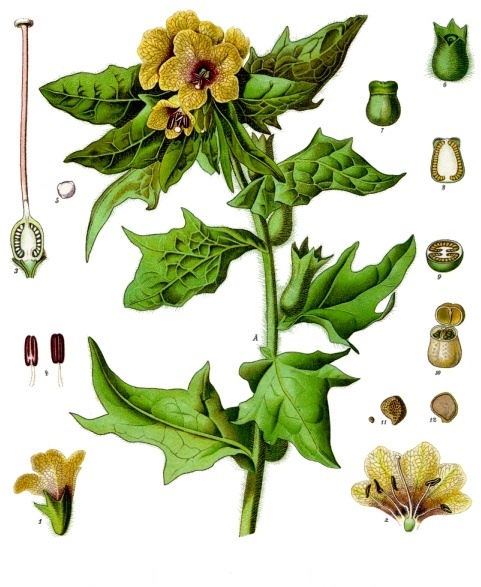 HenbaneHyoscyamus niger
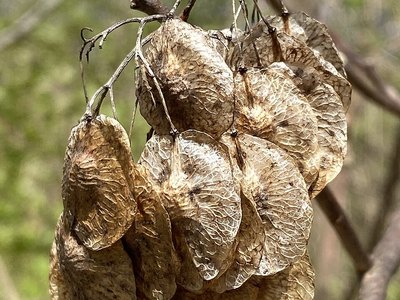 Wafer ashPtelea trifoliata
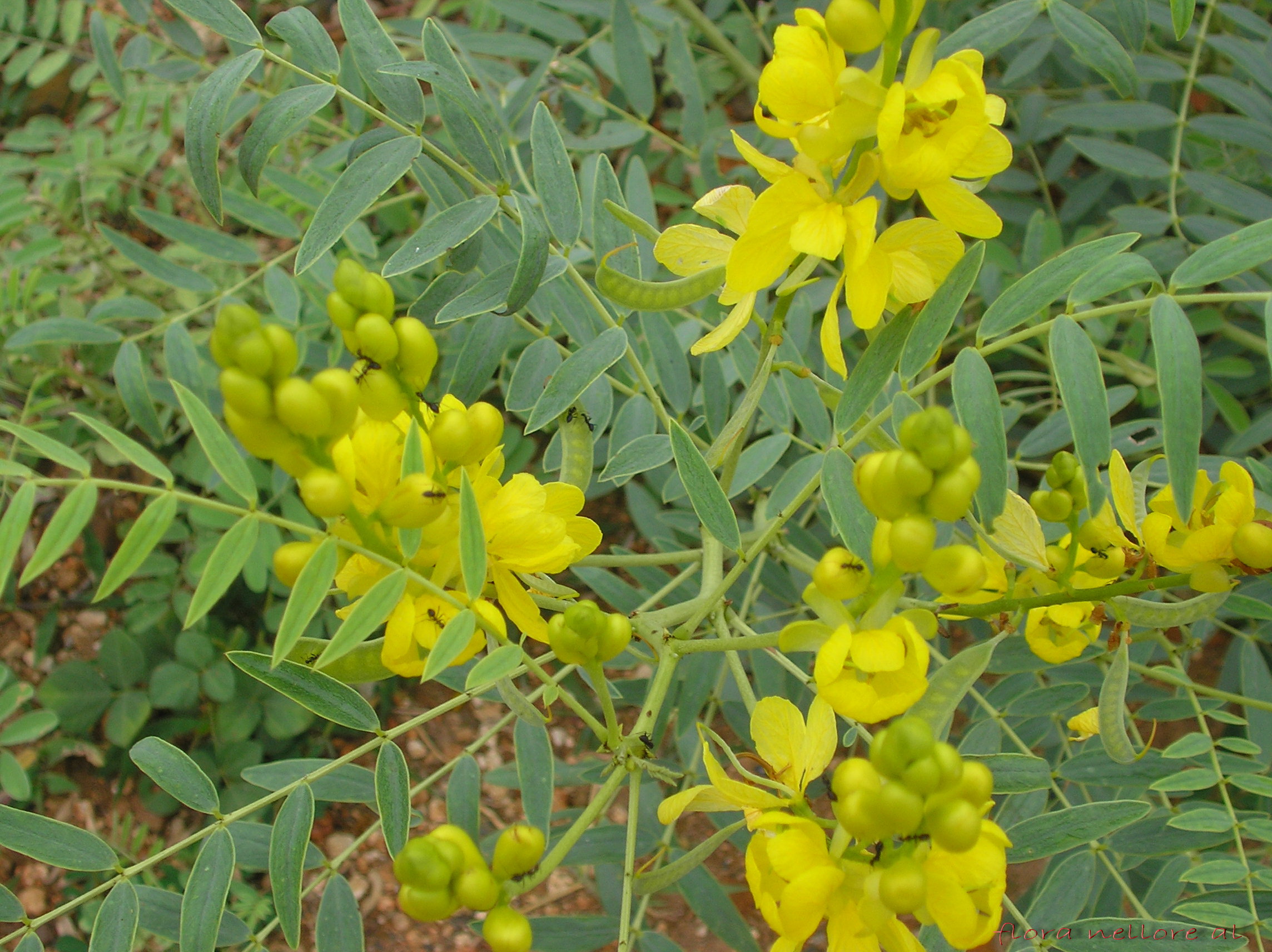 SennaSenna alexandrina
Nearby on the shelf
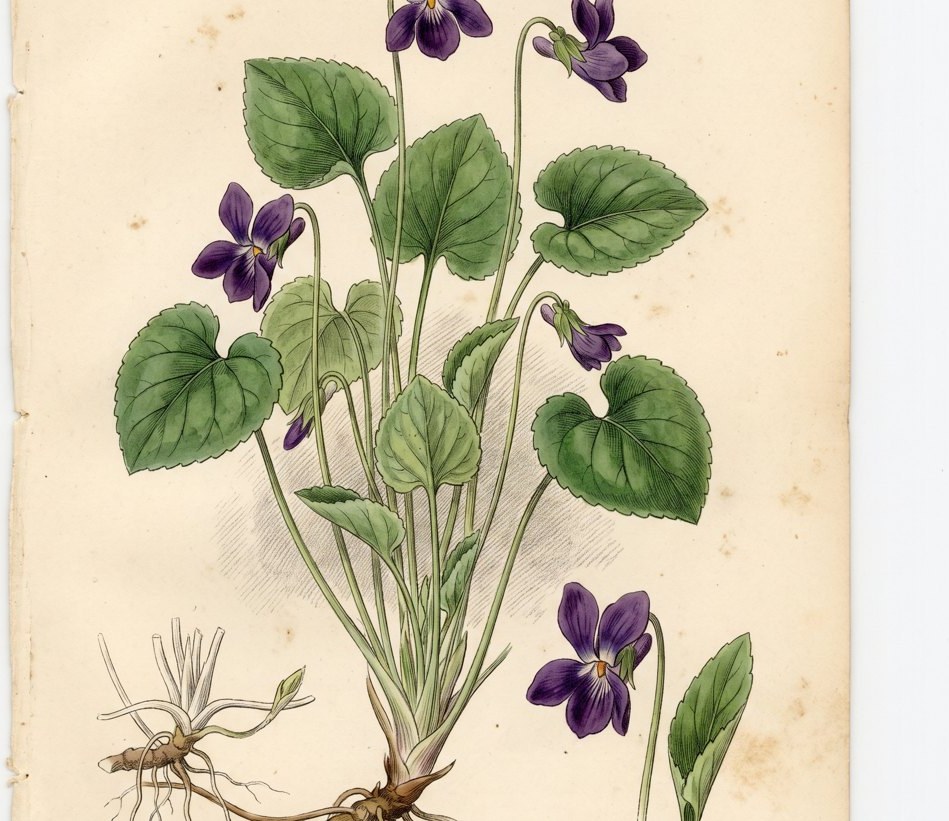 VioletViola
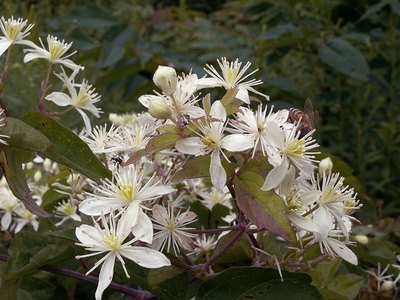 Virgin's bowerClematis virginiana
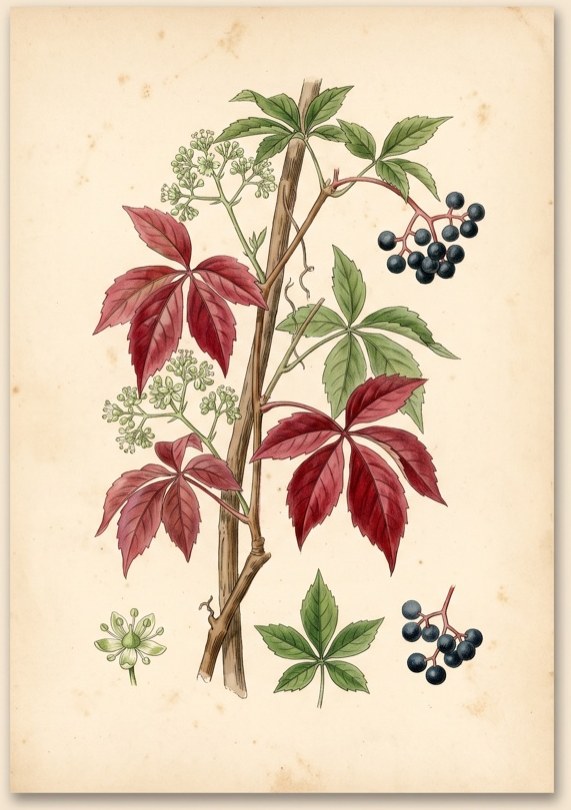 Virginia creeperAmpelosis quinquefolia
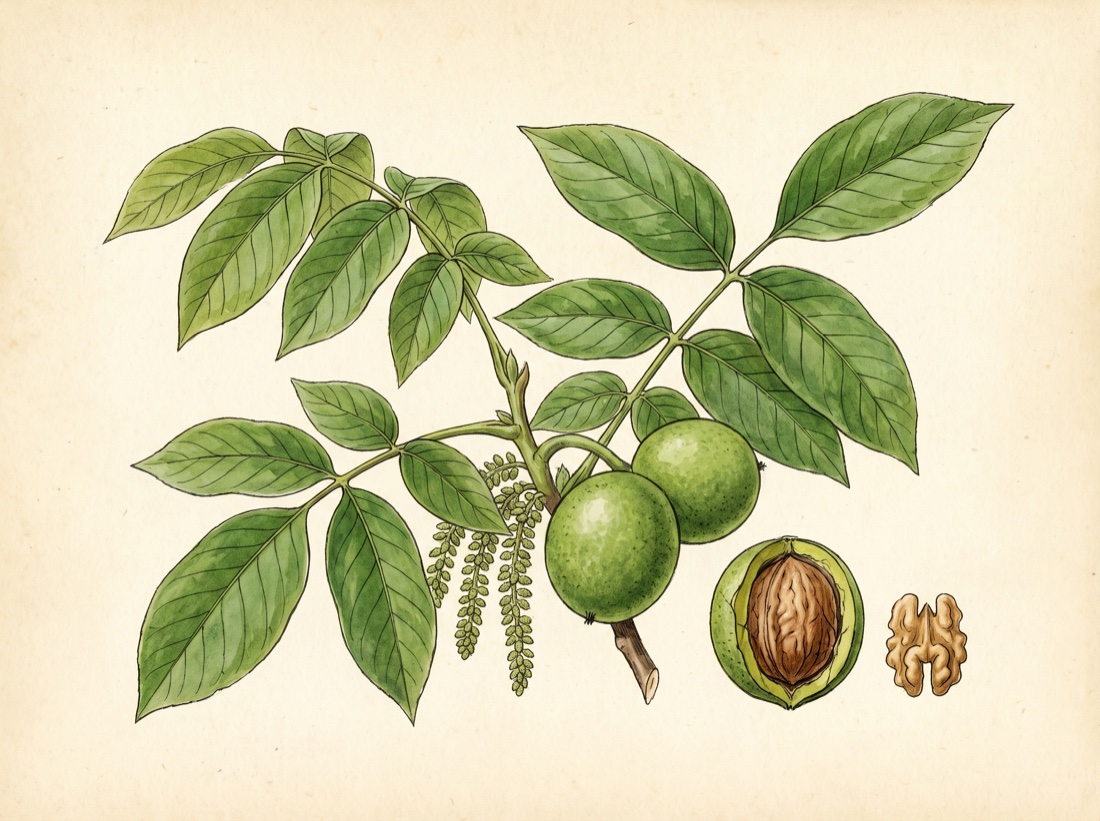 WalnutJuglans regia
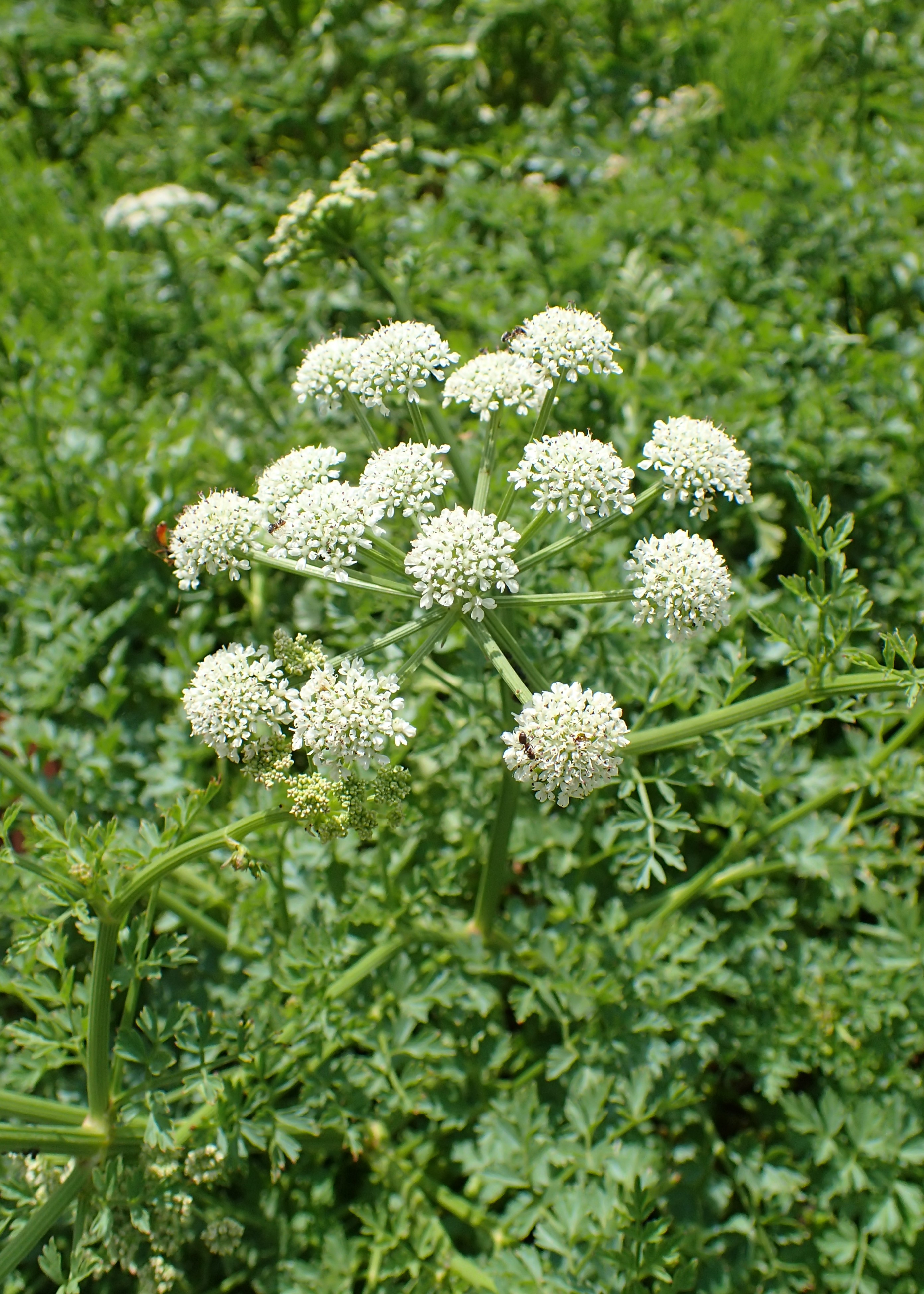 Water fennelPhellandrium
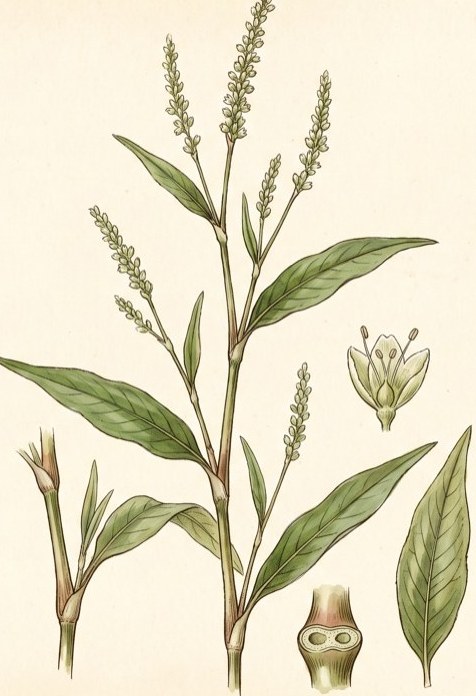 Water pepperPolygonum punctatum
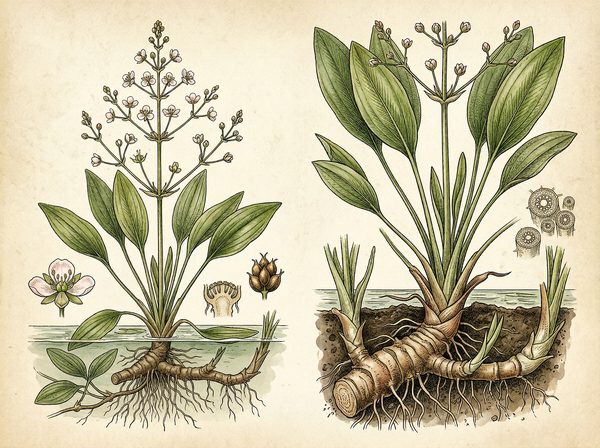 Water PlantainAlisma plantago-aquatica
The whole plate is in the library. The compass, Compare, the Sky of eleven hundred plants and the formulary open with an email address and a password, free, with the formula builder and its safety engine. Herbert without limit, his formulating, clients, the handouts and the labels are the paid room.
Open the library, free