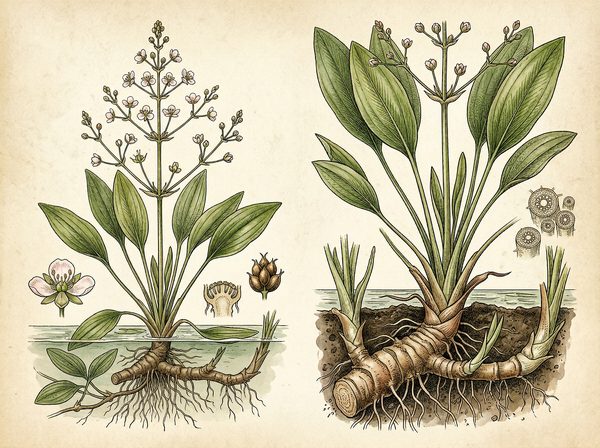
Western and Chinese herbalism
Water Plantain
Alisma plantago-aquatica
Also known as Ze Xie, Mad-dog weed, zé xiè.
Rhizome used as Rhizoma Alismatis (Ze Xie) in TCM Fresh plant toxic - must be dried/cooked Traditional use for urinary Damp-Heat, edema, diarrhea Modern research on lipid-lowering, anti-inflammatory NOAEL >2000 mg/kg/day in 90-day rat study 6467358

Ask Herbert about Water Plantain. Herbert is the master herbalist inside Bountiful Herbs: he answers from this plate and eleven hundred others, with dosing, pairing and cautions. Your first ten questions are free.
Ask HerbertActions
Indications what the tradition reached for it in
- Nephritis
- Digestive complaints
- Liver disease
- Oliguria
- Fatty liver
- Painful urinary dysfunction
- Hyperlipidemia
- Gonorrhea
- Tinnitus
- Dizziness
- Diabetes
- Urinary tract infection
- High cholesterol
- Hypertension
- Leukorrhea
- Diarrhea
- Bladder disease
- Kidney stone
- White Rabbit
- Pelvic inflammatory disease
- Edema
- Fluid retention
- Infection
- Inflammation
- Urinary disorders
- Urinary complaints
Safety
Pregnancy: Not safe. Not for use in pregnancy (our record's flag)
Pregnancy, our record, read from the sentence: Caution. Edema during pregnancy American Dragon
Pregnancy, our record's flag: Caution. Use with care in pregnancy (our record's flag)
Pregnancy, published rating: No concern. AHPA Botanical Safety Handbook class 1 (no information suggesting a problem)
Breastfeeding: Not safe. Not for use while breastfeeding (our record's flag)
Breastfeeding, published rating: No concern. No breastfeeding concern in the published ratings (published rating)
The record lists 6 contraindications; open the plate in the library to read them in full.
Dosing as the sources wrote it
| Preparation | As written | Metric |
|---|---|---|
| Tincture | Tincture 5-15 mL daily | 5-15 mL |
| Decoction/Tea | Decoction/Tea 4-9 g daily | 4000-9000 mg |
| infusion | Dose of the infusion, from 4 to 6 fluid-ounces, 3 or 4 times a day; of the leaves, 1 to 2 drachms. |
Doses are reproduced from the sources for practitioners and are not a recommendation for any person.
From the sources
Clinical Notes. Rhizome used as Rhizoma Alismatis (Ze Xie) in TCM Fresh plant toxic - must be dried/cooked Traditional use for urinary Damp-Heat, edema, diarrhea Modern research on lipid-lowering, anti-inflammatory NOAEL >2000 mg/kg/day in 90-day rat study 6467358
Properties and Uses. The leaves, when fresh, are highly stimulating, and even vesicant. When dry, a strong infusion of them proves relaxing and stimulating, acting on the skin and kidneys. Used warm, this will secure gentle moisture on the surface, and quiet nervous agitation.
Action, Medical Uses, and Dosage. An infusion of the dried leaves is an excellent remedy in urinary diseases; the leaves, dried and powdered, have been successfully employed in gravel, and other urinary affections. The indications are: "Irritation and uneasiness in passing water, frequent desire to micturate, pain in the loins, and involuntary muscular movement" (Scudder, Spec. Med.). Dose of the infusion, from 4 to 6 fluid-ounces, 3 or 4 times a day; of the leaves, 1 to 2 drachms. The fresh leaves, bruised and applied to the skin, irritate and redden it, and, not infrequently, will cause vesication.
Botanical Source, Description, and History. A perennial, caulescent herb, growing in watery places, along streams, in marshes, and on the borders of ponds. Water plantain has long (4 to 6 inches), radical, oblong, or lanceolate leaves, subcordate at the base, cuspidate, or abruptly acuminate, and borne on long petioles.
Drawn from Cook's Physio-Medical Dispensatory; King's American Dispensatory, 18th edition (Felter and Lloyd), and the Bountiful Herbs editorial.
In formulas
Water Plantain stands in 145 documented formulas in the library, among them lì chuan jiàn, shù záo yin zi, shu gǎn lí pí tāng, lóng dǎn xiè gàn tāng, gui líng gàn lù yin, gui líng gǎn lù yìn.
Often paired with
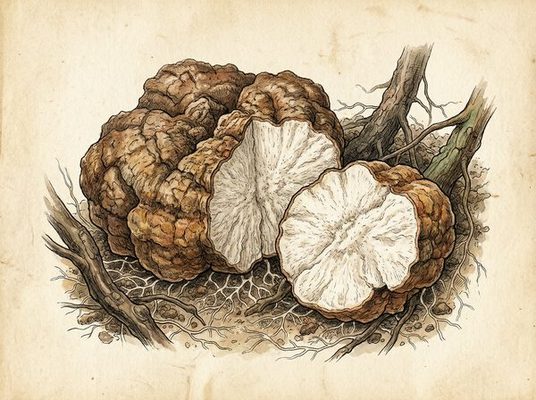 PoriaWolfiporia extensa
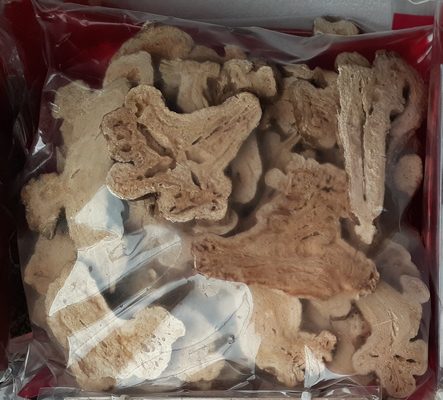 Bai ZhuAtractylodes macrocephala
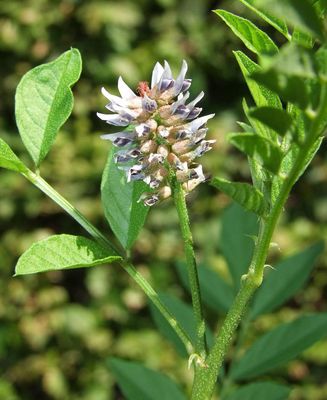 Licorice rootGlycyrrhiza glabra
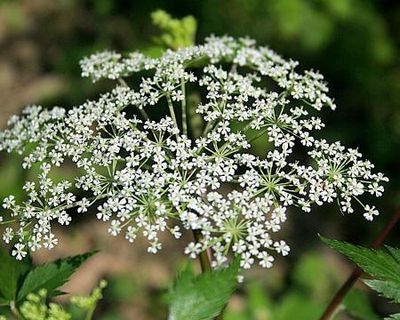 Dong QuaiAngelica sinensis
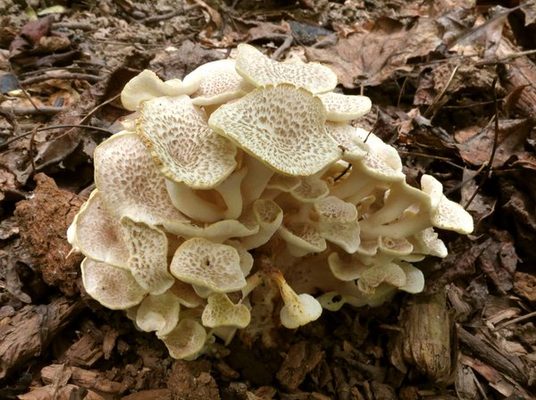 Zhu LingPolyporus umbellatus
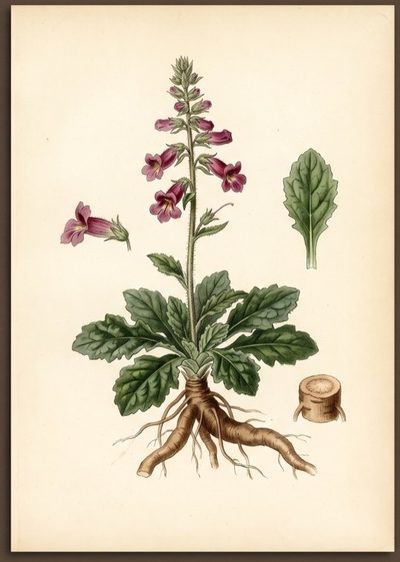 RehmanniaRehmannia glutinosa
Nearby on the shelf
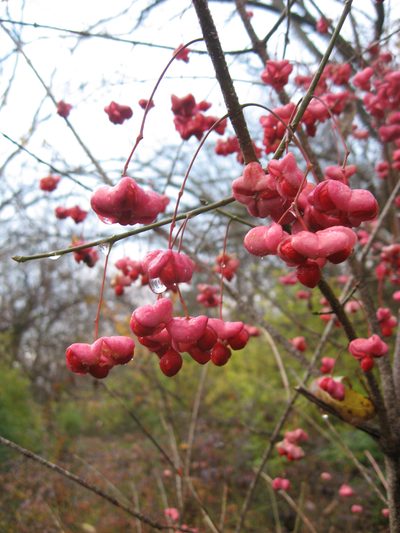 WahooEuonymus atropurpureus
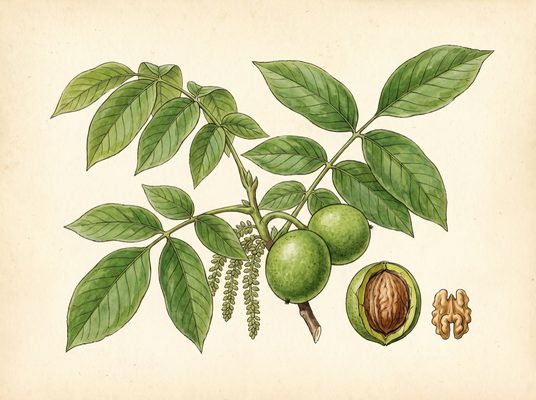 WalnutJuglans regia
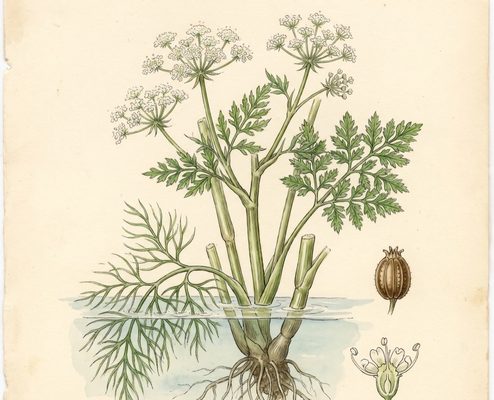 Water fennelOenanthe phellandrium
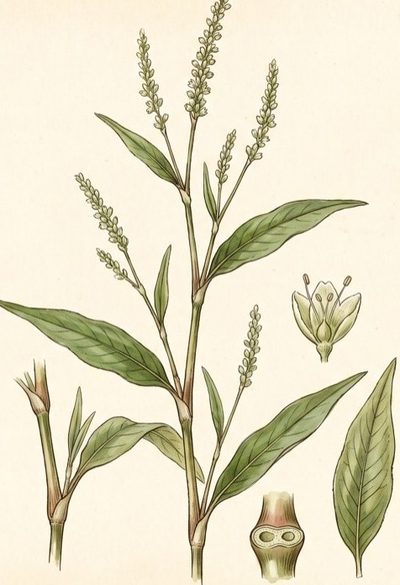 Water pepperPolygonum punctatum
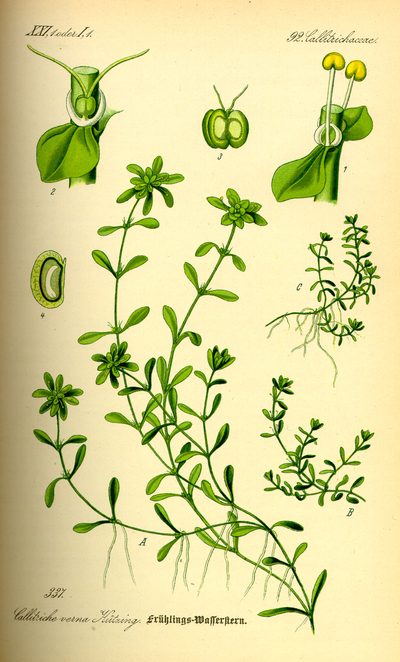 Water-StarwortCallitriche verna
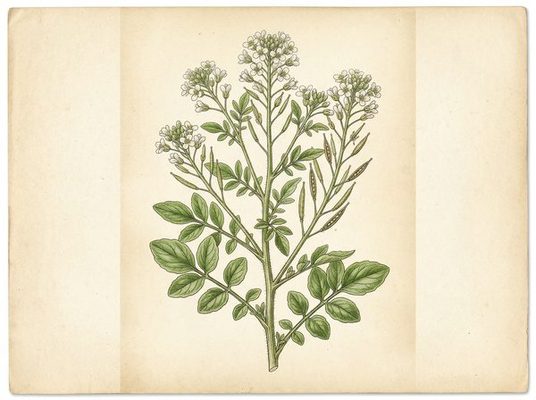 WatercressNasturtium officinale
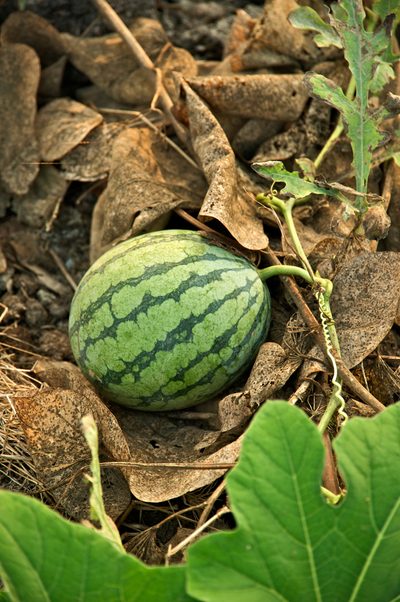 WatermelonCitrullus vulgaris
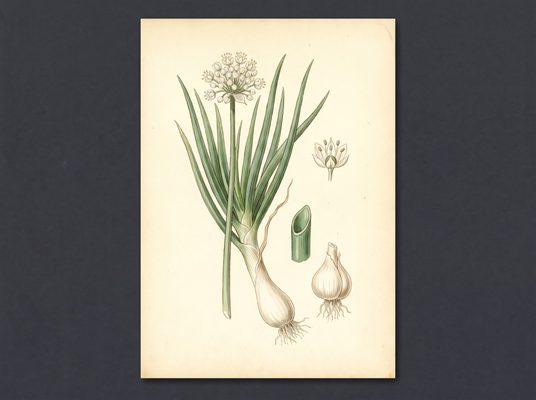 Welsh onionAllium fistulosum
The whole plate is in the library. The compass, Compare, the Sky of eleven hundred plants and the formulary open with an email address and a password, free, with the formula builder and its safety engine. Herbert in full, his formulating, clients, the handouts and the labels are the paid room.
Open the library, free