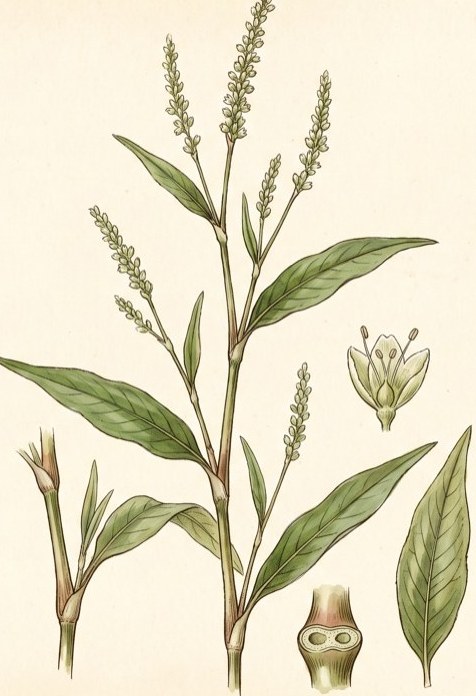
Western Herbalism
Water pepper
Polygonum punctatum
Also known as Smartweed, Dotted smartweed, Water smartweed, Polygonum, Smart-weed.
Water pepper is an annual to short-lived perennial herb of wet meadows, ditches, and marsh edges across North America, closely related to the European water pepper of herbal tradition. The fresh flowering aerial parts are used, prized for a hot, biting, peppery taste on the tongue that gives the plant its common name. It held a defined place in nineteenth century Eclectic practice as a warming stimulant with particular affinity for the uterus and the skin.

Ask Herbert about Water pepper. Herbert is the master herbalist inside Bountiful Herbs: he answers from this plate and eleven hundred others, with dosing, pairing and cautions. Your first ten questions are free.
Ask HerbertActions
Indications what the tradition reached for it in
- Amenorrhea from chill or suppressed sweating
- Dysmenorrhea with cramping
- Menorrhagia and other uterine bleeding
- Early common cold with dry skin and no sweat
- Simple diarrhea
- Rheumatic and muscular pain (topical)
- Hemorrhoids (topical)
- Insect bites and stings (topical, traditional)
Specific indications
Suppressed or delayed menses following a recent chill, with dragging low pelvic cramping
Cold or ague with dry hot skin and no sweat, when a diaphoretic push is wanted
Passive uterine or capillary bleeding with cold, sluggish circulation
Safety
Low dose botanical. Used in drop doses in the classical practice; not a plant to dose freely.
Pregnancy: Avoid in pregnancy: traditional use as an emmenagogue and uterine stimulant is inconsistent with safe use in pregnancy.
Breastfeeding: Insufficient data to support safe use during lactation; avoid or use only under professional guidance.
The record lists 5 contraindications; open the plate in the library to read them in full.
In practice
Water pepper is reached for when a cold or suppressed menstrual flow follows a chill and the skin stays dry and unresponsive. Eclectic physicians valued the fresh tincture as a reliable stimulant diaphoretic that could be paired with warming carminatives such as ginger for the early stage of a cold, and as an emmenagogue for amenorrhea specifically tied to a recent chill rather than to general debility or anemia.
Dosing as the sources wrote it
| Preparation | As written | Metric |
|---|---|---|
| Tincture, fresh herb (1:2, 60%) | 1-2 mL three times daily | 1-2 mL |
| Infusion, dried herb | 2-4 g dried herb as infusion, up to three times daily | 2000-4000 mg |
| Historical specific tincture (Scudder's Specific Medication, distinct low-dose school) | 0.06-3.7 mL (1-60 minims) as used historically, not directly comparable to standard tincture dosing | 0.06-3.7 mL |
| Specific Polygonum | Dose, from one to sixty minims. | 0.06-3.7 mL |
Doses are reproduced from the sources for practitioners and are not a recommendation for any person.
From the sources
Overview. Water pepper is an annual to short-lived perennial herb of wet meadows, ditches, and marsh edges across North America, closely related to the European water pepper of herbal tradition. The fresh flowering aerial parts are used, prized for a hot, biting, peppery taste on the tongue that gives the plant its common name. It held a defined place in nineteenth century Eclectic practice as a warming stimulant with particular affinity for the uterus and the skin.
Clinical Notes. Water pepper is reached for when a cold or suppressed menstrual flow follows a chill and the skin stays dry and unresponsive. Eclectic physicians valued the fresh tincture as a reliable stimulant diaphoretic that could be paired with warming carminatives such as ginger for the early stage of a cold, and as an emmenagogue for amenorrhea specifically tied to a recent chill rather than to general debility or anemia.
Therapy. In suppression of the menses from cold, thirty drops in hot water may be drunk every two hours. It is a prompt remedy. It may be begun two weeks before the menses should next appear, if one period has passed, and given every four hours in cold water, until a day or two before the expected time, when it can again be given in hot water.
Specific indications and reasoning. (WATER PEPPER.) Preparation: Prepare a tincture from the fresh herb, in the proportion of 5viij. to Alcohol 76° Oj. Dose gtts. ij. to 388. I regard the tincture of Water-Pepper as one of our most certain stimulant diaphoretics. It is also oue of the best emmenagogues, especially when the arrest is from cold. It influences the urinary and reproductive organs, but its action in these directions needs to be studied.
Drawn from Scudder's Specific Medication and Specific Medicines; Ellingwood's American Materia Medica, Therapeutics and Pharmacognosy, and the Bountiful Herbs editorial.
Often paired with
 SmartweedPolygonum hydropiper
 KnotgrassPolygonum aviculare
 black pepperPiper nigrum
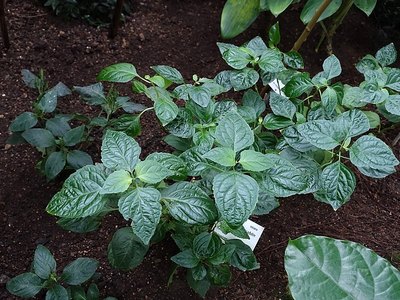 PatchouliPogostemon cablin
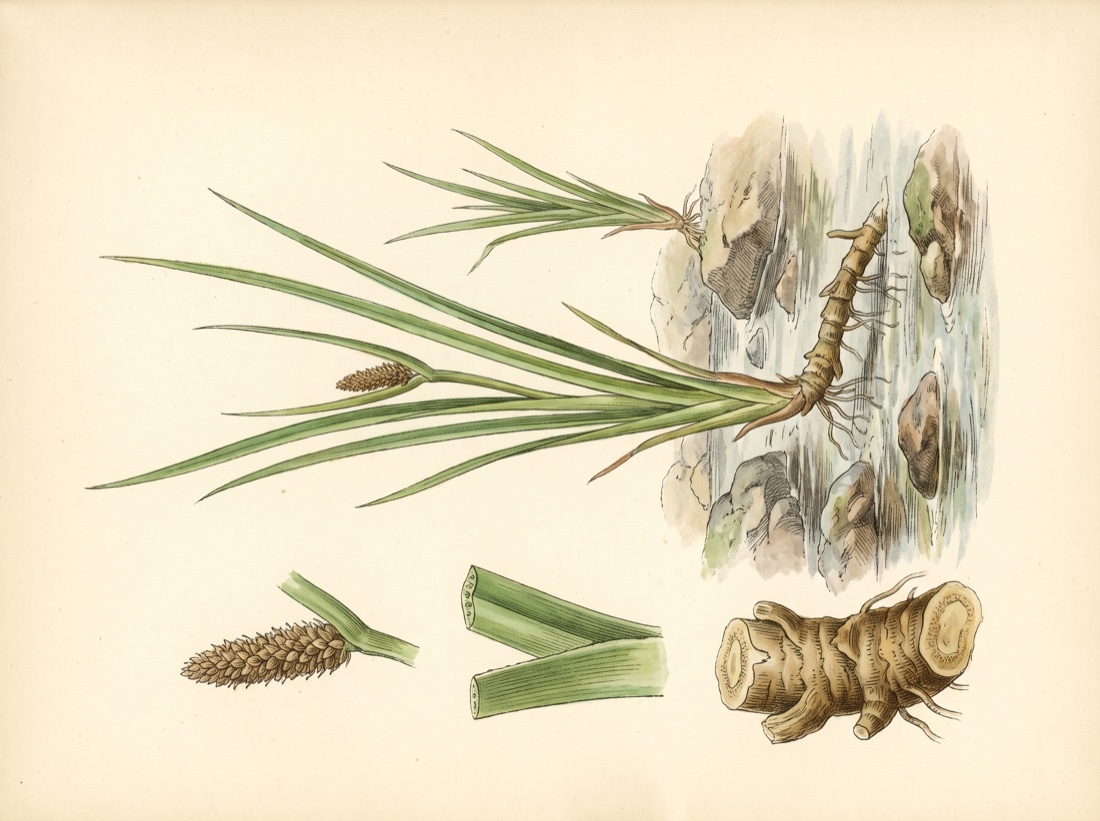 grass-leaf sweet flagAcorus gramineus
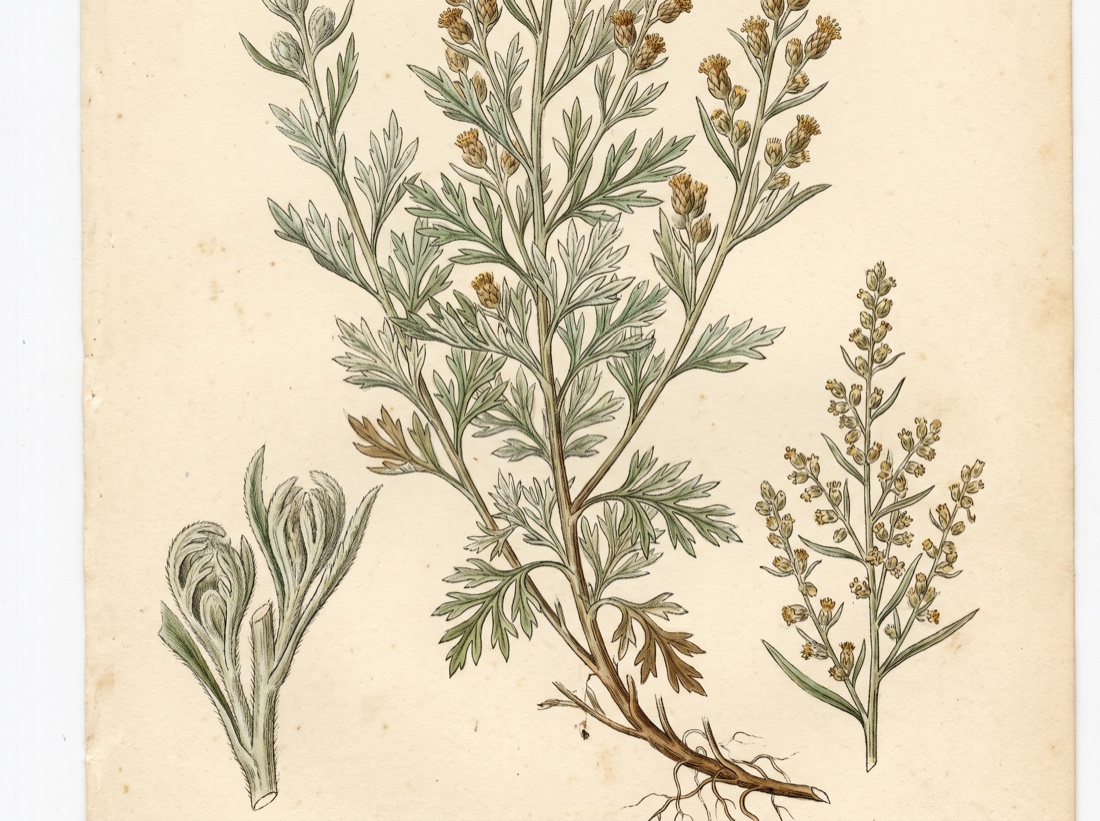 capillary wormwoodArtemisia capillaris
Nearby on the shelf
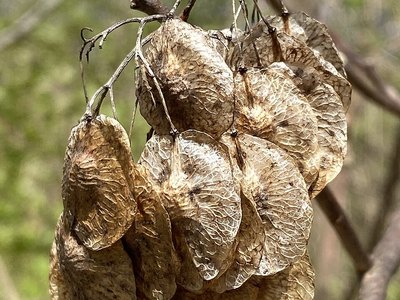 Wafer ashPtelea trifoliata
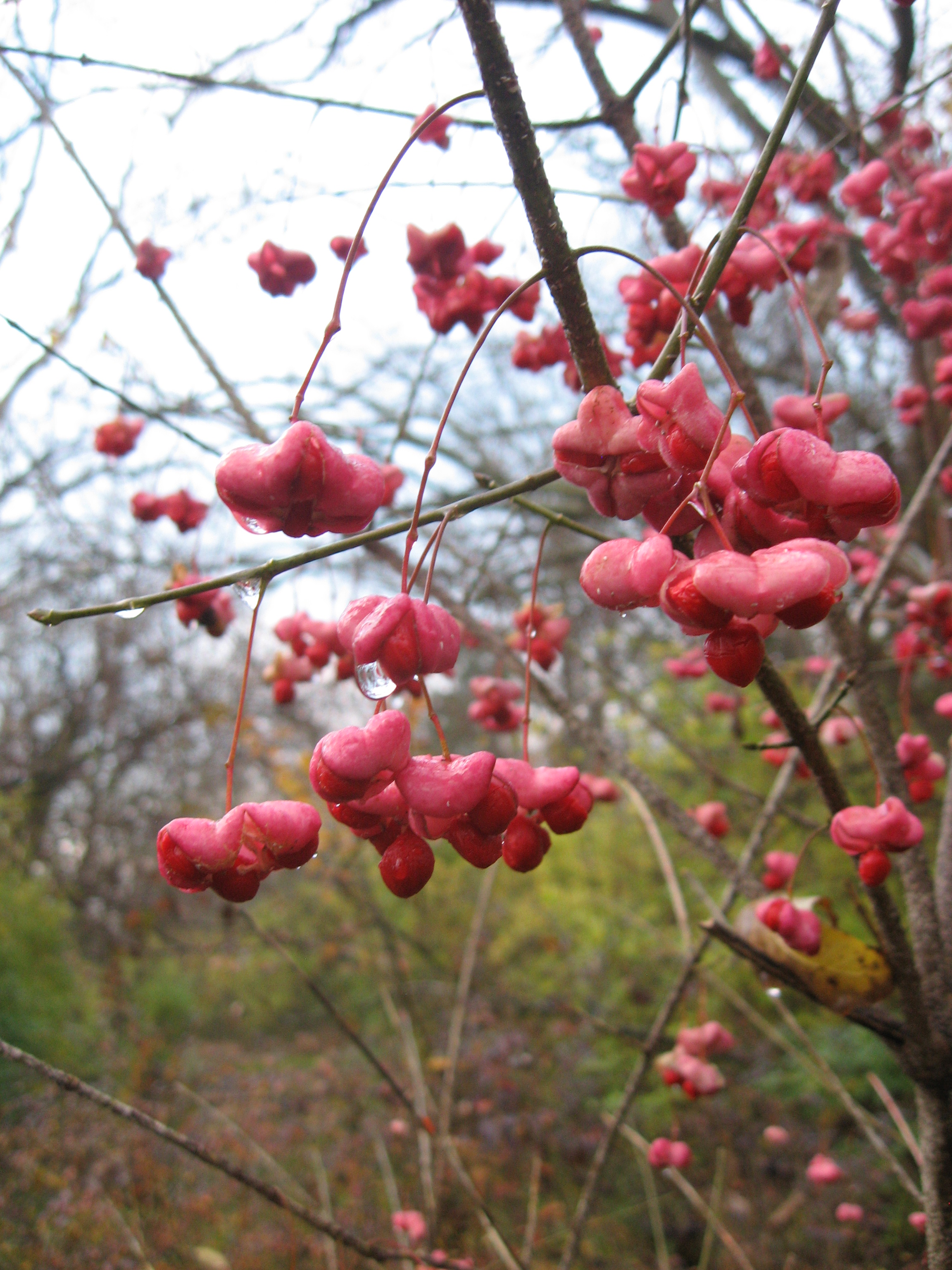 WahooEuonymus atropurpureus
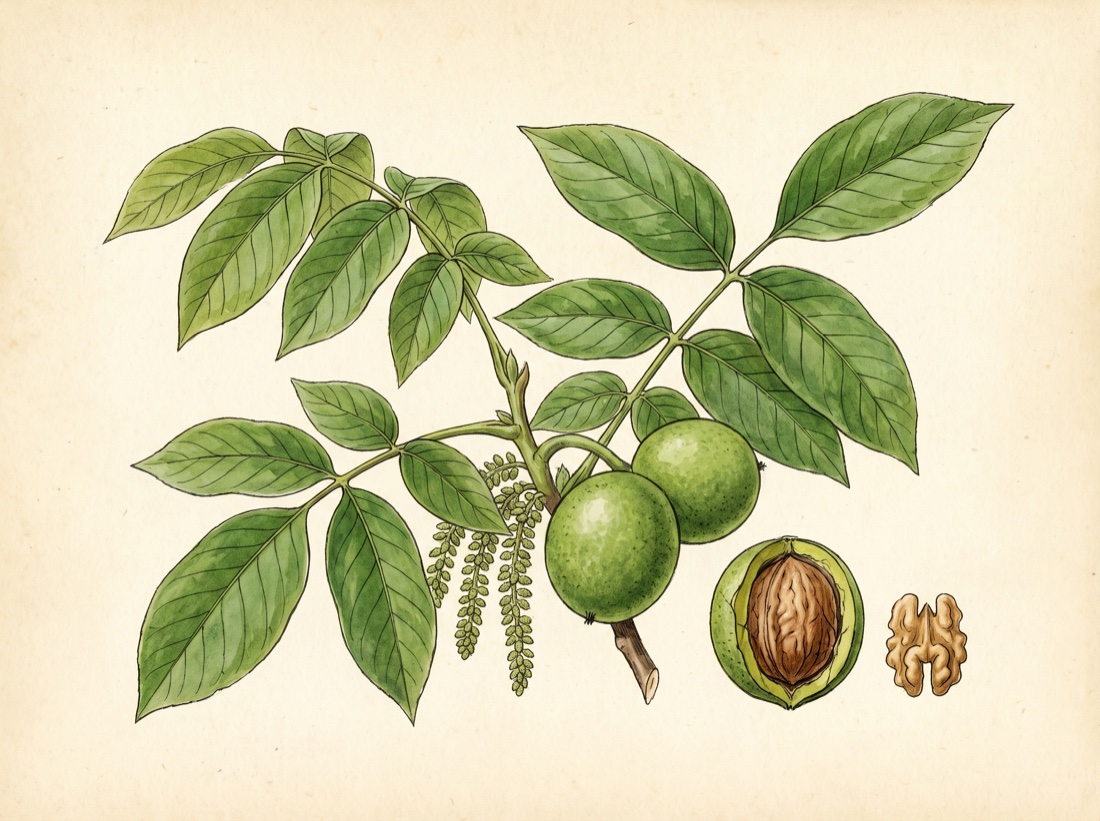 WalnutJuglans regia
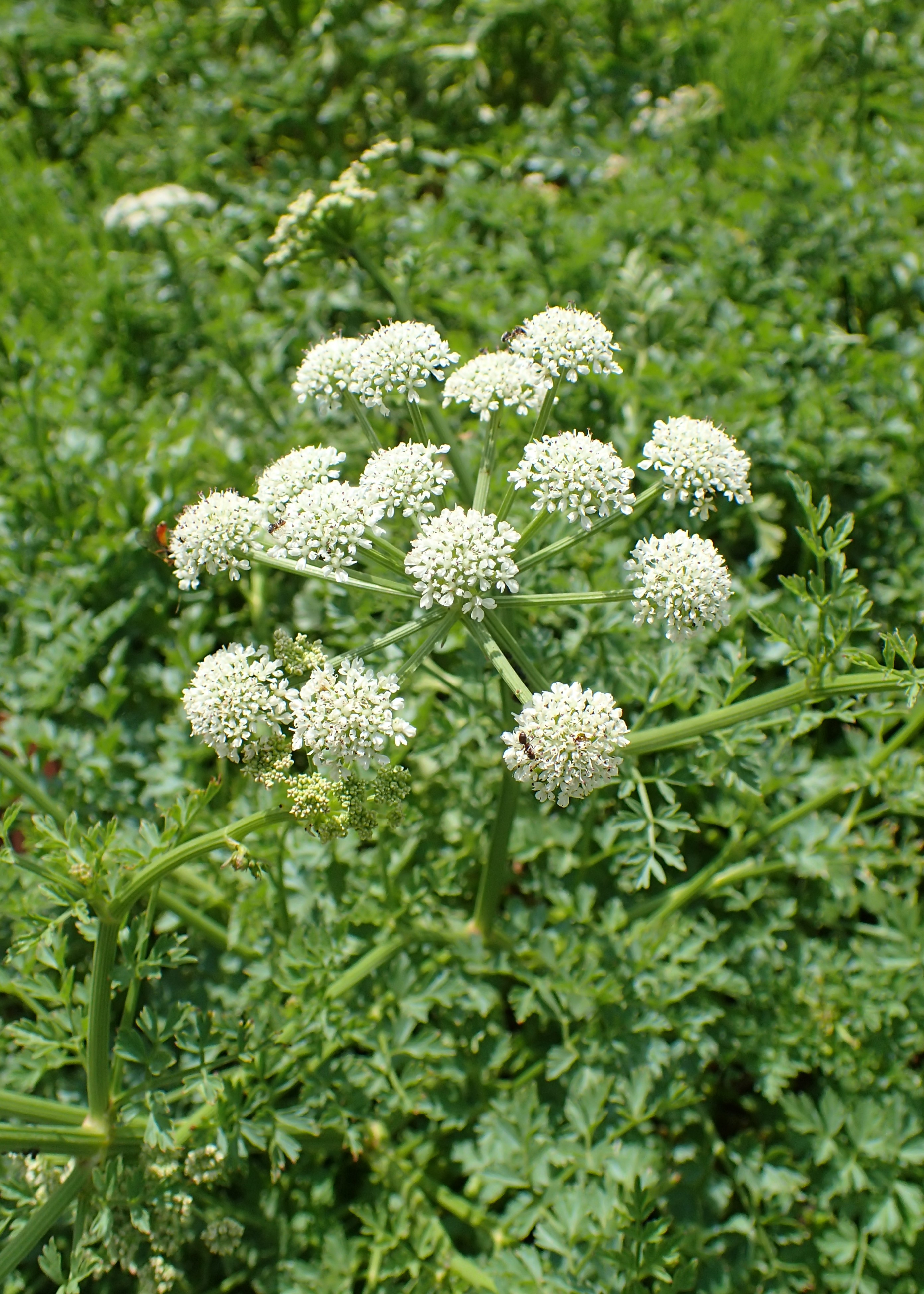 Water fennelPhellandrium
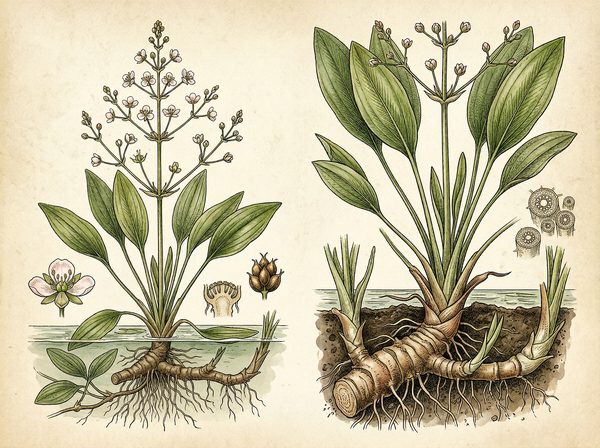 Water PlantainAlisma plantago-aquatica
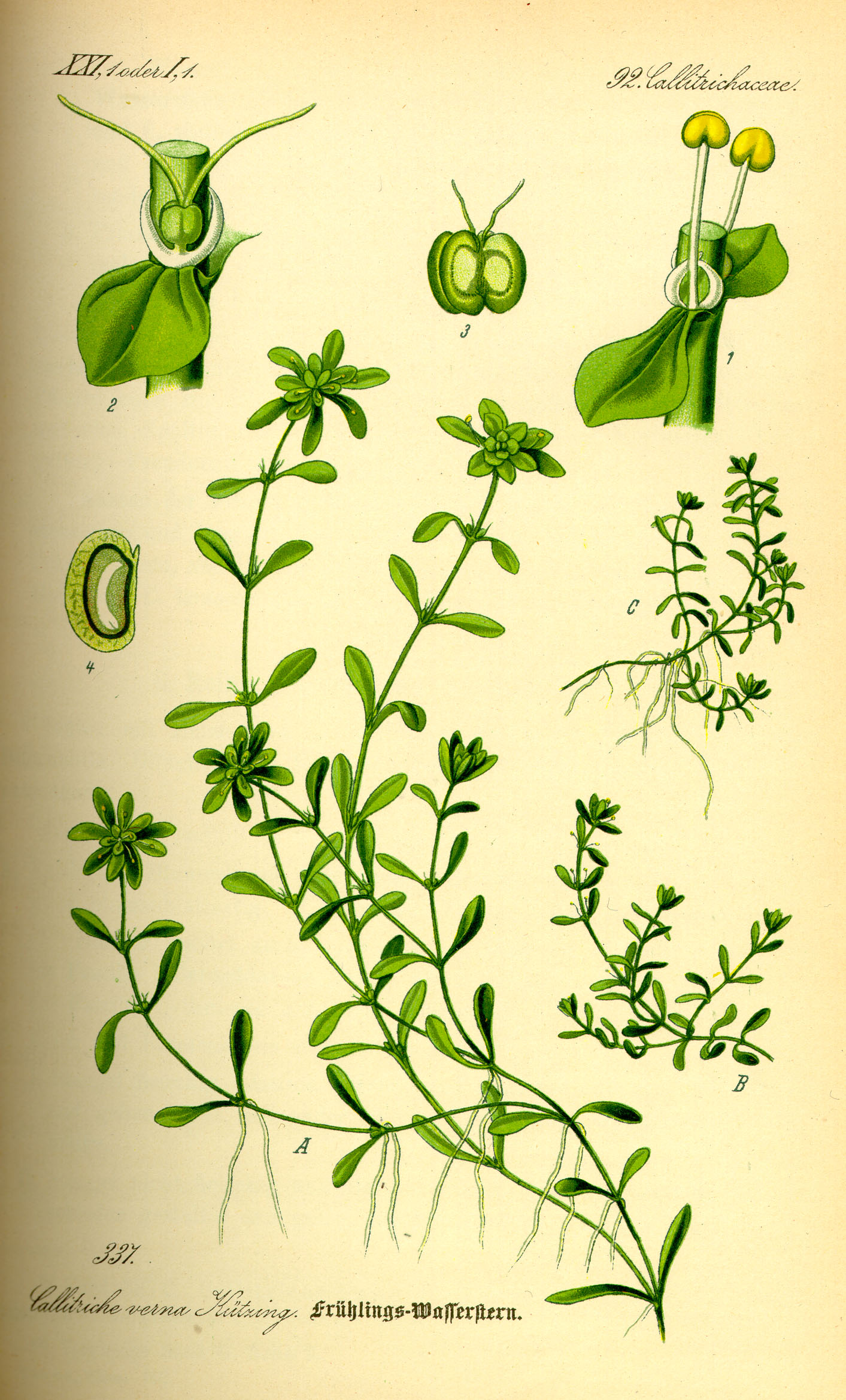 Water-StarwortCallitriche
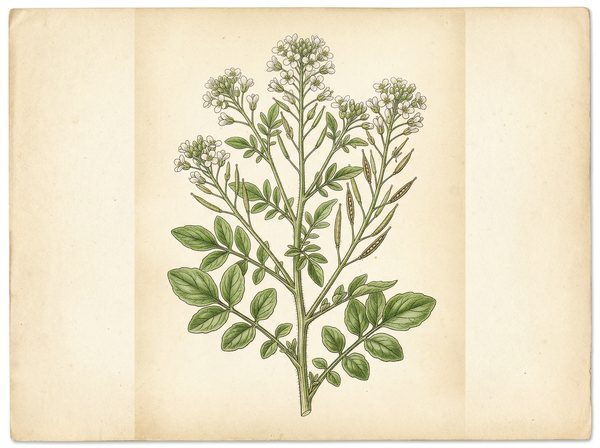 WatercressNasturtium officinale
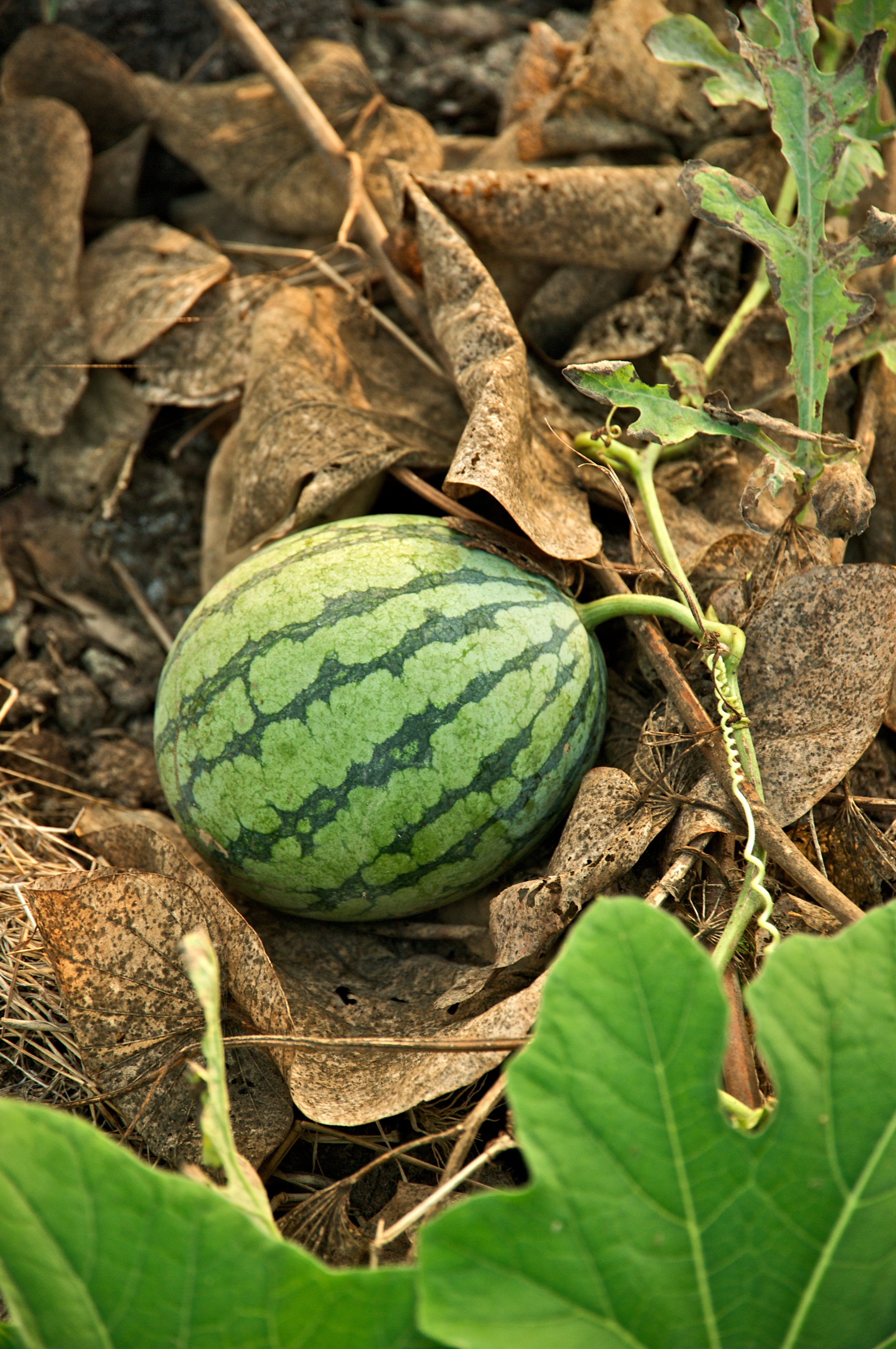 WatermelonCitrullus vulgaris
The whole plate is in the library. The compass, Compare, the Sky of eleven hundred plants and the formulary open with an email address and a password, free, with the formula builder and its safety engine. Herbert without limit, his formulating, clients, the handouts and the labels are the paid room.
Open the library, free